Travel Destination

Italy beyond the main cities: 12 smaller towns worth visiting

Liam Parker
3.8
April 21, 2026

Venice is often seen as one of the most iconic destinations in the world, known for its canals, bridges, and historic charm. But it is also one of the most visited cities in Europe, which means crowds, higher prices, and a fast-paced tourism environment are part of the experience. Italy, however, is far more diverse than just its headline destinations.

Many travelers are now choosing to explore smaller towns instead—places where daily life feels more authentic, where streets are quieter, and where local culture is easier to experience without rushing. These towns often offer the same architectural beauty, scenic landscapes, and food culture that Italy is known for, but in a more relaxed setting.

If you are looking for top places to visit in Italy beyond the usual route, these 12 towns provide a compelling alternative. They represent some of the best tourist attractions in Italy for travelers who prefer depth, atmosphere, and a slower pace over crowded landmarks.
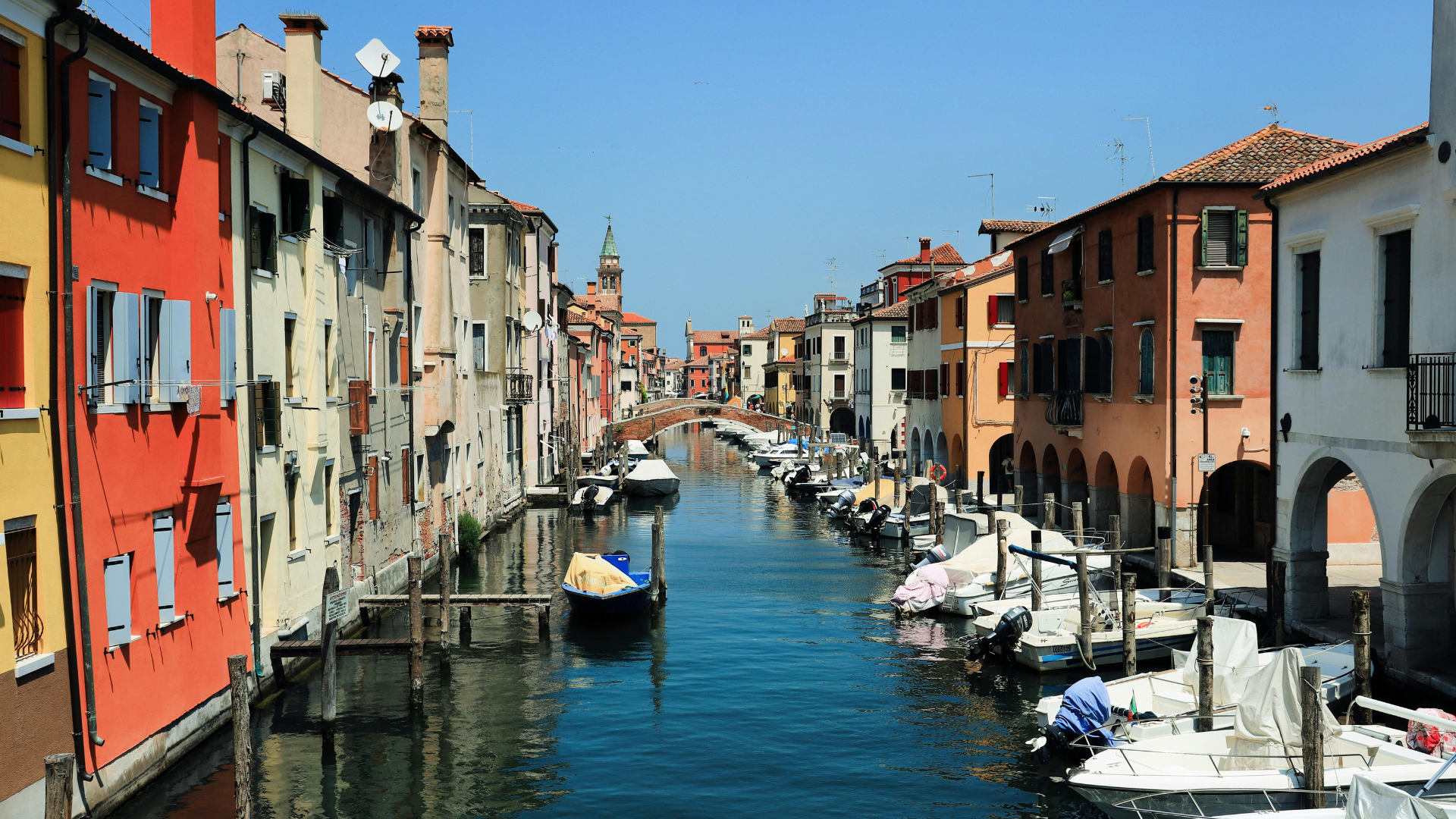
1. Chioggia
© Pexels / Christina & Peter

1. Chioggia

Often described as a quieter alternative to Venice, Chioggia sits at the southern edge of the Venetian Lagoon. It features canals, colorful buildings, and small bridges, but with a much more local and working-town atmosphere. Unlike Venice, it is still a functioning fishing town, where daily life revolves around markets and maritime activity.

Walking through Chioggia feels less like visiting a museum and more like experiencing a lived-in place.

• Best Season to Visit: April to October

• Ideal Visiting Hours: Morning for markets

• Traveler Tip: Visit the fish market early for a local experience

• Must-Know: Less tourist infrastructure than Venice

2. Treviso
© Shutterstock / Claudio Giovanni Colombo

2. Treviso

Treviso is a canal-lined town not far from Venice, offering a similar atmosphere without the heavy crowds. Its historic center features cobbled streets, frescoed buildings, and quiet waterways.

It is also known for its food culture, particularly regional specialties and local wines, making it a well-rounded destination.

• Best Season to Visit: April to June and September

• Ideal Visiting Hours: Afternoon and evening

• Traveler Tip: Explore smaller side streets for hidden cafés

• Must-Know: Easily accessible from major cities

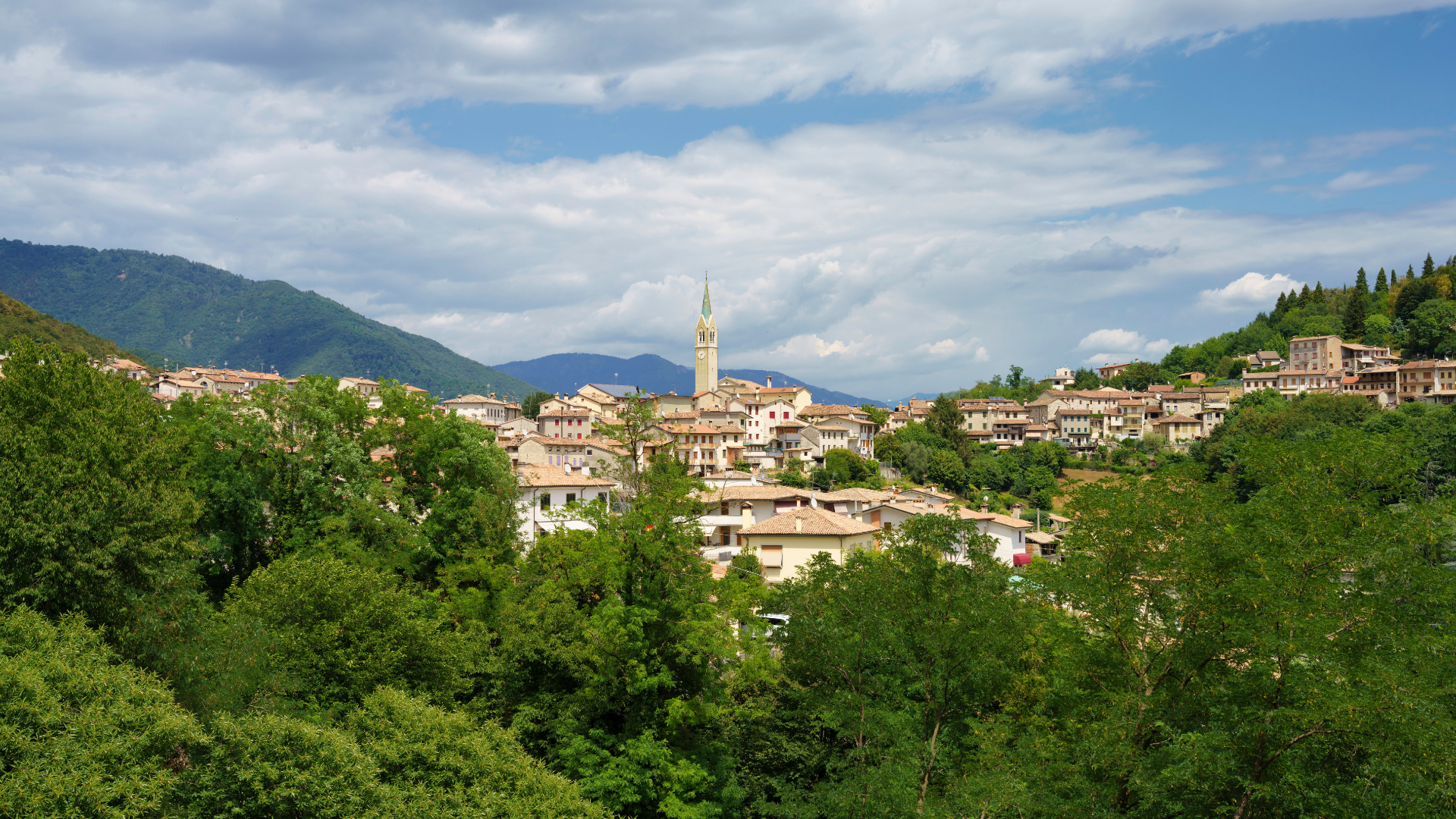
3. Bassano del Grappa
© Pinterest / Alessandro Accebbi

3. Bassano del Grappa

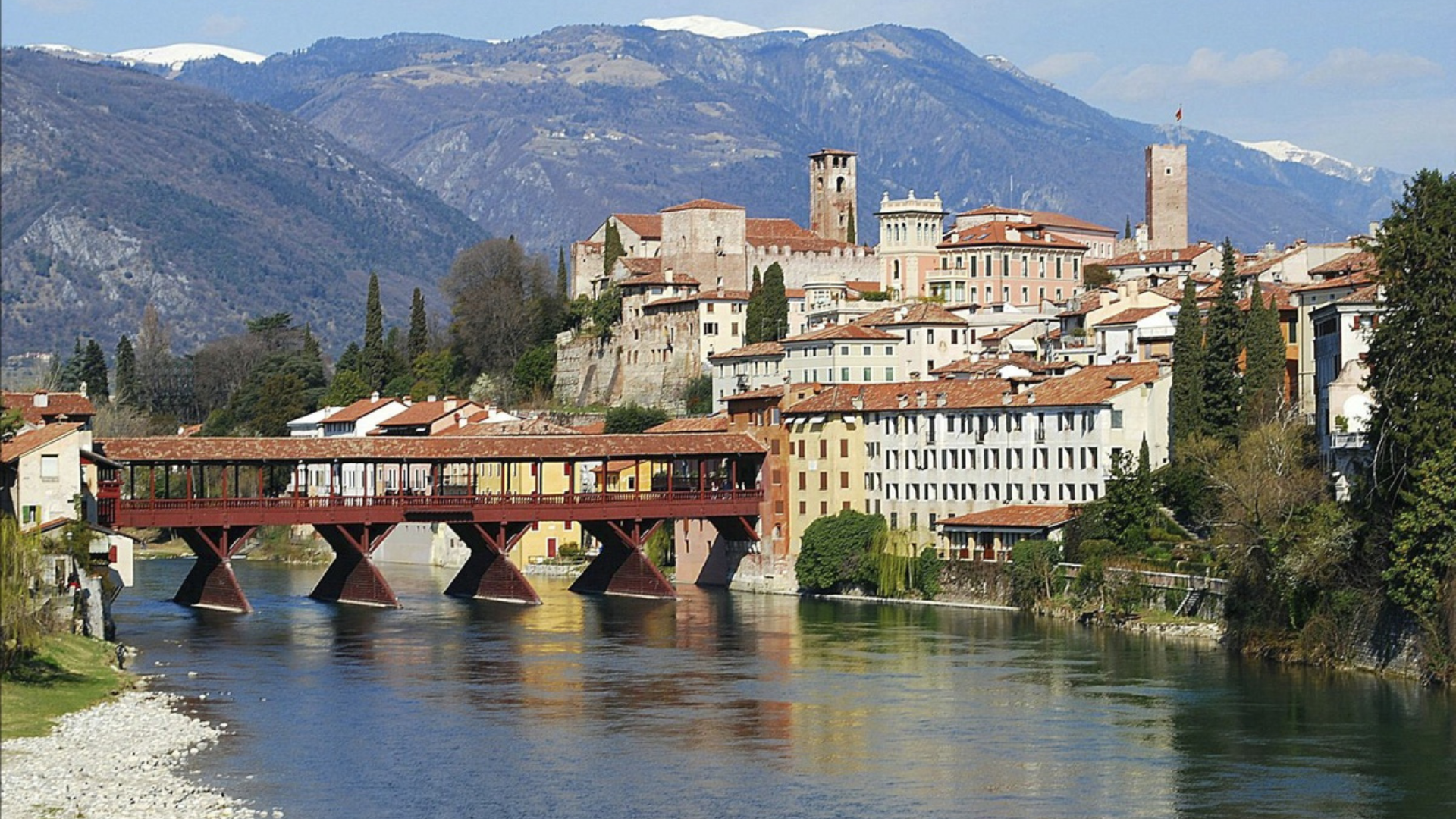
Bassano del Grappa sits at the foothills of the mountains, offering a scenic mix of river views and alpine backdrops. Its wooden bridge over the Brenta River is one of its defining features, and the town itself has a calm, refined atmosphere.

It combines history, architecture, and natural surroundings in a compact setting.

• Best Season to Visit: April to October

• Ideal Visiting Hours: Morning or sunset

• Traveler Tip: Walk across the historic wooden bridge

• Must-Know: Known for traditional grappa production

4. Orvieto
© Unsplash / Gabriel Tovar

4. Orvieto

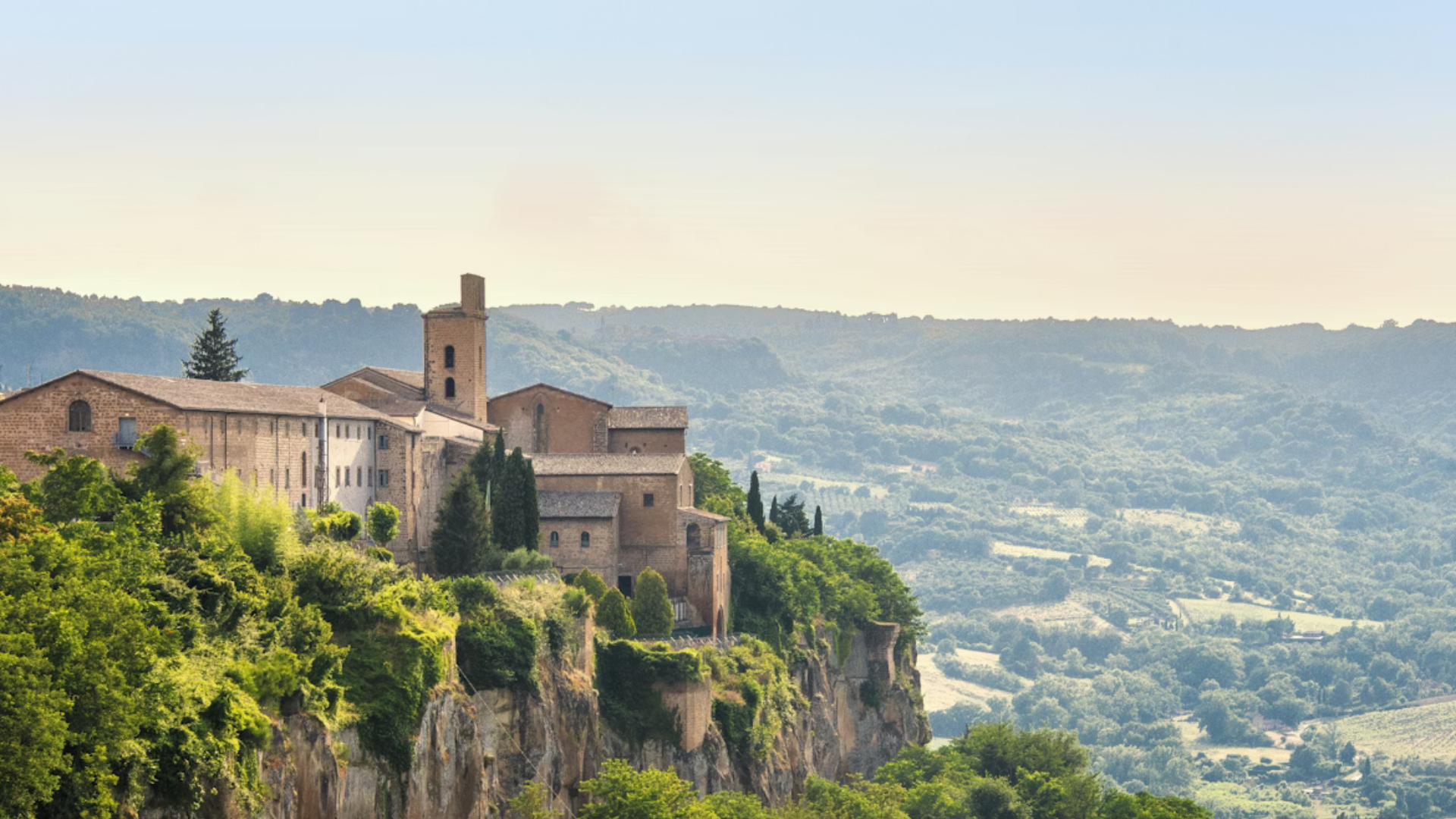
Orvieto is dramatically positioned on a volcanic rock plateau, giving it a striking presence even from a distance. The town is known for its cathedral, underground tunnels, and medieval streets.

Its elevated position provides wide views of the surrounding countryside, adding to its appeal.

• Best Season to Visit: April to October

• Ideal Visiting Hours: Morning

• Traveler Tip: Use the funicular to reach the town easily

• Must-Know: Historic center is largely pedestrian

5. Lucca
© Unsplash / Marian Brandt

5. Lucca

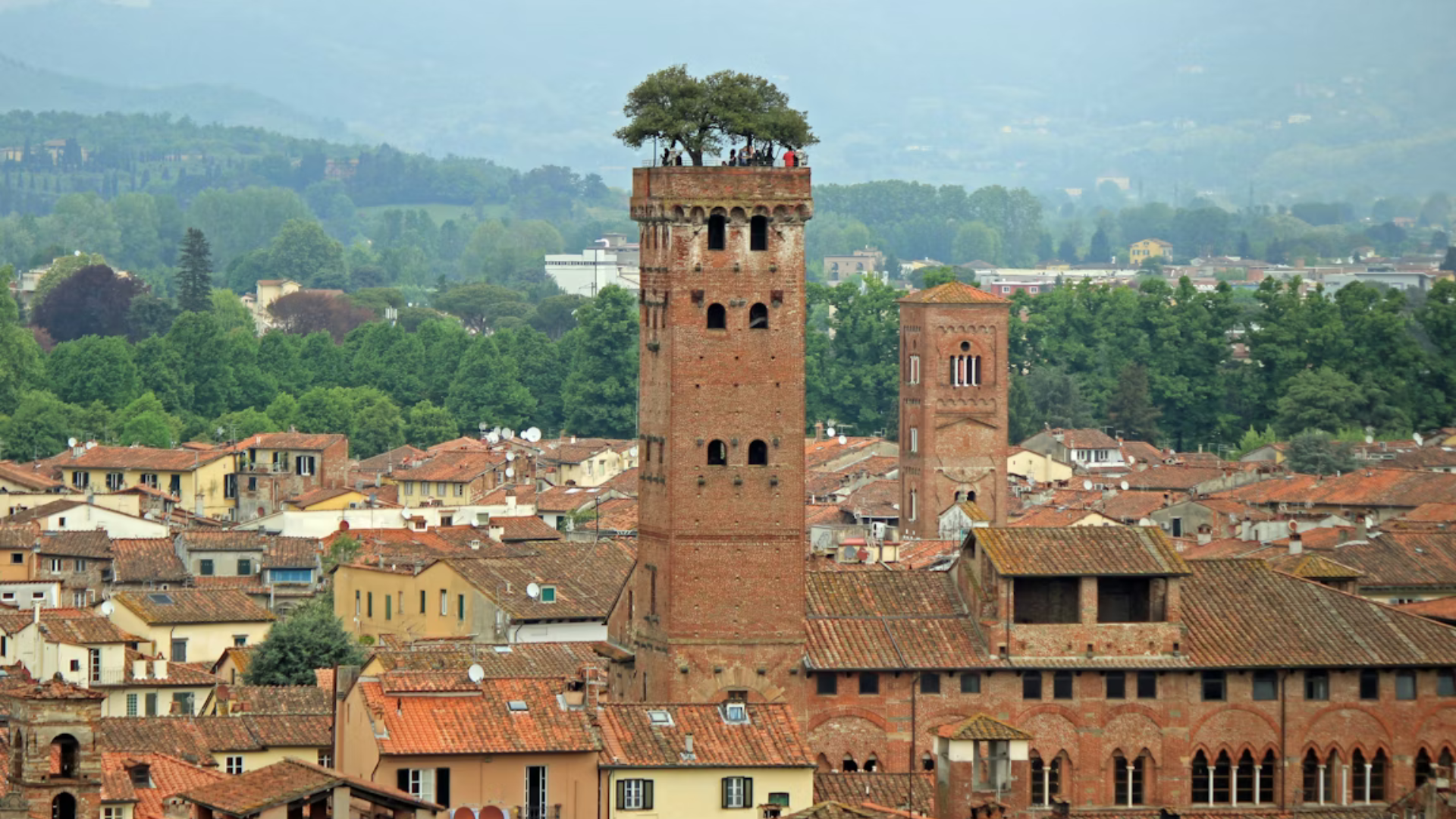
Lucca is a walled city in Tuscany known for its intact Renaissance walls, which now serve as a walking and cycling path. Inside, the city offers quiet streets, historic churches, and a relaxed atmosphere.

It feels less crowded than other Tuscan cities but still rich in culture.

• Best Season to Visit: April to June and September

• Ideal Visiting Hours: Late afternoon

• Traveler Tip: Walk or cycle along the city walls

• Must-Know: Compact and easy to explore

6. Matera
© Unsplash / Kelly

6. Matera

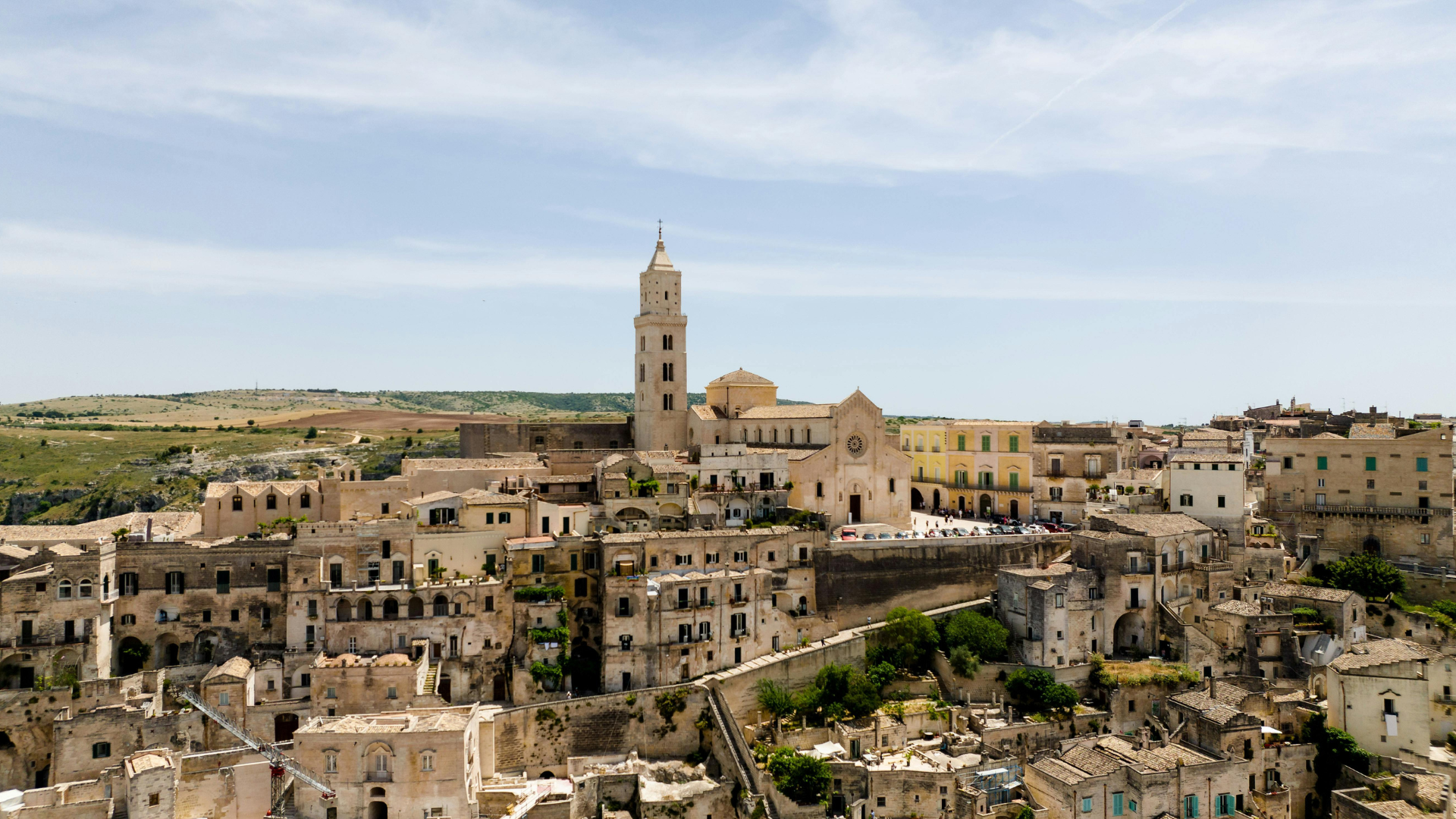
Matera is one of Italy’s most unique towns, known for its ancient cave dwellings carved into rock. These structures have been transformed into homes, hotels, and cultural spaces.

The town offers a very different experience compared to typical Italian destinations.

• Best Season to Visit: April to June and September

• Ideal Visiting Hours: Evening for lighting views

• Traveler Tip: Stay overnight for full experience

• Must-Know: Walking involves uneven terrain

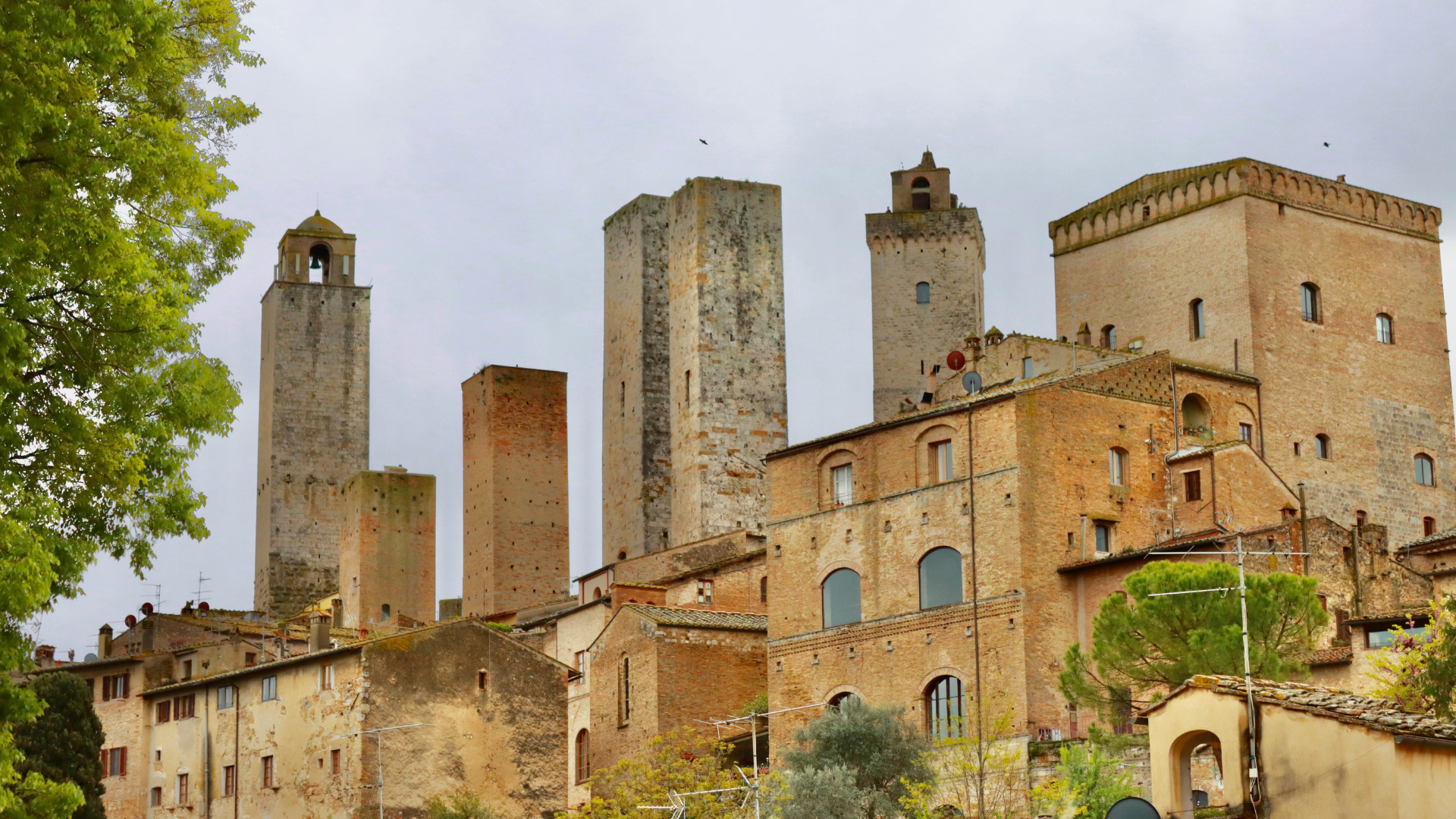
7. San Gimignano
© Pexels / Efrem Efre

7. San Gimignano

San Gimignano is famous for its medieval towers that rise above the town, creating a distinctive skyline. The historic center is well-preserved and offers a strong sense of the past.

Despite its popularity, it still retains charm, especially during quieter hours.

• Best Season to Visit: April to October

• Ideal Visiting Hours: Early morning

• Traveler Tip: Arrive before tour groups

• Must-Know: Small but can get crowded midday

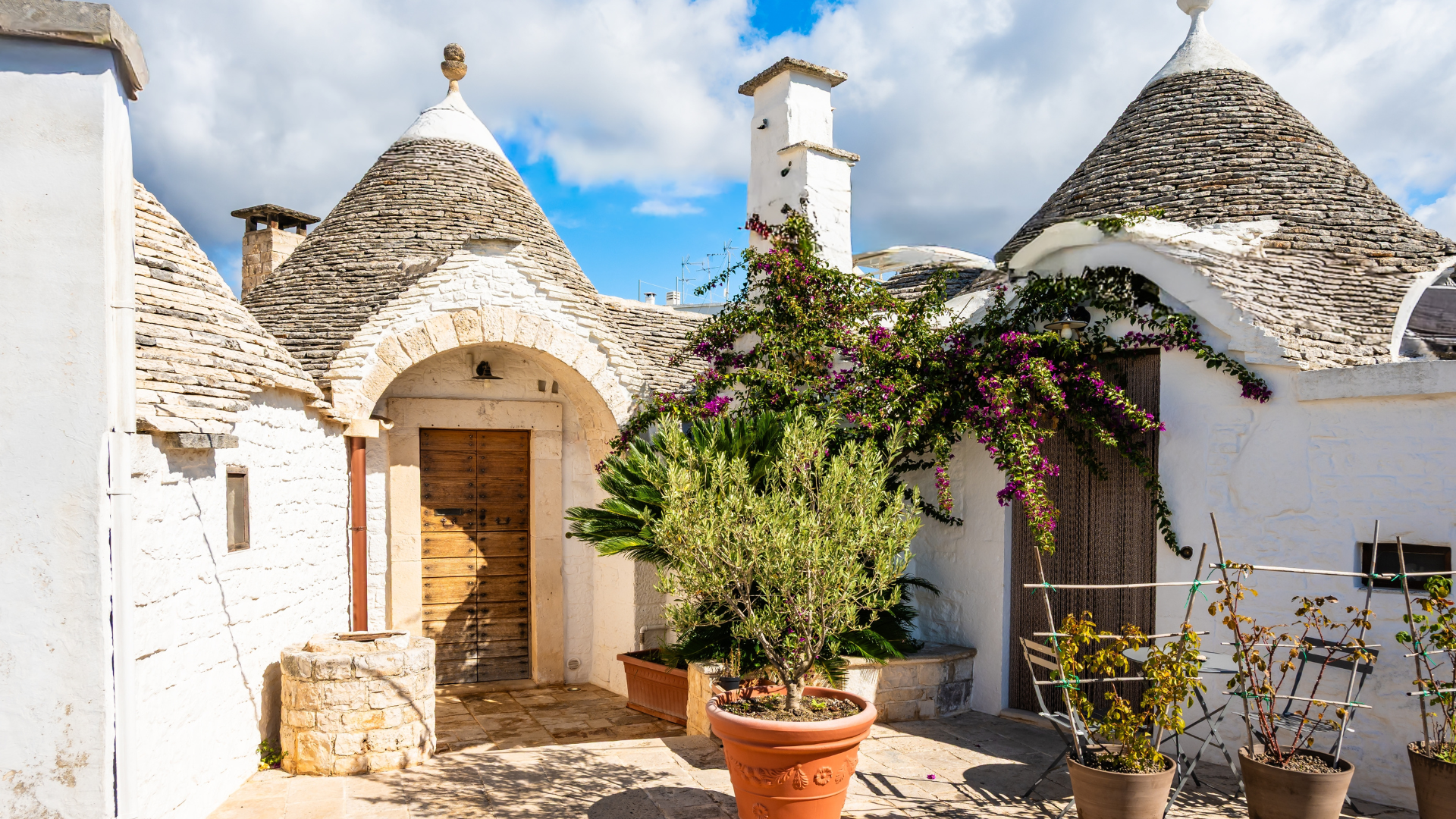
8. Alberobello
© Shutterstock / Pawel Kazmierczak

8. Alberobello

Alberobello is known for its unique white stone houses with conical roofs, called trulli. These structures create a distinctive and memorable landscape.

The town feels different from most other places in Italy, both visually and culturally.

• Best Season to Visit: April to October

• Ideal Visiting Hours: Morning or evening

• Traveler Tip: Stay overnight to avoid crowds

• Must-Know: UNESCO-listed area

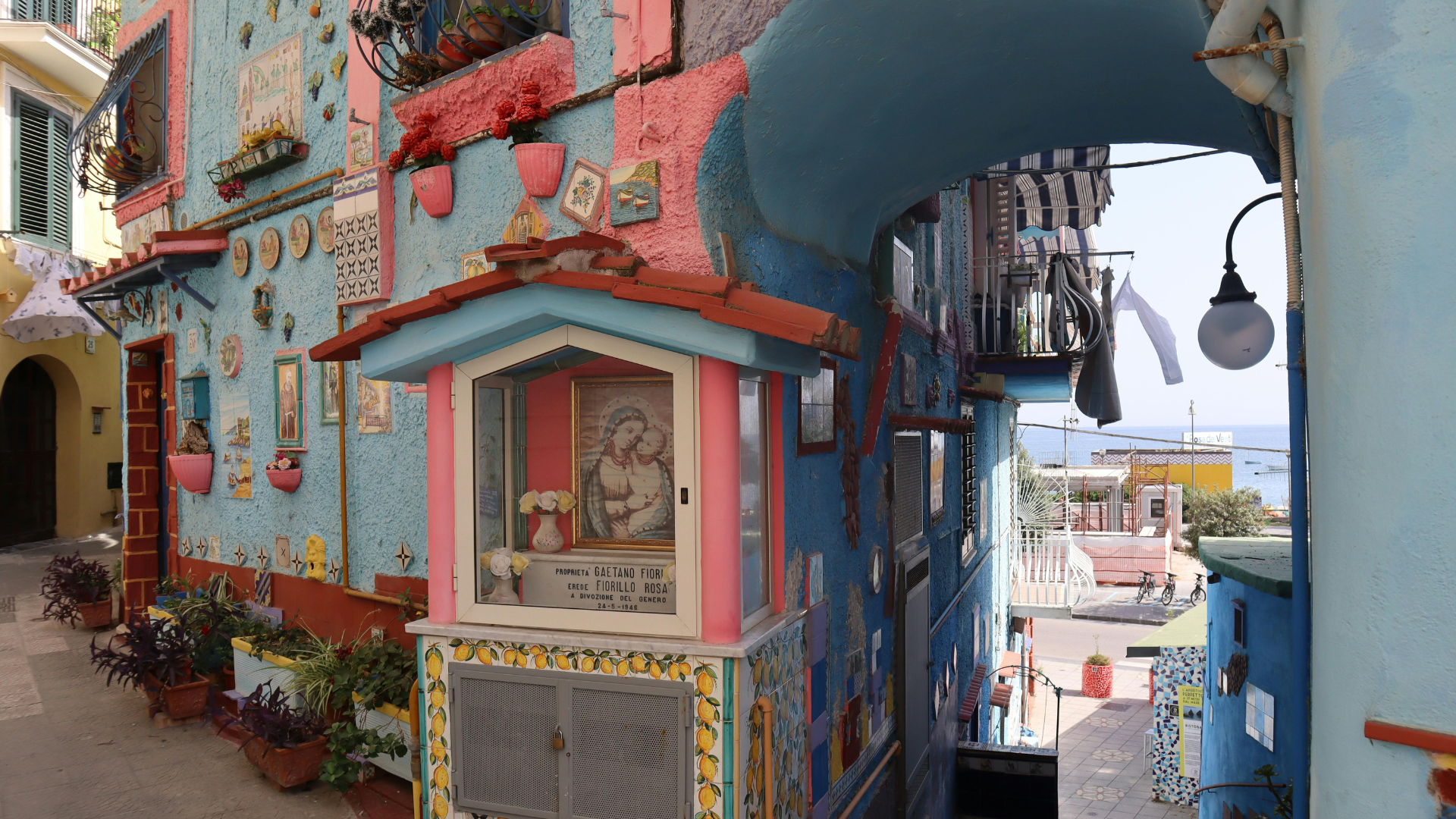
9. Vietri sul Mare
© Pexels / Mihaela Claudia Puscas

9. Vietri sul Mare

Located along the Amalfi Coast, Vietri sul Mare offers coastal views, colorful buildings, and a quieter atmosphere compared to more famous towns nearby.

It is also known for its ceramic traditions, which add a cultural element to the visit.

• Best Season to Visit: May to September

• Ideal Visiting Hours: Morning or sunset

• Traveler Tip: Explore local ceramic shops

• Must-Know: Gateway to Amalfi Coast

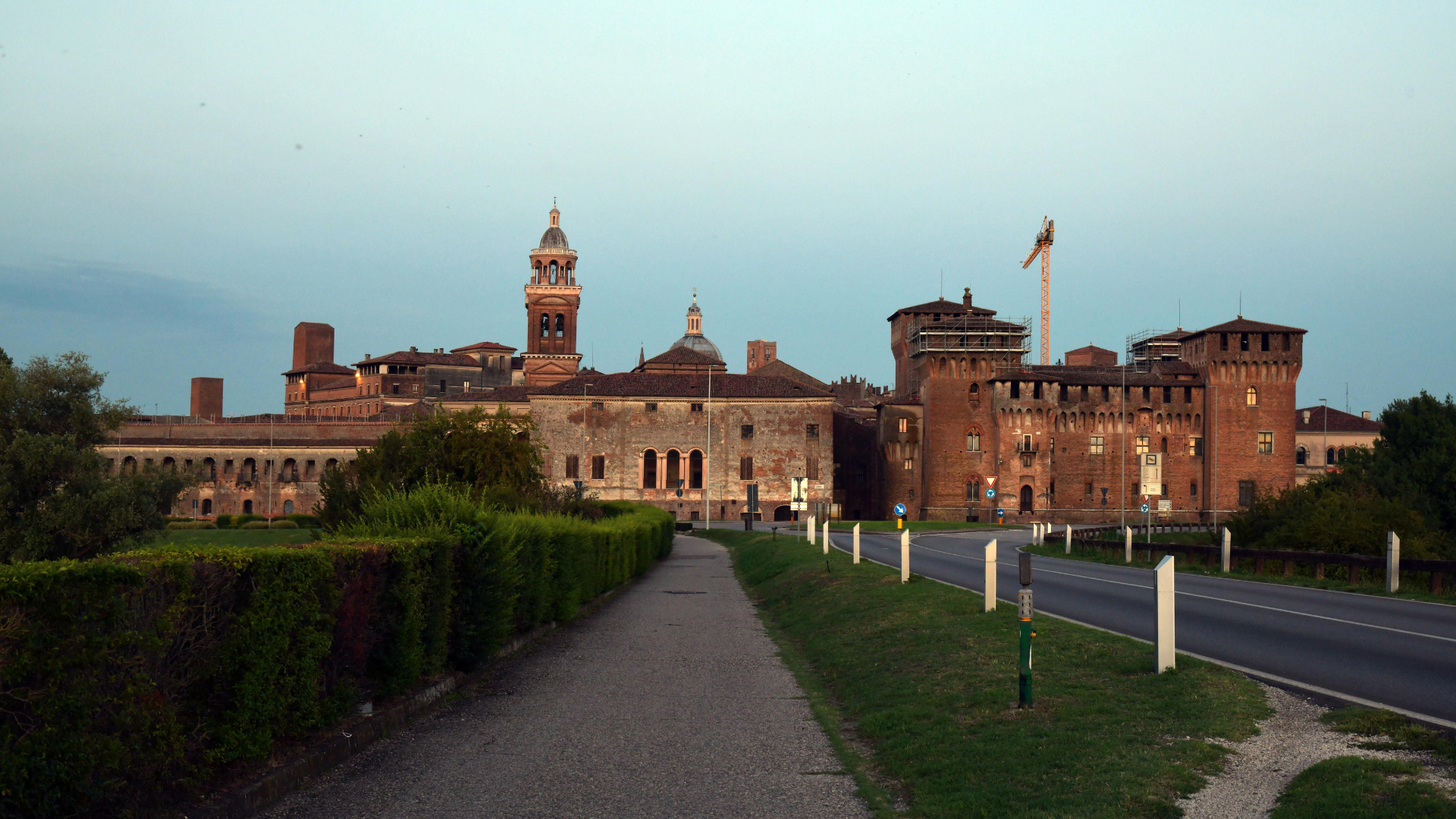
10. Mantua
© Pexels / Serena Koi

10. Mantua

Mantua is surrounded by artificial lakes, giving it a unique layout and scenic setting. Its historic center includes palaces, squares, and cultural landmarks tied to the Renaissance period.

It remains relatively under-visited compared to larger Italian cities.

• Best Season to Visit: April to June and September

• Ideal Visiting Hours: Afternoon

• Traveler Tip: Visit major palaces and lakeside areas

• Must-Know: UNESCO World Heritage Site

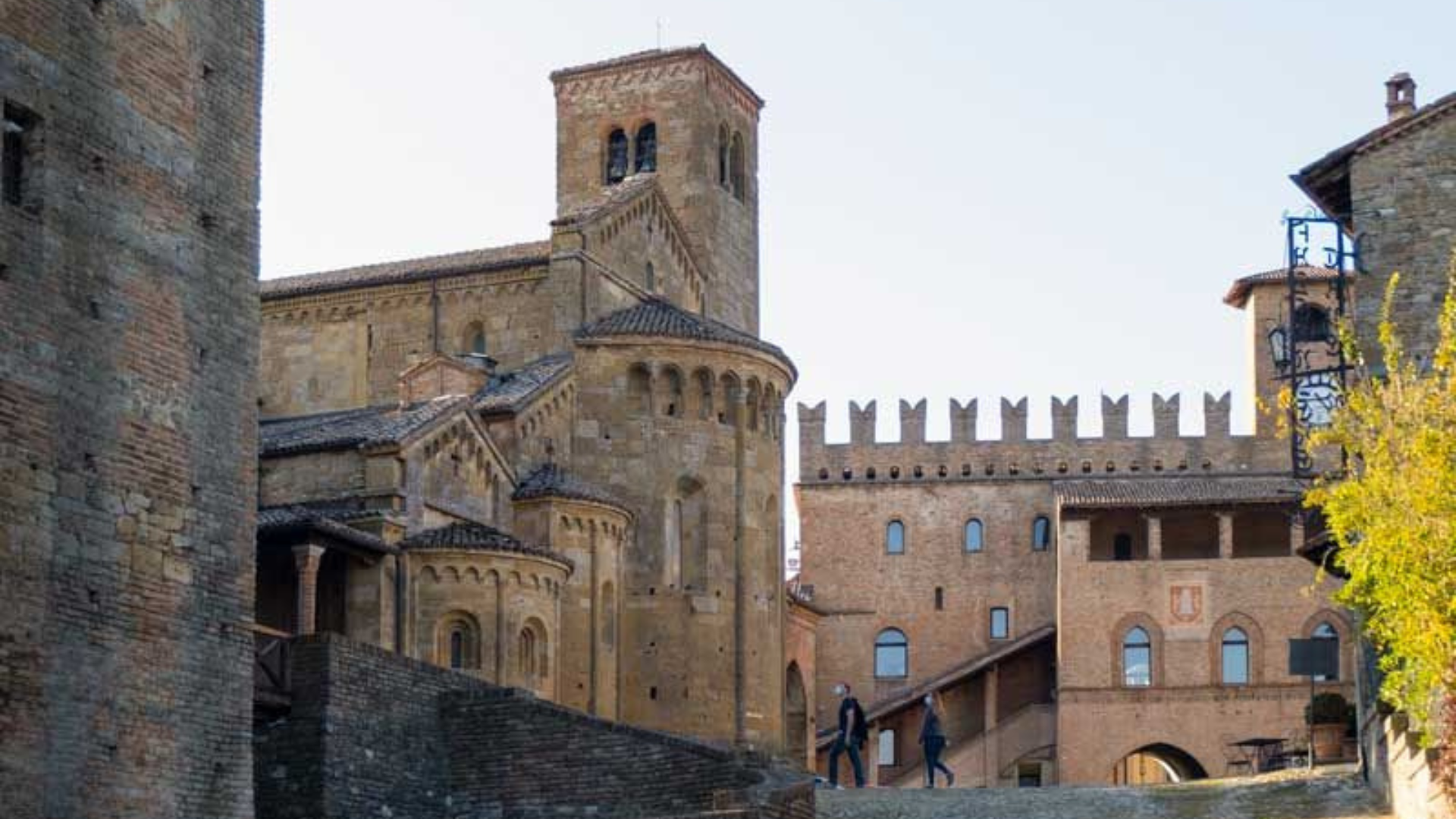
11. Castell’Arquato
© Pinterest / N Nora

11. Castell’Arquato

Castell’Arquato is a hilltop town with a strong medieval atmosphere, featuring towers, stone buildings, and panoramic views.

It feels quiet and authentic, offering a slower pace of travel.

• Best Season to Visit: April to October

• Ideal Visiting Hours: Morning

• Traveler Tip: Walk up to the highest viewpoints

• Must-Know: Limited public transport access

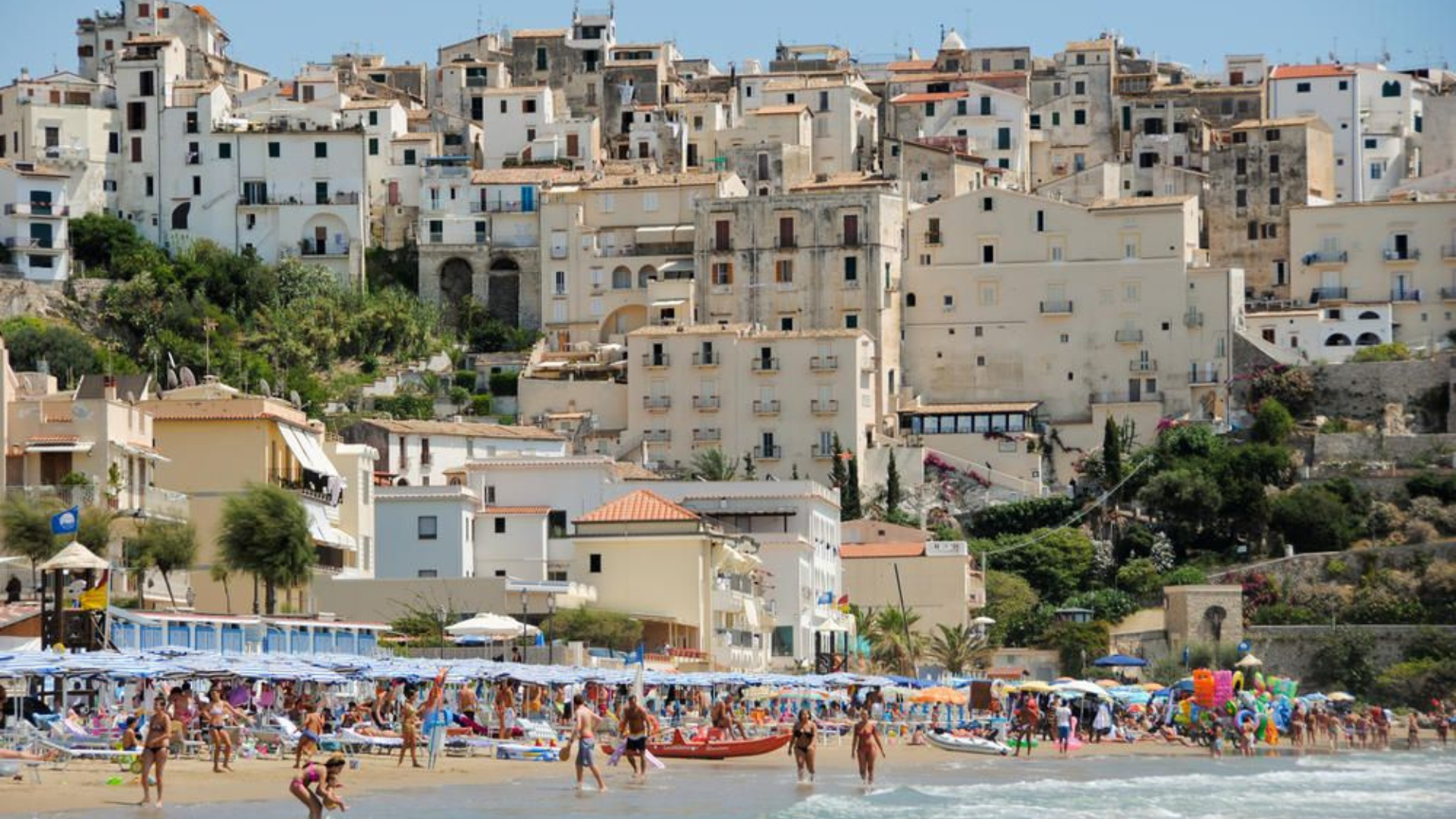
12. Sperlonga
© Pinterest / The WILL Attitude

12. Sperlonga

Sperlonga combines whitewashed architecture with coastal scenery. Built on a hillside overlooking the sea, it offers both beach access and historic charm.

Its layout and views make it one of the most visually appealing seaside towns in Italy.

• Best Season to Visit: May to September

• Ideal Visiting Hours: Late afternoon

• Traveler Tip: Combine beach and old town visit

• Must-Know: Narrow streets require walking


Comments (0)

Leave a Reply

No comments yet. Be the first to share your thoughts!