
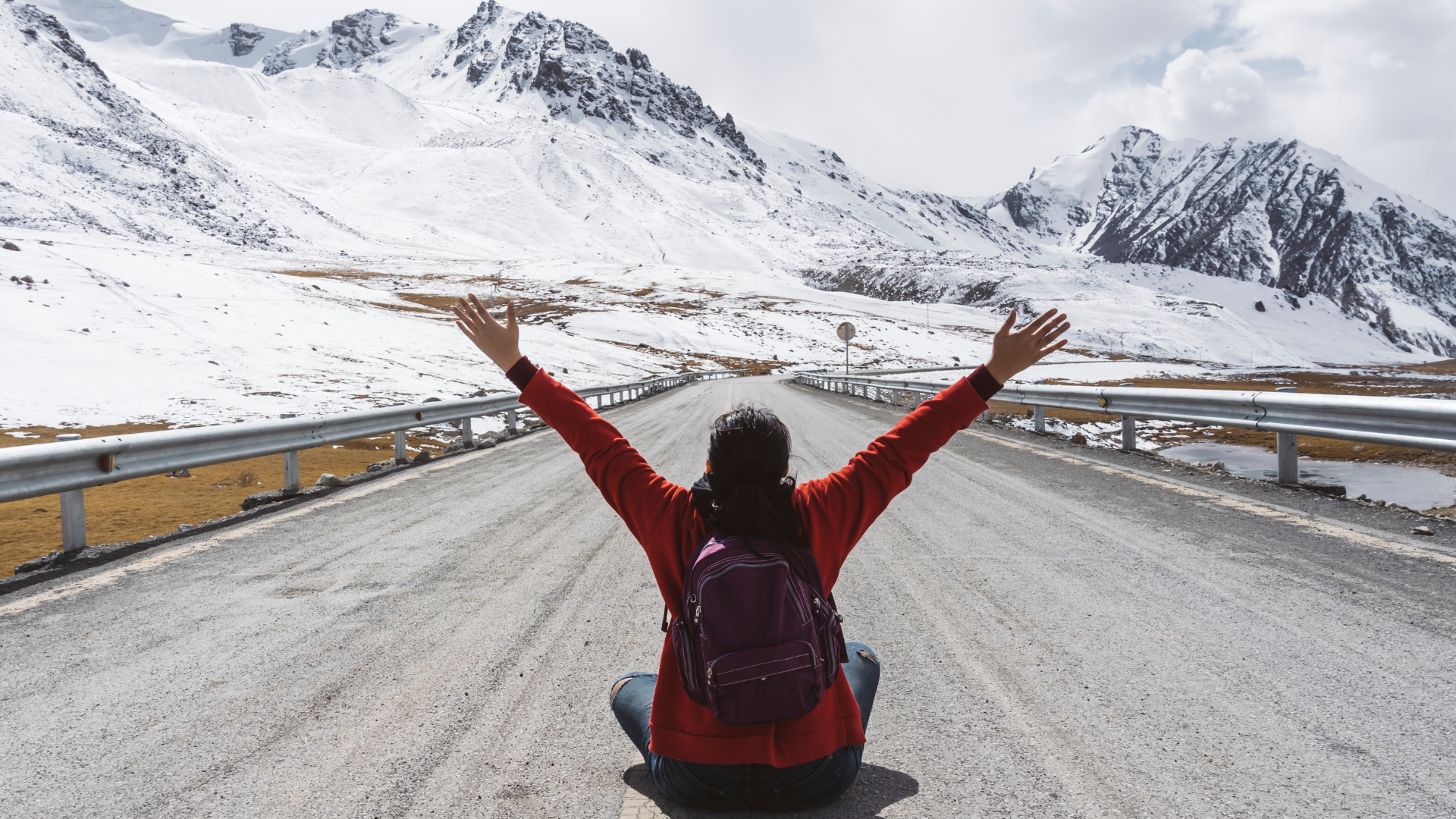
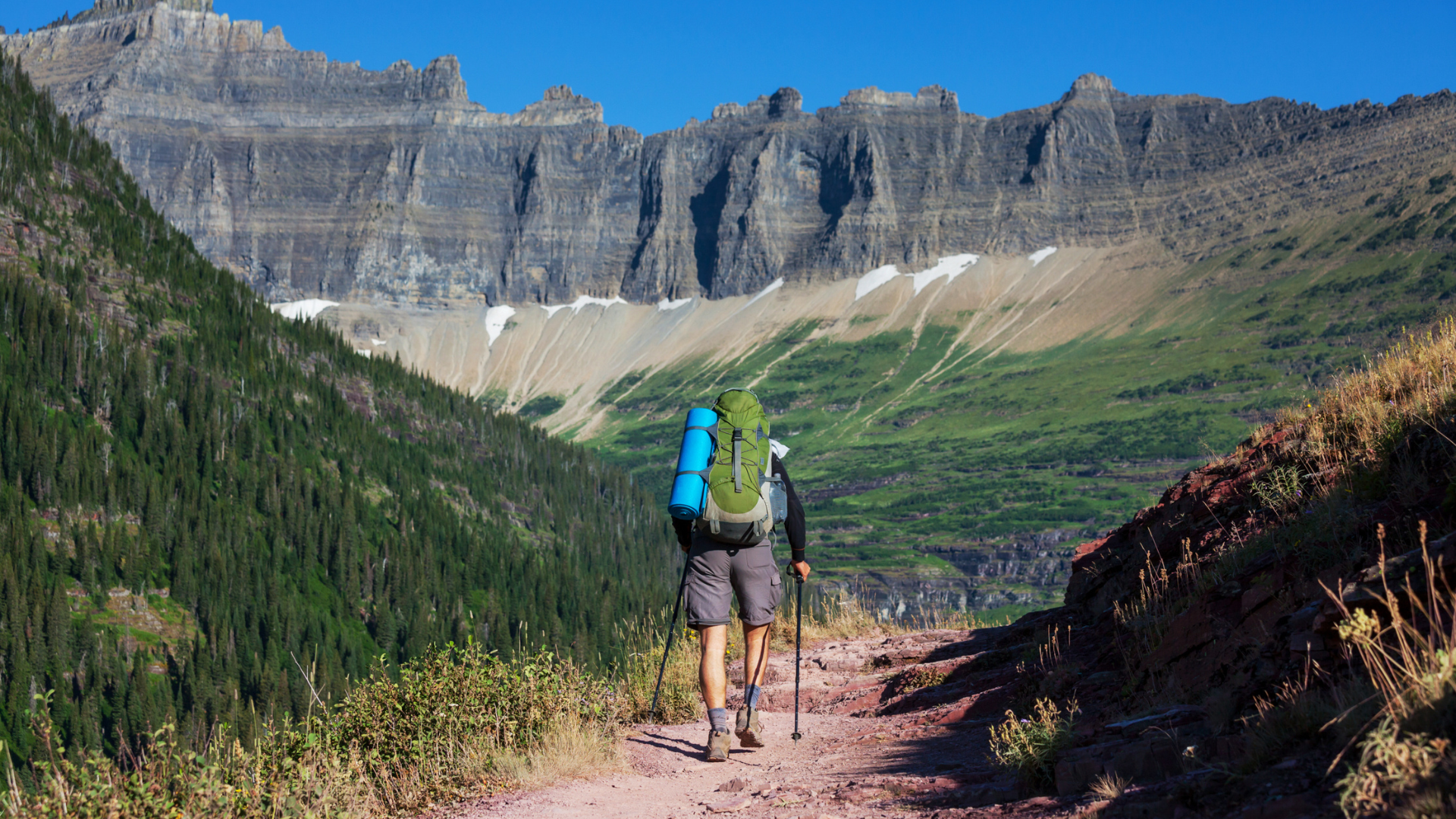
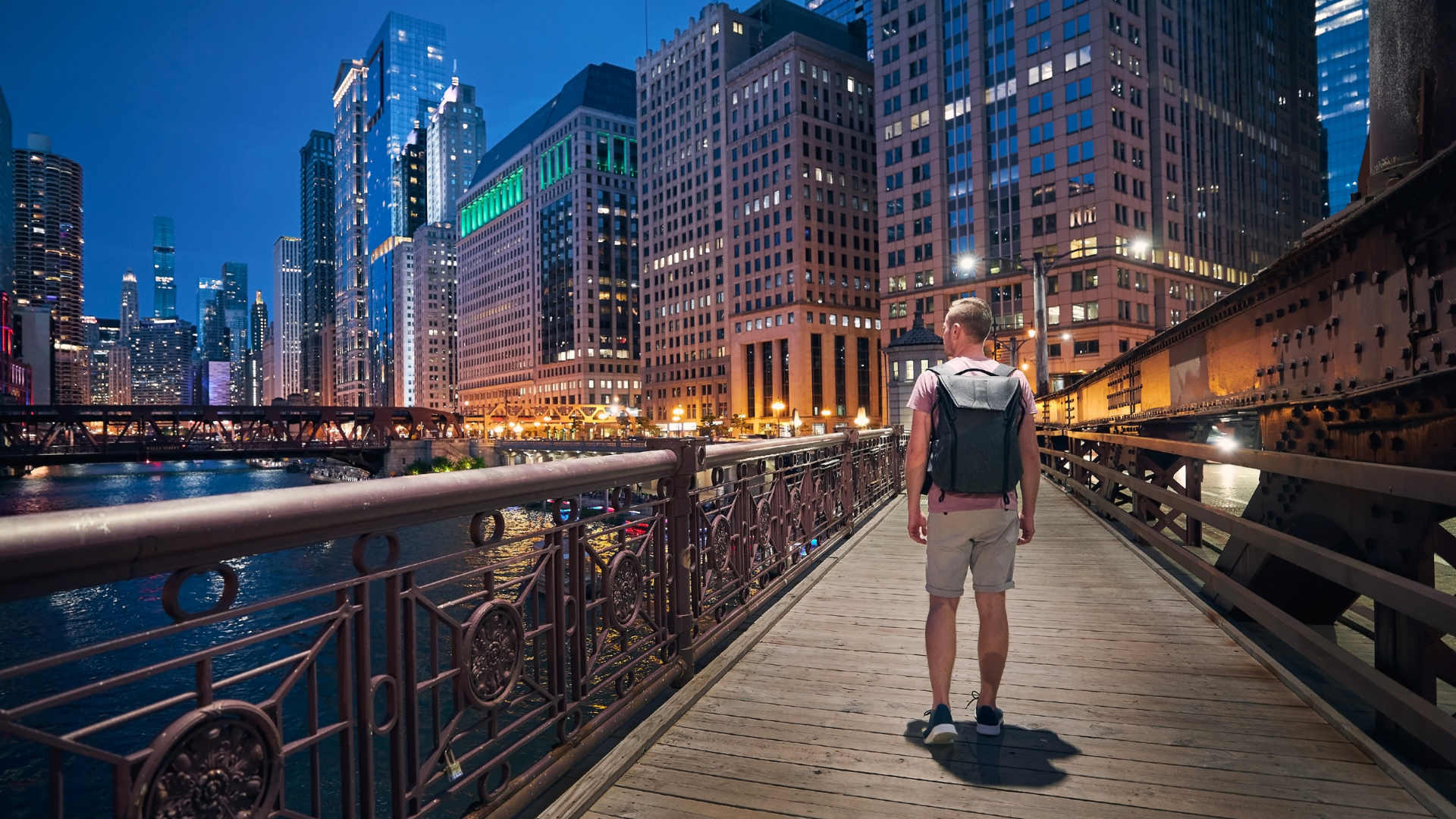
Traveling alone used to carry a quiet stigma. It was something people did when they could not find a companion, not something they actively chose. That perception has changed considerably, and in 2026 it is changing faster than ever. Across the United States, a growing number of Americans are deliberately opting to travel solo, not as a compromise, but as a preference.
The reasons behind this shift are practical, cultural, and personal all at once. Remote work has untethered millions of people from fixed schedules. A broader cultural conversation around mental health has reframed solitude as something worth seeking rather than avoiding. And a generation of travelers has discovered, often by accident, that going alone frequently produces a better trip than going with a group. This guide breaks down the eight key forces driving the rise of solo travel across the US in 2026 and what they mean for anyone considering their first or next trip alone.




No comments yet. Be the first to share your thoughts!