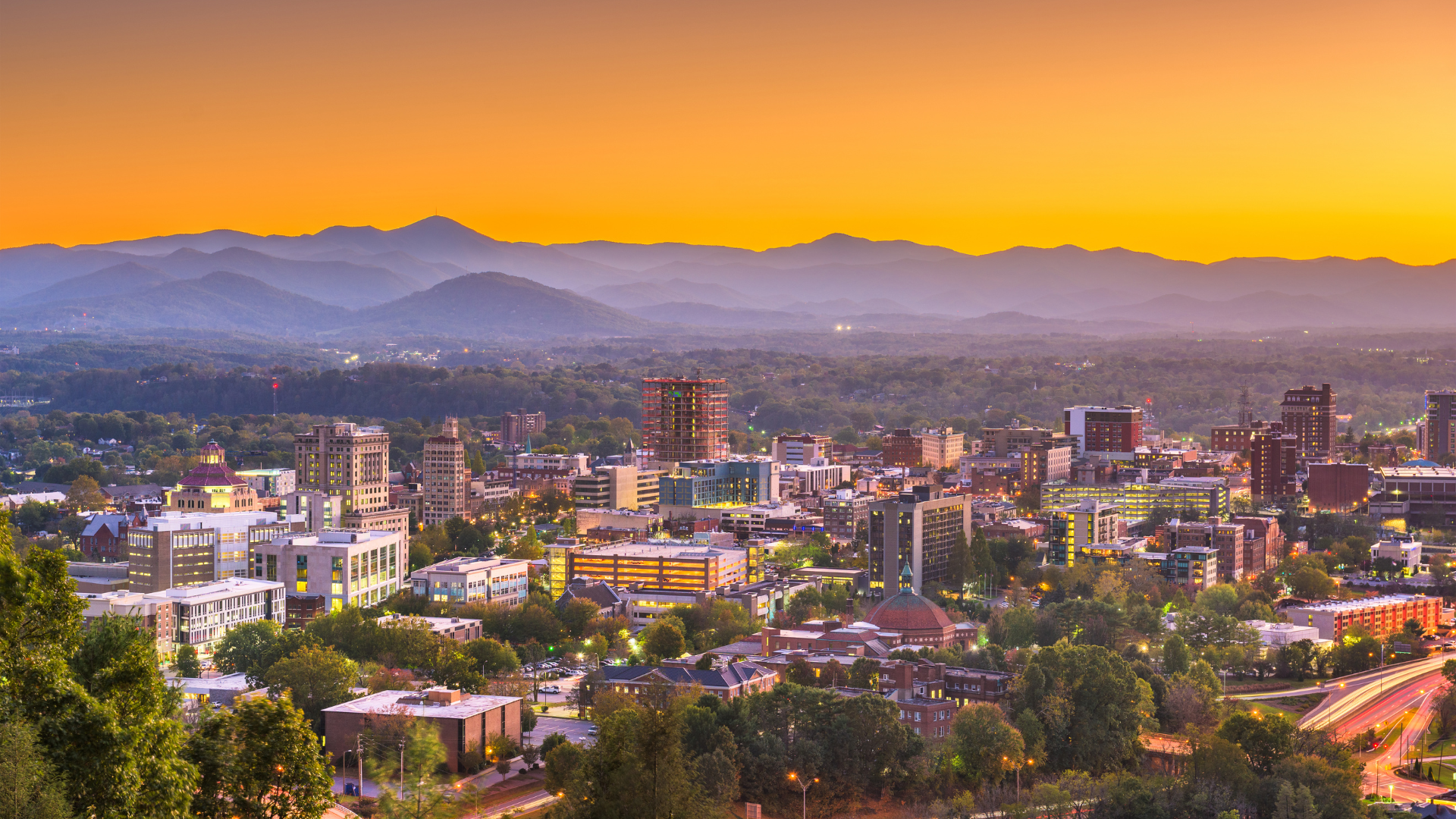
Travel Destination

7 US cities that resemble popular European destinations

Julian Cross
3.6
May 03, 2026

Not every trip that feels European requires a transatlantic flight. The United States has been shaped by centuries of immigration, and the communities that arrived from Spain, Switzerland, Germany, Greece, and the Netherlands did not leave their cultures at the border. They built towns, planted vineyards, raised churches, and established traditions that have lasted generations. The result is a collection of American cities and towns that carry a genuinely European character, not as themed imitations, but as places with real historical roots connecting them to specific regions of Europe.

Whether you are drawn to the vineyard landscapes of wine country, the preserved colonial architecture of a Spanish-founded city, or the cultural traditions of a Greek fishing community, there are domestic destinations that deliver that experience in a form that is both authentic and accessible. This guide covers seven US cities, each with a clear connection to a specific European country or region, along with practical details to help you plan a visit.
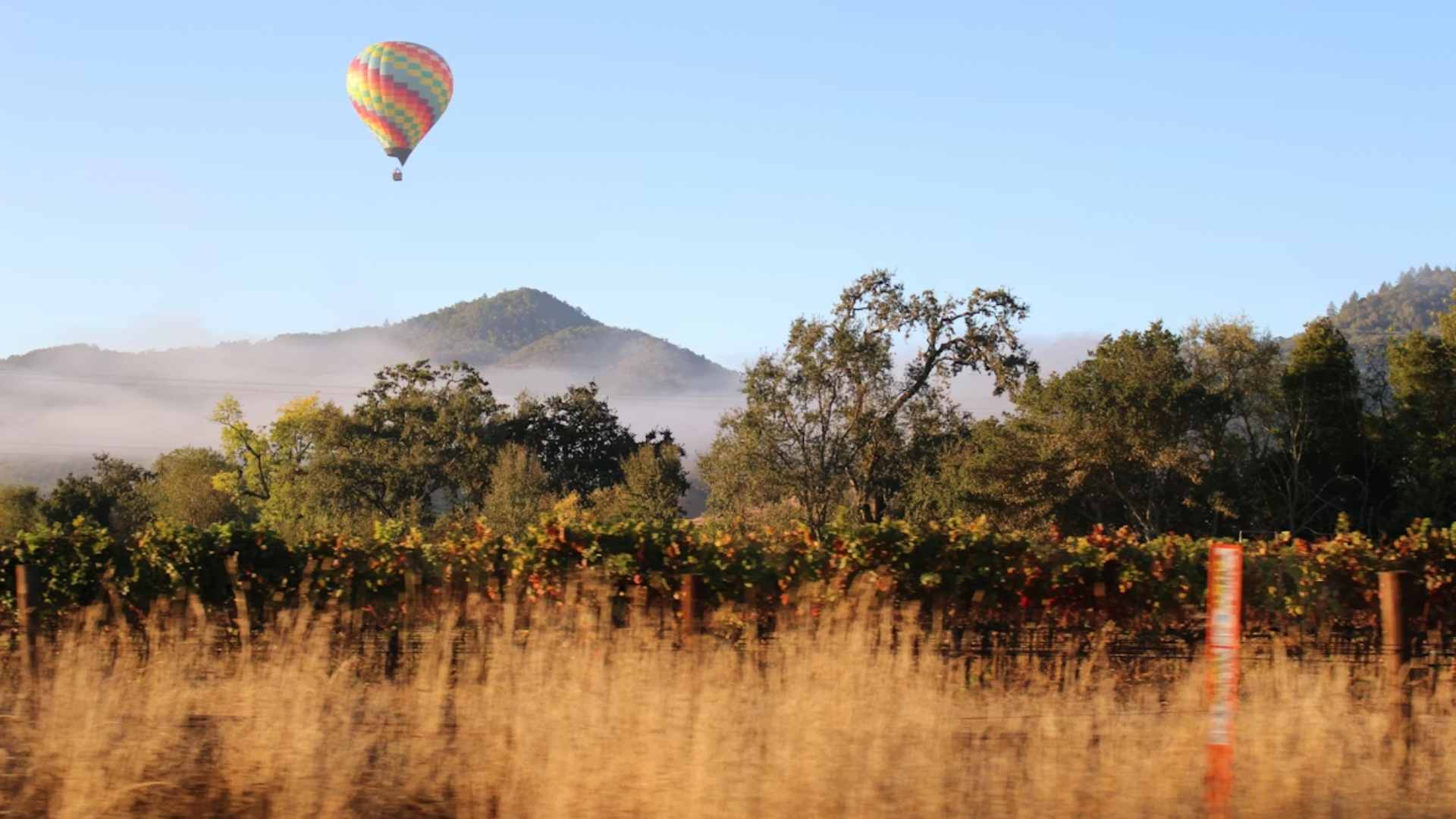
1. Napa Valley, California — comparable to Tuscany, Italy
© Unsplash / bebebel

1. Napa Valley, California — comparable to Tuscany, Italy

Napa Valley is California's most recognized wine-producing region, stretching approximately 30 miles through a fertile valley north of San Francisco. The landscape of rolling hills, vineyard rows, and stone estate buildings bears a genuine resemblance to the Tuscan countryside, particularly in the fall when the vine leaves turn and the harvest is underway. The region is home to over 400 wineries, ranging from large commercial estates to small family-run operations, many of which offer guided tastings and vineyard tours. The town of Yountville, situated near the center of the valley, has developed a strong culinary reputation anchored by several well-regarded restaurants. The Castello di Amorosa, a winery built in the style of a medieval Tuscan castle, is one of the more distinctive properties in the valley and draws visitors specifically for its architectural character.

Best Season to Visit: Fall (September to November) is the most visually engaging time to visit, coinciding with the grape harvest and the changing colors of the vines. Spring is quieter and offers pleasant conditions for exploring the valley.

Traveler Tip: Book winery visits in advance, particularly for smaller producers that operate on a reservation-only basis. Arriving without a booking during peak harvest season often means limited access to the best experiences.

Must-Know: Napa Valley operates a wine train that runs through the heart of the valley, offering a practical and scenic way to experience multiple areas without needing to drive between wineries.

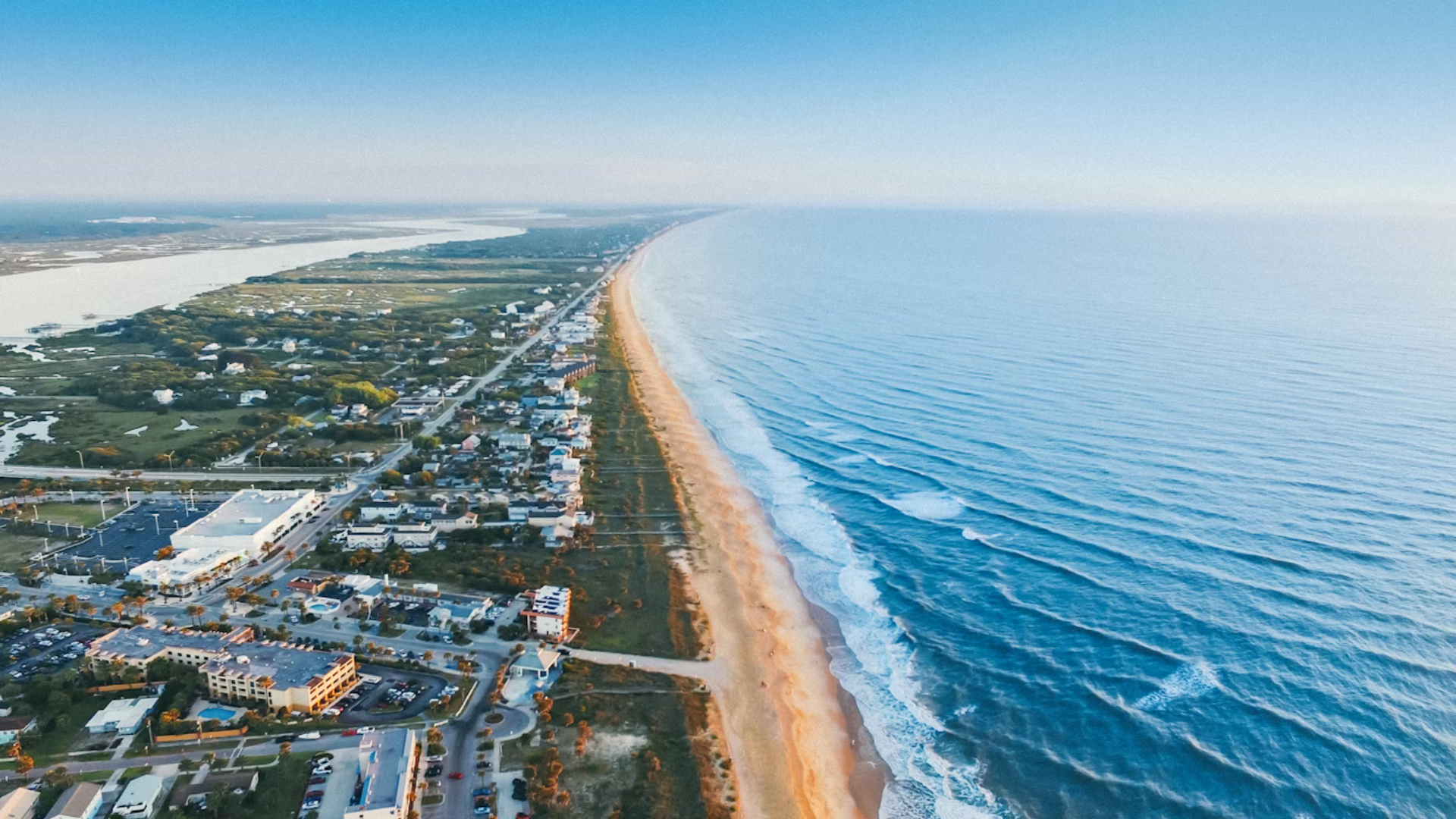
2. St. Augustine, Florida — comparable to Seville, Spain
© Unsplash / Lance Asper's

2. St. Augustine, Florida — comparable to Seville, Spain

St. Augustine is the oldest continuously inhabited European-founded city in the United States, established by Spanish explorer Don Pedro Menéndez de Avilés in 1565. Its founding predates the Pilgrim settlement at Plymouth by over 50 years, and the Spanish colonial influence on the city's architecture, street layout, and cultural heritage remains clearly visible today. The historic district centered on St. George Street preserves a mix of Spanish colonial buildings, narrow pedestrian streets, and plazas that reflect the city's origins more directly than most American cities of comparable age. The Castillo de San Marcos, a seventeenth-century Spanish fortress overlooking Matanzas Bay, is one of the best-preserved examples of Spanish colonial military architecture in North America. The Flagler College campus, built in the late nineteenth century in a Spanish Renaissance Revival style, adds another architectural layer to the city's European character.

Best Season to Visit: Spring (March to May) and fall (October to November) offer comfortable temperatures and lower visitor numbers than the peak summer period.

Traveler Tip: The historic district is compact and easily explored on foot. Starting at the Castillo de San Marcos and walking south along St. George Street covers most of the key historic sites within a manageable half-day route.

Must-Know: St. Augustine is one of the most visited historic cities in Florida, and the central pedestrian areas can become crowded during summer weekends and school holidays. Weekday visits and early morning starts make for a more relaxed experience of the historic streets.

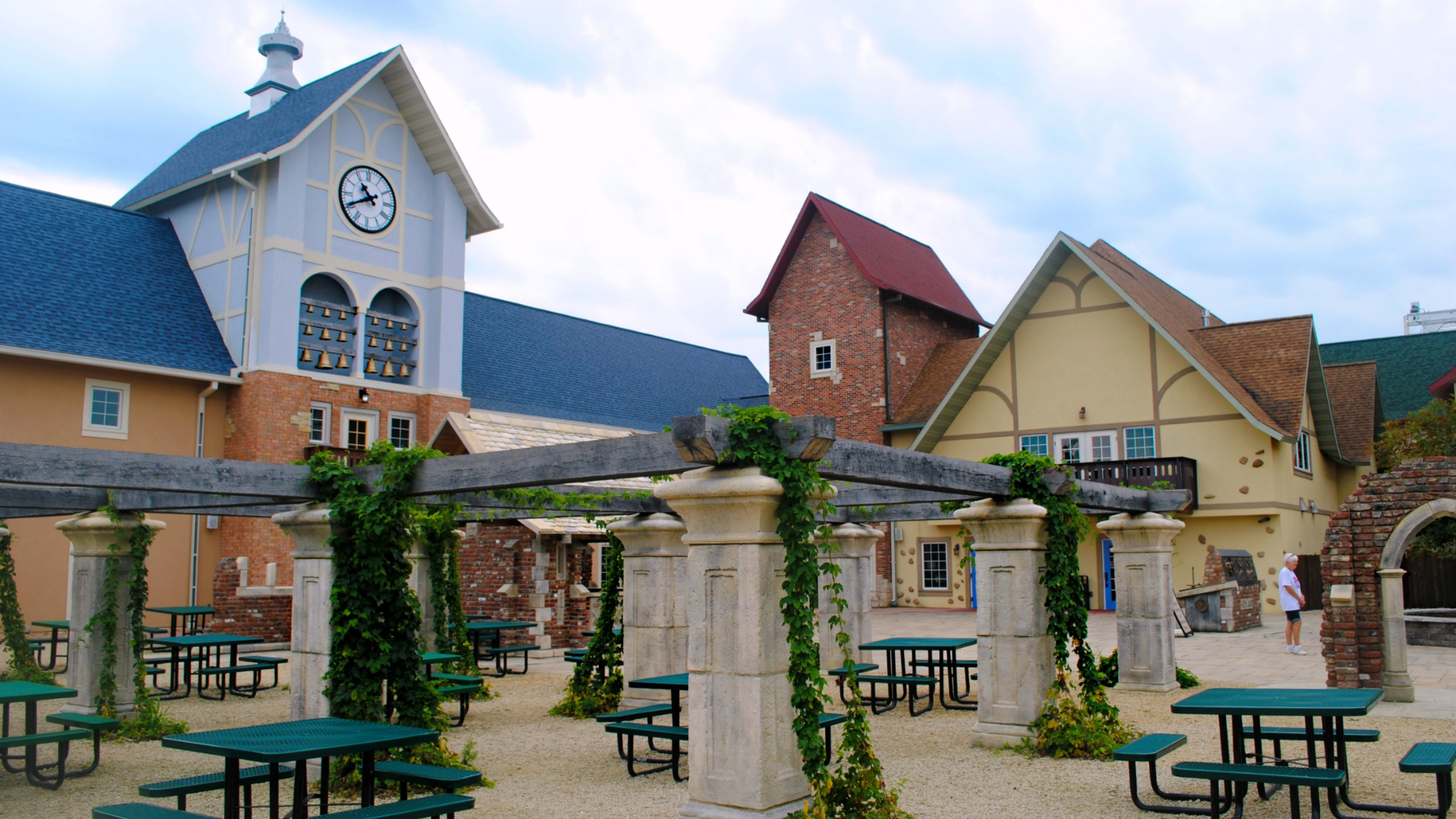
3. New Glarus, Wisconsin — comparable to the Swiss Alps region
© Flickr / Cragin Spring

3. New Glarus, Wisconsin — comparable to the Swiss Alps region

New Glarus is a small village in southern Wisconsin with a population of around 2,200, founded in 1845 by a group of immigrants from the canton of Glarus in Switzerland. The Swiss heritage of its founders is preserved throughout the village in the form of Alpine-style architecture, painted murals depicting Swiss landscapes and traditions, and a Swiss Historical Village museum that documents the community's origins. The village has earned the informal nickname "Little Switzerland" among Wisconsin travelers, and the visual resemblance to a Swiss Alpine village is reinforced by the surrounding green hills of the Driftless Area. New Glarus Brewing Company, one of Wisconsin's most respected craft breweries, produces beers rooted in Swiss and German brewing traditions and is a significant draw for visitors from across the Midwest. The village is located approximately 25 miles south of Madison, making it a practical day trip from the state capital.

Best Season to Visit: Summer and early fall offer the most pleasant conditions for exploring the village on foot and visiting the outdoor museum exhibits. The Wilhelm Tell Festival, held on Labor Day weekend, celebrates the village's Swiss heritage with performances and traditional food.

Traveler Tip: New Glarus Brewing Company beers are only distributed within Wisconsin, making a visit to the brewery the only reliable way to try the full range of their products if you are traveling from out of state.

Must-Know: New Glarus is a small village with limited restaurant and accommodation options. Planning meals and overnight stays in advance is recommended, particularly during festival weekends when the village draws visitors from across the region.

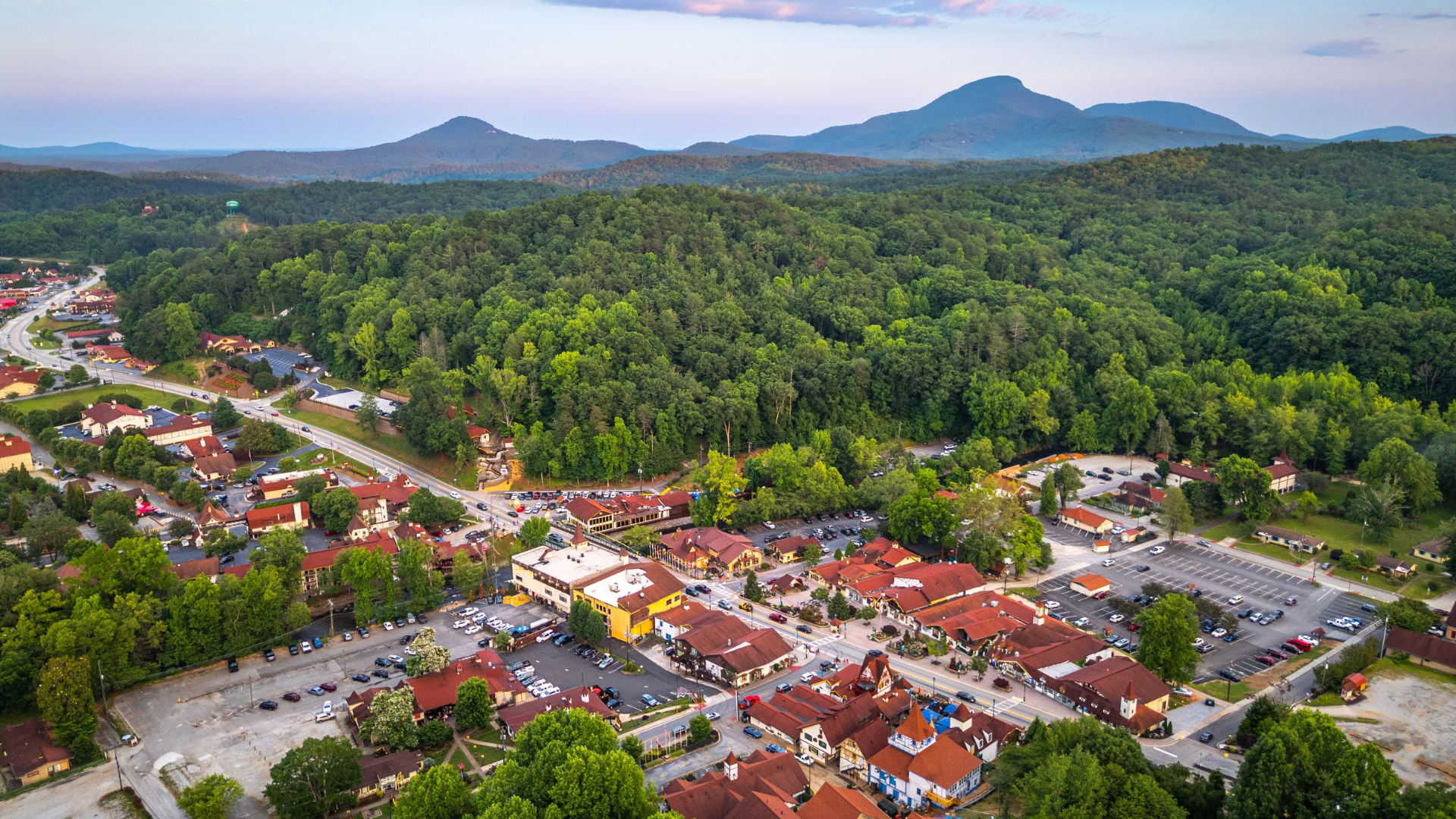
4. Helen, Georgia — comparable to Bavaria, Germany
© Shutterstock / Sean Pavone

4. Helen, Georgia — comparable to Bavaria, Germany

Helen is a small town in the Blue Ridge Mountains of northern Georgia, about 90 miles northeast of Atlanta. In 1969, following the decline of the local timber industry, the town undertook a comprehensive renovation of its downtown into an Alpine Bavarian village aesthetic, a transformation that proved commercially successful and has defined the town ever since. The painted facades, flower boxes, cobblestone streets, and Fachwerk-style architecture give Helen a visual character genuinely similar to a small Bavarian town. Beyond the architecture, the town hosts one of the longer-running Oktoberfest celebrations in the American South, typically running from mid-September through early November. The surrounding Blue Ridge landscape adds further appeal, with the Chattahoochee River running through the town center and the Anna Ruby Falls within a short drive. Unicoi State Park, adjacent to the town, provides access to hiking and outdoor activities throughout the year.

Best Season to Visit: Fall is the most popular season, combining the Oktoberfest festivities with the Blue Ridge foliage. Spring and summer offer a quieter visit with good access to the surrounding outdoor areas.

Traveler Tip: Helen can become quite crowded during Oktoberfest weekends in October. If you are visiting primarily for the architecture and mountain scenery rather than the festival, a spring or early summer visit offers the same visual appeal with considerably fewer crowds.

Must-Know: Helen is a small town with a tourism-oriented economy, meaning most businesses are geared toward day visitors and weekend travelers. Accommodation options fill up quickly during Oktoberfest season, so booking well in advance is essential for fall visits.

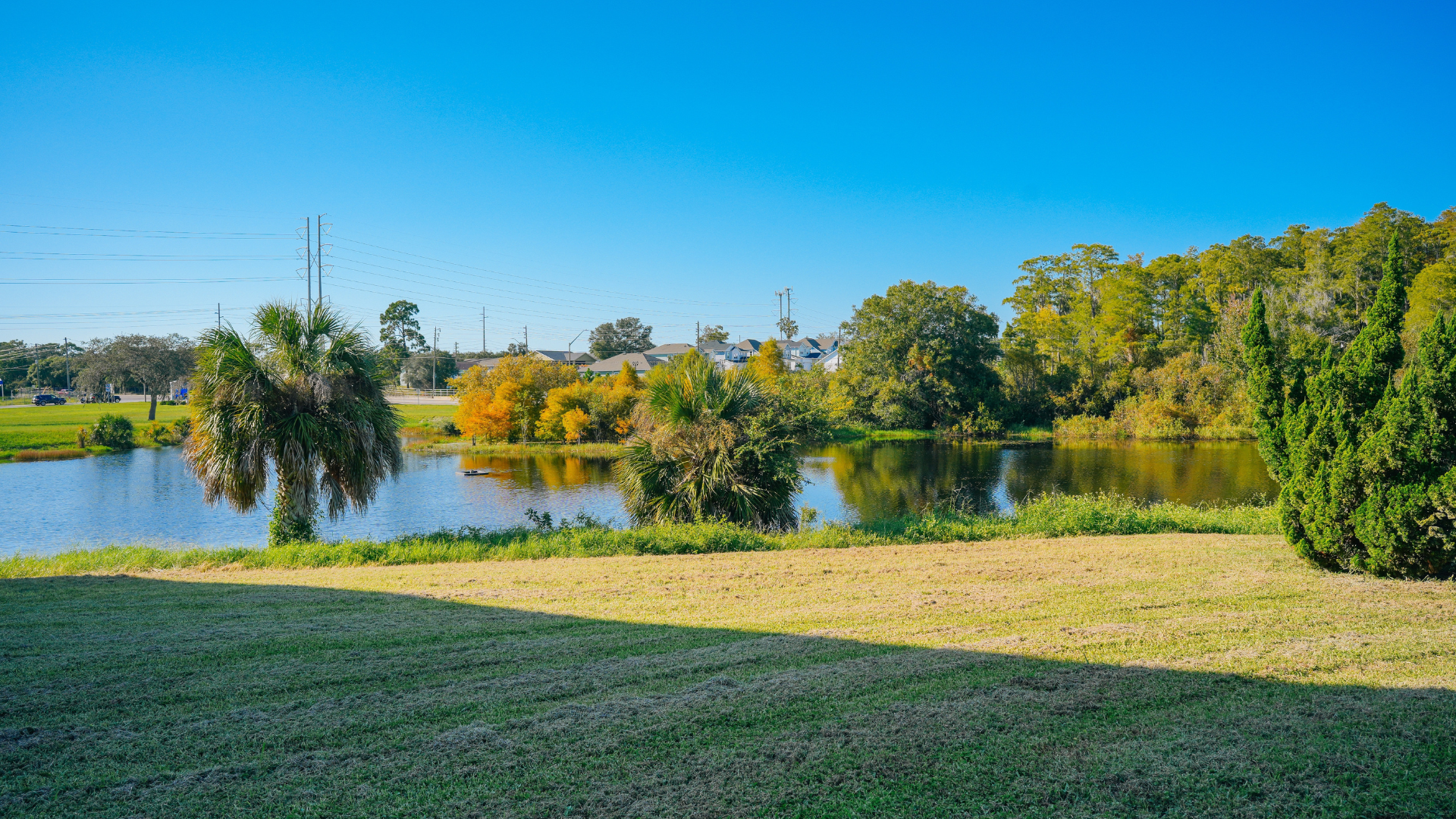
5. Tarpon Springs, Florida — comparable to Greece
© Shutterstock / Feng Cheng

5. Tarpon Springs, Florida — comparable to Greece

Tarpon Springs is a small city on the Gulf Coast of Florida, about 35 miles northwest of Tampa, with the largest Greek-American population per capita of any city in the United States. The Greek community arrived in significant numbers in the early twentieth century, drawn by the sponge diving industry in the Gulf of Mexico, and their cultural presence shaped the city's identity in ways that remain clearly visible today. The Sponge Docks district along Dodecanese Boulevard is the cultural center of the Greek community, lined with Greek restaurants, bakeries, sponge shops, and Orthodox churches that give the area a character genuinely different from most Florida coastal towns. The St. Nicholas Greek Orthodox Cathedral, modeled after the Hagia Sophia in Istanbul, is one of the most architecturally significant Greek Orthodox churches in the United States. Traditional Greek pastries, fresh seafood, and sponge diving demonstrations are among the most distinctive experiences the city offers.

Best Season to Visit: Winter and spring are the most comfortable seasons on the Gulf Coast. The Epiphany celebration in January, during which young men dive into Spring Bayou to retrieve a cross, is one of the largest Greek Orthodox Epiphany celebrations in the country and draws visitors from across Florida.

Traveler Tip: The Sponge Docks area is the most concentrated expression of the city's Greek heritage, but exploring the surrounding residential neighborhoods reveals a deeper layer of Greek cultural presence that goes beyond the tourist-facing businesses along the waterfront.

Must-Know: Tarpon Springs is a working community, not a themed attraction. The Greek cultural identity of the city is genuine and rooted in a community that has maintained its traditions for over a century, which gives it a different quality from most cultural tourism destinations in Florida.

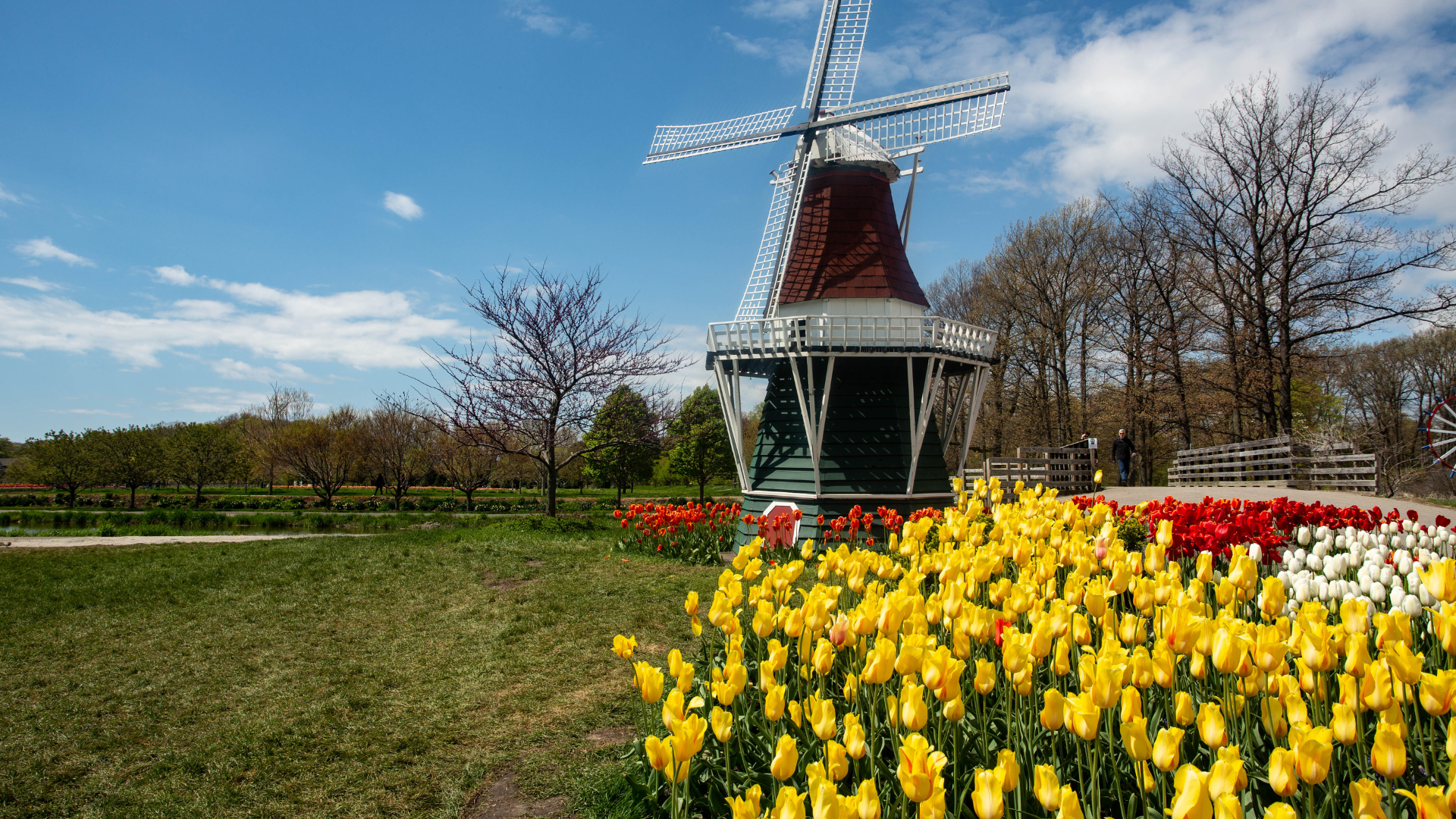
6. Holland, Michigan — comparable to the Netherlands
© Shutterstock / Beach Creatives

6. Holland, Michigan — comparable to the Netherlands

Holland is a small city on the eastern shore of Lake Michigan in western Michigan, founded in 1847 by Dutch Reformed immigrants led by the Reverend Albertus Van Raalte. The Dutch heritage of its founders has been maintained and celebrated throughout the city's history, and today Holland is most widely known for its annual Tulip Time Festival, held each May, during which millions of tulips bloom across the city's parks, streets, and gardens. The city has a working replica of a Dutch windmill, De Zwaan, which was relocated from the Netherlands in 1964 and is one of only a small number of authentic Dutch windmills operating in the United States. The Dutch Village theme park and the Holland Museum both provide additional context on the city's Dutch heritage and immigrant history. Beyond the cultural attractions, Holland has a well-regarded downtown with independent shops and restaurants, and its location on Lake Michigan provides access to the sandy beaches of Holland State Park.

Best Season to Visit: Late April to early May for the Tulip Time Festival, when the city's Dutch identity is most visually prominent. Summer is ideal for beach access and outdoor activities along Lake Michigan.

Traveler Tip: The Tulip Time Festival draws significant crowds to a relatively small city. Arriving on weekdays rather than weekends during the festival period gives better access to the flower displays and a more relaxed experience overall.

Must-Know: De Zwaan windmill is located within Windmill Island Gardens, which charges a separate admission fee. The windmill is operational and open for tours during the regular season, making it one of the more distinctive cultural experiences available in the city.

7. Asheville, North Carolina — comparable to the châteaux of the Loire Valley, France
© Shutterstock / Sean Pavone

7. Asheville, North Carolina — comparable to the châteaux of the Loire Valley, France

Asheville is a mid-sized city in the Blue Ridge Mountains of western North Carolina, known for its arts community, independent food scene, and access to the surrounding mountain landscape. The most direct connection to European architectural heritage comes through the Biltmore Estate, located on the southern edge of the city. Built for George Washington Vanderbilt II between 1889 and 1895, the Biltmore is the largest privately owned house in the United States and was designed in a Châteauesque style modeled after the grand country houses of the Loire Valley in France. The 8,000-acre estate includes formal gardens designed by Frederick Law Olmsted, a winery, and extensive grounds that remain open to the public. Beyond the Biltmore, Asheville's downtown is one of the more culturally active small city centers in the American South, with a concentration of independent restaurants, galleries, live music venues, and craft breweries in a well-preserved Art Deco commercial district.

Best Season to Visit: Spring for the estate gardens and fall for the Blue Ridge foliage, which frames the Biltmore grounds particularly well in October. Summer is busy but offers full access to all outdoor areas of the estate.

Traveler Tip: Biltmore Estate admission is separate from general Asheville attractions and should be purchased in advance. Allow a full day for the estate alone, as the house tour, gardens, and winery each merit dedicated time rather than a rushed combined visit.

Must-Know: The Biltmore Estate is a privately owned attraction with its own ticketing, parking, and visitor management systems. Prices vary by season and day of week, and advance booking is strongly recommended during the fall foliage season when demand is at its highest.


Comments (0)

Leave a Reply

No comments yet. Be the first to share your thoughts!