Travel Destination

22 hiking trails across the US that pass through notable wilderness areas

Julian Cross
3.7
May 10, 2026

There’s a certain moment on a great hike when everything goes quiet, the noise fades, the views open up, and you realize just how vast the landscape around you really is. In the United States, those moments aren’t rare. They’re part of what makes hiking here so memorable.

From narrow canyon paths carved by rivers to high-altitude trails with sweeping mountain views, the country offers an incredible range of terrain to explore. Some trails take you deep into remote wilderness, while others lead to iconic viewpoints that have become symbols of American travel. No matter the setting, each one offers a different way to experience the outdoors.

For travelers searching for top places to visit in the US with a focus on nature, these routes stand out. They represent some of the best tourist attractions in the US for outdoor exploration, with plenty of things to do along the way, whether that means a short scenic walk or a challenging multi-day trek.
1. Appalachian Trail
© Pinterest Renee

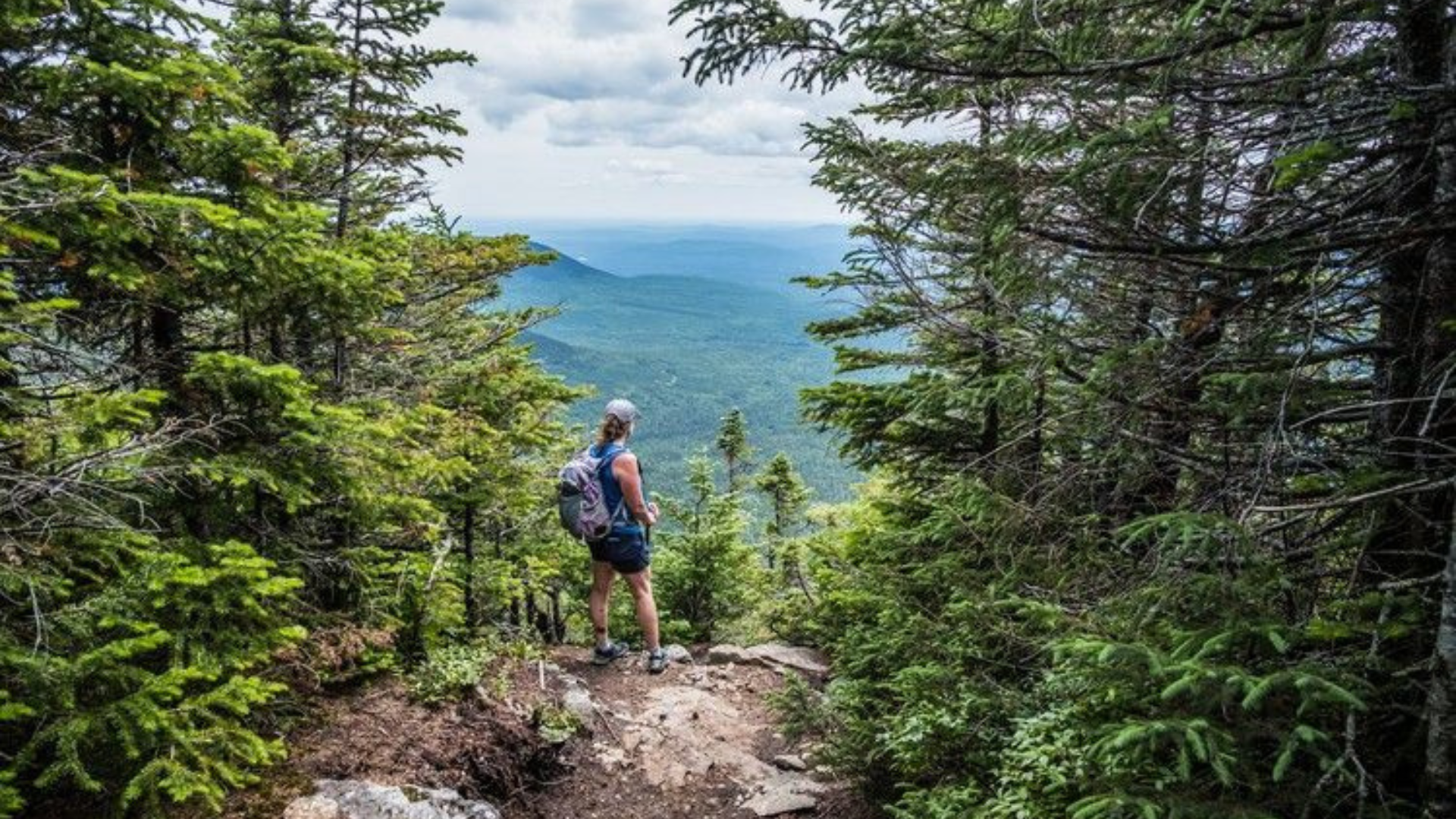
1. Appalachian Trail

The Appalachian Trail is one of the most recognized hiking routes in the world, stretching more than 2,000 miles across 14 states. It runs through forests, mountain ridges, and rural landscapes, offering a constantly changing environment as you move from one region to another. While only a small number of hikers attempt the full trail, many visitors explore shorter sections that still capture its character.

The trail is well-marked and supported by shelters and campsites, making it accessible for different skill levels. It’s not just about distance—what stands out is the gradual shift in scenery, from the wooded hills of the south to the rugged terrain of the north.

• Hike short sections or multi-day stretches

• Experience changing landscapes across regions

• Use shelters and campsites along the route

2. Pacific Crest Trail
© Unsplash sebastiengoldberg

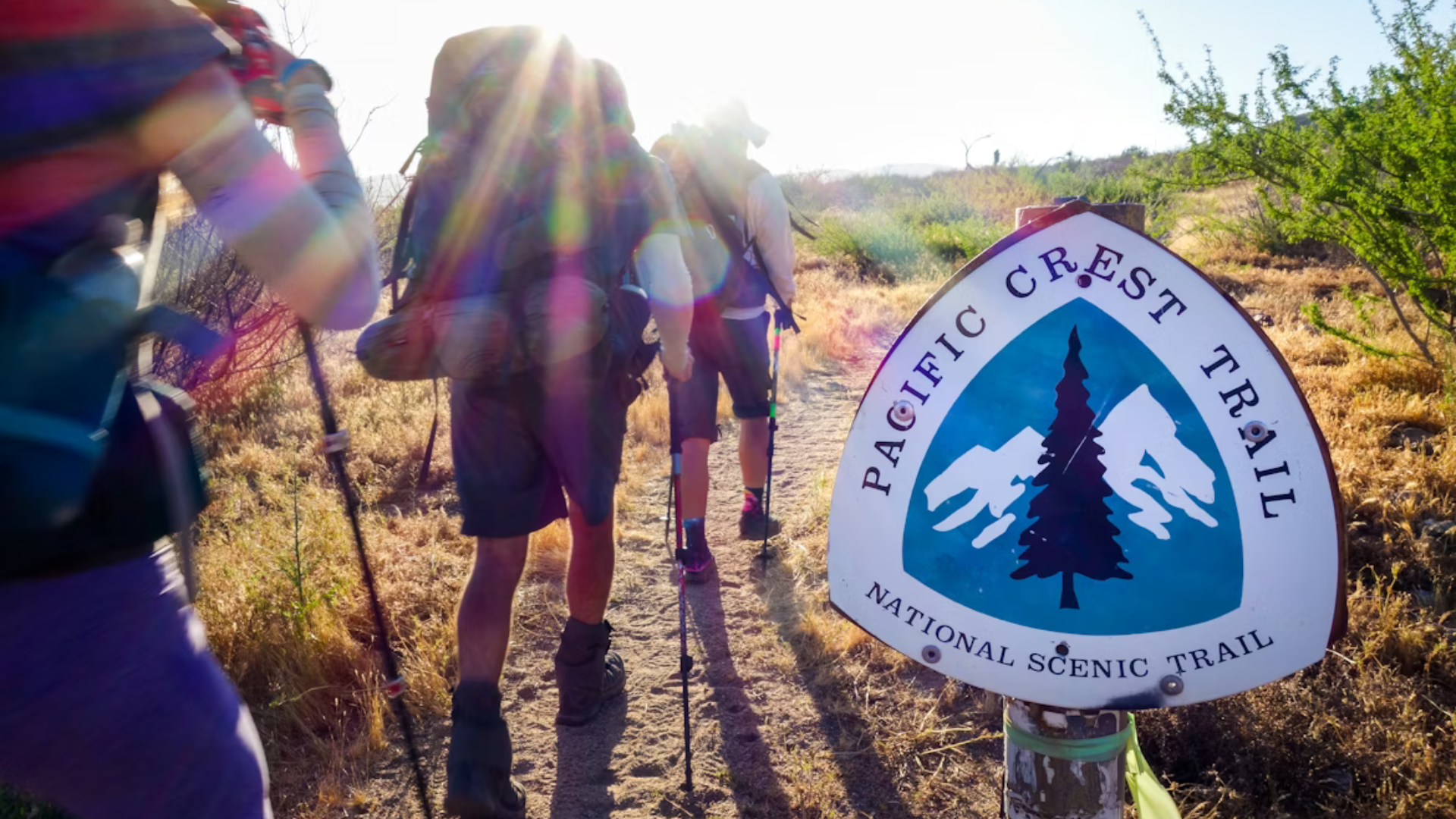
2. Pacific Crest Trail

The Pacific Crest Trail runs from the Mexican border to Canada, crossing California, Oregon, and Washington. It passes through deserts, alpine mountains, and dense forests, offering one of the most diverse hiking experiences in the country.

While the full trail is a serious undertaking, many sections are accessible for shorter hikes. The Sierra Nevada portion, in particular, is known for its dramatic mountain scenery, while the Pacific Northwest sections offer cooler climates and forested paths.

• Explore sections in California, Oregon, or Washington

• Experience desert, mountain, and forest terrain

• Choose routes based on difficulty and time

3. Continental Divide Trail
© Pixabay katehonish

3. Continental Divide Trail

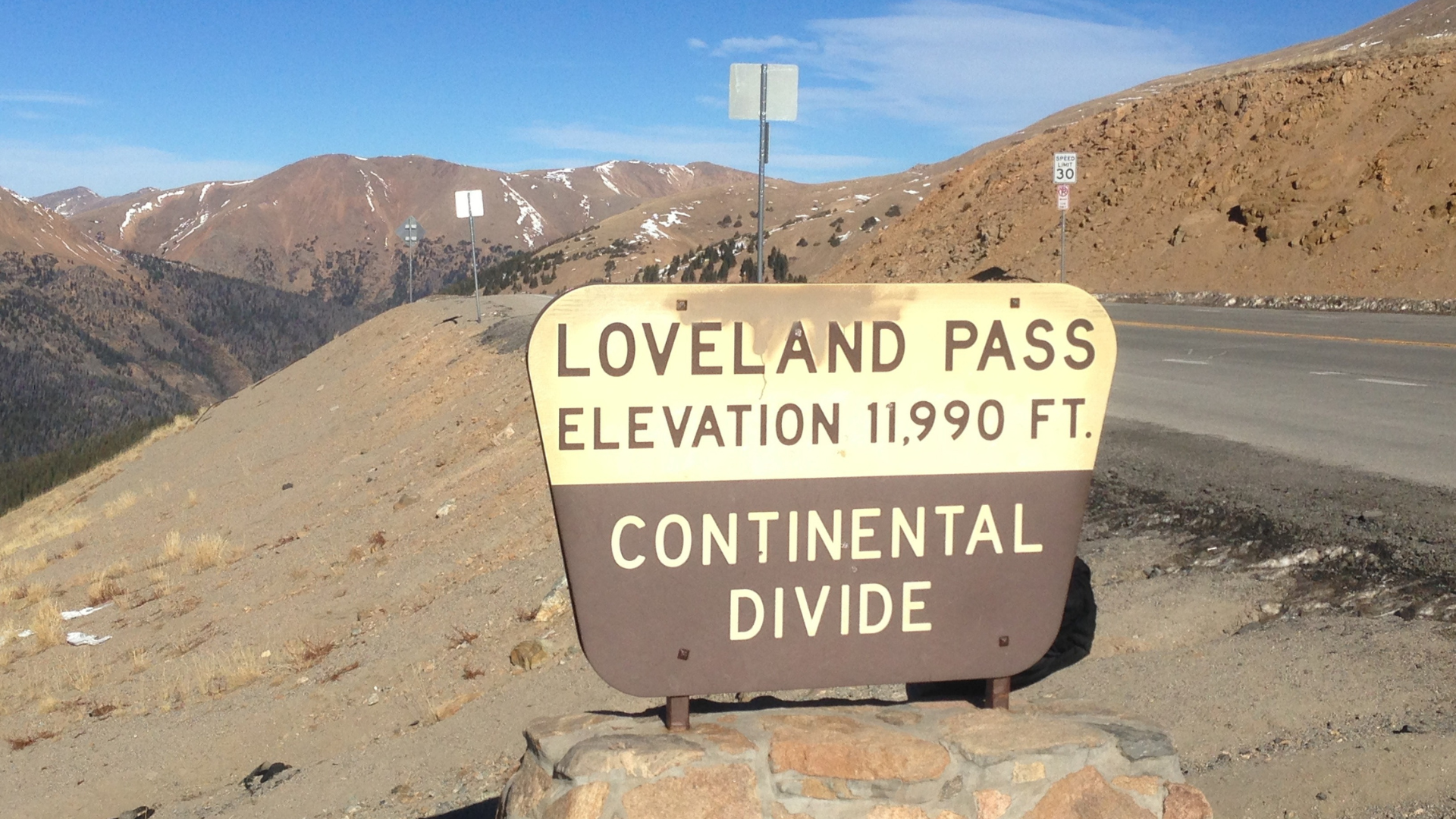
Following the Rocky Mountains, the Continental Divide Trail offers a more remote and less developed experience compared to other long-distance trails. It stretches over 3,000 miles, passing through rugged landscapes and high elevations.

This trail is best suited for experienced hikers due to its challenging terrain and limited infrastructure. However, even shorter sections provide access to quiet wilderness areas with minimal crowds and expansive views.

• Experience remote and rugged landscapes

• Ideal for experienced hikers

• Enjoy less crowded trail sections

4. John Muir Trail, California
© Pexels Olivia Wright

4. John Muir Trail, California

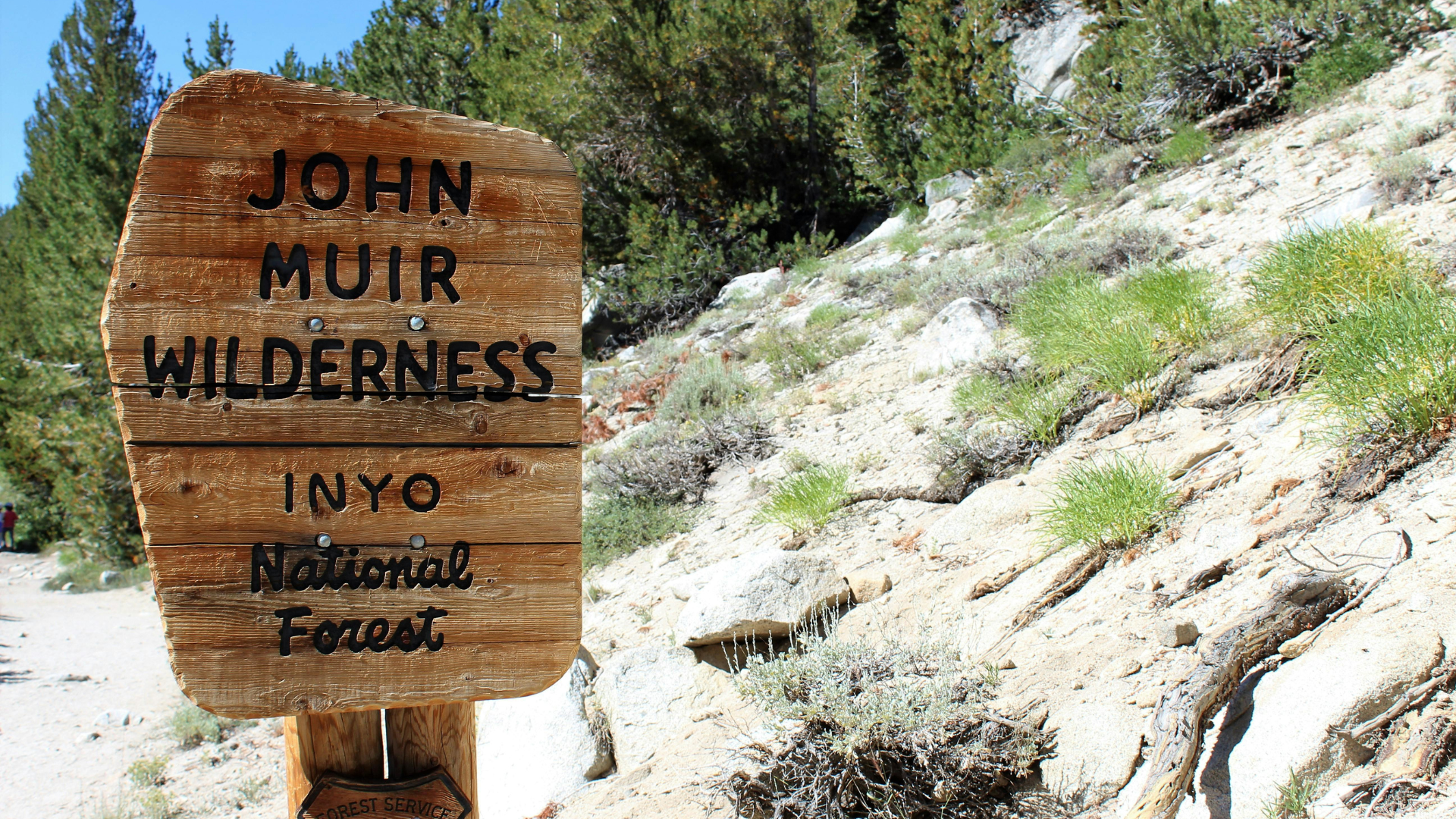
The John Muir Trail runs through the Sierra Nevada and connects several major national parks, including Yosemite National Park. Known for its high-altitude scenery, the trail features alpine lakes, granite peaks, and mountain passes.

It’s a popular choice for multi-day backpacking trips, offering a more focused version of the Pacific Crest Trail’s best scenery. The route passes through remote wilderness areas, making preparation essential.

• Hike through alpine landscapes and national parks

• Camp along lakes and mountain valleys

• Plan for multi-day backpacking trips

5. The Narrows, Utah
© Unsplash Josh McCausland

5. The Narrows, Utah

Located in Zion National Park, The Narrows is a hike that takes place directly in the Virgin River, with towering canyon walls rising on both sides. Instead of following a traditional path, hikers move through shallow water, creating a completely different experience.

The canyon narrows at certain points, creating dramatic lighting and views. Seasonal conditions affect accessibility, so checking water levels is important before visiting.

• Walk through the river between canyon walls

• Experience narrow sandstone formations

• Check conditions before hiking

6. Bright Angel Trail, Arizona
© Unsplash crousg

6. Bright Angel Trail, Arizona

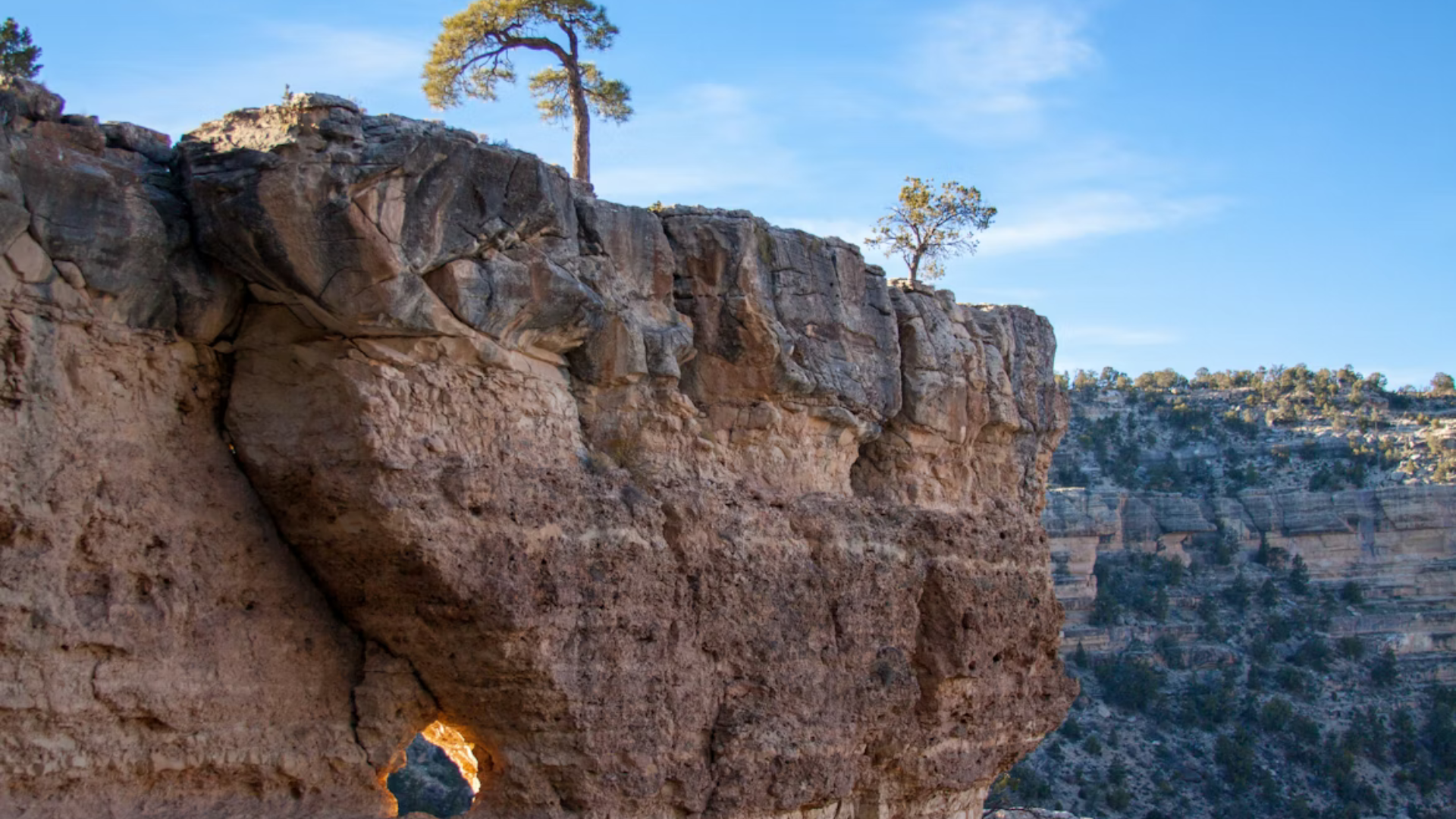
The Bright Angel Trail provides one of the most accessible routes into the Grand Canyon. Starting from the South Rim, the trail descends gradually, offering changing views as you move deeper into the canyon.

Rest areas and water stations make it more manageable than other routes, but the return climb can be challenging. Many visitors choose shorter segments rather than attempting the full descent.

• Descend into the canyon for changing views

• Use rest stops and water stations

• Plan your return hike carefully

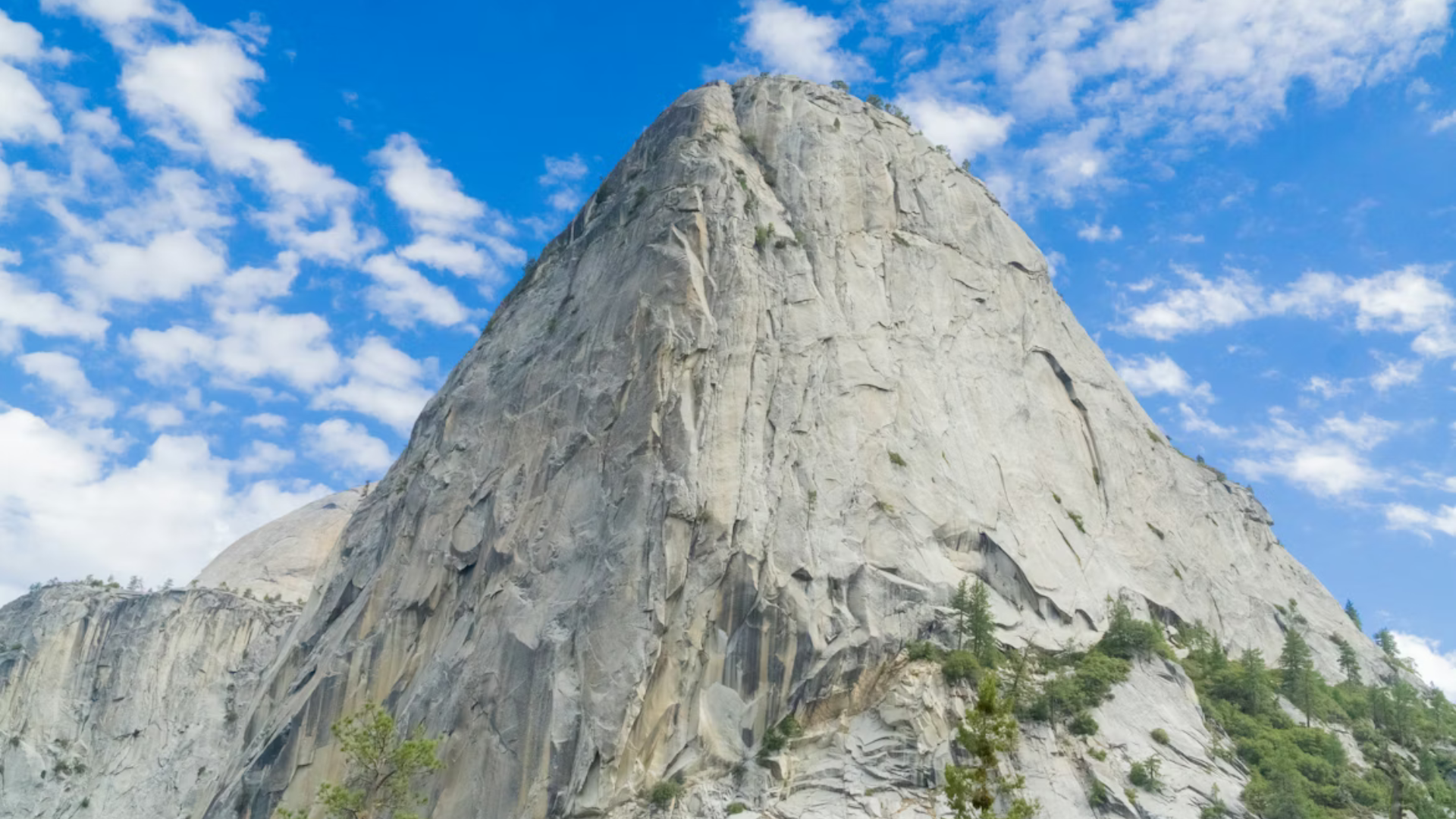
7. Half Dome Trail, California
© Unsplash spencer_demera

7. Half Dome Trail, California

This trail in Yosemite National Park leads to the summit of Half Dome, one of the park’s most recognizable landmarks. The route includes forest paths, waterfalls, and steep climbs before reaching the final section.

The last part involves climbing using metal cables, which requires strength and caution. Permits are required due to the trail’s popularity.

• Hike through varied terrain to the summit

• Climb using cables near the top

• Secure permits in advance

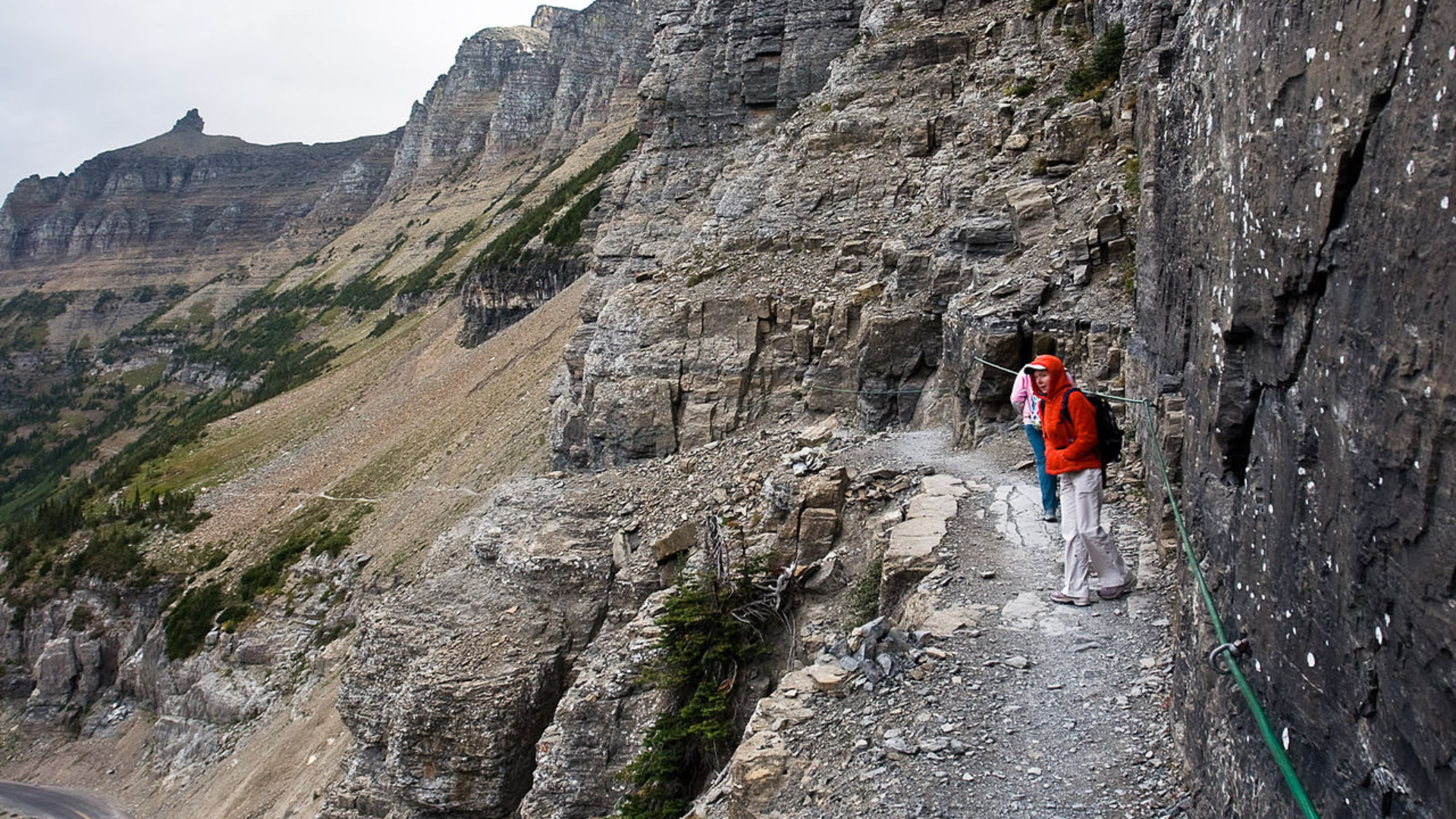
8. Highline Trail, Montana
© Wikipedia Greg Willis

8. Highline Trail, Montana

The Highline Trail in Glacier National Park follows a ridge along the Garden Wall, offering continuous mountain views.

The trail is considered moderate, making it accessible to a wide range of hikers. Wildlife sightings are common, and the open terrain provides clear visibility of the surrounding landscape.

• Walk along elevated ridgelines

• Enjoy consistent mountain views

• Watch for wildlife along the route

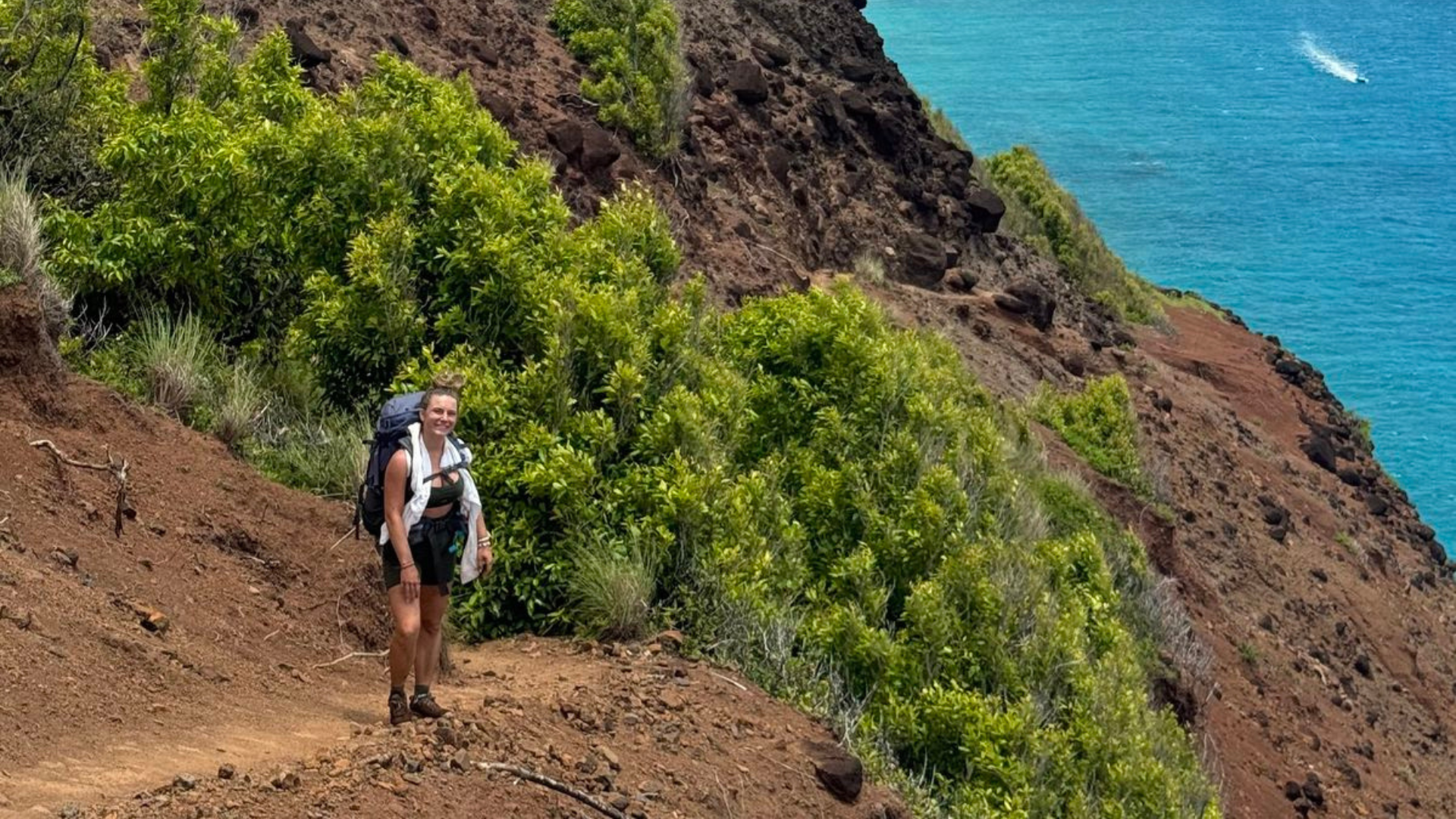
9. Kalalau Trail, Hawaii
© Pinterest Rach

9. Kalalau Trail, Hawaii

The Kalalau Trail runs along the Nā Pali Coast, offering views of steep cliffs and the Pacific Ocean. The terrain can be challenging, with narrow paths and elevation changes.

The trail leads to remote beaches and valleys, making it one of the most scenic coastal hikes in the US. Permits are required for extended trips.

• Hike along coastal cliffs

• Access remote beaches

• Plan for multi-day travel

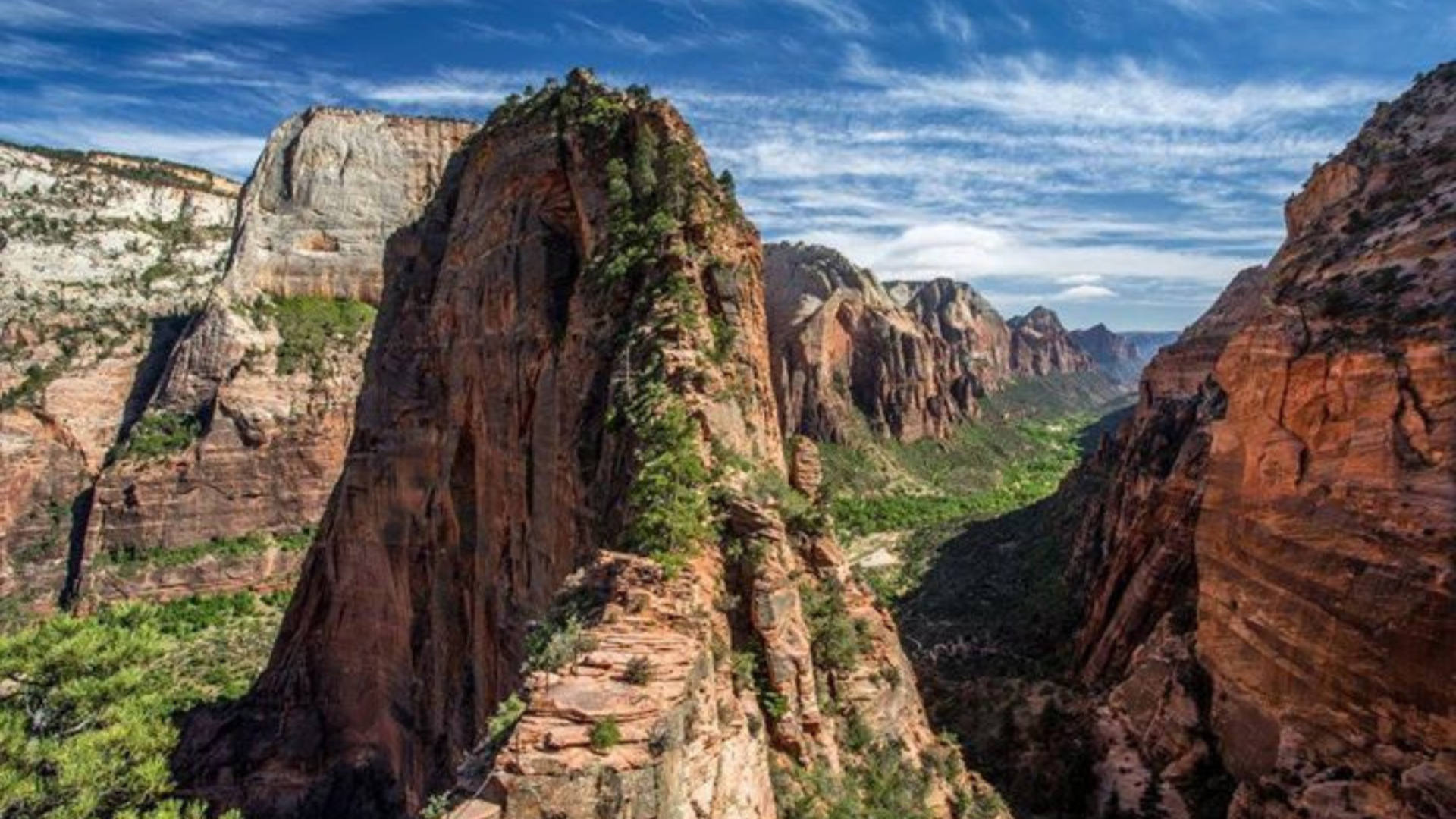
10. Angels Landing, Utah
© Pinterest Angela Lemaire

10. Angels Landing, Utah

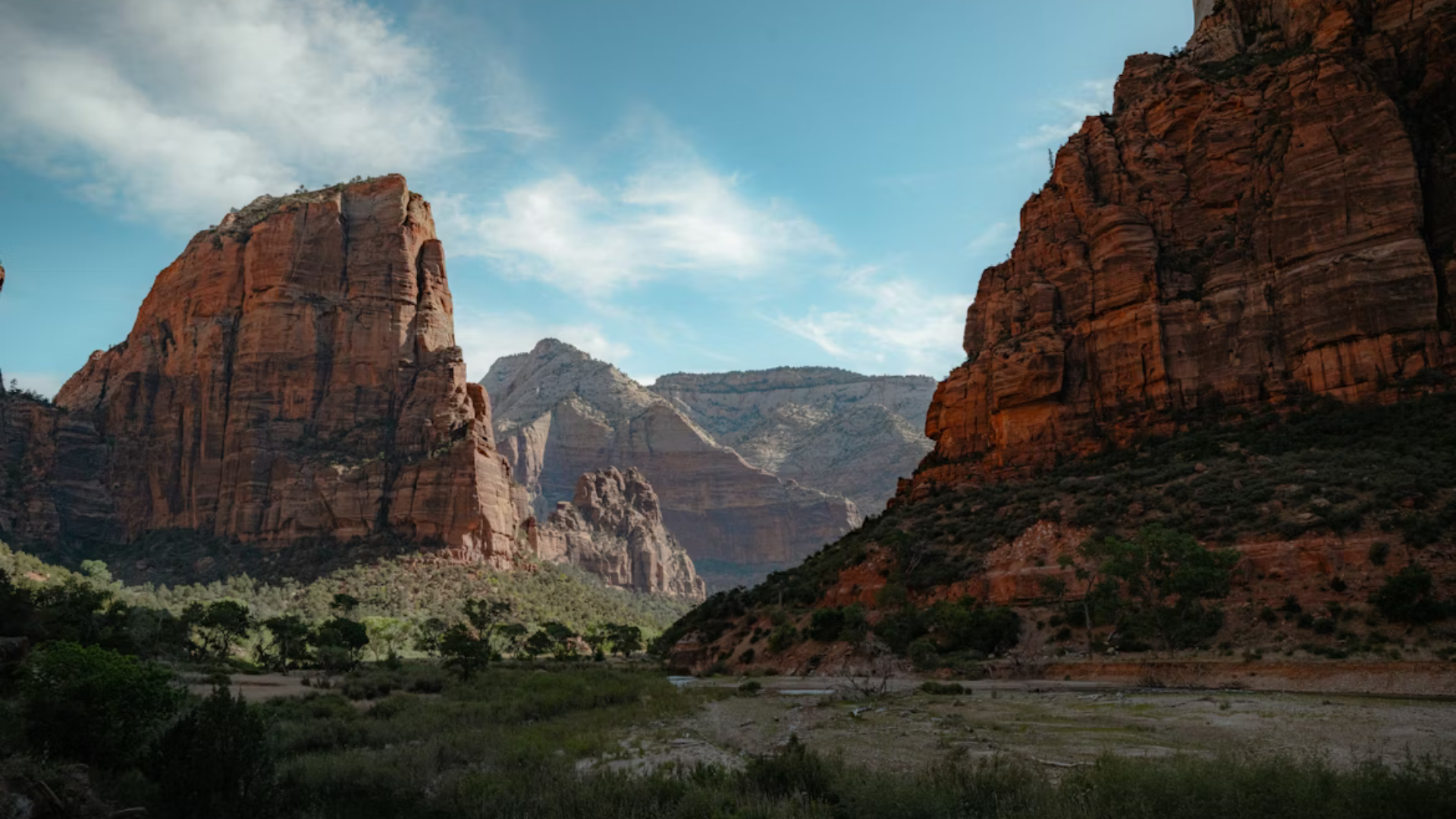
Located in Zion National Park, Angels Landing is known for its steep ascent and narrow ridges. The trail includes a section with chains to help hikers navigate exposed areas.

Despite its short length, it requires focus and preparation. The summit offers wide views of Zion Canyon.

• Climb steep switchbacks and ridges

• Use chains for support

• Take in panoramic canyon views

11. Teton Crest Trail, Wyoming
© Pinterest Kadie

11. Teton Crest Trail, Wyoming

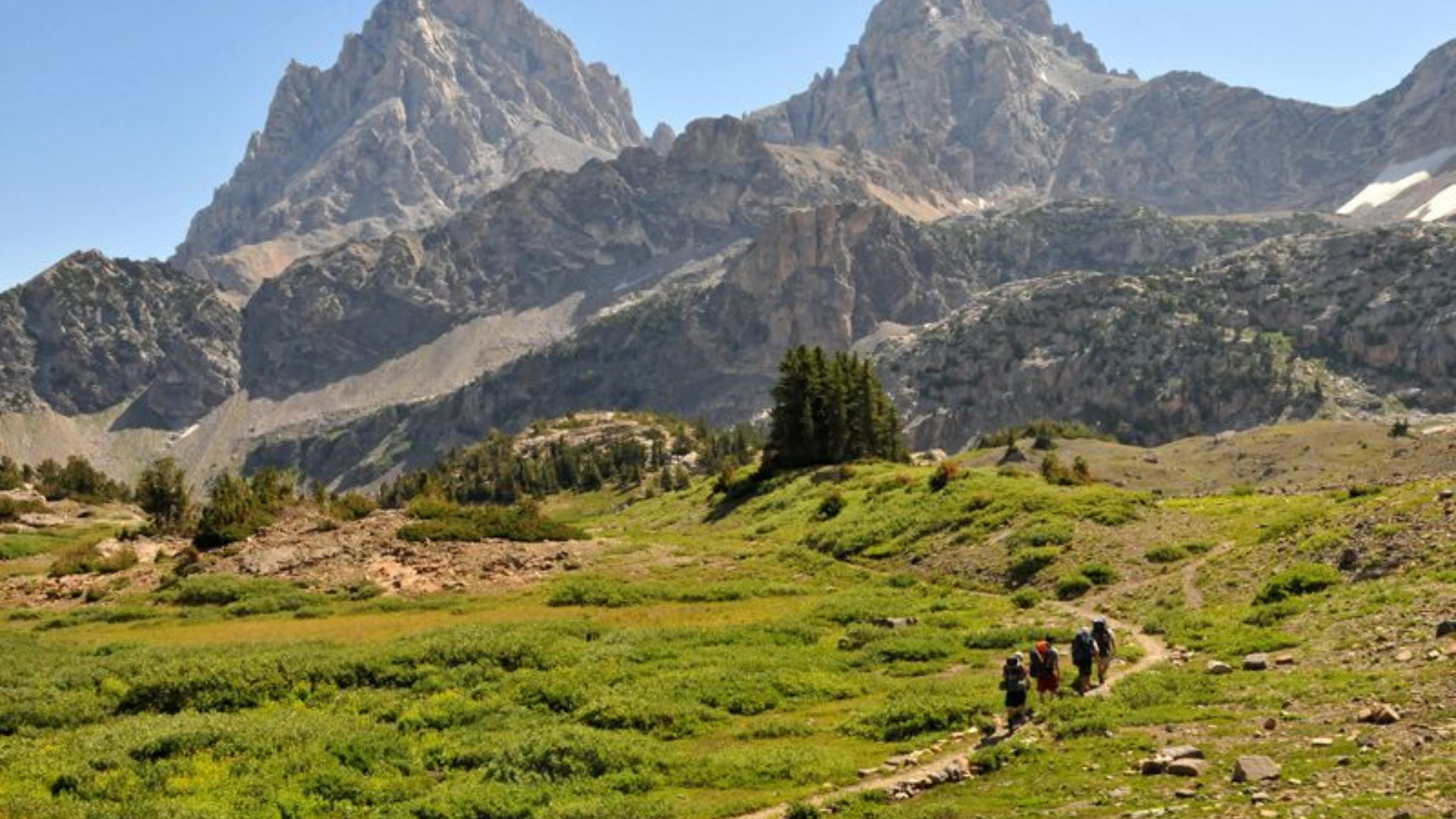
The Teton Crest Trail offers access to high alpine terrain in Grand Teton National Park. The route passes through mountain passes, meadows, and remote backcountry areas.

It’s typically completed over several days and requires planning for weather and supplies.

• Explore alpine landscapes and valleys

• Plan multi-day backpacking trips

• Prepare for changing weather conditions

12. Wonderland Trail, Washington
© Pexels William Jacobs

12. Wonderland Trail, Washington

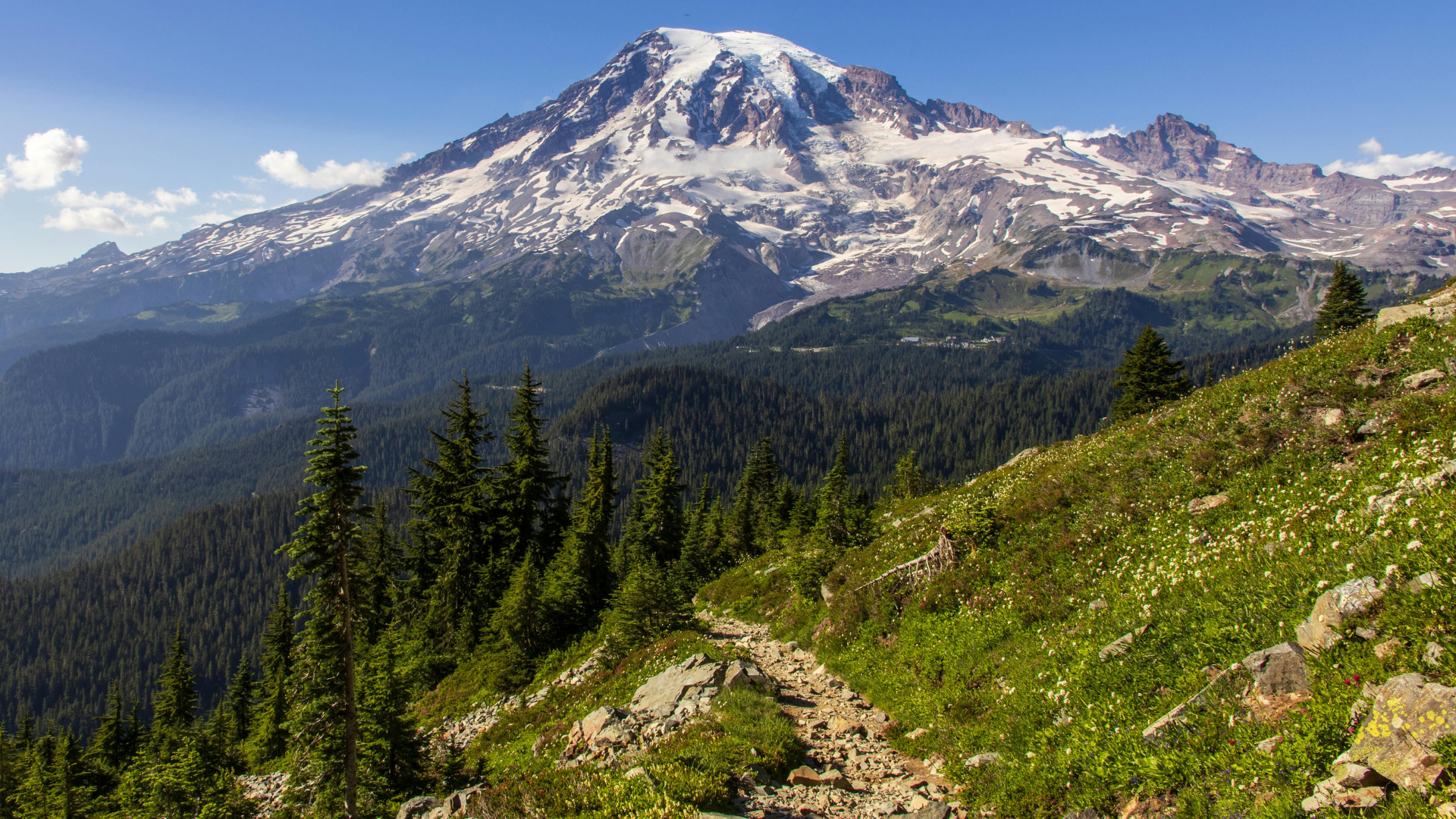
Encircling Mount Rainier, the Wonderland Trail offers a full loop experience through forests, rivers, and glaciers.

The trail highlights the diversity of the region, with changing scenery throughout the route.

• Complete a full loop hike

• Cross rivers and view glaciers

• Plan for extended trips

13. Mount Washburn Trail, Wyoming
© Pinterest Kat B.

13. Mount Washburn Trail, Wyoming

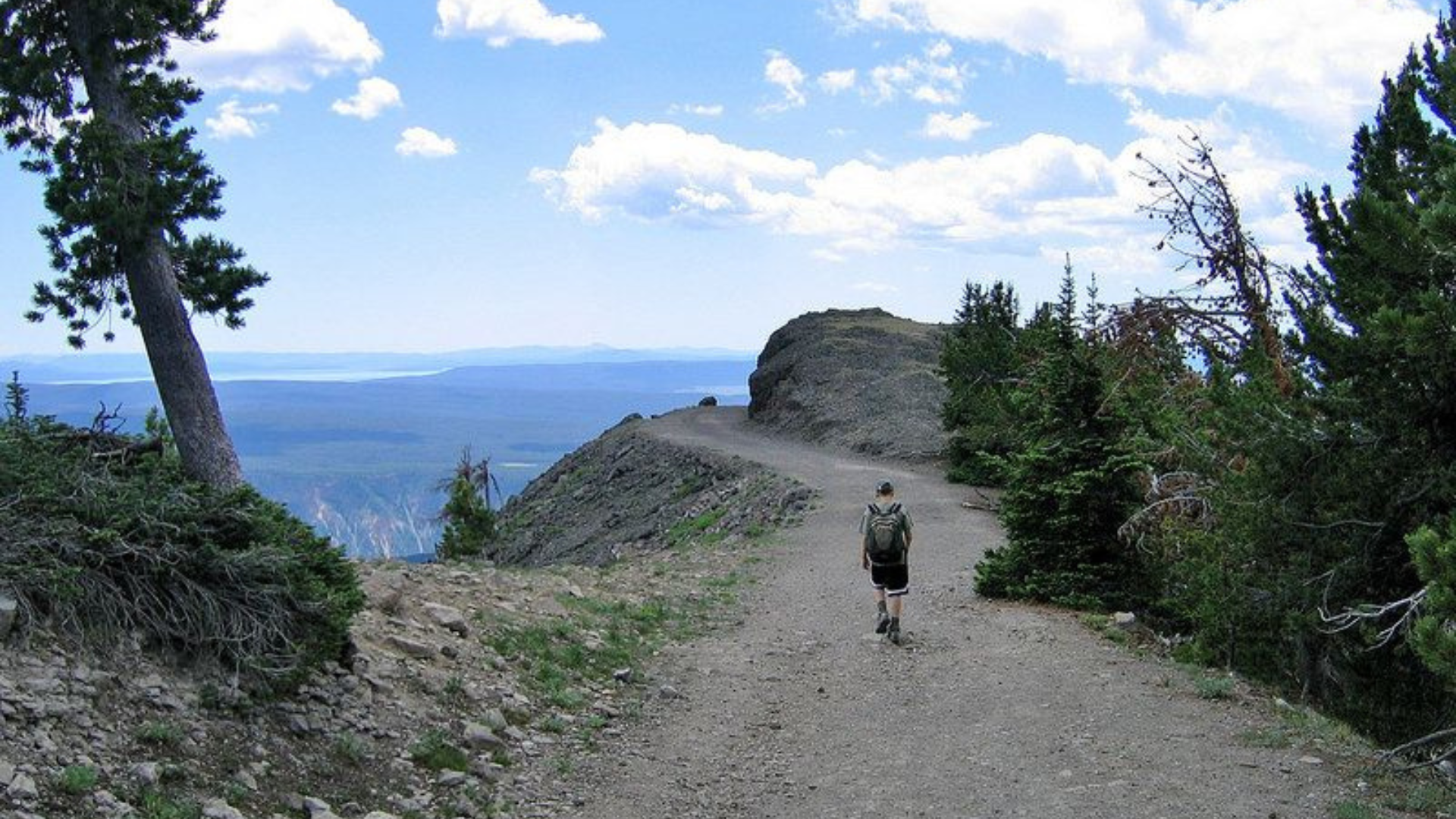
Situated in Yellowstone National Park, this trail leads to one of the park’s most accessible summit viewpoints. The steady climb makes it manageable for most hikers.

From the top, wide views stretch across Yellowstone’s landscape, including forests and geothermal areas.

• Reach a high summit viewpoint

• Enjoy wide landscape views

• Suitable for moderate hikes

14. Devils Garden Trail, Utah
© Pinterest Rod Middleton

14. Devils Garden Trail, Utah

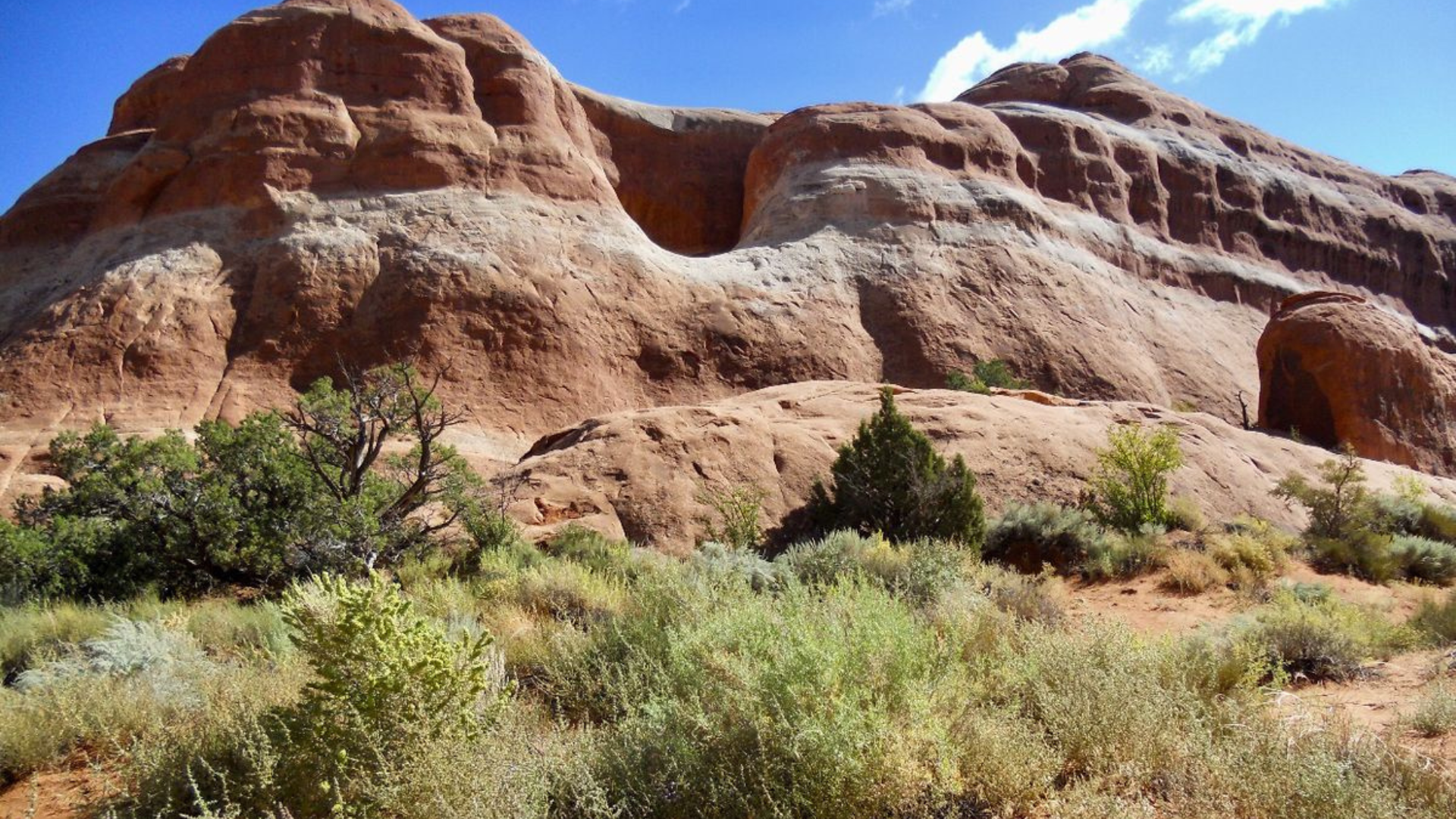
Located in Arches National Park, the Devils Garden Trail offers a mix of easy walking paths and more challenging routes through a landscape filled with natural stone arches. It’s one of the best places to experience the park’s unique rock formations beyond the main viewpoints.

As you move further along the trail, the crowds thin out and the terrain becomes more rugged. The route passes several notable arches, including Landscape Arch, one of the longest natural arches in the world.

• See multiple natural arches along one route

• Explore both easy and challenging sections

• Experience quieter areas deeper into the park

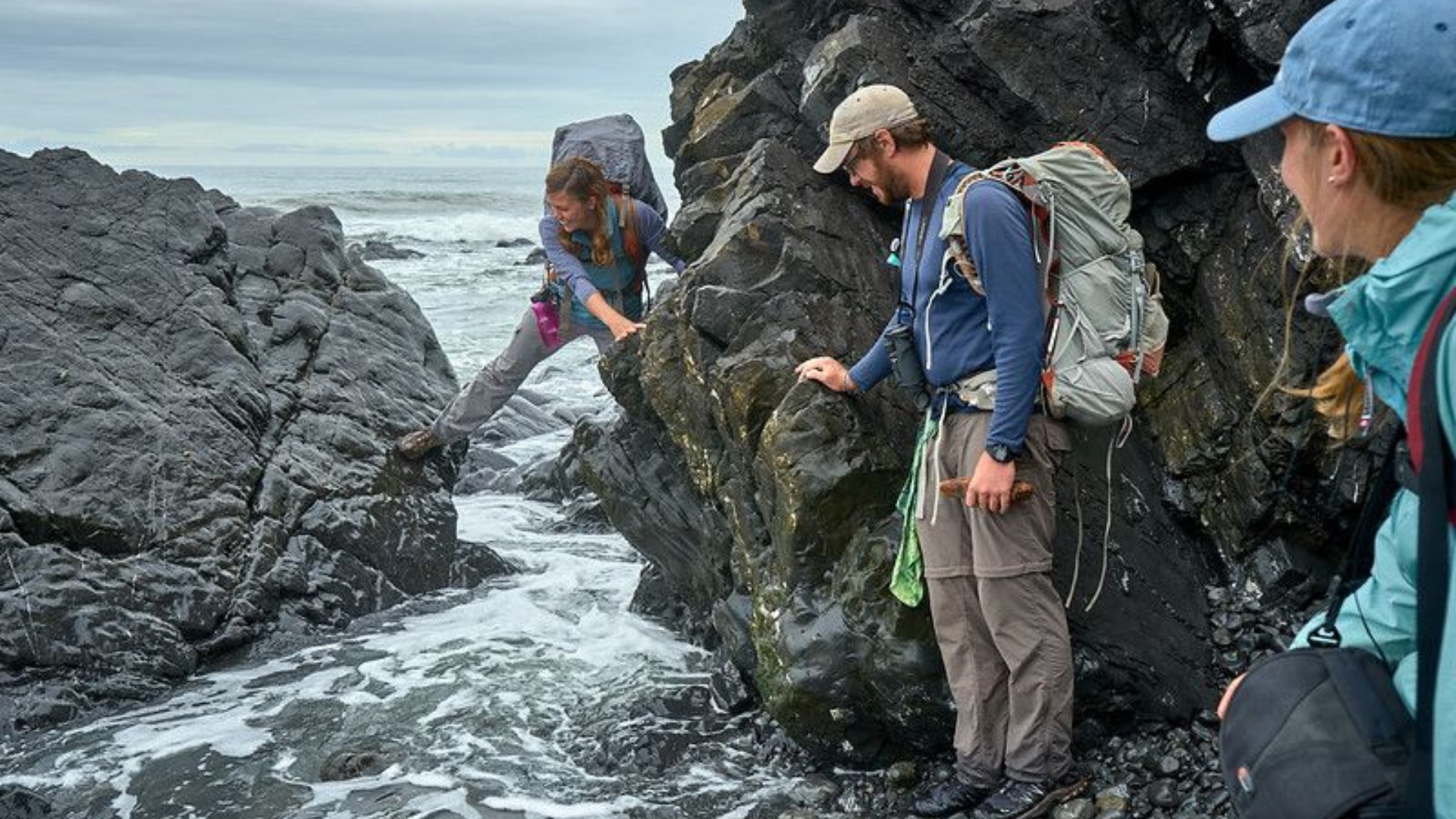
15. Lost Coast Trail, California
© Pinterest John Peltier

15. Lost Coast Trail, California

The Lost Coast Trail runs along one of the most undeveloped stretches of coastline in California. Unlike many coastal hikes, this route remains largely untouched, with no major roads nearby.

Hikers follow the shoreline, navigating tides and rocky terrain while taking in views of the Pacific Ocean. The isolation is part of the appeal, offering a rare sense of remoteness.

• Hike along untouched coastline

• Plan around tide schedules

• Experience a remote wilderness setting

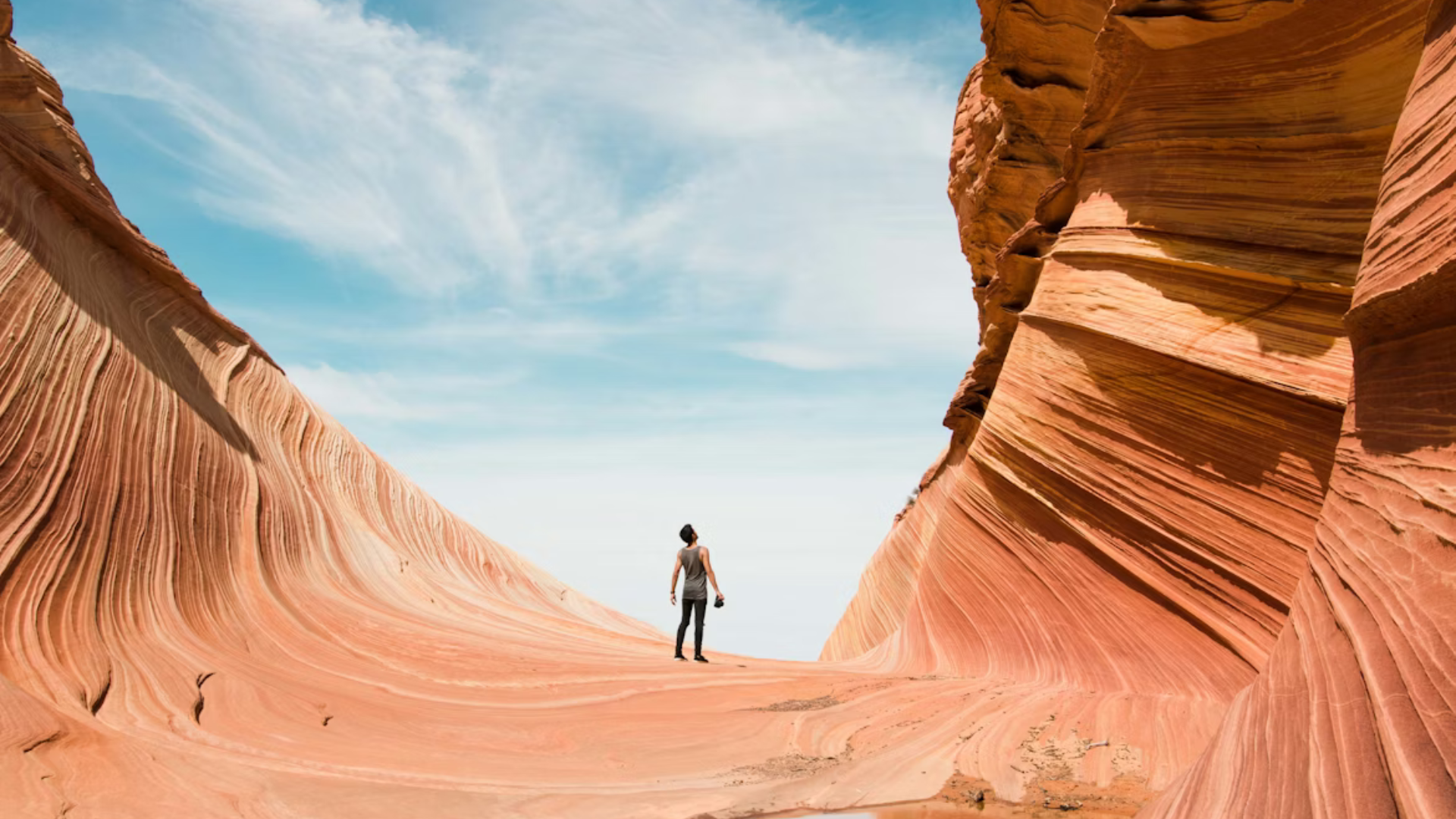
16. The Wave, Arizona/Utah
© Unsplash Christopher Ruel

16. The Wave, Arizona/Utah

Located in the Coyote Buttes area near the border of Arizona and Utah, The Wave is known for its swirling sandstone formations.

The hike itself is relatively short, but navigation can be challenging due to the lack of marked trails. Access is limited through a permit system, which helps preserve the fragile environment.

• Explore unique sandstone formations

• Navigate unmarked desert terrain

• Secure permits in advance

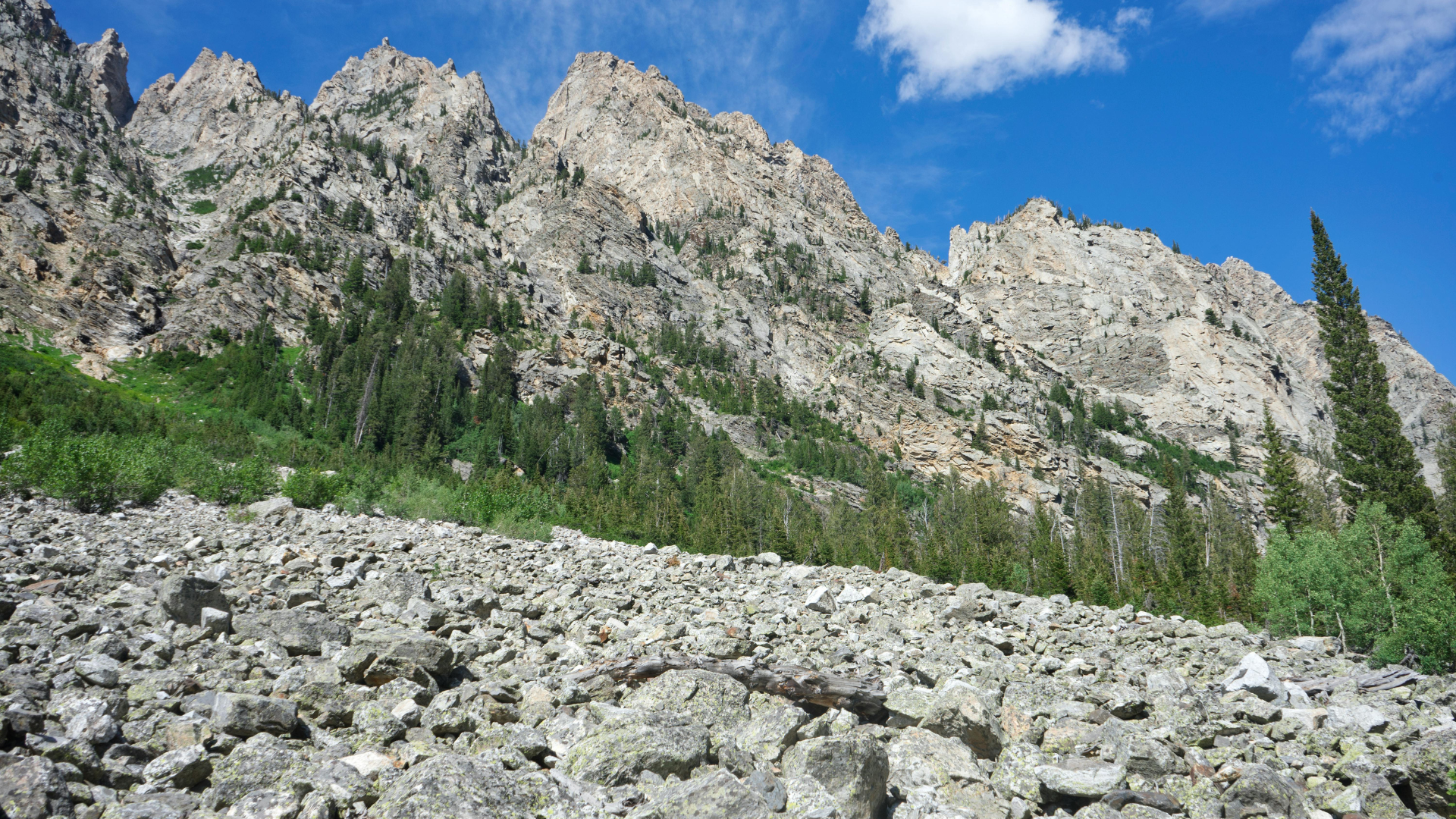
17. Cascade Canyon Trail, Wyoming
© Pexels Robert Schrader

17. Cascade Canyon Trail, Wyoming

Found in Grand Teton National Park, the Cascade Canyon Trail offers a gradual climb into a scenic alpine canyon.

The route passes through forests and open meadows, with views of the surrounding peaks. Wildlife sightings, including moose and elk, are common along the trail.

• Walk through forest and canyon landscapes

• Spot wildlife along the route

• Enjoy views of the Teton Range

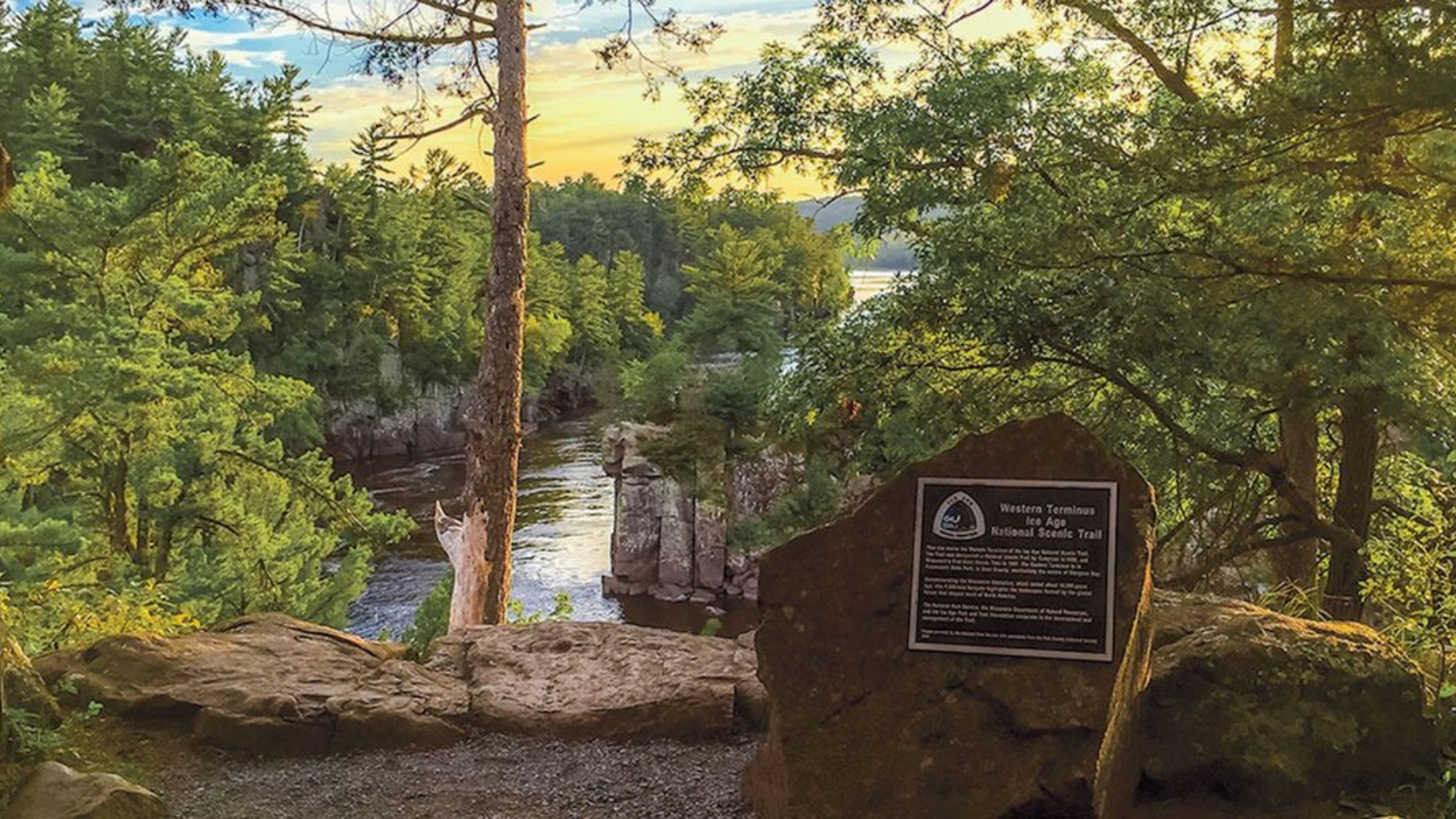
18. Ice Age Trail, Wisconsin
© Pinterest Wisconsin Explorer

18. Ice Age Trail, Wisconsin

The Ice Age Trail follows the edge of ancient glaciers across Wisconsin, highlighting unique geological features.

It’s a long-distance trail, but many sections are accessible for shorter hikes. The terrain varies from forests to rolling hills, making it suitable for a wide range of hikers.

• Explore glacial landscapes

• Choose from multiple trail segments

• Hike through forests and open terrain

19. Bigfoot Trail, California
© Wikipedia Mkauffmann -

19. Bigfoot Trail, California

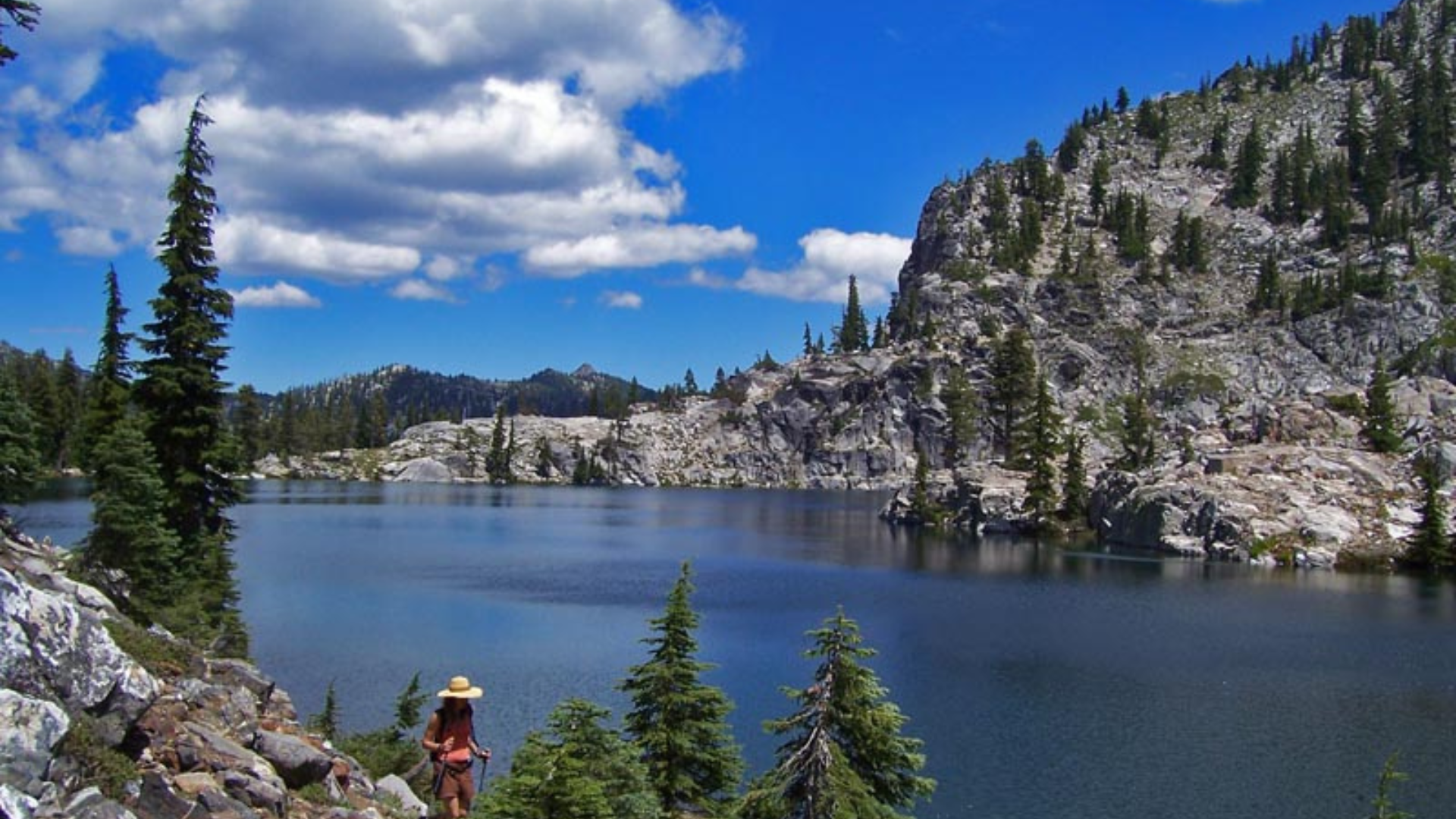
The Bigfoot Trail runs through remote parts of northern California, passing through forests known for their biodiversity.

The trail connects several protected areas, offering a continuous route through diverse ecosystems. It’s less crowded than more famous trails, making it appealing for those seeking solitude.

• Experience diverse forest ecosystems

• Hike through remote wilderness areas

• Enjoy a quieter trail experience

20. Enchanted Valley Trail, Washington
© Pinterest Kirstin Richardson

20. Enchanted Valley Trail, Washington

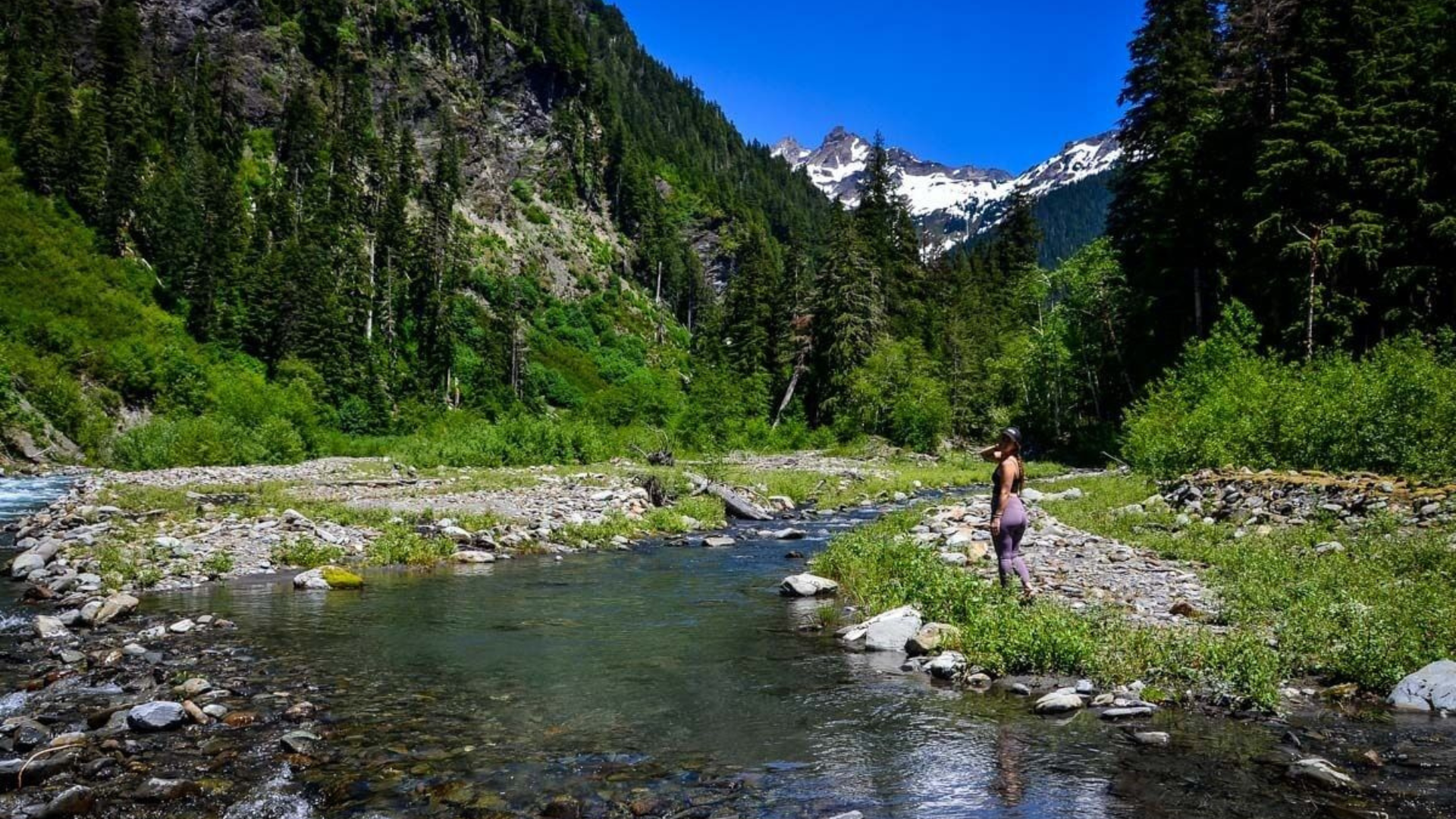
Located in Olympic National Park, the Enchanted Valley Trail leads through dense forest into a wide valley surrounded by mountains.

The route is known for its waterfalls, especially after rainfall. The valley itself feels open and remote, offering a contrast to the forested sections of the trail.

• Walk through rainforest landscapes

• View waterfalls along the route

• Reach a wide, scenic valley

21. Kekekabic Trail, Minnesota
© Pinterest Jon Nelson

21. Kekekabic Trail, Minnesota

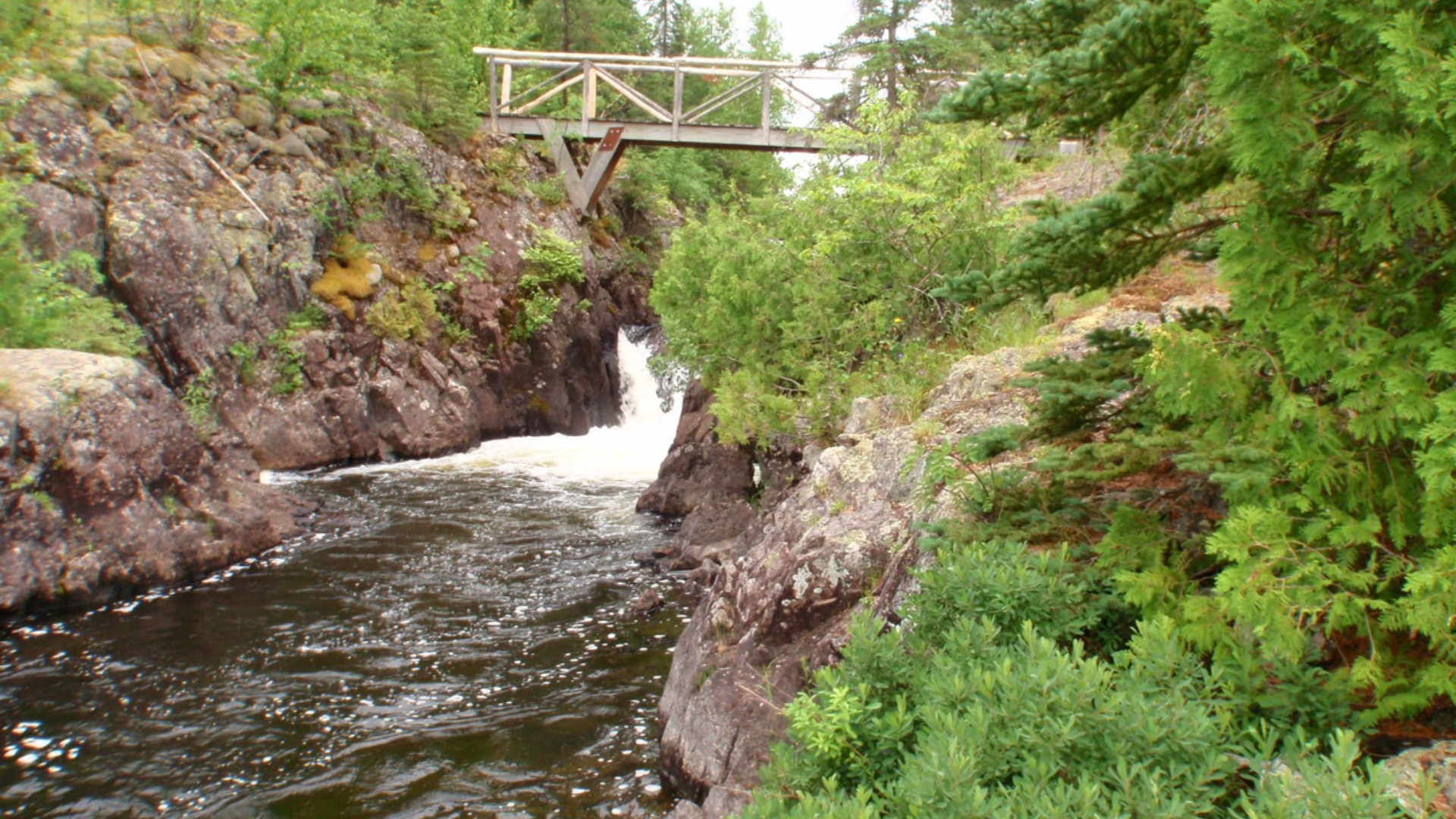
The Kekekabic Trail runs through the Boundary Waters region in Minnesota, offering a rugged and remote hiking experience.

The trail is less maintained than others, requiring navigation skills and preparation. It’s best suited for experienced hikers looking for solitude.

• Hike through remote forest terrain

• Experience minimal crowds

• Prepare for rugged trail conditions

22. Ruby Crest Trail, Nevada
© Pinterest / Cathy Alcantara

22. Ruby Crest Trail, Nevada

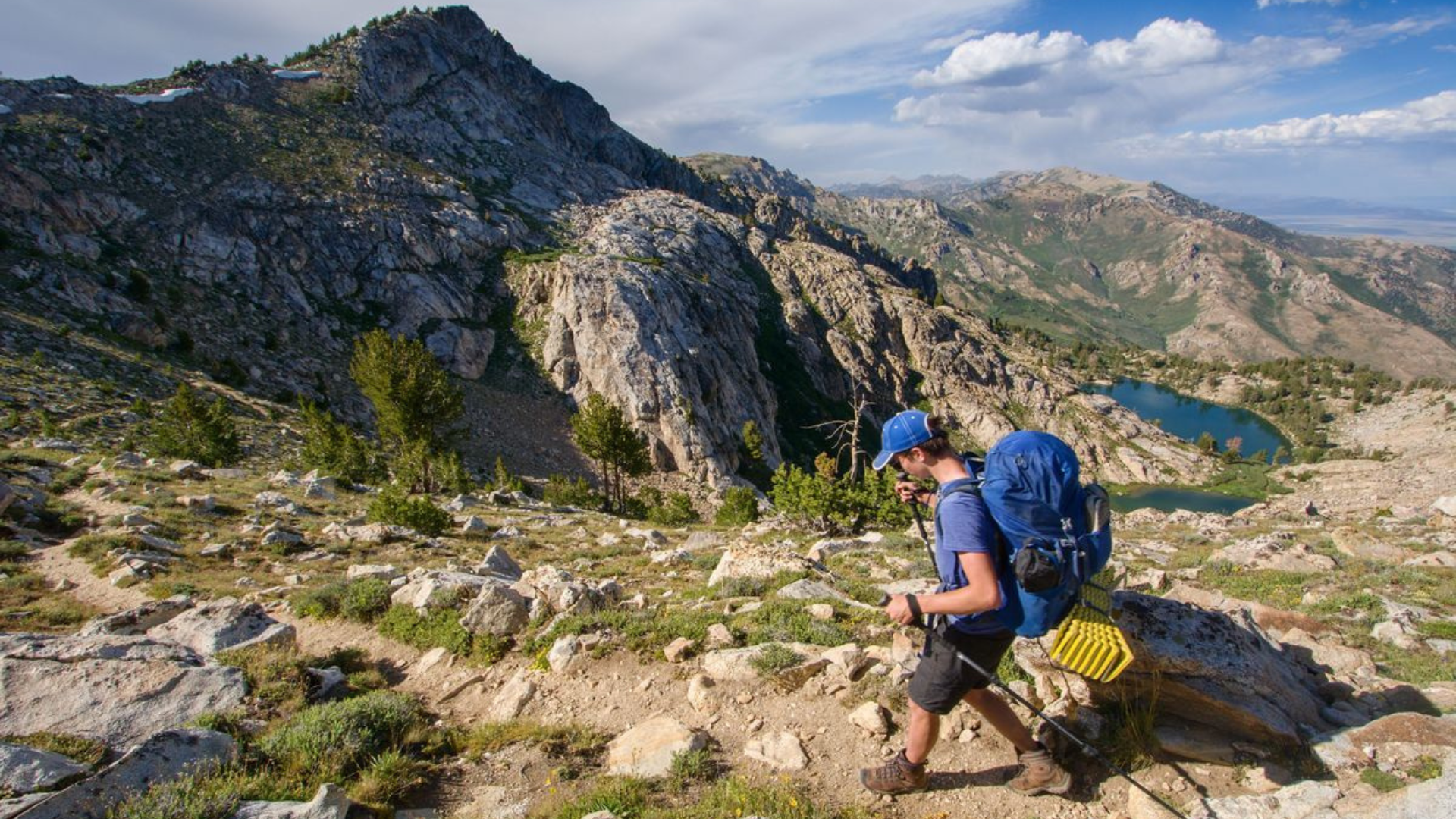
The Ruby Crest Trail offers high-elevation hiking in a quieter part of the country.

The trail passes through the Ruby Mountains, with views of valleys, lakes, and ridgelines. Its lower popularity compared to other trails adds to the sense of isolation.

• Traverse mountain ridges

• Enjoy less crowded hiking routes

• Experience high-altitude scenery


Comments (0)

Leave a Reply

No comments yet. Be the first to share your thoughts!