Travel Cruises

20 things worth knowing about cruise ship buffet dining before you sail

Liam Parker
4.2
May 08, 2026

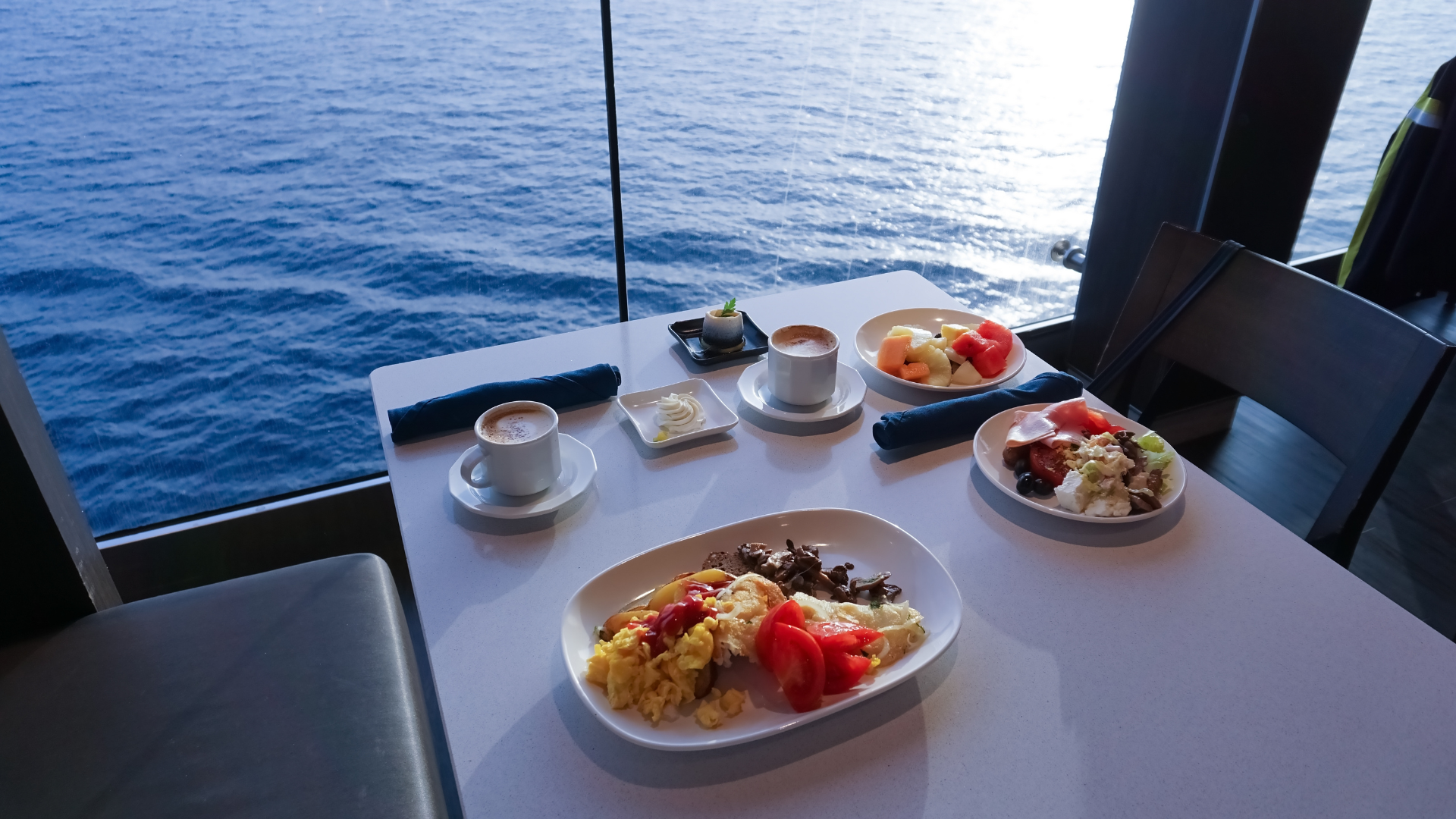
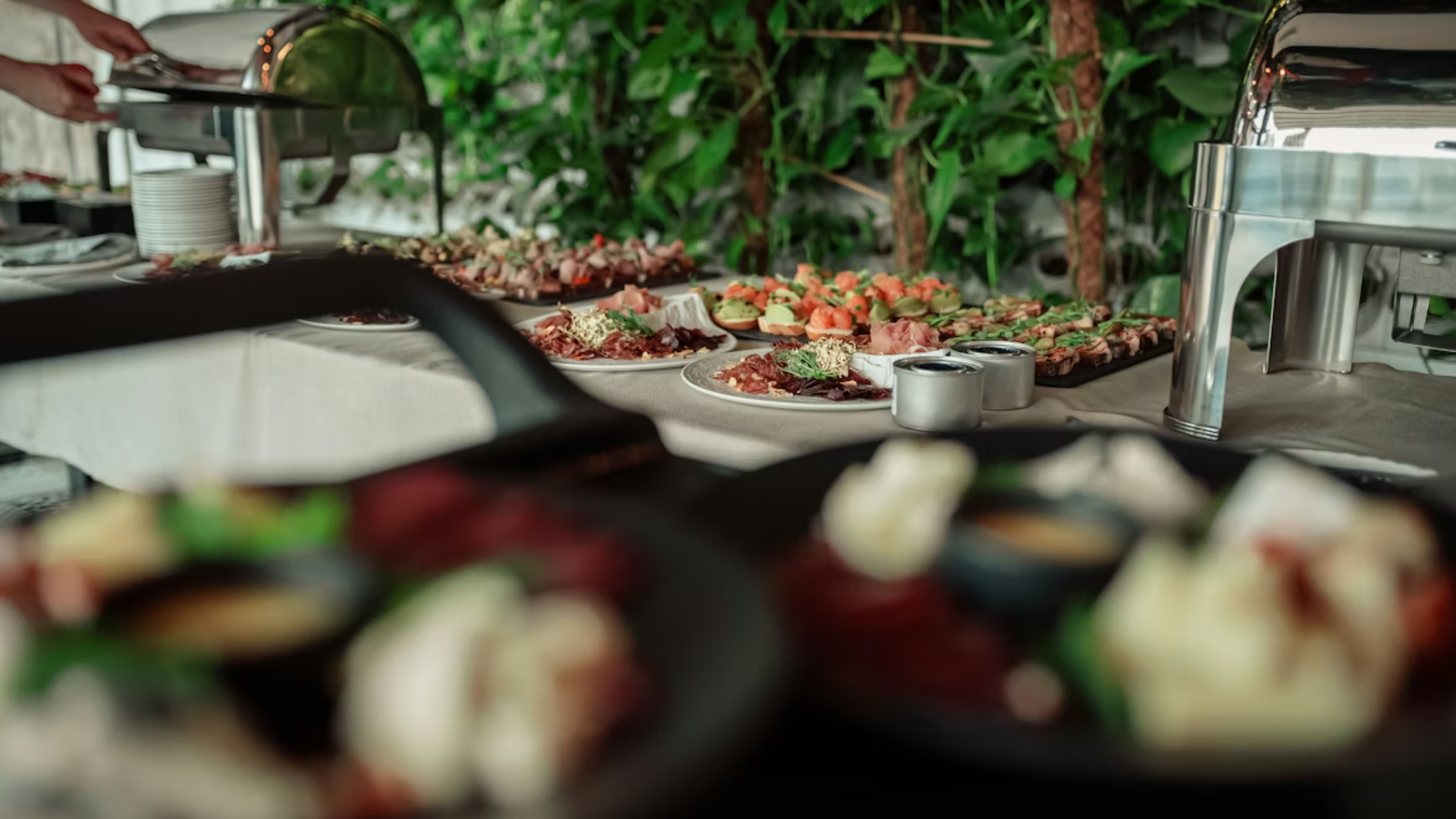
Buffet dining is one of the most popular features on cruise ships, offering convenience, variety, and the freedom to eat at almost any time of day. From breakfast spreads to late-night snacks, cruise buffets are designed to cater to thousands of passengers with different tastes and schedules. At first glance, they appear simple: walk in, pick your food, and enjoy.

However, there is more happening behind the scenes than most travelers realize. Cruise ship buffets operate with their own systems, routines, and unspoken rules that can affect everything from food quality to hygiene and overall experience. Understanding how these buffets work can help you make better choices, avoid common mistakes, and get more out of your meals onboard.

Here are 20 things cruise lines don’t always tell you about buffet dining, and what you should know before filling your plate.
1. The buffet layout is designed to manage crowd flow
© Shutterstock Rawpixel.com

1. The buffet layout is designed to manage crowd flow

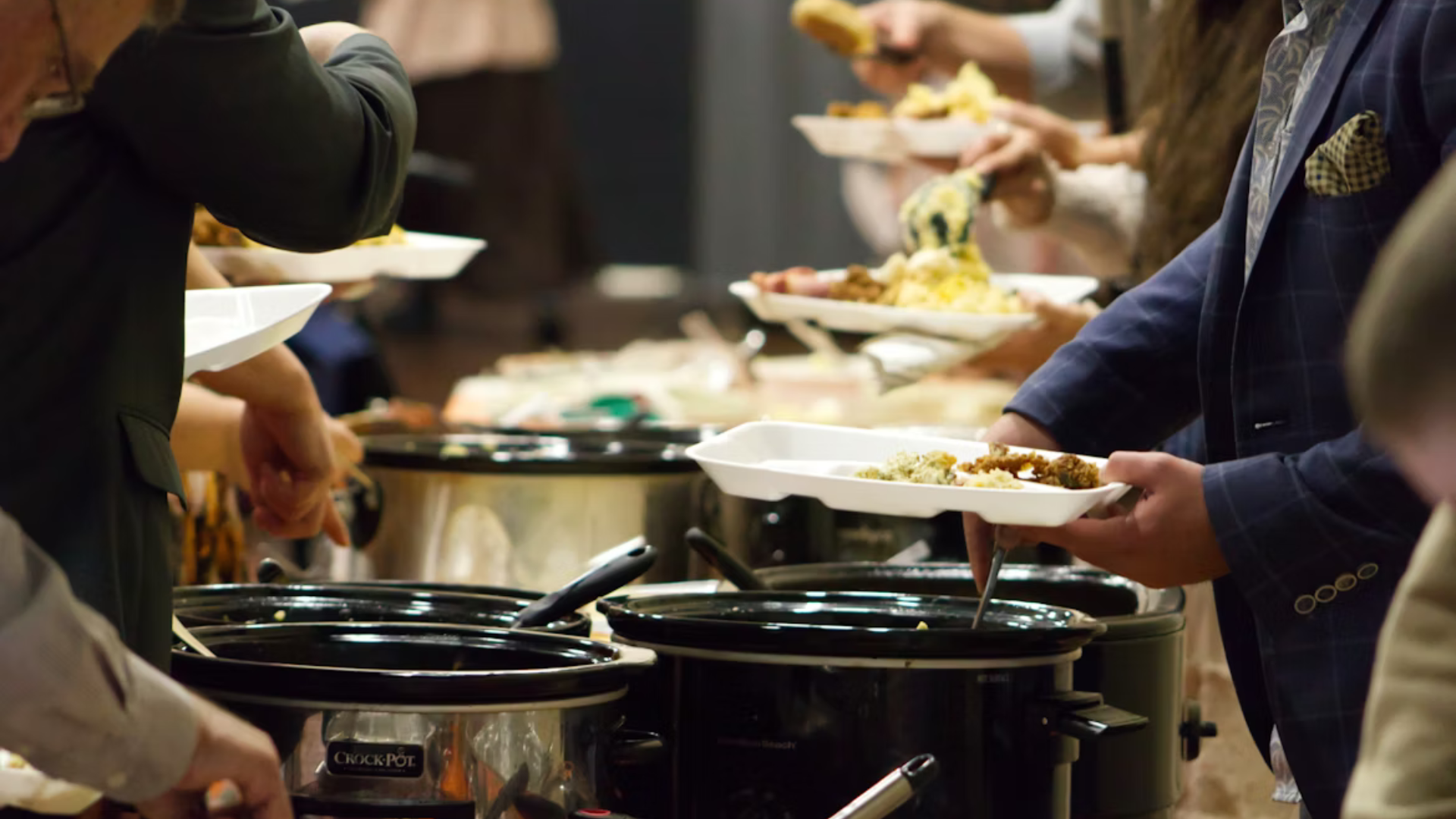
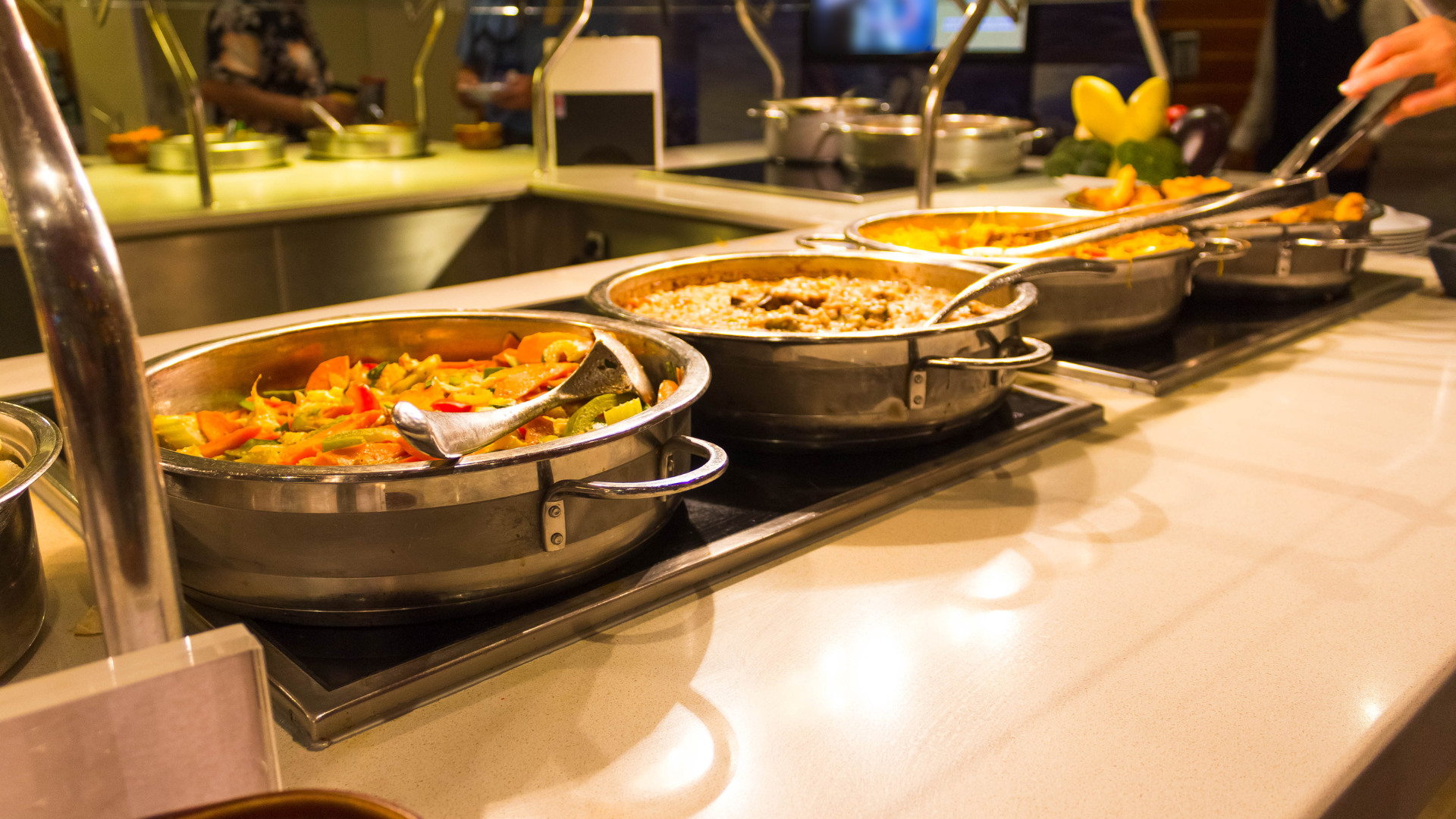
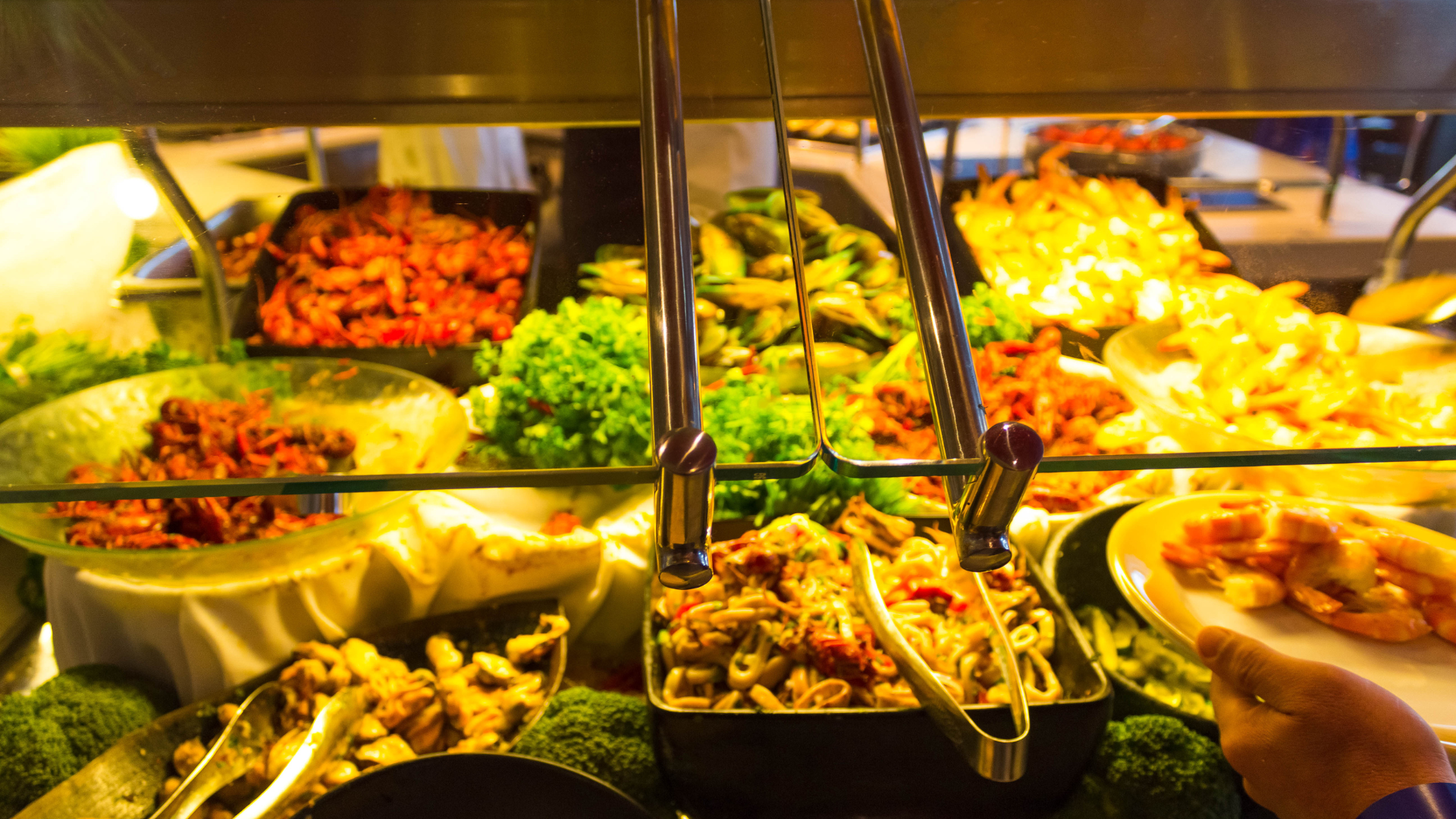
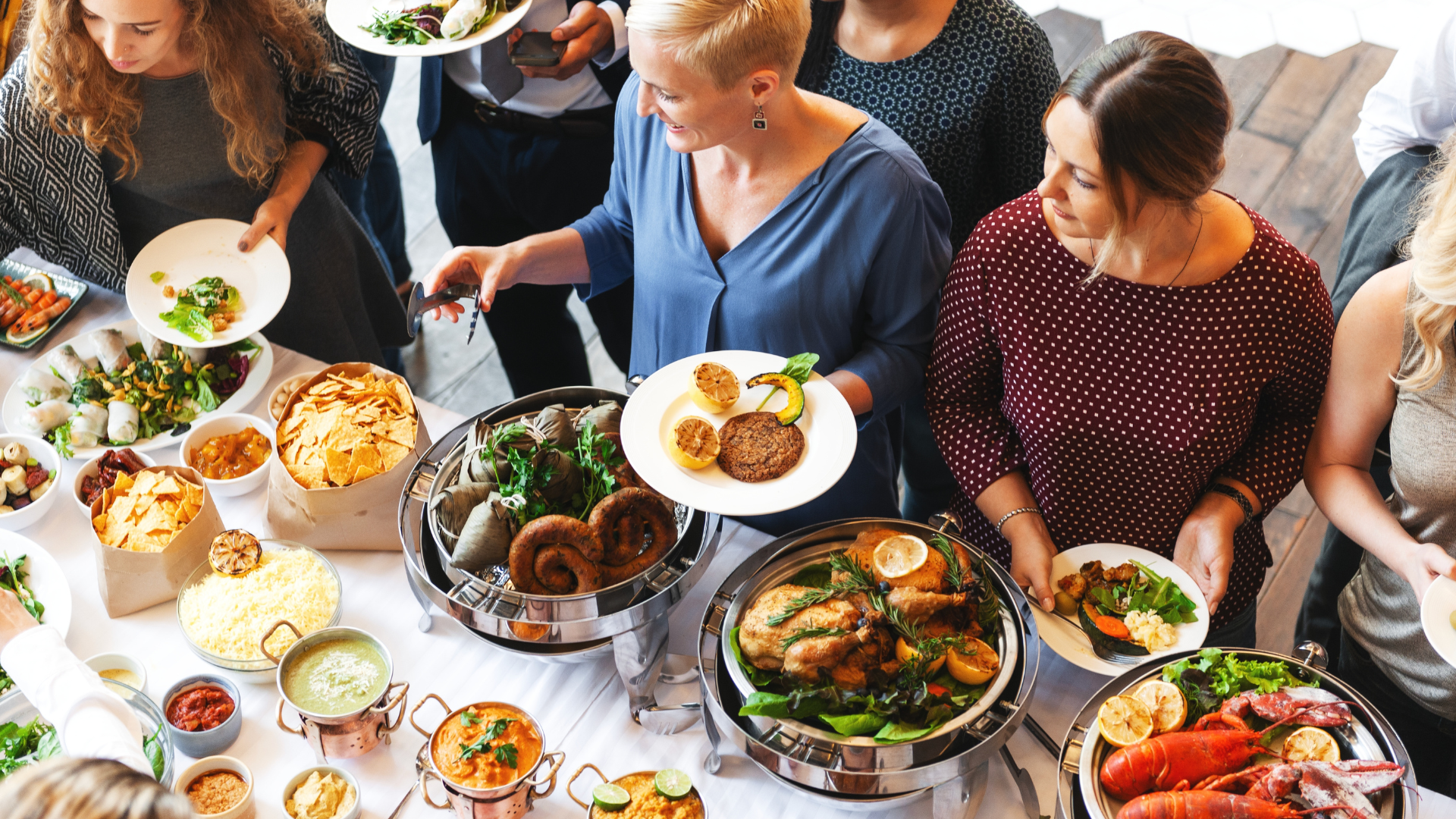
Cruise buffets are not set up randomly. Most are designed with multiple stations spread across the dining area rather than a single long line, specifically to reduce congestion and distribute passengers more evenly throughout the space. This means that the station closest to the entrance is rarely the only option, and often not the best one.

Traveler Tip: Walk the full length of the buffet area before picking up a plate. A complete walkthrough takes two or three minutes and gives you a clear picture of everything available before you commit to any particular station.

Must-Know: Many stations are duplicated on both sides of the buffet floor. If one side has a long queue, the identical station on the opposite side is often significantly less busy and serves the same food.

2. There is usually more food available than you initially see
© Pinterest CruiseDirect

2. There is usually more food available than you initially see

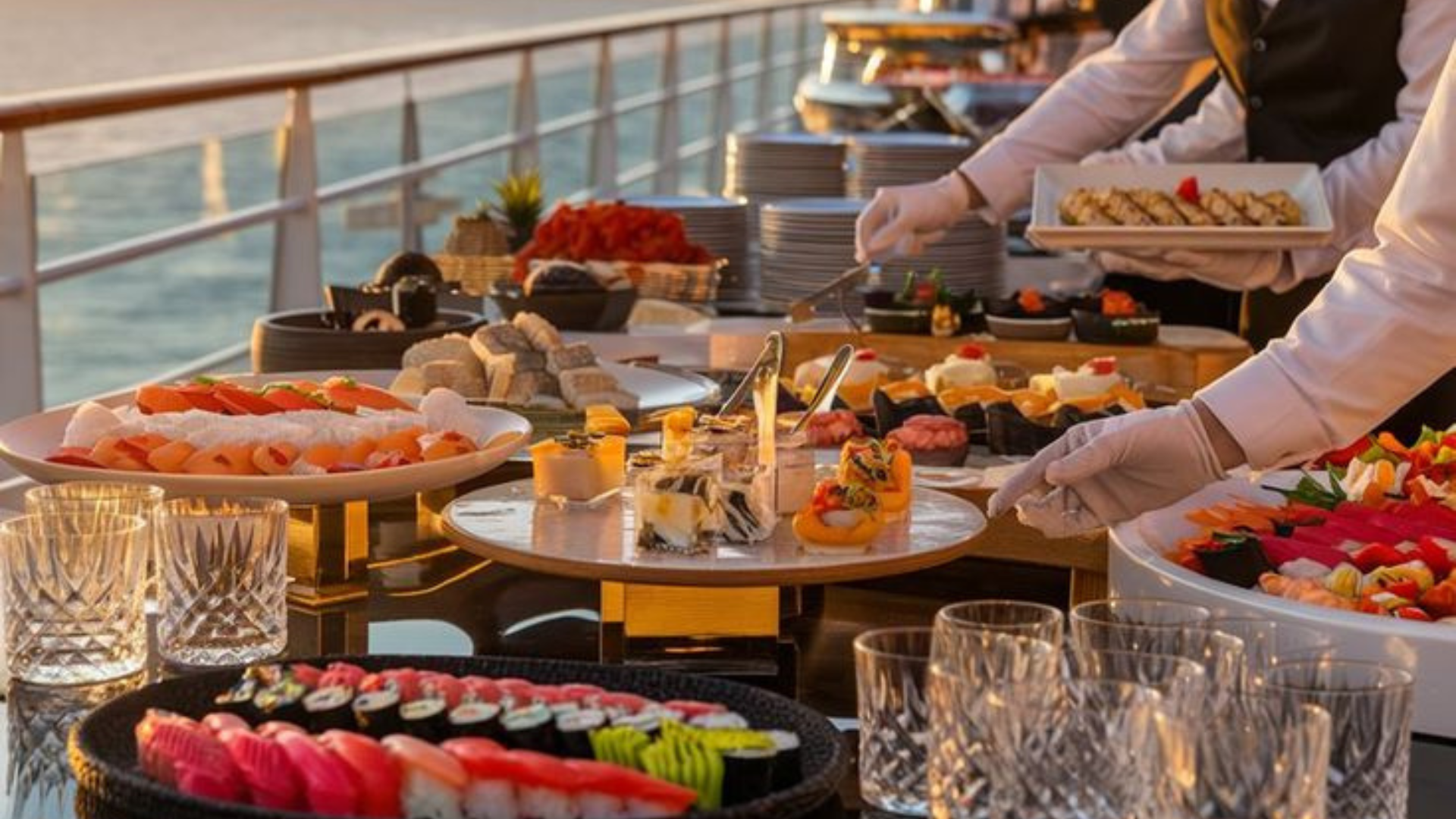
A common mistake among first-time cruise passengers is filling a plate at the first station they encounter, without realizing that additional themed sections and food options extend further into the buffet area. Most cruise buffets are organized into distinct zones covering different cuisines, dietary requirements, and meal types.

Traveler Tip: Treat your first visit to the buffet on any given day as a scouting run. A full walkthrough before eating reveals the complete range of options and often surfaces better choices than whatever is immediately visible at the entrance.

Must-Know: Menu items at individual stations rotate daily on most cruise lines. Food that was available at a particular station on Tuesday may not appear there on Wednesday, so a walkthrough at the start of each meal period is always worthwhile.

3. Hygiene at the buffet depends partly on passenger behavior
© Unsplash Jacob McGowin

3. Hygiene at the buffet depends partly on passenger behavior

Cruise lines maintain cleaning schedules and food safety standards at their buffets, but the hygiene of a shared dining environment is also significantly influenced by the behavior of the passengers using it. High traffic, shared serving utensils, and communal condiment stations all create opportunities for contamination that cleaning staff cannot fully control in real time.

Traveler Tip: When choosing between similar items, opt for those that have been handled less frequently or that are served from covered containers. Items displayed in open trays near high-traffic areas are touched more often by more people throughout the service period.

Must-Know: Communal condiment stations, shared tongs, and self-serve beverage areas are among the highest-contact points in any buffet environment. Being aware of this does not require avoiding them entirely, but it is useful context for making decisions about what to pick up and what to leave.

4. Handwashing before the buffet matters more than most passengers realize
© Pinterest Travel Addicts

4. Handwashing before the buffet matters more than most passengers realize

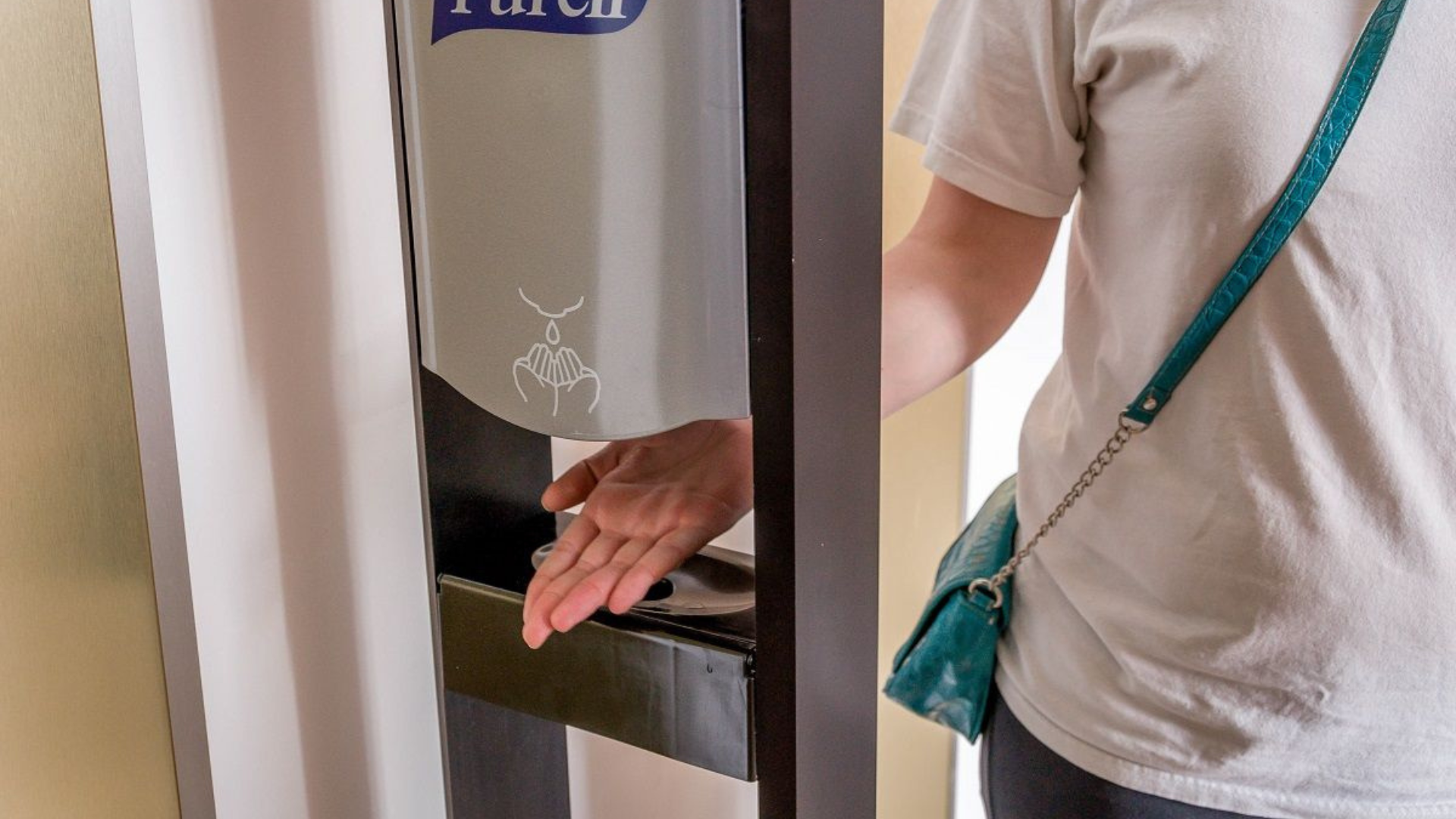
Most cruise lines post signs encouraging passengers to wash their hands before entering the buffet, and staff are often stationed at the entrance offering hand sanitizer. This is not incidental. Cruise ships are enclosed environments with high passenger density, and illnesses like norovirus spread quickly in shared spaces when basic hygiene practices are not followed.

Traveler Tip: Use the handwashing sinks rather than relying solely on hand sanitizer when they are available. Soap and water is more effective than sanitizer for removing norovirus, which is the illness most commonly associated with cruise ship outbreaks.

Must-Know: Norovirus can spread rapidly in a ship environment regardless of the cleanliness standards maintained by the cruise line. Consistent handwashing before meals is one of the most effective personal measures passengers can take to reduce their own risk throughout the voyage.

5. The first day buffet is typically the most crowded of the entire voyage
© Pinterest

5. The first day buffet is typically the most crowded of the entire voyage

On embarkation day, the buffet is usually the first food option passengers encounter after boarding, and the result is predictable. The combination of hungry travelers, unfamiliar surroundings, and limited awareness of alternative dining options produces a level of congestion that is rarely repeated at any other point during the cruise.

Traveler Tip: If your boarding time allows flexibility, consider delaying your first buffet visit by an hour or two after the initial boarding rush has cleared. Alternatively, ask a crew member about other dining venues that may be open on embarkation day with shorter waits.

Must-Know: Food quality and presentation at the buffet on embarkation day can be lower than on subsequent days, partly because of the volume of passengers being served simultaneously and partly because the kitchen is still scaling up to full capacity. Day two onwards tends to be a more accurate representation of the buffet's standard output.

6. Not all buffet food is prepared fresh throughout the service period
© Pexels Alfred Franz

6. Not all buffet food is prepared fresh throughout the service period

While most cruise buffets include items that are prepared and replenished regularly, some dishes sit in serving trays for longer periods than others, particularly during slower service times between the main meal rushes. Food that has been sitting out for an extended period loses quality and can present food safety concerns depending on what it is.

Traveler Tip: Choose freshly cooked or recently replenished items where possible. Visual cues like moisture, color, and the condition of the serving tray are reasonable indicators of how long a dish has been sitting out.

Must-Know: Food that appears dry, discolored, or sitting in liquid that has separated is generally worth avoiding in favor of fresher options. Visiting the buffet during peak meal periods, when turnover is highest, is the most reliable way to access food that has been prepared recently.

7. Made-to-order stations are often the highest-quality option at the buffet
© Shutterstock Solarisys

7. Made-to-order stations are often the highest-quality option at the buffet

Most cruise buffets include at least a few stations where food is prepared to order in front of the passenger — common examples include omelet stations at breakfast, pasta stations at lunch, and carving stations at dinner. The food from these stations is generally fresher and better prepared than pre-set buffet items, and the ability to specify preferences adds a level of personalization that pre-made buffet food cannot offer.

Traveler Tip: Identify the made-to-order stations on your first walkthrough and factor them into your meal plan. The lines at these stations can be longer than at pre-set trays, but the wait is usually short and the quality difference is often noticeable.

Must-Know: Made-to-order station availability varies by meal period and by cruise line. Not every ship offers all station types at every meal, and some stations are only operational during specific service windows. Checking with staff if a particular station is not visible is worth doing rather than assuming it does not exist.

8. The buffet follows a daily rhythm that changes the experience throughout the day
© Shutterstock Solarisys

8. The buffet follows a daily rhythm that changes the experience throughout the day

A cruise buffet at breakfast looks and functions very differently from the same space at dinner. The food selection, the volume of passengers, the atmosphere, and even the layout of individual stations shift across the day's service periods. Understanding this rhythm helps you align your visits with what you actually want from the meal.

Traveler Tip: If variety is a priority, dinner service generally offers the widest range of options. If speed and a lighter selection are more important, mid-morning after the breakfast rush has cleared tends to offer a quieter and more manageable experience.

Must-Know: Late-night buffet service, where available, typically operates with a significantly reduced menu compared to the main meal periods. It is a useful option for late arrivals or light snacking but should not be expected to replicate the full range of the daytime service.

9. Using a new plate each time you return is standard practice on cruise ships
© shutterstock Oleggg

9. Using a new plate each time you return is standard practice on cruise ships

Reusing a plate from a previous trip to the buffet is discouraged on cruise ships and actively monitored by staff on most lines. The reason is straightforward: a used plate introduces bacteria from a passenger's mouth into the serving area each time it is dipped back into a shared tray or held near communal serving utensils.

Traveler Tip: Pick up a fresh plate from the stack at the start of each buffet visit, even if you are only returning for a small additional item. This takes no extra effort and is one of the simplest hygiene practices in the buffet environment.

Must-Know: On some cruise lines, staff are specifically instructed to remind passengers who attempt to reuse plates. This is not a formality — it reflects a genuine food safety protocol that applies consistently across the service period.

10. Buffet etiquette affects everyone sharing the space
© Shutterstock New Africa

10. Buffet etiquette affects everyone sharing the space

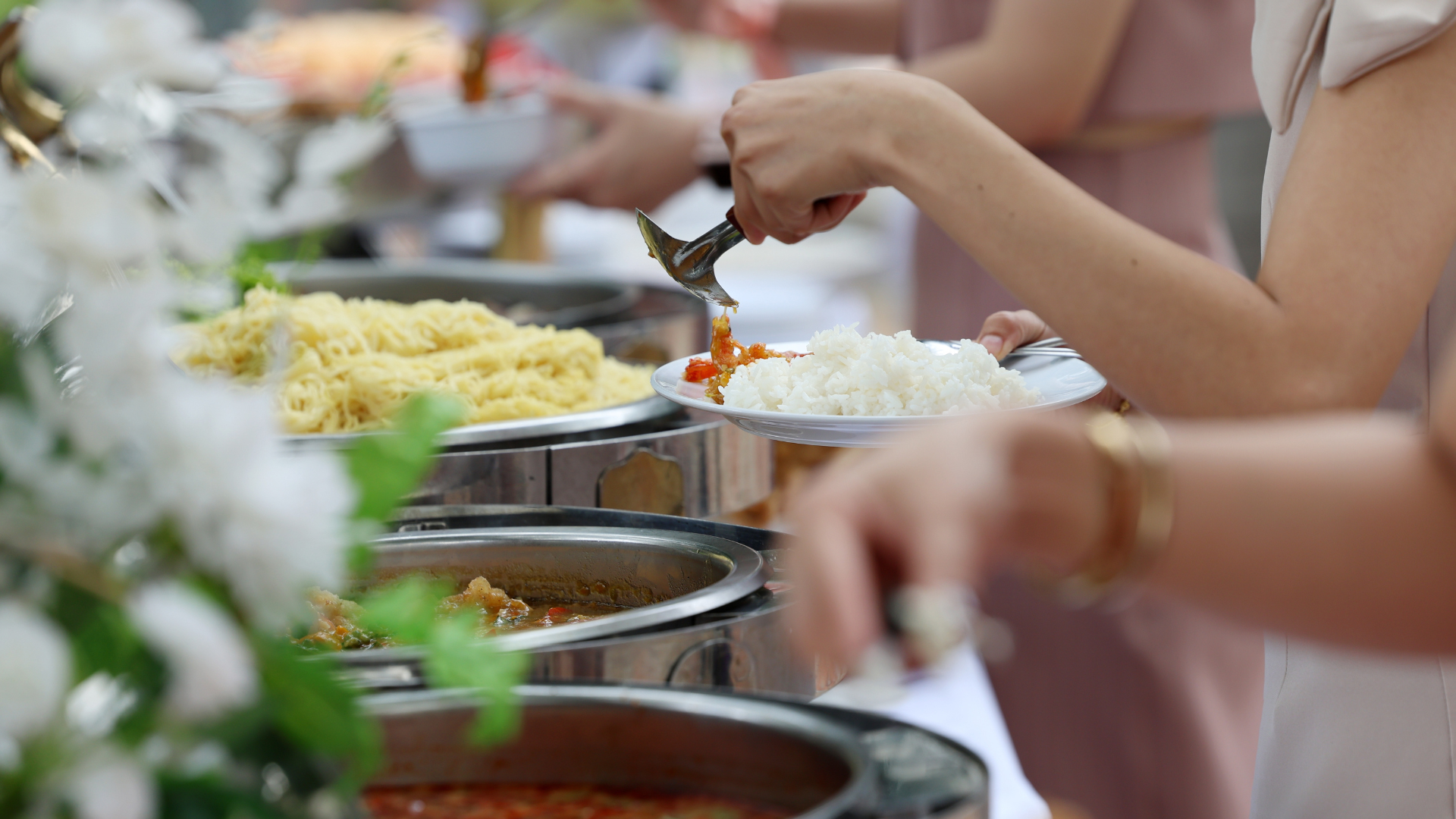
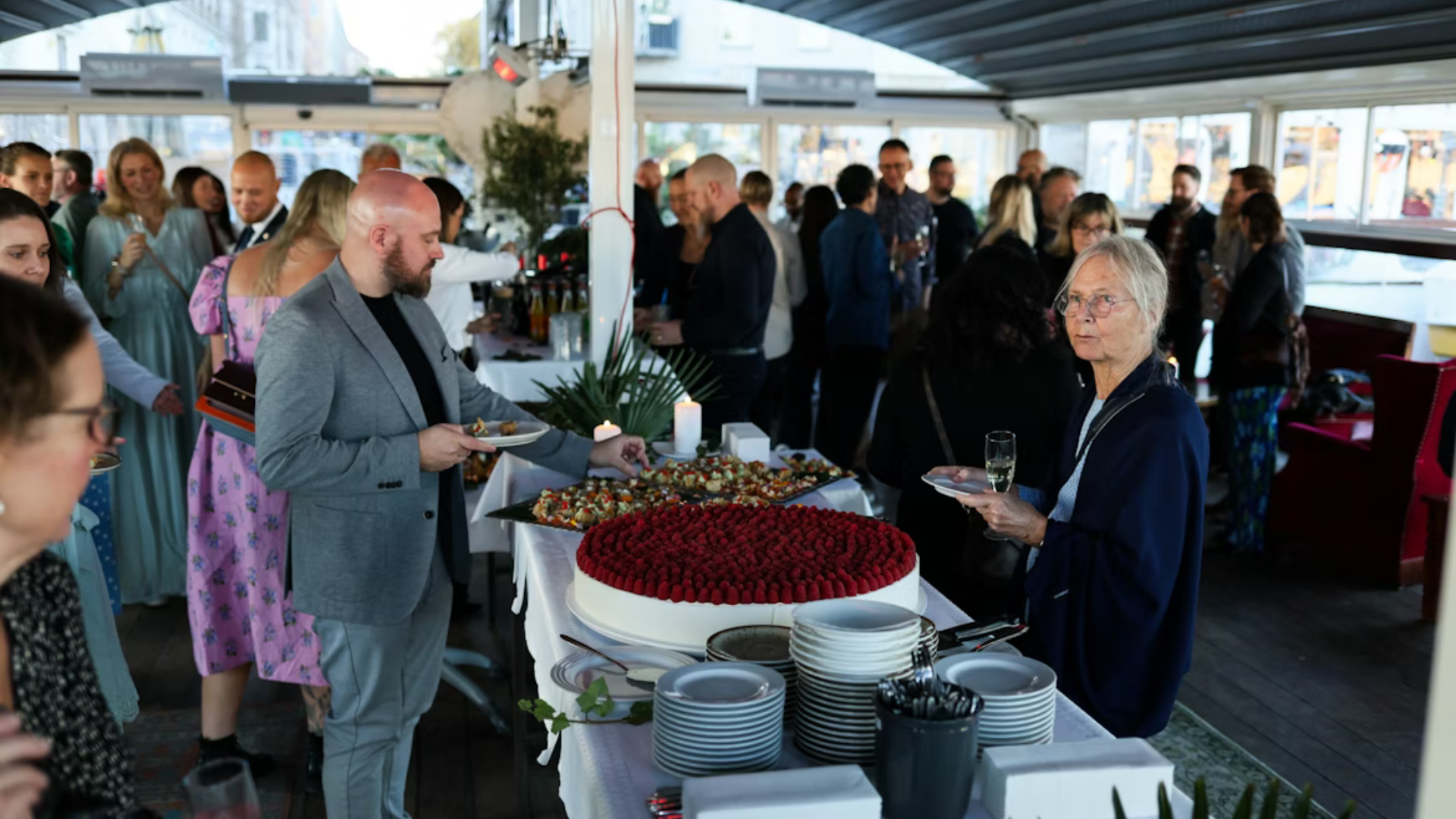
A cruise buffet is a shared environment, and the behavior of individual passengers affects the experience of everyone else using the space at the same time. Actions that seem minor in isolation — blocking a station while deciding what to choose, cutting into a queue, or leaving a used plate on the serving counter — accumulate into a noticeably worse experience for others when they are repeated across hundreds of passengers.

Traveler Tip: Move along the buffet line at a reasonable pace, even if you are undecided about a particular item. Stepping aside briefly to consider your options and then returning to the station is more considerate than holding up the flow while deliberating in place.

Must-Know: Off-peak visiting times, typically early breakfast and late lunch, offer a noticeably more relaxed buffet environment where the etiquette pressures of a crowded service are much less of a factor. If you find the buffet stressful during busy periods, adjusting your timing is the most practical solution.

11. Some food items carry more risk than others in a buffet setting
© Shutterstock kckate16

11. Some food items carry more risk than others in a buffet setting

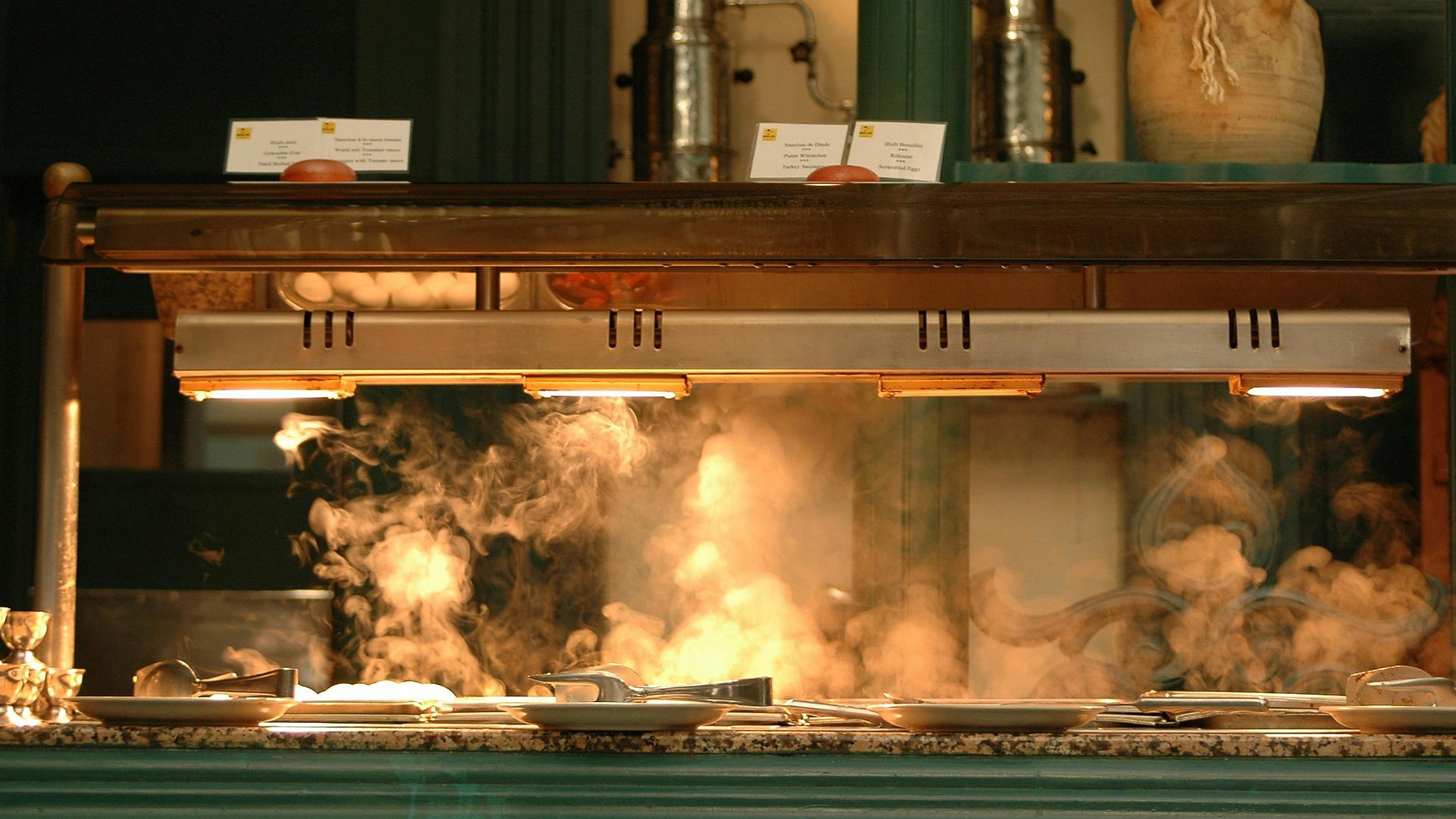
Not all buffet foods present the same level of food safety concern. Items that are kept at controlled temperatures, prepared to order, or served in sealed or covered containers are generally lower risk than those left open at room temperature or handled frequently by multiple people throughout the service period.

Traveler Tip: Pay attention to the temperature of hot dishes before eating them. Food that is supposed to be served hot should be visibly steaming or clearly warm to the touch. Lukewarm dishes are a sign that temperature control has lapsed, which increases the risk associated with eating them.

Must-Know: Temperature control is the most important food safety variable in any buffet environment. Most foodborne illness in buffet settings results from food being held at temperatures that allow bacterial growth rather than from contamination during preparation. Choosing items that are clearly hot or clearly cold reduces this risk considerably.

12. The buffet is not always the best dining option on the ship
© Shutterstock Solarisys

12. The buffet is not always the best dining option on the ship

Cruise buffets prioritize convenience and variety over the kind of careful preparation and presentation that the main dining room or specialty restaurants can offer. For passengers who value food quality above all other considerations, the buffet is a practical option for casual meals but may not be the most rewarding dining experience the ship has to offer.

Traveler Tip: Use the main dining room for at least a few evenings during the voyage, even if the buffet is more convenient. The difference in food quality, service, and overall experience is often significant enough to justify the additional structure of a sit-down meal.

Must-Know: Most cruise lines include the main dining room in the base fare at no additional cost, making it a straightforward alternative to the buffet rather than an upgrade that requires extra spending. Specialty restaurants typically do carry a surcharge, but the main dining room is generally available to all passengers throughout the voyage.

13. Staff work continuously behind the scenes to maintain the buffet
© Shutterstock Dragon Images

13. Staff work continuously behind the scenes to maintain the buffet

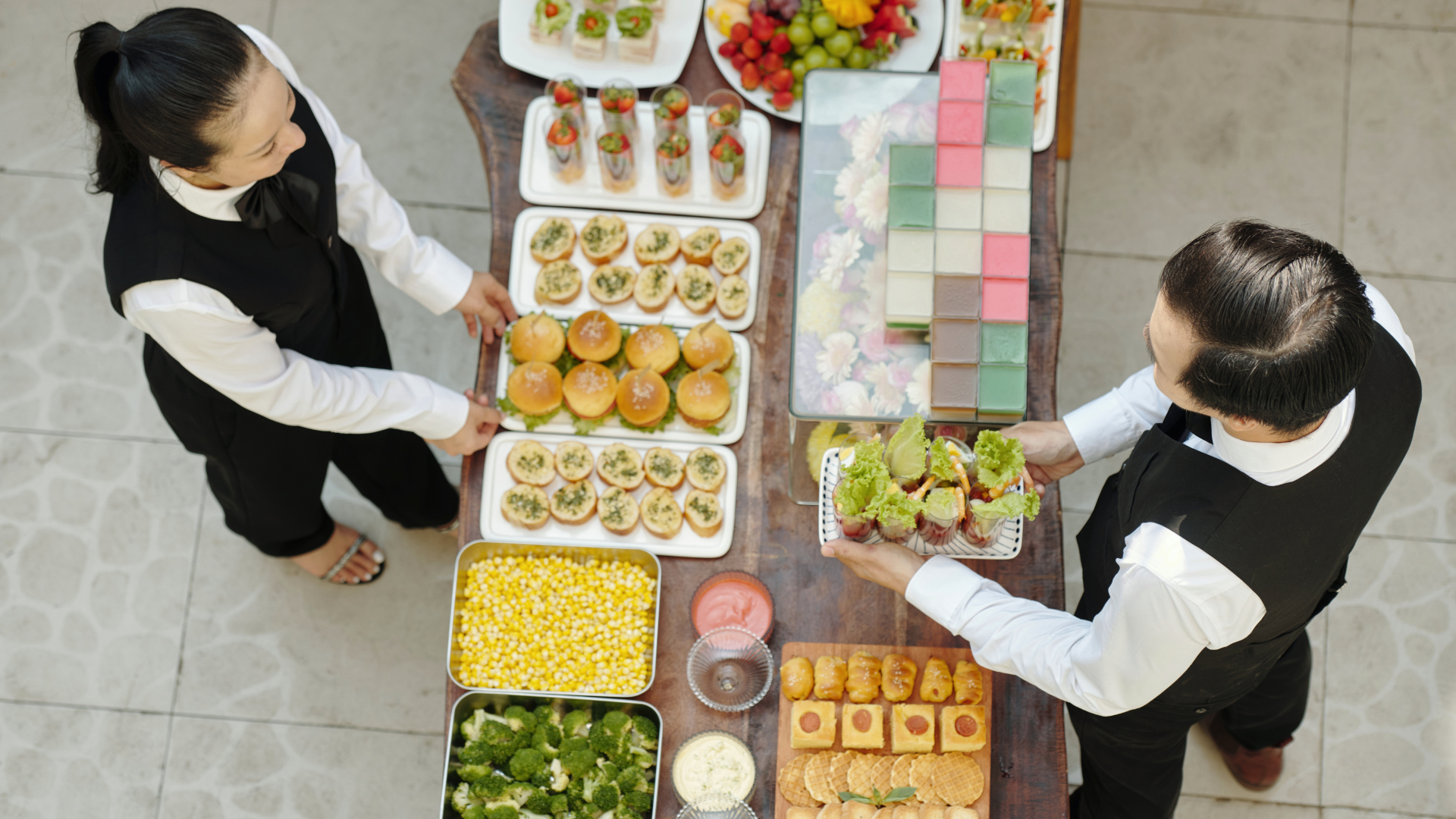
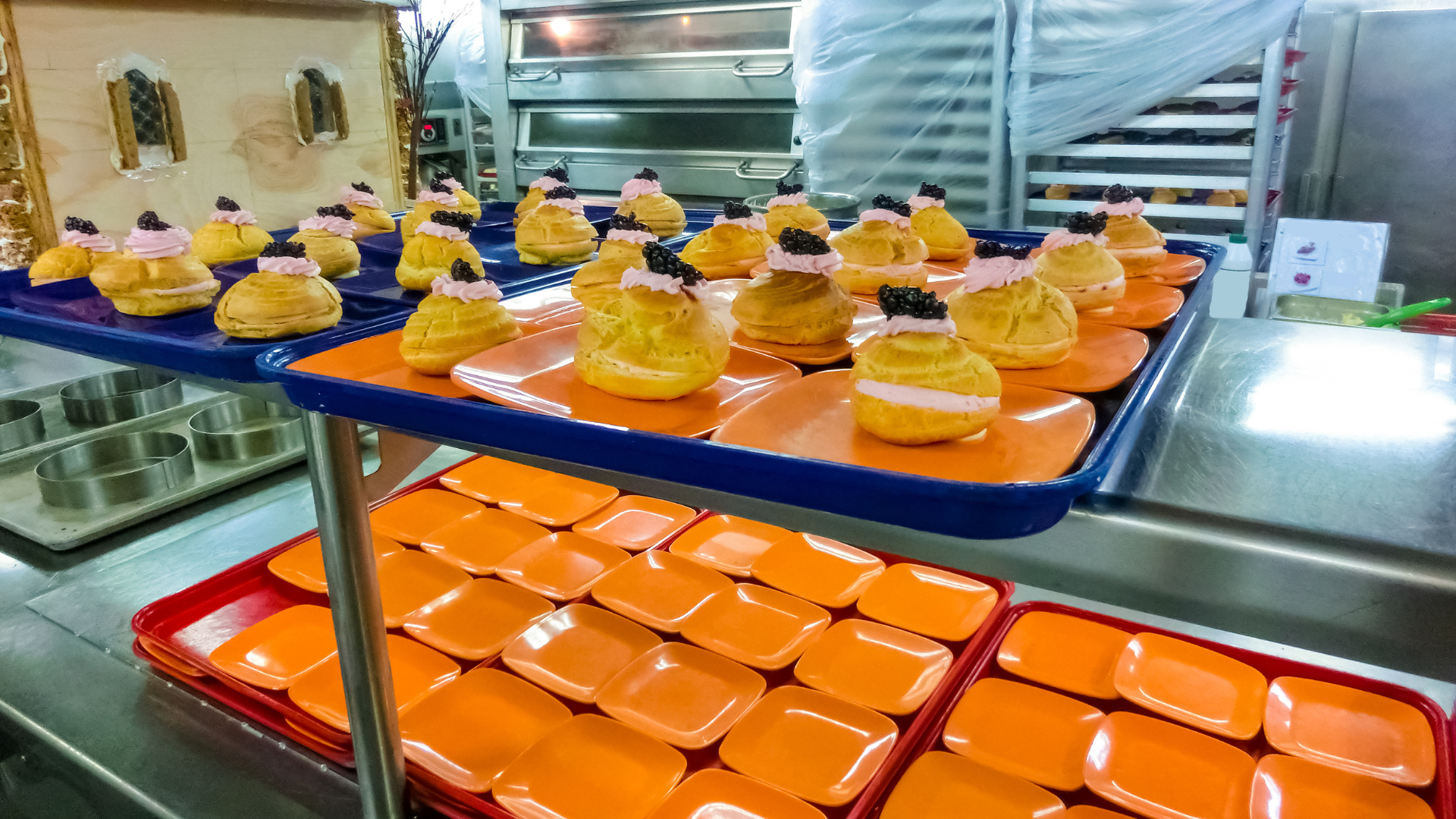
The visible state of a cruise buffet at any given moment reflects a significant amount of unseen work happening behind the service counters. Staff monitor food levels, replace trays, clean stations, and manage temperature controls throughout the service period, often without being obvious to passengers focused on the food in front of them.

Traveler Tip: If a particular item appears to be running low or a tray looks like it has been sitting for a while, it is worth waiting briefly or asking a nearby staff member whether a fresh batch is coming. On most ships, staff are responsive to these requests and can give a reliable estimate of when something will be replenished.

Must-Know: The quality of buffet food is at its highest during the active mid-service period when turnover is fastest and staff are most engaged in maintaining the stations. The beginning and end of each service period, when setup and breakdown are underway, typically offer a narrower selection and occasionally lower quality than the peak of the service window.

14. Buffet quality varies significantly between cruise lines and ships
© Shutterstock Solarisys

14. Buffet quality varies significantly between cruise lines and ships

Not all cruise buffets are equivalent. The quality of the food, the variety of the options, the physical layout of the space, and the standard of hygiene maintenance all vary considerably between cruise lines and between individual ships within the same line. Newer ships generally have more modern buffet layouts and better facilities, but this is not a universal rule.

Traveler Tip: Before booking a cruise, check passenger reviews specifically focused on the buffet experience on the ship you are considering. General cruise line reviews do not always reflect the specific standards of individual vessels, which can vary significantly even within the same brand.

Must-Know: Luxury and premium cruise lines generally maintain higher buffet standards than budget or mass-market lines, but the gap is not always as large as the price difference might suggest. Mid-range lines with strong reputations for food quality often outperform more expensive competitors on specific ships or routes.

15. Finding a seat can sometimes be harder than finding food
© Unsplash Filip Rankovic Grobgaard

15. Finding a seat can sometimes be harder than finding food

During peak meal periods, the challenge at a cruise buffet is often not the food itself but the seating. Large ships with thousands of passengers all converging on the buffet within similar time windows can produce a situation where the dining area is genuinely full, with passengers circling with plates looking for somewhere to sit.

Traveler Tip: Before loading your plate with food, take a brief walk through the seating area to identify available tables. Securing a seat before you start selecting food saves the frustrating experience of standing with a full plate and nowhere to put it.

Must-Know: Shared tables are common practice on cruise ship buffets and are generally expected rather than considered an imposition. If the dining area is busy, asking to join passengers already seated at a larger table is a normal part of the buffet experience on most ships.

16. The unlimited nature of cruise buffets can lead to overeating
© Shutterstock Solarisys

16. The unlimited nature of cruise buffets can lead to overeating

The psychological effect of an unlimited food environment is well documented, and cruise buffets are a particularly clear example of it. When food is available in large quantities at no incremental cost, passengers consistently eat more than they would in a conventional restaurant setting, often without noticing until the meal is over.

Traveler Tip: Start each buffet visit with smaller portions than you think you need. The option to return for more is always available, and beginning with a restrained first plate gives you a more accurate sense of your actual appetite before committing to a larger quantity.

Must-Know: The complete walkthrough approach recommended earlier in this guide serves a dual purpose — it helps you find the best food options, and it also provides a natural pause between arriving at the buffet and actually eating, which gives your appetite assessment a moment to register before you start piling food onto a plate.

17. Families with young children affect the buffet environment in specific ways
© Pexels Roderick Salatan

17. Families with young children affect the buffet environment in specific ways

Cruise buffets are family-friendly spaces, and ships with a strong family demographic will have a noticeably different buffet atmosphere than adult-oriented or luxury vessels. Young children moving through serving lines, reaching toward trays, or requiring assistance from accompanying adults can slow the flow at stations and occasionally affect the hygiene of shared serving areas.

Traveler Tip: If you prefer a quieter buffet experience and are sailing on a family-oriented ship, late evening dining tends to coincide with lower numbers of young children in the buffet area. Early breakfast before the main family rush is also typically a calmer window.

Must-Know: Most cruise lines offer children's sections within the buffet that cater specifically to younger passengers with familiar and approachable food options. These sections tend to draw families away from the main stations, which can reduce congestion in other parts of the buffet during peak family dining periods.

18. Many ships have outdoor buffet areas that most passengers overlook
© Shutterstock WhiteYura

18. Many ships have outdoor buffet areas that most passengers overlook

A significant number of cruise ships have outdoor buffet or casual dining sections, typically located near the pool deck, that operate during the day and serve a range of food similar to or overlapping with the main indoor buffet. These areas are used by fewer passengers than the main buffet and often provide a noticeably more relaxed dining environment.

Traveler Tip: On sea days with good weather, the outdoor buffet or pool deck food stations are worth exploring as an alternative to the main indoor dining area. The setting is more casual, the crowds are generally lighter, and eating outdoors while at sea is a genuinely different experience from the indoor buffet.

Must-Know: The menu at outdoor buffet stations may differ slightly from the main indoor buffet, typically with a focus on grilled items, casual snacks, and lighter fare. On some ships, the outdoor grill stations serve some of the better casual food available onboard and are worth seeking out regardless of how busy the indoor buffet happens to be.

19. Cruise ship buffets are subject to regular health inspections
© Shutterstock Solarisys

19. Cruise ship buffets are subject to regular health inspections

Cruise ships operating in US waters are inspected by the Centers for Disease Control and Prevention under the Vessel Sanitation Program, which evaluates food handling, buffet hygiene, water quality, and other health-related systems on a regular basis. Inspection scores are publicly available and reflect the sanitation standards of individual ships at the time of inspection.

Traveler Tip: Before sailing, you can look up the most recent VSP inspection score for your specific ship on the CDC website. Ships scoring below 86 out of 100 are considered to have failed the inspection. This is a useful data point when evaluating the overall hygiene standards of a vessel before booking.

Must-Know: Inspection scores reflect conditions at the time of assessment and do not guarantee consistent standards between inspections. A high score indicates that the ship was well maintained when evaluated, but passenger behavior, staffing changes, and operational pressures can all affect buffet hygiene standards between official visits.

20. Understanding how the buffet works improves the experience considerably
© Unsplash Volodymyr Leush's

20. Understanding how the buffet works improves the experience considerably

Most of the friction that passengers experience at cruise buffets — crowding, difficulty finding seats, uncertainty about food quality, or feeling like they missed better options — comes from approaching the buffet without any prior understanding of how it operates. The systems are not complicated, but they are not explained anywhere during the boarding process.

Traveler Tip: Apply the walkthrough habit from your very first buffet visit on the ship and maintain it throughout the voyage. It takes a few minutes each time and consistently produces better outcomes than going straight for the nearest available food. Combined with timing your visits to avoid the busiest periods, this single habit addresses most of the common buffet frustrations in one step.

Must-Know: The buffet experience on a cruise ship improves meaningfully as the voyage progresses and you become familiar with the layout, the rhythm of the service periods, the quality of specific stations, and the timing patterns of other passengers. What feels chaotic on day one is usually navigable by day three. Knowing this in advance makes the early buffet visits considerably less stressful.


Comments (0)

Leave a Reply

No comments yet. Be the first to share your thoughts!