Travel Hacks and Tips

19 Clothing Mistakes You Should Avoid When Traveling Abroad

Liam Parker
4.1
April 10, 2026

Traveling abroad is one of the most rewarding experiences, but what many people don’t realize is that clothing plays a huge role in how smoothly your trip goes. The way you dress can affect your safety, how locals treat you, and even whether you’re allowed into certain places.

1. Why What You Wear Matters More Than You Think
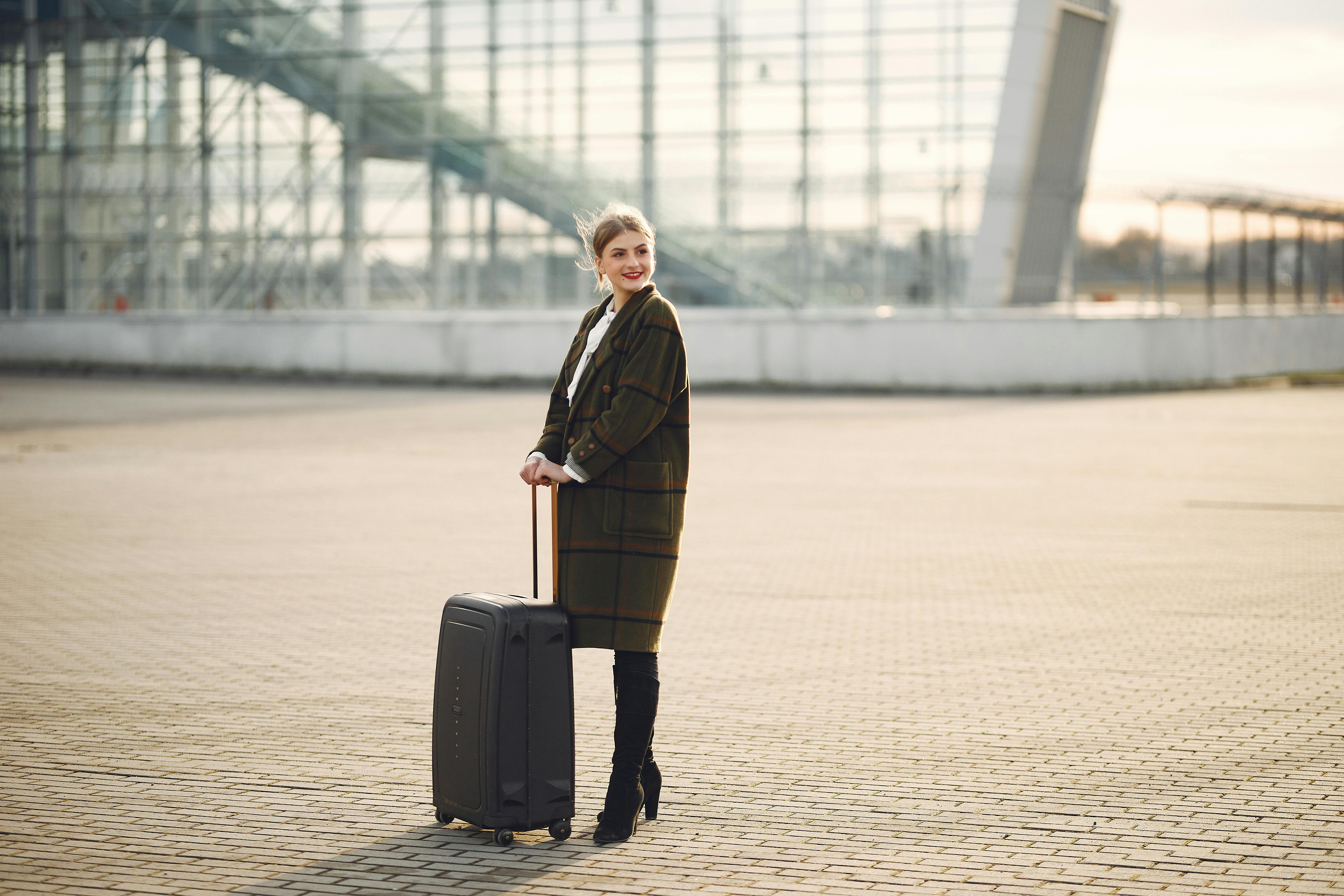
© Pexels Gustavo Fring

1. Why What You Wear Matters More Than You Think

Every country has its own cultural expectations, climate challenges, and unspoken dress rules. Making the wrong clothing choice can lead to uncomfortable situations, unwanted attention, or missed opportunities to explore important sites.Here are 19 common clothing mistakes travelers make and how to avoid them so you can travel smarter, safer, and more confidently.

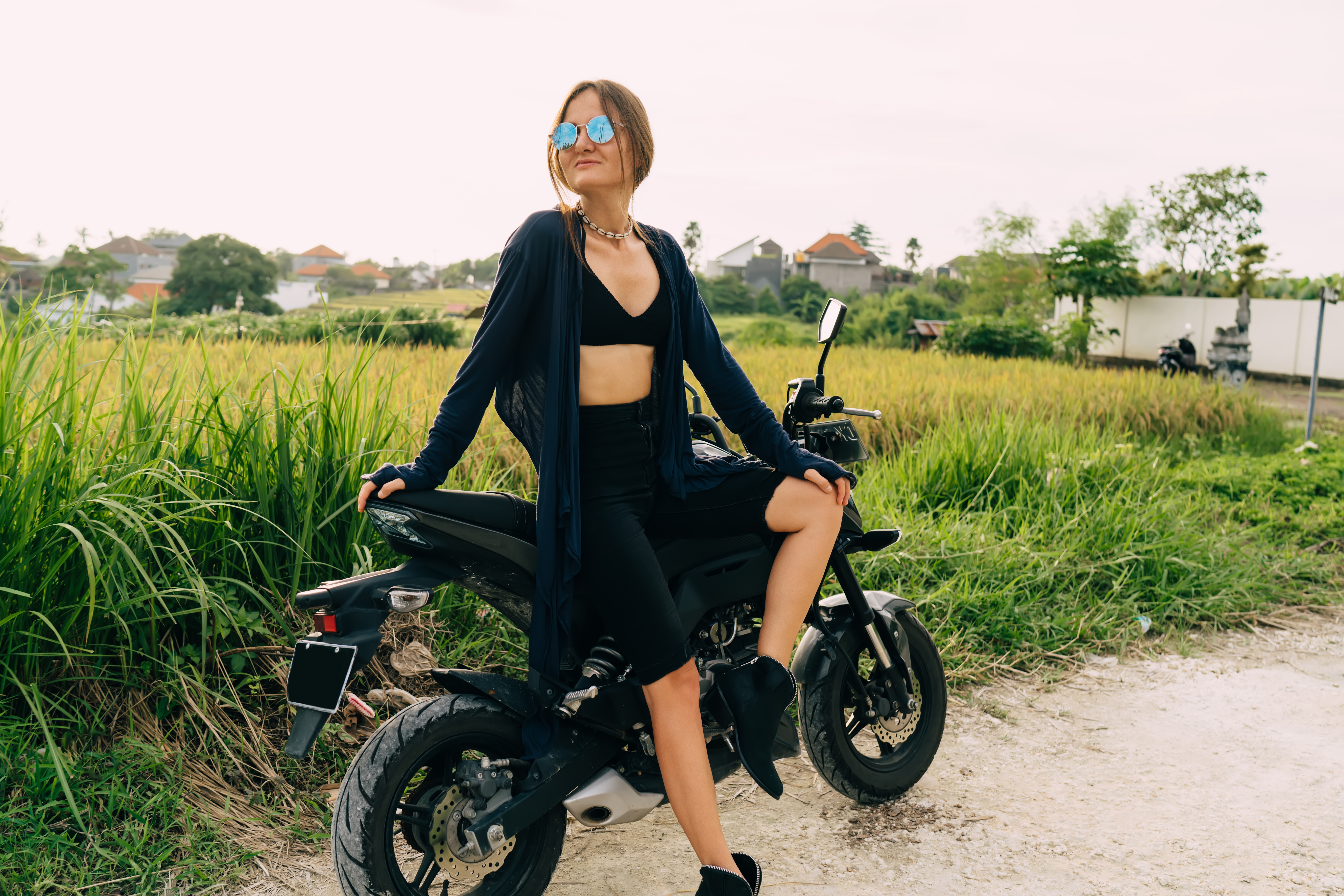
2. Revealing Clothing in Conservative Countries (Most Important Travel Mistake)
© Shutterstock GaudiLab

2. Revealing Clothing in Conservative Countries (Most Important Travel Mistake)

When traveling to countries across the Middle East, North Africa, and parts of Southeast Asia, modest clothing is not just a suggestion, it is often a cultural expectation. Wearing revealing outfits such as sleeveless tops, short skirts, crop tops, or low-cut clothing can be seen as disrespectful in many communities.

In some areas, this can lead to uncomfortable stares, being denied entry to religious or government buildings, or simply feeling out of place. It is not about limiting personal style, but about respecting local values that are deeply connected to tradition, religion, and community identity.

Why it matters: Dressing modestly helps you blend in, avoid unwanted attention, and experience a warmer welcome from locals who appreciate cultural respect.

Best choice: Lightweight linen shirts, midi dresses, loose trousers, and breathable long skirts.

3. Flashy or Expensive Jewelry
© Shutterstock Beauty Stock

3. Flashy or Expensive Jewelry

Wearing expensive jewelry while traveling might seem like a great way to elevate your outfits, but it can make you an easy target in busy tourist areas. Pickpockets often look for visible signs of wealth, and luxury items like gold chains, diamond rings, or expensive watches can attract the wrong attention.

Even in safe cities, losing valuable or sentimental jewelry can quickly ruin your trip and create unnecessary stress.

Why it matters: Reducing visible wealth helps you stay safe and travel more confidently.

Better alternative: Simple, affordable accessories that don’t stand out.

4. Clothing with Offensive Graphics or Slogans
© Unsplash novantino

4. Clothing with Offensive Graphics or Slogans

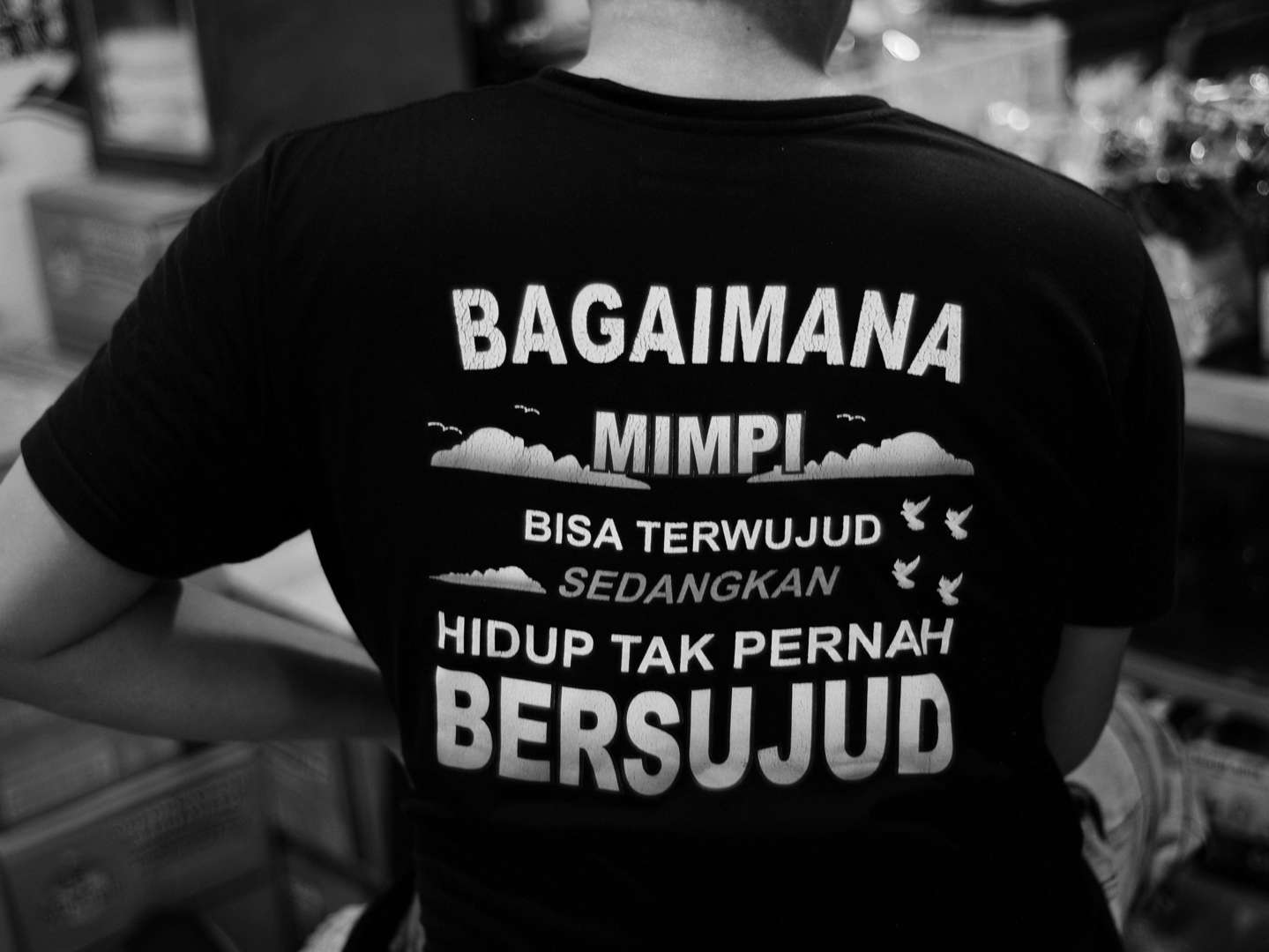
Graphic t-shirts with jokes, political messages, or bold slogans may seem harmless at home, but they don’t always translate well across cultures. What feels funny in one country may be offensive or misunderstood in another.

In some cases, symbols or phrases can carry historical or cultural meanings you may not be aware of, which can lead to awkward or uncomfortable interactions.

Why it matters: Neutral clothing helps you avoid misunderstandings and respect cultural differences.

Best choice: Plain shirts, subtle patterns, and simple designs.

5. Camouflage Clothing
© Shutterstock naluwan

5. Camouflage Clothing

Camouflage clothing is treated very differently around the world. In several countries, it is reserved exclusively for military personnel, and civilians wearing it may face fines or have their clothing confiscated.

This is especially important in parts of the Caribbean and some African nations where military-style clothing is restricted.

Why it matters: Avoids legal issues and prevents confusion with authorities.

Better alternative: Earth-tone clothing like olive, beige, or brown.

6. Hard-to-Remove Shoes
© Pexels PNW Production

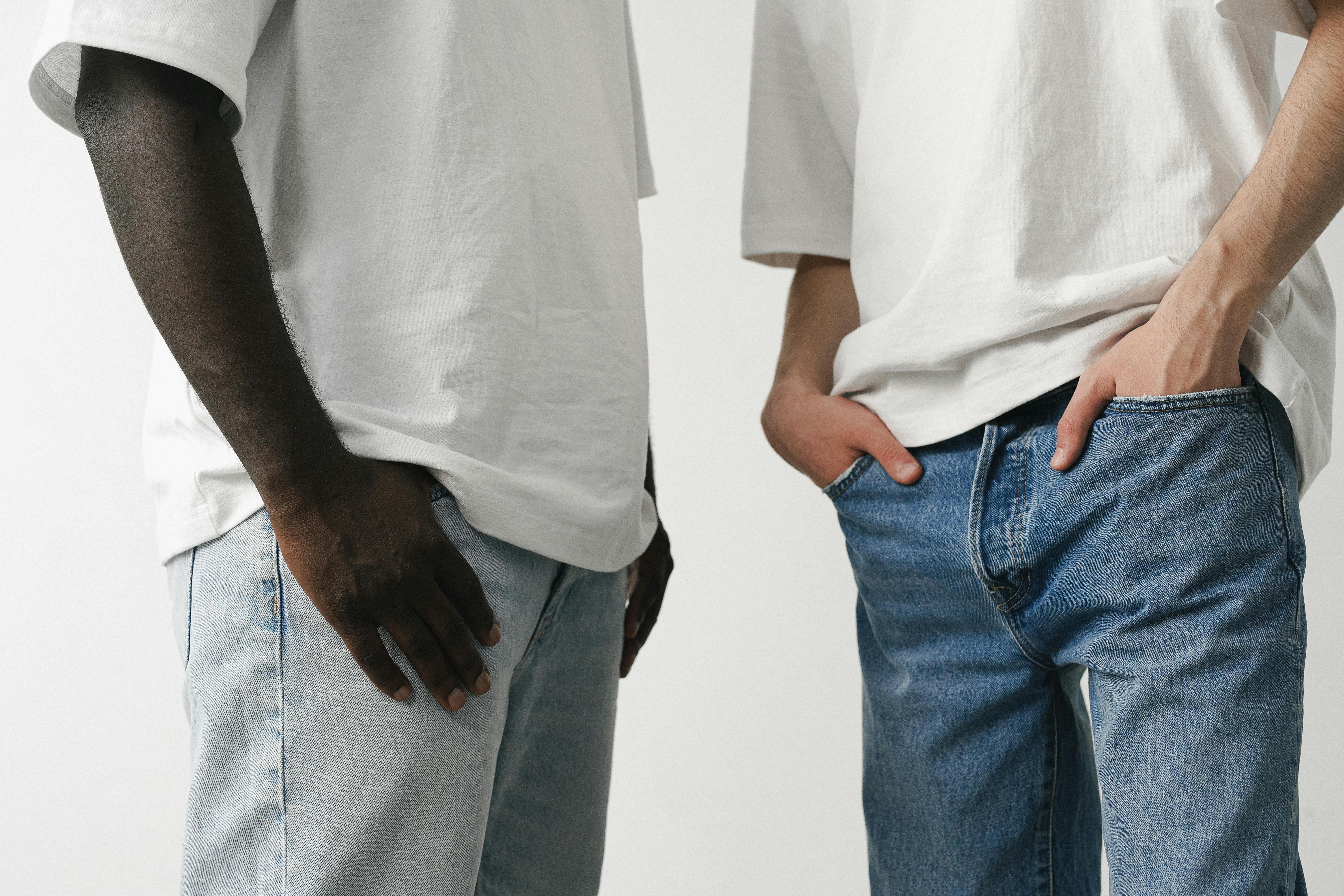
6. Hard-to-Remove Shoes

Many cultures require you to remove your shoes before entering homes, temples, or certain indoor spaces. Wearing shoes that take too long to remove can create awkward delays and inconvenience others.

Why it matters: Respecting shoe etiquette is an important cultural practice in many countries.

Best choice: Slip-on shoes, loafers, or simple sandals.

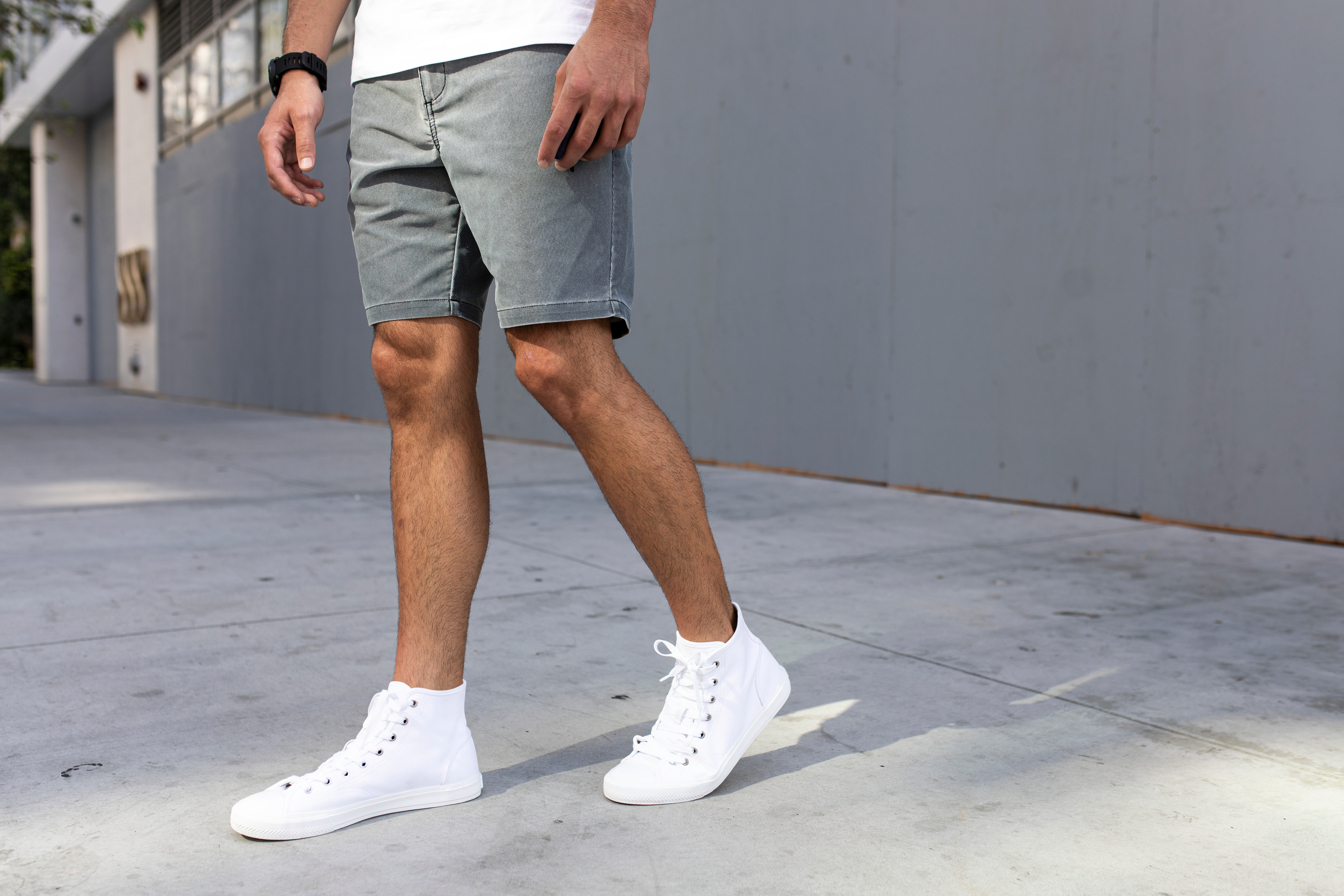
7. Shorts in Religious Sites
© Shutterstock Rawpixel

7. Shorts in Religious Sites

Religious landmarks such as churches, mosques, and temples often have strict dress codes that require knees and shoulders to be covered. Arriving in shorts or short skirts may result in being turned away.

Why it matters: Proper attire ensures you can enter and fully experience cultural sites.

Best solution: Carry a light scarf or shawl for quick coverage.

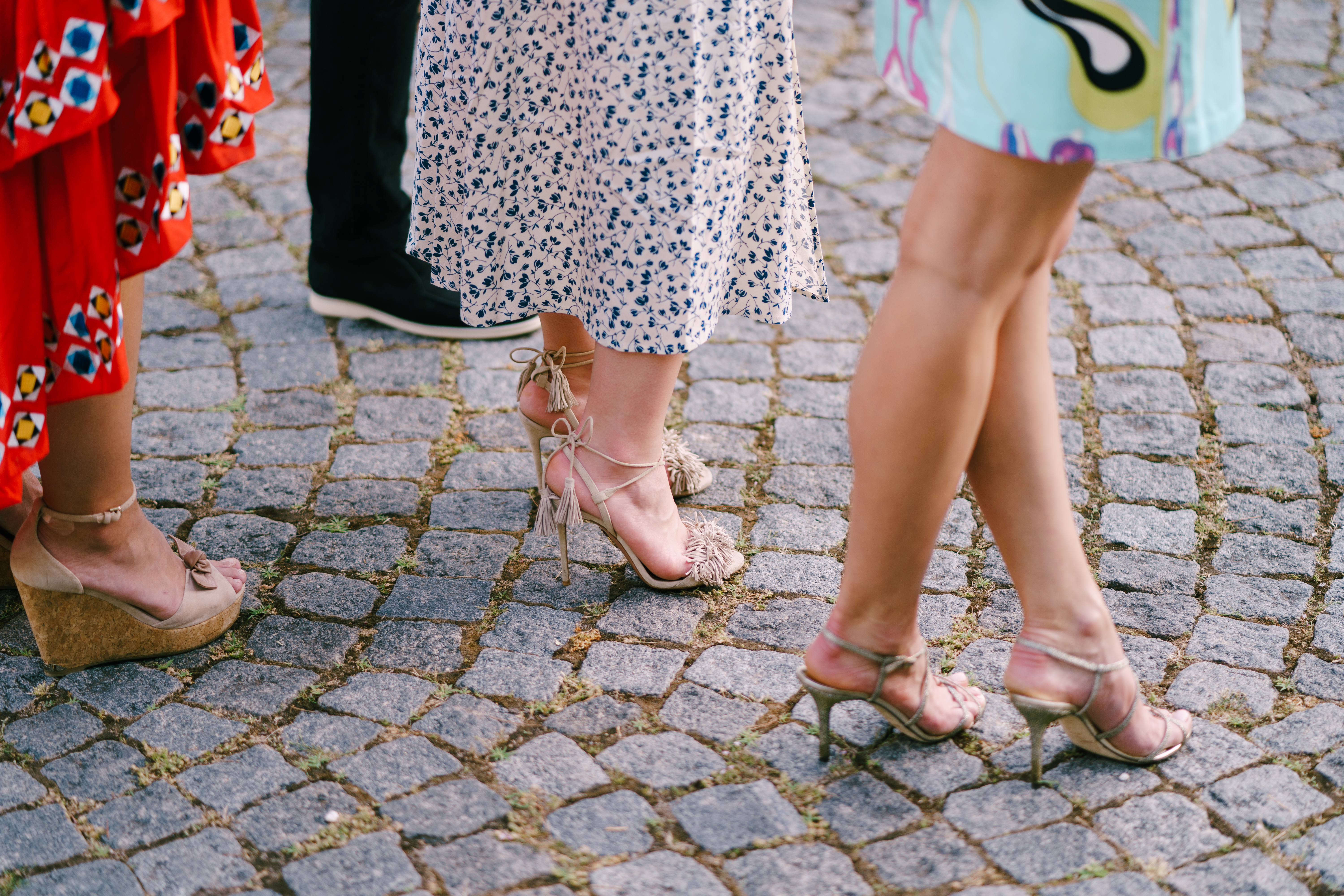
8. High Heels in Cobblestone Cities
© Shutterstock nadtochiy

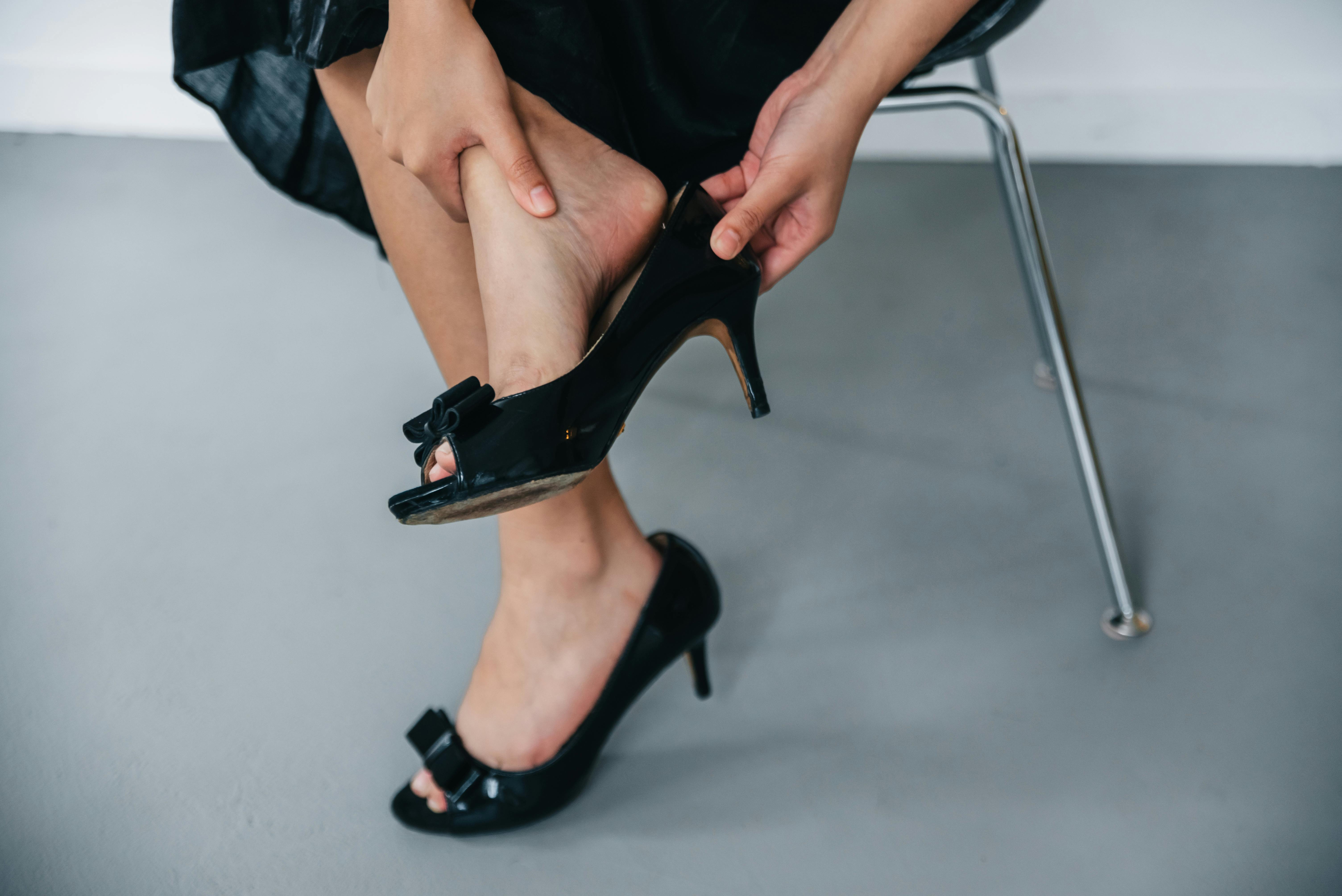
8. High Heels in Cobblestone Cities

Many historic cities have uneven cobblestone streets that are difficult to walk on. High heels can easily get stuck or cause injury, especially during long walking tours.

Why it matters: Comfort and safety are more important than appearance when exploring cities on foot.

Better alternative: Flat shoes, sneakers, or block heels.

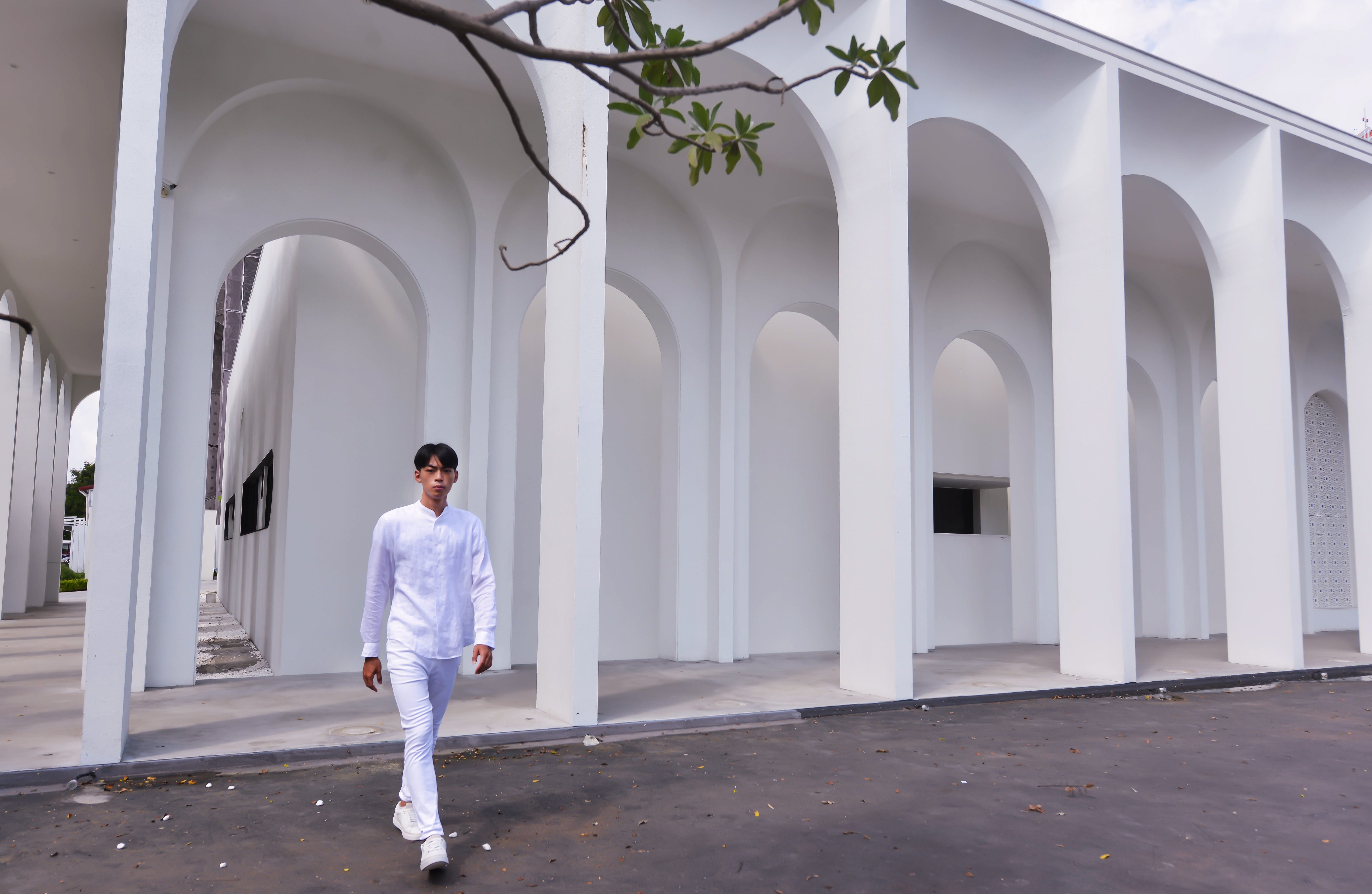
9. All-White Clothing in Dusty Destinations
© Shutterstock Apollofoto

9. All-White Clothing in Dusty Destinations

While all-white outfits look stylish in photos, they are not practical in dusty or desert-like environments. Dirt and dust can quickly make them look worn and dirty.

Why it matters: Practical clothing keeps you looking fresh throughout the day.

Best choice: Beige, tan, and neutral tones.

10. Wearing Luxury Brand Logos
© Pexels Katelyn Whitson

10. Wearing Luxury Brand Logos

Large designer logos can signal wealth and make you stand out as a tourist. This can sometimes lead to higher prices in markets or unwanted attention.

Why it matters: Blending in helps you avoid scams and price inflation.

Better approach: Simple, minimal clothing without visible branding.

11. Political or Flag-Themed Clothing
© Shutterstock Ann Haritonenko

11. Political or Flag-Themed Clothing

Wearing clothing with political statements or national flags can sometimes lead to misunderstandings or unwanted debates, especially in regions with sensitive political histories.

Why it matters: Neutral clothing helps you avoid unnecessary tension.

12. Wearing Swimwear Outside Beach Areas
© Shutterstock ViDI Studio

12. Wearing Swimwear Outside Beach Areas

In many coastal cities, walking around in swimwear outside the beach or pool area is considered disrespectful and may even be fined in some destinations.

Why it matters: Helps you respect local public etiquette.

Best practice: Always wear a cover-up when leaving the beach.

13. Heavy Perfume in Public Spaces
© Shutterstock New Africa

13. Heavy Perfume in Public Spaces

Strong fragrances can be overwhelming in crowded places like public transport, restaurants, and museums. Some people may also have allergies or sensitivities.

Why it matters: Being considerate improves shared public experiences.

Better choice: Light or no fragrance when traveling.

14. Dark Clothing in Hot Climates
© Shutterstock Snezhana_G

14. Dark Clothing in Hot Climates

Dark colors absorb heat, making hot weather feel even more intense. This can lead to discomfort and fatigue during long sightseeing days.

Why it matters: Staying cool improves energy and comfort.

Best choice: Light, breathable fabrics in soft colors.

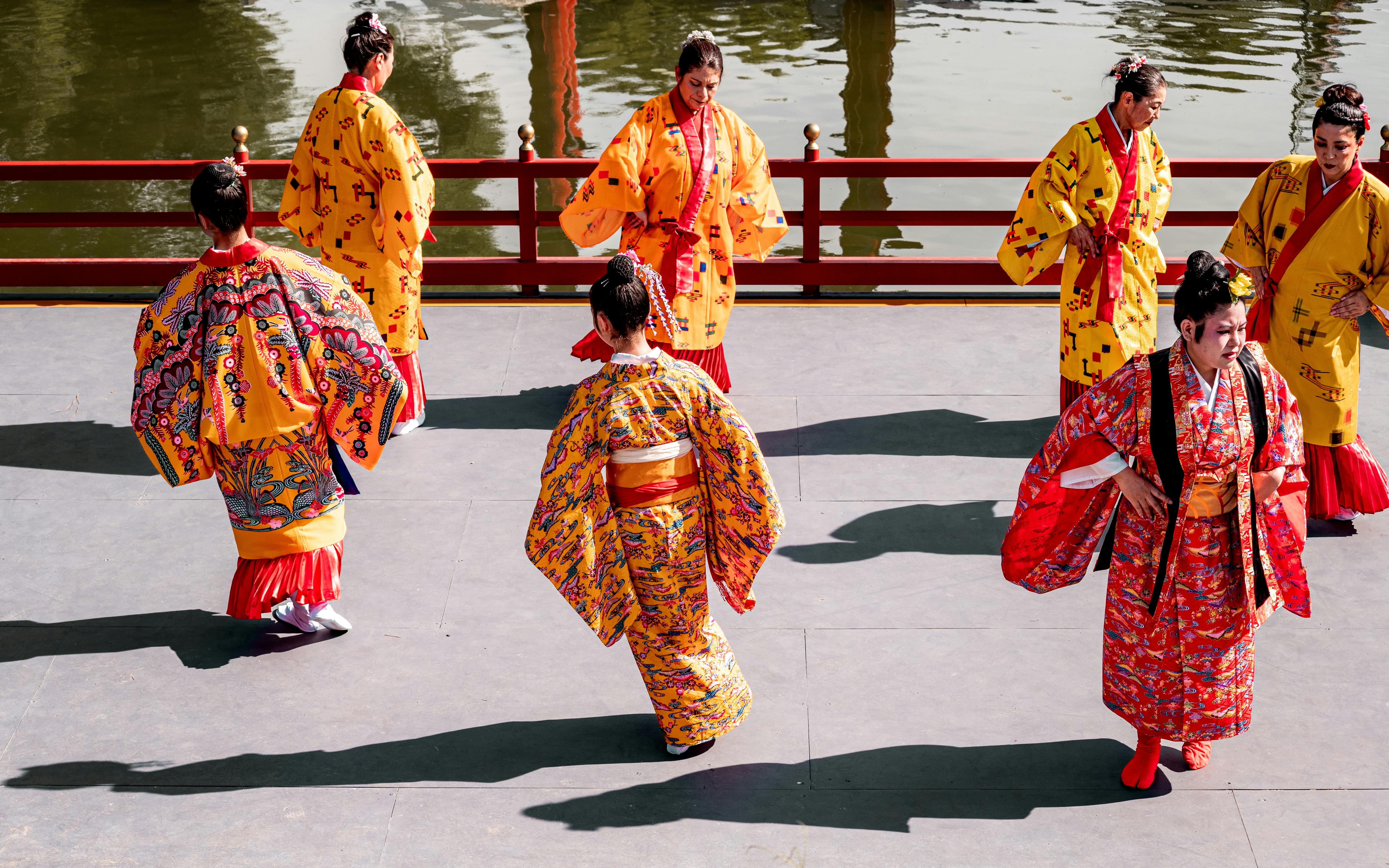
15. Wearing Cultural Clothing Without Understanding It
© Pexels Alex Dos Santos

15. Wearing Cultural Clothing Without Understanding It

Wearing traditional clothing from a culture without knowing its meaning can sometimes come across as disrespectful or insensitive.

Why it matters: Respectful cultural appreciation creates positive connections.

Best approach: Learn the significance before wearing traditional items.

16. Tight Clothing in Traditional Areas
© Shutterstock PeopleImages

16. Tight Clothing in Traditional Areas

In conservative or rural communities, tight clothing may be considered inappropriate and can affect how locals interact with you.

Why it matters: Dressing modestly helps build mutual respect.

Better choice: Loose, comfortable clothing.

17. Clothing That Looks Like a Uniform
© Pexels 50k. jpe

17. Clothing That Looks Like a Uniform

Outfits that resemble police or military uniforms can cause confusion and may attract attention from authorities.

Why it matters: Avoids unnecessary questioning or misunderstandings.

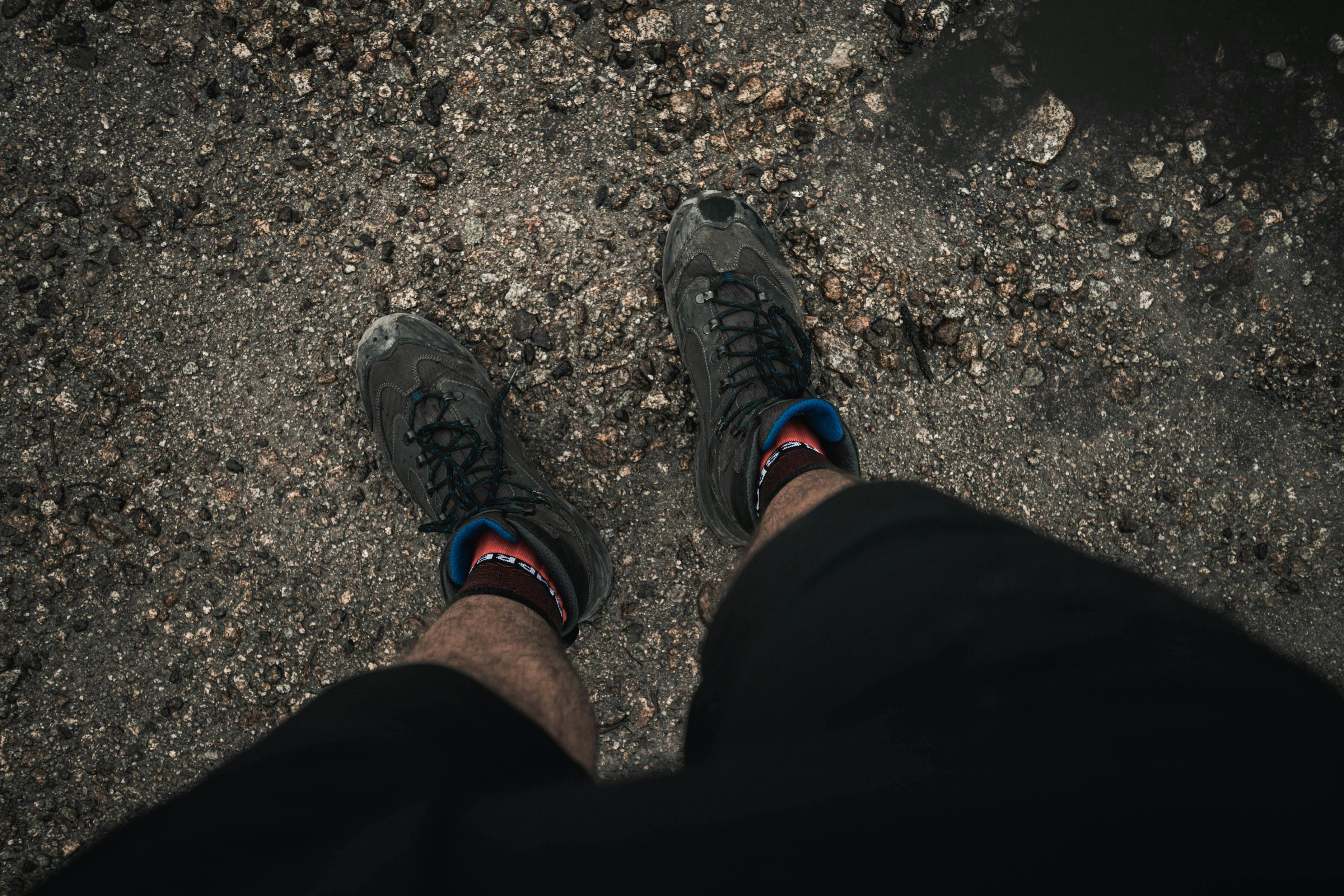
18. Wearing the Wrong Shoes for the Terrain
© Pexels Mateusz Feliksik

18. Wearing the Wrong Shoes for the Terrain

Different destinations require different footwear. Wearing unsuitable shoes can lead to discomfort or injuries.

Why it matters: Proper footwear ensures safe and enjoyable travel.

Best practice: Match shoes to your destination’s environment.

19. Synthetic Fabrics in Humid Weather
© Pexels Digital Buggu

19. Synthetic Fabrics in Humid Weather

Synthetic materials trap heat and moisture, making hot and humid climates uncomfortable.

Why it matters: Breathable fabrics improve comfort and reduce irritation.

Best choice: Cotton, linen, or bamboo fabrics.

20. Casual Clothing at Upscale Venues
© Pexels SHVETS production

20. Casual Clothing at Upscale Venues

In many cities, restaurants, theaters, and nightlife venues expect a more polished dress code. Arriving too casually can make you stand out or even limit entry.

Why it matters: Dressing appropriately helps you fit in and enjoy premium experiences.

Best choice: Always pack at least one smart, elevated outfit.


Comments (0)

Leave a Reply

No comments yet. Be the first to share your thoughts!