Travel Destination

17 US towns that deserve more attention from travelers

Julian Cross
5.0
May 08, 2026

The United States has no shortage of well-known travel destinations. Cities like New York, San Francisco, and New Orleans draw millions of visitors each year, and for good reason. But across the country, there are smaller towns that offer a quieter, often more personal version of what makes American travel worthwhile, walkable streets, distinct local character, genuine history, and landscapes that have not yet been overwhelmed by tourism infrastructure.

These are places where local restaurants outlast chain hotels, where main streets still function as community centers, and where the pace of travel feels more intentional. Some of these towns sit near popular destinations but rarely make the itinerary. Others have been quietly building reputations among travelers who prefer substance over spectacle.

This guide covers 17 small US towns worth considering for your next trip, with practical details to help you plan. Each one offers something distinct, whether that is architecture, outdoor access, food culture, arts, or history and none of them require fighting the crowds that come with the country's most visited destinations.
1. Marfa, Texas
© Unsplash robertharknessart

1. Marfa, Texas

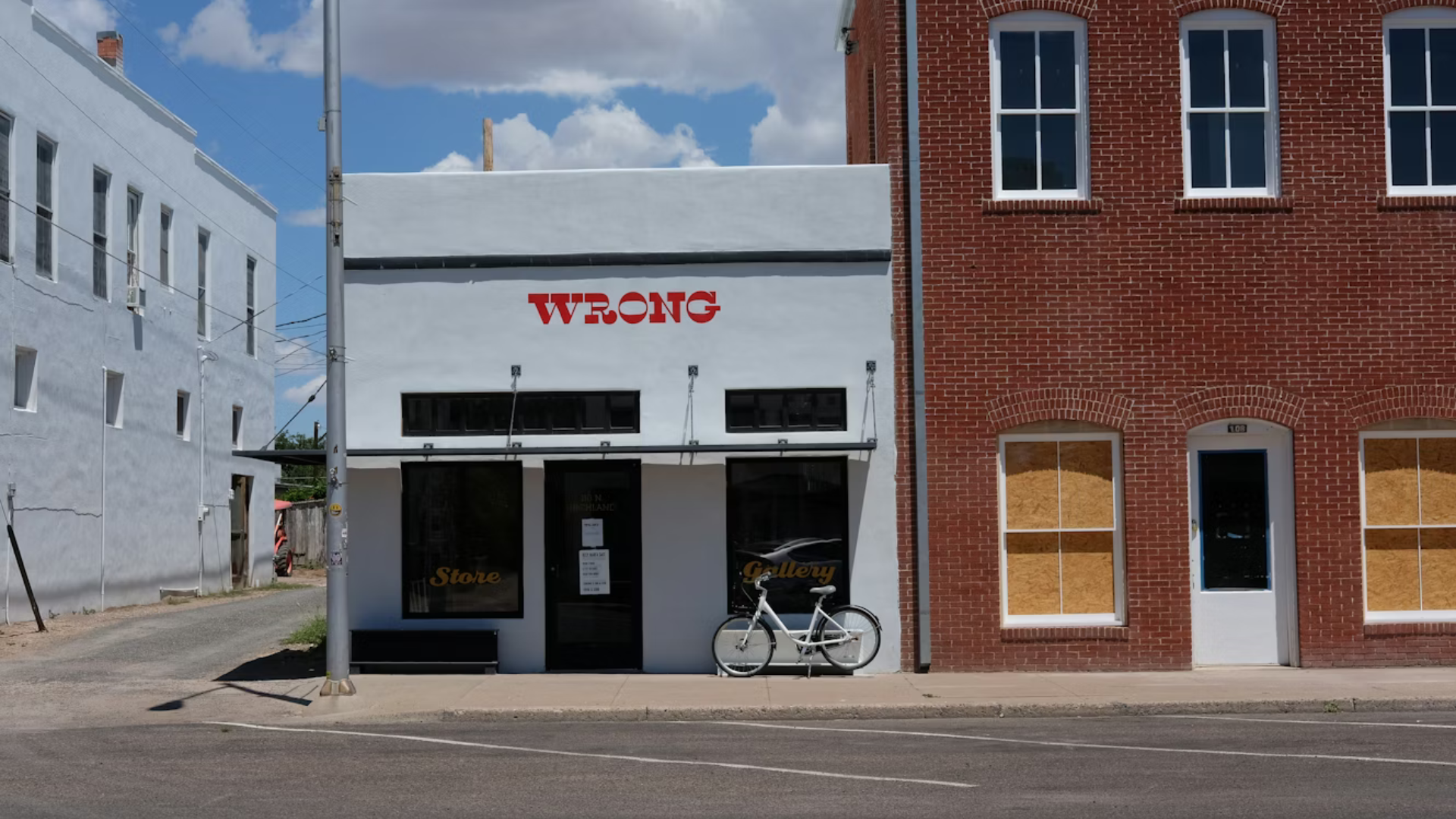
Marfa is a small high-desert town in far west Texas, sitting at an elevation of nearly 5,000 feet on the Chihuahuan Desert plateau. It has a permanent population of around 1,700 people, yet it has developed a reputation as one of the more culturally distinct small towns in the American Southwest. The town is home to the Chinati Foundation, a contemporary art museum established by minimalist artist Donald Judd in the 1980s, which occupies a converted US Army fort on the edge of town. Beyond the art scene, Marfa offers wide open skies, clear dark nights that attract astronomers and photographers, and a food and coffee culture that reflects the town's character well above its size. The surrounding desert landscape, including nearby Prada Marfa and the Davis Mountains, adds to the appeal for visitors looking to combine culture with outdoor exploration.

Best Season to Visit: Spring (March to May) and fall (September to November) offer the most comfortable desert temperatures. Summers are hot but dry, and winters are mild by most standards.

Traveler Tip: Book accommodation well in advance. Marfa has a limited number of hotels and guesthouses, and popular weekends fill up quickly despite the town's small size.

Must-Know: The Chinati Foundation offers guided tours on specific days of the week. Check their schedule before visiting, as walk-in access to the full collection is not always available.

2. Brevard, North Carolina
© Unsplash clarkjenk

2. Brevard, North Carolina

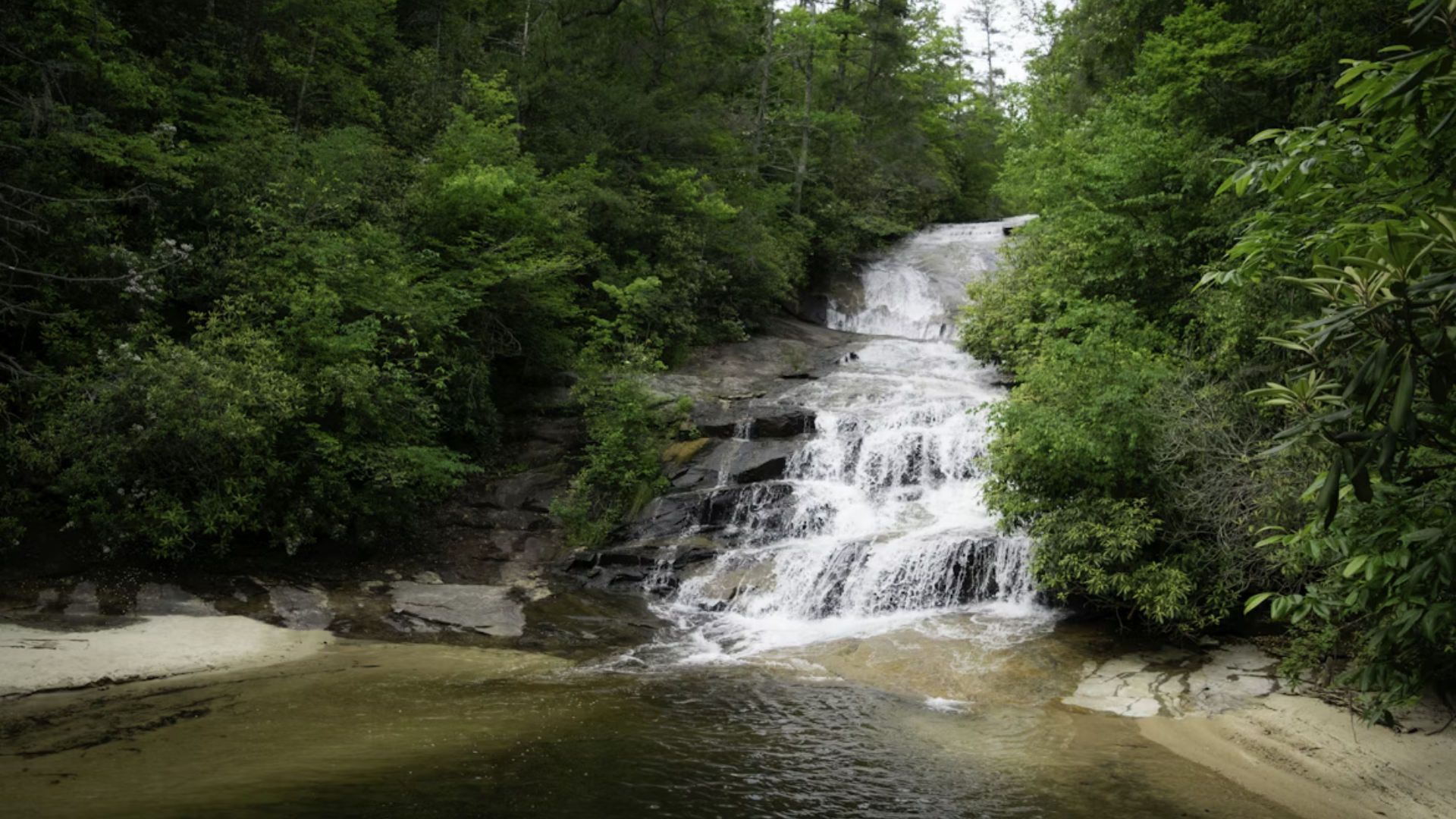
Brevard is a small city in western North Carolina, sitting at the edge of the Pisgah National Forest in the Blue Ridge Mountains. It has a population of around 8,000 and serves as the county seat of Transylvania County. The town is well known among outdoor enthusiasts for its access to hundreds of miles of hiking and mountain biking trails, as well as the waterfalls scattered throughout the surrounding forest. Brevard also has a lively arts and music culture, anchored by the Brevard Music Center, which hosts a summer festival that draws professional musicians and students from across the country. The downtown area is compact and walkable, with independent restaurants, bookshops, and galleries occupying a well-maintained historic district.

Best Season to Visit: Late spring through early fall is ideal for outdoor activities. The fall foliage season in October draws visitors from across the Southeast.

Traveler Tip: Rent a bike if you plan to explore the trail network around town. Brevard has multiple outfitters that offer rentals and guided rides through the Pisgah National Forest.

Must-Know: Brevard sits within Transylvania County, which has over 250 waterfalls. Looking Glass Falls, just outside town, is one of the most accessible and frequently visited.

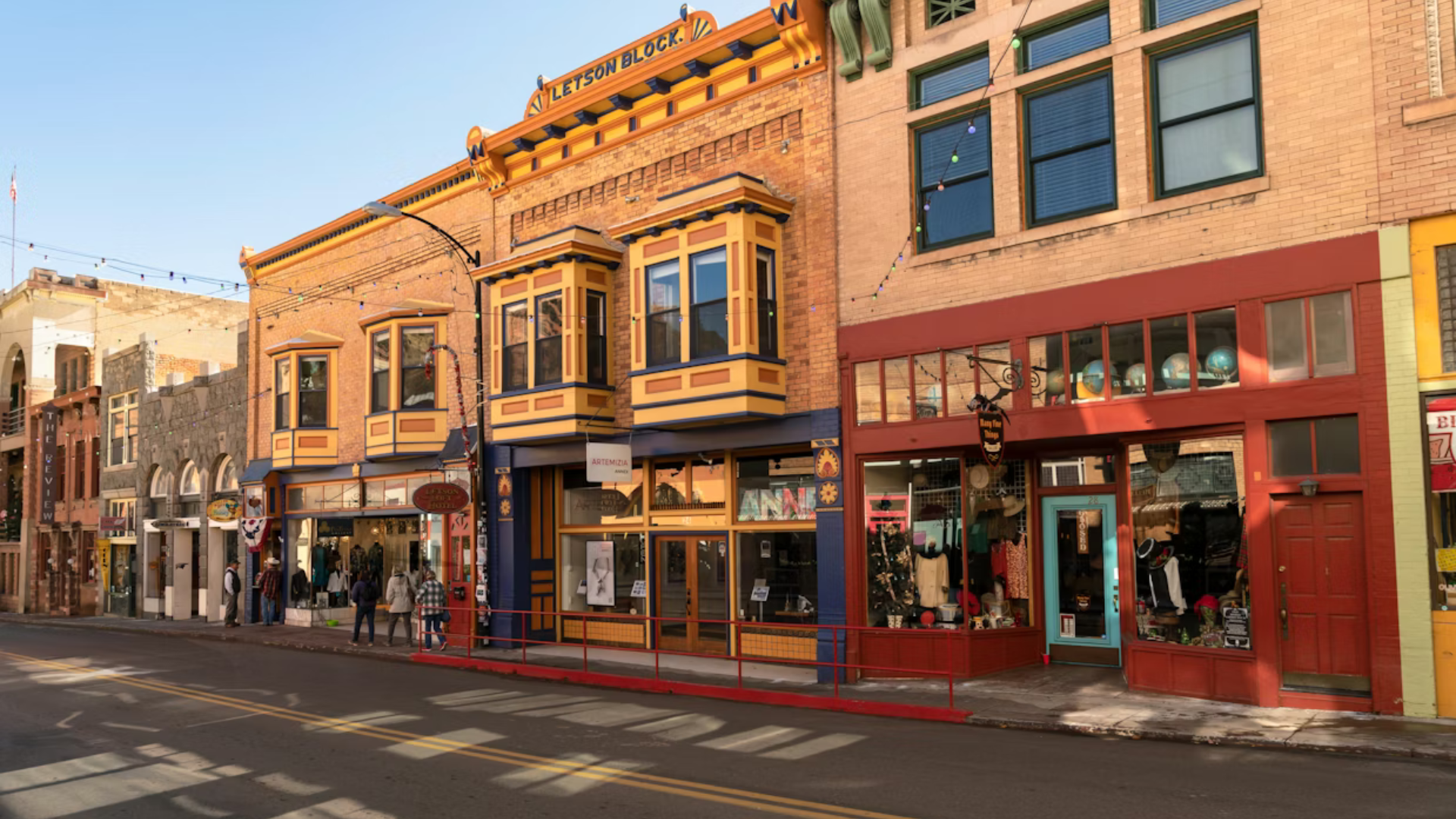
3. Bisbee, Arizona
© Unsplash Jim Witkowski

3. Bisbee, Arizona

Bisbee is a former copper mining town tucked into the Mule Mountains of southeastern Arizona, about 90 miles southeast of Tucson near the Mexican border. At its peak in the early twentieth century, it was one of the largest cities in the Southwest, with a population of over 20,000 supported by the surrounding mines. Today, the population sits around 5,000, and the town has reinvented itself as an arts and heritage destination built around its well-preserved Victorian-era architecture. The steep, narrow streets of the historic Brewery Gulch district are lined with galleries, antique shops, and independent restaurants. The Queen Mine Tour takes visitors underground into one of the original copper mines, providing a grounded look at the town's industrial history. The elevation of around 5,500 feet keeps temperatures noticeably cooler than the surrounding desert.

Best Season to Visit: Spring and fall offer the most comfortable temperatures. The higher elevation makes Bisbee a reasonable summer destination compared to lower desert towns in Arizona.

Traveler Tip: The town is very walkable but built on steep terrain. Comfortable shoes are essential, and some of the residential streets involve significant elevation changes between blocks.

Must-Know: Bisbee sits close to the US-Mexico border. The Naco and Douglas border crossings are nearby, which is useful context for travelers planning a longer Southwest itinerary that extends into Mexico.

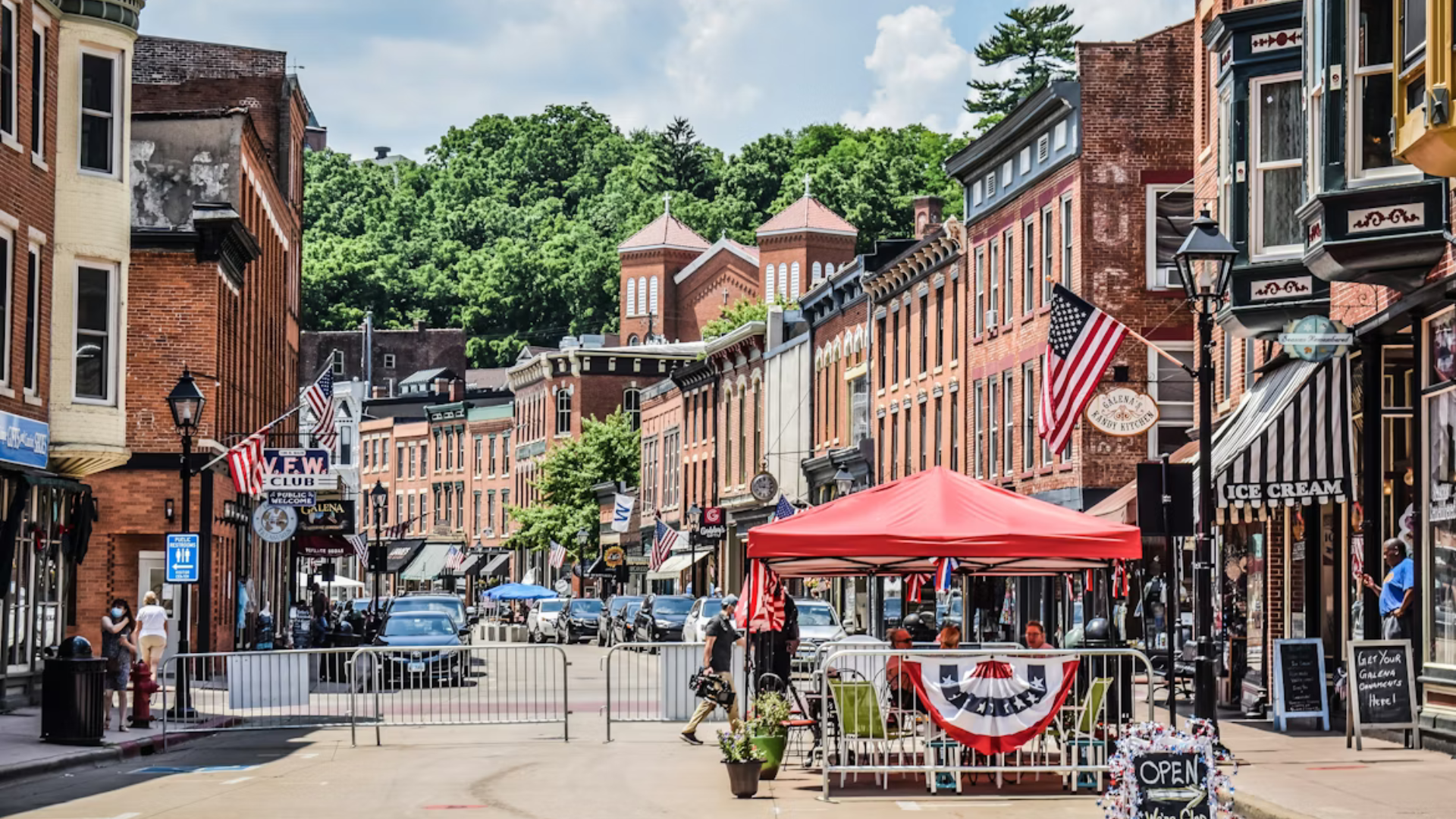
4. Galena, Illinois
© Unsplash kerenroeglin

4. Galena, Illinois

Galena is a historic river town in the far northwest corner of Illinois, built on the steep bluffs above the Galena River near its confluence with the Mississippi. The town was once one of the most prosperous cities in the Midwest, built on the lead mining industry in the early nineteenth century, and its wealth is still visible in the well-preserved collection of Federal and Italianate architecture along its main street. Galena is also closely associated with Ulysses S. Grant, who lived in the town before the Civil War and returned after his presidency. The Grant Home State Historic Site is one of several preserved properties related to this period of American history. Beyond the history, Galena draws visitors for its independent shops, farm-to-table restaurants, and access to the rolling countryside of the Driftless Area, a region of hilly terrain that was not flattened by the last glaciation.

Best Season to Visit: Fall is the most popular season, when the Driftless Area landscape turns and the town hosts several seasonal events. Spring and summer are quieter and equally pleasant.

Traveler Tip: Most of the historic downtown sits along a single main street that is easy to cover on foot in a few hours. The surrounding countryside rewards those with a car, particularly for scenic drives through the Driftless Area.

Must-Know: Galena is a popular weekend destination for Chicago residents, which means hotels and restaurants on peak weekends book up well in advance. Midweek visits offer a noticeably quieter experience.

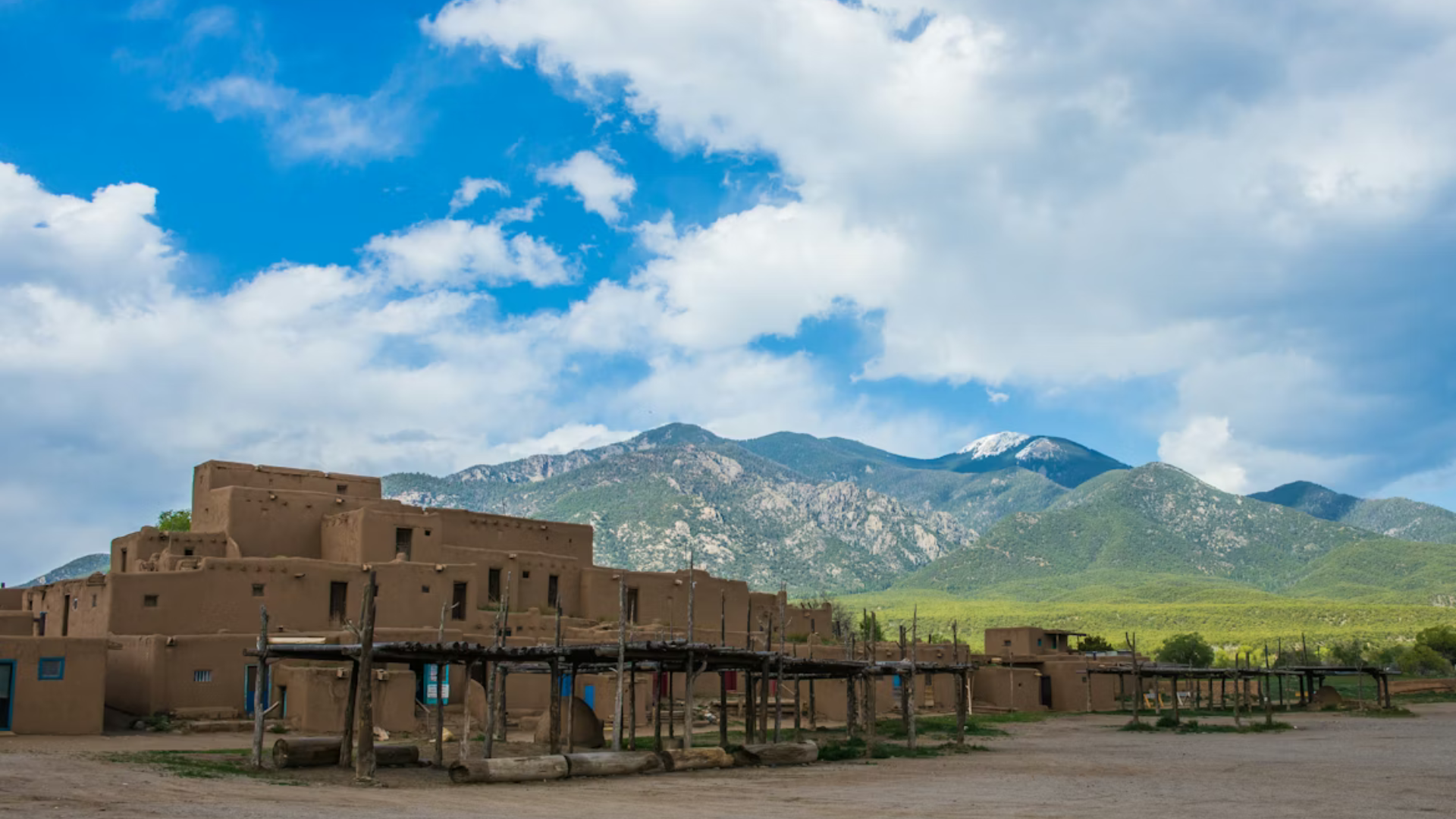
5. Taos, New Mexico
© Unsplash fortuitousfoto

5. Taos, New Mexico

Taos is a small city in northern New Mexico with a population of around 6,000, sitting at 6,969 feet in the Sangre de Cristo Mountains. It has been a center of artistic activity since the early twentieth century, when a group of painters arrived and established what became known as the Taos Society of Artists. The town's cultural identity is shaped by the intersection of Native American, Hispanic, and Anglo-American influences that have coexisted in the region for centuries. Taos Pueblo, a multi-story adobe community continuously inhabited for over 1,000 years, sits just north of town and is a UNESCO World Heritage Site. The surrounding landscape offers skiing at Taos Ski Valley in winter and hiking, river rafting on the Rio Grande Gorge, and mountain biking in the warmer months.

Best Season to Visit: Late spring and early fall offer the most balanced conditions for outdoor activities and comfortable sightseeing. Winter is popular for skiing but can bring significant snowfall to the mountain roads.

Traveler Tip: Allow time for Taos Pueblo separately from the rest of the town. The pueblo operates its own visitor access with specific hours and a separate entrance fee, and it deserves a dedicated visit rather than a brief stop.

Must-Know: Photography at Taos Pueblo requires a permit, and some areas are restricted to visitors entirely. The pueblo remains an active residential community, and visitor rules should be followed carefully.

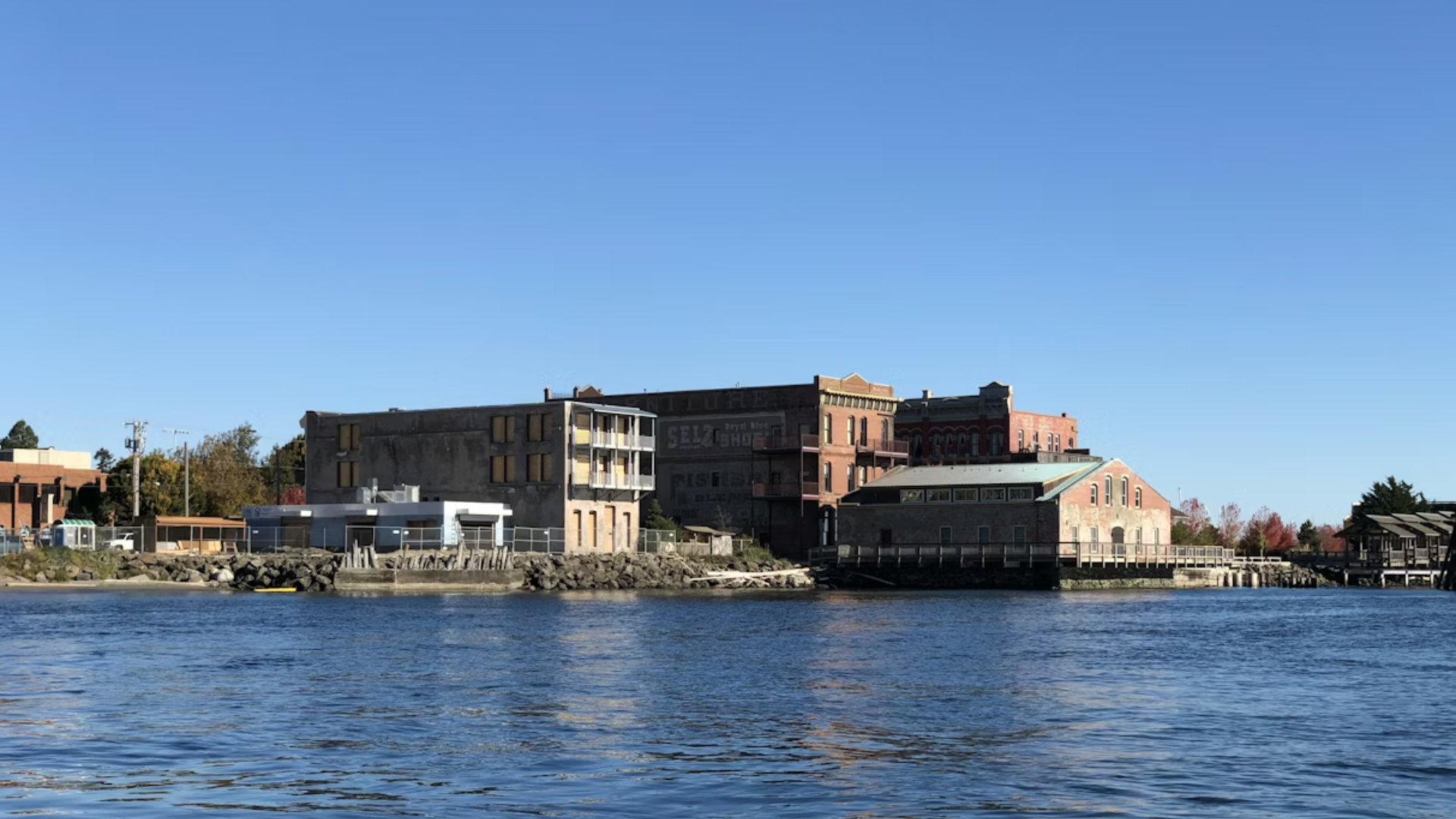
6. Port Townsend, Washington
© Unsplash charleypick

6. Port Townsend, Washington

Port Townsend is a Victorian seaport town at the northeastern tip of the Olympic Peninsula in Washington State, overlooking the Strait of Juan de Fuca. It was founded in the 1850s with ambitions of becoming the major port city of the Pacific Northwest, a plan that was eventually overtaken by Seattle and Tacoma. The result is a town with an unusually complete collection of Victorian commercial and residential architecture that was never torn down or replaced during periods of growth elsewhere. The downtown waterfront district and the bluff above it are both well intact, and the town has been designated a National Historic Landmark District. Port Townsend has a strong arts and music culture, an active maritime heritage scene centered on the Northwest Maritime Center, and easy ferry access to other parts of Puget Sound.

Best Season to Visit: Summer (June to August) offers the clearest weather and the most active waterfront scene. Spring and fall are quieter and still worth visiting for the architecture and surrounding landscapes.

Traveler Tip: The Washington State Ferry system connects Port Townsend to Coupeville on Whidbey Island, offering a scenic and practical way to extend a trip through the Puget Sound region without retracing your route.

Must-Know: Port Townsend is located at the end of a peninsula and requires deliberate routing to reach. It is not on the way to anywhere else, which contributes to its unhurried character and relatively uncrowded streets even in summer.

7. Natchitoches, Louisiana
© Pinterest Jan Lilley Strother

7. Natchitoches, Louisiana

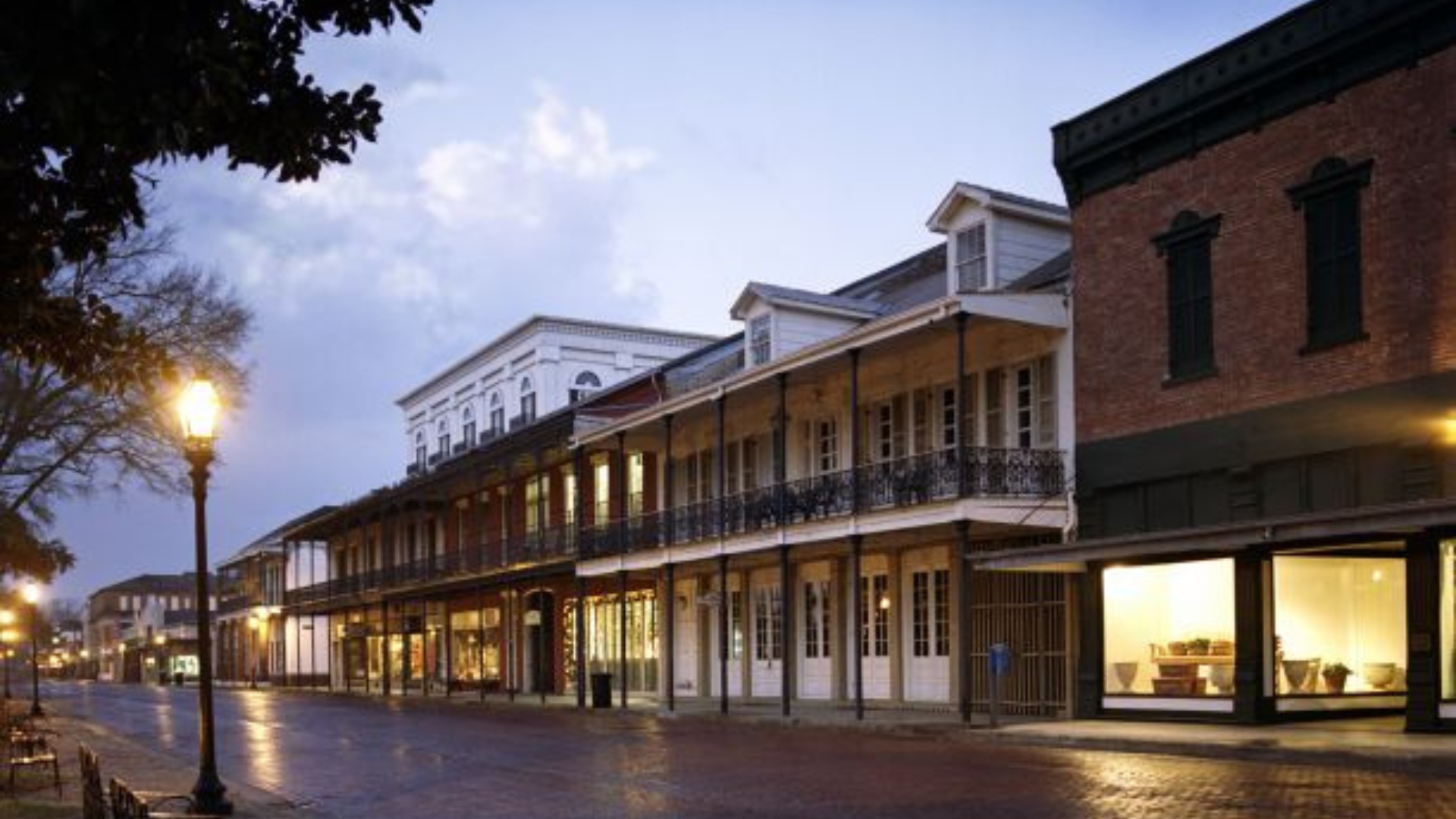
Natchitoches (pronounced Nack-uh-tish) is the oldest permanent European settlement in the Louisiana Purchase territory, established as a French trading post in 1714, predating New Orleans by four years. It sits on the Cane River Lake in central Louisiana and has a historic district along the riverfront that preserves much of the original Creole and French Colonial architecture of the eighteenth and nineteenth centuries. The town has a population of around 18,000 and serves as home to Northwestern State University. The Cane River Creole National Historical Park, which preserves two plantation complexes that document the area's layered history, is located just south of town and provides important historical context for the region.

Best Season to Visit: Fall and early winter are ideal, particularly around the Christmas Festival of Lights held each December, which has been a local tradition for nearly a century.

Traveler Tip: The historic district is compact and best explored on foot. The brick-paved Front Street along the Cane River is the central corridor and a good starting point for orienting yourself in town.

Must-Know: Natchitoches meat pies are a local specialty with deep roots in the town's Creole food culture. Several restaurants and bakeries in the historic district serve them and are worth seeking out as a distinctly local food experience.

8. Eureka Springs, Arkansas
© Shutterstock Wirestock Creators

8. Eureka Springs, Arkansas

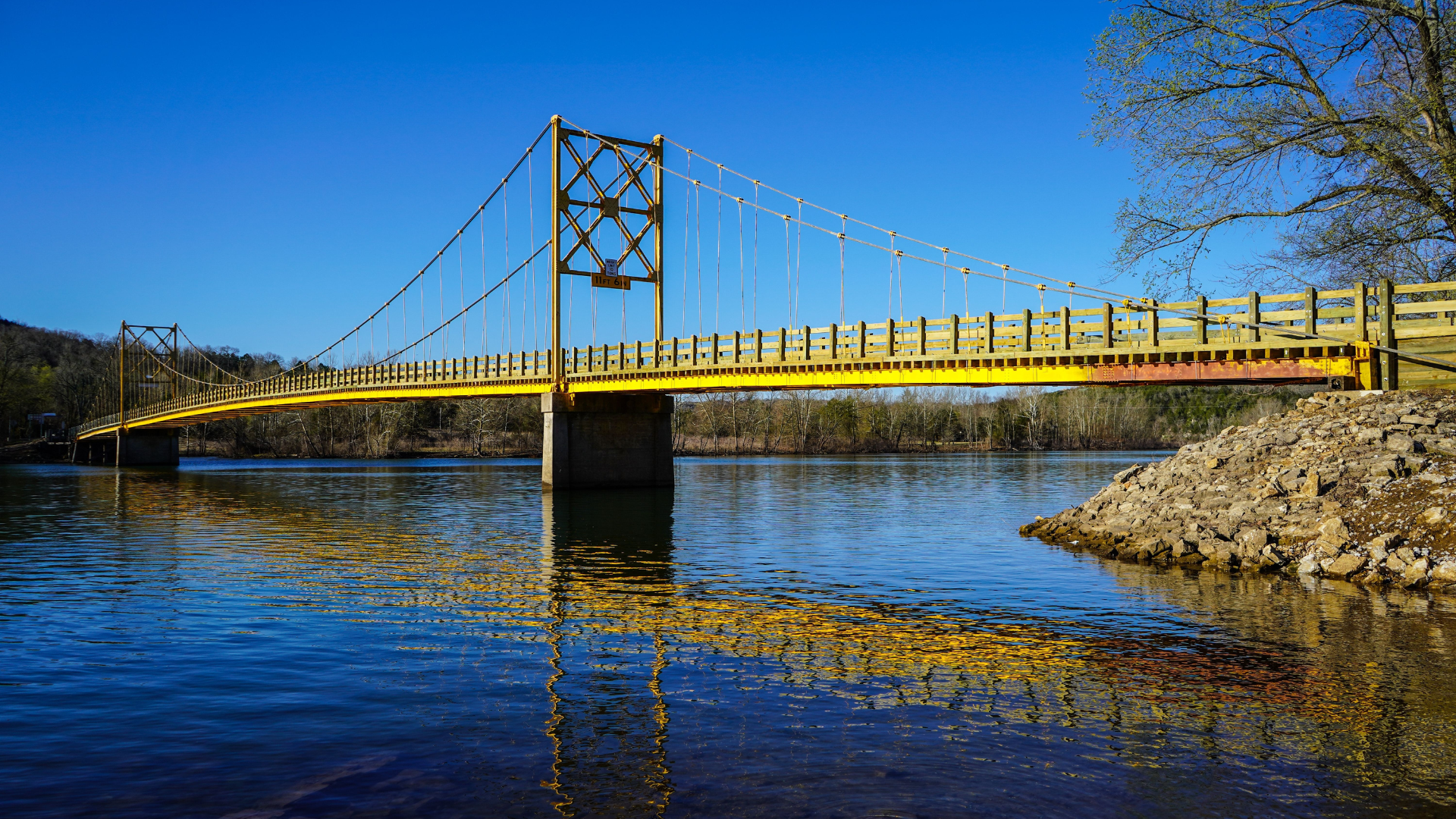
Eureka Springs is a Victorian resort town built into the wooded hills of the Ozark Mountains in northwest Arkansas. It developed in the 1880s around a series of natural springs, and the town that grew up around them was built on terrain so steep that many streets are accessible only on foot. The result is one of the more architecturally distinct small towns in the South, with Victorian buildings stacked up hillsides connected by staircases and narrow switchback roads. The entire downtown historic district is listed on the National Register of Historic Places. Today the town has a strong arts community, a well-developed independent restaurant scene, and a calendar of festivals throughout the year. It also sits within easy driving distance of the Buffalo National River, America's first designated national river, which offers float trips, hiking, and camping in a well-preserved natural landscape.

Best Season to Visit: Spring and fall offer the most pleasant weather for walking the hilly streets. Fall foliage in the Ozarks typically peaks in mid to late October.

Traveler Tip: The historic downtown is best explored on foot, but the town operates a trolley service that connects most of the main districts and is a practical way to navigate the steep terrain without tiring yourself out early in the day.

Must-Know: Eureka Springs is widely regarded as one of the more welcoming small towns in the South for all types of travelers, with a notably open community culture that sets it apart from many towns of similar size in the region.

9. Astoria, Oregon
© Unsplash Nils Huenerfuerst

9. Astoria, Oregon

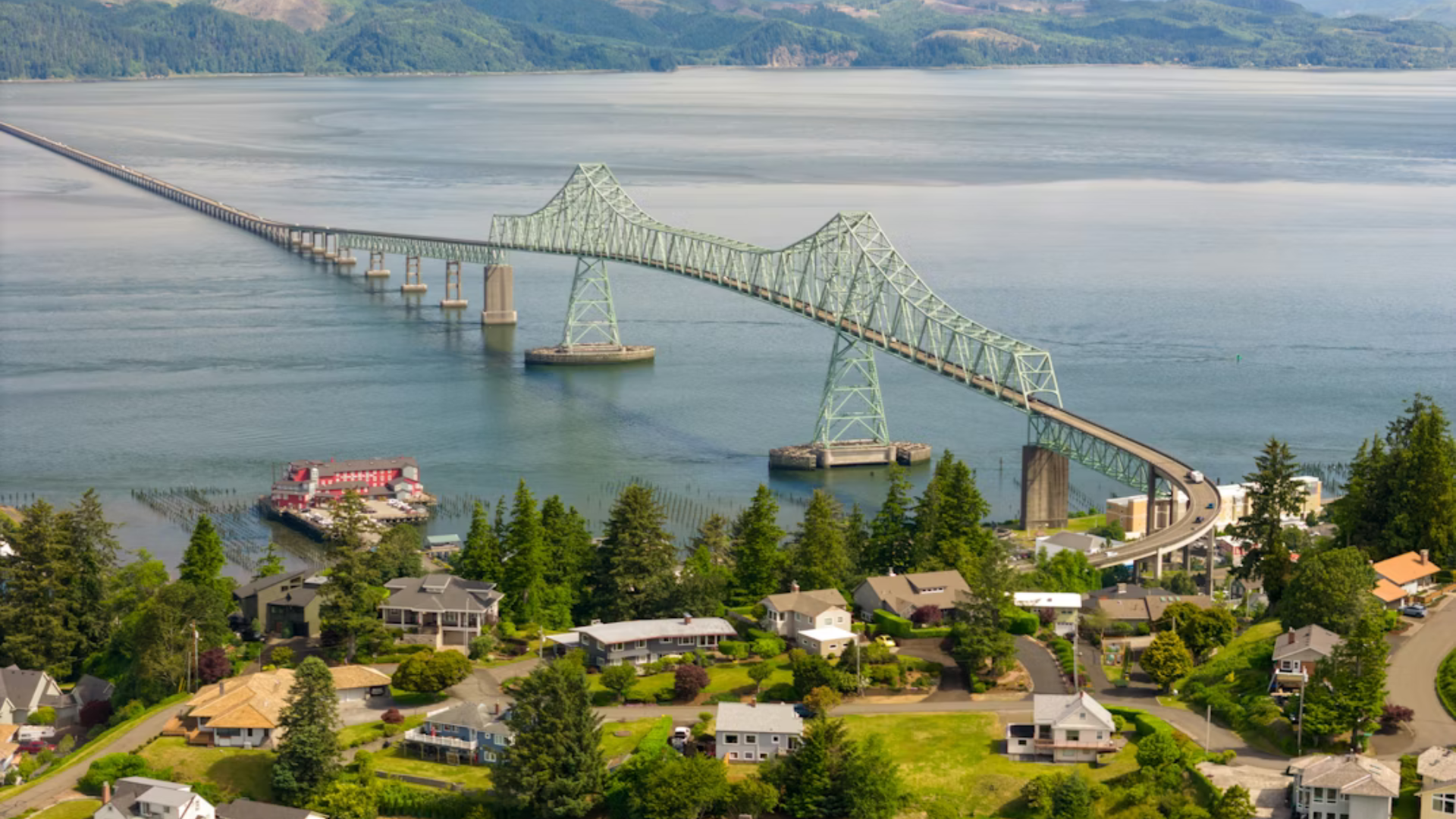
Astoria sits at the mouth of the Columbia River in the far northwest corner of Oregon, where the river meets the Pacific Ocean. It was the first permanent American settlement west of the Rocky Mountains, established as a fur trading post in 1811, and its history as a port city shaped by the fishing and timber industries is visible throughout the town's architecture and waterfront. The Victorian-era homes that climb the hills above the river are among the better preserved on the West Coast, and the Astoria Column, a 125-foot painted tower on the highest hill in town, offers views across the Columbia River estuary and the Pacific coastline on clear days. Astoria has developed a reputation in recent years as a food and arts destination, with a growing number of independent restaurants and breweries occupying historic downtown buildings.

Best Season to Visit: Summer (June to August) offers the most reliable dry weather, though coastal fog is common in the mornings. Fall is quieter and often brings clearer skies than summer.

Traveler Tip: The Astoria Riverwalk, a 6.4-mile path along the waterfront, is one of the best ways to get a sense of the town's working port history and its relationship with the Columbia River. A vintage trolley runs along part of the route in summer.

Must-Know: Astoria receives significant rainfall for most of the year outside of summer. Packing a waterproof layer is advisable even in the warmer months, particularly for time spent near the coast or on the waterfront.

10. Traverse City, Michigan
© Pinterest Kateri Novak

10. Traverse City, Michigan

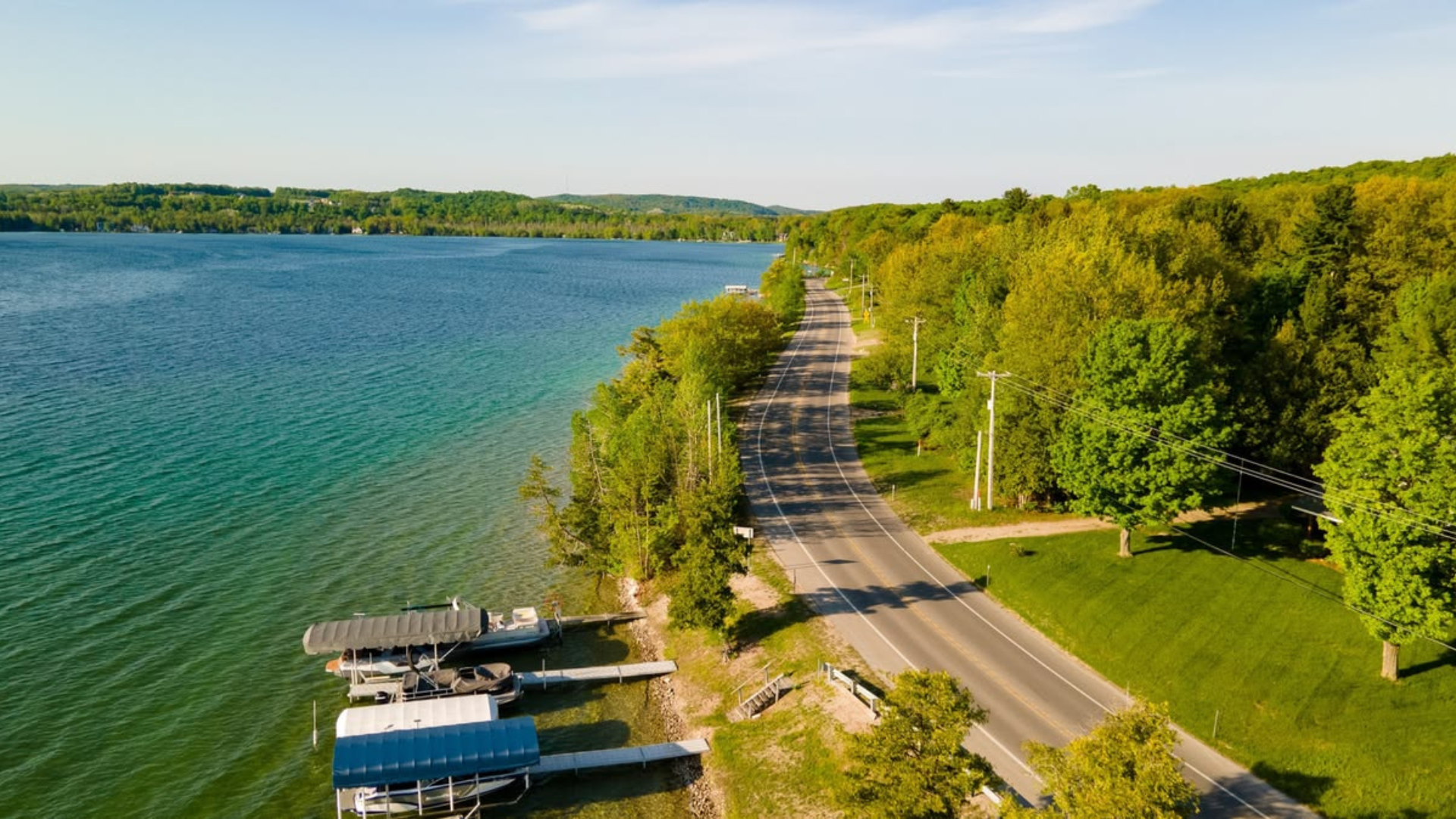
Traverse City is a small city on the shores of Grand Traverse Bay in northern Michigan, with a population of around 15,000. It sits at the base of the Leelanau Peninsula, known for its cherry orchards, vineyards, and farmland that extends to the shores of Lake Michigan. The town has a well-developed food and drink culture built around local produce, with a concentration of independent restaurants, wineries, and craft breweries in the downtown area. The Sleeping Bear Dunes National Lakeshore, located about 30 miles west of town, includes sand dunes, forested bluffs, and several inland lakes in addition to the Lake Michigan shoreline. Traverse City also hosts the Traverse City Film Festival each summer, which draws filmmakers and audiences from across the country.

Best Season to Visit: Summer is the most active season, with the food and outdoor scene both at their peak. Fall brings harvest festivals and quieter conditions for exploring the Leelanau Peninsula.

Traveler Tip: Rent a bike to explore the Leelanau Peninsula wine trail, which connects several small wineries along a route that passes through farmland and orchard country with views of the bay.

Must-Know: Traverse City fills up considerably during the National Cherry Festival held each July, one of the larger food festivals in the Midwest. Book accommodation well in advance if your visit coincides with festival dates.

11. Beaufort, South Carolina
© Shutterstock Pedal to the Stock

11. Beaufort, South Carolina

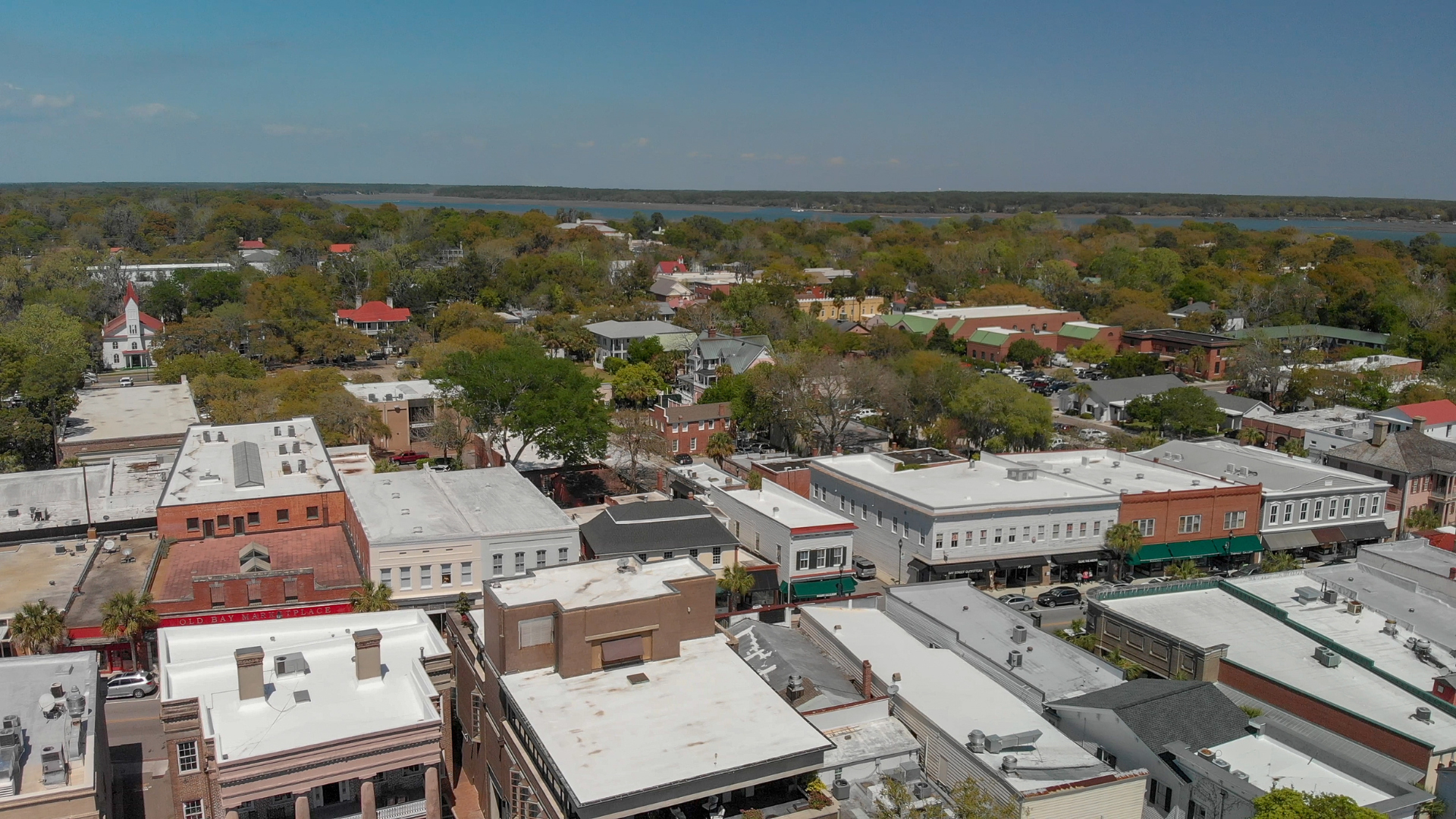
Beaufort (pronounced Byoo-fert) is a small coastal city in the South Carolina Lowcountry, situated on Port Royal Island between Savannah, Georgia, and Charleston, South Carolina. With a population of around 13,000, it is one of the oldest cities in the state, founded in 1711, and its historic district preserves an exceptional collection of antebellum architecture set among Spanish moss-draped live oak trees along the waterfront. Beaufort played a significant role in the Civil War as an early Union-occupied city, and this history is documented in the Reconstruction-era sites and the Penn Center on nearby St. Helena Island, one of the earliest schools established for formerly enslaved people in the South. The town is also the gateway to the Sea Islands, a chain of barrier islands with a strong Gullah Geechee cultural heritage.

Best Season to Visit: Spring (March to May) is ideal, with warm temperatures, lower humidity, and the town's historic gardens in bloom. Fall is also pleasant, while summers are hot and humid.

Traveler Tip: Take time to explore the Sea Islands beyond the town center, particularly St. Helena Island, where the Gullah Geechee cultural heritage is most visible and where local artisans and restaurants preserve traditions with deep roots in the region.

Must-Know: Beaufort is home to the Marine Corps Recruit Depot Parris Island, which adds a distinct layer to the town's identity that is different from most coastal heritage destinations of similar size.

12. Leavenworth, Washington
© Pexels Afif Ramdhasuma

12. Leavenworth, Washington

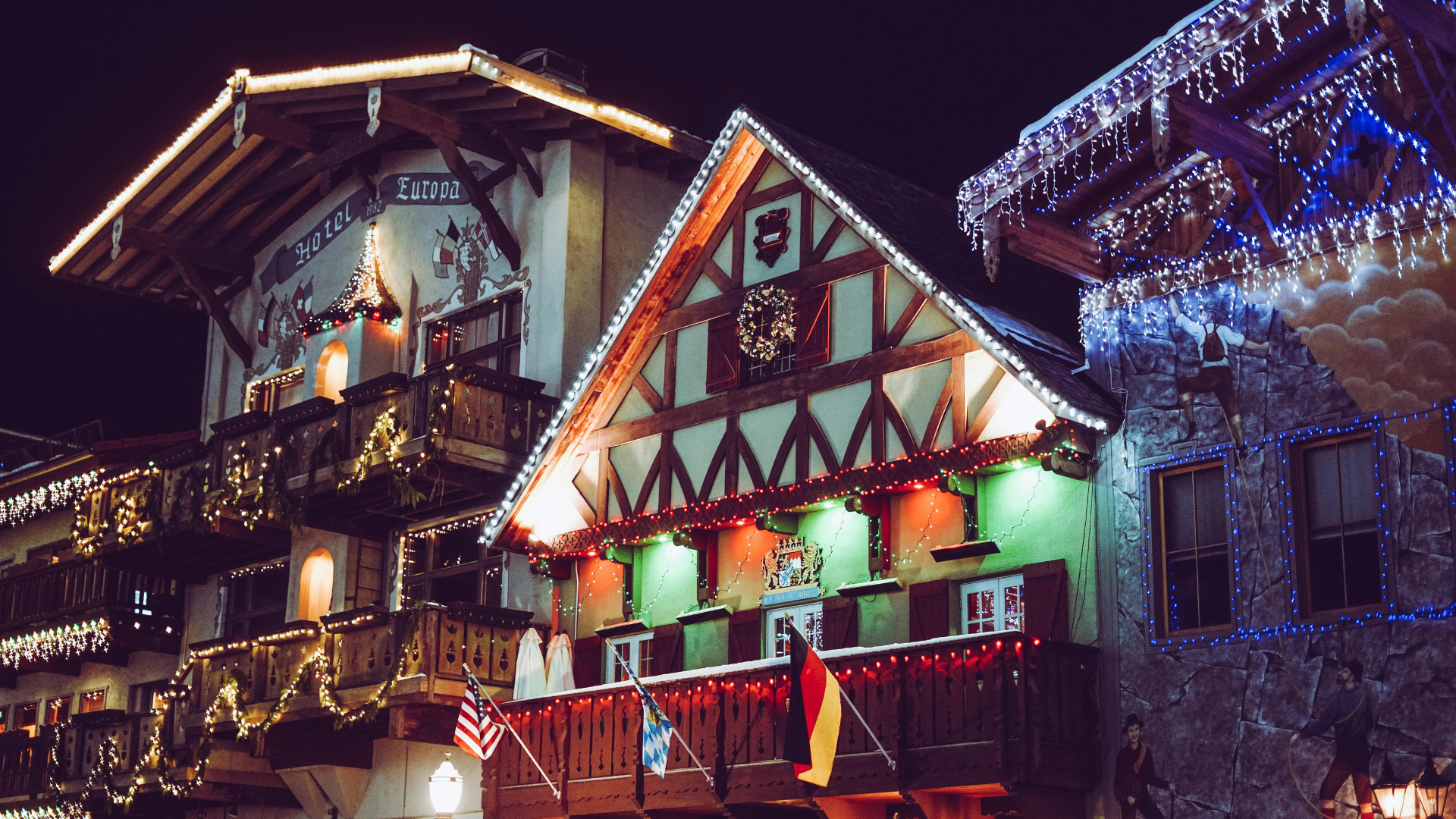
Leavenworth is a small town in the Cascade Mountains of central Washington, situated in the Icicle River valley about 115 miles east of Seattle. In the 1960s, following the decline of the local timber and railroad industries, the town undertook a deliberate renovation of its downtown into a Bavarian village aesthetic, a decision that proved economically successful and has defined the town's identity ever since. The town's real appeal, however, lies in the surrounding landscape. The Wenatchee National Forest provides access to hiking, rock climbing, mountain biking, and whitewater rafting in summer, while the area receives reliable snowfall that supports cross-country skiing and snowshoeing from December through March.

Best Season to Visit: Summer for outdoor activities and fall for the Oktoberfest celebration. Winter is popular for the Christmas lighting festival and snow activities in the surrounding mountains.

Traveler Tip: The town can feel crowded during its major festival weekends. Visiting on a midweek day or outside peak festival dates gives a more relaxed experience and better access to the outdoor areas nearby.

Must-Know: Despite the themed architecture, Leavenworth sits in genuinely varied mountain terrain. The surrounding valley and forest roads offer experiences that go well beyond what the downtown village alone provides.

13. Mineral Point, Wisconsin
© Pinterest J Janis Noe

13. Mineral Point, Wisconsin

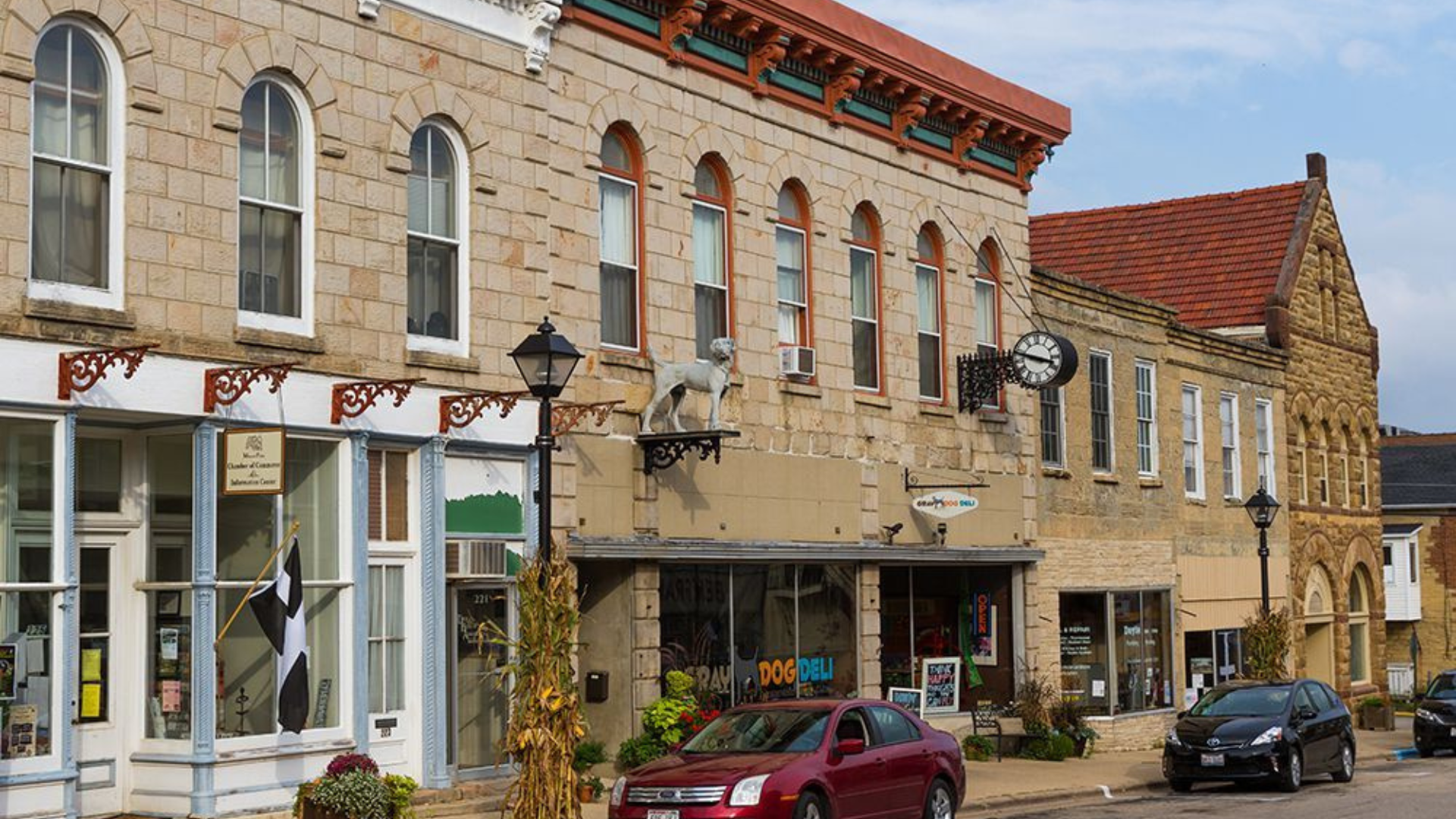
Mineral Point is a small historic town in southwestern Wisconsin with a population of around 2,500, situated in the Driftless Area, the glacier-free region of rolling hills and river valleys that extends into neighboring Illinois and Iowa. The town was one of the first settlements in Wisconsin, established in the 1820s during the lead mining boom that brought workers from Cornwall, England, whose descendants left a lasting mark on the local architecture and food culture. The historic Shake Rag Street district preserves several of the original Cornish stone cottages, some of which are maintained by Pendarvis, a state historic site. Mineral Point has developed a concentrated arts community for its size, with working studios and galleries occupying many of the historic stone buildings throughout the town.

Best Season to Visit: Summer and fall are the most active seasons for the arts community and gallery scene. The spring wildflower season in the surrounding Driftless Area is also worth timing a visit around.

Traveler Tip: Cornish pasties are a local food tradition in Mineral Point, carried over from the town's mining heritage. Several local bakeries and restaurants still make them, and they offer a genuine connection to the town's history.

Must-Know: Mineral Point is a small town with limited accommodation options. Planning overnight stays in advance is important, particularly during summer weekends when the gallery scene draws visitors from across the region.

14. Fernandina Beach, Florida
© Unsplash Sonya Tyler

14. Fernandina Beach, Florida

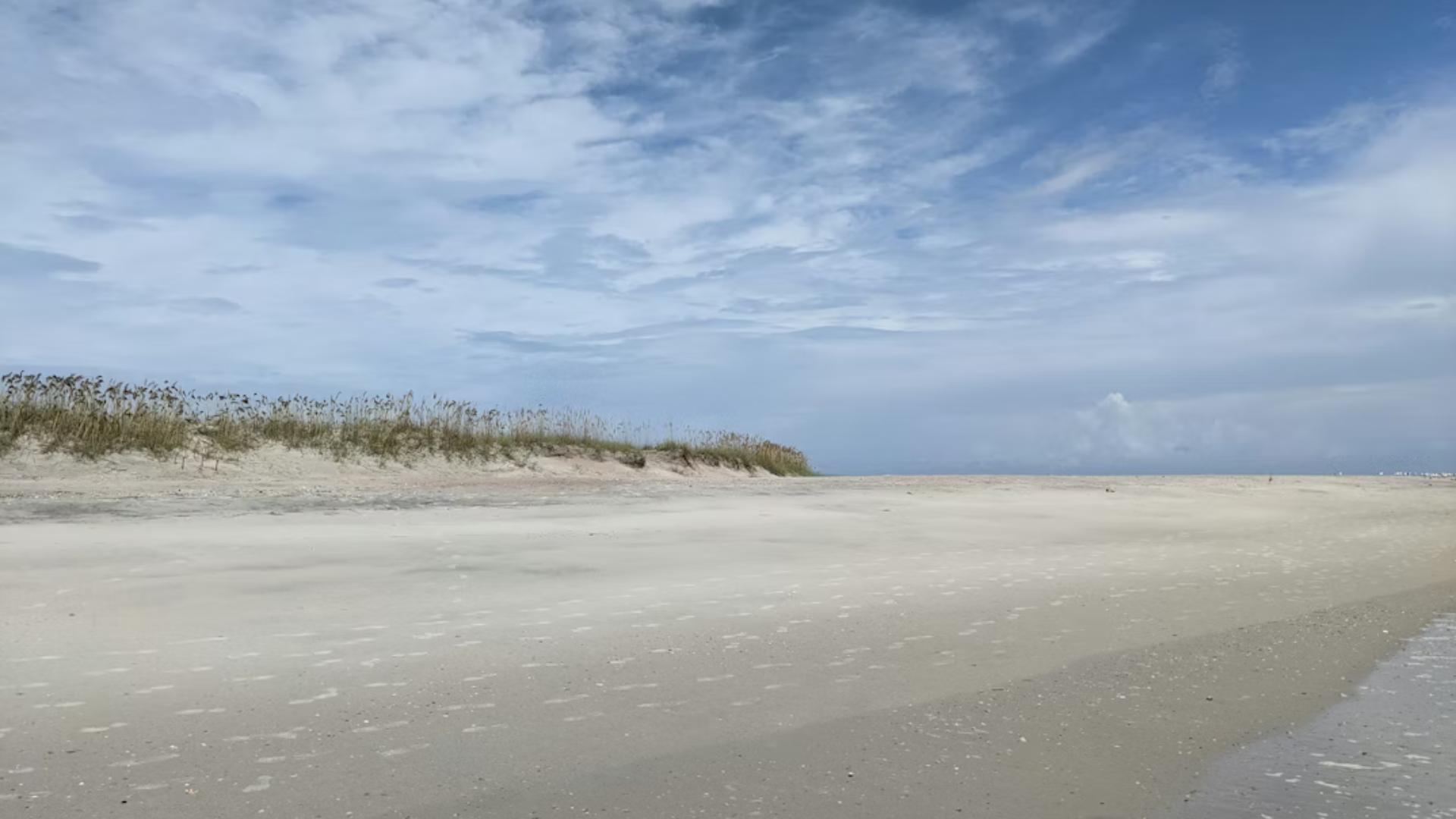
Fernandina Beach is a small historic city on Amelia Island at the northernmost tip of Florida's Atlantic coast, just south of the Georgia border. With a population of around 13,000, it has one of the better-preserved Victorian downtowns in Florida, centered on Centre Street and the waterfront shrimp boat docks that reflect the town's history as a working fishing port. Amelia Island has been under eight different flags throughout its history, a distinction that has given the town a heritage tourism identity distinct from Florida's more beach-resort-focused destinations. Fort Clinch State Park, a well-preserved nineteenth-century brick fortification on the northern tip of the island, offers both historical interpretation and beach access within the same visit.

Best Season to Visit: Spring and fall offer the most comfortable temperatures and the least crowded beaches. Summer is warm and humid but manageable, and the island sees far fewer visitors than Florida's more heavily promoted beach destinations.

Traveler Tip: The shrimp docks along the waterfront are still active, and fresh local shrimp is a genuine specialty in Fernandina Beach. Several restaurants near the waterfront source directly from the local fleet and are worth prioritizing.

Must-Know: Amelia Island sits at the convergence of the Atlantic Ocean and the Intracoastal Waterway, making it a productive location for birdwatching, particularly during spring and fall migration periods when shorebird activity is at its peak.

15. Hot Springs, Arkansas
© Unsplash rollingshots

15. Hot Springs, Arkansas

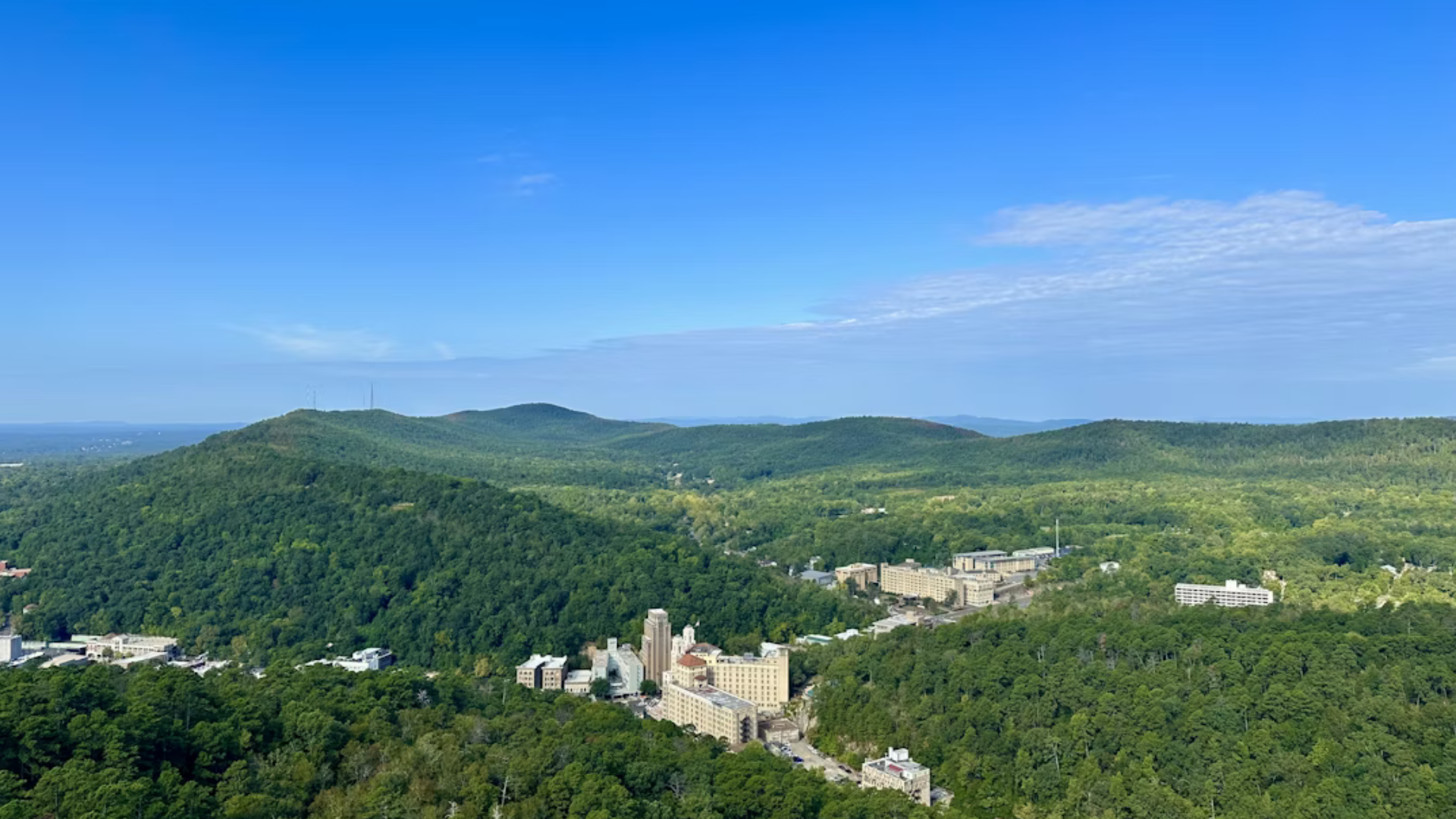
Hot Springs is a small city in central Arkansas, situated within the Ouachita Mountains and home to Hot Springs National Park, the oldest federally protected area in the United States, established before the National Park Service itself existed. The park preserves 47 natural thermal springs that have drawn visitors since the nineteenth century, when the city became a well-known resort destination. Bathhouse Row, a stretch of eight grand bathhouses built between 1892 and 1923 along the edge of the national park, represents one of the more intact collections of Gilded Age resort architecture in the country. Two of the bathhouses have been restored as operating thermal bath facilities, allowing visitors to experience the original purpose of the town's development.

Best Season to Visit: Spring and fall offer the most pleasant temperatures for exploring both the national park and the surrounding Ouachita Mountains. The thermal springs themselves maintain a consistent temperature year-round.

Traveler Tip: Reserve a thermal bath treatment in advance at one of the restored Bathhouse Row facilities. Walk-in availability is limited, particularly on weekends and during peak travel periods.

Must-Know: Hot Springs National Park is the only US national park located entirely within a city. The park is free to enter, though the operating bathhouses charge separately for their services.

16. Deadwood, South Dakota
© Pinterest Kim✘

16. Deadwood, South Dakota

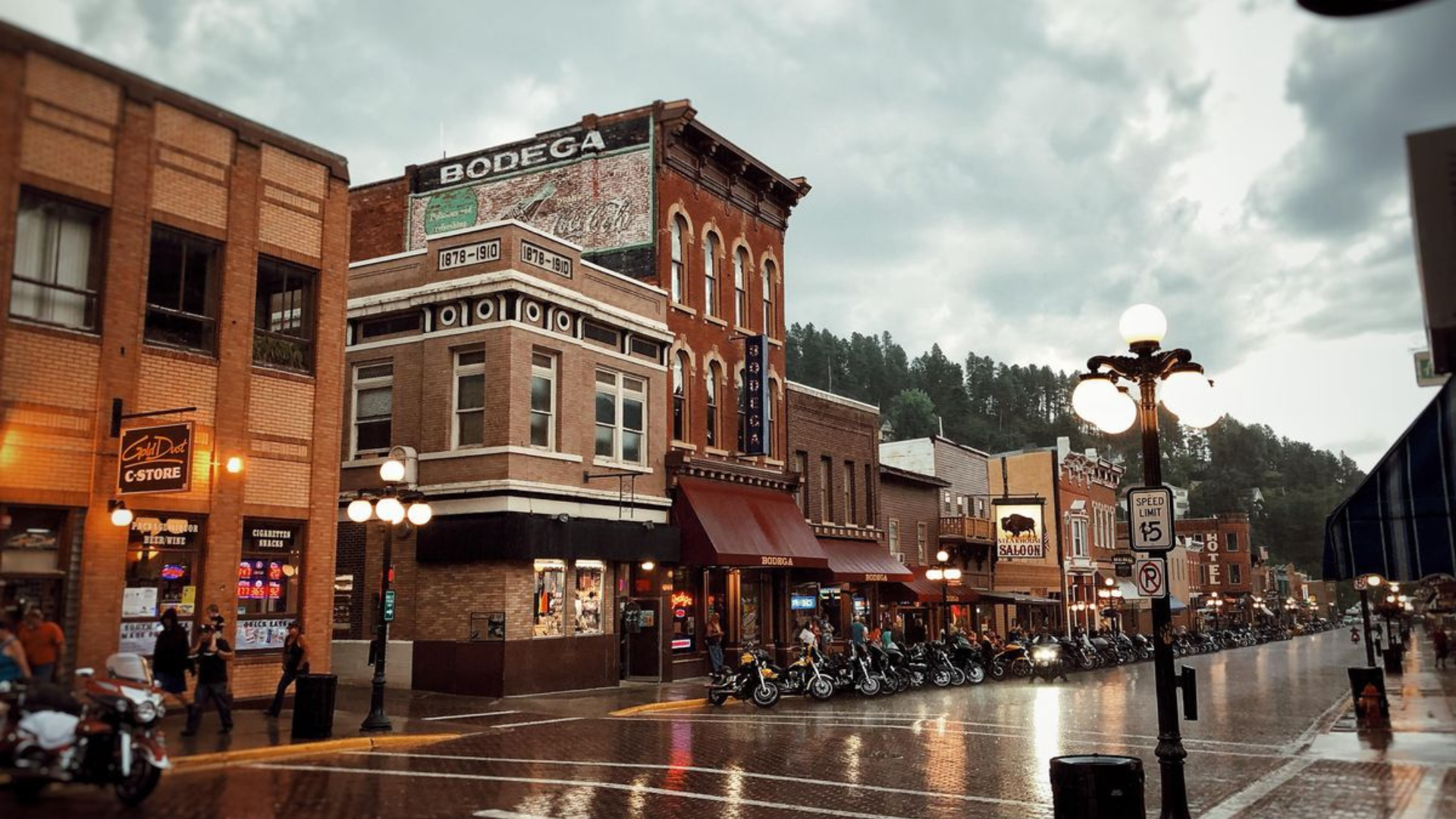
Deadwood is a small historic city in the Black Hills of western South Dakota, with a population of around 1,300. It was established during the gold rush of 1876 and became one of the more notable mining camp settlements of the American West, associated with figures including Wild Bill Hickok, Calamity Jane, and Seth Bullock. The entire city is a National Historic Landmark, and the well-preserved downtown reflects the architectural character of the late nineteenth-century mining era. Deadwood has a functioning gaming industry that was legalized in 1989 and provides the economic base that has allowed the historic buildings to be maintained and restored. The Adams Museum and Historic Deadwood offer grounded historical interpretation of the city's past, including the commerce and cultural mixing that defined early Black Hills settlement.

Best Season to Visit: Summer is the most active season, with events, outdoor activities in the surrounding Black Hills, and full access to the historic sites. Fall offers a quieter visit with good conditions for exploring the surrounding landscape.

Traveler Tip: Deadwood is a practical base for visiting the broader Black Hills region, including Mount Rushmore, Custer State Park, Wind Cave National Park, and Jewel Cave National Monument, all within an hour's drive.

Must-Know: Gaming is a significant part of Deadwood's current economy and is present throughout the historic downtown. Visitors who are not interested in gaming will still find plenty to engage with through the museums, historic sites, and surrounding outdoor areas.

17. Staunton, Virginia
© Unsplash mana5280

17. Staunton, Virginia

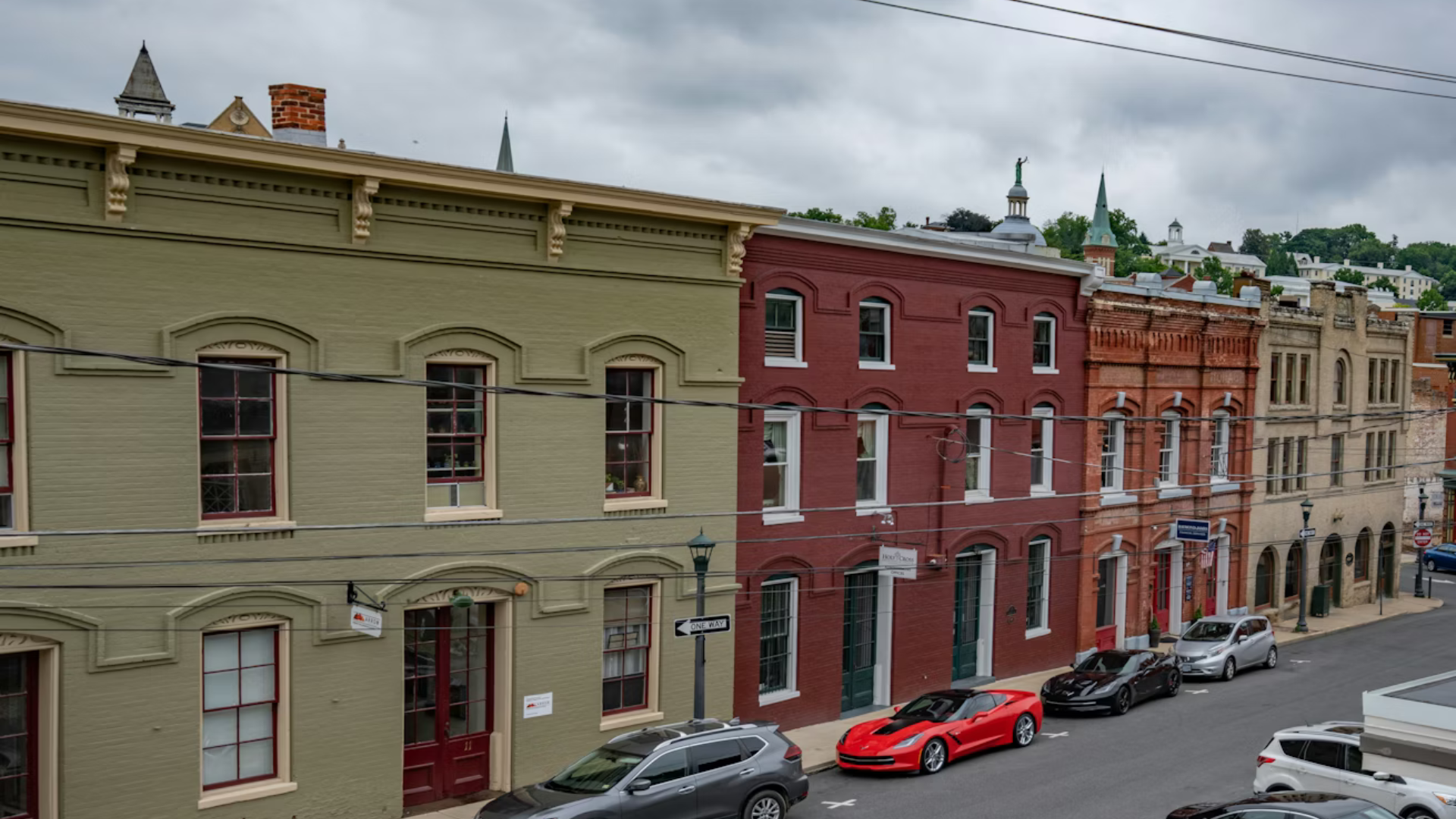
Staunton (pronounced Stanton) is a small city in the Shenandoah Valley of Virginia, with a population of around 25,000. It sits at the junction of two major historic routes through the Valley, and its downtown preserves five distinct historic districts representing different periods of the city's development from the colonial era through the early twentieth century. Staunton is the birthplace of Woodrow Wilson, and the Woodrow Wilson Presidential Library and Museum is one of the more thorough presidential museums in the country for a lesser-visited president. The American Shakespeare Center operates the Blackfriars Playhouse in downtown Staunton, a re-creation of Shakespeare's indoor theater in London, which presents year-round performances using Elizabethan staging conventions.

Best Season to Visit: Spring and fall are ideal for combining downtown exploration with outdoor activities in the surrounding Shenandoah Valley. Summer brings reliable programming at the Blackfriars Playhouse and good conditions for hiking on the nearby Blue Ridge.

Traveler Tip: The Blackfriars Playhouse performances use original staging practices including universal lighting, direct audience address, and period music. Booking in advance is recommended, as the theater is small and popular productions sell out.

Must-Know: Staunton is located on I-81 in the Shenandoah Valley, making it a genuinely convenient stop for travelers driving between the Mid-Atlantic and the South rather than a detour destination. Its accessibility from the interstate is one reason it rewards stopping for a night or two rather than passing through.


Comments (0)

Leave a Reply

No comments yet. Be the first to share your thoughts!