Travel Destination

17 Most Visited Attractions Across Germany, Ranked

Liam Parker
4.3
April 20, 2026

Germany is often remembered for its big-name highlights like Berlin’s landmarks, Munich’s festivals, and fairytale castles in Bavaria. But experienced travelers usually point to something different: the quieter, more atmospheric places that reveal the country’s real character. These are towns where medieval streets are still lived in, rivers that wind through vineyard-covered valleys, forests hiding centuries-old castles, and cities that feel authentic rather than staged for tourism.

What makes Germany especially rewarding to explore is its contrast. You can move from dramatic alpine scenery in the south to peaceful coastal islands in the north, or from industrial heritage sites to perfectly preserved medieval centers within a few hours. Many of the most memorable places are not the most famous ones, but those that feel unexpectedly personal and grounded in everyday life.
1. Bamberg
© Unsplash / Siegfried Poepperl

1. Bamberg

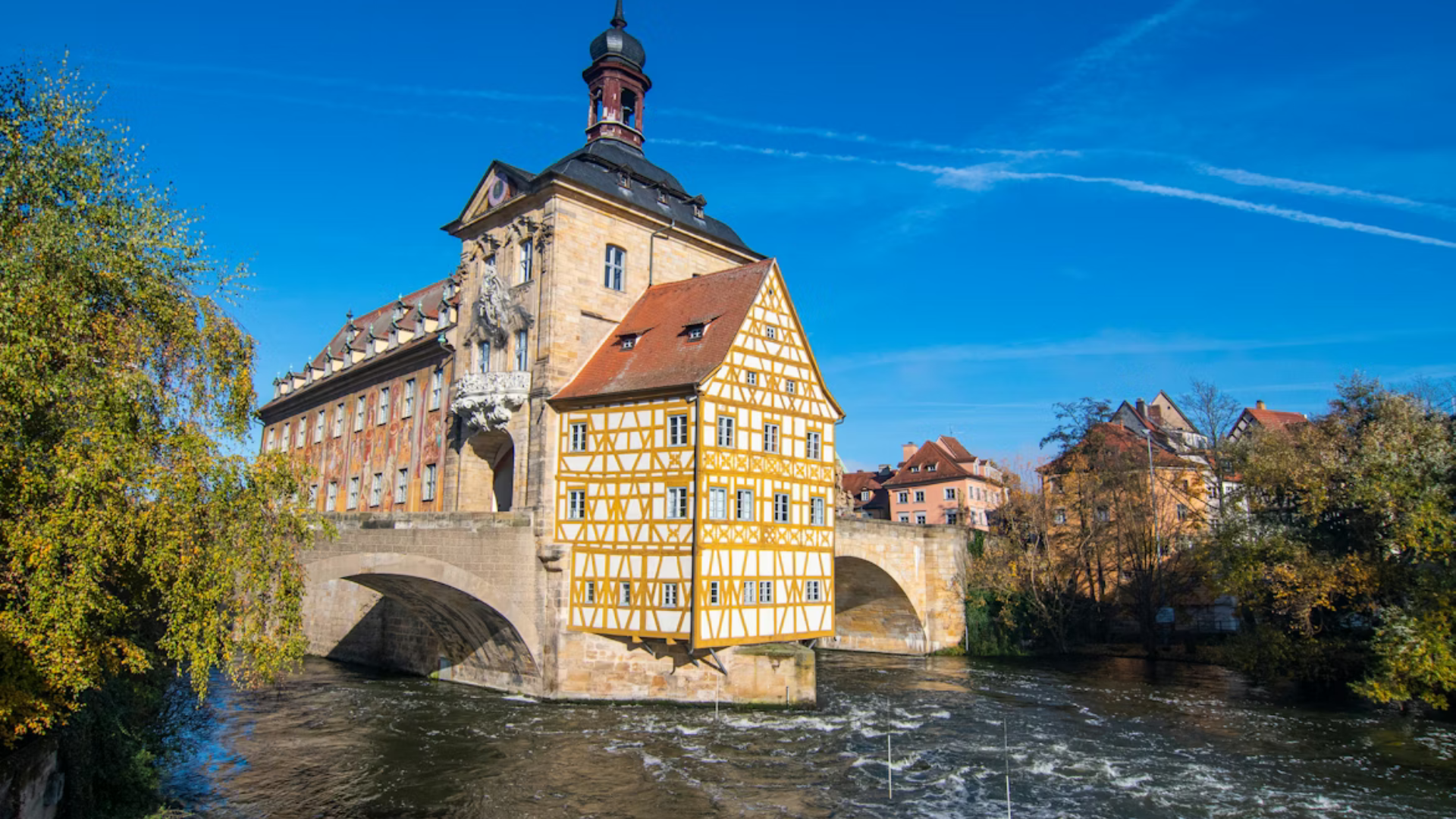
Bamberg is a beautifully preserved medieval town in Bavaria, built across seven hills and divided by canals. Its old town is a UNESCO World Heritage Site, filled with narrow lanes, historic churches, and traditional half-timbered houses. One of its most unique features is the “Old Town Hall,” dramatically built on an island in the middle of a river.

The city is also known for its distinctive smoked beer, which reflects centuries-old brewing traditions. Bamberg feels authentic and lived-in, offering a quieter alternative to larger Bavarian cities.

• Best Season to Visit: April to October

• Ideal Visiting Hours: Morning for walking tours

• Traveler Tip: Try local smoked beer in traditional taverns

• Must-Know: The old town is best explored on foot

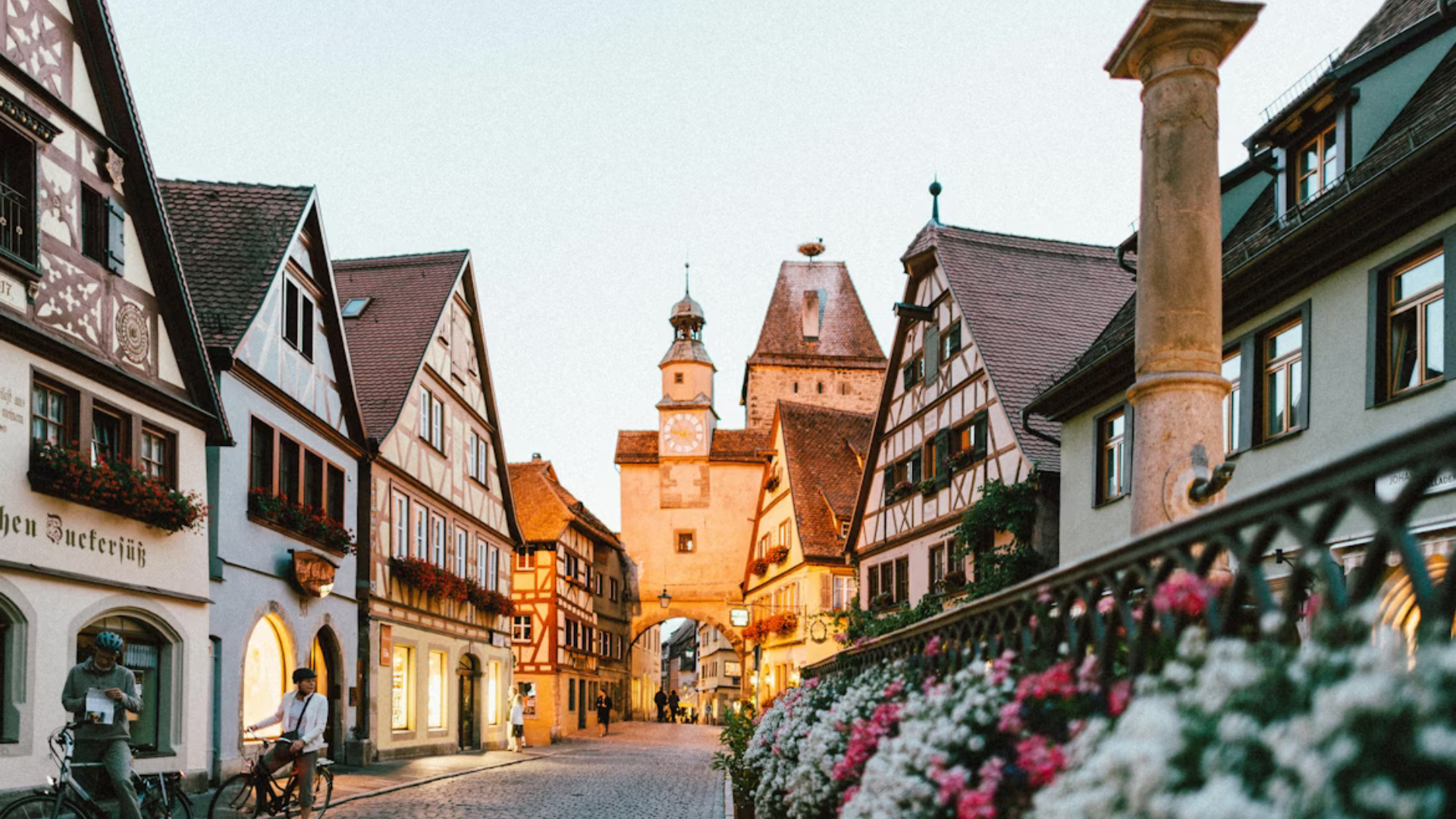
2. Rothenburg ob der Tauber
© Unsplash / Roman Kraft

2. Rothenburg ob der Tauber

Rothenburg ob der Tauber is one of Germany’s most iconic medieval towns, famous for its intact city walls and colorful old houses. Walking through its cobblestone streets feels like stepping into a preserved version of the Middle Ages.

Although popular, it still offers a strong sense of atmosphere, especially early in the morning or after day-trippers leave.

• Best Season to Visit: April to December (especially Christmas season)

• Ideal Visiting Hours: Early morning or evening

• Traveler Tip: Walk the city walls for panoramic views

• Must-Know: Can get crowded during peak hours

3. Eltz Castle
© burg

3. Eltz Castle

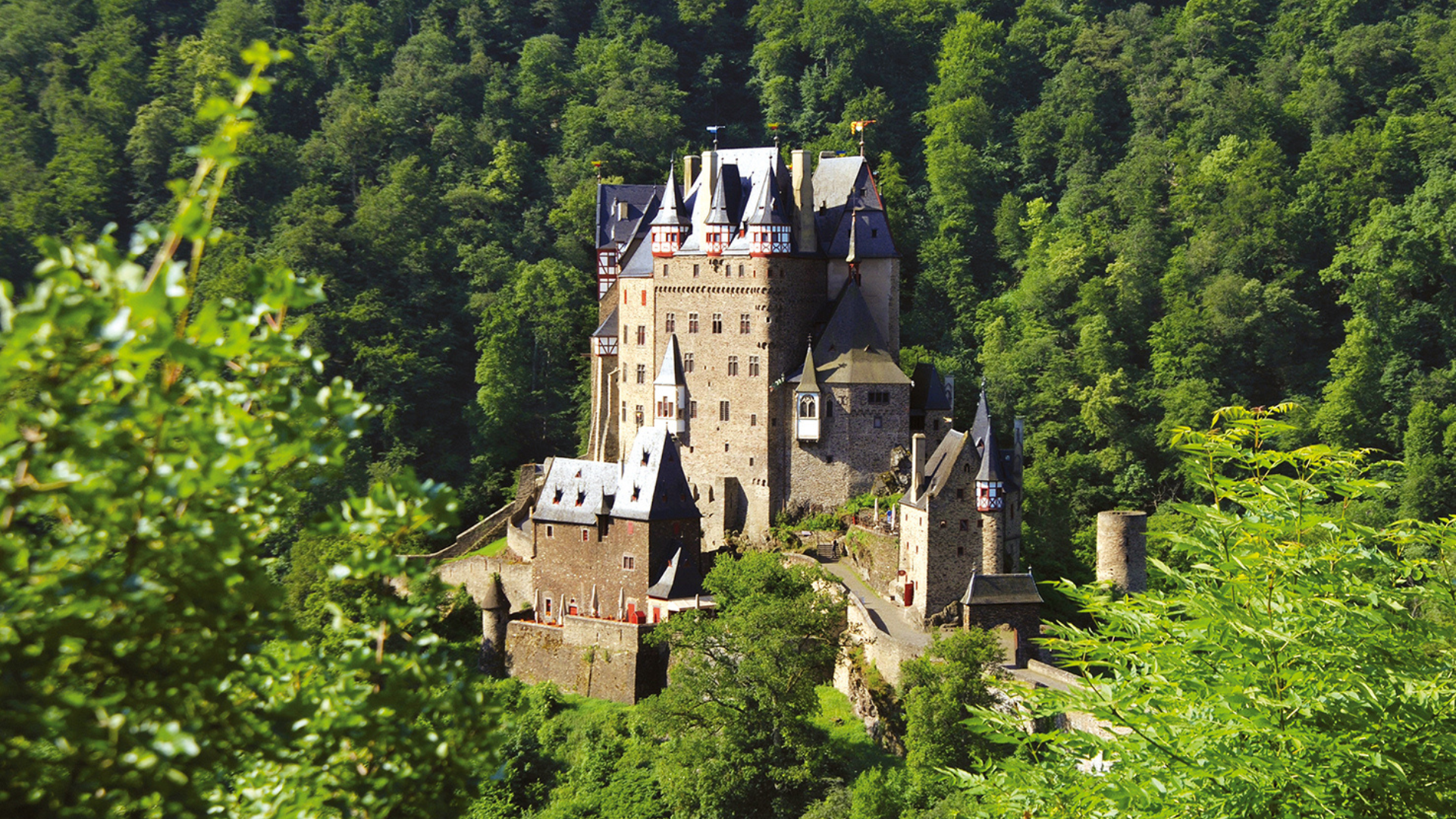
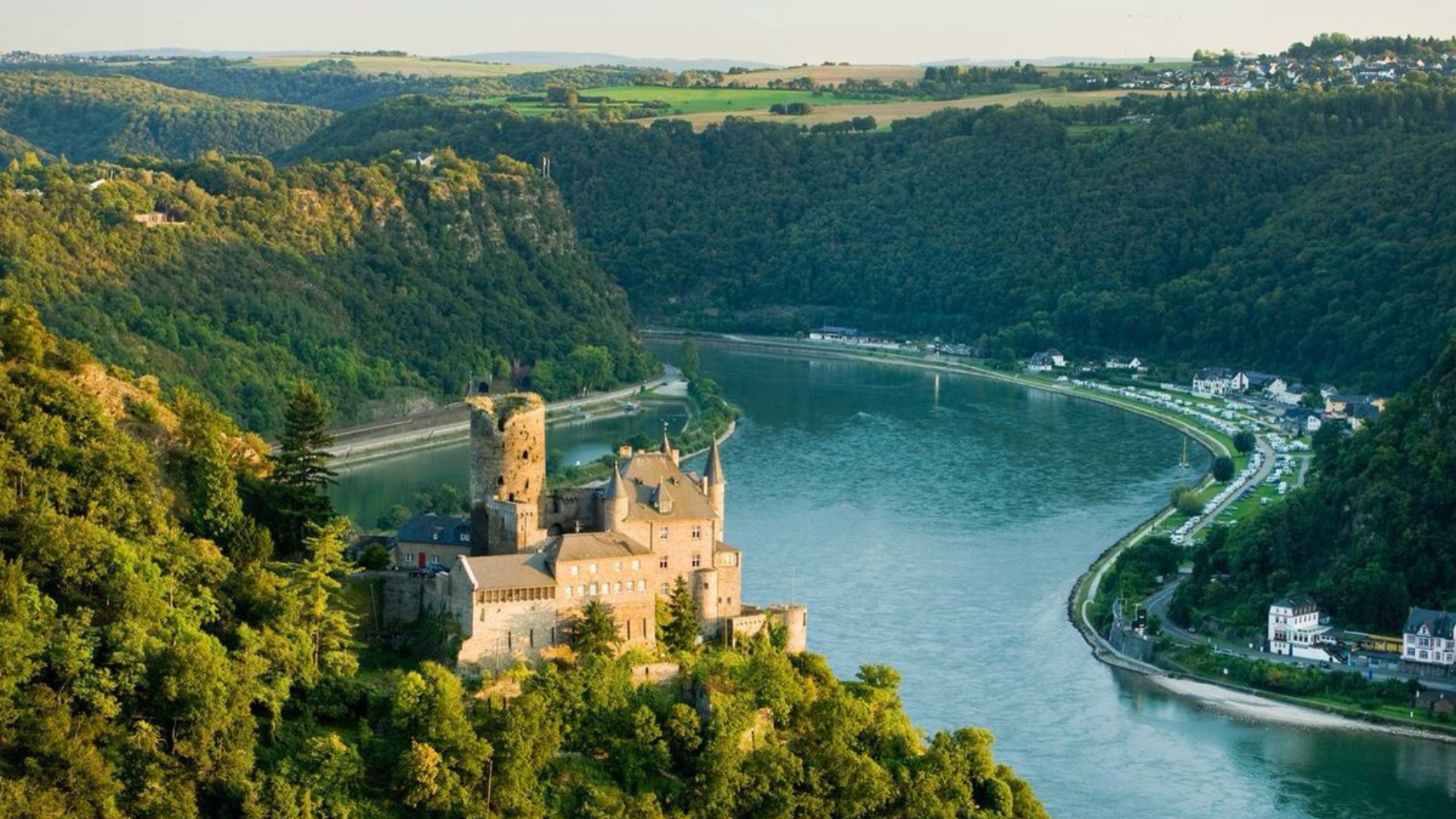
Eltz Castle is hidden in a forested valley near the Moselle River and is considered one of Germany’s most picturesque castles. Unlike many rebuilt castles, it has remained largely unchanged for centuries and is still owned by the same family.

The walk through the forest to reach the castle adds to its fairytale atmosphere.

• Best Season to Visit: April to October

• Ideal Visiting Hours: Morning

• Traveler Tip: Combine visit with nearby hiking trails

• Must-Know: Short walk required from parking area

4. Regensburg
© Unsplash / Leonhard Niederwimmer

4. Regensburg

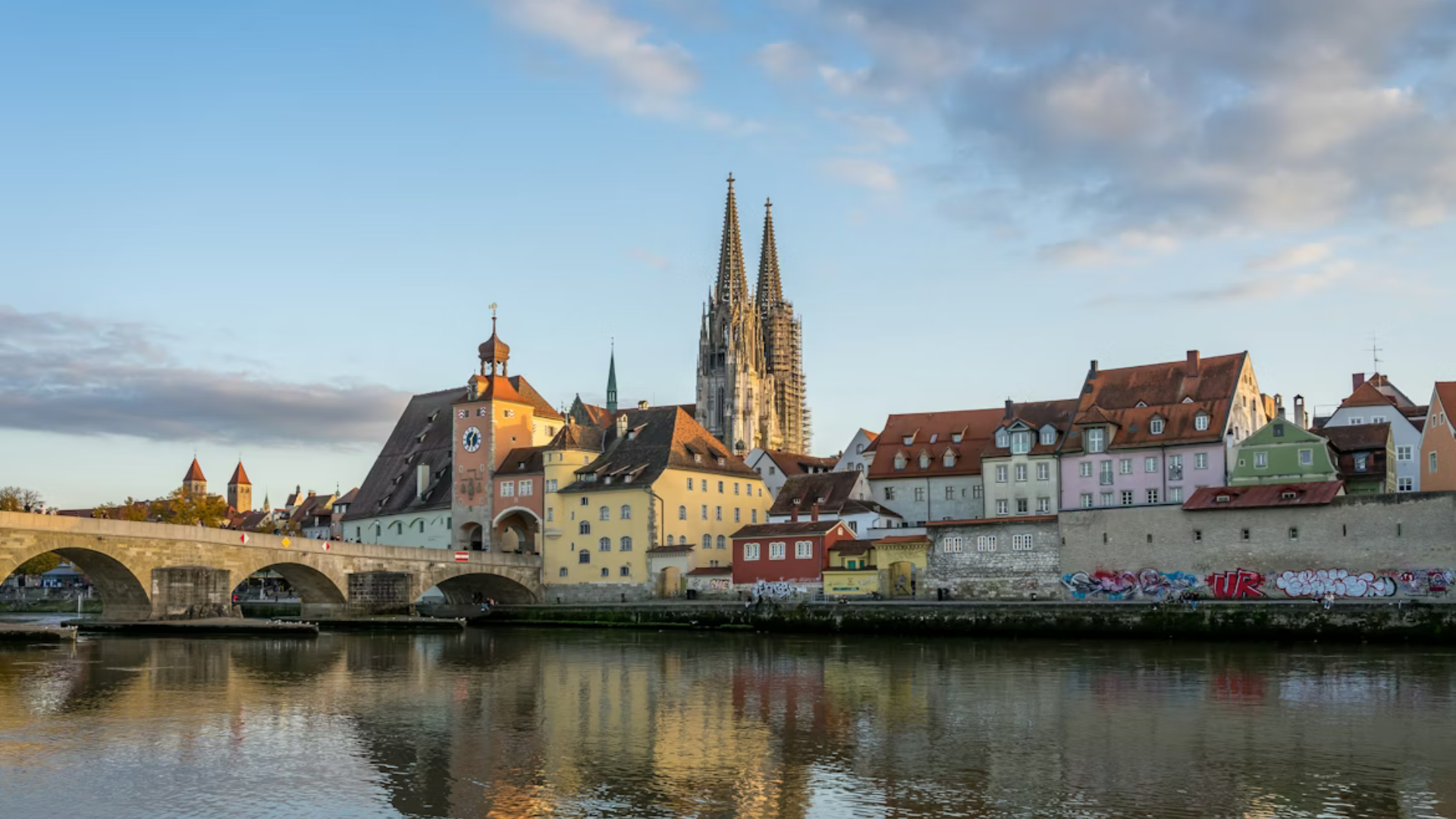
Regensburg sits along the Danube River and features one of the best-preserved medieval city centers in Germany. Its Stone Bridge, Roman ruins, and Gothic cathedral highlight its long history.

Despite its significance, it remains less crowded than many major German cities.

• Best Season to Visit: May to September

• Ideal Visiting Hours: Afternoon and evening

• Traveler Tip: Walk across the Stone Bridge at sunset

• Must-Know: Entire old town is a UNESCO site

5. Erfurt
© Pexels / Cathy B

5. Erfurt

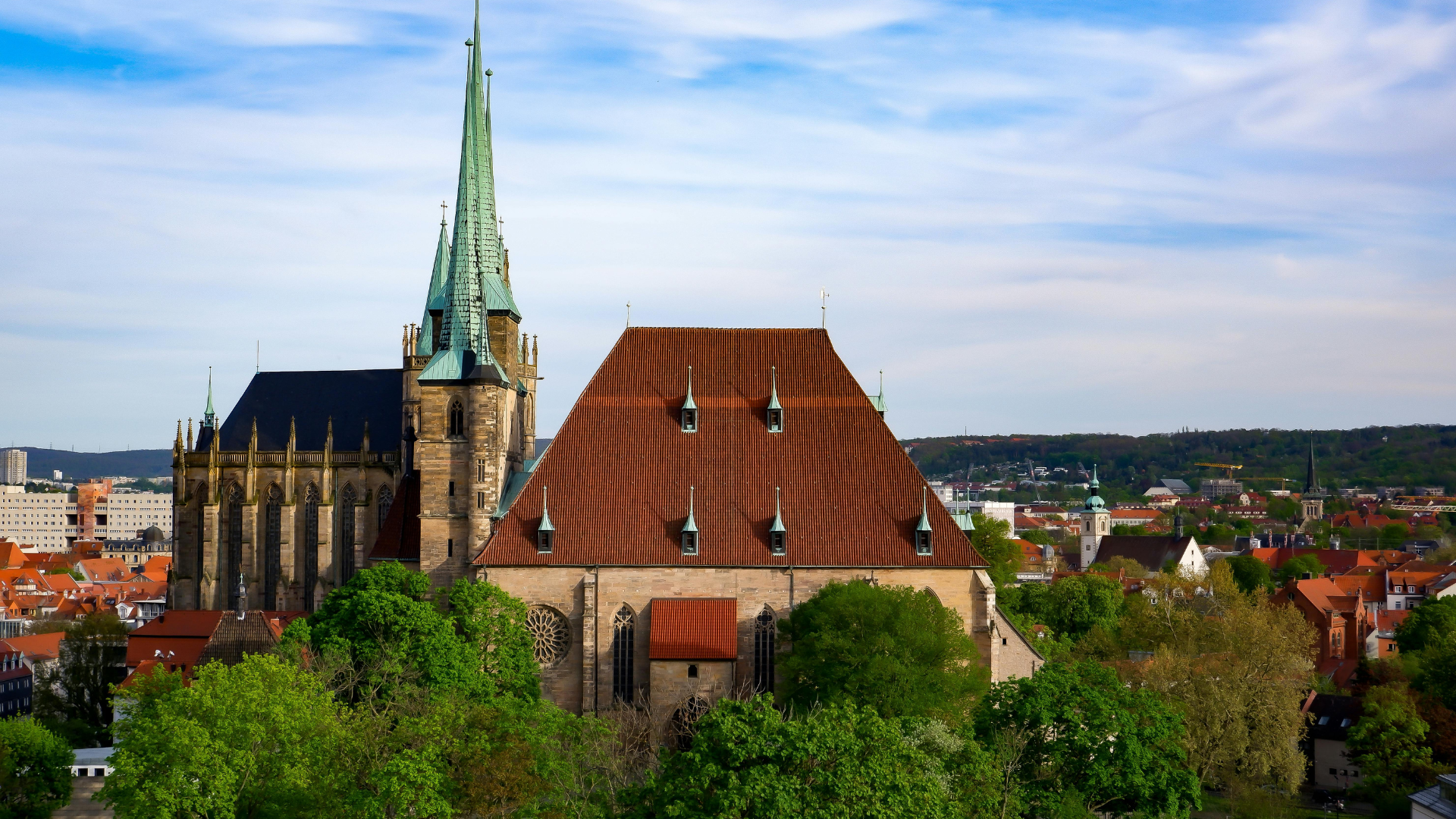
Erfurt is a charming city in central Germany with a medieval old town and one of Europe’s most unusual bridges lined with inhabited buildings. Its mix of history and quiet atmosphere makes it highly underrated.

The city feels local and relaxed compared to more tourist-heavy destinations.

• Best Season to Visit: April to October

• Ideal Visiting Hours: Morning

• Traveler Tip: Explore Krämerbrücke bridge shops

• Must-Know: Compact and easy to explore

6. Rügen Island
© Pinterest / Tuende F

6. Rügen Island

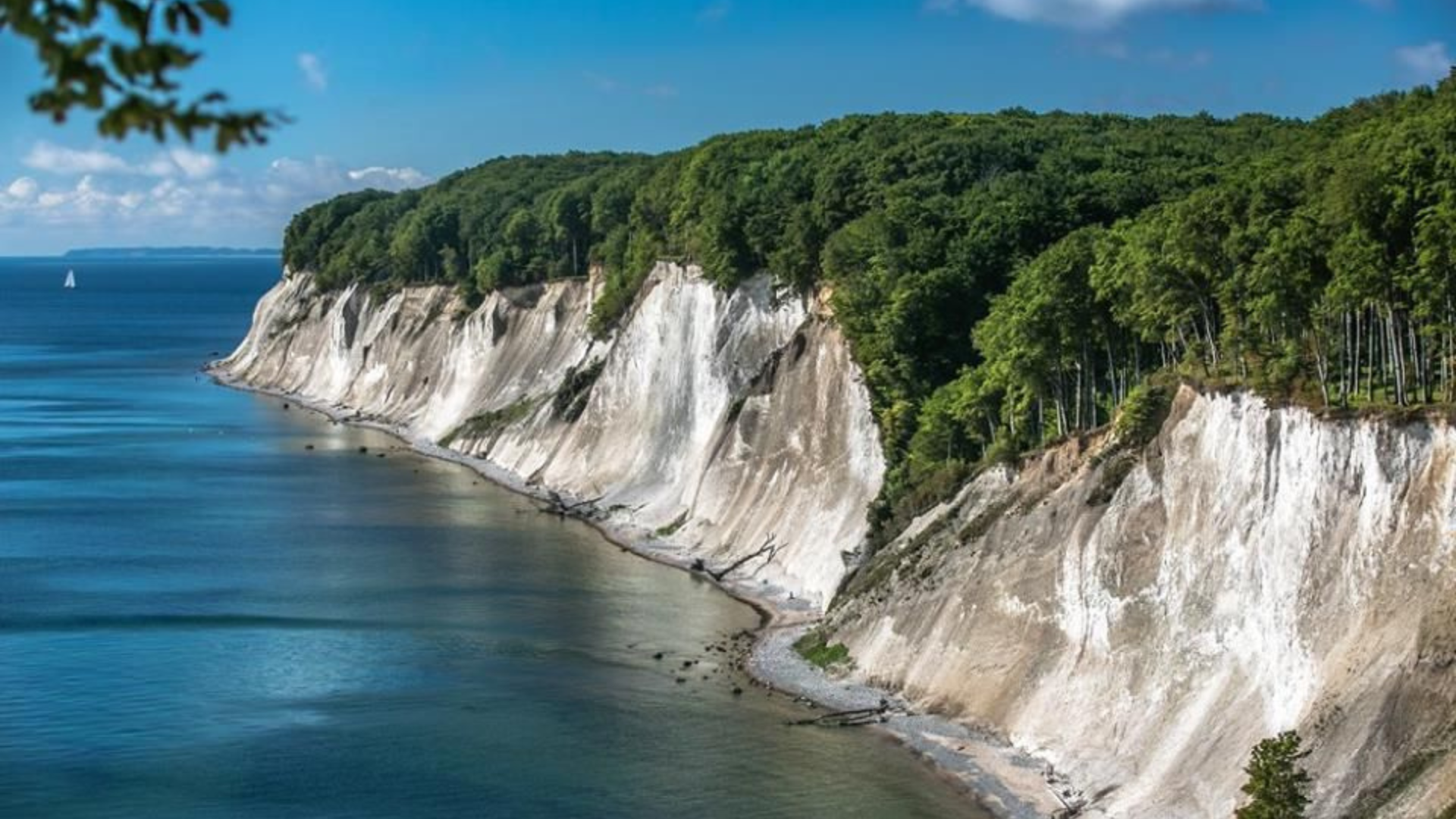
Rügen is Germany’s largest island, located in the Baltic Sea. It is known for its white chalk cliffs, sandy beaches, and peaceful coastal scenery.

Unlike inland cities, Rügen offers open landscapes and a slower pace, making it ideal for nature-focused travel.

• Best Season to Visit: May to September

• Ideal Visiting Hours: Daytime

• Traveler Tip: Visit Jasmund National Park cliffs

• Must-Know: Weather changes quickly near the coast

7. Monschau
© Unsplash / Ingmar

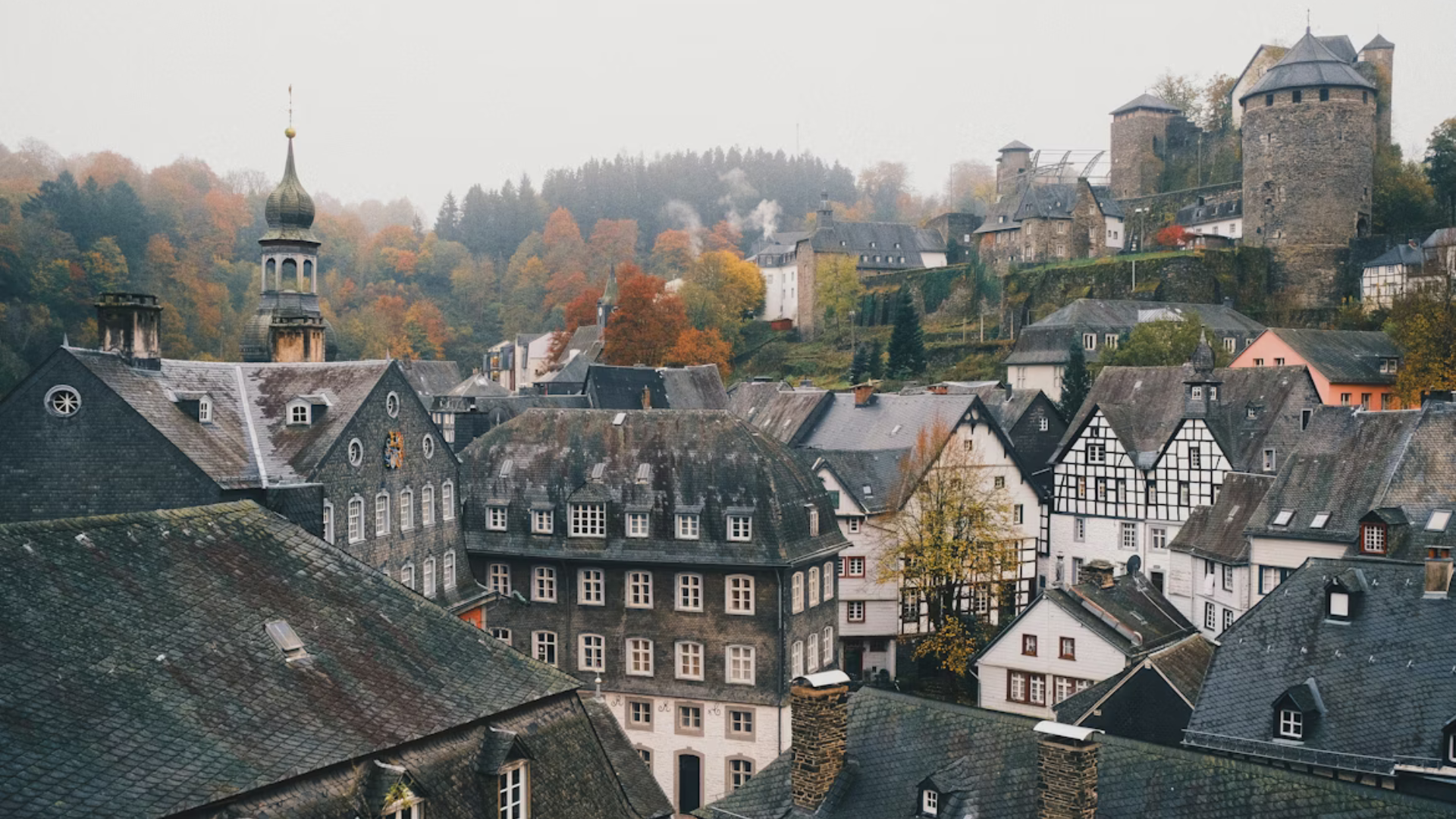
7. Monschau

Monschau is a small town in western Germany with narrow streets, wooden houses, and a river running through its center. It feels almost unchanged by time.

Surrounded by forested hills, it offers a quiet escape for travelers looking for something peaceful and scenic.

• Best Season to Visit: April to December

• Ideal Visiting Hours: Late afternoon

• Traveler Tip: Stay overnight for a better experience

• Must-Know: Small town, easy to explore quickly

8. Freiburg im Breisgau
© Unsplash / Kankan

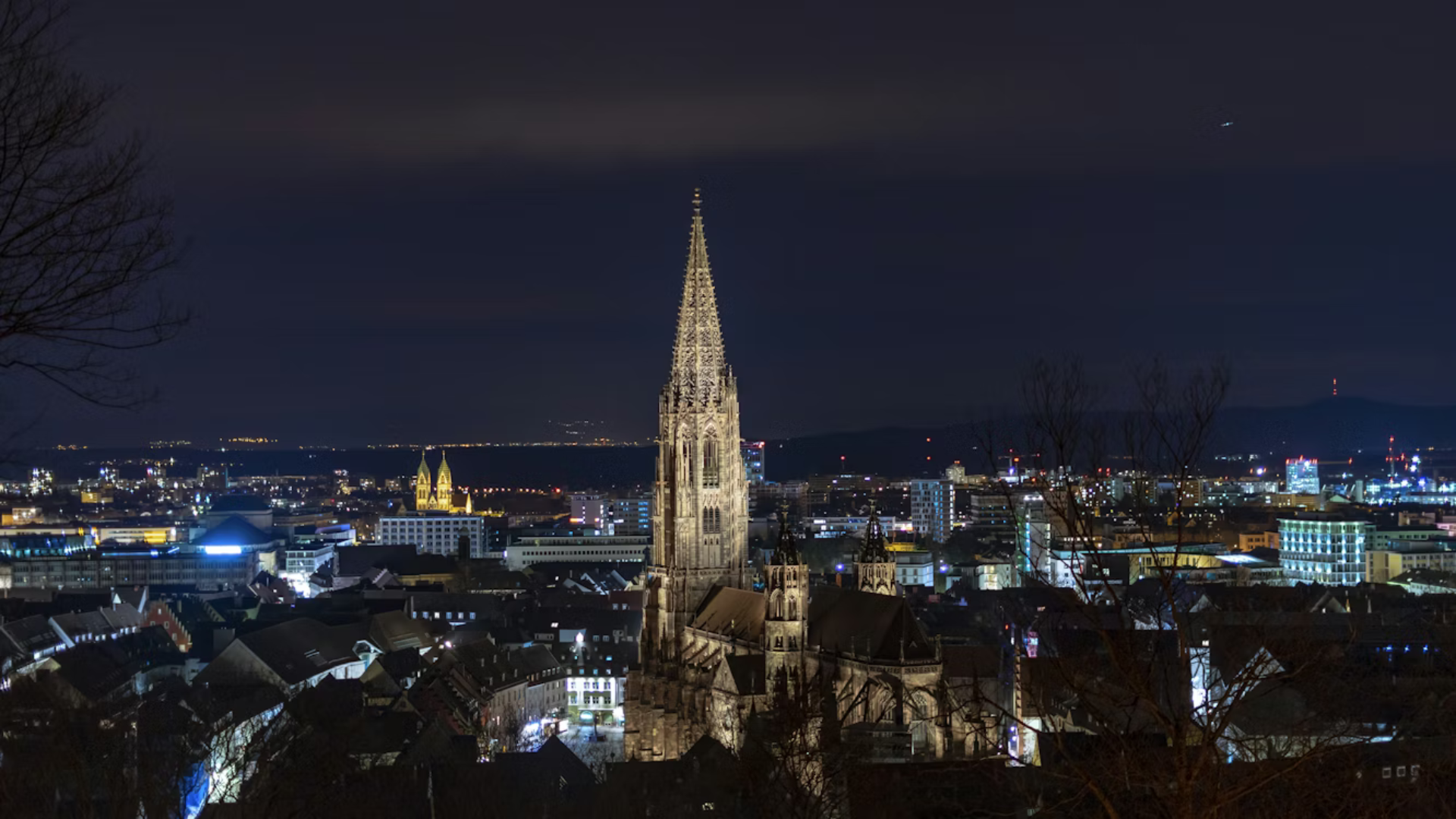
8. Freiburg im Breisgau

Freiburg is a sunny university city near the Black Forest, known for its relaxed lifestyle and historic old town. Small water canals run through its streets, adding charm to its medieval core.

It is also a great base for exploring nearby nature areas.

• Best Season to Visit: May to September

• Ideal Visiting Hours: Afternoon and evening

• Traveler Tip: Walk along the old town canals

• Must-Know: One of Germany’s warmest cities

9. Neckar Valley
© Pinterest

9. Neckar Valley

The Neckar Valley features vineyards, river landscapes, and castle ruins scattered along its winding route. It is ideal for scenic drives and cycling trips.

Small towns along the river offer quiet stops and local wine culture.

• Best Season to Visit: April to October

• Ideal Visiting Hours: Daytime

• Traveler Tip: Explore by bike for best views

• Must-Know: Many castles overlook the river

10. Quedlinburg
© Pexels / Siegfried Poepperl

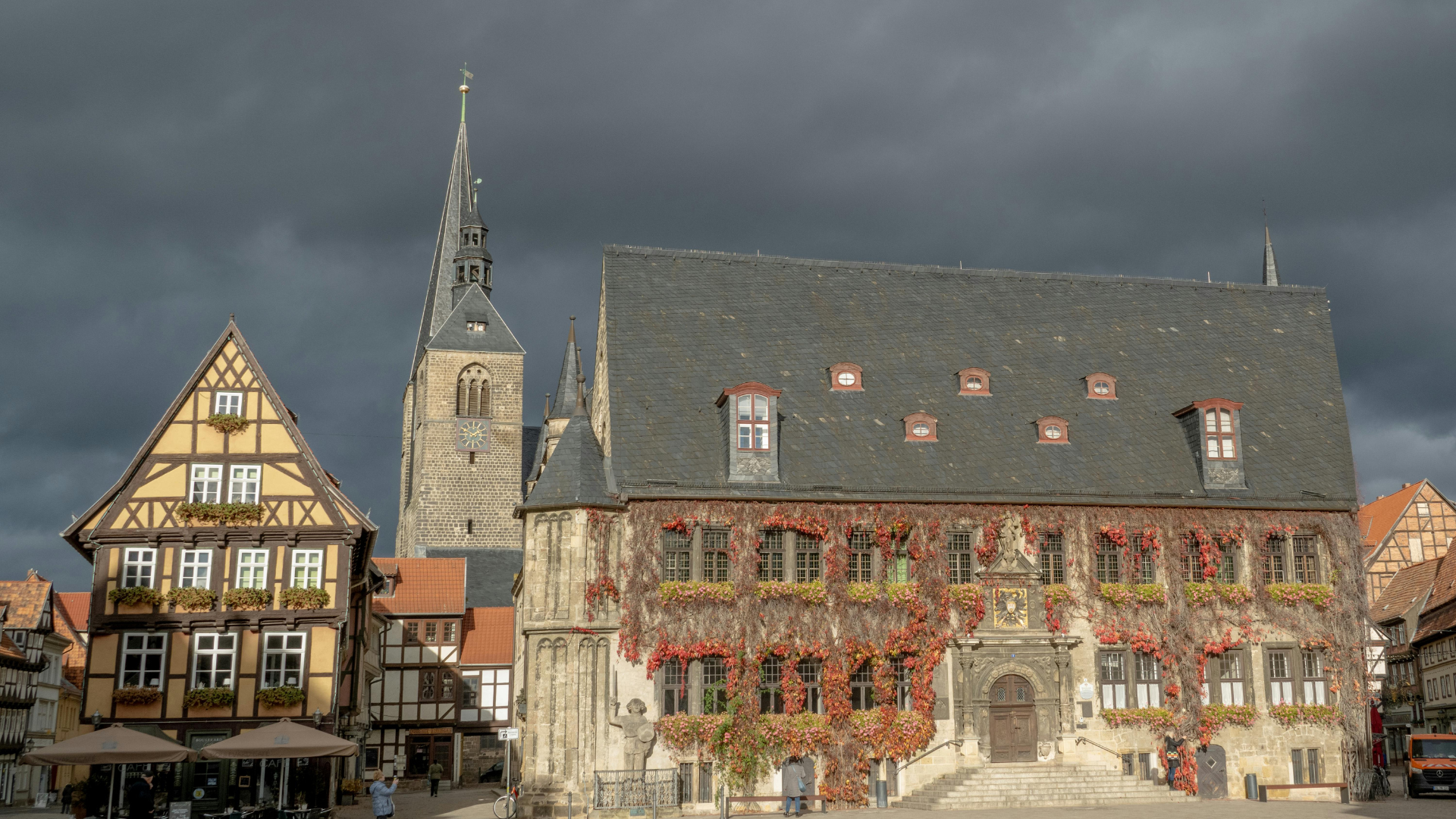
10. Quedlinburg

Quedlinburg is a UNESCO-listed town with more than a thousand half-timbered houses. Its medieval streets are among the most authentic in Germany.

The town has a quiet, almost untouched atmosphere that reflects centuries of preserved history.

• Best Season to Visit: April to October

• Ideal Visiting Hours: Morning

• Traveler Tip: Visit castle hill viewpoint

• Must-Know: One of Germany’s oldest towns

11. Görlitz
© Pexels / Anh Nguyen

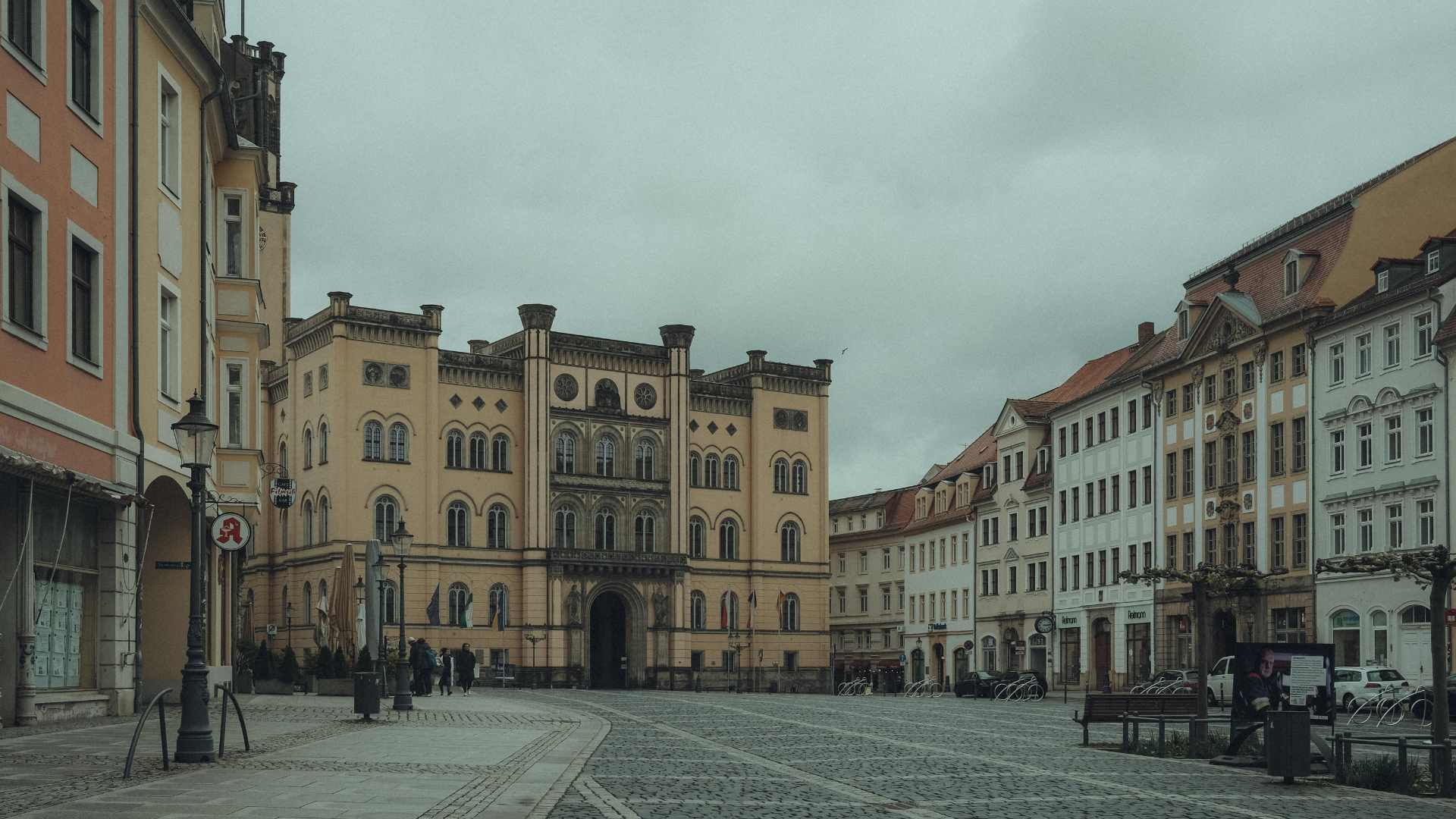
11. Görlitz

Görlitz sits on the border with Poland and is known for its perfectly preserved architecture. It has been used as a filming location for historical movies due to its authentic appearance.

The town feels like a living museum without feeling artificial.

• Best Season to Visit: May to September

• Ideal Visiting Hours: Afternoon

• Traveler Tip: Walk across the border bridge

• Must-Know: Very well preserved historic center

12. Würzburg
© Unsplash / Mateo Krossler

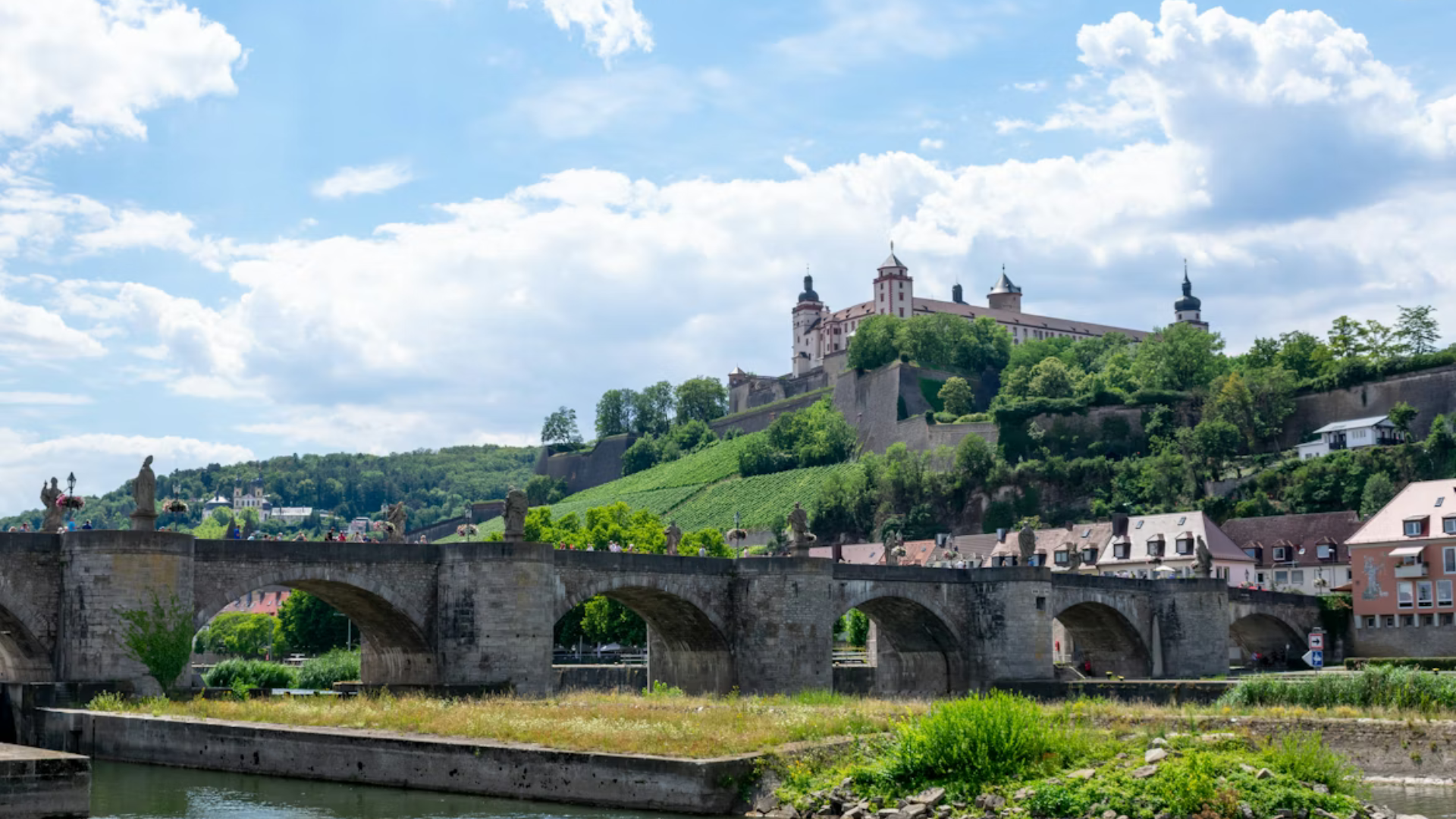
12. Würzburg

Würzburg lies in the Franconia wine region and combines baroque architecture with vineyard-covered hills. The Würzburg Residence is one of the most important palaces in Germany.

The city has a relaxed cultural atmosphere shaped by wine traditions.

• Best Season to Visit: May to October

• Ideal Visiting Hours: Evening

• Traveler Tip: Try local Franconian wines

• Must-Know: Strong wine culture

13. Saarschleife
© Unsplash / Thibault Milan

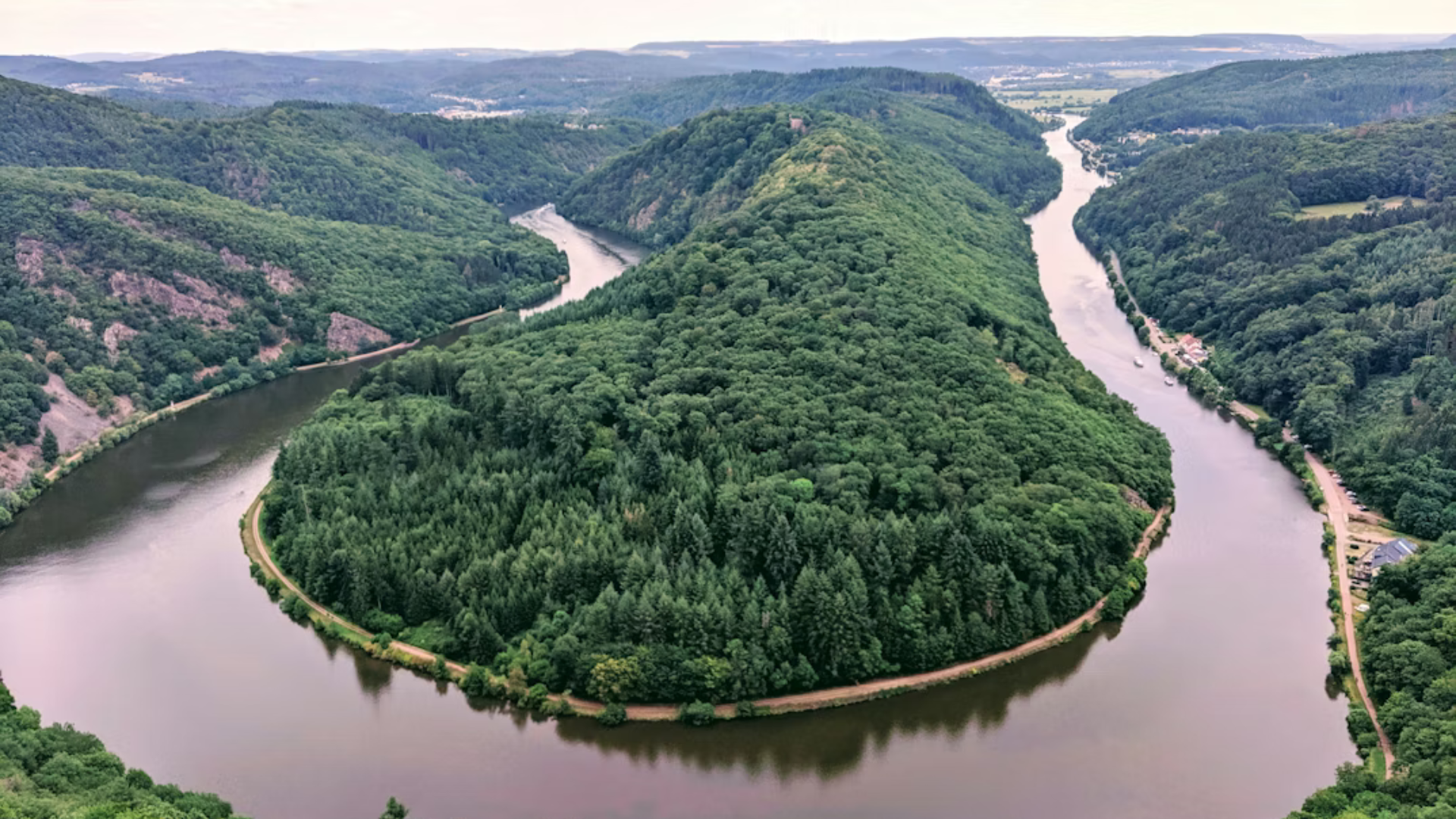
13. Saarschleife

Saarschleife is a dramatic river bend where the Saar River forms a perfect horseshoe shape. A viewpoint above the forest offers one of Germany’s most photographed natural scenes.

It is especially popular with hikers and photographers.

• Best Season to Visit: April to October

• Ideal Visiting Hours: Sunrise or sunset

• Traveler Tip: Hike to Cloef viewpoint

• Must-Know: Short uphill walk required

14. Spreewald
© Pexels / Walters Photos

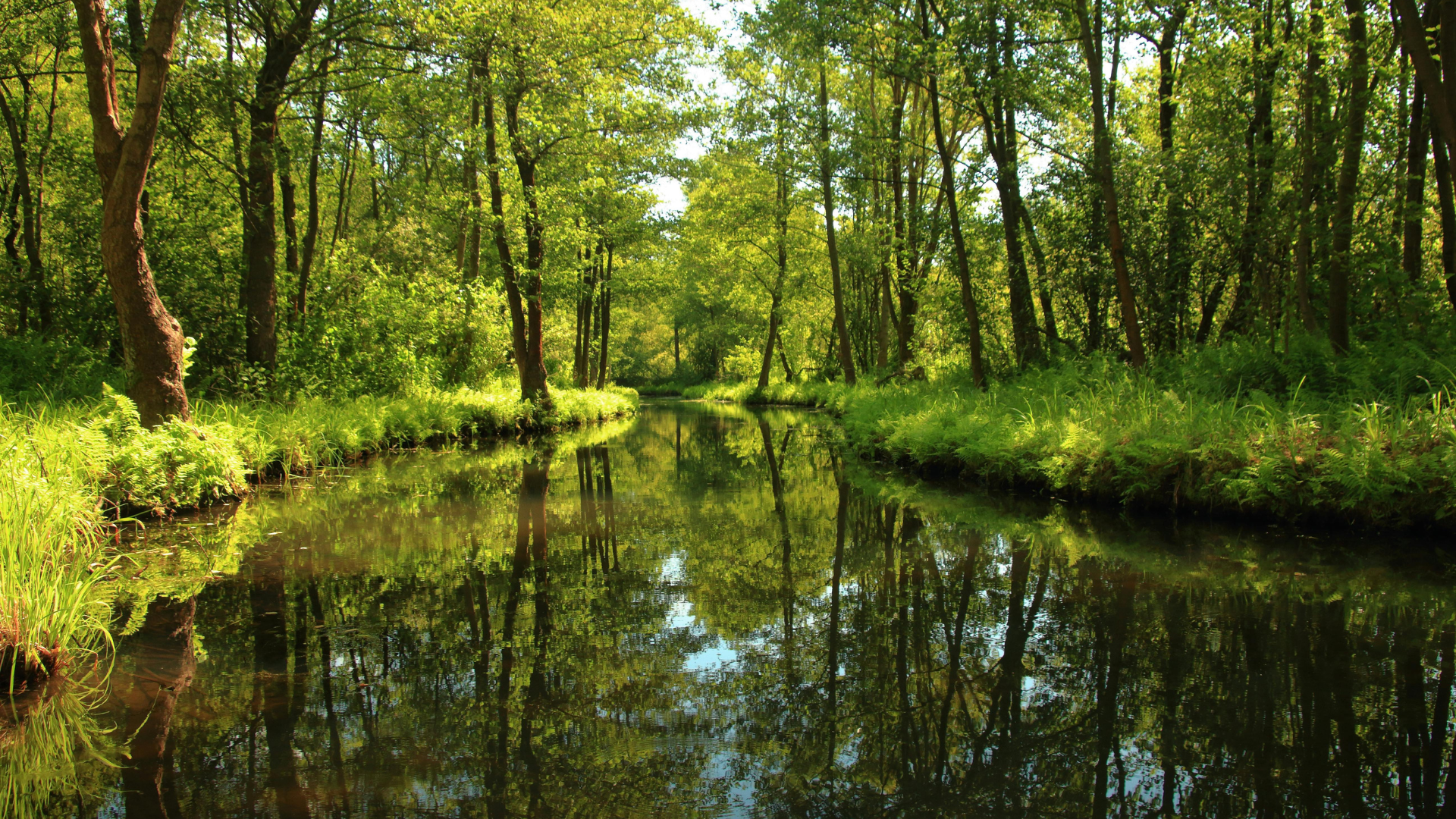
14. Spreewald

Spreewald is a unique forested wetland near Berlin, filled with canals instead of roads. Traditional boats are still used for transport in some areas.

It offers a peaceful nature escape close to the capital.

• Best Season to Visit: May to September

• Ideal Visiting Hours: Daytime boat rides

• Traveler Tip: Take a guided canoe tour

• Must-Know: UNESCO biosphere reserve

15. Wuppertal
© Pexels / Jakub Zerdzicki

15. Wuppertal

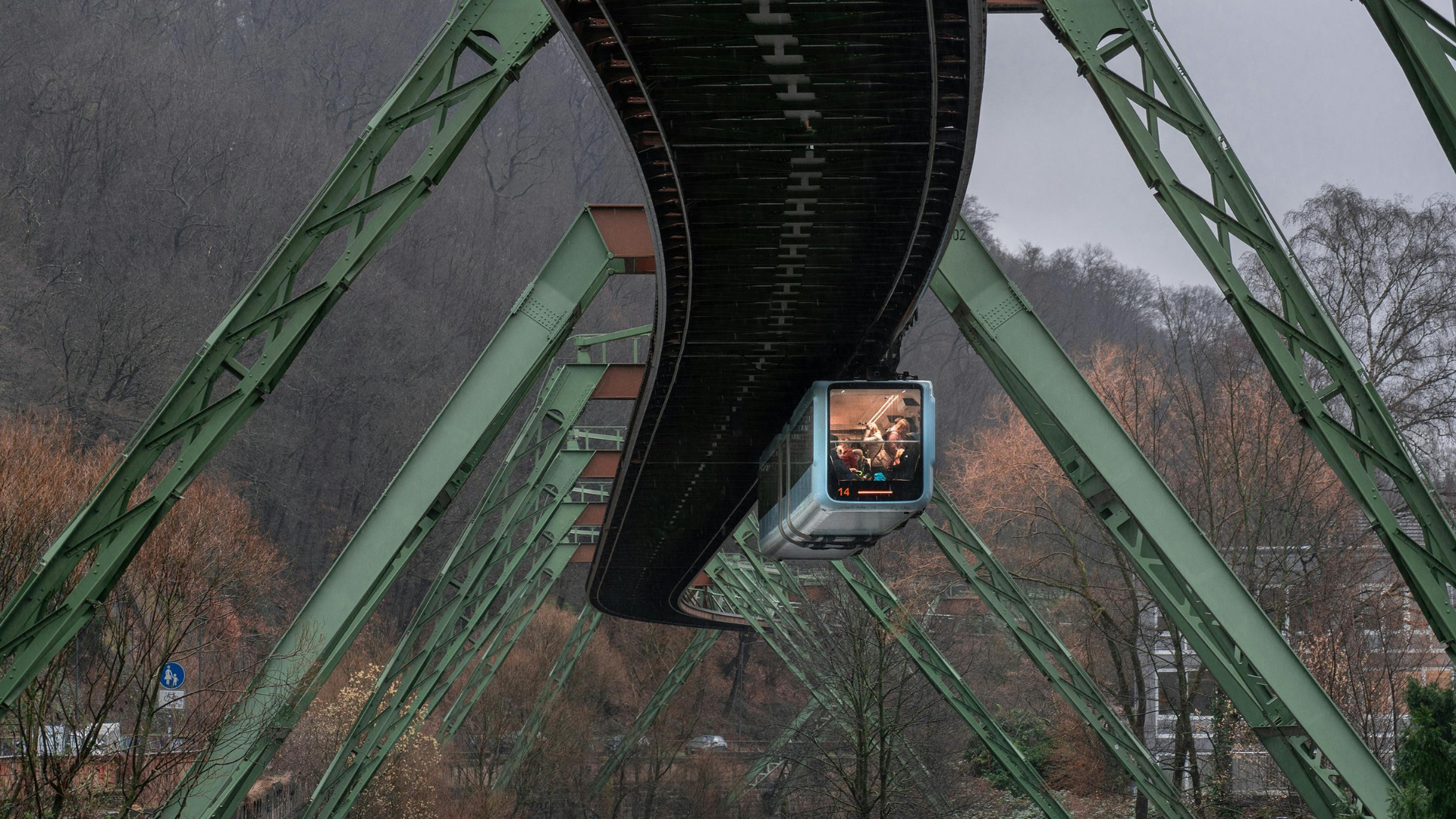
Wuppertal is famous for its suspended monorail that runs above the city streets. The system is still in daily use and offers a unique way to see the city.

The city also has parks, museums, and industrial heritage sites.

• Best Season to Visit: April to October

• Ideal Visiting Hours: Afternoon

• Traveler Tip: Ride the suspended train system

• Must-Know: Functional public transport system

16. Hohenzollern Castle
© Unsplash / Marvin Langer

16. Hohenzollern Castle

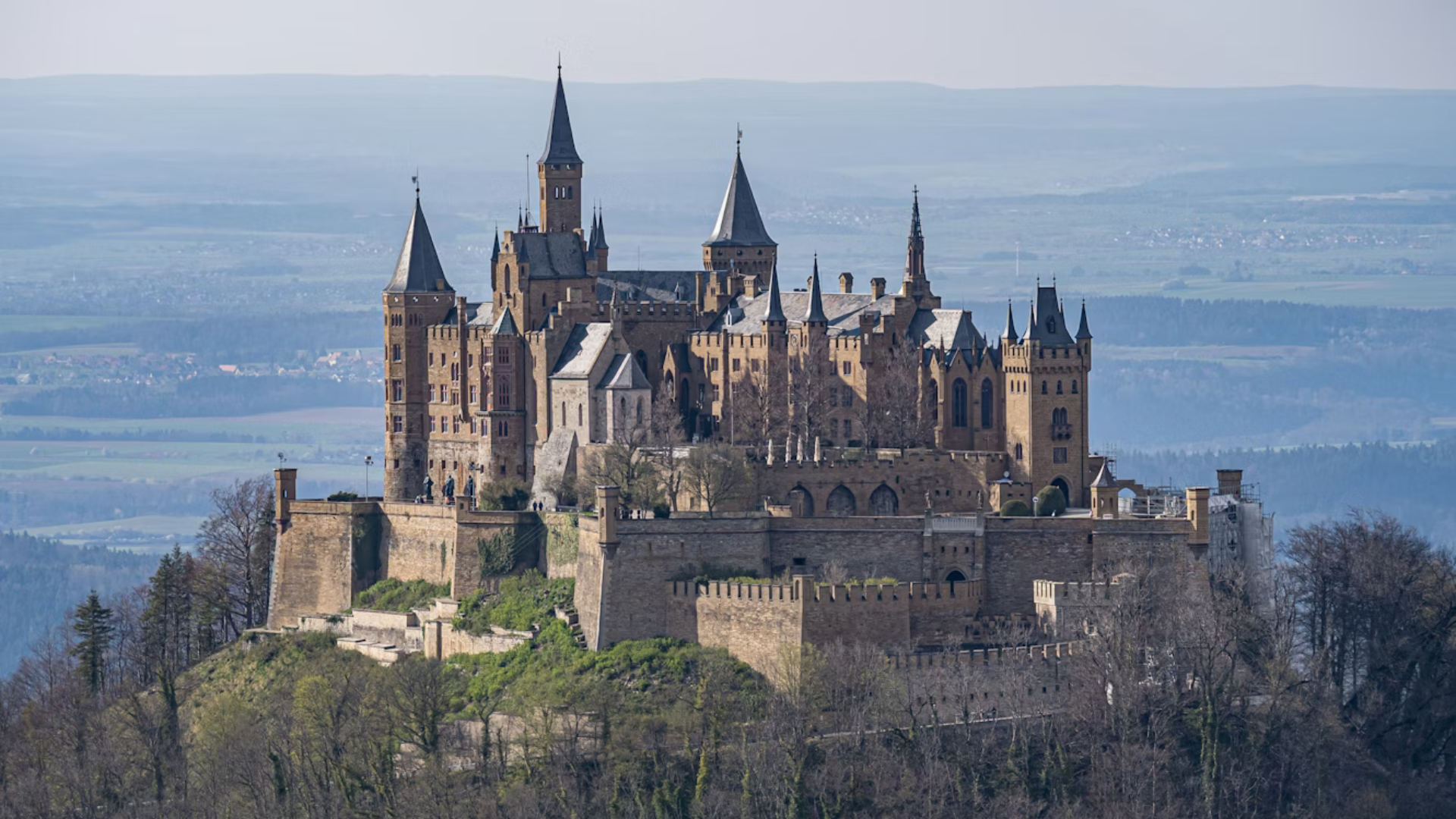
Hohenzollern Castle sits high on a mountain and offers panoramic views across the surrounding region. It is one of Germany’s most visually impressive castles.

The castle reflects centuries of royal history and has been rebuilt multiple times.

• Best Season to Visit: April to October

• Ideal Visiting Hours: Morning

• Traveler Tip: Expect a steep walk or shuttle

• Must-Know: Views depend on clear weather

17. Eibsee
© Unsplash / Darko Nesic

17. Eibsee

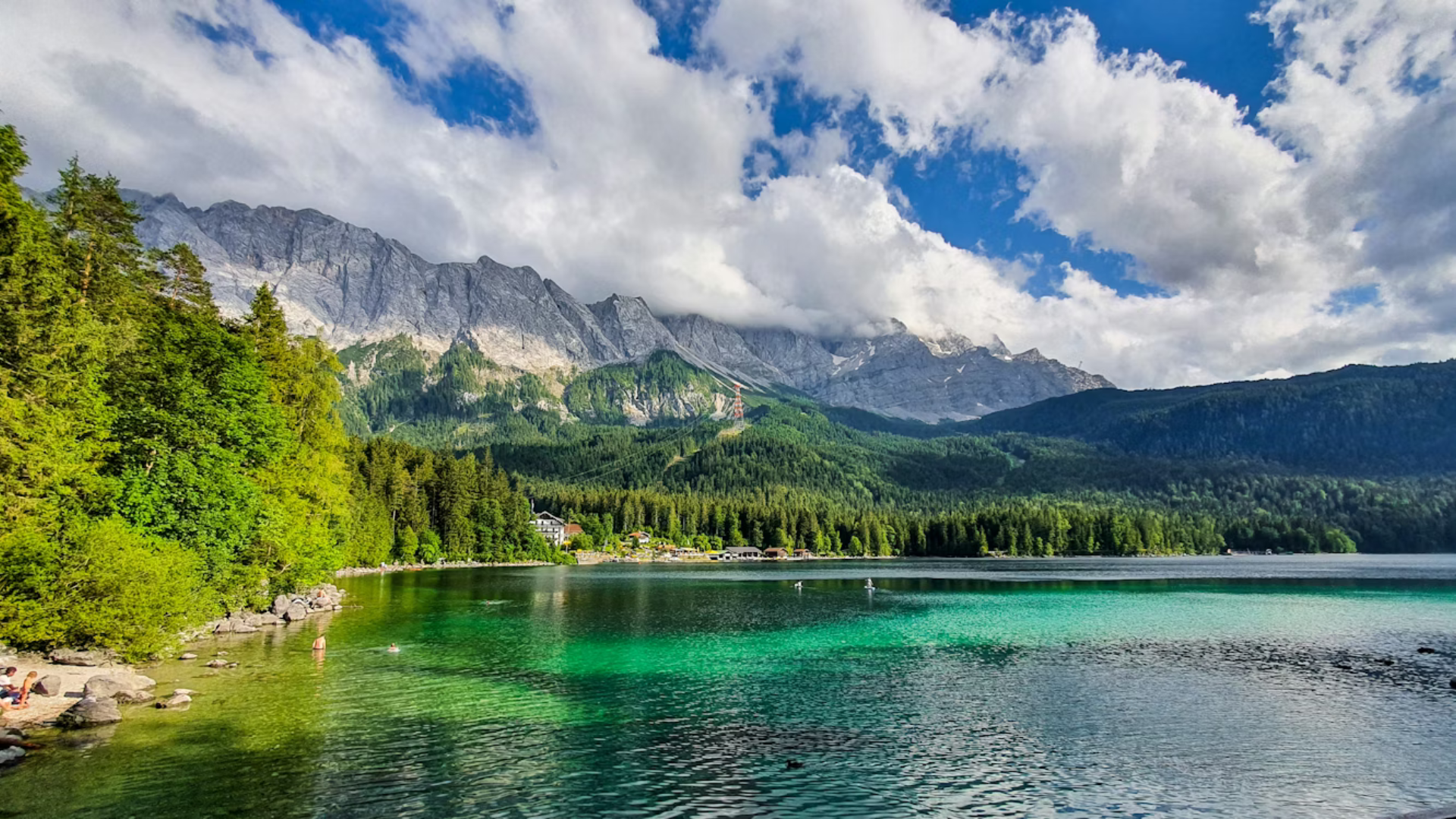
Eibsee is a stunning alpine lake located near Germany’s highest mountain, Zugspitze. Its turquoise water and mountain backdrop create one of the most scenic landscapes in the country.

It is ideal for hiking, photography, and relaxed lake walks.

• Best Season to Visit: May to September

• Ideal Visiting Hours: Midday

• Traveler Tip: Walk the full loop trail

• Must-Know: Water stays very cold year-round


Comments (0)

Leave a Reply

No comments yet. Be the first to share your thoughts!