Travel Destination

15 Spanish destinations known for their culture, history, and cuisine

Julian Cross
5.0
May 03, 2026

Spain is one of Europe’s most visited countries, known for its rich history, diverse regions, and wide range of travel experiences. From historic imperial cities and Moorish architecture to Mediterranean beaches and modern cultural hubs, Spain offers something for almost every type of traveler. It is a country where ancient traditions and contemporary lifestyles exist side by side, making it especially rewarding for those who enjoy cultural exploration.

What makes Spain particularly unique is its regional diversity. Each area has its own identity, shaped by language, cuisine, climate, and history. The vibrant streets of Barcelona feel very different from the royal atmosphere of Madrid or the traditional Andalusian charm of Seville. This variety allows travelers to experience multiple “versions” of Spain within a single trip.

This guide explores the top places to visit in Spain and highlights the best tourist attractions in Spain, along with practical travel details and realistic tips to help you plan a smooth and well-informed journey.
1. Barcelona
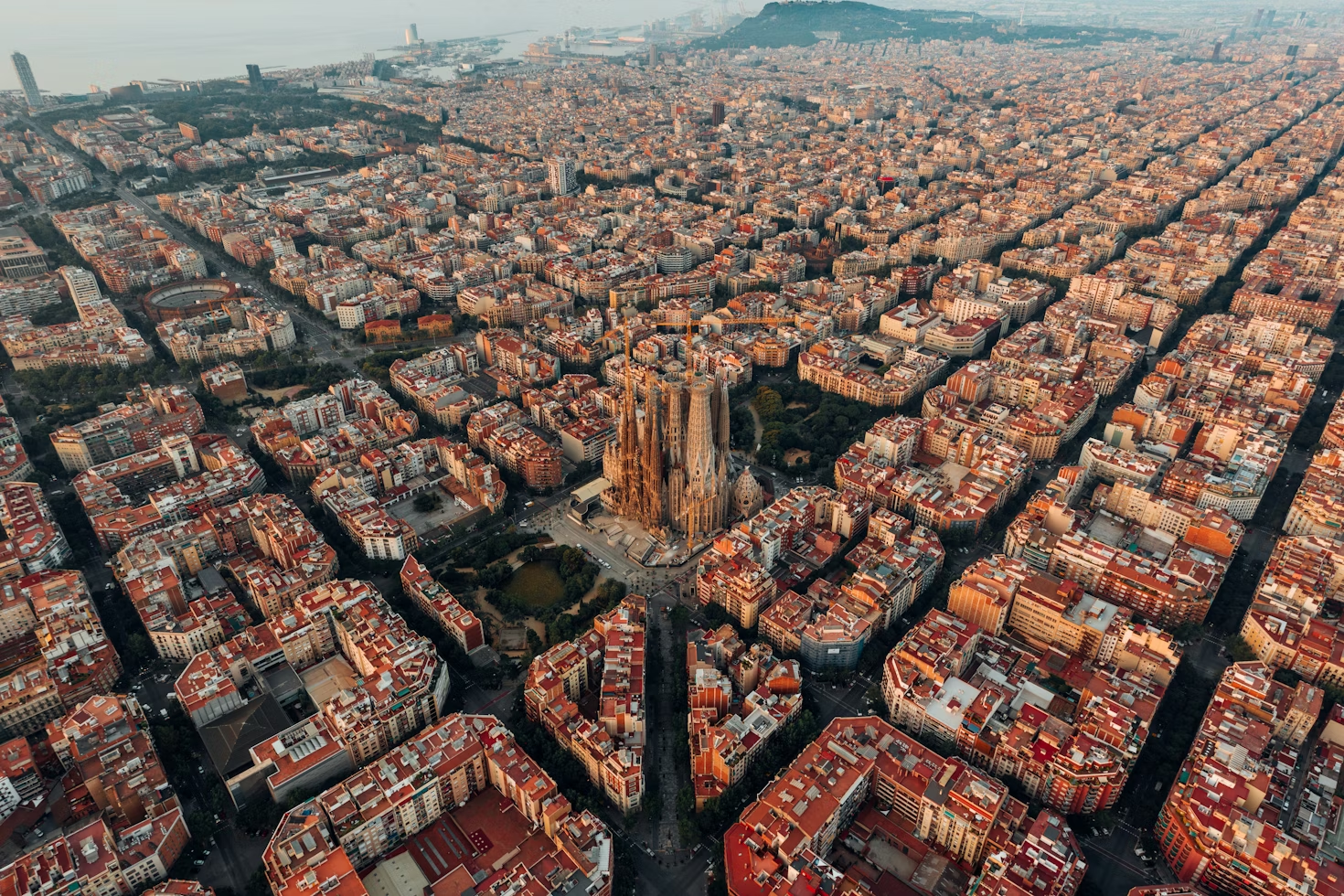
© Unsplash / Logan Armstrong

1. Barcelona

Barcelona is one of Spain’s most iconic cities, known for its combination of modernist architecture, seaside atmosphere, and artistic heritage. The city is strongly associated with the works of Antoni Gaudí, whose unique style defines many of Barcelona’s landmarks. The most famous example is the still-unfinished Sagrada Família, a structure that attracts millions of visitors each year. Beyond architecture, Barcelona also offers lively neighborhoods such as the Gothic Quarter and Eixample district, along with urban beaches that make it easy to combine sightseeing and relaxation.

Barcelona is also known for its food culture, museums, and street life, especially along La Rambla, a popular pedestrian avenue filled with markets and performers.

Best Season to Visit: April to June and September to October (mild weather, fewer crowds)

Ideal Visiting Hours: Early morning (8 AM–11 AM) for landmarks like Sagrada Família; evening for waterfront areas

Traveler Tip: Use metro transport to avoid traffic and save time between attractions

Must-Know: Pickpocketing can be an issue in crowded tourist zones, so keep belongings secure

2. Madrid
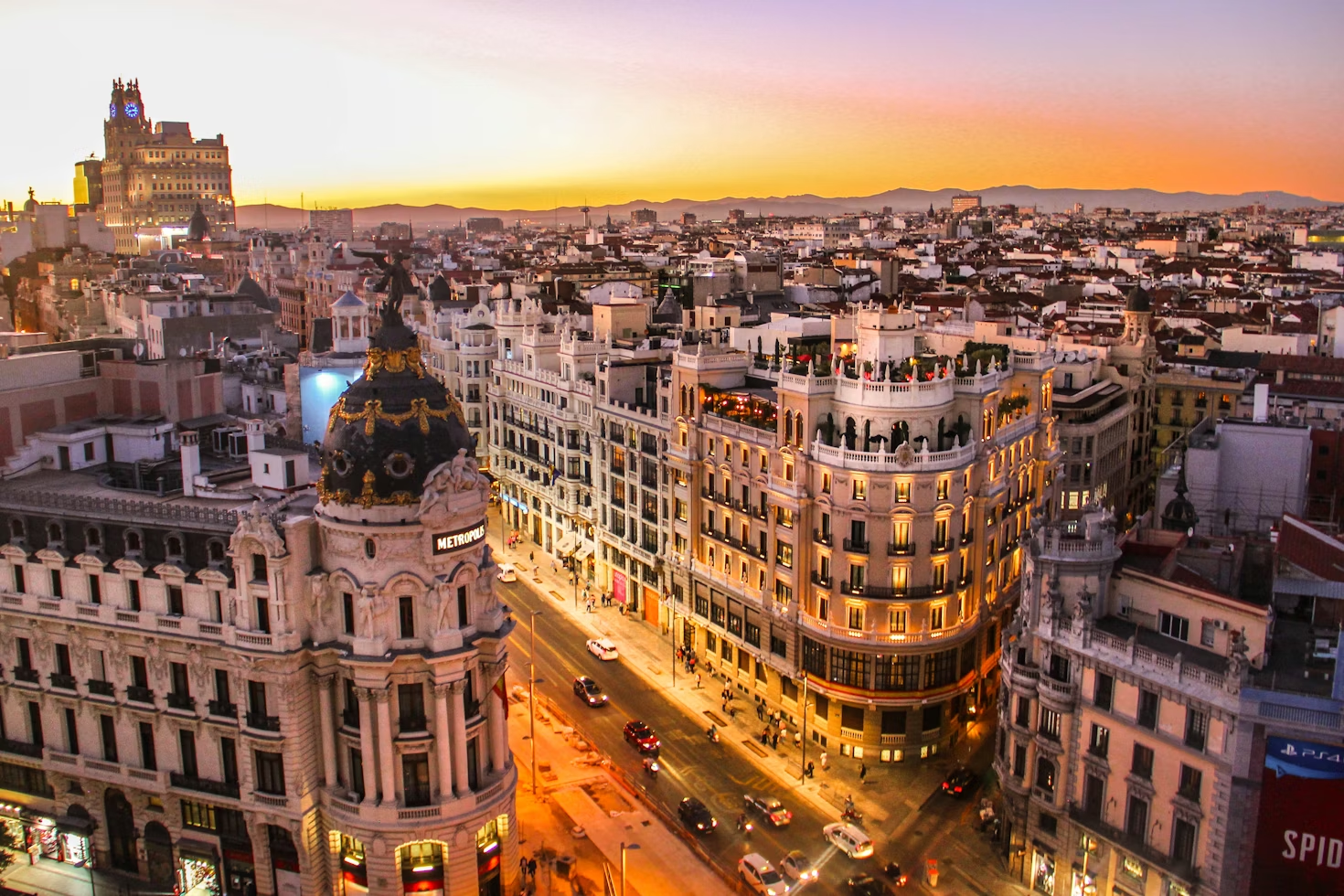
© Unsplash / Florian Wehde

2. Madrid

Madrid, the capital of Spain, is a cultural and political center known for its grand architecture, world-class museums, and energetic urban lifestyle. The city is home to the famous Prado Museum, which houses masterpieces by European artists, as well as the Royal Palace of Madrid, one of the largest functioning royal palaces in Europe. Madrid also features elegant plazas, such as Plaza Mayor, and large green spaces like Retiro Park, which offers a peaceful escape from the busy city center.

Madrid is also known for its late-night culture, traditional tapas bars, and lively neighborhoods that stay active well into the evening.

Best Season to Visit: March to May and September to November (comfortable temperatures for walking tours)

Ideal Visiting Hours: Late afternoon to night (4 PM–9 PM) for museums, dining, and nightlife

Traveler Tip: Many museums offer free entry during evening hours on selected days

Must-Know: August can feel quieter as many locals leave the city for holidays

3. Seville
© Unsplash / Taisia Karaseva

3. Seville

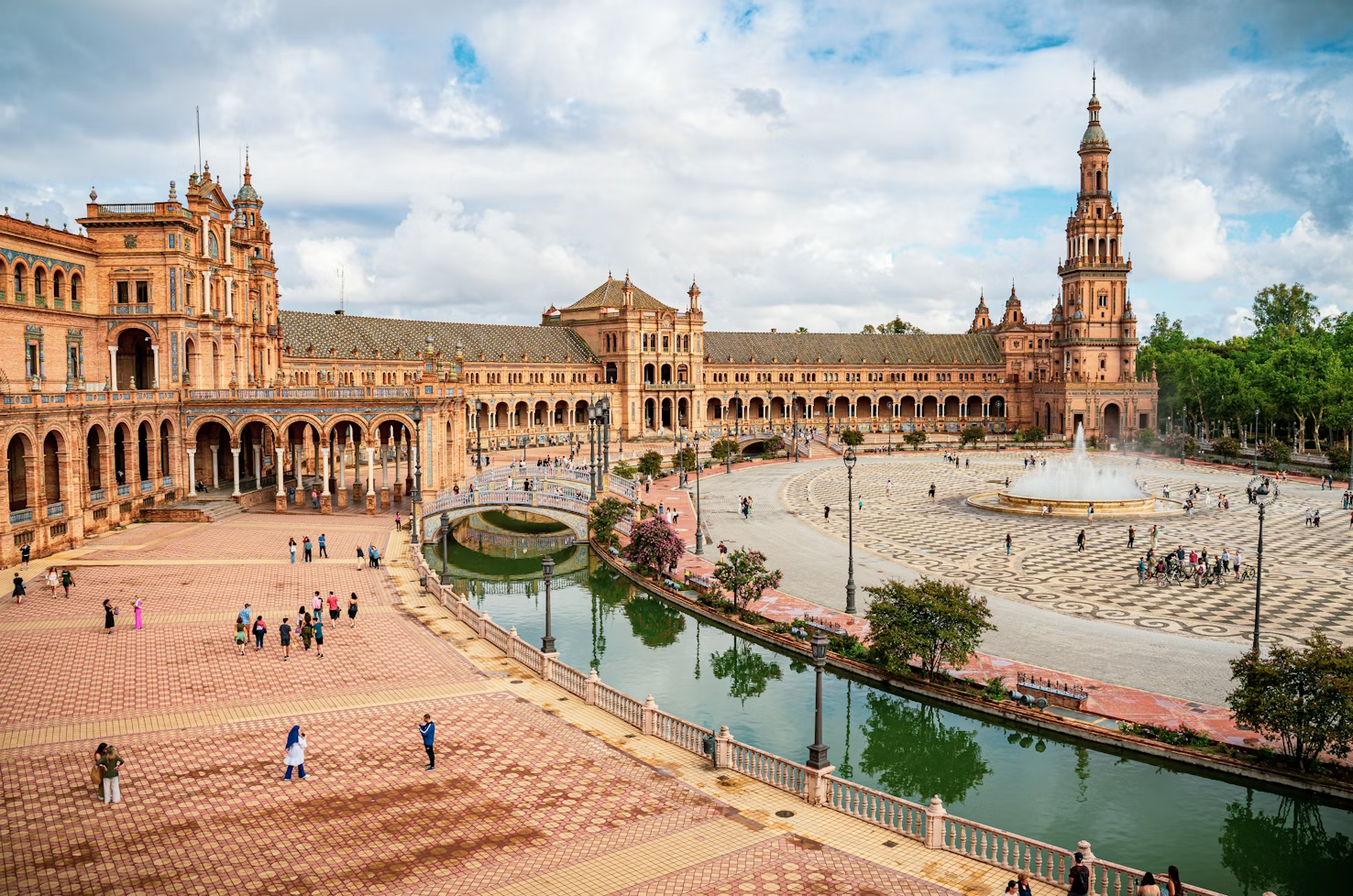
Seville is the cultural heart of southern Spain and one of the most atmospheric cities in the country. It is famous for flamenco music, traditional Andalusian festivals, and historic Moorish architecture. One of its most important landmarks is the Alcázar of Seville, a stunning royal palace with intricate Islamic and Christian design elements. Another major attraction is the Seville Cathedral, one of the largest Gothic cathedrals in the world.

Seville’s old town is highly walkable, filled with narrow streets, orange trees, and traditional courtyards. The city also becomes especially vibrant during festivals such as Semana Santa and Feria de Abril.

Best Season to Visit: March to May (pleasant temperatures and festival season)

Ideal Visiting Hours: Early morning (8 AM–11 AM) or late evening for cooler weather

Traveler Tip: Wear comfortable shoes as most attractions are best explored on foot

Must-Know: Summer temperatures can exceed 40°C, making daytime sightseeing challenging

4. Granada
© Unsplash / dimitry_b

4. Granada

Granada is one of Spain’s most historically rich cities and is best known for the magnificent Alhambra. This UNESCO World Heritage Site reflects centuries of Islamic architecture, with detailed carvings, gardens, and panoramic views of the Sierra Nevada mountains. The surrounding Albaicín district features narrow cobblestone streets and traditional whitewashed houses, offering some of the best viewpoints in the city.

Granada also has a youthful energy due to its large student population, which contributes to its lively cafés and nightlife.

Best Season to Visit: April to June and September to October

Ideal Visiting Hours: Early morning for Alhambra (best lighting and fewer crowds)

Traveler Tip: Book Alhambra tickets weeks in advance as daily entry is limited

Must-Know: Entry times are strictly controlled, and late arrivals may not be allowed

5. Valencia
© Unsplash / travelnow_or_crylater

5. Valencia

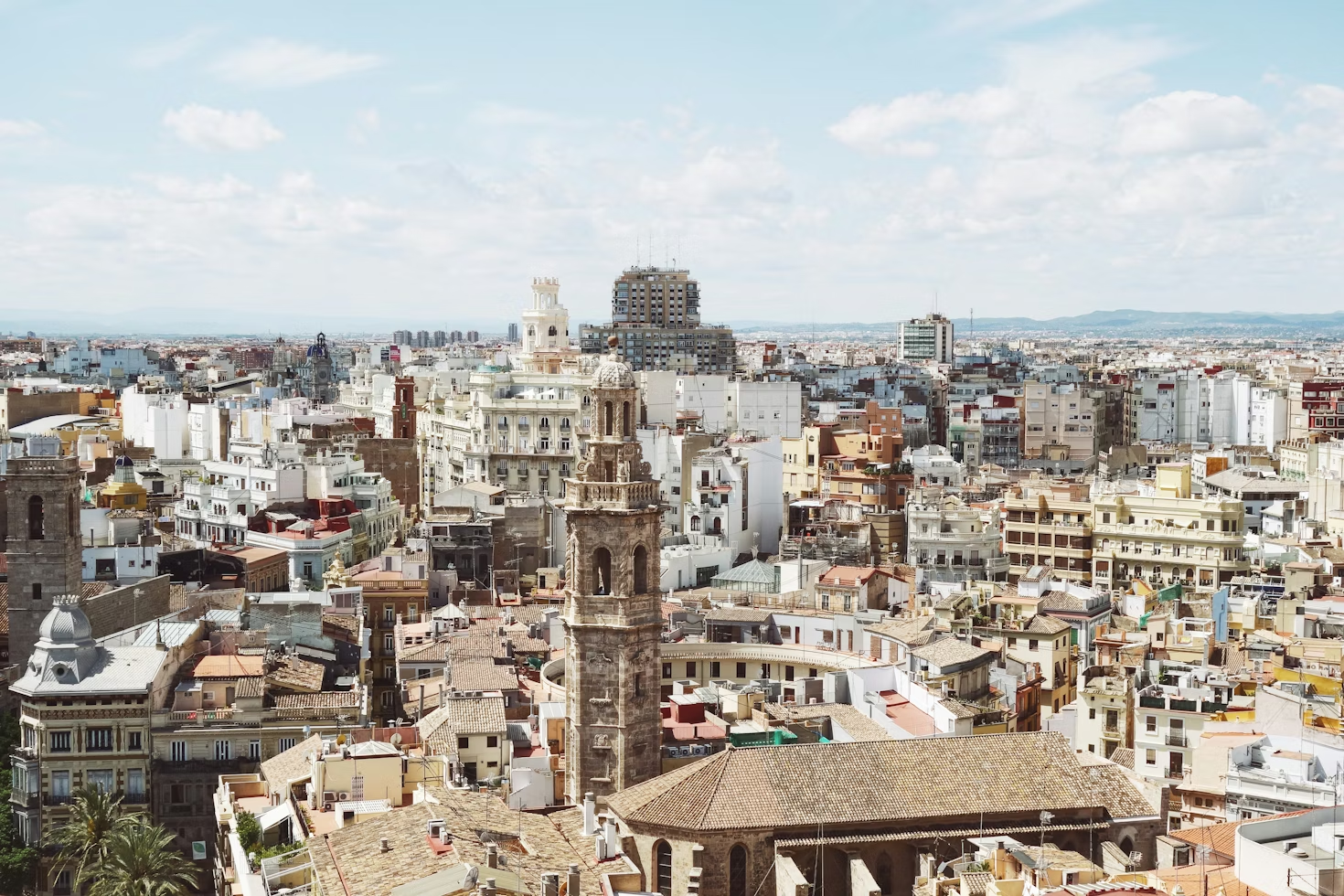
Valencia is a coastal city that blends historic charm with futuristic architecture. It is home to the impressive City of Arts and Sciences, a modern cultural and architectural complex featuring museums, an aquarium, and interactive spaces. The historic center includes Valencia Cathedral and traditional markets, offering insight into the city’s long history. Valencia is also widely recognized as the birthplace of paella, one of Spain’s most famous dishes.

The city is well-balanced, offering beaches, green parks, and cultural attractions within easy reach.

Best Season to Visit: March to June (mild weather and cultural events)

Ideal Visiting Hours: Late morning to afternoon for museums and historic areas

Traveler Tip: Try authentic paella in local restaurants outside the main tourist zones

Must-Know: Public transport makes it easy to reach both beaches and city attractions

6. Bilbao
© Unsplash / Jorge Fernández Salas

6. Bilbao

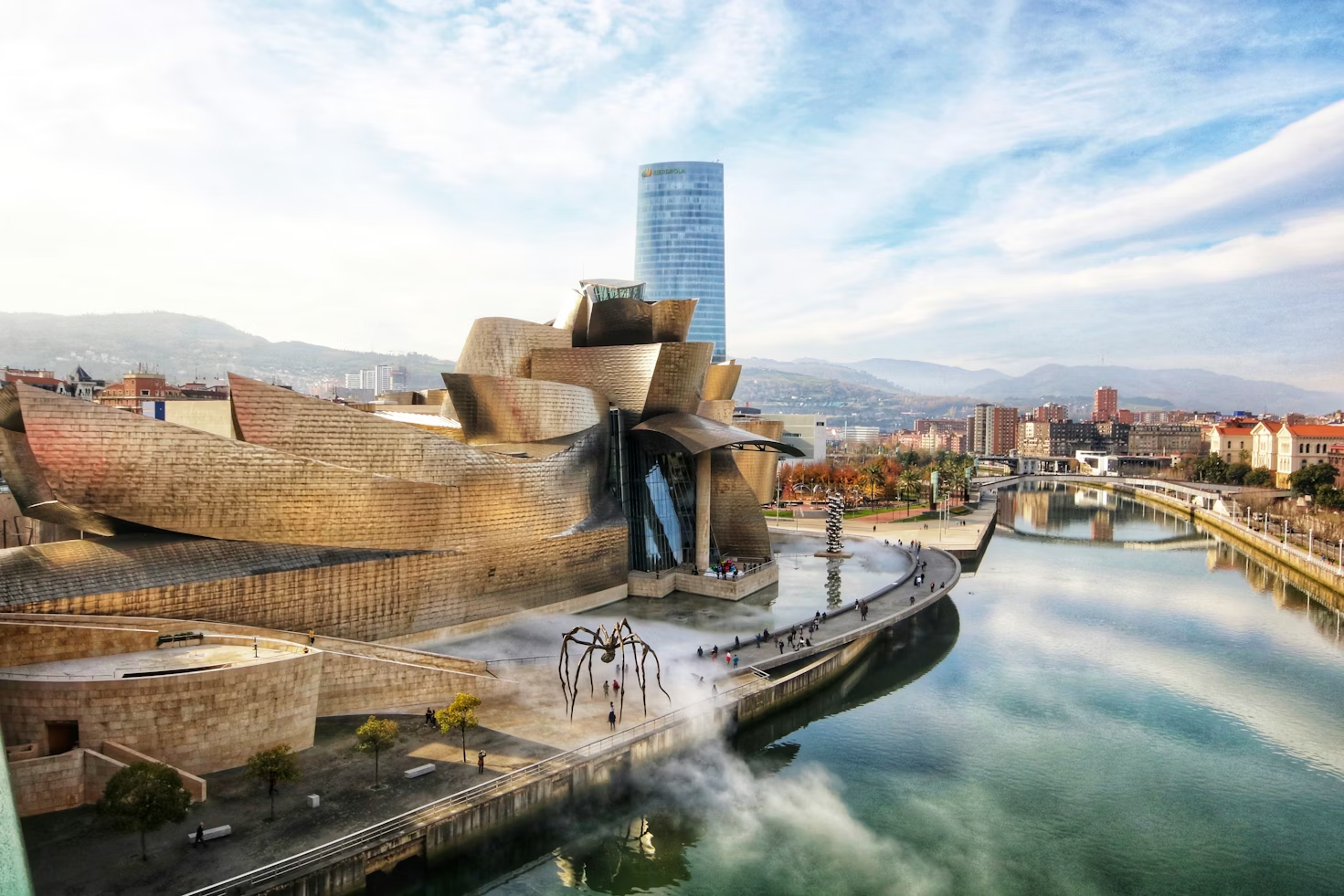
Bilbao is a modern cultural destination in northern Spain that has transformed from an industrial city into an artistic hub. The centerpiece of this transformation is the Guggenheim Museum Bilbao, which has become an international symbol of contemporary architecture. The city also offers a strong culinary scene, particularly known for Basque cuisine and pintxos culture.

Bilbao’s riverside setting and surrounding green hills provide a balanced mix of urban and natural experiences.

Best Season to Visit: May to September (warmer, drier conditions)

Ideal Visiting Hours: Midday for museums; evenings for food tours

Traveler Tip: Explore the old town (Casco Viejo) for authentic local dining

Must-Know: Weather can change quickly, so layering clothing is recommended

7. San Sebastián
© Unsplash / ultrashricco

7. San Sebastián

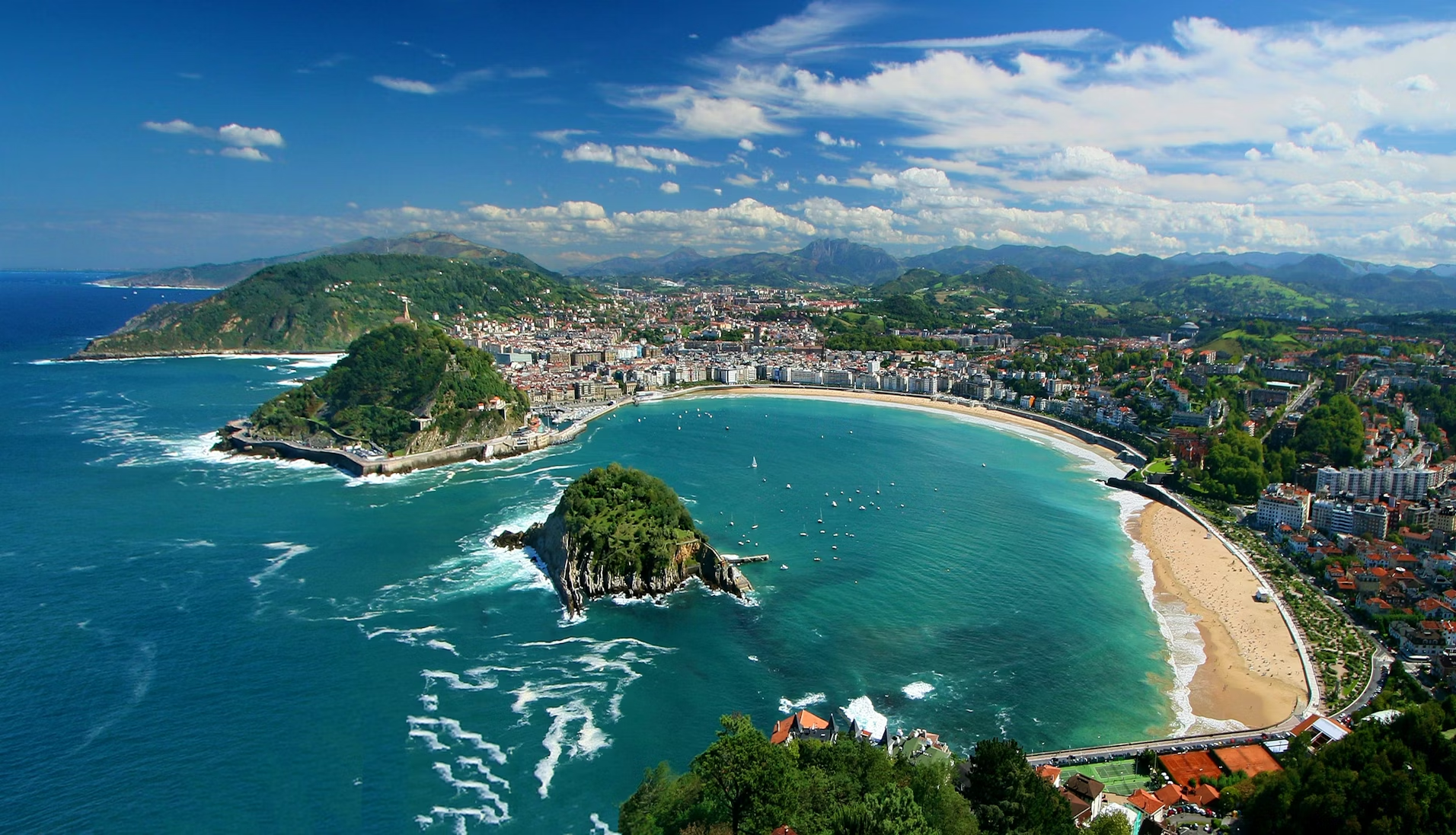
San Sebastián is widely regarded as one of Spain’s most elegant coastal cities, known for its beaches and world-class cuisine. The crescent-shaped La Concha Beach is one of the most photographed urban beaches in Europe. The city is also a major culinary destination, with numerous Michelin-starred restaurants and a strong pintxos tradition.

Its compact size makes it easy to explore on foot, while its coastal scenery adds to its appeal.

Best Season to Visit: June to September

Ideal Visiting Hours: Evenings for dining and beach walks

Traveler Tip: Visit multiple pintxos bars to experience different specialties

Must-Know: Accommodation prices are generally higher during peak summer months

8. Córdoba
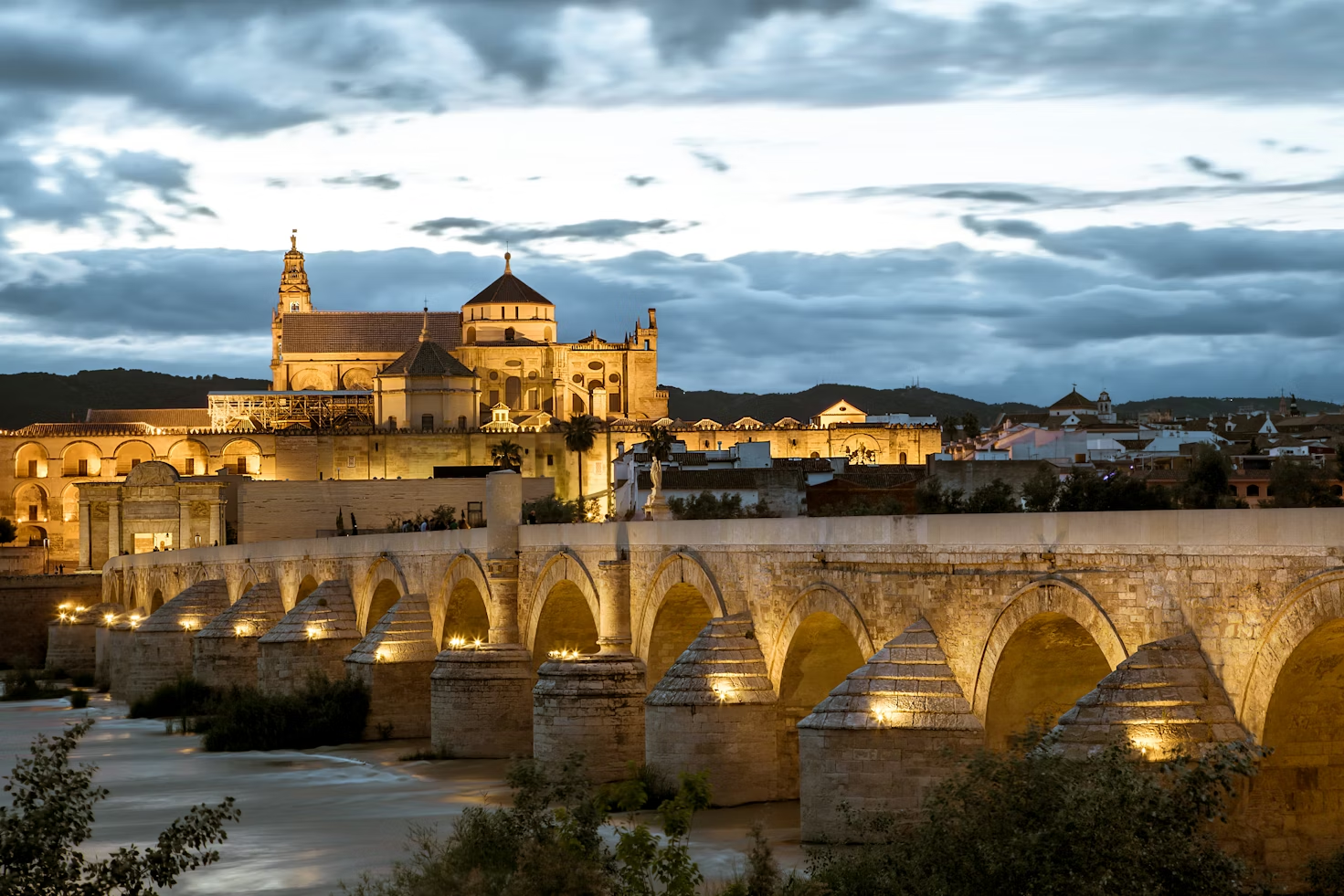
© Unsplash / Saad Chaudhry

8. Córdoba

Córdoba is a historic city that played a major role during medieval times as a center of learning and culture. Its most famous landmark is the Mezquita-Catedral, a unique structure that combines Islamic and Christian architectural styles. The city’s old town is filled with flower-filled patios, narrow lanes, and traditional Andalusian charm.

Córdoba is compact, making it ideal for short but meaningful visits.

Best Season to Visit: April to May (flower festival season)

Ideal Visiting Hours: Early morning for cooler temperatures

Traveler Tip: Visit during the Patio Festival for decorated courtyards

Must-Know: Many attractions close during midday heat in summer

9. Toledo
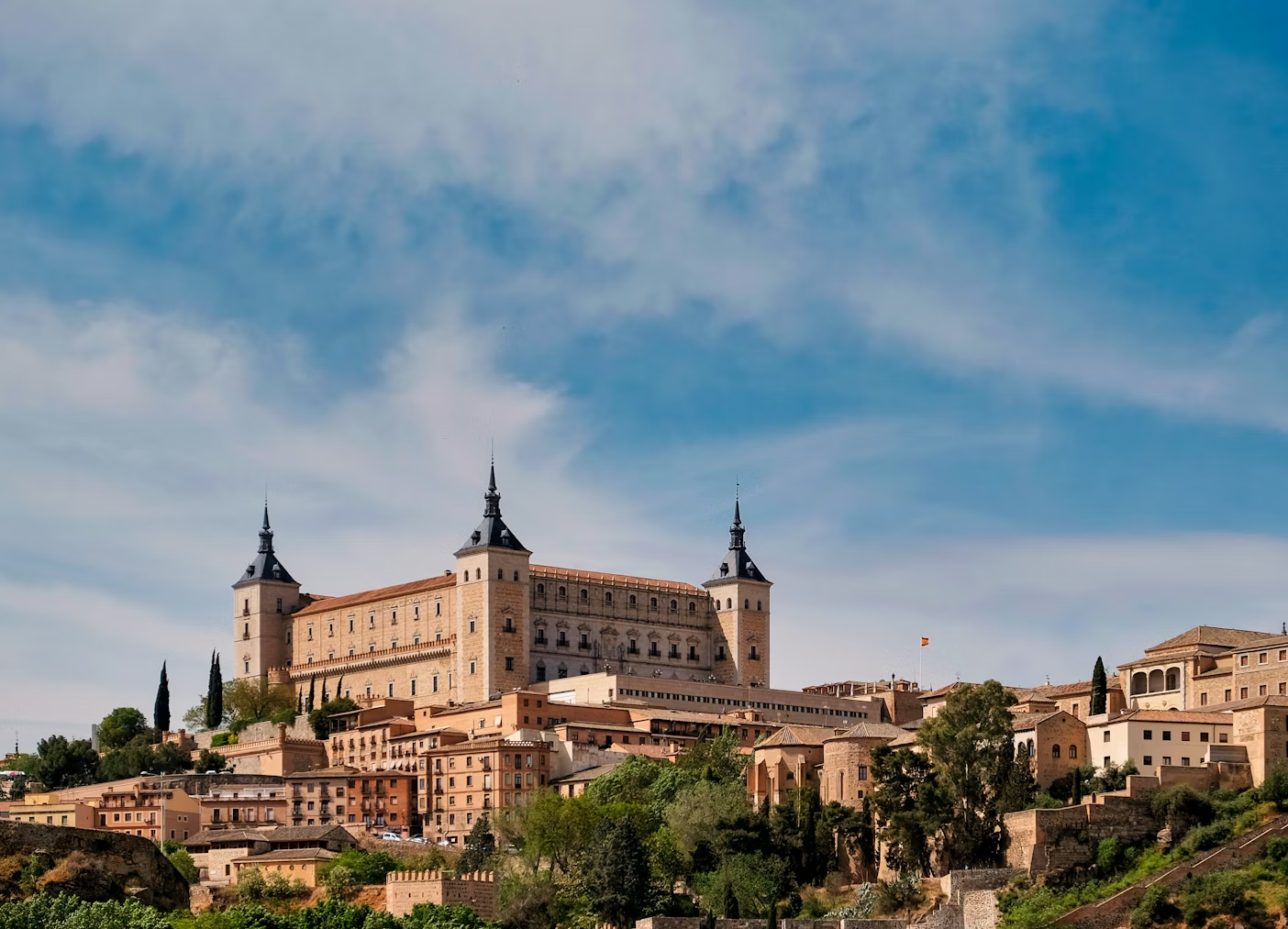
© Unsplash / awerin

9. Toledo

Toledo is a UNESCO-listed city known for its medieval streets and multicultural history. It has been influenced by Christian, Muslim, and Jewish traditions, which can be seen in its architecture and monuments. The Toledo Cathedral is one of the most important religious buildings in Spain.

Located close to Madrid, Toledo is often visited as a day trip but is also worth an overnight stay.

Best Season to Visit: March to June and September to November

Ideal Visiting Hours: Morning to early afternoon for walking tours

Traveler Tip: Wear comfortable shoes due to steep and uneven streets

Must-Know: Some museums and sites close earlier than expected

10. Málaga
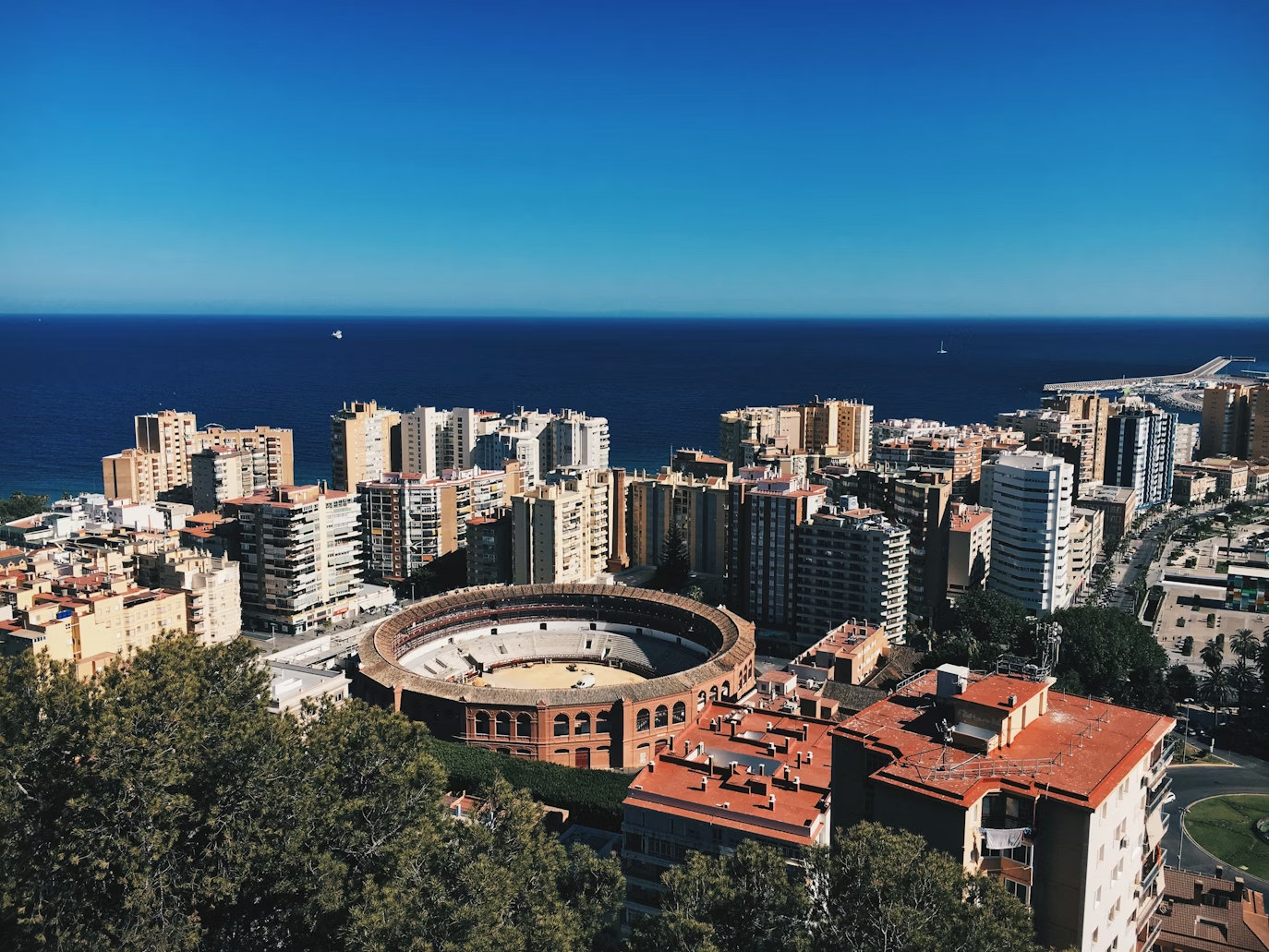
© Unsplash / Michael Martinelli

10. Málaga

Málaga is a coastal city that combines beach relaxation with cultural attractions. It is the birthplace of Pablo Picasso and home to the Picasso Museum Málaga. The city also features a modern waterfront, historic fortress, and lively food scene.

Málaga is often used as a base for exploring the Costa del Sol region.

Best Season to Visit: April to October

Ideal Visiting Hours: Evening for coastal walks and dining

Traveler Tip: Explore both old town and beach areas for a balanced experience

Must-Know: It can get crowded during peak summer holiday months

11. Ibiza
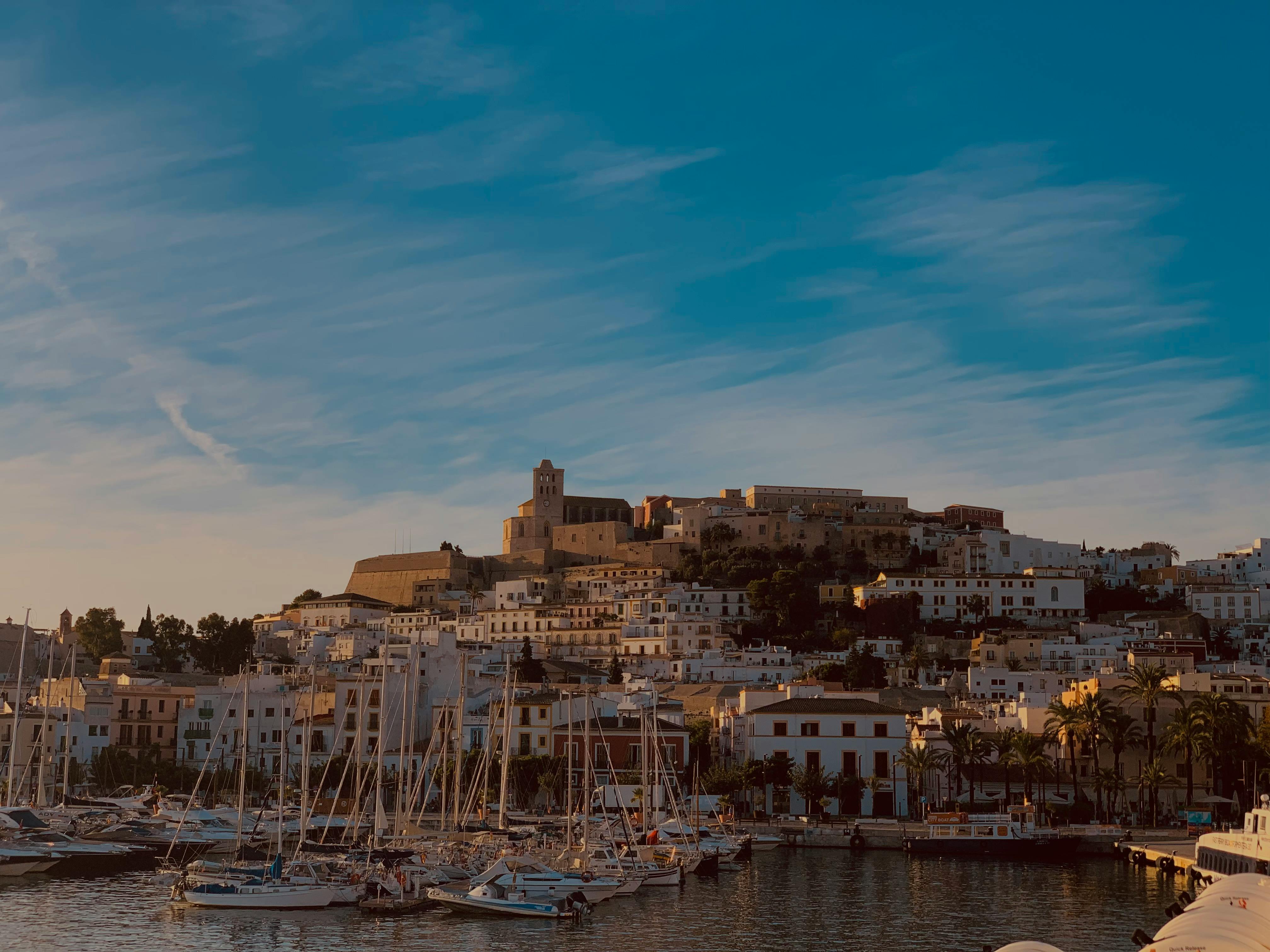
© Pexels / Photo by Martina Amaro

11. Ibiza

Ibiza is globally known for nightlife but also offers natural beauty and quiet coastal areas. The UNESCO-listed old town, Dalt Vila, provides a historic contrast to the island’s modern entertainment scene. Beyond clubs, Ibiza has secluded beaches, hiking trails, and peaceful villages.

The island is suitable for both party-focused travelers and those seeking relaxation.

Best Season to Visit: May to October

Ideal Visiting Hours: Evenings for nightlife; mornings for beaches

Traveler Tip: Visit northern Ibiza for a quieter, more relaxed atmosphere

Must-Know: Prices for hotels and restaurants rise significantly in summer

12. Palma de Mallorca
© Unsplash / Yves Alarie

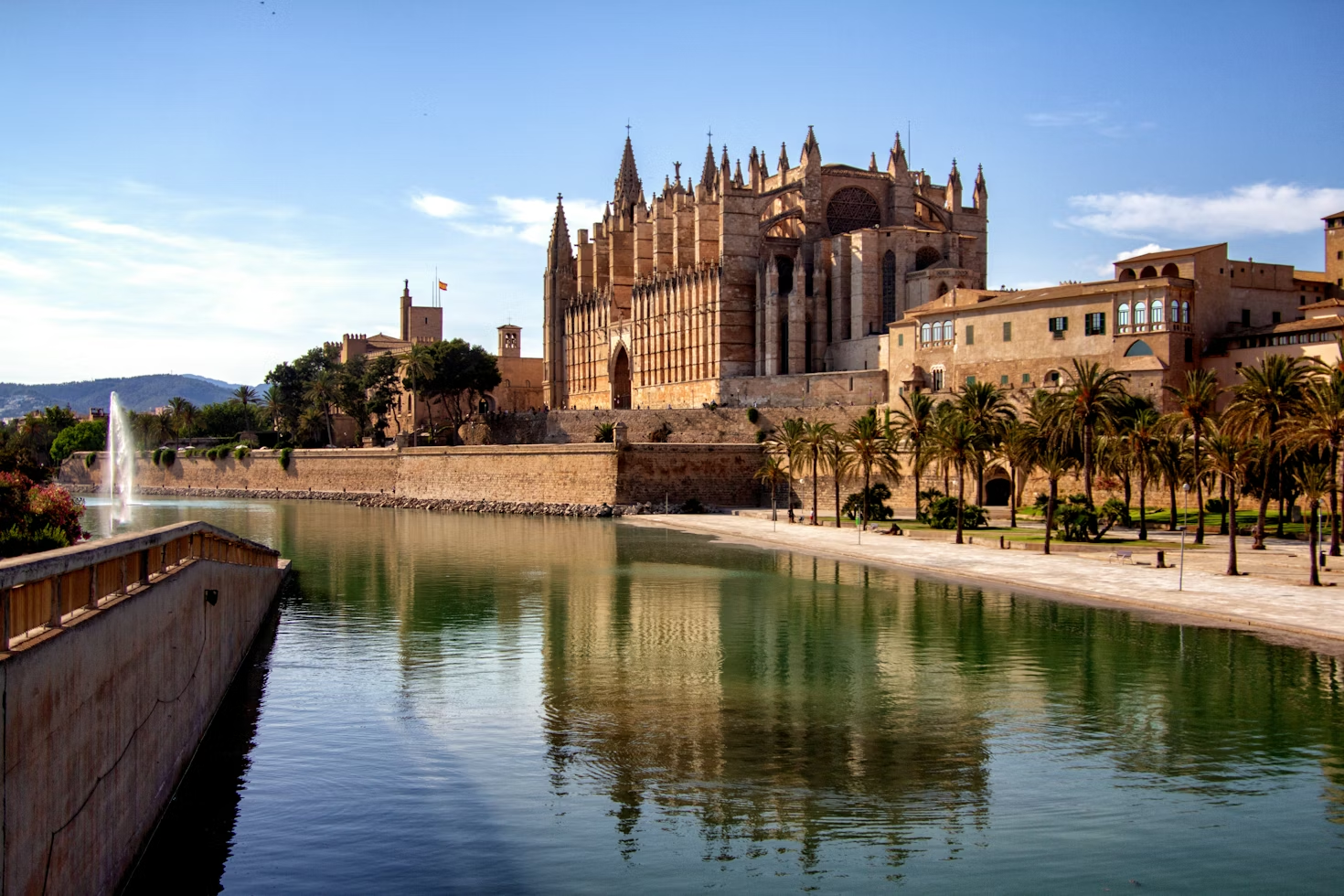
12. Palma de Mallorca

Palma de Mallorca is the capital of the Balearic Islands and offers a mix of history and coastal beauty. The city’s highlight is the impressive La Seu Cathedral, located near the waterfront. The island itself offers beaches, mountain landscapes, and traditional villages.

Palma is a versatile destination suitable for both cultural sightseeing and beach holidays.

Best Season to Visit: April to June and September

Ideal Visiting Hours: Morning for sightseeing; afternoon for beaches

Traveler Tip: Rent a car to explore hidden coves and inland villages

Must-Know: Summer beaches can be very crowded

13. Santiago de Compostela
© Pexels / Photo by Carmen Dominguez 5

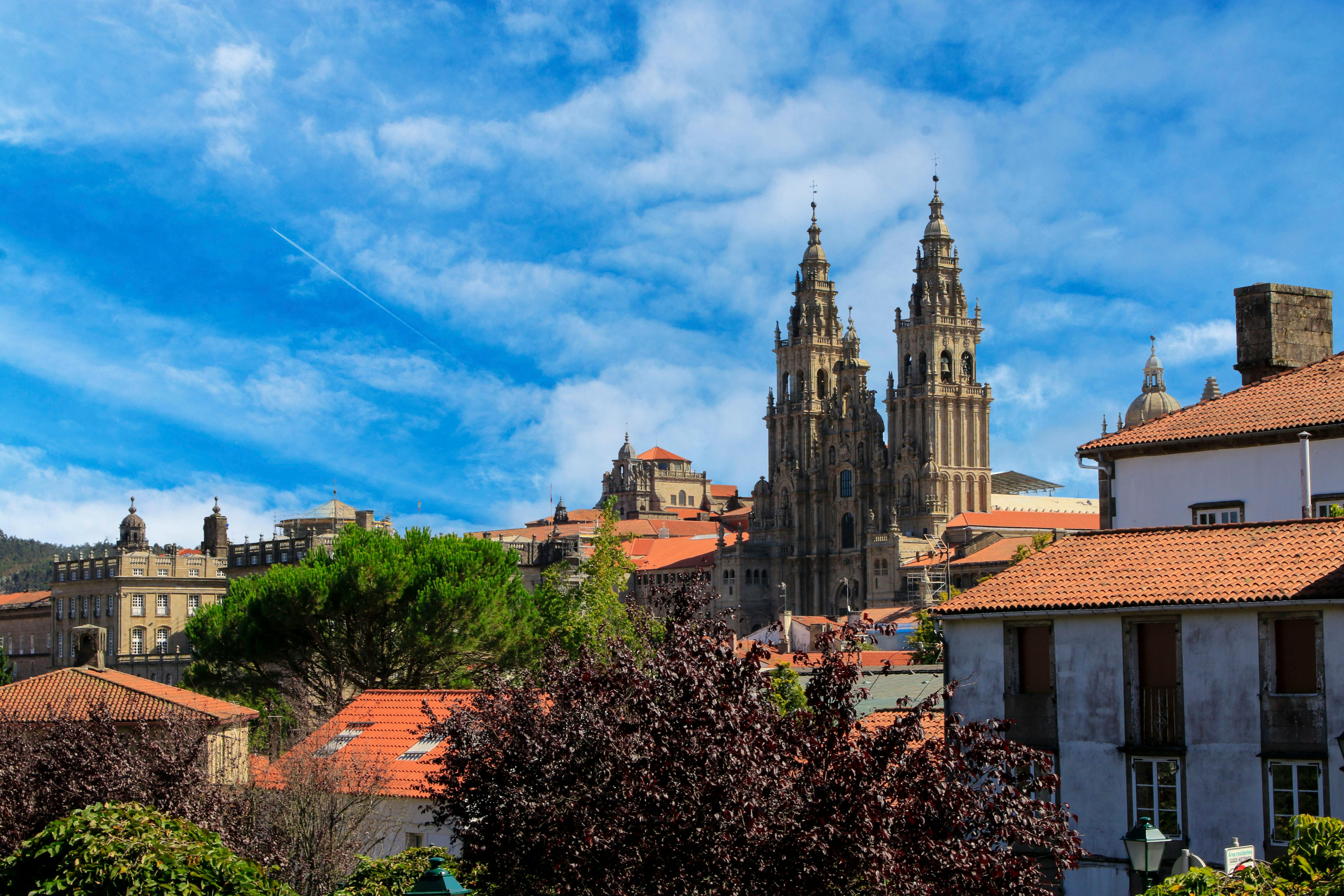
13. Santiago de Compostela

Santiago de Compostela is one of Europe’s most important pilgrimage destinations. It is the final stop of the Camino de Santiago route and is centered around the Santiago de Compostela Cathedral. The city has a calm, reflective atmosphere shaped by centuries of religious tradition.

Its historic center is also a UNESCO World Heritage Site.

Best Season to Visit: May to October

Ideal Visiting Hours: Late afternoon for a peaceful experience

Traveler Tip: Respect pilgrims and ceremonial activities during peak seasons

Must-Know: Rain is frequent, especially in winter months

14. Zaragoza
© Unsplash / Pedro Sanz

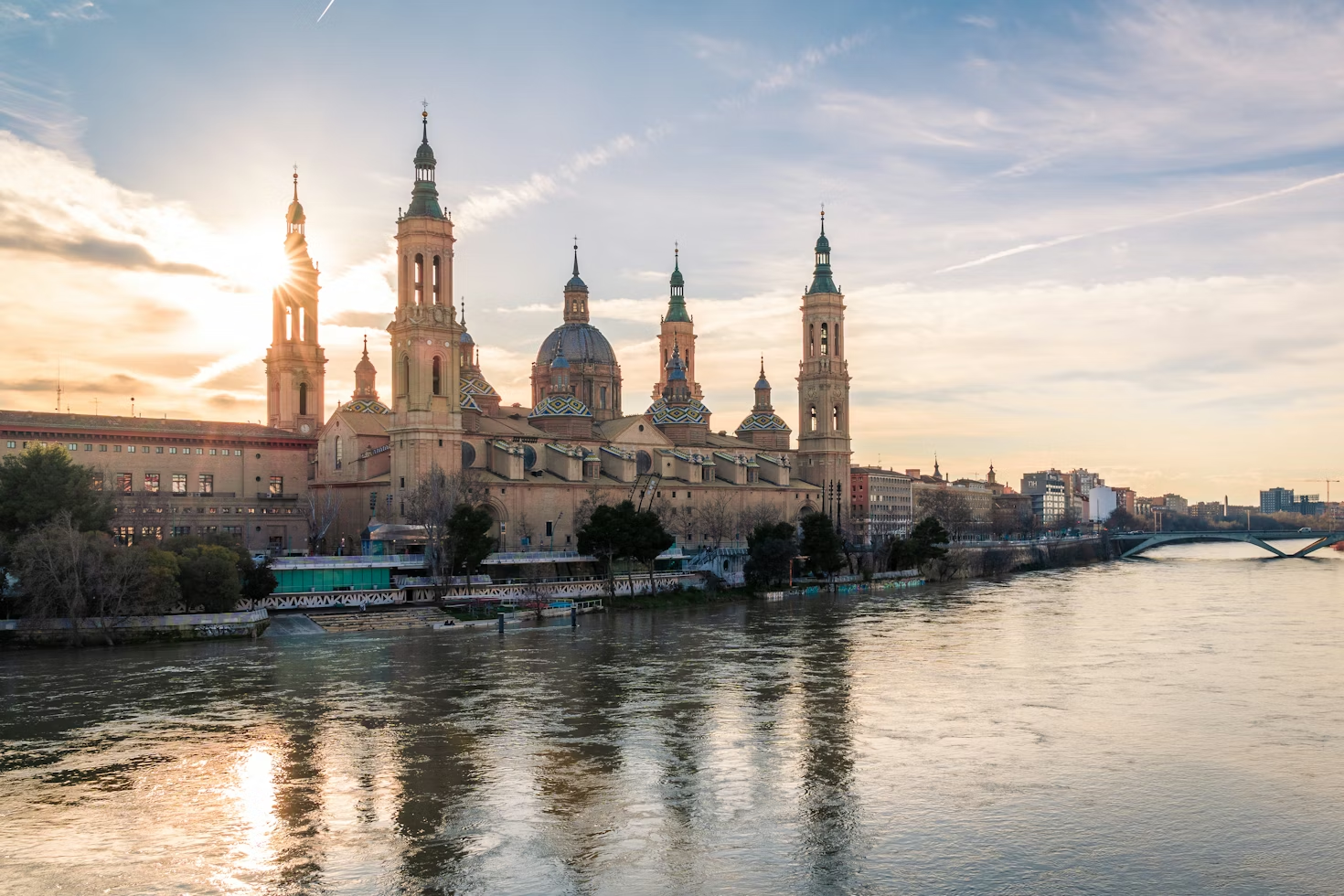
14. Zaragoza

Zaragoza is an underrated destination located between Madrid and Barcelona. It features a blend of Roman, Moorish, and Christian influences. The Basilica of Our Lady of the Pillar is its most important landmark.

The city is less crowded, offering a more relaxed travel experience.

Best Season to Visit: April to June and September

Ideal Visiting Hours: Morning for sightseeing

Traveler Tip: Combine Zaragoza with a train journey between major cities

Must-Know: Fewer English-speaking services compared to major tourist hubs

15. Ronda
© Unsplash / valeriano78

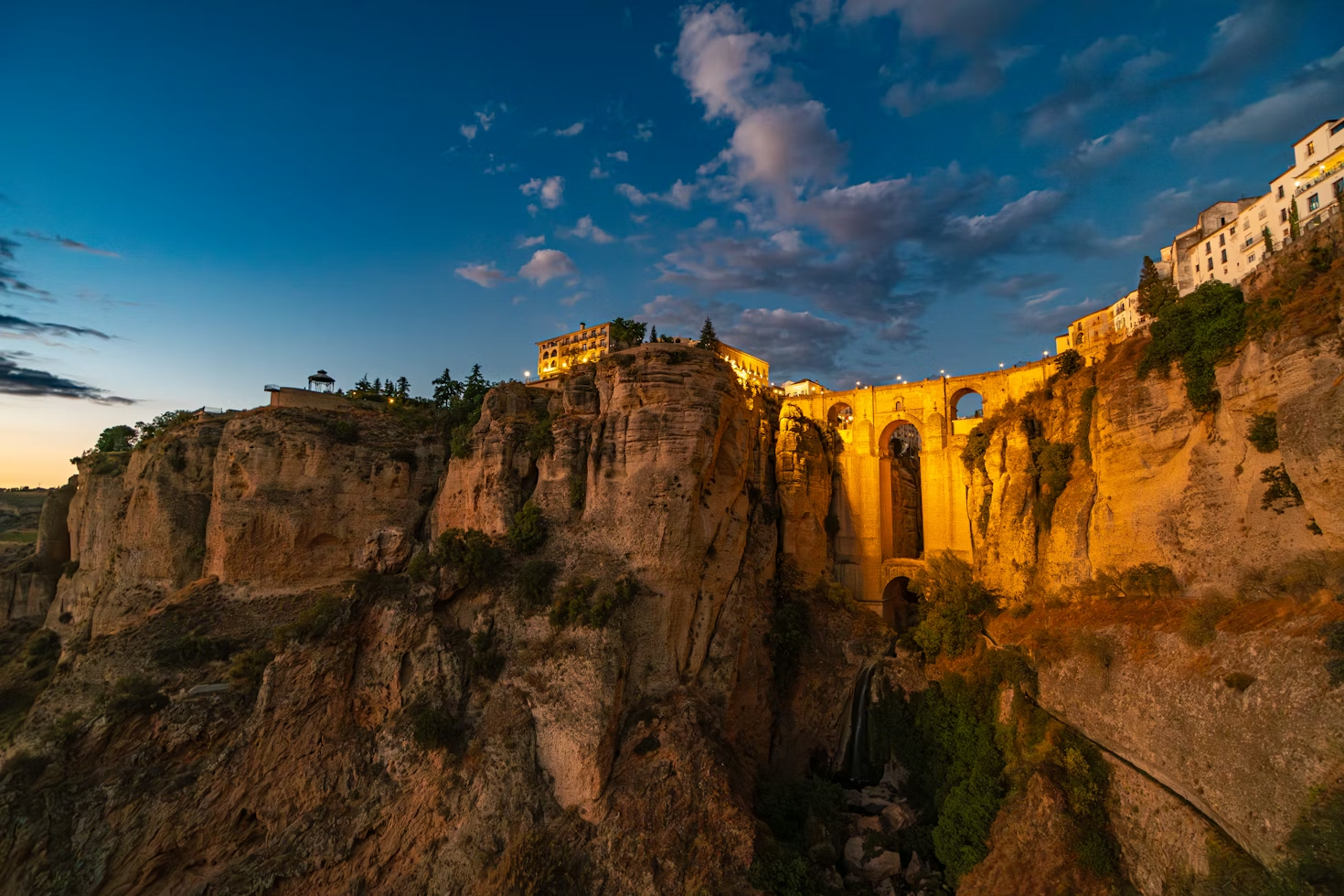
15. Ronda

Ronda is one of Spain’s most scenic towns, known for its dramatic cliffs and historic architecture. The famous Puente Nuevo spans a deep gorge and offers stunning views of the surrounding landscape. The town also features bullrings, old streets, and viewpoints that highlight its unique geography.

Ronda is ideal for travelers seeking peaceful scenery and photography opportunities.

Best Season to Visit: March to May and September

Ideal Visiting Hours: Sunrise or sunset for best views

Traveler Tip: Stay overnight to enjoy quieter early morning views

Must-Know: Some viewpoints require walking on uneven paths


Comments (0)

Leave a Reply

No comments yet. Be the first to share your thoughts!