Travel Destination

15 popular European destinations for travelers with an interest in history

Julian Cross
4.6
April 28, 2026

Europe does not make you search hard for history, it surrounds you the moment you arrive. You might start your day walking past a Roman ruin, have lunch in a square that has existed for centuries, and end the evening inside a cathedral that shaped an entire era. This is what makes exploring the continent so engaging. History here is not limited to museums, it is part of daily life.

From ancient empires and medieval kingdoms to revolutions and modern turning points, Europe offers an unmatched timeline of human events. Each country brings its own story, shaped by culture, conflict, art, and innovation. Whether you are interested in architecture, archaeology, or simply understanding how places evolved, there are countless things to do in Europe that go beyond typical sightseeing.

If you are looking for top places to visit in Europe with real historical depth, this guide highlights destinations that offer both meaning and memorable experiences. These are not just landmarks, they are places where history still feels present, giving travelers a clearer sense of how the past continues to shape the world today.

1. Colosseum, Italy
© Shutterstock / RossHelen

1. Colosseum, Italy

The Colosseum stands as one of the most recognizable symbols of the Roman Empire and remains a central highlight among the best tourist attractions in Europe. Built in the 1st century AD, this amphitheater hosted gladiator battles, public spectacles, and dramatic performances attended by thousands. Its scale and engineering still impress visitors today, especially when you consider it was constructed without modern machinery.

Walking through the Colosseum gives you a direct sense of ancient Roman life. You can explore seating areas, underground chambers, and viewpoints that reveal how events were staged. Combined with nearby ruins like the Roman Forum, it offers one of the most immersive historical experiences in Europe.

• Best Season to Visit: March to May and September to October

• Ideal Visiting Hours: 8:30 AM to 10:30 AM

• Traveler Tip: Pre-book skip-the-line tickets to save time

• Must-Know: Tickets often include nearby archaeological sites

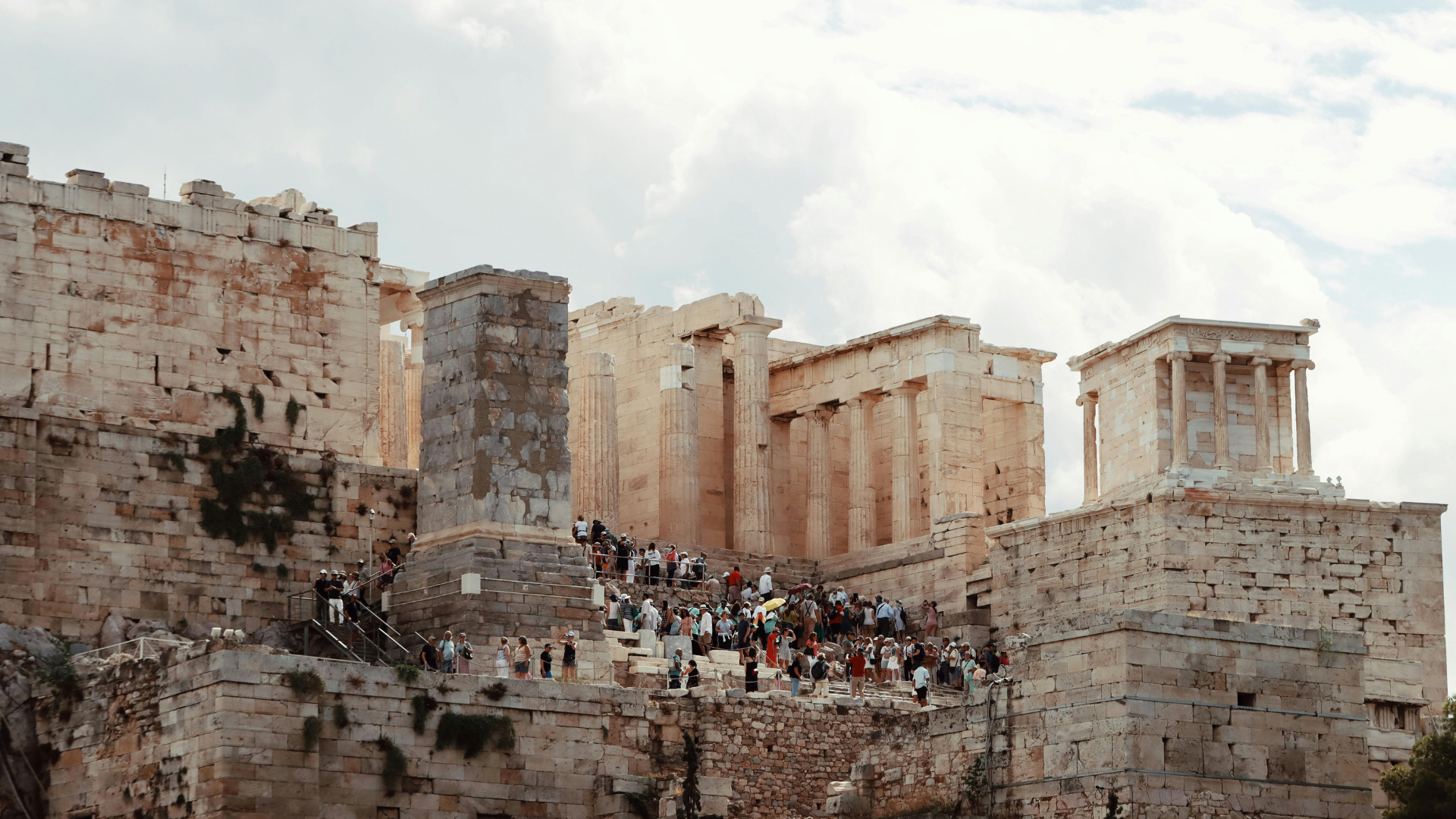
2. Acropolis of Athens, Greece
© Pexels / Efrem Efre

2. Acropolis of Athens, Greece

The Acropolis rises above Athens as a symbol of ancient Greek civilization and remains one of the top places to visit in Europe for historical exploration. Dating back to the 5th century BC, it includes iconic structures such as the Parthenon, which reflects the artistic and architectural excellence of classical Greece.

Visiting the Acropolis allows travelers to understand the origins of democracy, philosophy, and Western culture. The site also offers panoramic views of Athens, making it both historically and visually rewarding.

• Best Season to Visit: April to June and September to November

• Ideal Visiting Hours: Early morning or late afternoon

• Traveler Tip: Wear sturdy shoes due to uneven stone paths

• Must-Know: Combo tickets cover multiple archaeological sites

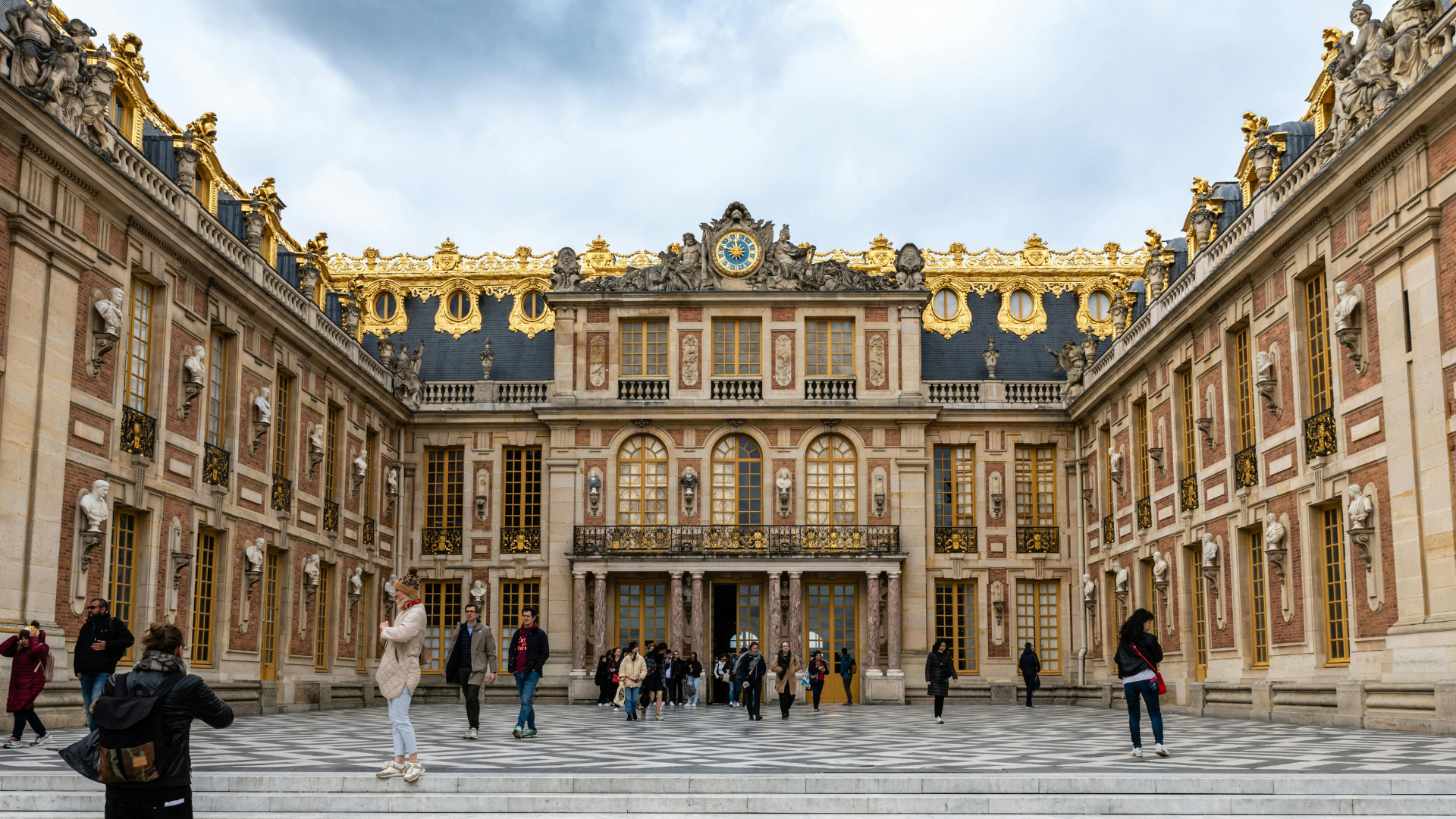
3. Palace of Versailles, France
© Pexels / Kirandeep Singh Walia

3. Palace of Versailles, France

The Palace of Versailles reflects the power and ambition of the French monarchy, especially under Louis XIV. Located near Paris, this grand residence became the political center of France in the 17th century and remains one of the best tourist attractions in Europe.

Inside, the Hall of Mirrors stands out as a key historical location where major events, including the Treaty of Versailles, took place. The gardens surrounding the palace are equally impressive and carefully designed.

• Best Season to Visit: April to October

• Ideal Visiting Hours: Early weekday mornings

• Traveler Tip: Plan several hours to explore both palace and gardens

• Must-Know: Garden access may require an additional ticket

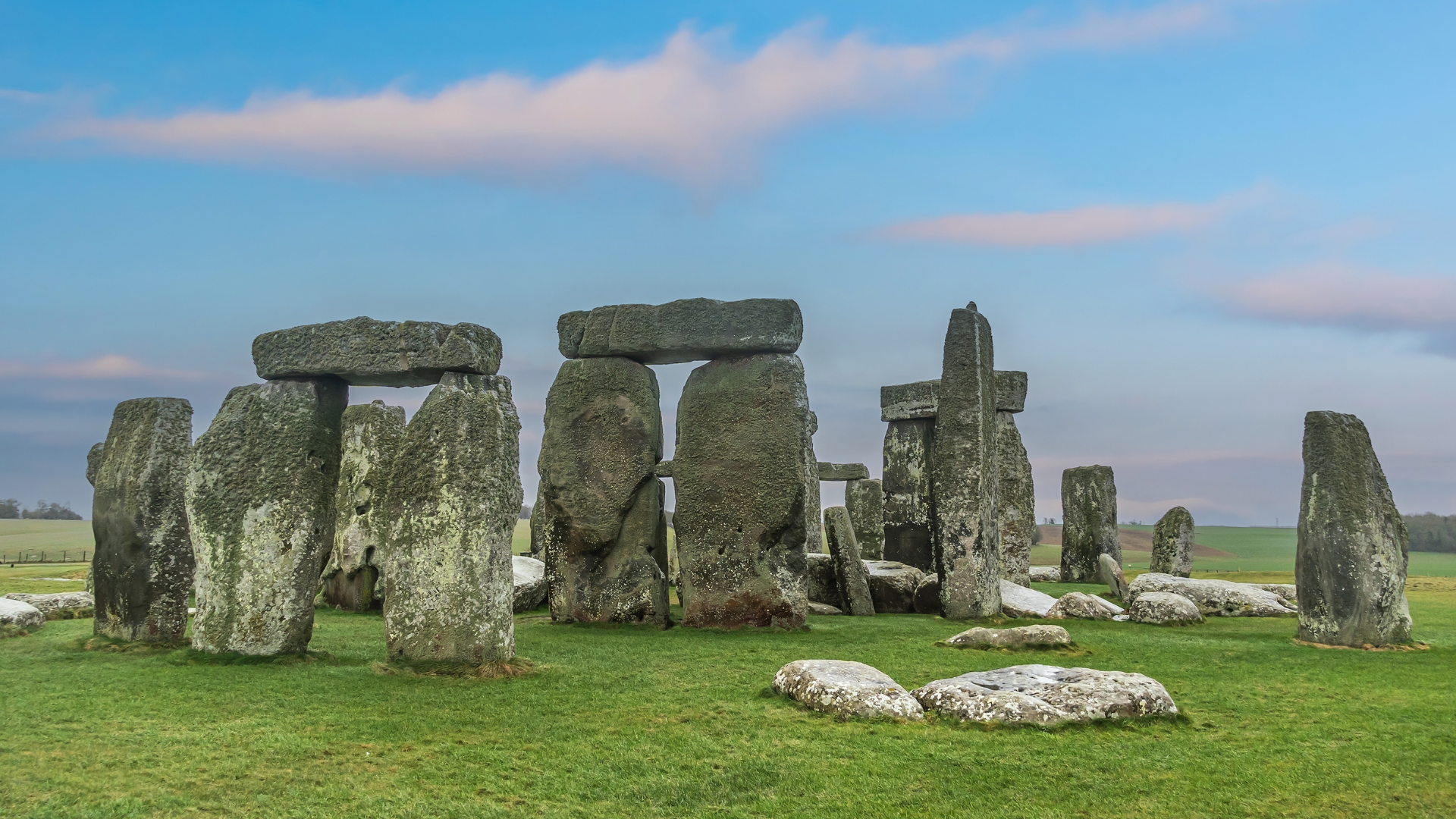
4. Stonehenge, United Kingdom
© Shutterstock / f11photo

4. Stonehenge, United Kingdom

Stonehenge remains one of the most mysterious and debated historical sites in Europe. Built over 4,000 years ago, this prehistoric monument consists of massive stones arranged in a circular formation, believed to have ceremonial or astronomical significance.

Its remote setting and ancient origins create a unique experience that stands apart from other historical landmarks. It is one of the most intriguing things to do in Europe for those interested in early human history.

• Best Season to Visit: May to September

• Ideal Visiting Hours: Sunrise or sunset

• Traveler Tip: Visit early to avoid crowds

• Must-Know: Inner circle access requires special permission

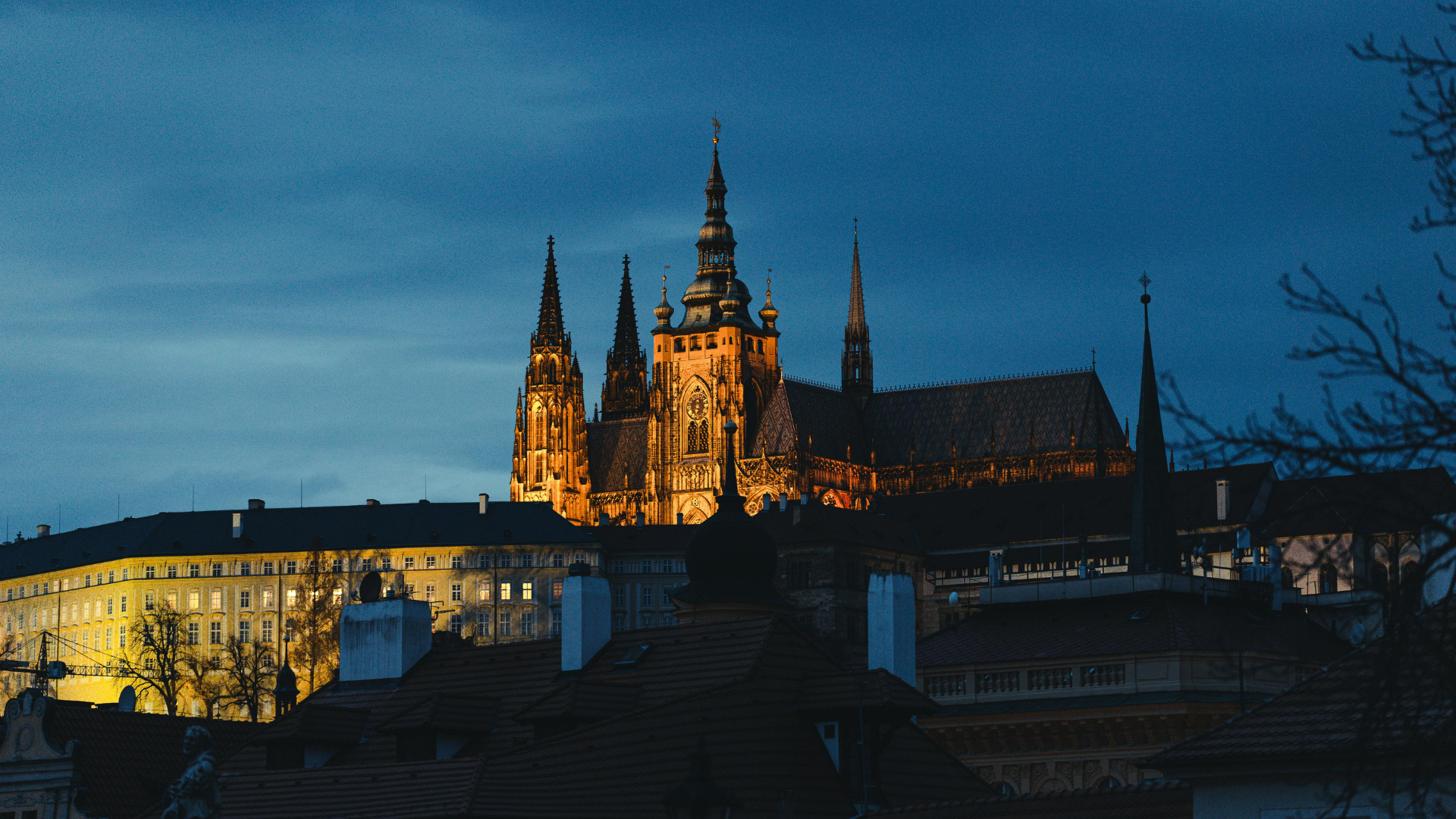
5. Prague Castle, Czech Republic
© Pexels / Eddson Lens

5. Prague Castle, Czech Republic

Prague Castle is one of the largest castle complexes in the world and has served as a seat of power for centuries. Overlooking Prague, it includes a mix of architectural styles that reflect different historical periods.

Highlights include St. Vitus Cathedral and historic courtyards that showcase Central European heritage. It is a key destination among the top places to visit in Europe for cultural and political history.

• Best Season to Visit: April to June and September

• Ideal Visiting Hours: Morning

• Traveler Tip: Wear comfortable walking shoes

• Must-Know: Some areas require separate entry fees

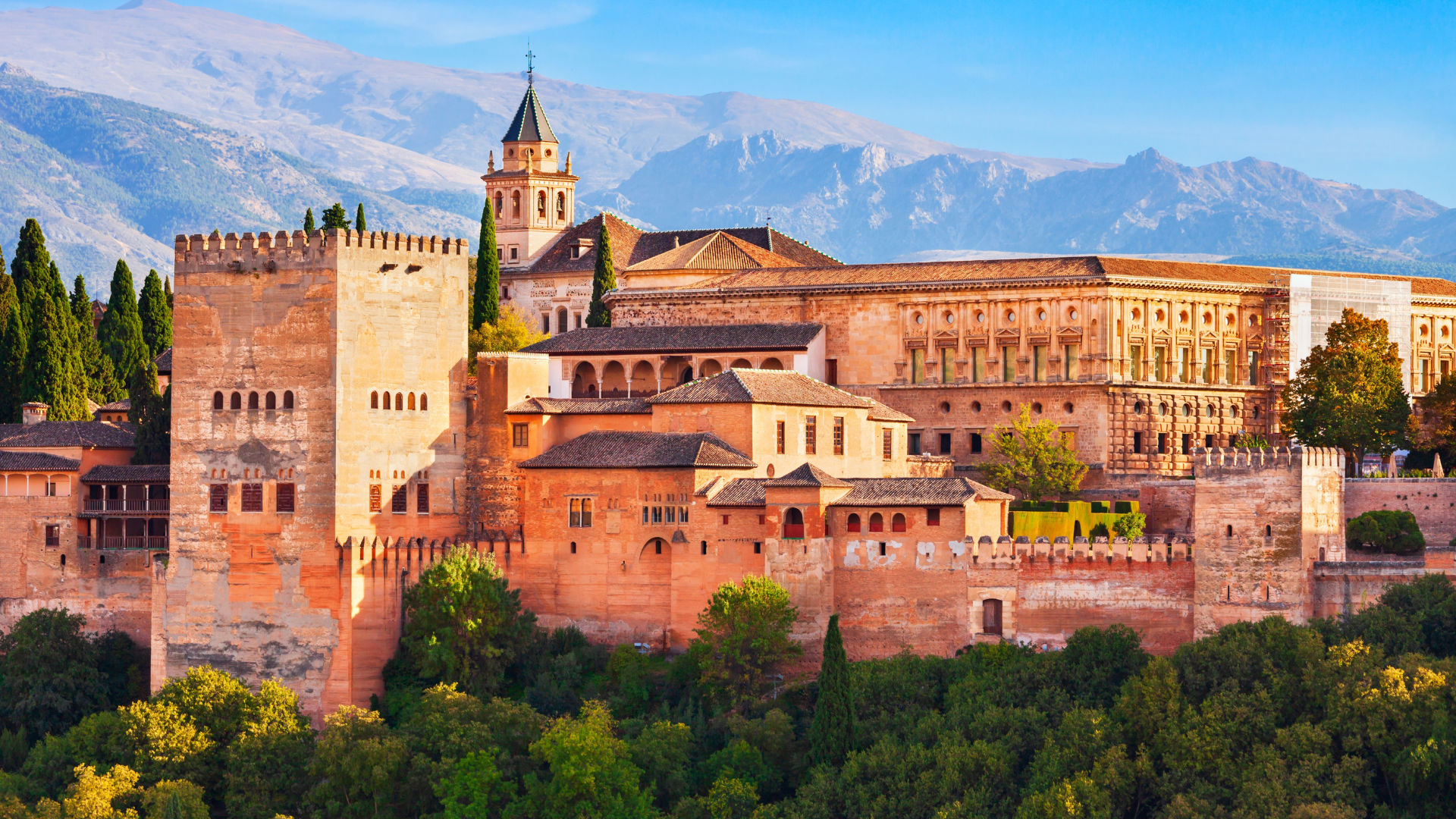
6. Alhambra, Spain
© Shutterstock / saiko3p

6. Alhambra, Spain

The Alhambra in Granada represents the rich Moorish heritage of Spain and stands as a masterpiece of Islamic architecture in Europe. Built in the 13th century, it features intricate carvings, courtyards, and water features that create a calm and reflective atmosphere.

Its historical significance lies in its connection to the final years of Muslim rule in Spain. The site also offers scenic views of the surrounding region.

• Best Season to Visit: April to June and September to October

• Ideal Visiting Hours: Morning or evening

• Traveler Tip: Book tickets well in advance

• Must-Know: Entry times are strictly timed

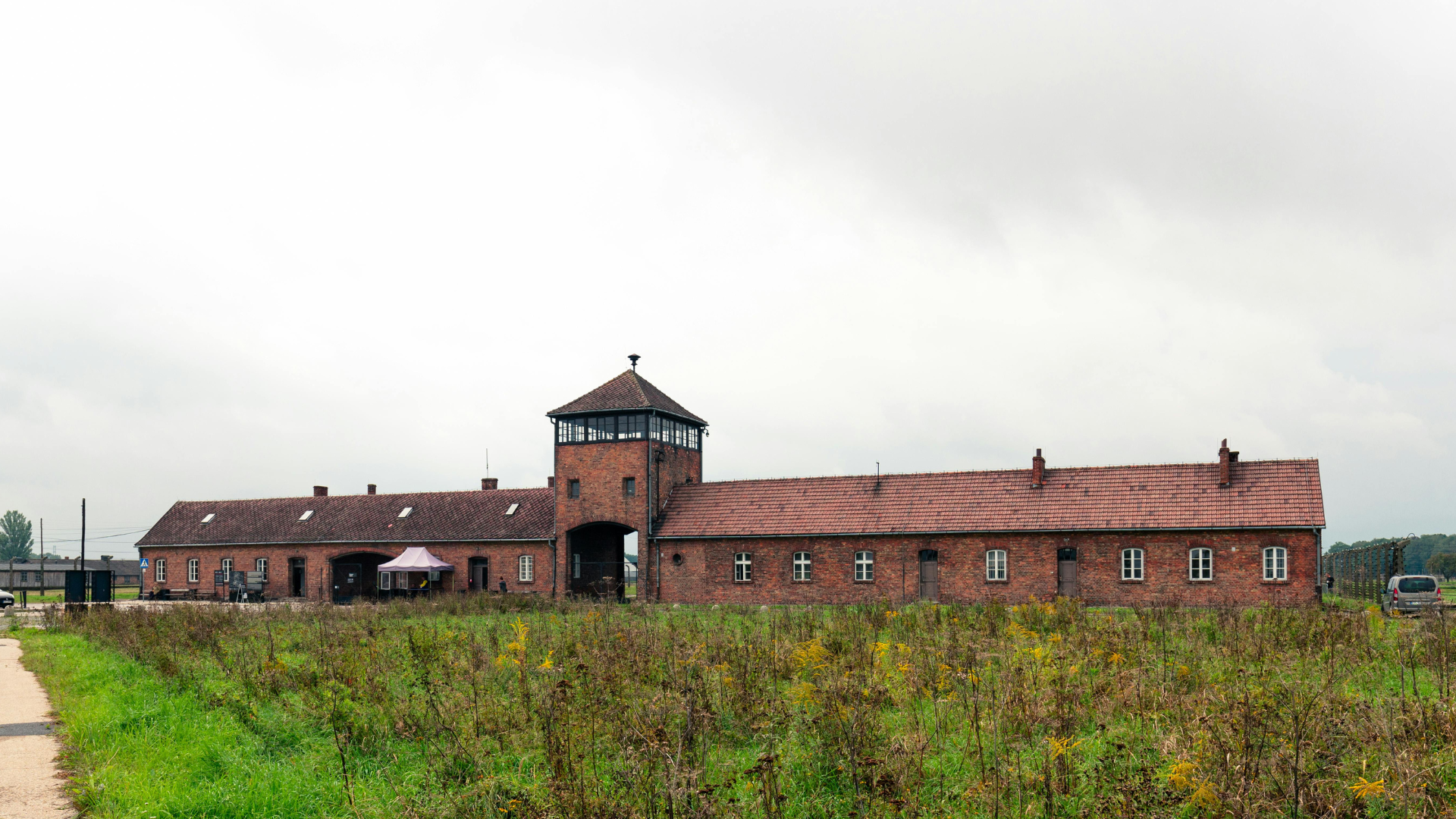
7. Auschwitz-Birkenau, Poland
© Pexels / Mateusz Feliksik

7. Auschwitz-Birkenau, Poland

Auschwitz-Birkenau is one of the most significant historical sites related to World War II and the Holocaust. Preserved as a memorial and museum, it provides a powerful and educational experience for visitors.

Walking through the camp allows you to understand the scale and impact of historical events that shaped modern Europe. It remains an important place for reflection and remembrance.

• Best Season to Visit: Year-round

• Ideal Visiting Hours: Morning

• Traveler Tip: Join a guided tour for context

• Must-Know: Respectful behavior is required

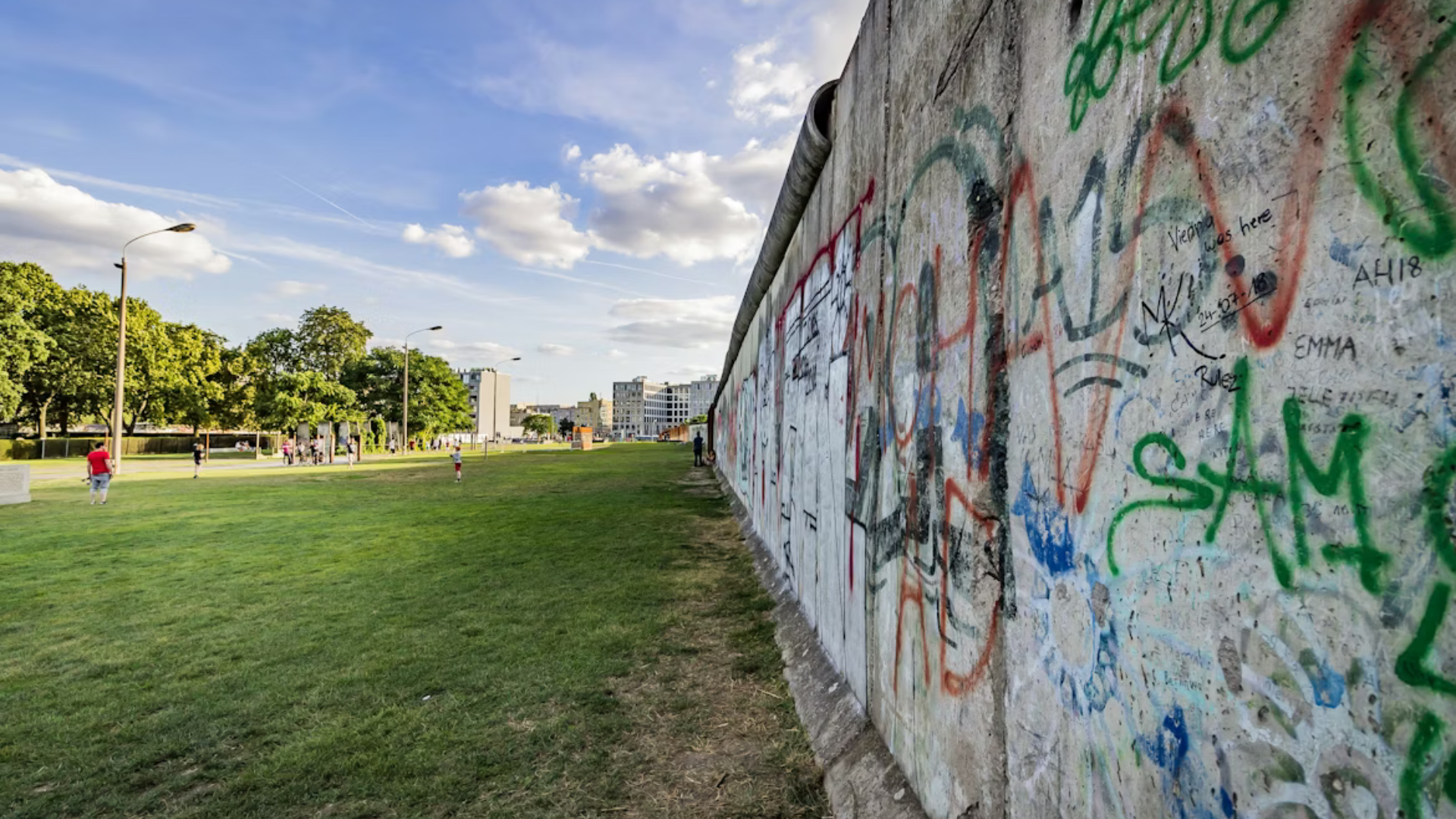
8. Berlin Wall, Germany
© Unsplash / Luis Diego Hernández

8. Berlin Wall, Germany

The Berlin Wall once divided the city during the Cold War and symbolized political separation. Today, preserved sections and memorials highlight its historical importance.

The East Side Gallery features murals that represent freedom and unity. It is one of the most important modern historical sites in Europe.

• Best Season to Visit: May to September

• Ideal Visiting Hours: Daytime

• Traveler Tip: Explore by bike for a broader view

• Must-Know: Most sections are free to visit

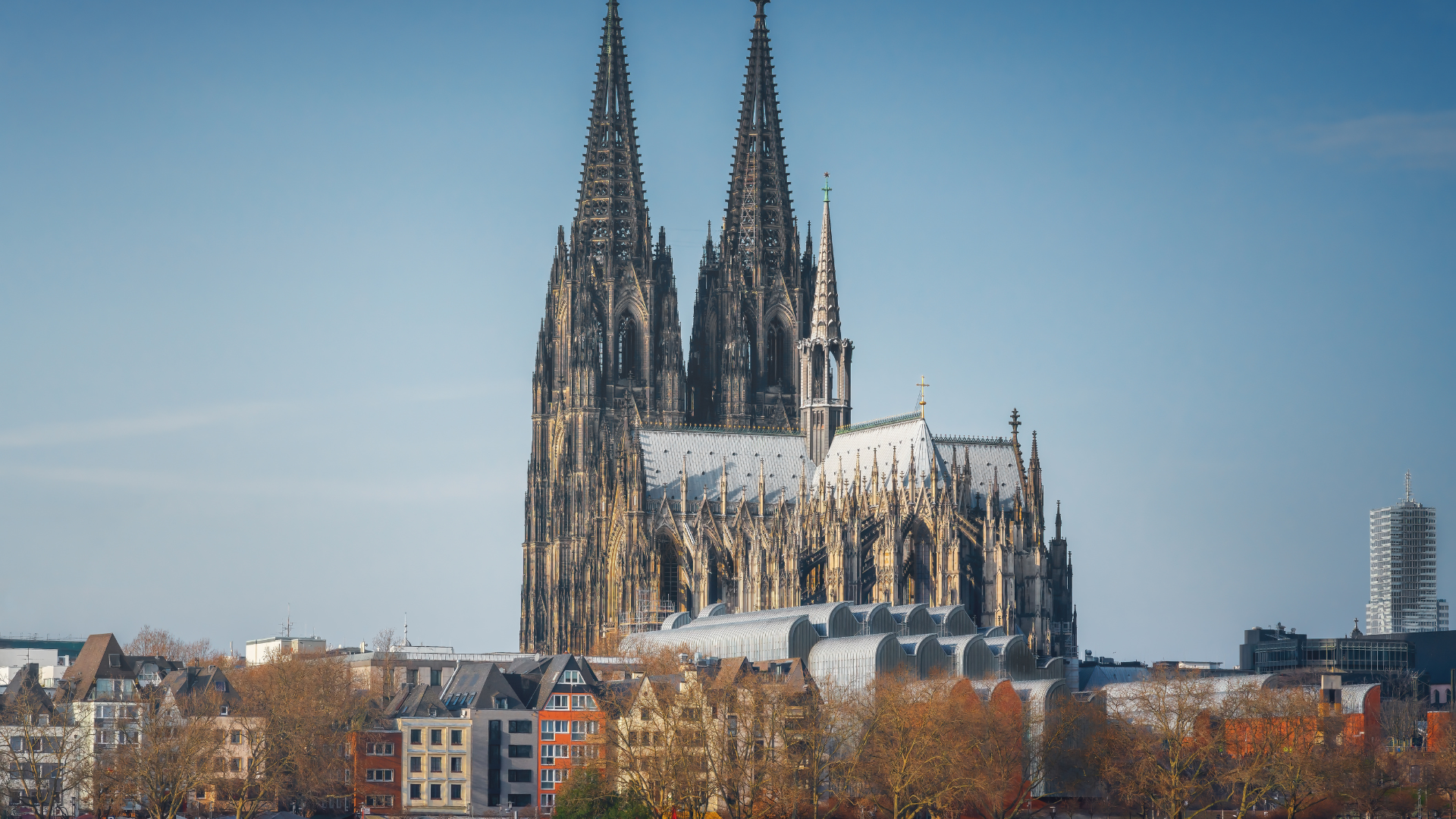
9. Cologne Cathedral, Germany
© Shutterstock / Diego Grandi

9. Cologne Cathedral, Germany

Cologne Cathedral is a striking example of Gothic architecture and took over 600 years to complete. Its twin towers dominate the city skyline and attract visitors from around the world.

Inside, the cathedral features detailed artwork and religious relics. Climbing the tower offers panoramic views of Cologne.

• Best Season to Visit: April to October

• Ideal Visiting Hours: Morning

• Traveler Tip: Arrive early to avoid crowds

• Must-Know: Tower climb requires a fee

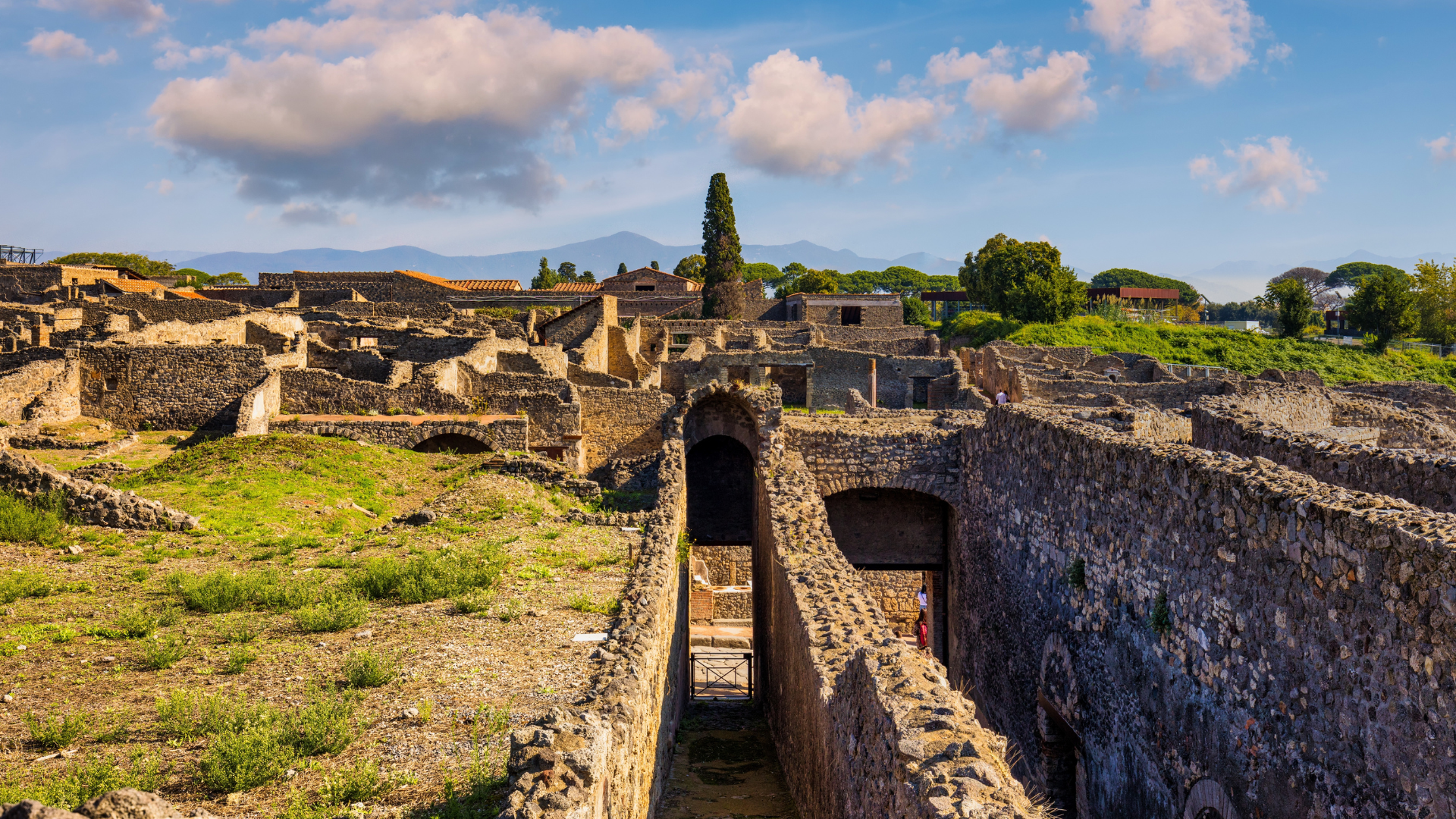
10. Pompeii, Italy
© Shutterstock / DaLiu

10. Pompeii, Italy

Pompeii provides a rare glimpse into daily life in ancient Rome. Preserved under volcanic ash after the eruption of Mount Vesuvius, the city remains remarkably intact.

Visitors can explore homes, streets, and public spaces that reveal how people lived thousands of years ago. It is one of the most unique historical experiences in Europe.

• Best Season to Visit: March to May and September

• Ideal Visiting Hours: Early morning

• Traveler Tip: Hire a guide for better understanding

• Must-Know: Large site, allow several hours

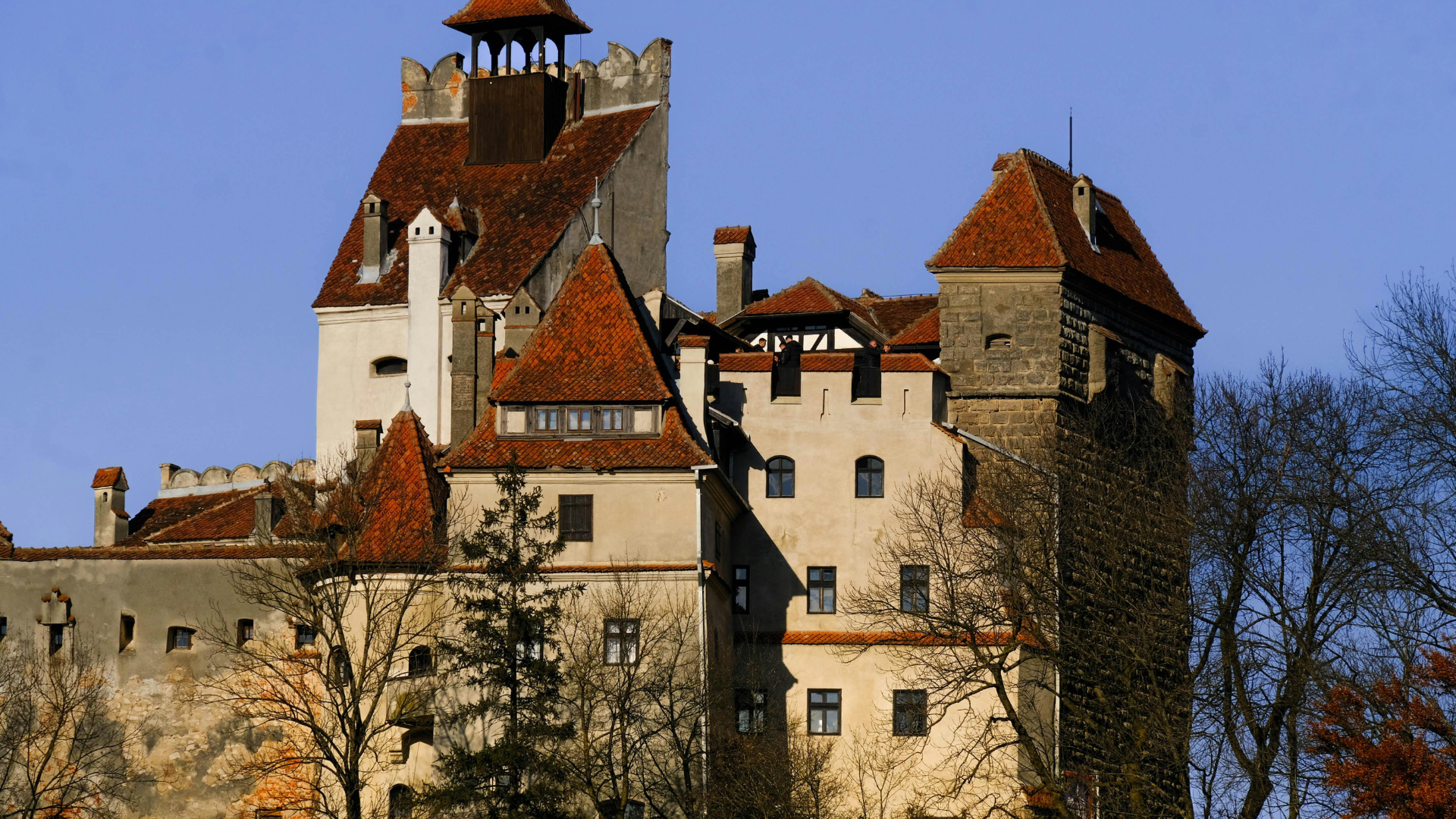
11. Bran Castle, Romania
© Pexels / Alexandru MnM

11. Bran Castle, Romania

Bran Castle is often linked to the Dracula legend and Vlad the Impaler, although the connection is debated. Regardless, it remains an important historical and cultural landmark in Romania.

The castle’s design and mountain setting make it a visually distinctive destination.

• Best Season to Visit: May to October

• Ideal Visiting Hours: Morning

• Traveler Tip: Visit on weekdays

• Must-Know: Some areas restrict photography

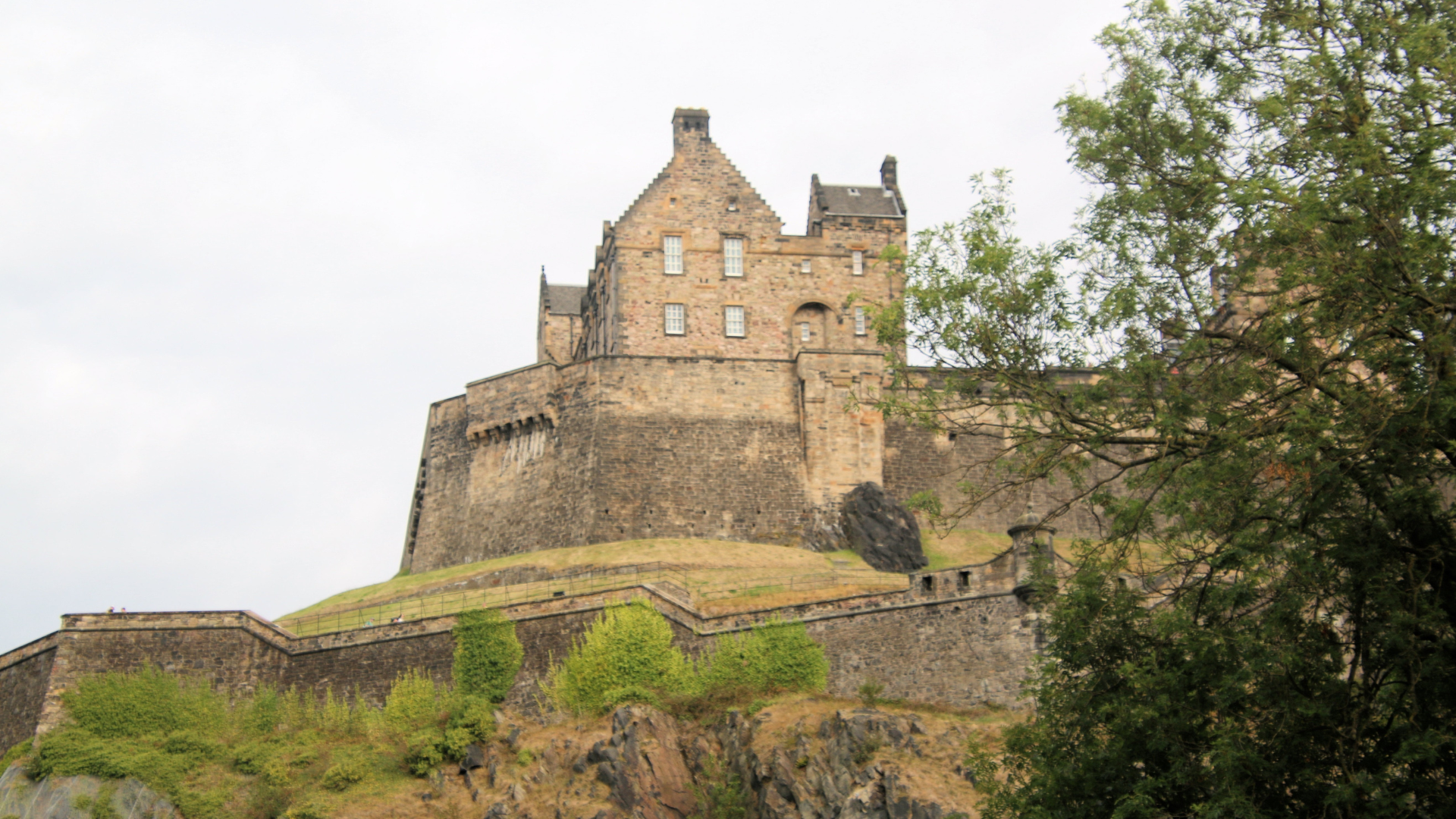
12. Edinburgh Castle, Scotland
© Shutterstock / Simon Edge

12. Edinburgh Castle, Scotland

Edinburgh Castle sits atop a volcanic rock and has played a major role in Scottish history. It has served as a royal residence and military stronghold.

The castle offers views over the city and houses important artifacts like the Crown Jewels.

• Best Season to Visit: May to September

• Ideal Visiting Hours: Morning

• Traveler Tip: Book tickets early

• Must-Know: Expect crowds during peak season

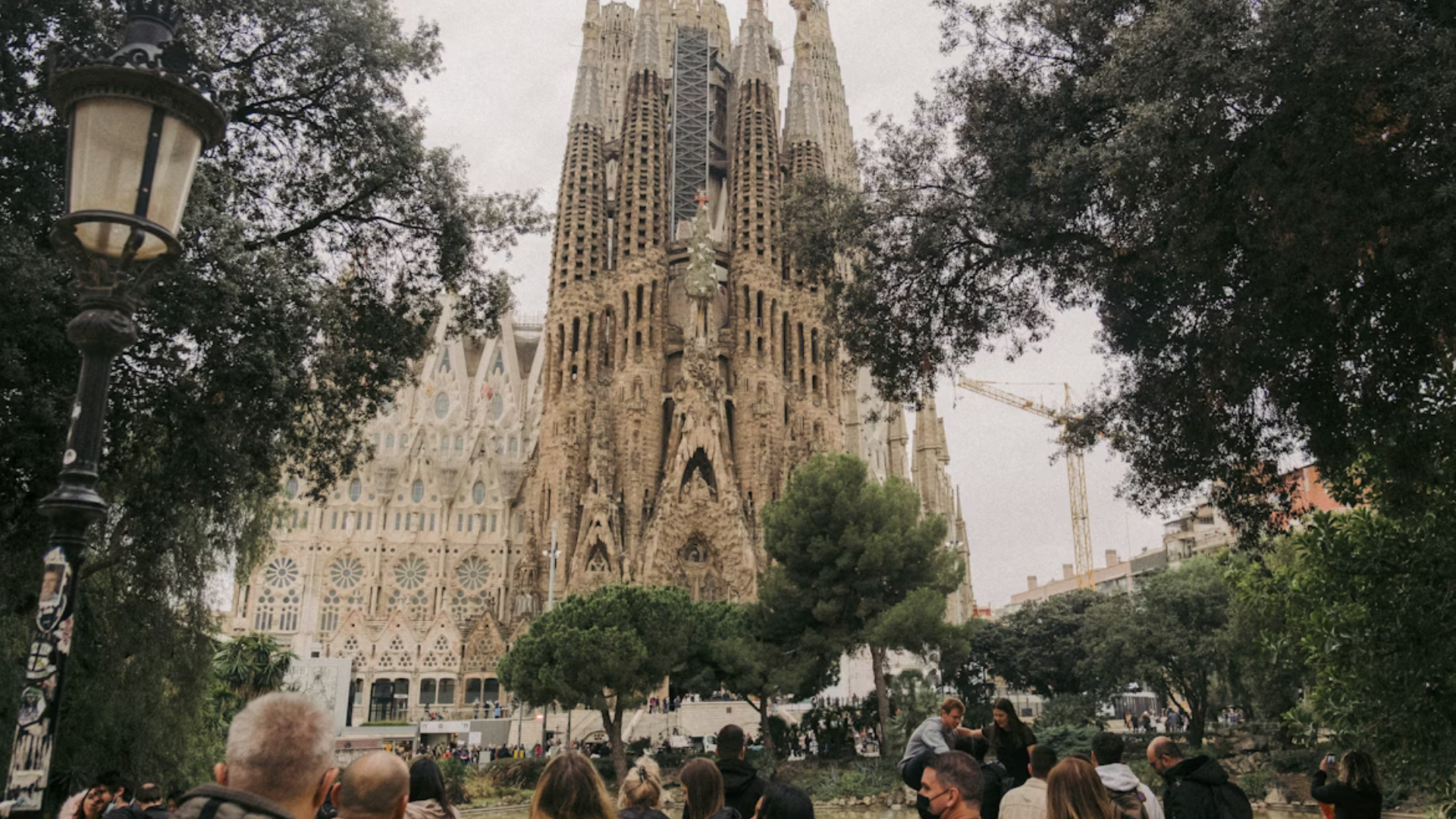
13. Sagrada Familia, Spain
© Unsplash / Colin

13. Sagrada Familia, Spain

Designed by Antoni Gaudí, the Sagrada Familia combines artistic creativity with historical significance. Construction began in 1882 and continues today.

Its unique design makes it one of the most recognizable landmarks in Europe.

• Best Season to Visit: Year-round

• Ideal Visiting Hours: Morning or late afternoon

• Traveler Tip: Book tickets in advance

• Must-Know: Dress modestly

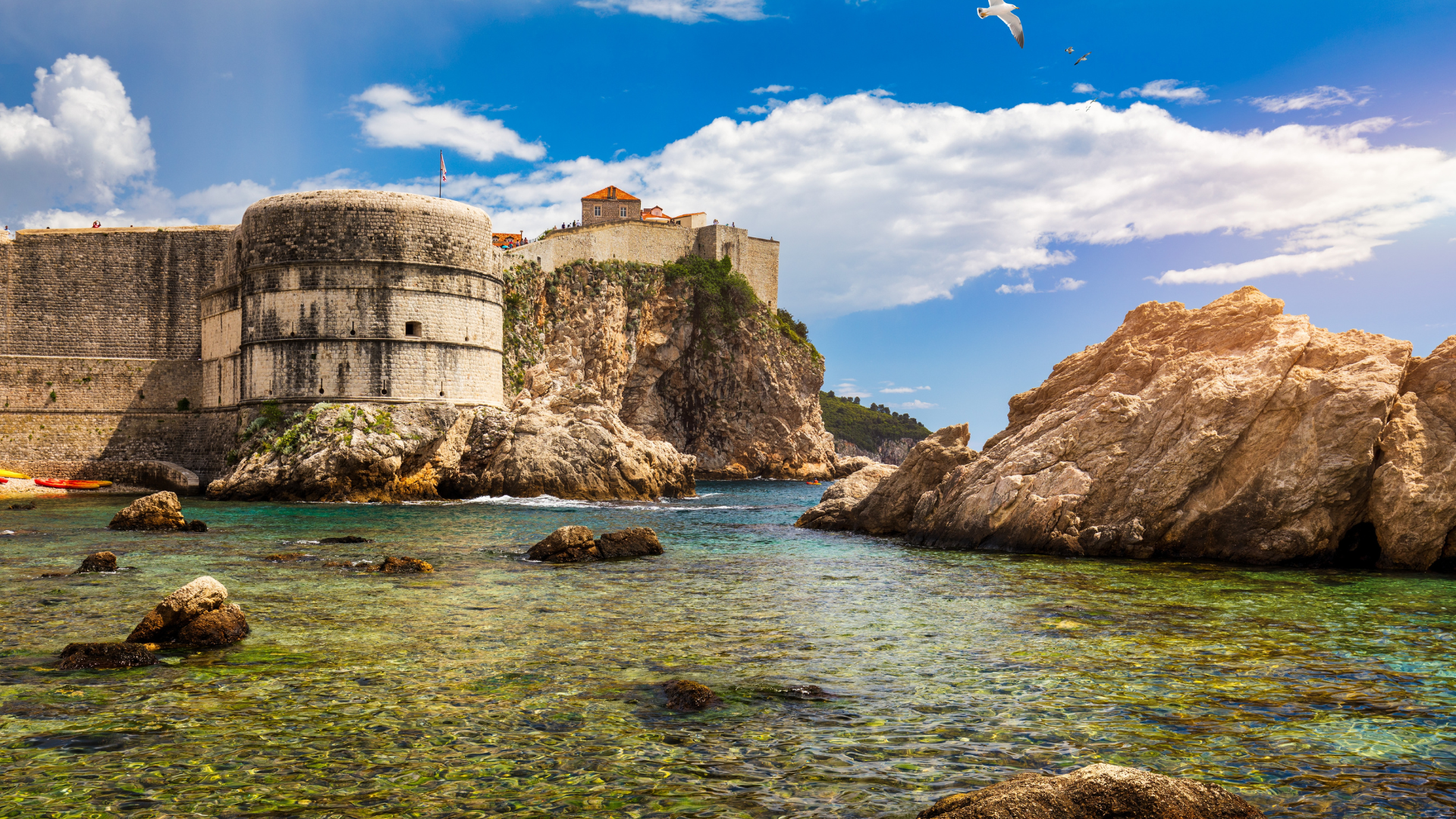
14. Dubrovnik Old Town, Croatia
© Shutterstock / DaLiu

14. Dubrovnik Old Town, Croatia

Dubrovnik Old Town is a well-preserved medieval city surrounded by walls. Its streets, buildings, and coastal views reflect centuries of maritime history.

Walking along the walls offers a complete view of the city and coastline.

• Best Season to Visit: May to June and September

• Ideal Visiting Hours: Morning or evening

• Traveler Tip: Avoid midday heat

• Must-Know: Wall access requires a ticket

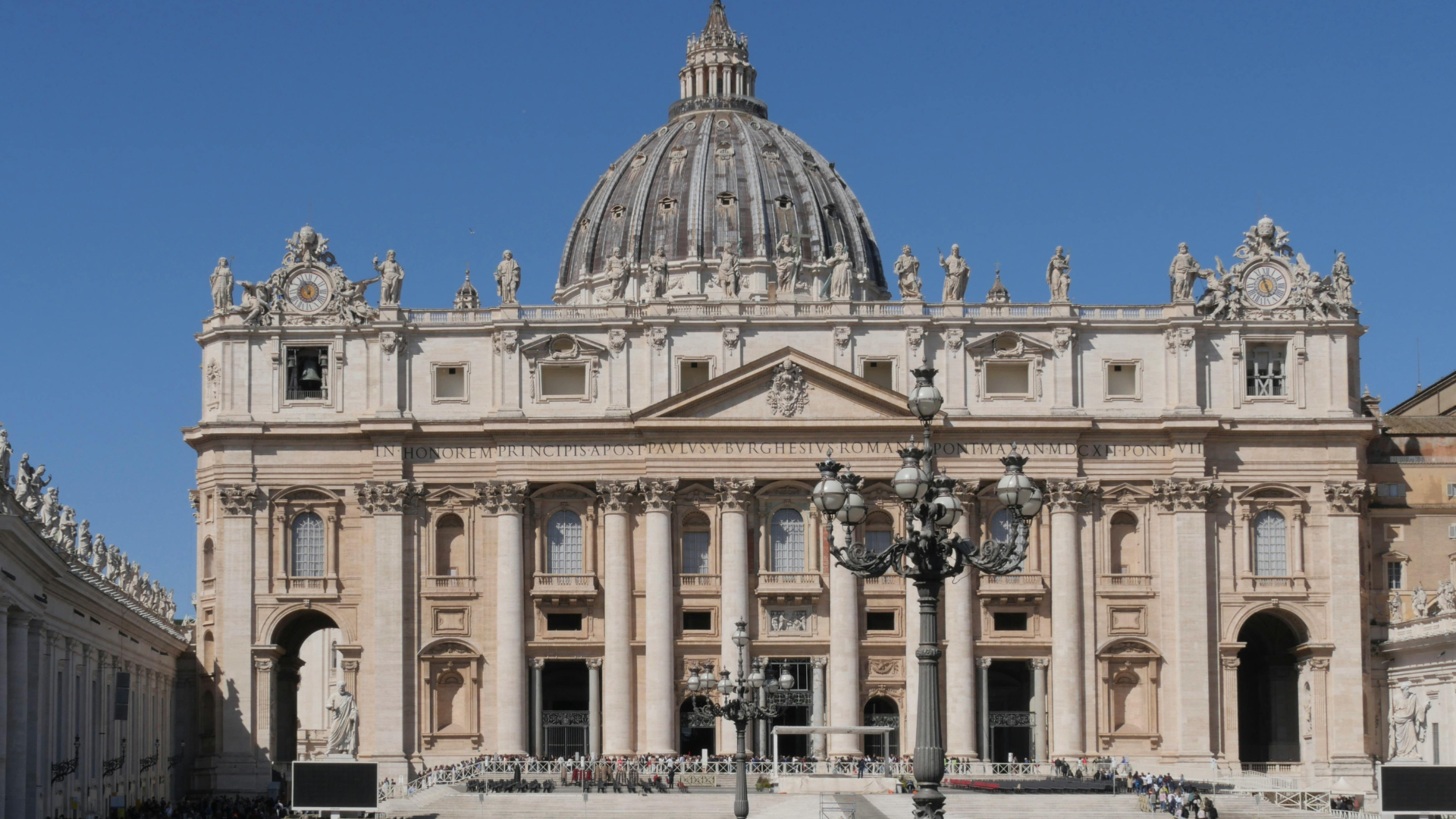
15. St Peter's Basilica, Vatican City
© Pexels / Dirk Pothen

15. St Peter's Basilica, Vatican City

St Peter’s Basilica is one of the most important religious and architectural landmarks in the world. Located in Vatican City, it showcases Renaissance art and design.

Inside, you will find works by Michelangelo and impressive interiors that attract millions of visitors each year.

• Best Season to Visit: April to June and September

• Ideal Visiting Hours: Early morning

• Traveler Tip: Arrive early to avoid long lines

• Must-Know: Entry is free, dome climb requires a fee


Comments (0)

Leave a Reply

No comments yet. Be the first to share your thoughts!