Travel Destination

15 lesser-known destinations frequent travelers recommend exploring

Julian Cross
3.6
May 03, 2026

Modern travel has become increasingly shaped by viral destinations, social media trends, and heavily visited landmarks that often struggle with overcrowding and commercialization. While iconic cities and world-famous attractions still hold strong appeal, many travelers are now actively searching for quieter, more meaningful experiences that allow them to connect with culture, nature, and history in a more authentic way. This shift has led to a growing interest in underexplored travel escapes that remain outside the typical tourist circuit.

These destinations are not completely unknown, but they are often overlooked in favor of more mainstream hotspots. What makes them especially appealing is their ability to offer a slower, more immersive travel experience without the pressure of large crowds or inflated tourist pricing. From remote islands and mountain villages to ancient cities and untouched natural regions, these locations represent some of the most rewarding hidden gems in global travel.

This guide explores 15 underexplored travel escapes to visit on your next vacation, offering detailed insights into what makes each destination unique along with practical travel tips to help you plan more effectively.
1. Albarracín, Spain
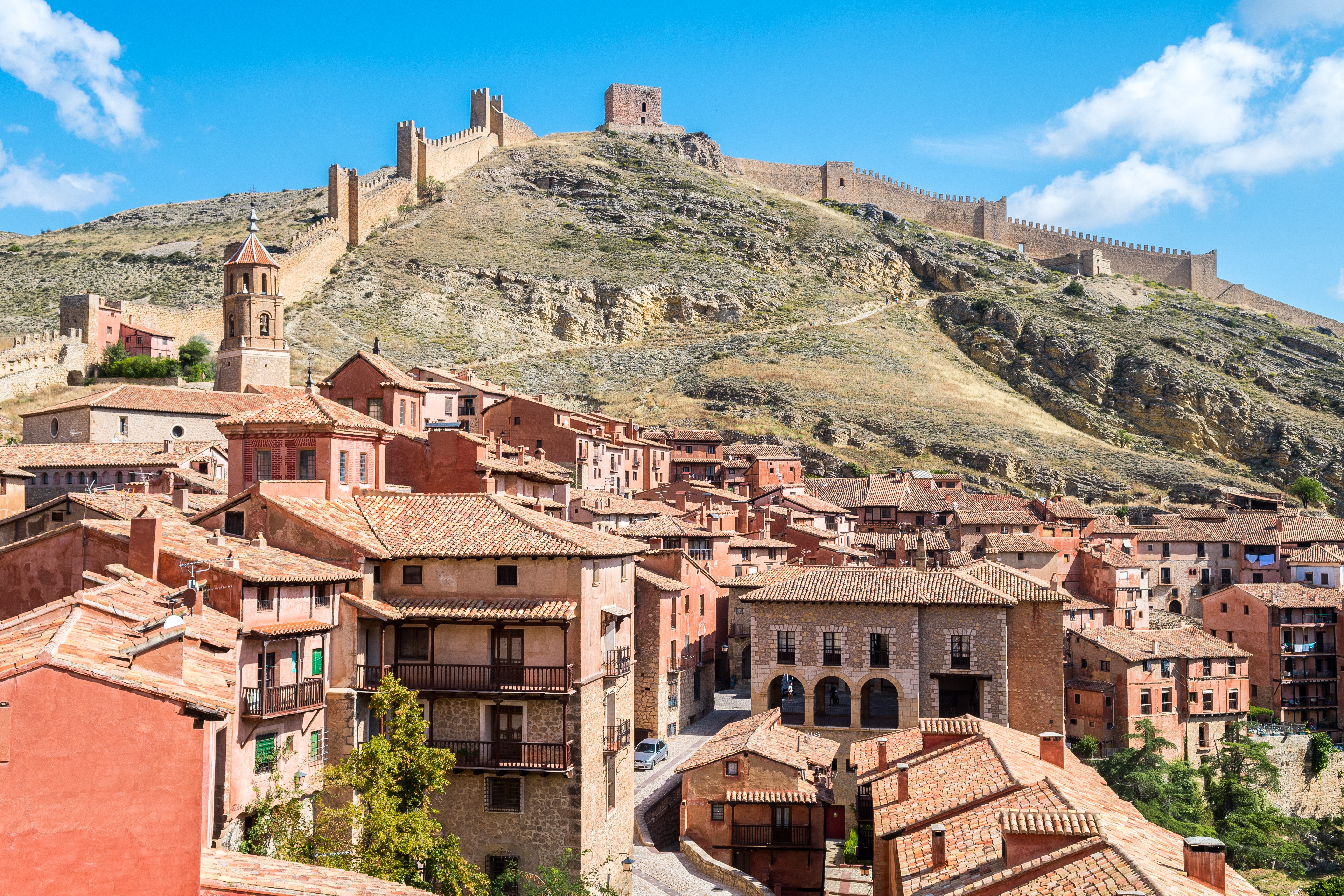
© Shutterstock / Jon Chica

1. Albarracín, Spain

Albarracín is a beautifully preserved medieval town located in the Aragon region of Spain, known for its distinctive red stone architecture, narrow winding streets, and ancient defensive walls that wrap around the hillside. The town feels like a living museum where history has been carefully preserved rather than reconstructed, giving visitors a rare opportunity to experience a truly medieval atmosphere. Unlike Spain’s major tourist cities, Albarracín remains peaceful and uncrowded, allowing travelers to explore its steep pathways, panoramic viewpoints, and historic buildings at a relaxed pace. Its surrounding rugged landscape adds to its dramatic beauty, making it especially popular among photographers and cultural travelers seeking something different from mainstream Spanish destinations.

Best Season to Visit: Spring and autumn when temperatures are comfortable for walking

Ideal Visiting Hours: Morning or late afternoon for soft light and fewer crowds

Traveler Tip: Wear sturdy footwear as the streets are steep and uneven

Must-Know: Many small museums and historic sites close early in the afternoon

2. Kotor Bay, Montenegro
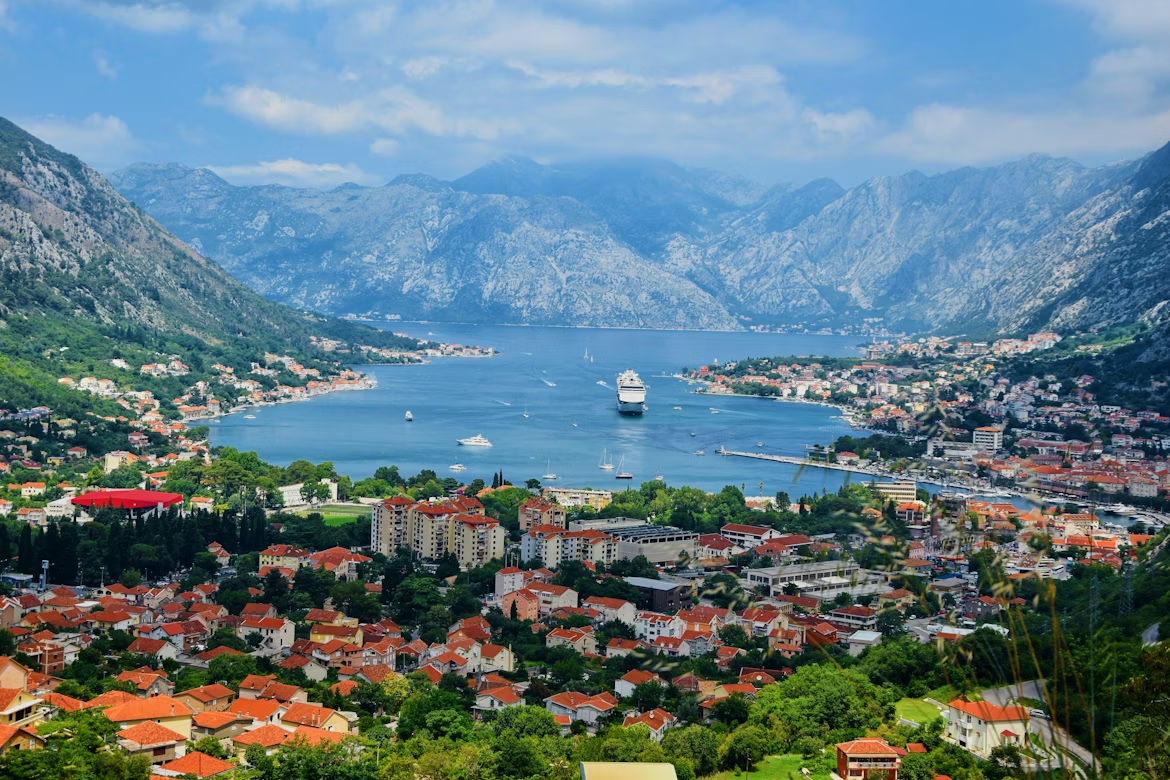
© Unsplash / olgabrajnovic

2. Kotor Bay, Montenegro

Kotor Bay is one of the most scenic coastal regions in Europe, featuring calm blue waters surrounded by steep limestone mountains that create a fjord-like landscape. The area blends natural beauty with centuries of history, particularly in Kotor Old Town, where medieval walls, stone streets, and ancient churches create a rich cultural atmosphere. Despite its beauty, the region remains less overwhelming than many Mediterranean hotspots, especially outside peak cruise ship hours. Travelers can explore quiet villages along the bay, enjoy boat rides, or hike up fortress trails for panoramic views of the coastline. The combination of mountain and sea scenery makes it one of the most visually striking yet still underappreciated destinations in Europe.

Best Season to Visit: Late spring to early autumn for warm weather and clear skies

Ideal Visiting Hours: Early morning or evening to avoid cruise crowds

Traveler Tip: Take a boat tour to explore quieter villages across the bay

Must-Know: Cruise arrivals can temporarily make Kotor Old Town very crowded

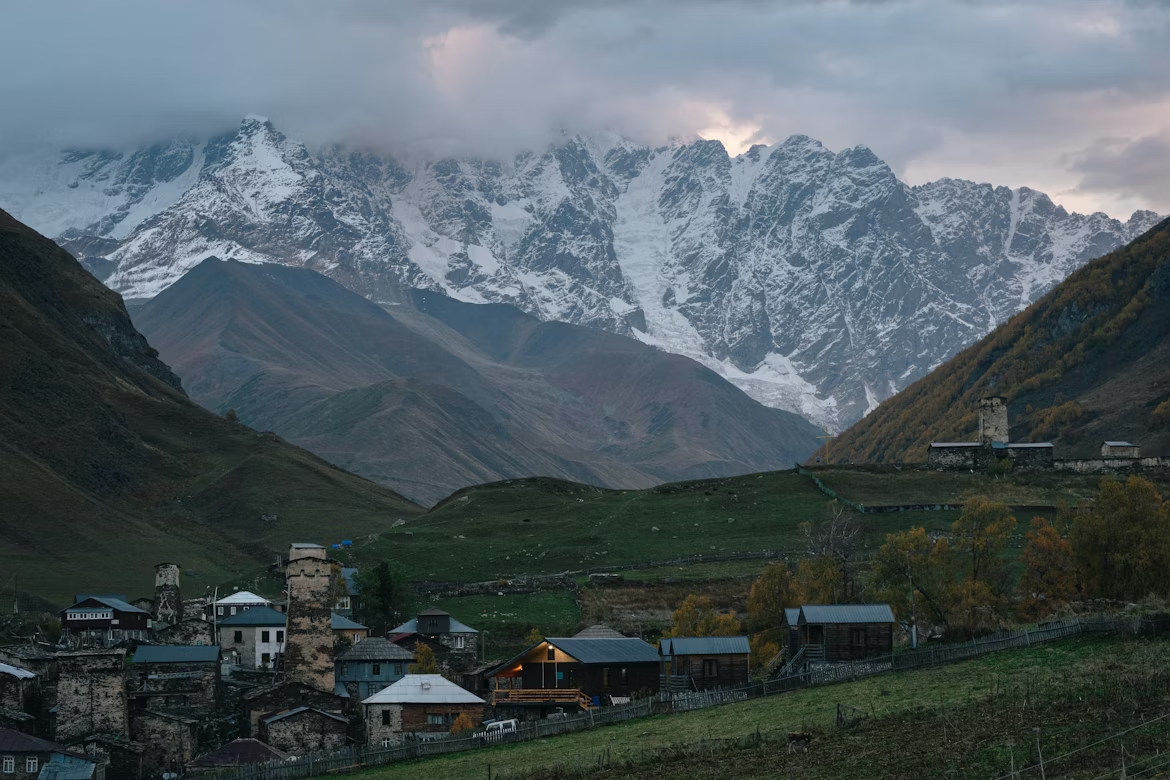
3. Svaneti Region, Georgia
© Unsplash / nicknight

3. Svaneti Region, Georgia

The Svaneti region in Georgia is a remote mountainous area known for its ancient stone defense towers, traditional villages, and dramatic alpine scenery. Located in the Caucasus Mountains, it offers one of the most culturally preserved environments in Europe and Asia, where local traditions and architecture have remained largely unchanged for centuries. The region is ideal for trekking, cultural exploration, and immersive travel experiences far removed from modern tourism infrastructure. Visitors can explore glaciers, deep valleys, and high-altitude settlements that reflect a unique way of life shaped by isolation and mountain geography.

Best Season to Visit: Summer for hiking and winter for snow-covered landscapes

Ideal Visiting Hours: Daytime for trekking and village visits

Traveler Tip: Hire local guides for remote mountain trails

Must-Know: Road access can be difficult during heavy snow seasons

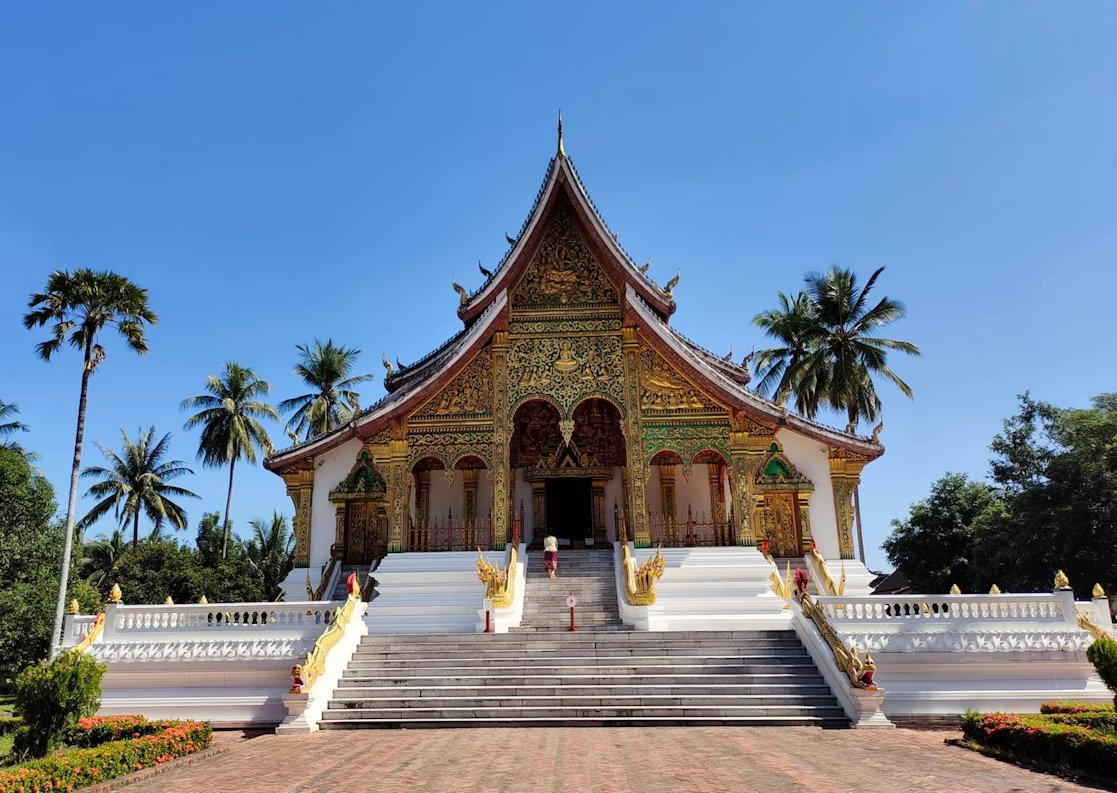
4. Luang Prabang, Laos
© Unsplash / Life on the road

4. Luang Prabang, Laos

Luang Prabang is a peaceful heritage city located at the confluence of the Mekong and Nam Khan rivers, known for its golden temples, colonial architecture, and deeply spiritual atmosphere. The city offers a rare balance between cultural richness and slow-paced living, making it ideal for travelers seeking relaxation and reflection. One of its most unique traditions is the early morning alms-giving ceremony, where monks walk silently through the streets collecting offerings. Beyond its cultural heritage, the city also features waterfalls, night markets, and riverside cafés that enhance its tranquil charm.

Best Season to Visit: November to February for cooler, dry weather

Ideal Visiting Hours: Early morning for rituals and evening for markets

Traveler Tip: Dress modestly when visiting temples

Must-Know: Respect local customs during religious ceremonies

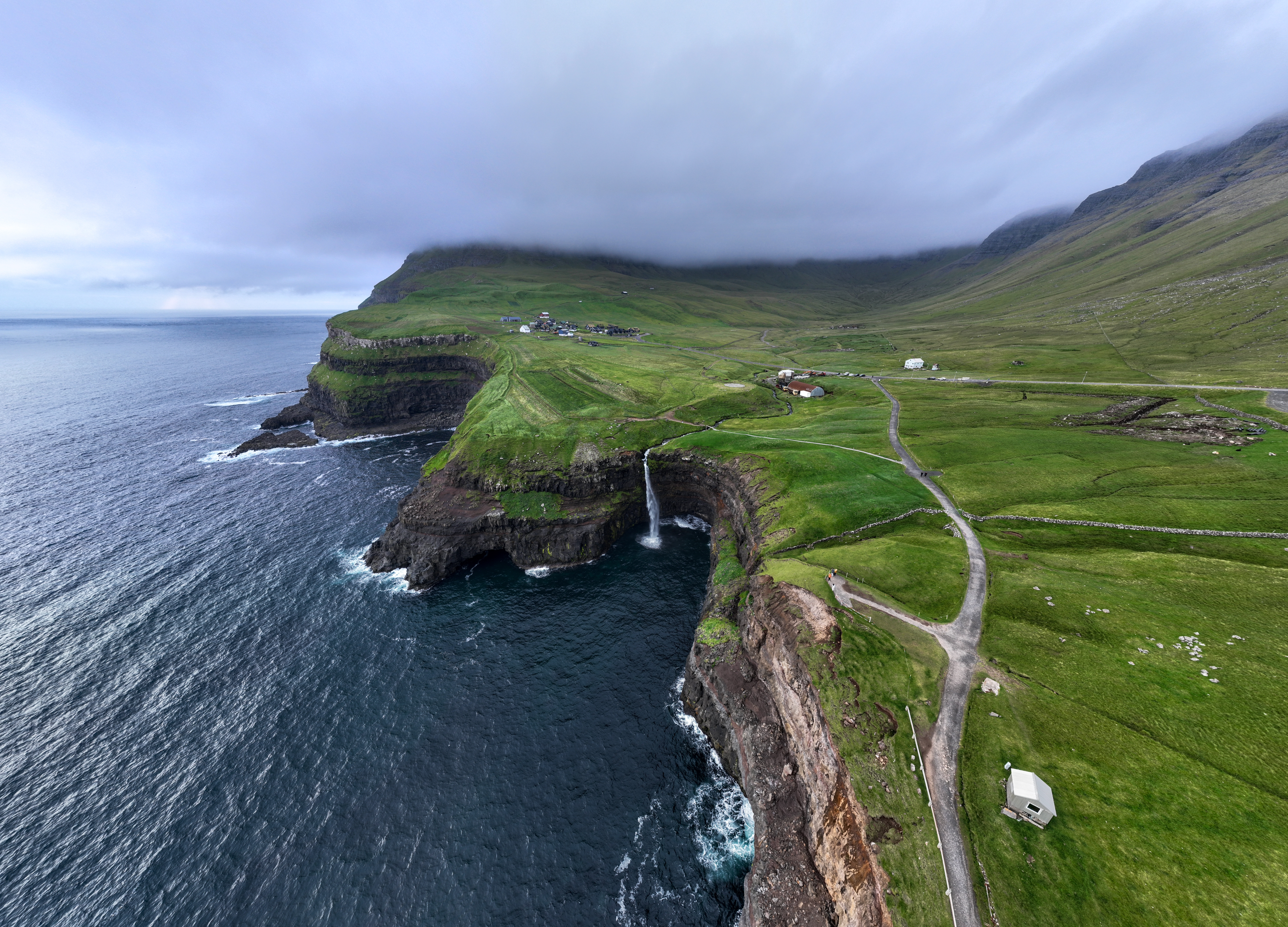
5. Faroe Islands, Denmark
© Shutterstock / Felix Lipov

5. Faroe Islands, Denmark

The Faroe Islands are a remote North Atlantic archipelago known for dramatic cliffs, green hills, and isolated coastal villages surrounded by the ocean. The landscape feels untouched and raw, offering a sense of isolation that is increasingly rare in modern travel. Visitors come here for hiking trails, birdwatching, and breathtaking viewpoints that overlook cliffs dropping into the sea. The islands remain relatively uncrowded due to their remote location and unpredictable weather, which helps preserve their natural atmosphere.

Best Season to Visit: June to August for milder conditions

Ideal Visiting Hours: Daytime for hiking and coastal drives

Traveler Tip: Be prepared for sudden weather changes

Must-Know: Some rural roads may close in extreme weather

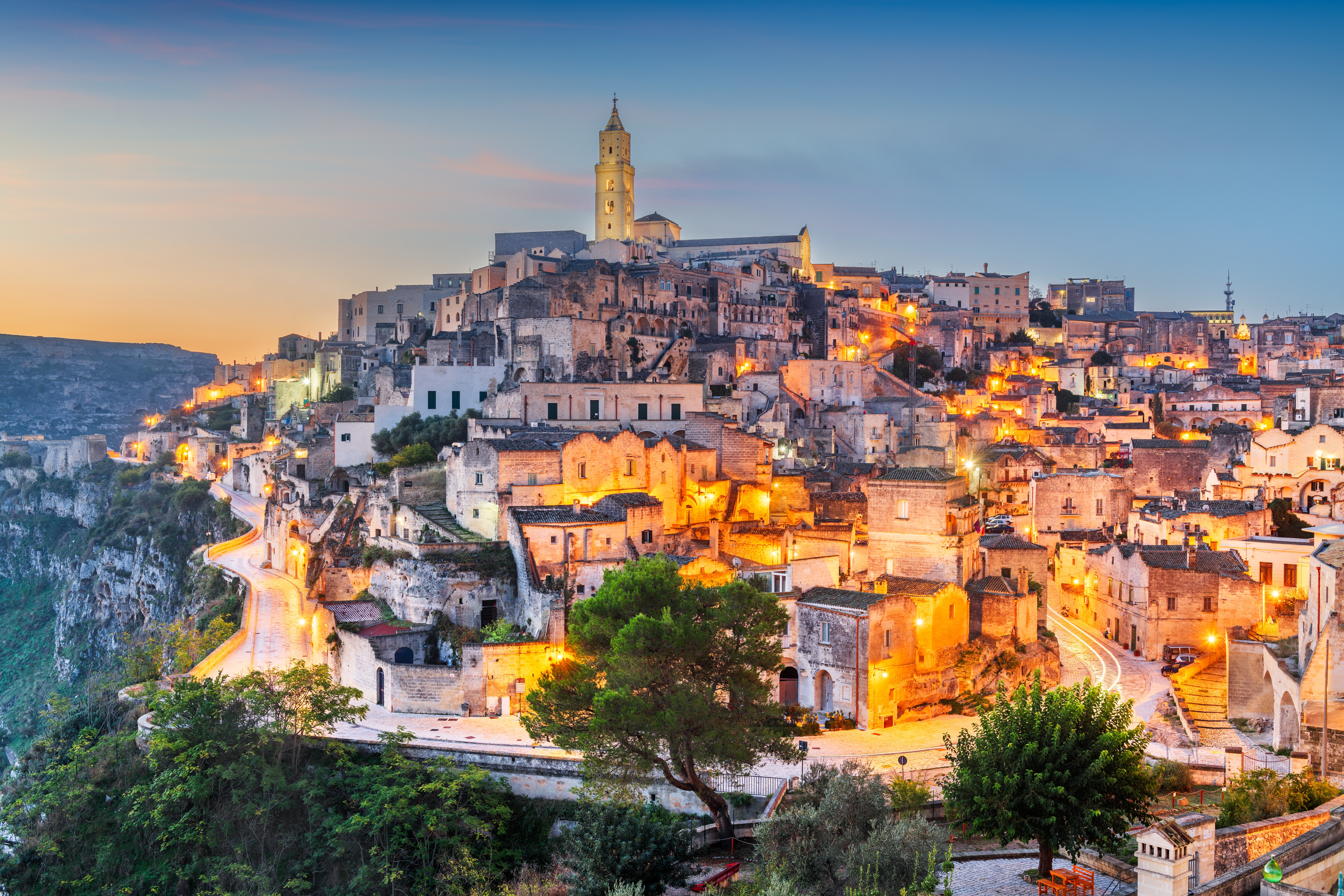
6. Matera, Italy
© Shutterstock / Sean Pavone

6. Matera, Italy

Matera is one of the oldest continuously inhabited cities in the world and is famous for its cave dwellings known as “Sassi,” which are carved directly into limestone cliffs. The city offers a fascinating blend of ancient architecture and modern restoration, creating a unique travel experience that feels both historical and atmospheric. Unlike Italy’s more crowded cities, Matera allows visitors to explore its winding stone streets and cave churches in a calmer environment, making it especially appealing for cultural travelers.

Best Season to Visit: Spring and early autumn

Ideal Visiting Hours: Morning and sunset for scenic views

Traveler Tip: Stay overnight in a cave hotel for a unique experience

Must-Know: Expect uneven terrain and steep walking paths

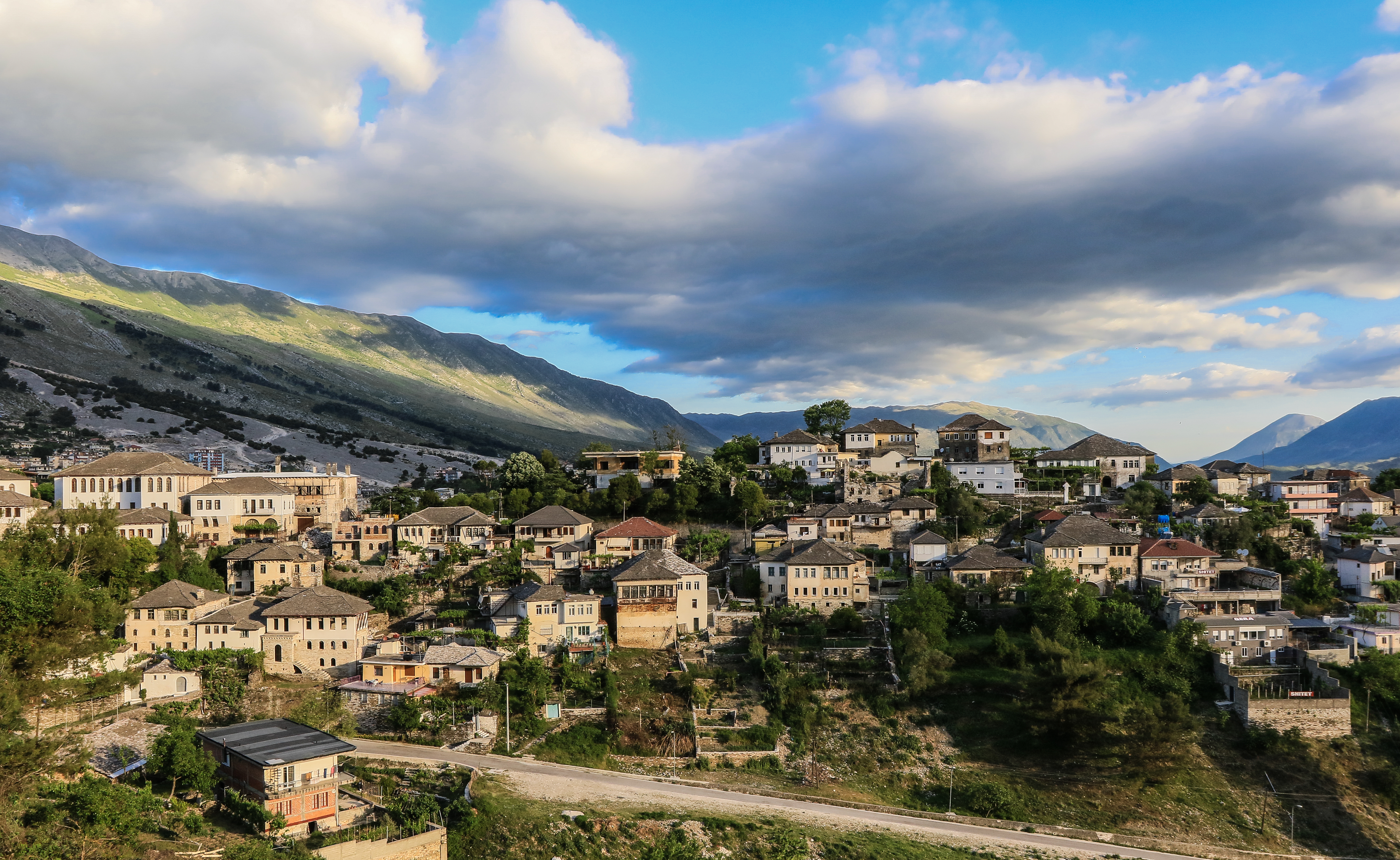
7. Gjirokastër, Albania
© Shutterstock / Dave Primov

7. Gjirokastër, Albania

Gjirokastër is a UNESCO-listed town known for its Ottoman-era stone houses and hillside layout overlooking a wide valley. Often called the “City of Stone,” it is filled with cobblestone streets, historic architecture, and a strong cultural identity that reflects Albania’s long history. The town is much quieter than many European destinations, allowing visitors to explore its castle, old bazaar, and traditional neighborhoods without heavy tourist crowds.

Best Season to Visit: Late spring and early autumn

Ideal Visiting Hours: Afternoon for castle views and evening walks

Traveler Tip: Visit the castle for panoramic valley views

Must-Know: Expect uphill walking in most areas

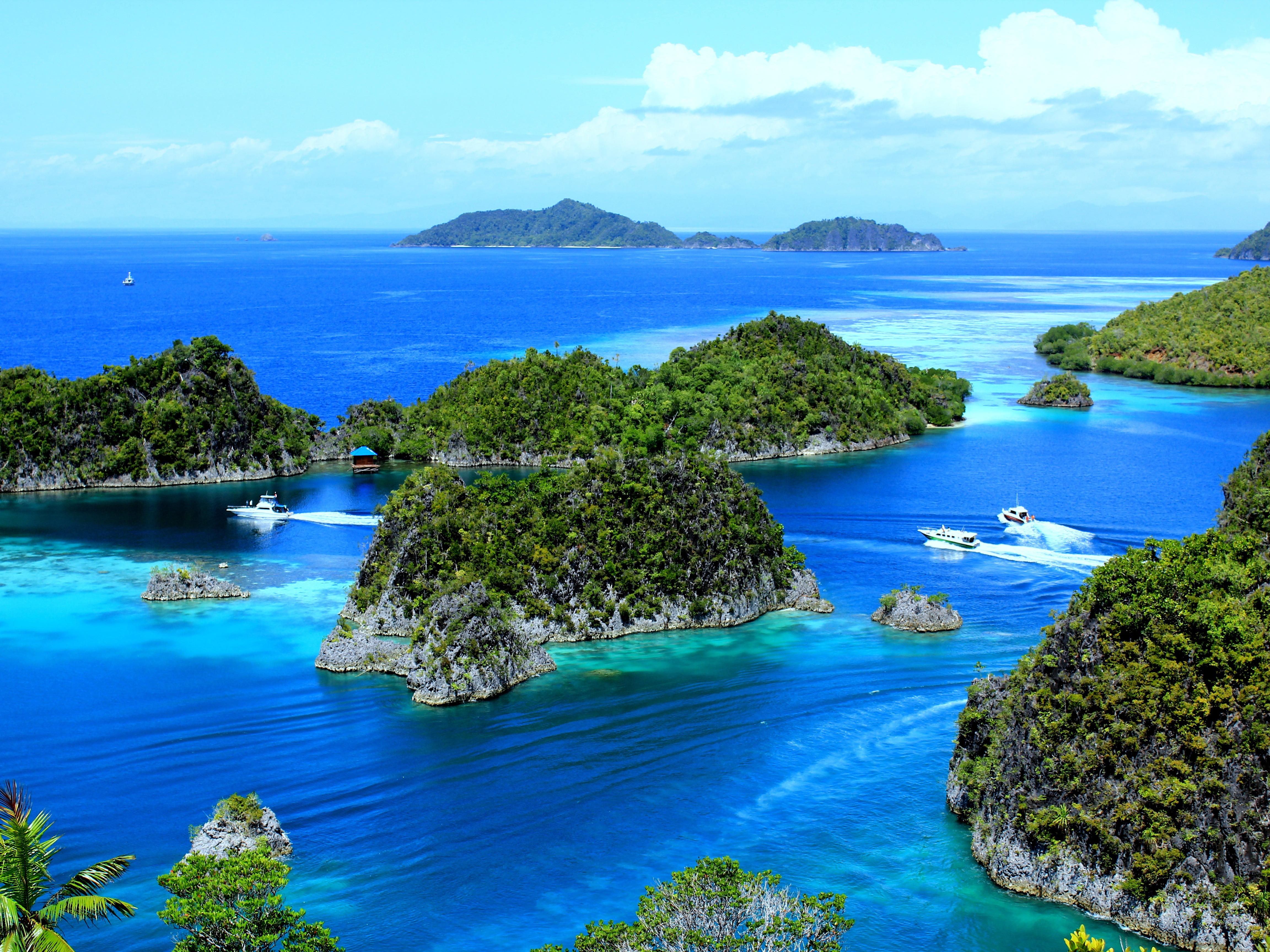
8. Raja Ampat, Indonesia
© Pixabay / Ady_Fauzan

8. Raja Ampat, Indonesia

Raja Ampat is a remote archipelago known for its extraordinary marine biodiversity, crystal-clear waters, and untouched coral reefs. It is considered one of the best diving destinations in the world, yet remains relatively undeveloped for mass tourism. Travelers explore the region by boat, visiting remote islands, snorkeling in vibrant reefs, and experiencing traditional village life. Its isolation helps preserve its natural environment, making it ideal for eco-conscious travelers.

Best Season to Visit: October to April for calmer seas

Ideal Visiting Hours: Daytime for diving and island hopping

Traveler Tip: Choose eco-friendly accommodations

Must-Know: Travel requires multiple transfers and planning

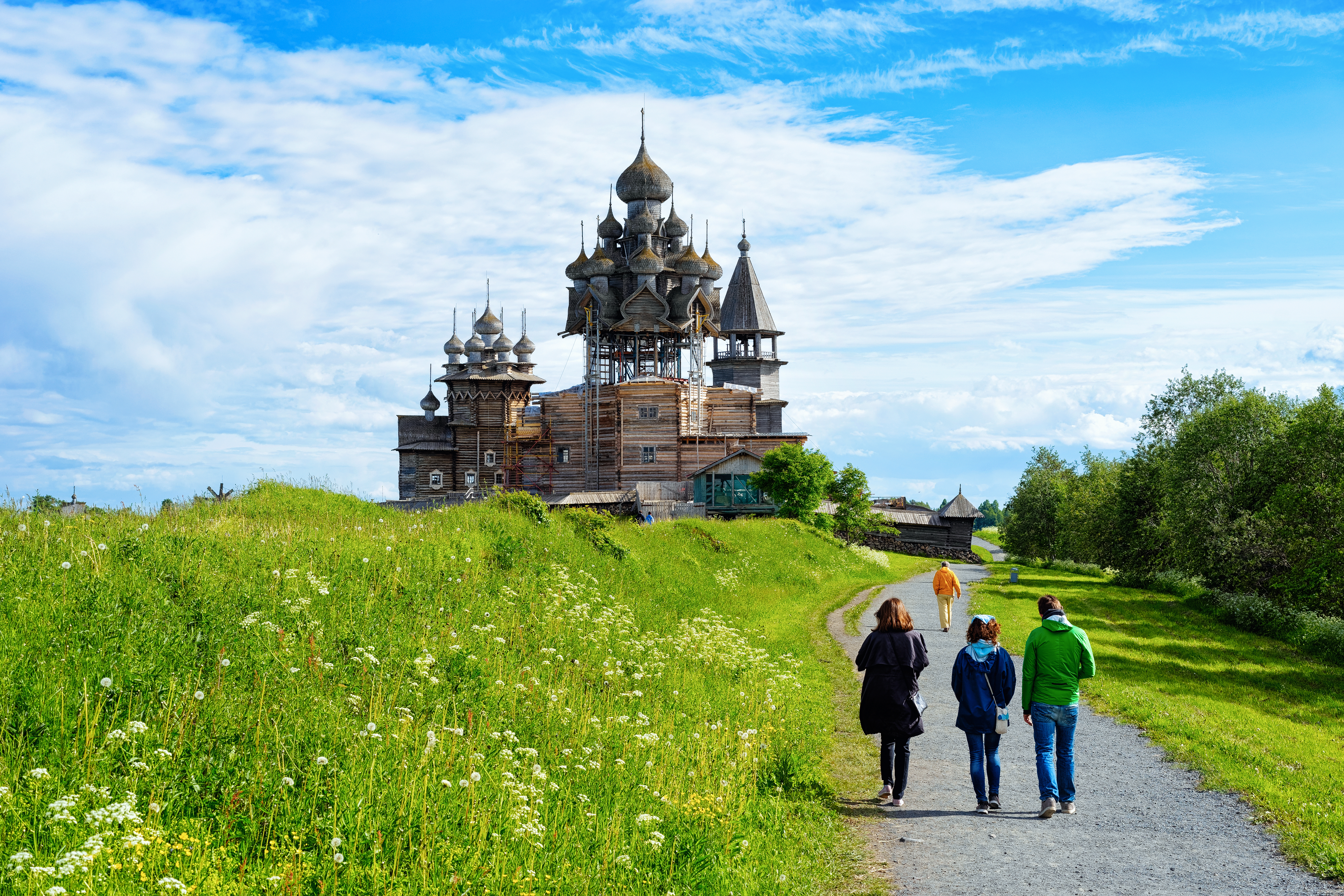
9. Kizhi Island, Russia
© Shutterstock / Roman Babakin

9. Kizhi Island, Russia

Kizhi Island is located on Lake Onega and is famous for its wooden architecture, including churches built entirely without nails. The island is a UNESCO World Heritage site and functions as an open-air museum showcasing traditional Russian craftsmanship. Surrounded by water and forest landscapes, it offers a quiet and culturally rich environment that feels far removed from modern urban life.

Best Season to Visit: Summer months for accessibility

Ideal Visiting Hours: Midday for museum exploration

Traveler Tip: Join guided tours for historical context

Must-Know: Limited access during winter due to freezing conditions

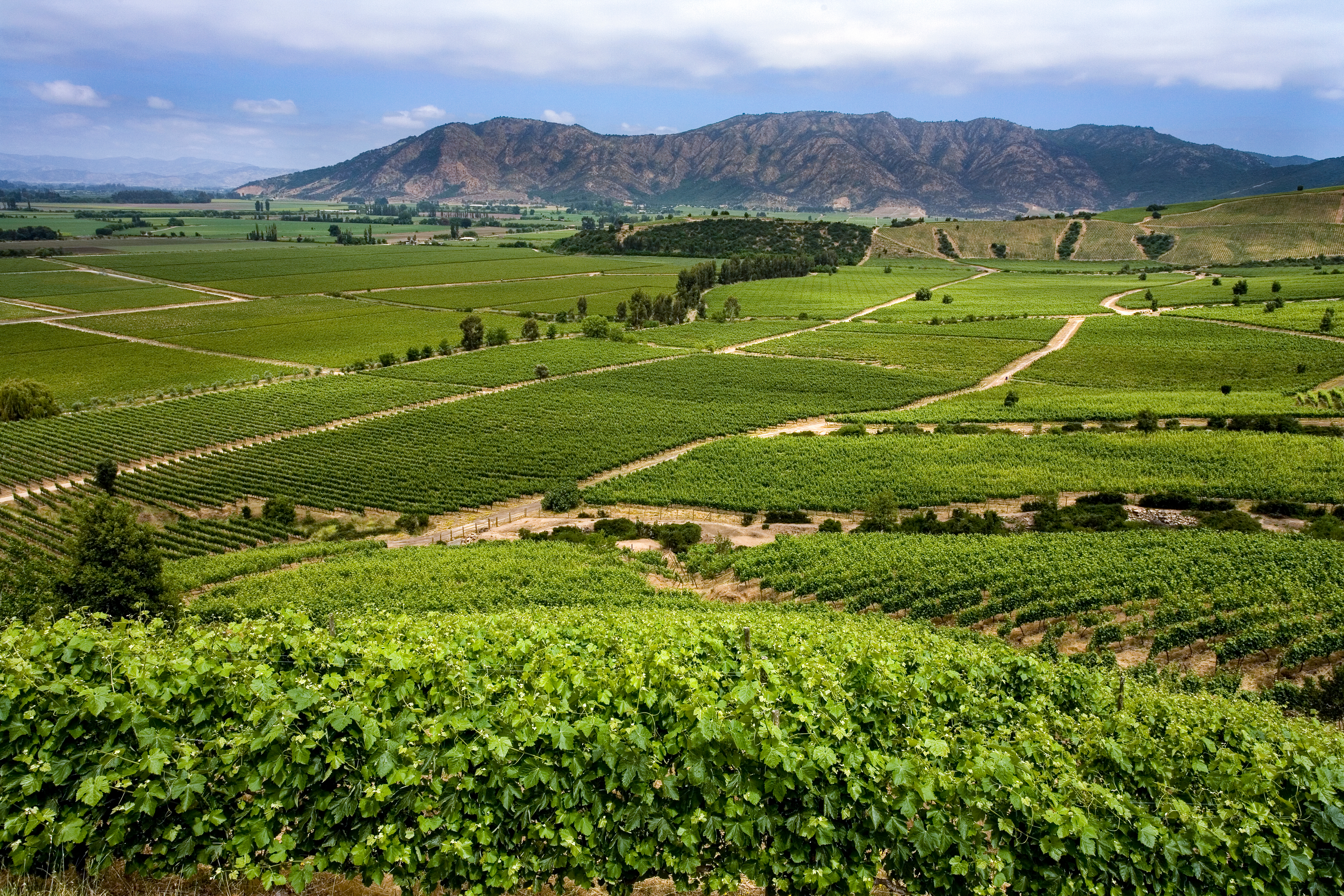
10. Colchagua Valley, Chile
© Shutterstock / Steve Allen

10. Colchagua Valley, Chile

Colchagua Valley is one of Chile’s premier wine regions, known for its vineyards, rolling hills, and relaxed countryside atmosphere. Unlike more famous wine destinations in Europe, it remains relatively uncrowded, allowing for a more peaceful and authentic tasting experience. Visitors can tour wineries, explore rural towns, and enjoy local cuisine surrounded by scenic landscapes.

Best Season to Visit: March to May during harvest season

Ideal Visiting Hours: Afternoon for vineyard tours

Traveler Tip: Book wine tastings in advance

Must-Know: Some wineries require prior reservations

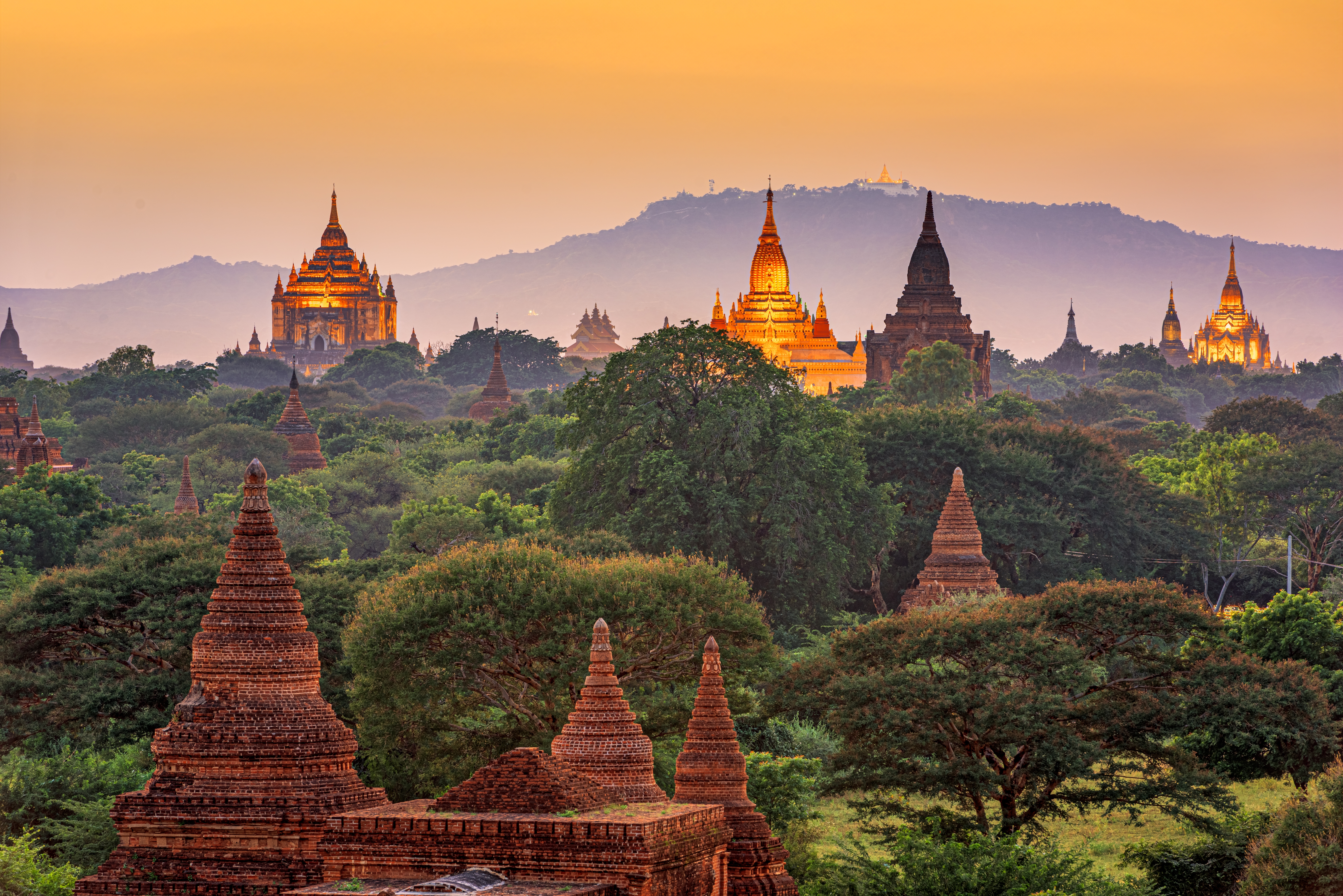
11. Bagan, Myanmar
© Shutterstock / Sean Pavone

11. Bagan, Myanmar

Bagan is an ancient city filled with thousands of temples and pagodas spread across a vast plain, creating one of the most breathtaking archaeological landscapes in Asia. The sunrise views over the temples, especially with hot air balloons in the sky, create a truly unforgettable experience. Despite its historical importance, it remains less crowded than many global heritage sites.

Best Season to Visit: November to February

Ideal Visiting Hours: Sunrise and sunset

Traveler Tip: Use an e-bike for easy exploration

Must-Know: Entry passes are required for temple zones

12. Isle of Skye, Scotland
© Shutterstock / Felix Lipov

12. Isle of Skye, Scotland

The Isle of Skye is known for its dramatic cliffs, waterfalls, and rugged mountain scenery that feels almost cinematic in nature. While it has grown in popularity, many parts of the island remain peaceful and uncrowded, especially away from main tourist routes. It is a top destination for hiking, photography, and scenic road trips.

Best Season to Visit: Late spring to early autumn

Ideal Visiting Hours: Daytime for hiking and sightseeing

Traveler Tip: Book accommodation early due to limited supply

Must-Know: Weather changes rapidly throughout the day

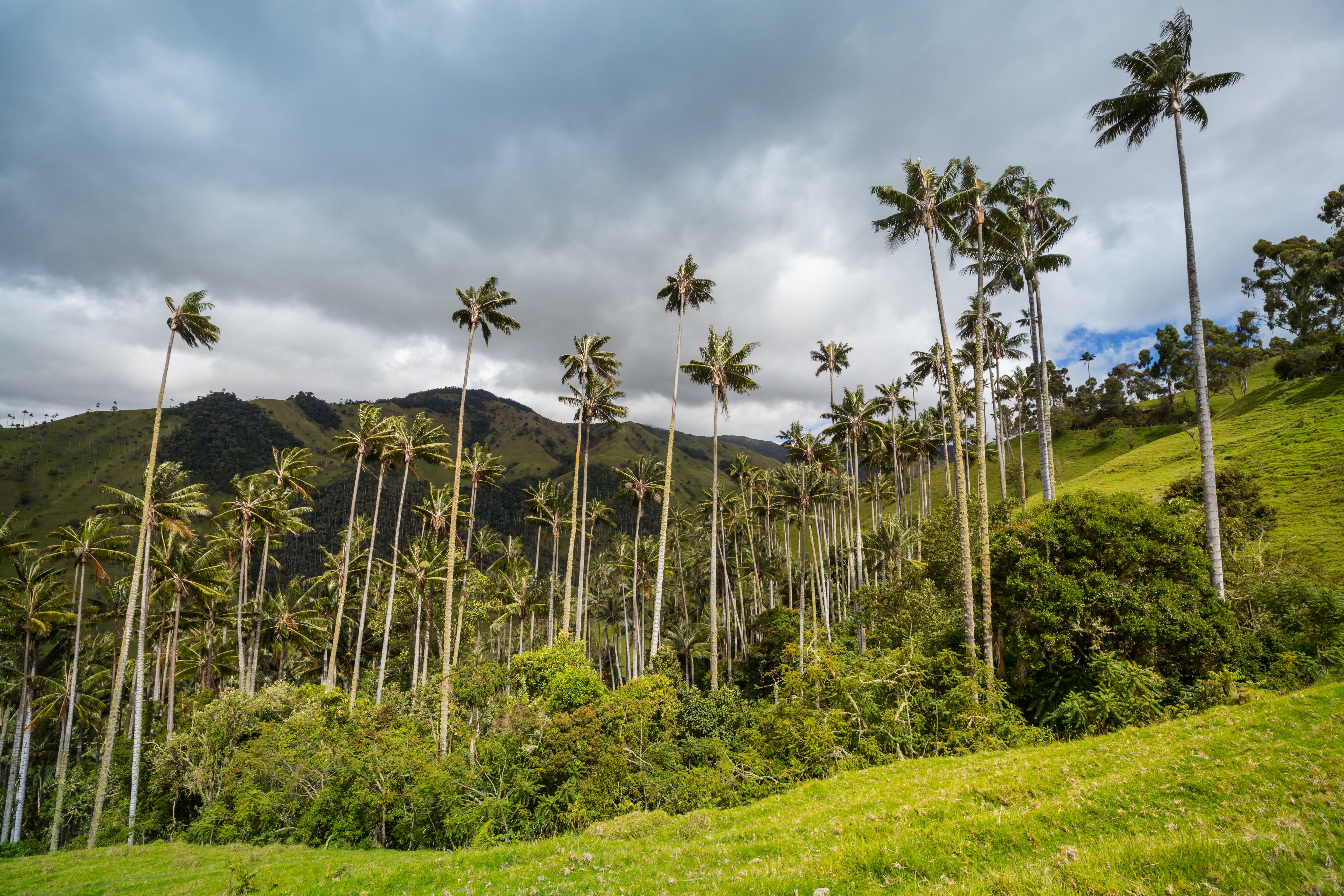
13. Salento, Colombia
© Shutterstock / Galyna Andrushko

13. Salento, Colombia

Salento is a colorful town in Colombia’s coffee region surrounded by green valleys and plantations. It serves as a gateway to Cocora Valley, home to the world’s tallest wax palm trees. The town itself offers vibrant streets, colonial architecture, and a relaxed atmosphere that contrasts with Colombia’s busy cities.

Best Season to Visit: Year-round

Ideal Visiting Hours: Morning for valley hikes

Traveler Tip: Visit local coffee farms

Must-Know: Mountain weather can change quickly

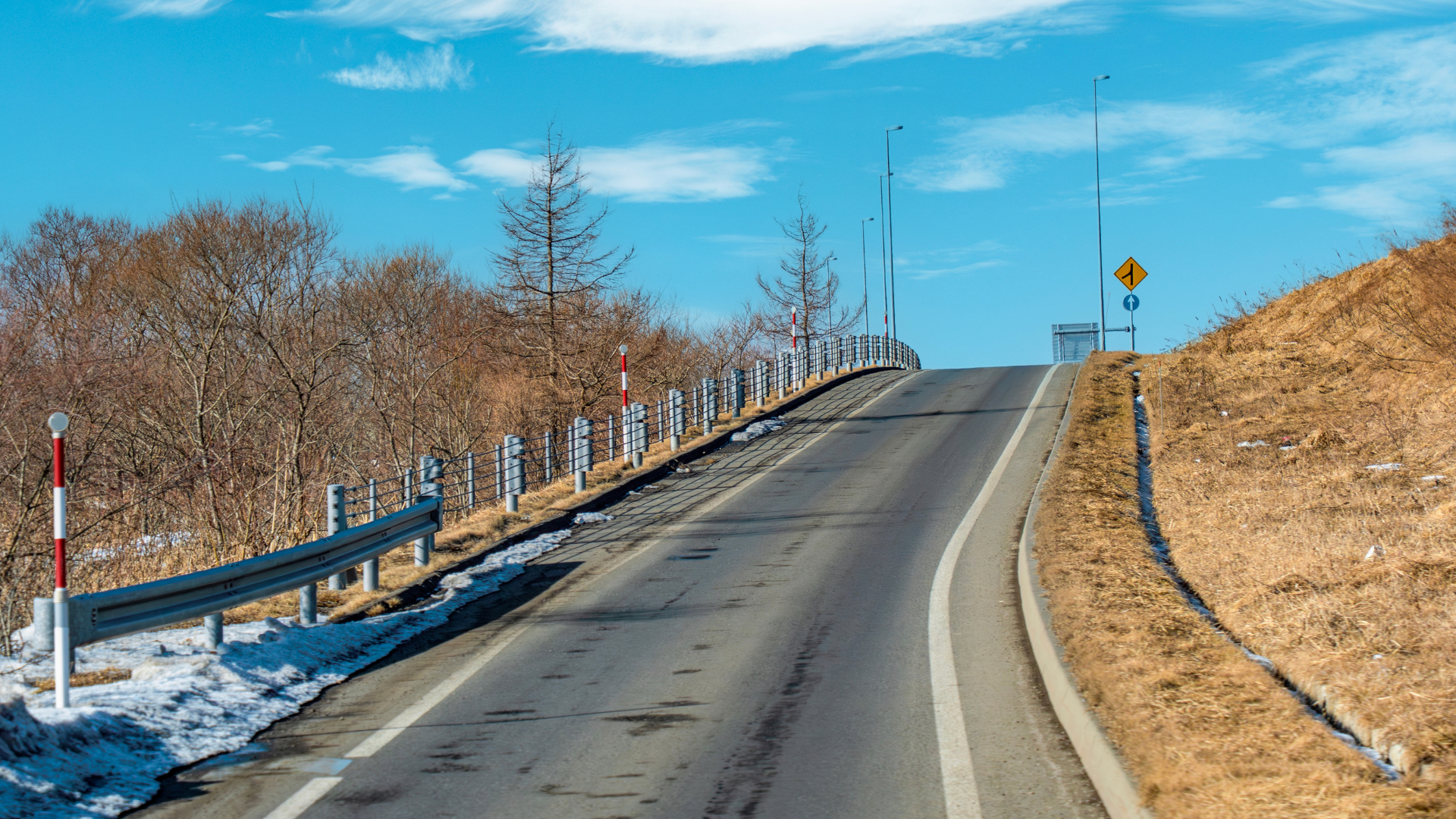
14. Hokkaido Countryside, Japan
© Shutterstock / Lee waranyu

14. Hokkaido Countryside, Japan

Hokkaido’s rural regions offer wide landscapes, flower fields, lakes, and mountains that provide a completely different experience from Japan’s urban centers. It is ideal for travelers seeking nature, seasonal beauty, and outdoor activities such as hiking, skiing, and hot spring visits. The countryside remains peaceful and less crowded compared to Tokyo or Kyoto.

Best Season to Visit: Winter for snow activities, summer for flowers

Ideal Visiting Hours: Daytime for outdoor exploration

Traveler Tip: Renting a car is highly recommended

Must-Know: Distances between attractions are large

15. Lofoten Islands, Norway
© Shutterstock / Pawel Kazmierczak

15. Lofoten Islands, Norway

The Lofoten Islands feature dramatic mountain peaks rising directly from the sea, traditional fishing villages, and Arctic landscapes that feel almost surreal. Despite their increasing popularity, they still offer quiet areas perfect for hiking, photography, and experiencing natural phenomena like the northern lights in winter or the midnight sun in summer. The combination of sea, mountains, and remote settlements makes it one of Europe’s most visually powerful destinations.

Best Season to Visit: Winter for aurora, summer for hiking

Ideal Visiting Hours: Flexible depending on season

Traveler Tip: Stay in traditional rorbu cabins

Must-Know: Weather conditions can be extreme and unpredictable


Comments (0)

Leave a Reply

No comments yet. Be the first to share your thoughts!