Travel Destination

15 iconic landmarks worth visiting across the United States

Julian Cross
4.6
May 01, 2026

The United States is a vast, breathtaking tapestry of diverse landscapes, vibrant metropolitan hubs, and deep-rooted cultural heritage. Spanning nearly 4 million square miles, it offers travelers an almost infinite variety of experiences from the neon-lit avenues of New York City to the ancient, weathered silence of the Grand Canyon. Whether you are drawn to the rugged beauty of the Pacific Northwest, the sun-drenched shores of the Florida Keys, or the historical cobblestones of the East Coast, the appeal of the U.S. lies in its sheer scale and the distinct personality of its many regions.

What makes the U.S. truly unique for travelers is its accessibility to legendary "bucket list" landmarks alongside vast stretches of preserved wilderness. Each state operates almost like its own country, with local cuisines, accents, and traditions that reward curious explorers. While many visitors flock to the most famous tourist attractions, the best way to experience the country is by balancing iconic sights with authentic, local-favorite spots. This guide explores the top places to visit, providing practical insights and realistic tips to help you navigate the best tourist attractions in the USA without the common pitfalls of overcrowded traps.

1. The Grand Canyon (South Rim), Arizona
© Unsplash / ongerek

1. The Grand Canyon (South Rim), Arizona

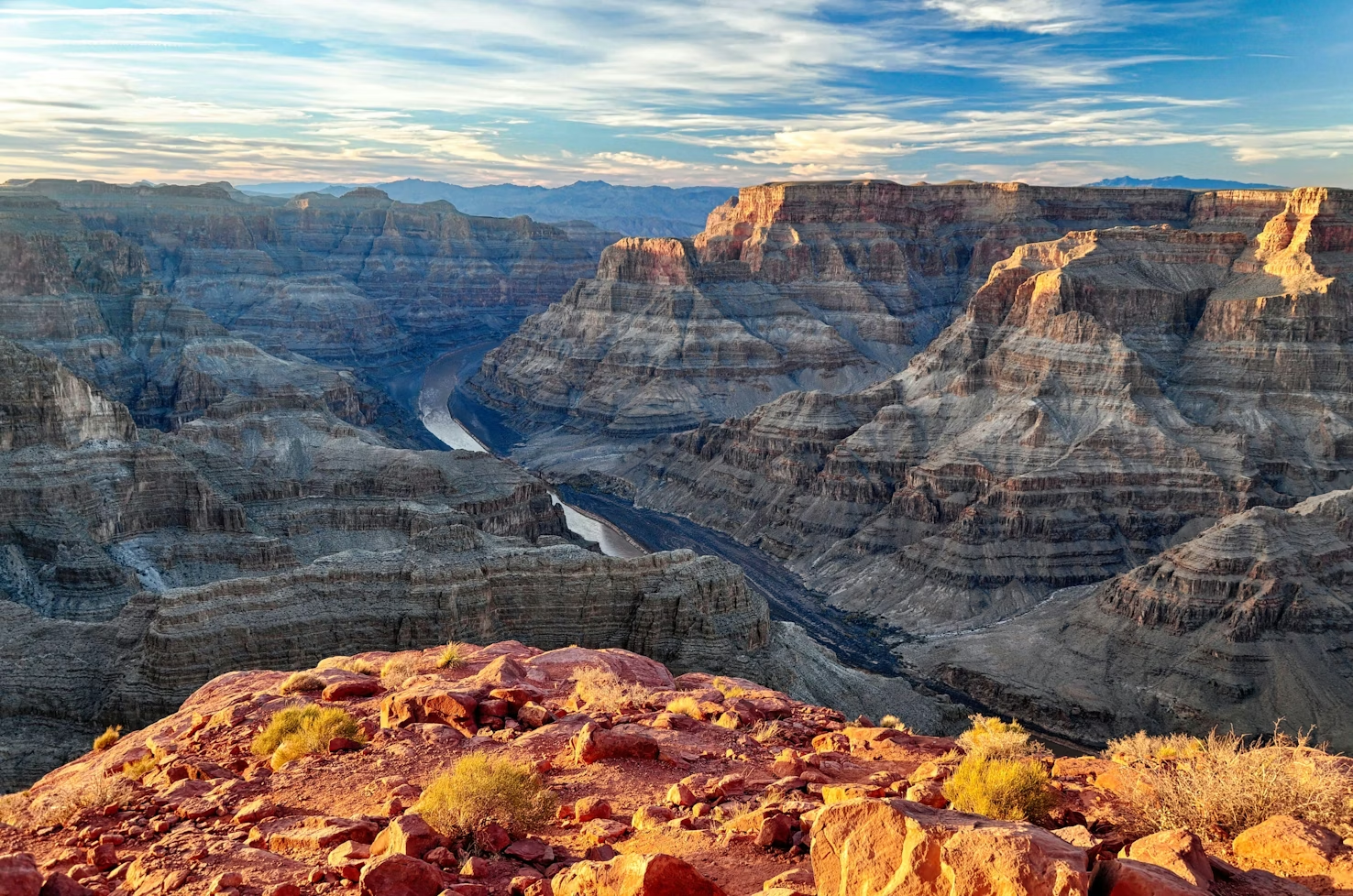
The Grand Canyon is a monumental testament to geological history, carved over millions of years by the Colorado River. As one of the most famous tourist attractions in the world, the South Rim offers the quintessential "big ditch" view that many travelers seek. Spanning 277 miles in length and up to 18 miles in width, the sheer scale of the canyon is difficult to comprehend until you are standing at the edge. The layers of red rock shift in hue with the sun, creating a visual symphony of shadows and light that makes it a premier destination for photographers and nature enthusiasts alike. It’s not just a hole in the ground; it’s a profound encounter with deep time.

Best Season to Visit: Spring (April to June) or Fall (September to November) to avoid extreme heat.

Ideal Visiting Hours: Sunrise or sunset at Mather Point for the most dramatic lighting.

Traveler Tip: Avoid the "Grand Canyon Skywalk" at Grand Canyon West if you are looking for a natural experience; it is expensive and located far from the main National Park area.

Must Know: Entry to the National Park costs approximately $35 per vehicle, valid for seven days.

2. Central Park, New York City
© Unsplash / ribakos

2. Central Park, New York City

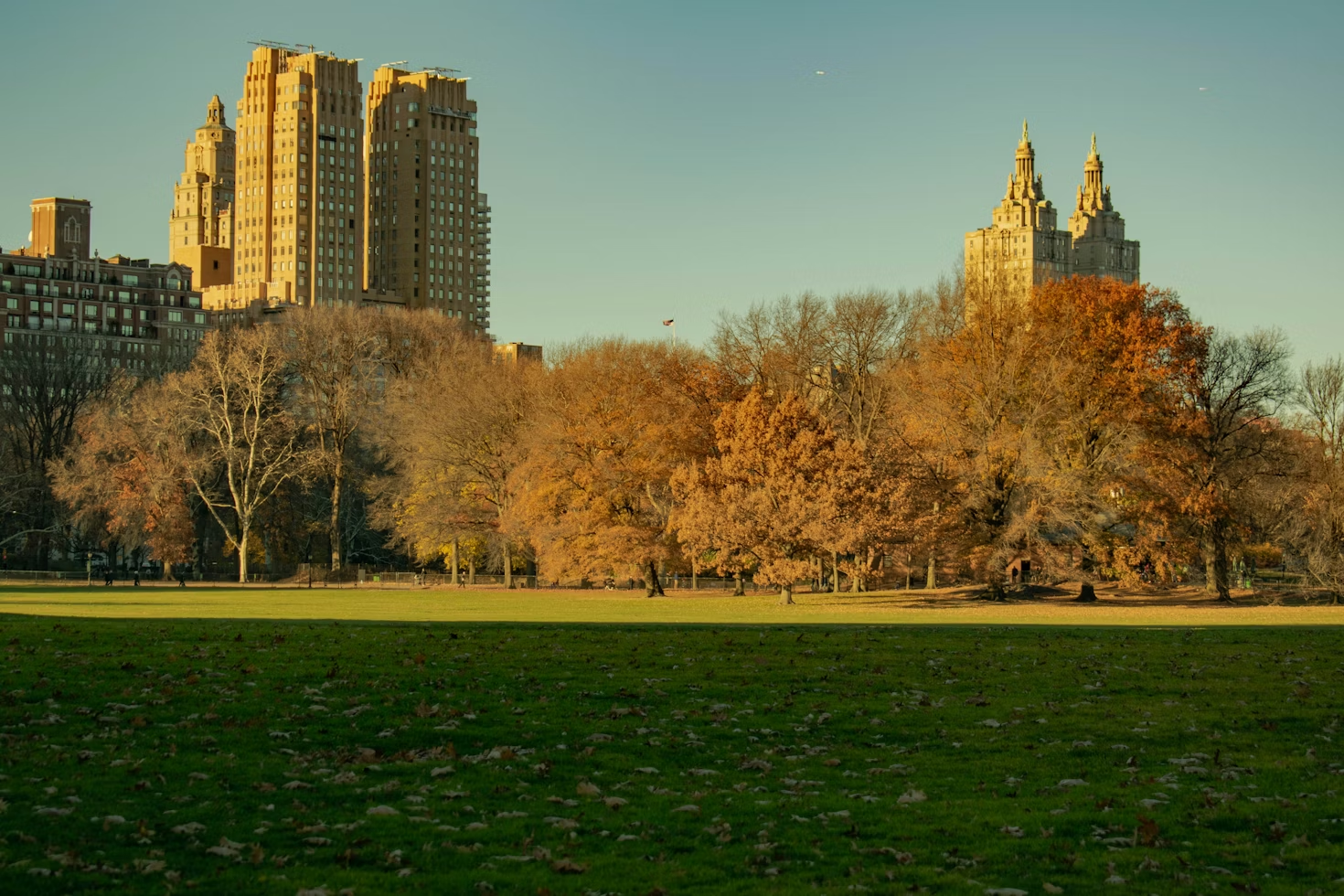
Nestled in the heart of Manhattan, Central Park serves as the "lungs" of New York City. This 843-acre masterpiece of landscape architecture offers a serene escape from the surrounding skyscraper canyons. It isn't just a park; it’s a cultural hub containing the Bethesda Terrace, Strawberry Fields, and the Wollman Rink. For many travelers, it represents the best of NYC, a place where you can watch world-class street performers, row a boat on a scenic lake, or simply enjoy a quiet picnic away from the frantic energy of nearby Times Square. It’s where the city comes to breathe, play, and dream.

Best Season to Visit: Late spring for cherry blossoms or autumn for world-famous fall foliage.

Ideal Visiting Hours: 9:00 AM to 11:00 AM for a peaceful walk before the mid-day crowds arrive.

Traveler Tip: Skip the expensive horse-carriage rides; the park is best explored on foot or by renting a bicycle to see the northern, quieter sections.

Must Know: The park is free to enter, but some attractions like the Central Park Zoo require separate tickets.

3. The National Mall, Washington, D.C.
© Unsplash / Samuel Girven

3. The National Mall, Washington, D.C.

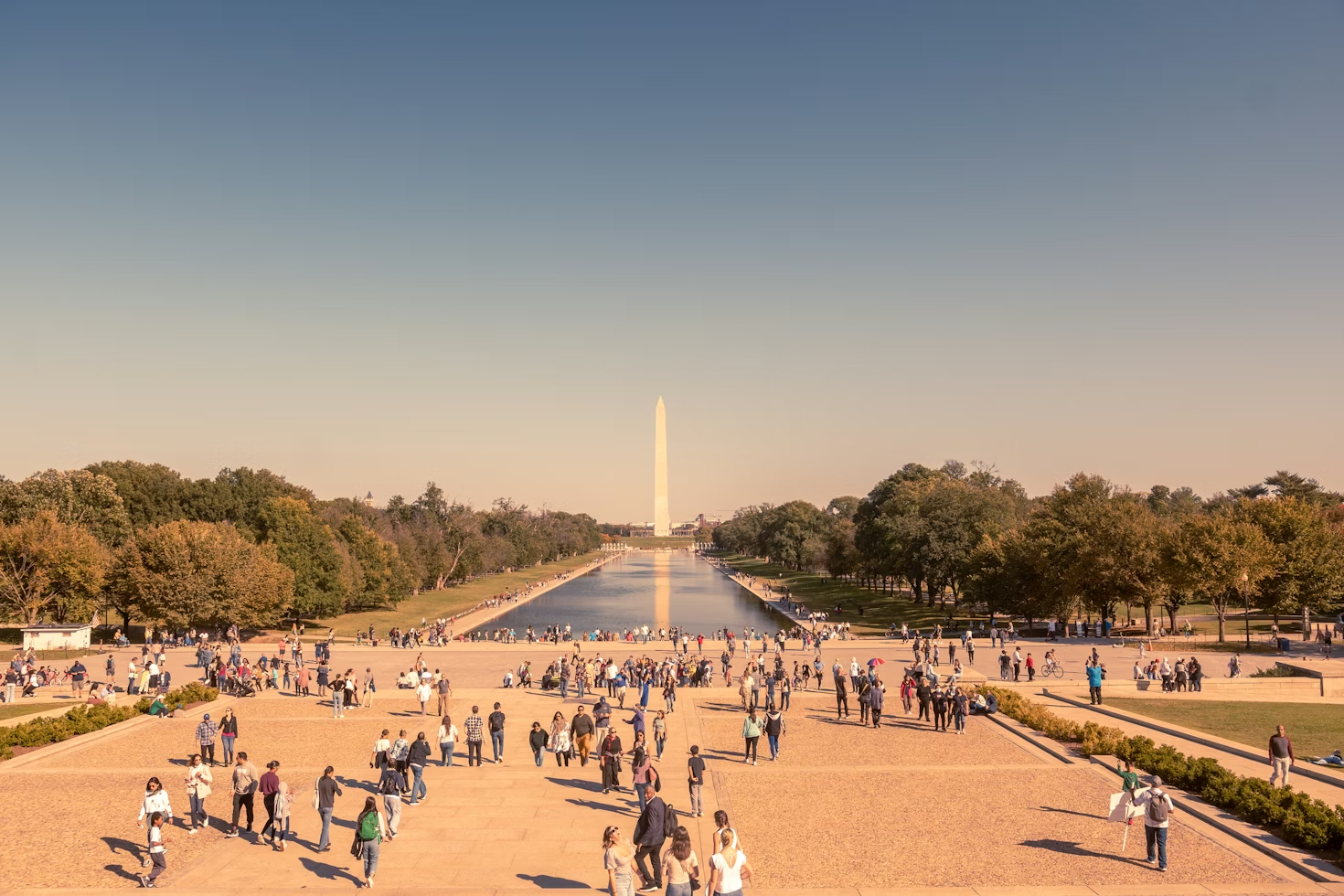
The National Mall is the historical and political heart of the United States. This open-air park stretches from the U.S. Capitol to the Lincoln Memorial, flanked by the prestigious Smithsonian museums. Walking the Mall is a journey through American history, passing the Washington Monument, the Vietnam Veterans Memorial, and the World War II Memorial. It is a place of reflection and grandeur, offering a sense of the scale of the American story. Unlike many major cities, most of the primary attractions here are completely free to the public, making it a "must-do" for budget-conscious history buffs.

Best Season to Visit: Late March to early April for the National Cherry Blossom Festival.

Ideal Visiting Hours: Early morning or late evening when the monuments are illuminated and crowds are thinner.

Traveler Tip: Many museums, like the National Museum of African American History and Culture, require free timed-entry passes booked weeks in advance.

Must Know: Wear very comfortable walking shoes; the distance from the Capitol to the Lincoln Memorial is over two miles.

4. Yellowstone National Park, Wyoming
© Pexels / Siegfried Poepperl

4. Yellowstone National Park, Wyoming

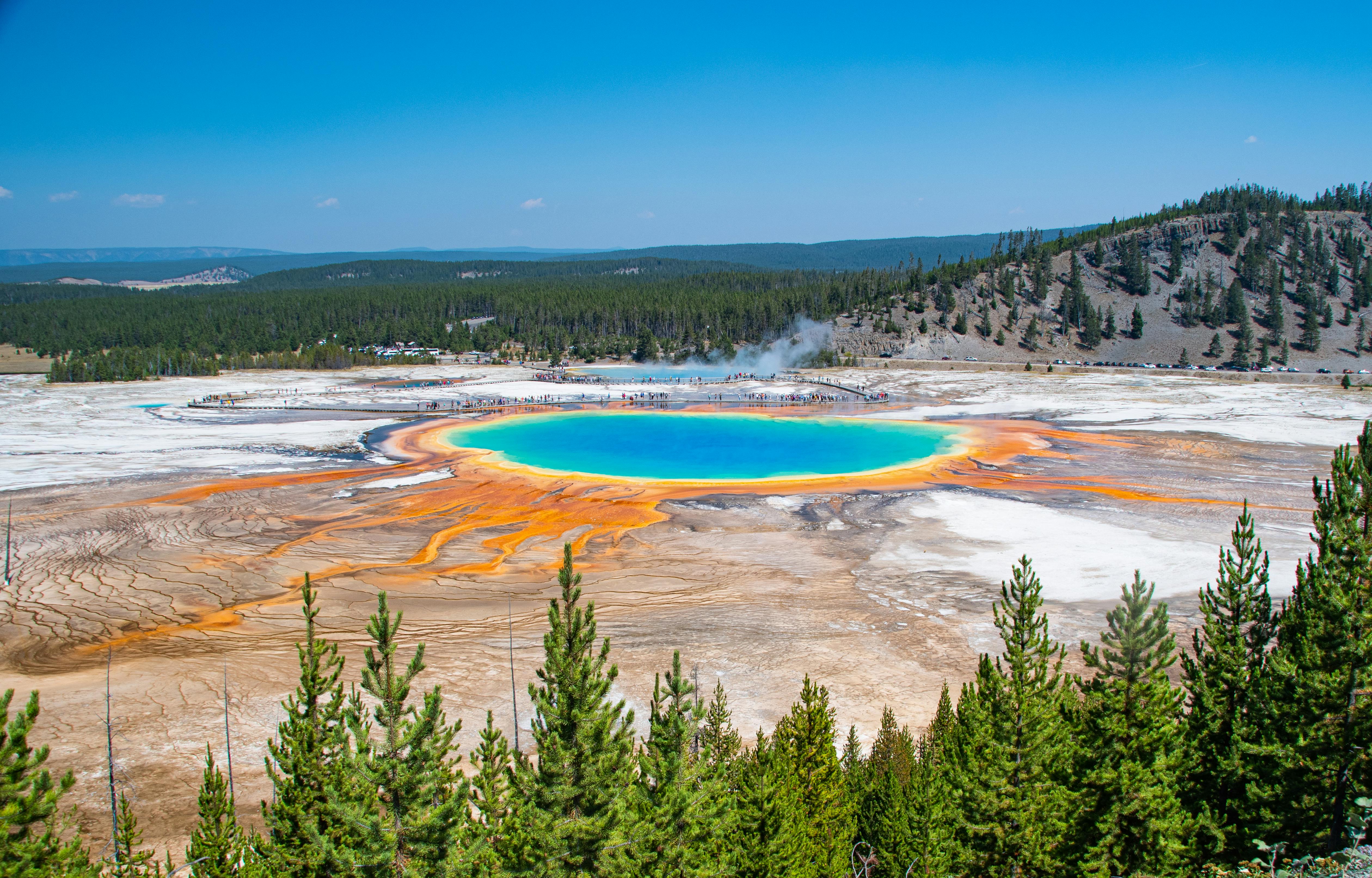
Yellowstone is the world’s first national park and a geothermal wonderland. It sits atop a volcanic hotspot, resulting in a landscape dotted with bubbling mud pots, colorful hot springs, and powerful geysers like Old Faithful. Beyond the geology, Yellowstone is one of the premier places for wildlife viewing in North America. Visitors often spot bison, elk, and grizzly bears roaming through the Hayden and Lamar Valleys. It is a raw, prehistoric landscape that reminds travelers of the earth’s untamed power and the beauty of a world before concrete.

Best Season to Visit: June to September for full road access; May and October for fewer crowds.

Ideal Visiting Hours: 7:00 AM to 10:00 AM for the best chance to see wildlife and avoid boardwalk traffic.

Traveler Tip: Do not approach the wildlife; bison may look slow but are extremely dangerous and unpredictable.

Must Know: Traffic jams caused by wildlife (locally known as "Bison Jams") are common and can add hours to your travel time.

5. The French Quarter, New Orleans
© Unsplash / mhammel

5. The French Quarter, New Orleans

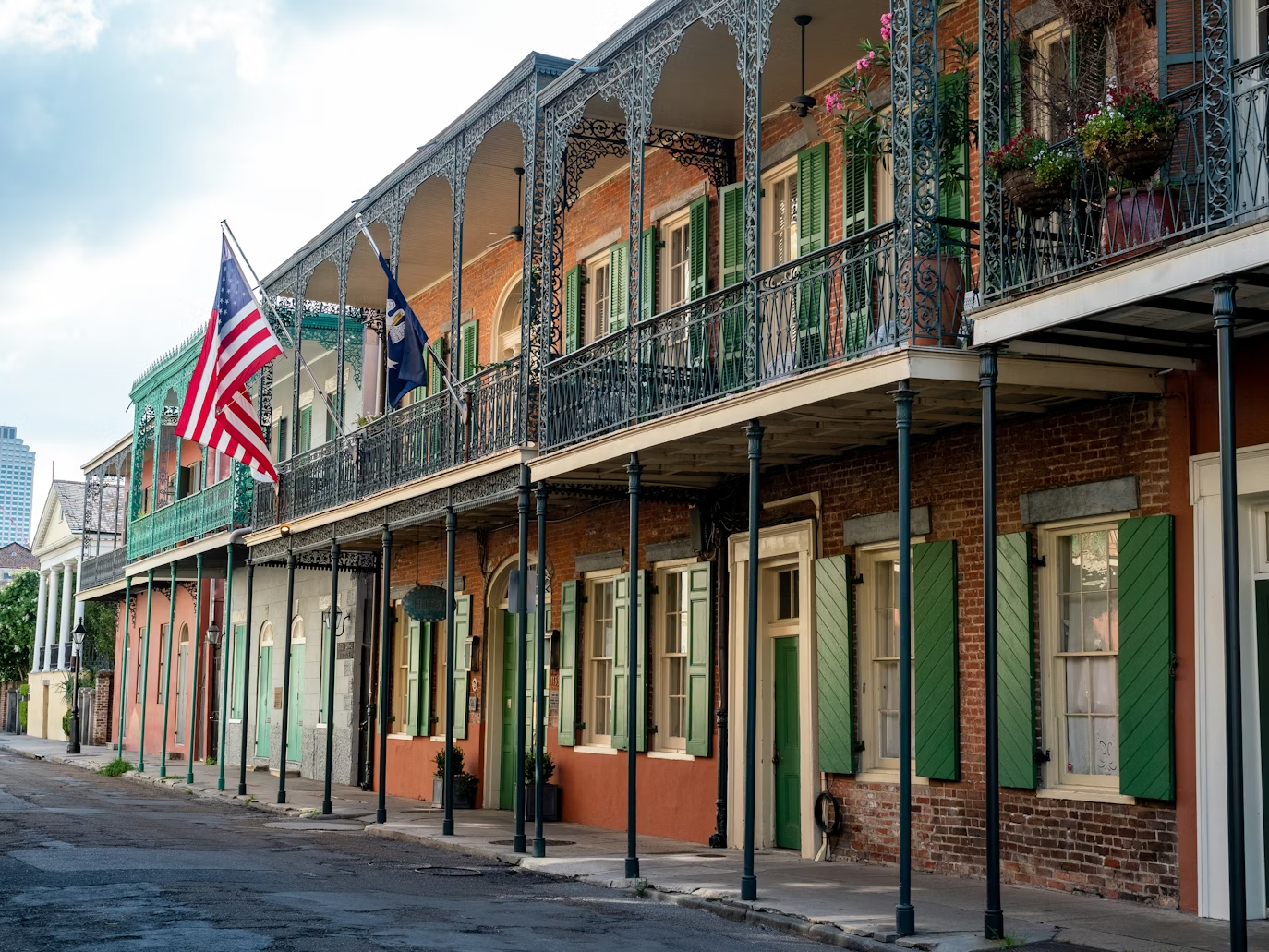
The French Quarter is the oldest and most famous neighborhood in New Orleans. Known for its Spanish and French colonial architecture, wrought-iron balconies, and the constant sound of jazz, it offers an atmosphere found nowhere else in the U.S. While Bourbon Street is the famous nightlife hub, the Quarter's true charm lies in its quiet side streets, historic courtyards, and legendary eateries. It is a sensory experience of Creole flavors, haunting history, and a "laissez-faire" attitude toward life that will leave you spellbound.

Best Season to Visit: February to May for Mardi Gras and Jazz Fest, or October for milder weather.

Ideal Visiting Hours: Morning for a quiet walk and beignets at Cafe Du Monde; evening for live music on Frenchmen Street.

Traveler Tip: For authentic music, skip the neon chaos of Bourbon Street and head to Frenchmen Street in the nearby Marigny neighborhood.

Must Know: New Orleans is humid year-round; stay hydrated and be aware of your surroundings in crowded tourist areas.

6. Golden Gate Park, San Francisco
© Pexels / Photo by frank minjarez

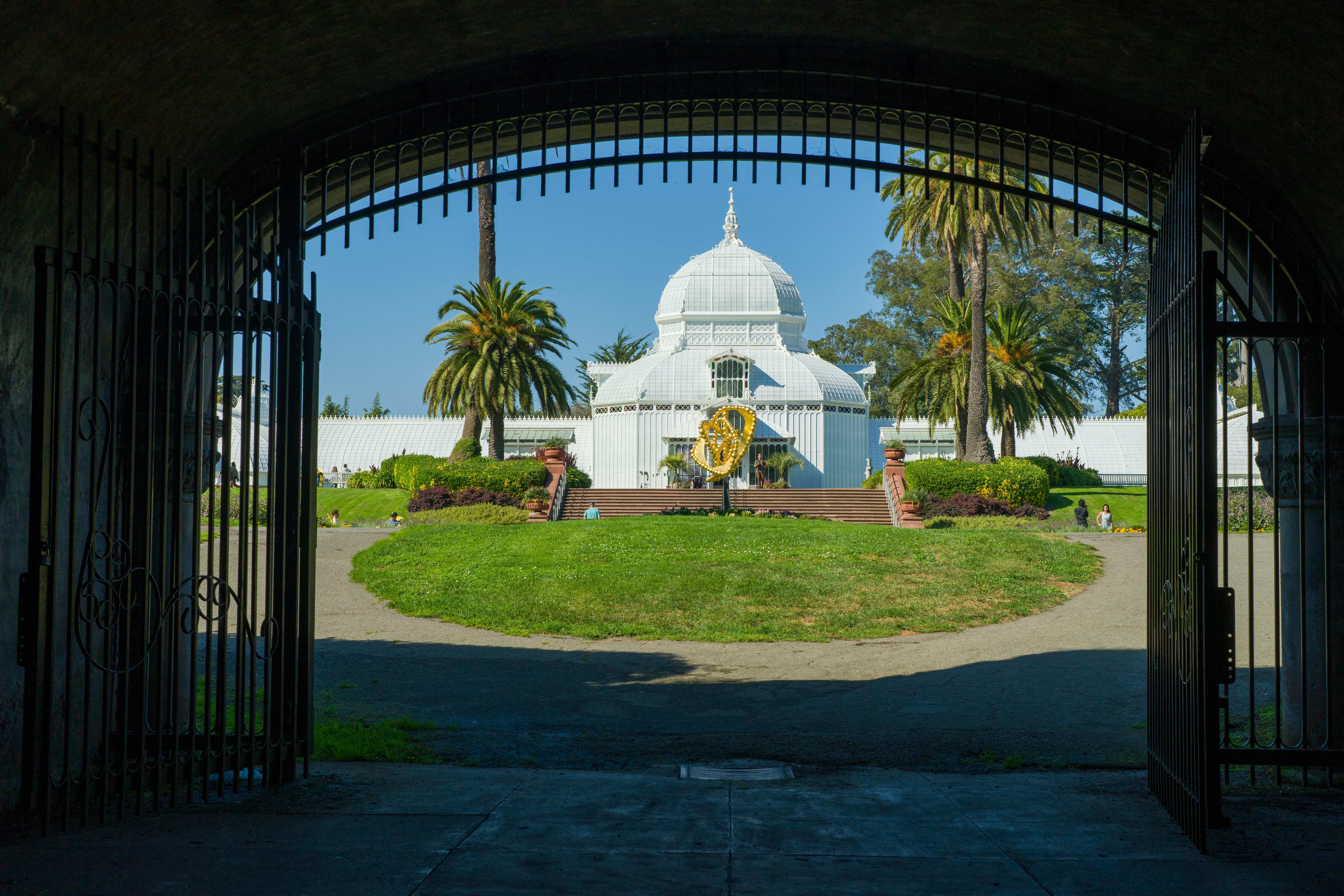
6. Golden Gate Park, San Francisco

Often overshadowed by the famous bridge nearby, Golden Gate Park is a massive urban oasis that is actually 20% larger than New York’s Central Park. It is home to the Japanese Tea Garden, the de Young Museum, and the California Academy of Sciences. The park transitions from manicured gardens to rugged coastal dunes as it stretches toward the Pacific Ocean. It provides a perfect snapshot of San Francisco’s eclectic and artistic spirit, offering everything from serene meditation spots to world-class art galleries.

Best Season to Visit: September and October, which are San Francisco's warmest and sunniest months.

Ideal Visiting Hours: Weekdays are best to avoid the local weekend crowds.

Traveler Tip: Visit the Conservatory of Flowers early in the day to enjoy the Victorian greenhouse before the heat and humidity rise inside.

Must Know: The park is huge; use the free park shuttle to navigate between the major museums and gardens.

7. Pike Place Market, Seattle
© Pexels / Photo by Ian Findley

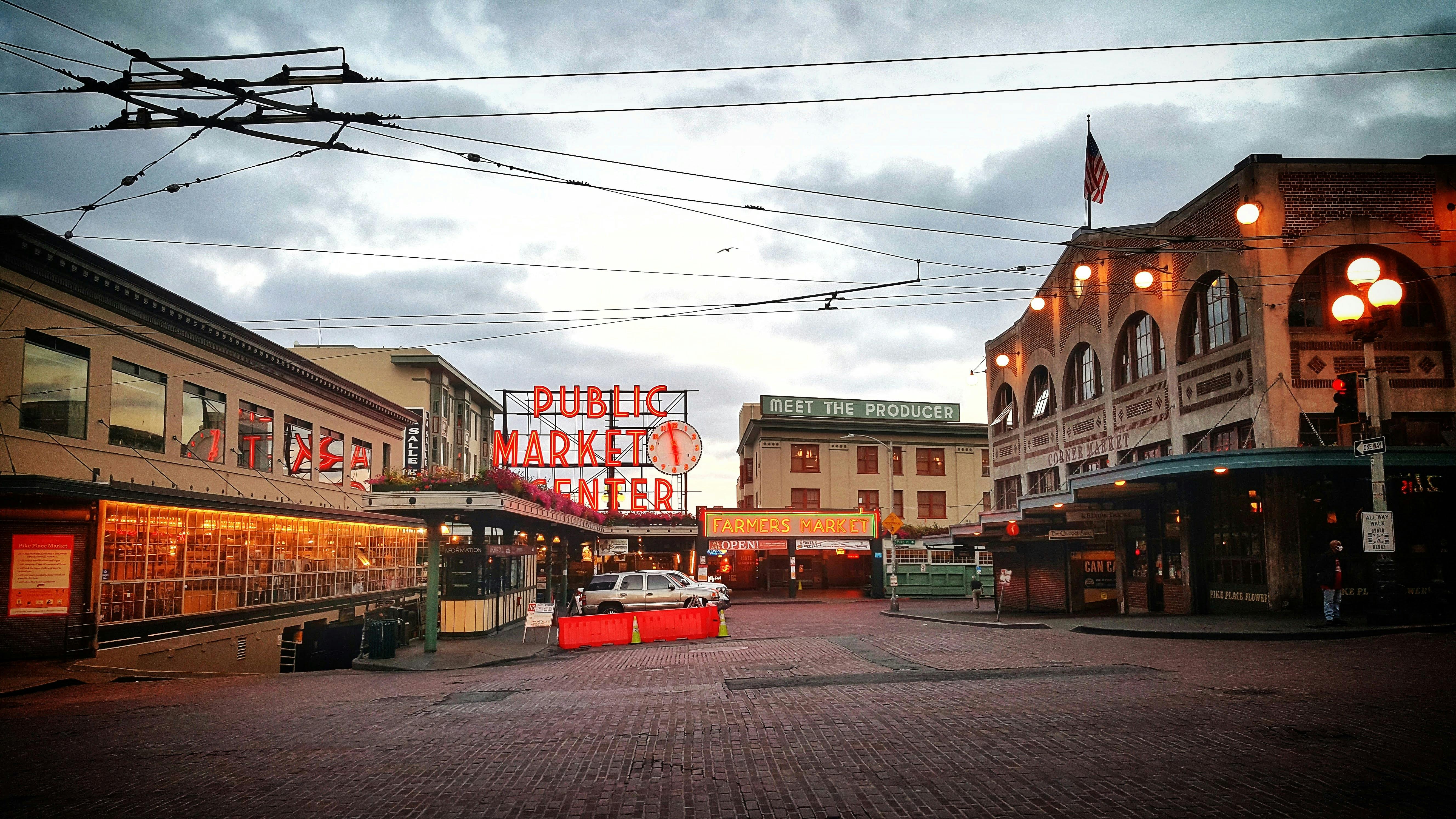
7. Pike Place Market, Seattle

Pike Place Market is much more than just a place to buy groceries; it is the "Soul of Seattle." Overlooking the Elliott Bay waterfront, this historic market has been operating since 1907. It is famous for its fishmongers who toss salmon through the air, the original Starbucks location, and a dizzying array of local crafts and fresh produce. While it can be crowded, the energy is infectious, and the "Down Under" levels of the market house quirky shops that many tourists miss. It's a bustling, aromatic, and delightfully chaotic slice of Pacific Northwest life.

Best Season to Visit: May through September for the best weather and local harvest.

Ideal Visiting Hours: Before 10:00 AM to see the vendors setting up and avoid the heaviest tourist flow.

Traveler Tip: The "Gum Wall" is nearby and worth a quick photo, but don't miss the views from the new MarketFront expansion.

Must Know: Street parking is nearly impossible; use public transit or one of the nearby parking garages.

8. The Freedom Trail, Boston
© Shutterstock / Wirestock Creators

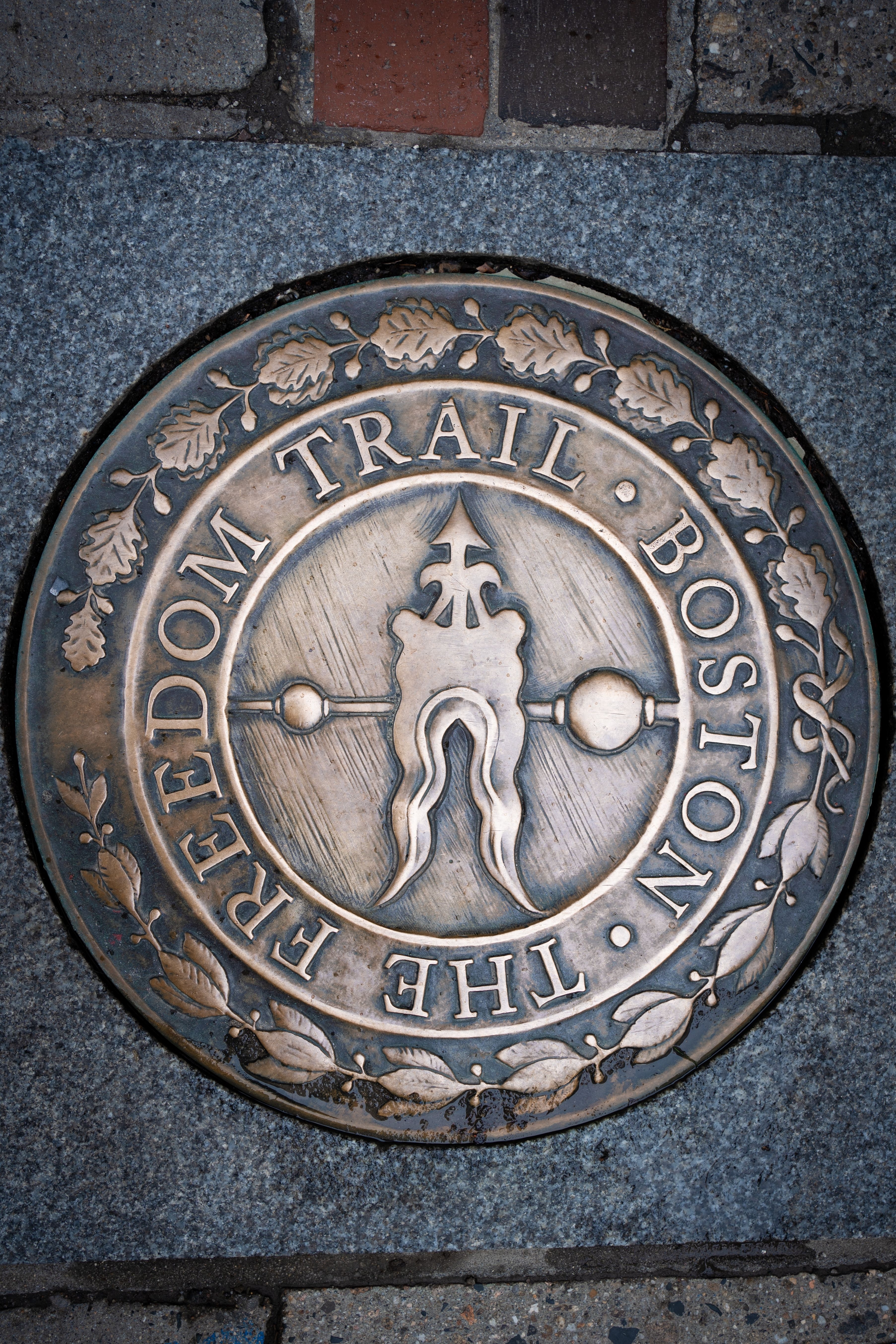
8. The Freedom Trail, Boston

The Freedom Trail is a 2.5-mile red-lined route that leads you through 16 historically significant sites in Boston. From the Old North Church to Faneuil Hall, the trail covers the locations where the American Revolution was sparked. Unlike a static museum, the trail is integrated into the living, breathing city of Boston. You’ll walk past modern skyscrapers and colonial-era graveyards, making it one of the best things to do in the USA for history buffs. It's a walk through time that feels surprisingly relevant today.

Best Season to Visit: June to August for walking weather, or October for the quintessential New England fall experience.

Ideal Visiting Hours: Start at the Boston Common around 9:00 AM to finish by early afternoon.

Traveler Tip: You don't need a paid tour; you can download a free map or app and walk the trail at your own pace.

Must Know: Some sites, like the Paul Revere House, have a small individual entry fee.

9. Yosemite National Park, California
© Pexels / Photo by Andrei Serikov

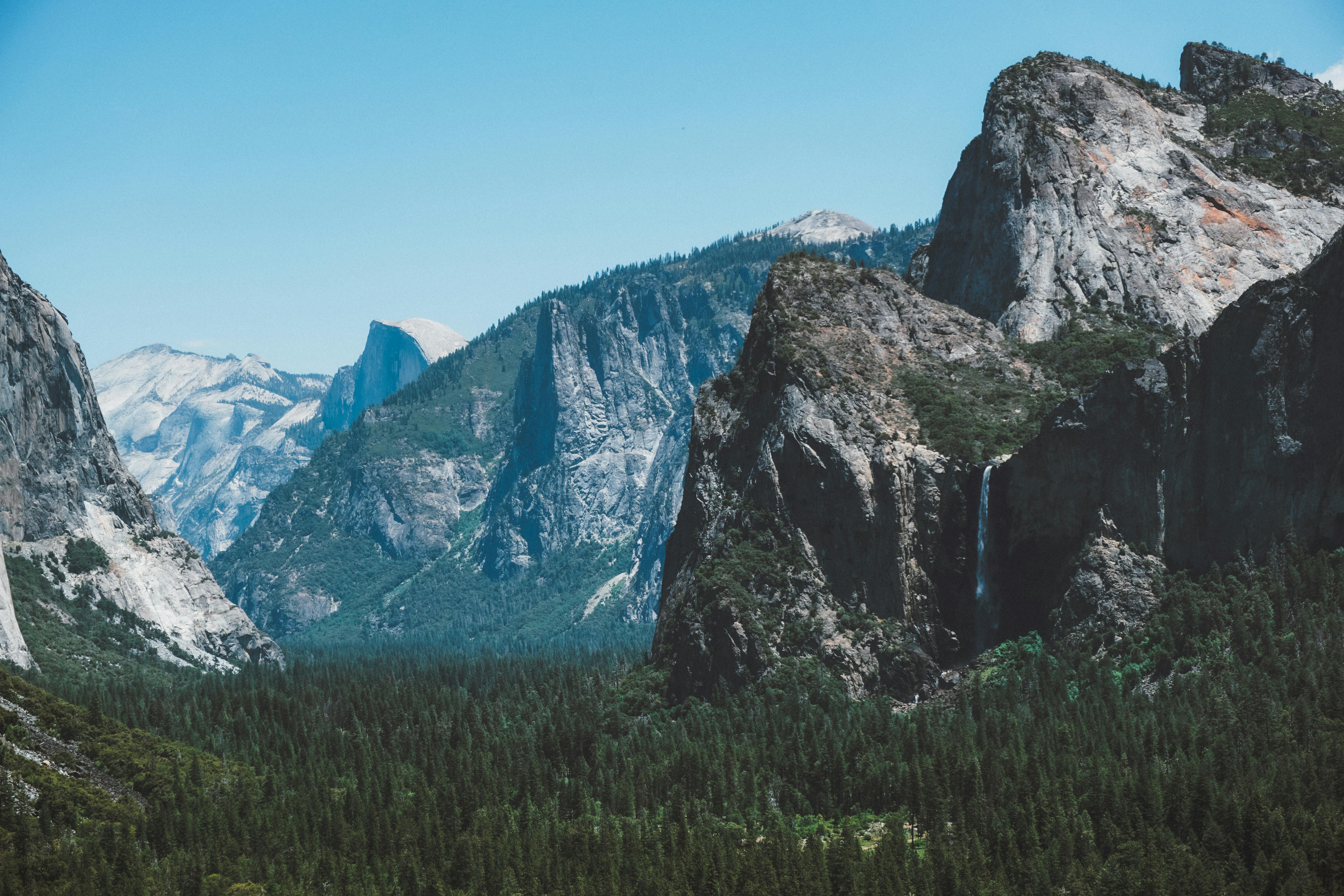
9. Yosemite National Park, California

Yosemite is iconic for its towering granite cliffs, such as El Capitan and Half Dome, and its massive ancient sequoia trees. Located in California's Sierra Nevada mountains, the Yosemite Valley is world-renowned for its dramatic waterfalls, particularly Yosemite Falls, which is one of the tallest in North America. The park is a haven for hikers, climbers, and anyone looking to experience the majestic scale of the American West. Its scenery is so stunning it almost looks like a painting, inspiring awe in even the most seasoned travelers.

Best Season to Visit: Late spring (May and June) is when the waterfalls are at their peak flow.

Ideal Visiting Hours: Enter the park before 8:00 AM to secure parking in the Valley, which fills up quickly.

Traveler Tip: During peak season, Yosemite often requires a vehicle reservation just to enter the park; check the NPS website months in advance.

Must Know: Cell service is extremely limited; download maps for offline use before entering the park gates.

10. Key West, Florida
© Unsplash / thomasbesseling

10. Key West, Florida

Key West is the southernmost point of the continental United States, located at the end of the spectacular Overseas Highway. Known for its pastel-colored houses and laid-back "island time" vibe, it feels more like the Caribbean than Florida. The island is famous for its sunsets at Mallory Square, its vibrant coral reefs, and its connection to Ernest Hemingway. It’s a place where roosters roam the streets and the ocean is never more than a few blocks away. It’s the ultimate destination for those looking to leave their worries on the mainland.

Best Season to Visit: Between March and May when the weather is mild and the winter crowds have thinned.

Ideal Visiting Hours: Late afternoon for the "Sunset Celebration" at Mallory Square.

Traveler Tip: Rent a bicycle; the island is small, flat, and much easier to navigate on two wheels than in a car.

Must Know: The "Southernmost Point" buoy always has a long line for photos; go at sunrise if you want a picture without the wait.

11. Savannah Historic District, Georgia
© Pexels / Photo by Phyllis Lilienthal

11. Savannah Historic District, Georgia

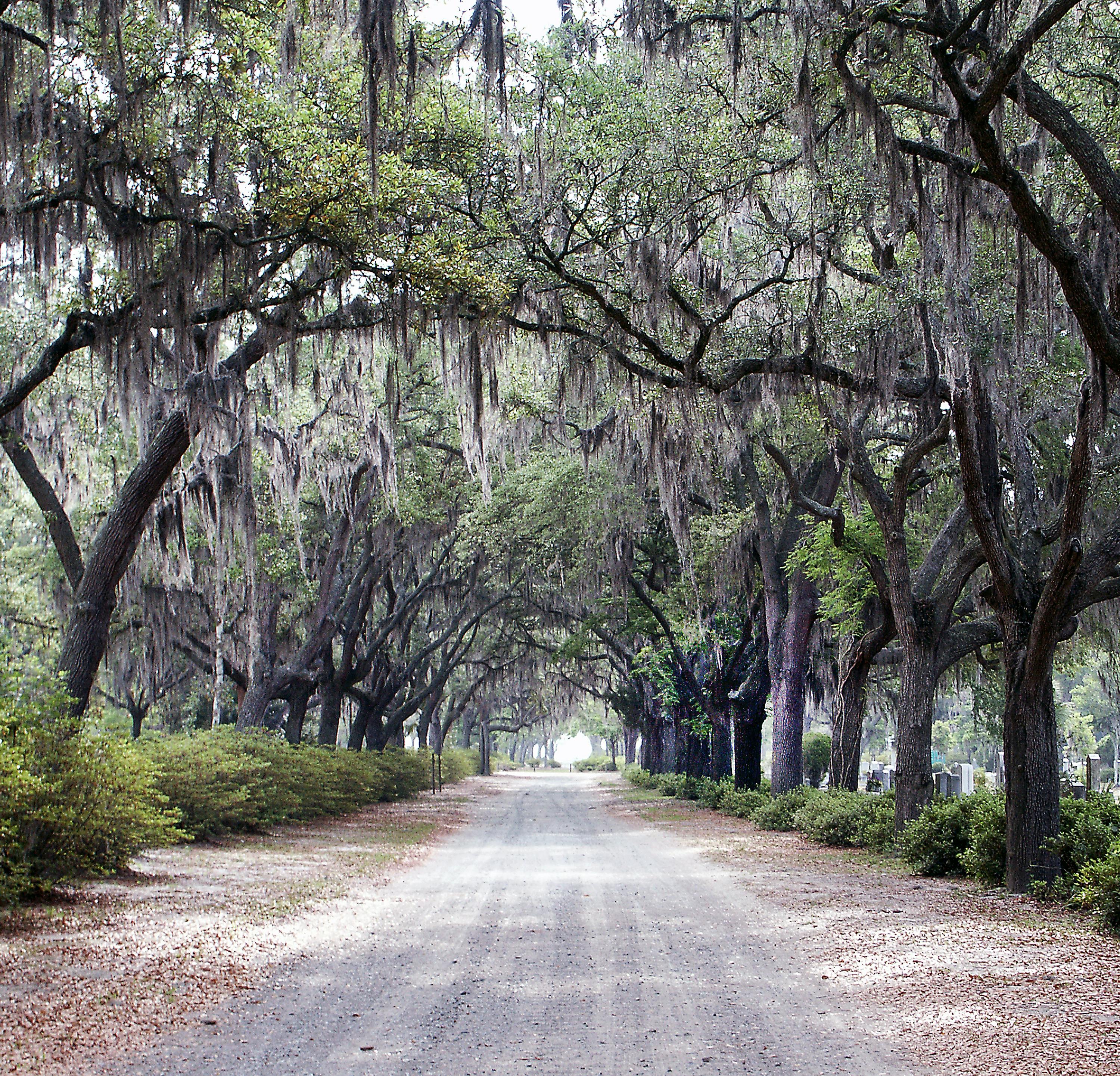
Savannah is one of the most beautiful and haunting cities in the South. Its Historic District is defined by 22 cobblestone squares filled with live oaks draped in Spanish moss. The architecture ranges from Federal to Gothic Revival, and the city’s history is thick with tales of ghosts and southern gothic charm. Walking through Savannah feels like stepping into a storybook, offering a much more authentic and serene experience than the commercialized tourist traps found in other southern cities.

Best Season to Visit: March and April when the azaleas are in full bloom and the humidity is low.

Ideal Visiting Hours: Early morning for photography in Forsyth Park or evening for a ghost tour.

Traveler Tip: Savannah has a unique "open container" law in the historic district, allowing you to walk between squares with a drink in hand.

Must Know: The city is reportedly one of the most haunted in America; even skeptics will find the ghost tours to be a great way to learn local lore.

12. Great Smoky Mountains National Park, Tennessee/North Carolina
© Shutterstock / John A. Anderson

12. Great Smoky Mountains National Park, Tennessee/North Carolina

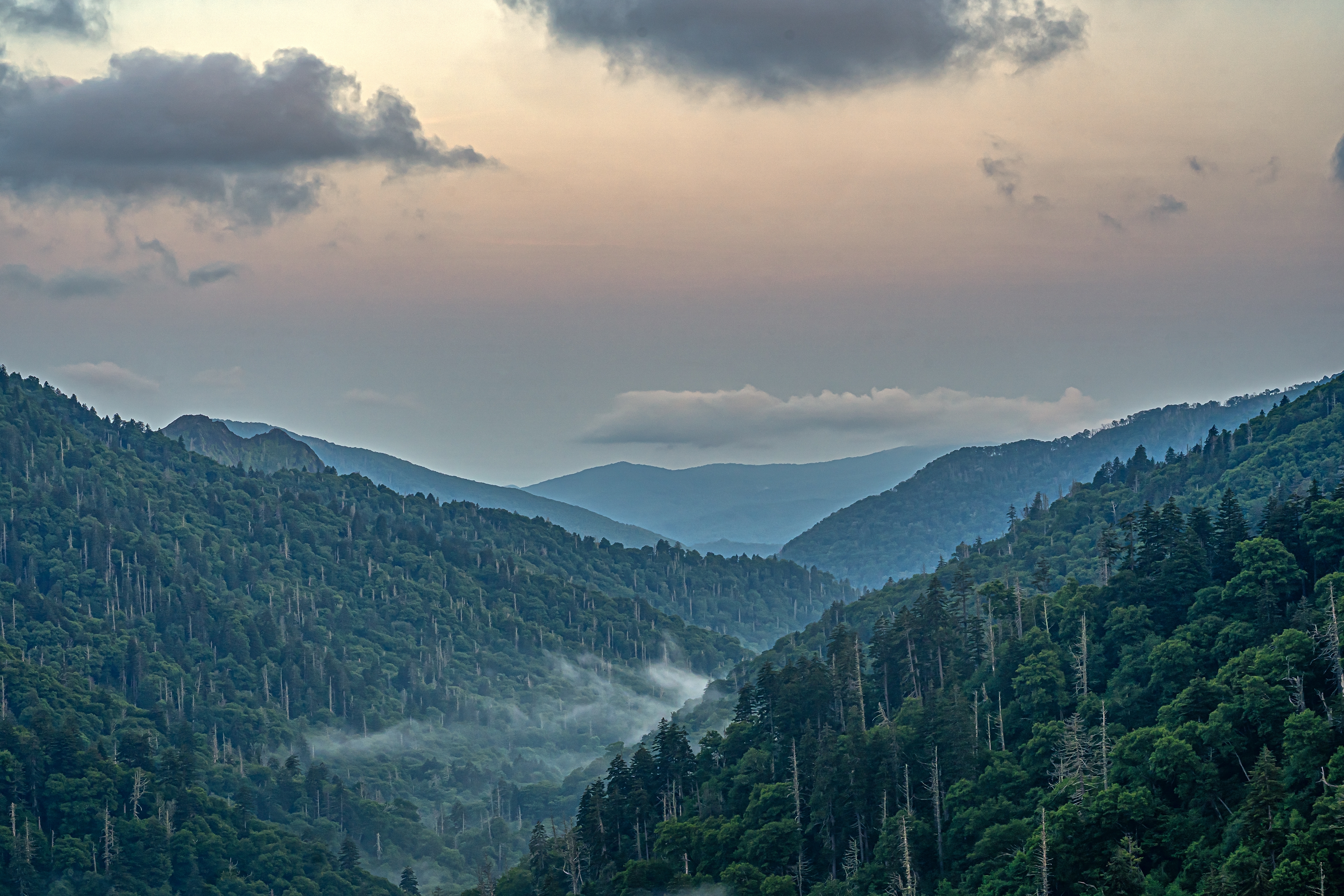
The Smokies are the most visited national park in the United States, famous for the blue-misted mountains that give the range its name. This UNESCO World Heritage site offers ancient forests, diverse wildlife, and remnants of Southern Appalachian mountain culture. Unlike many Western parks, the Smokies are lush and green, with thousands of miles of streams and waterfalls. It is a premier destination for those looking to hike a portion of the Appalachian Trail or simply enjoy a scenic drive through the historic Cades Cove.

Best Season to Visit: June to August for wildflowers or October for the stunning fall colors.

Ideal Visiting Hours: Sunrise at Newfound Gap or Clingmans Dome for breathtaking views above the clouds.

Traveler Tip: To avoid the worst crowds, enter the park through the "quiet" side via Townsend, Tennessee, rather than Gatlinburg.

Must Know: While the park doesn't have an entrance fee, you must purchase a low-cost parking tag if you plan to park for more than 15 minutes.

13. Sedona, Arizona
© Unsplash / jamesamolnar

13. Sedona, Arizona

Sedona is world-famous for its striking red sandstone formations, which appear to glow in brilliant oranges and reds under the desert sun. Many travelers come not just for the scenery but for the "energy vortexes" believed to exist throughout the area. It is a hub for spiritual seekers, hikers, and mountain bikers. The combination of high-desert air, rugged canyons, and an upscale arts scene makes it one of the most unique and visually stunning tourist attractions in the American Southwest.

Best Season to Visit: March to May when the desert flowers bloom and temperatures are perfect for hiking.

Ideal Visiting Hours: Late afternoon at Cathedral Rock to watch the colors change as the sun sets.

Traveler Tip: Popular trails like Devil’s Bridge get extremely crowded; try the Sugarloaf Loop Trail for similar views with half the people.

Must Know: You will need a "Red Rock Pass" to park at most trailheads, which can be purchased at kiosks throughout the town.

14. Acadia National Park, Maine
© Unsplash / jim74tg

14. Acadia National Park, Maine

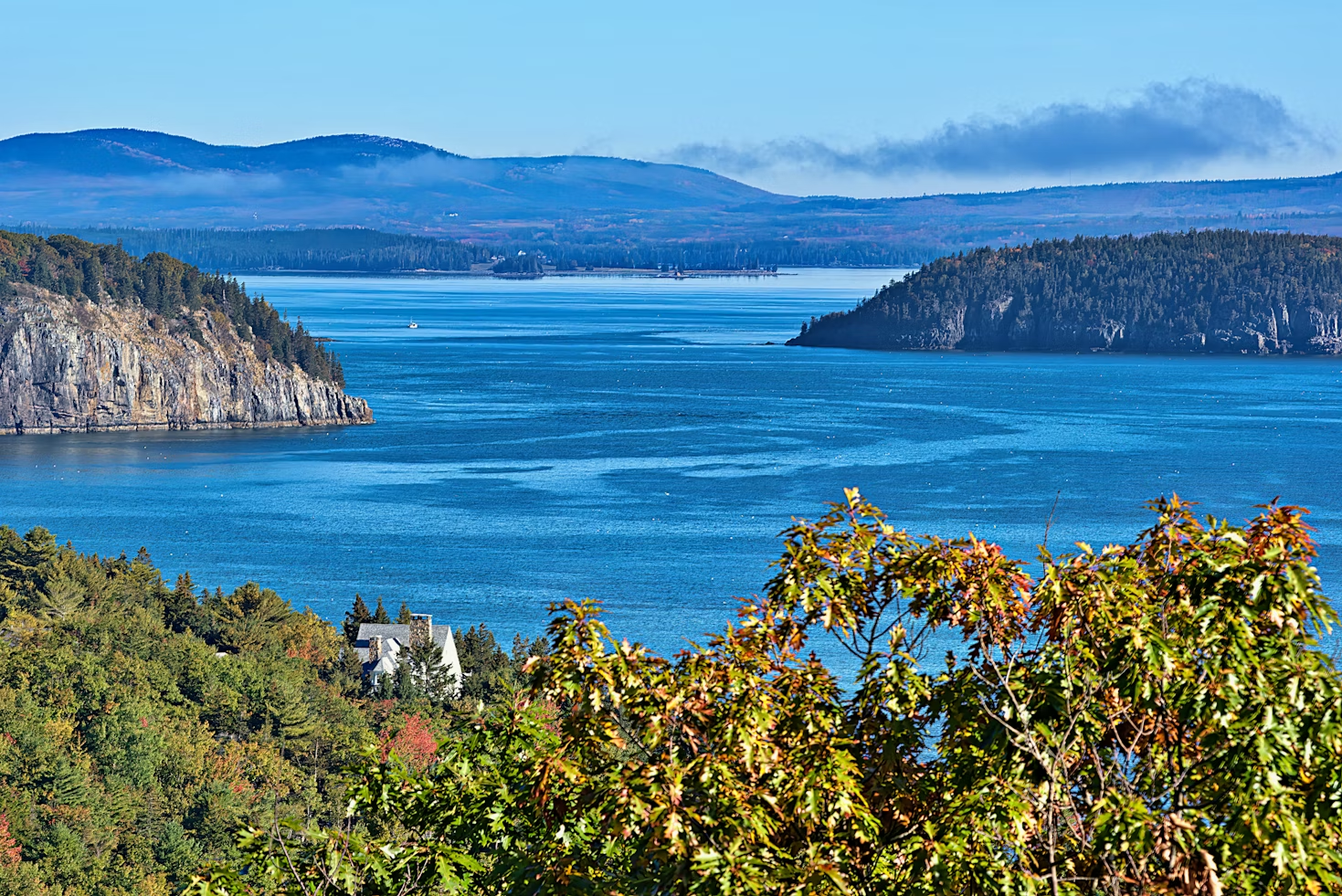
Located primarily on Mount Desert Island, Acadia is the crown jewel of the North Atlantic coast. It offers a rugged landscape of granite peaks, spruce forests, and dramatic ocean cliffs. It is home to Cadillac Mountain, the highest point on the U.S. Atlantic coast, where visitors can be among the first in the country to see the sunrise. The park's unique carriage roads provide miles of car-free paths for biking through the heart of the wilderness. It is where the mountains truly meet the sea.

Best Season to Visit: September and October for the famous Maine fall colors and fewer bugs.

Ideal Visiting Hours: 4:00 AM to 6:00 AM for the sunrise at the summit of Cadillac Mountain.

Traveler Tip: If you want to see the sunrise at Cadillac Mountain, you must book a vehicle reservation online well in advance, they sell out in minutes.

Must Know: The ocean water is freezing year-round; even in summer, swimming is only for the brave at Sand Beach.

15. The High Line, New York City
© Pexels / Photo by Sarah O'Shea

15. The High Line, New York City

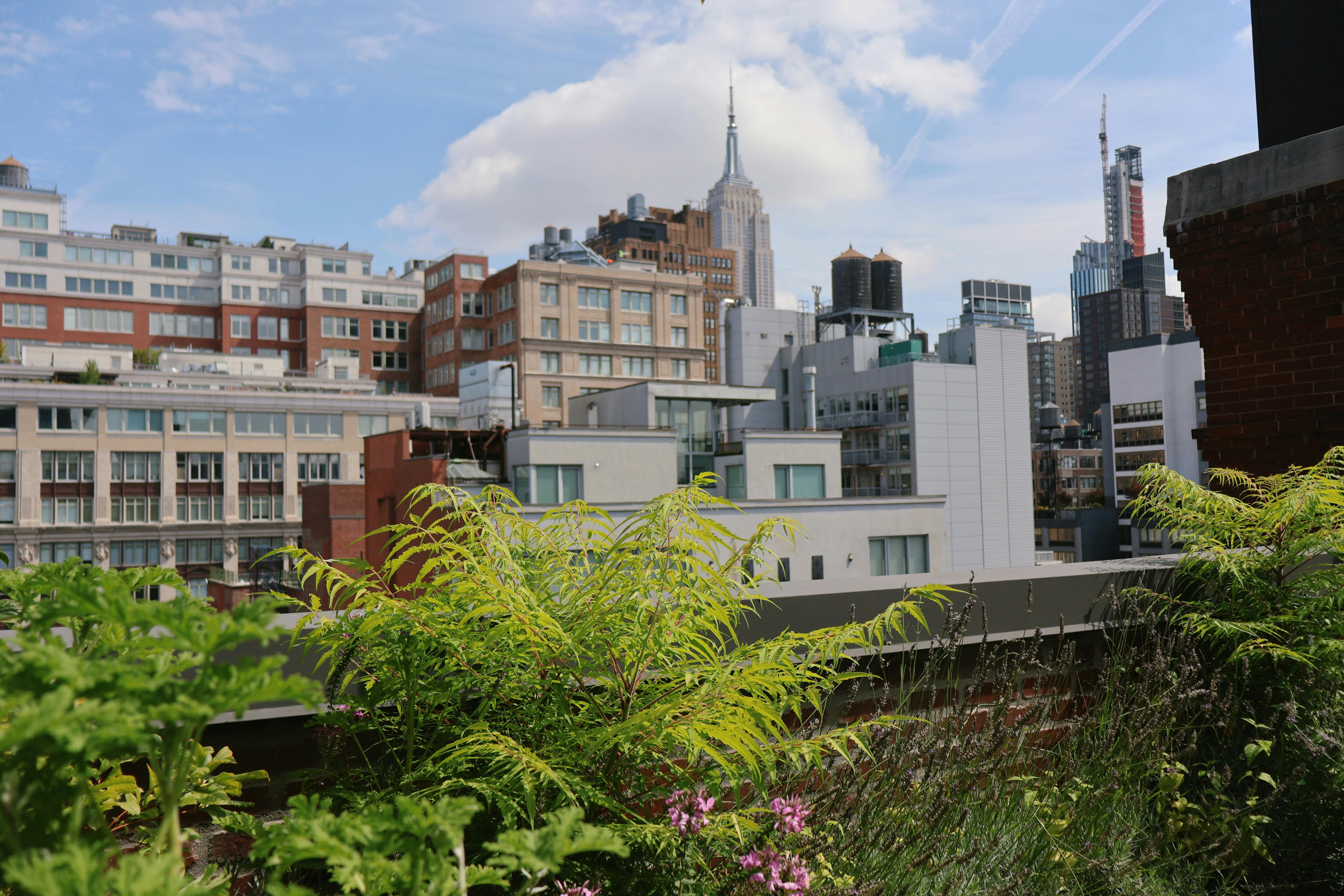
The High Line is a brilliant example of urban renewal, turning a former elevated freight rail line into a 1.45-mile-long public park. It floats above the streets of Manhattan's West Side, offering unique views of the city's architecture and the Hudson River. It is a masterclass in modern landscape design, featuring native plantings, art installations, and seating areas that encourage you to linger. It provides a perspective of New York that makes you feel like you're part of the city's heartbeat, without the stress of the traffic below.

Best Season to Visit: Late spring through early fall when the gardens are in full bloom.

Ideal Visiting Hours: Weekday mornings before 10:00 AM to avoid the heaviest foot traffic.

Traveler Tip: Start at the northern end (34th Street) and walk south toward the Chelsea Market for a world-class lunch after your stroll.

Must Know: Entry is free, but check the official website as some sections may have timed entry requirements during peak holiday weekends.


Comments (0)

Leave a Reply

No comments yet. Be the first to share your thoughts!