Travel Destination

15 European destinations that attract travelers with an interest in history

Elliot Vance
3.8
April 23, 2026

Europe’s identity is deeply shaped by its past, with layers of history visible in everything from ancient ruins and medieval towns to grand palaces and religious landmarks. For travelers who enjoy understanding how civilizations evolved, the continent offers an unmatched range of destinations that bring history to life. From the legacy of the Roman Empire to the cultural influence of the Renaissance and the events of the 20th century, each place tells a distinct story.

What makes Europe particularly appealing is how accessible this history is. You are not just visiting museums, you are walking through living cities where historic structures remain part of everyday life. Many of these sites are among the top places to visit in Europe, offering both educational value and memorable travel experiences.
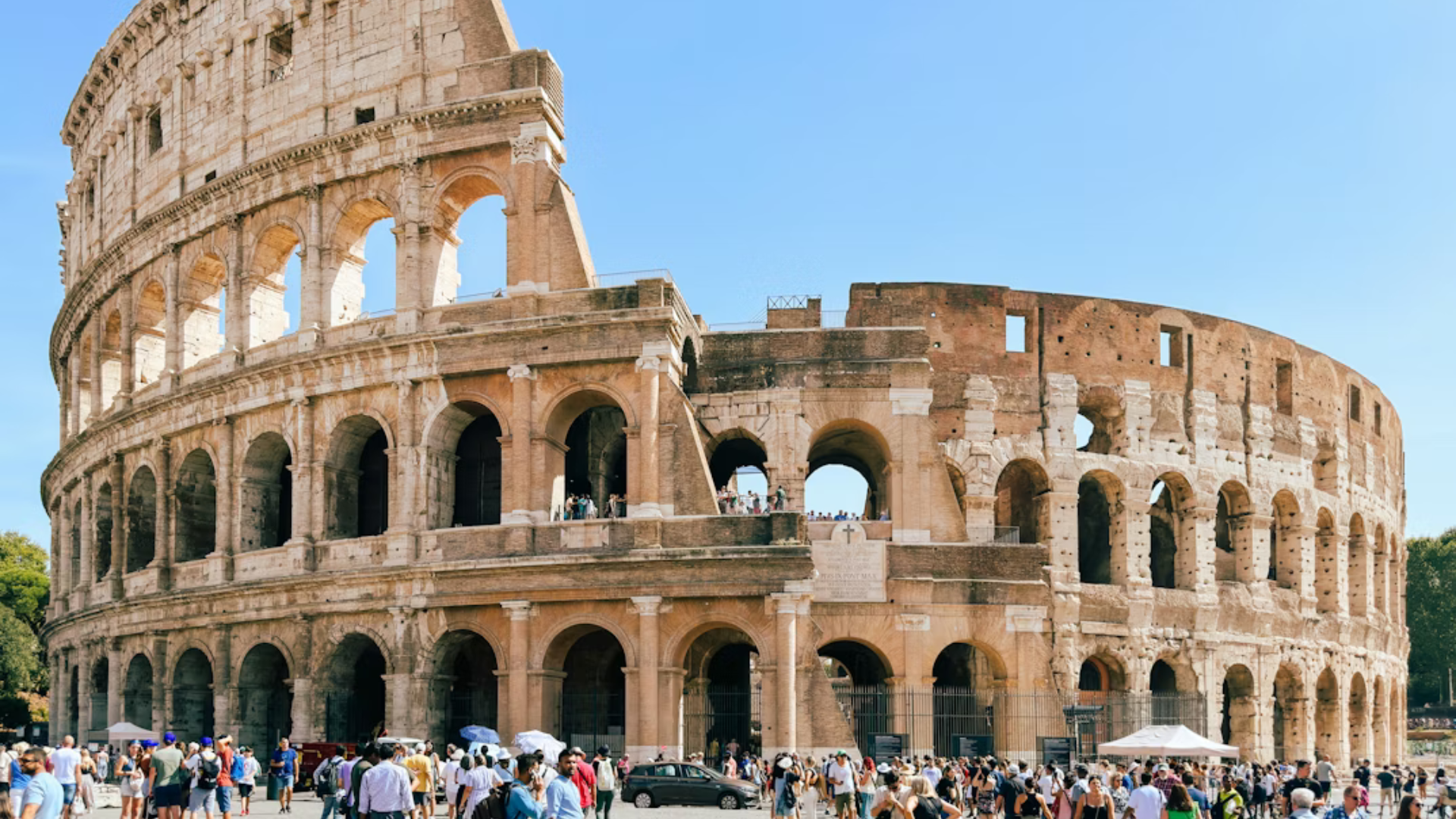
1. Colosseum
© Unsplash / Atıf Zafrak

1. Colosseum

The Colosseum is one of the most recognizable symbols of ancient Rome. Built between 70–80 AD, it once hosted gladiator battles, public spectacles, and large-scale events for tens of thousands of spectators. Its engineering and scale still stand as a testament to Roman innovation. Walking through its corridors offers a direct connection to life in the Roman Empire, making it one of the most important historical landmarks in Europe.

Best Season to Visit: March to May, September to October

Ideal Visiting Hours: Early morning

Traveler Tip: Book tickets in advance to avoid long queues

Must-Know: Guided tours provide deeper historical context

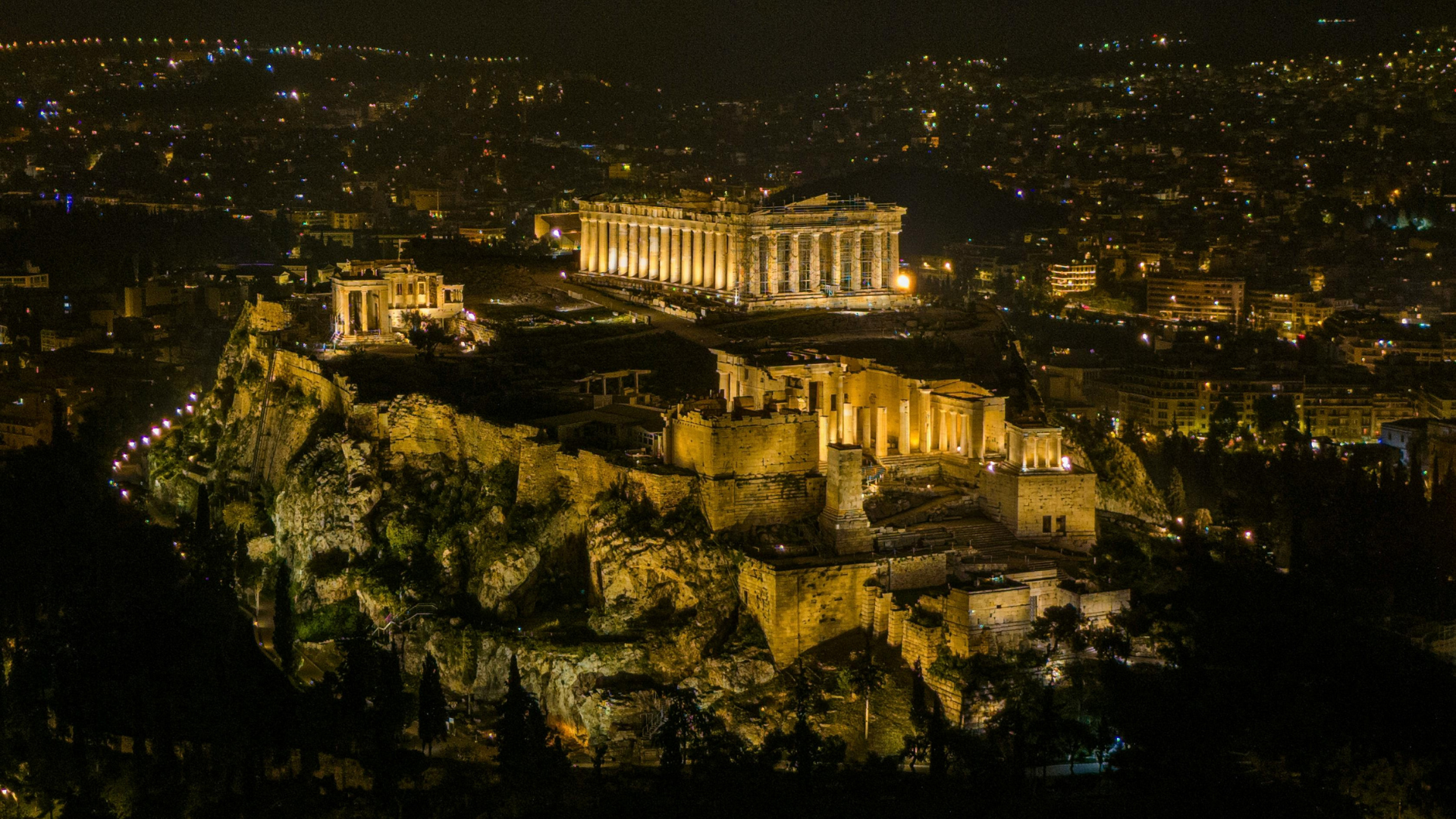
2. Acropolis of Athens
© Unsplash / Filippos Zikopoulos

2. Acropolis of Athens

The Acropolis stands as a symbol of ancient Greek civilization and democracy. Dating back to the 5th century BC, it includes iconic structures like the Parthenon. The site overlooks Athens and reflects the artistic and political achievements of ancient Greece. It remains one of the most visited and historically significant sites in Europe.

Best Season to Visit: April to June, September

Ideal Visiting Hours: Morning or late afternoon

Traveler Tip: Wear comfortable shoes for the uphill walk

Must-Know: Entry tickets include access to multiple ruins

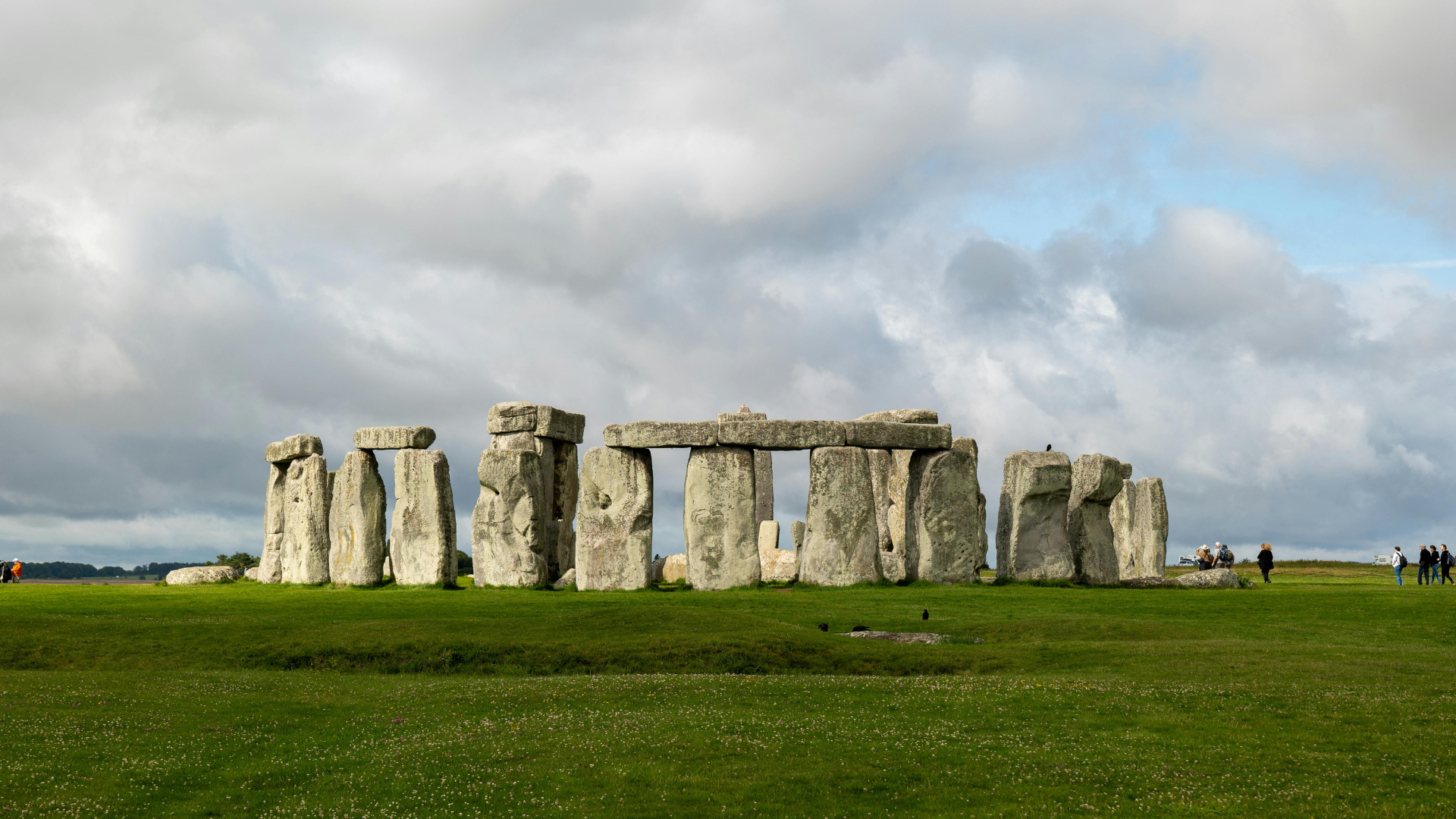
3. Stonehenge
© Unsplash / Eren Cebeci

3. Stonehenge

Stonehenge is one of the most mysterious prehistoric monuments in the world. Dating back over 4,000 years, the purpose of this stone circle is still debated, with theories ranging from religious rituals to astronomical functions. Its simplicity and scale make it one of the most intriguing historical sites in Europe.

Best Season to Visit: Late spring to early autumn

Ideal Visiting Hours: Early morning or sunset

Traveler Tip: Visit during off-peak hours for fewer crowds

Must-Know: Access to inner circle requires special booking

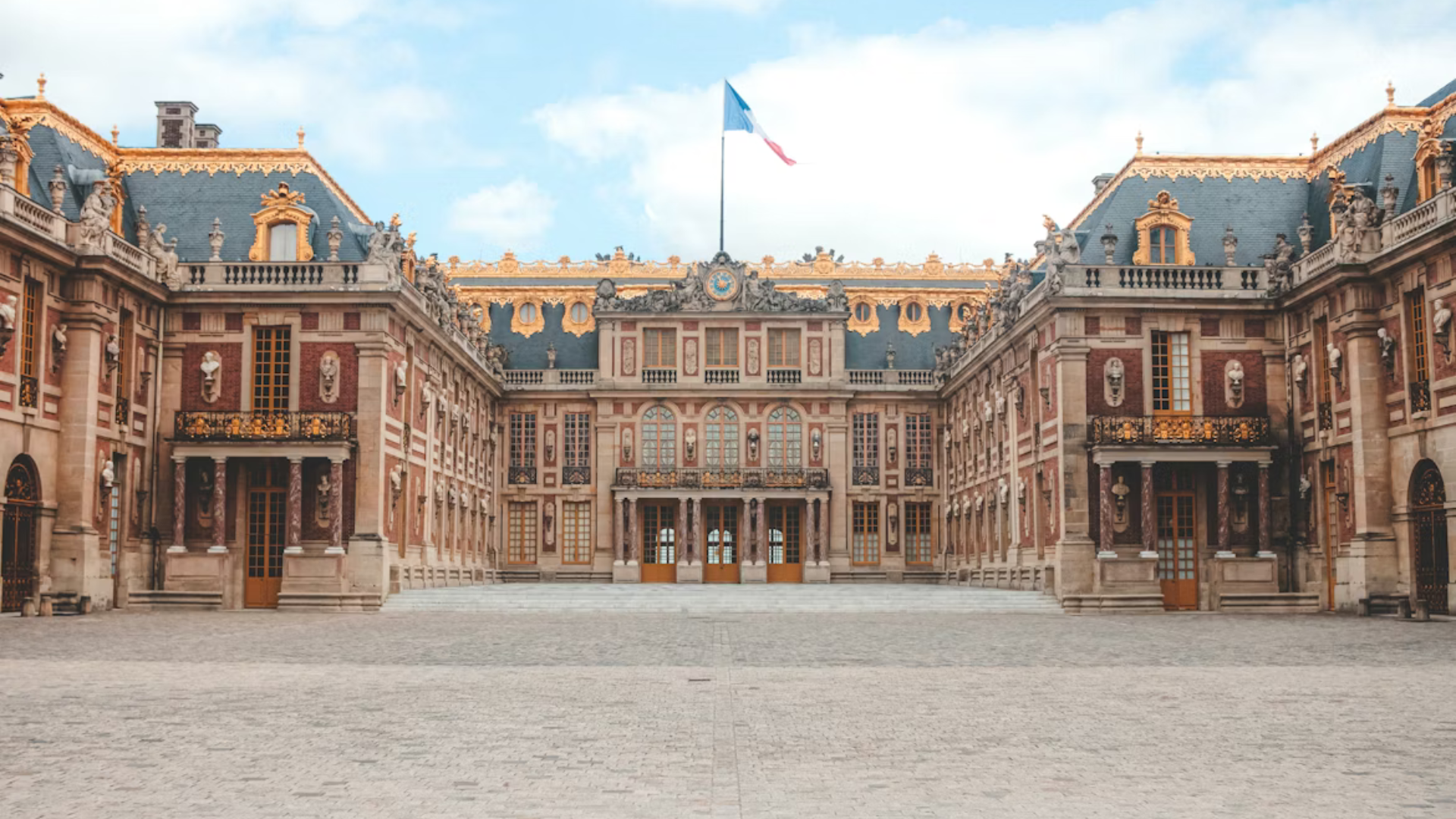
4. Palace of Versailles
© Unsplash / Mathias Reding

4. Palace of Versailles

The Palace of Versailles represents the height of French royal power and luxury. Once home to Louis XIV, it features elaborate halls, gardens, and the famous Hall of Mirrors. The palace provides insight into France’s monarchy and the events leading up to the French Revolution.

Best Season to Visit: April to October

Ideal Visiting Hours: Morning

Traveler Tip: Allocate a full day for the palace and gardens

Must-Know: Gardens may require a separate ticket

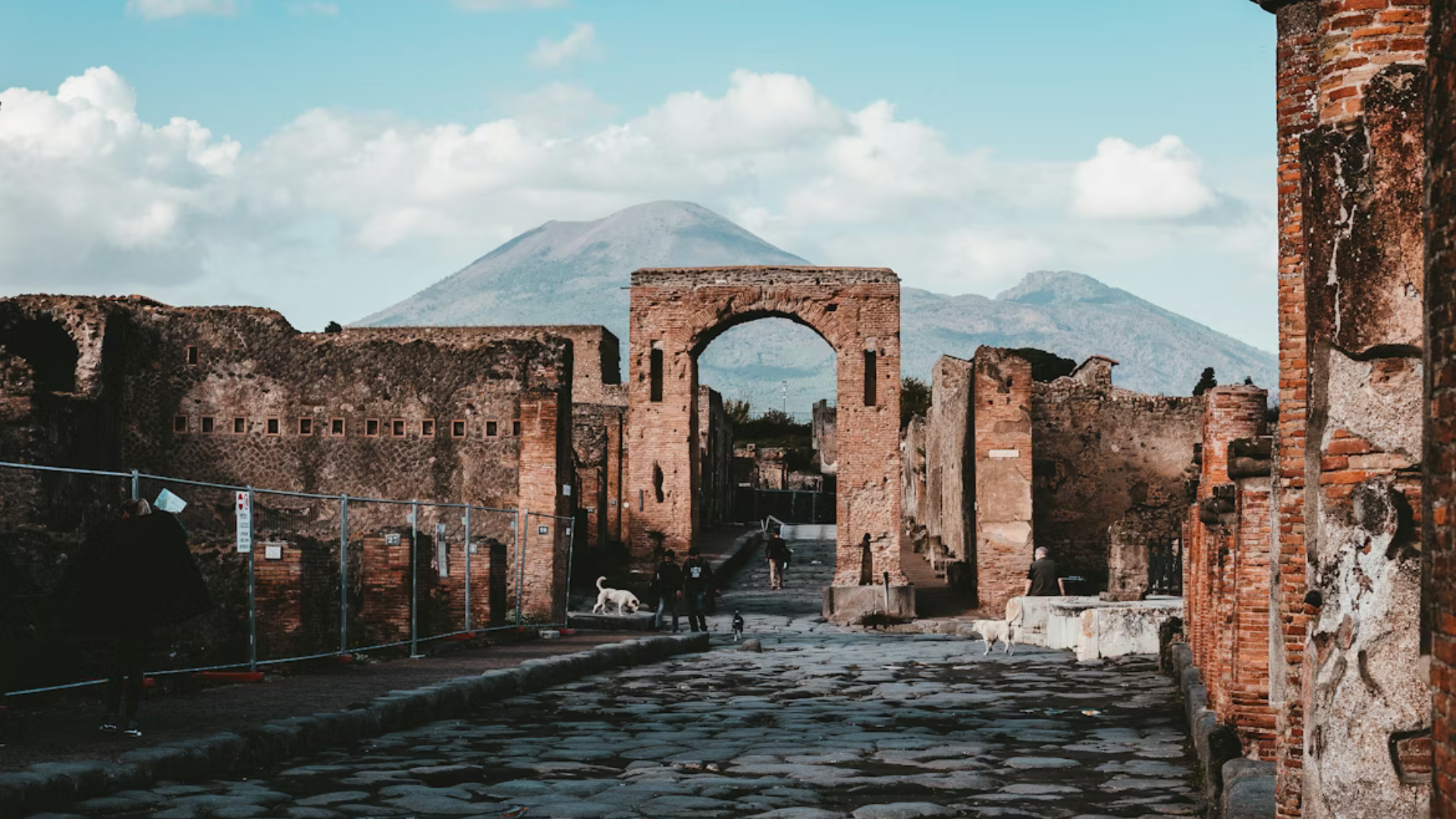
5. Pompeii
© Unsplash / Andy Holmes

5. Pompeii

Pompeii offers a rare glimpse into daily life in ancient Rome. Preserved under volcanic ash after the eruption of Mount Vesuvius in 79 AD, the city remains remarkably intact. Streets, homes, and frescoes provide insight into Roman society, making it one of the most immersive archaeological sites in Europe.

Best Season to Visit: March to May, September

Ideal Visiting Hours: Morning

Traveler Tip: Hire a guide to understand the site better

Must-Know: Large site, comfortable walking shoes are essential

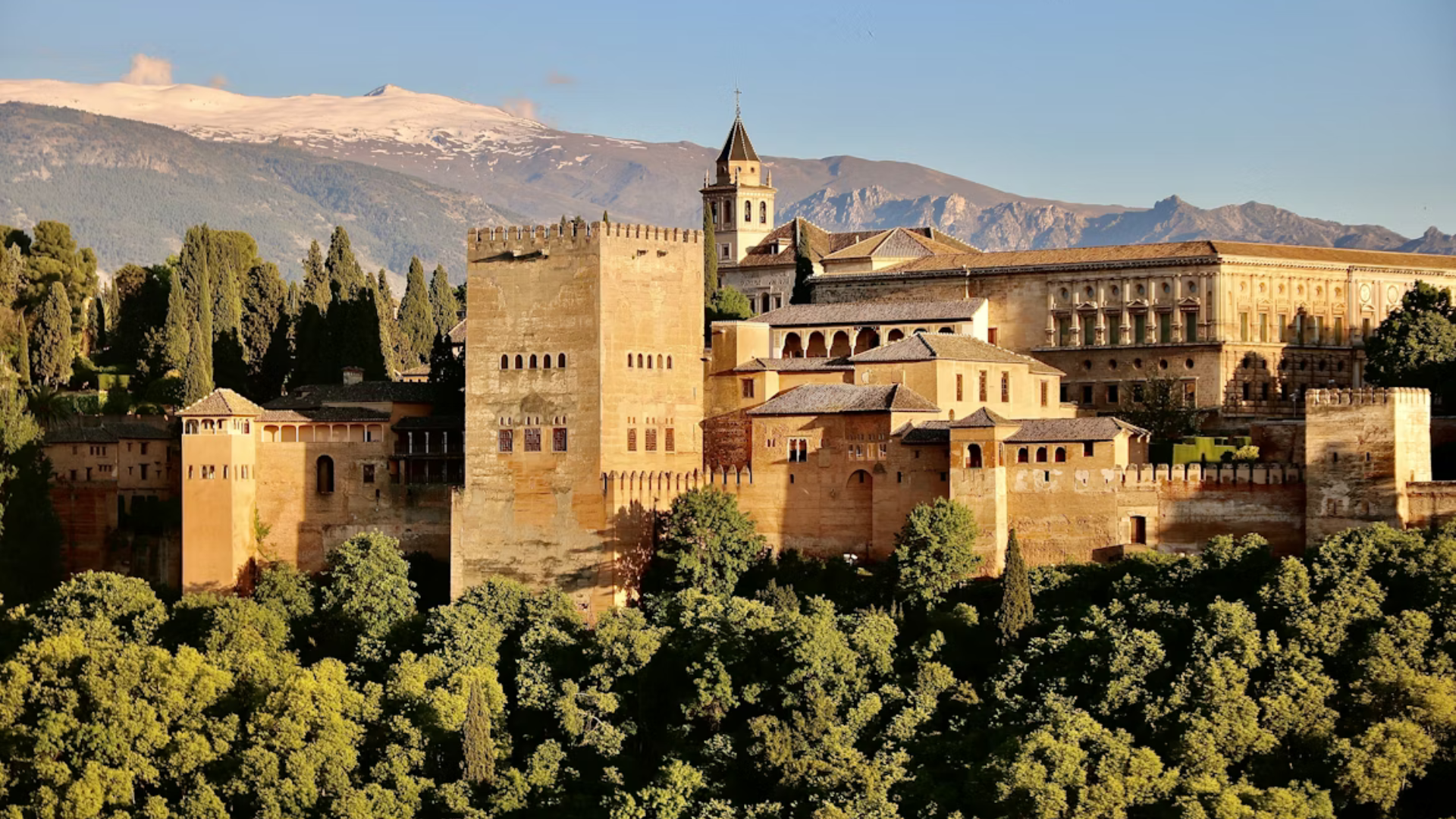
6. Alhambra
© Unsplash / Jorge Fernández Salas

6. Alhambra

The Alhambra is a stunning example of Moorish architecture in Europe. Built in the 13th and 14th centuries, it served as a royal palace and fortress. Its intricate carvings, courtyards, and gardens reflect Islamic art and history in Spain.

Best Season to Visit: April to June, September

Ideal Visiting Hours: Morning

Traveler Tip: Book tickets weeks in advance

Must-Know: Timed entry is strictly enforced

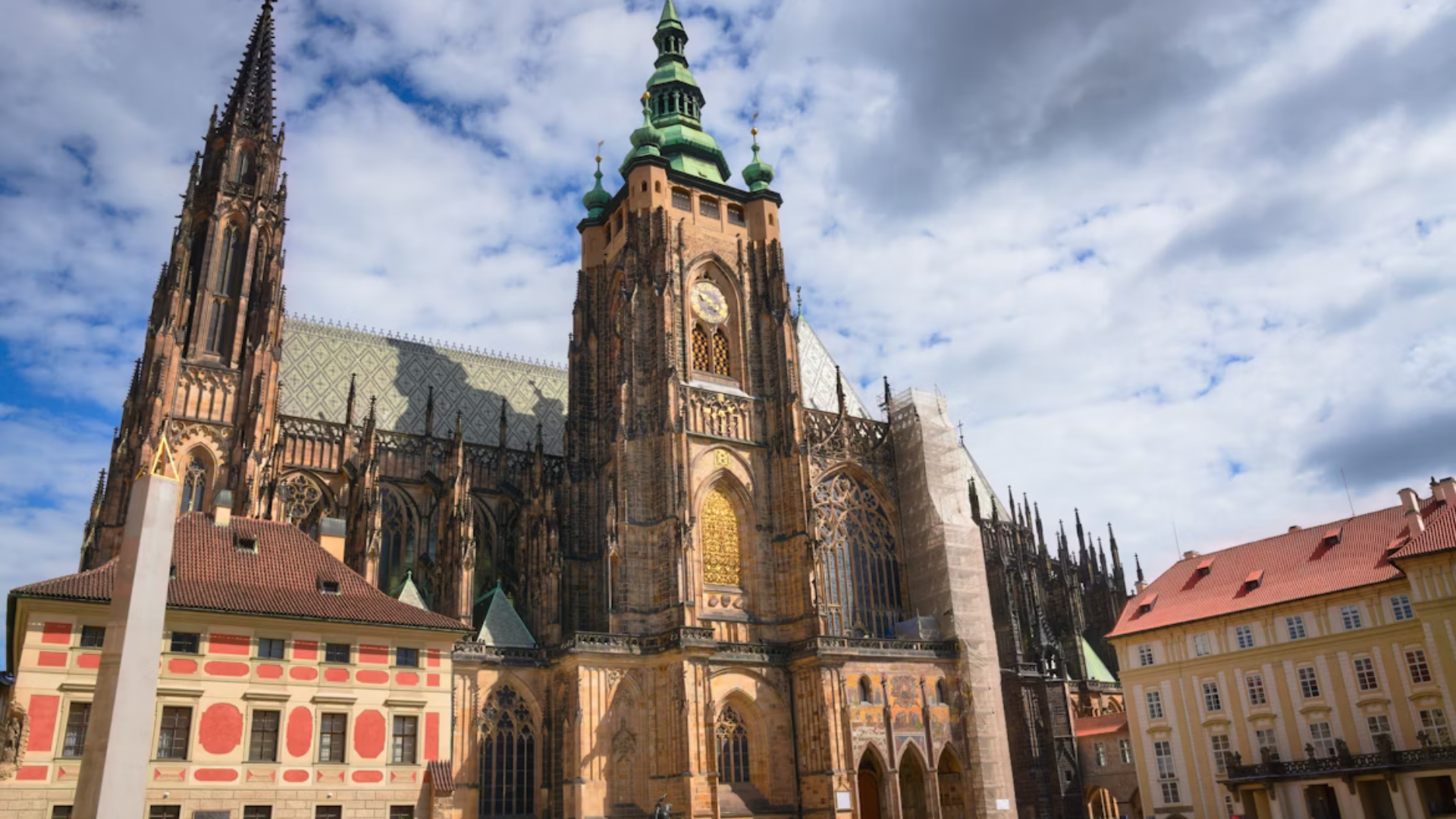
7. Prague Castle
© Unsplash / Raik Loesche

7. Prague Castle

Prague Castle is one of the largest ancient castle complexes in the world. It has been the seat of power for kings, emperors, and presidents for centuries. The complex includes churches, palaces, and gardens, offering a detailed look at European political history.

Best Season to Visit: Spring and autumn

Ideal Visiting Hours: Morning

Traveler Tip: Explore surrounding Old Town as well

Must-Know: Entry to some sections requires tickets

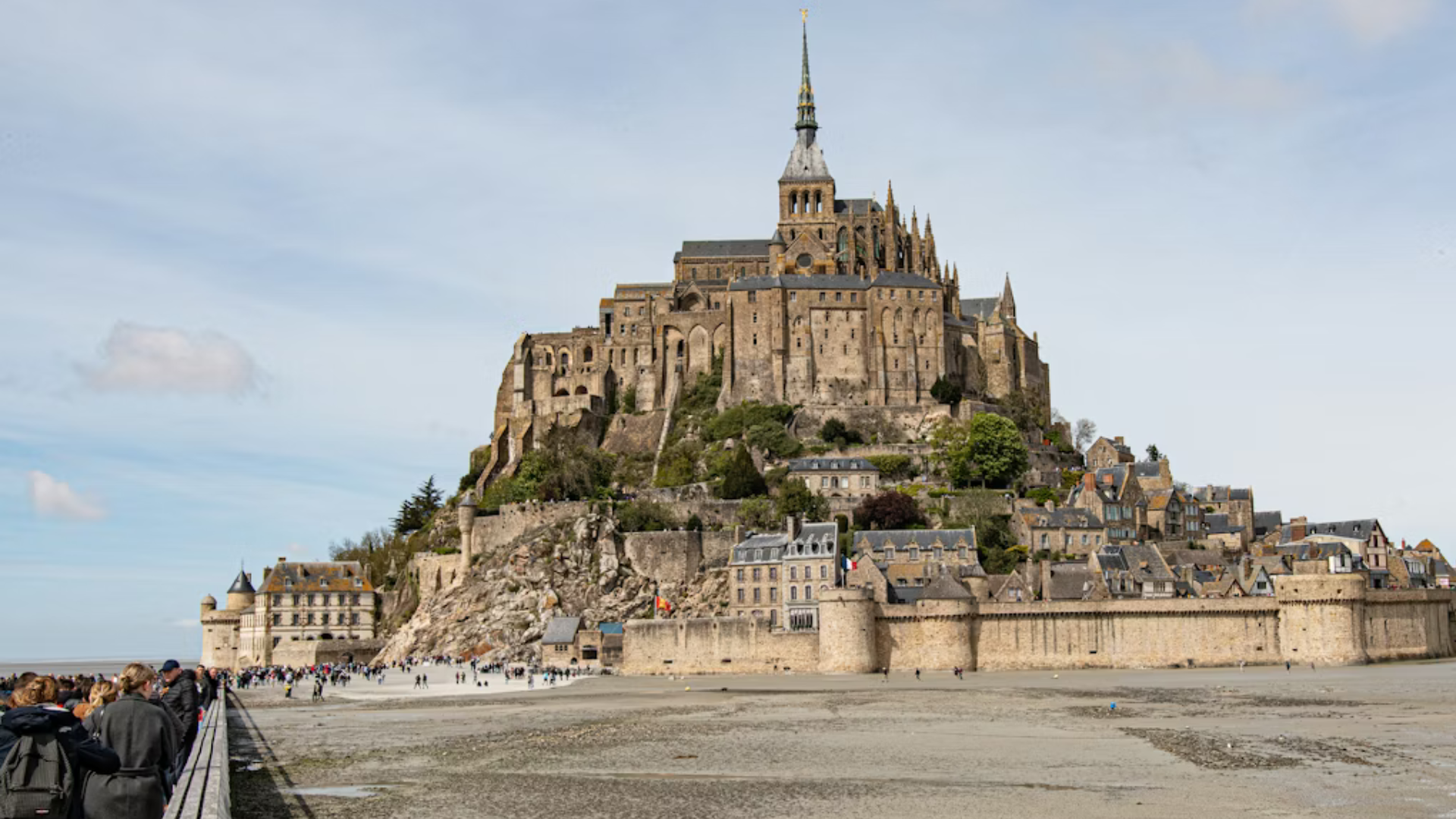
8. Mont-Saint-Michel
© Unsplash / Simon Kessler

8. Mont-Saint-Michel

Mont-Saint-Michel is a medieval abbey set on a tidal island. Its unique location and architecture make it one of the most visually striking historical sites in Europe. Over centuries, it has served as a monastery, fortress, and pilgrimage site.

Best Season to Visit: May to September

Ideal Visiting Hours: Early morning or evening

Traveler Tip: Check tide schedules before visiting

Must-Know: Walking is required to reach the abbey

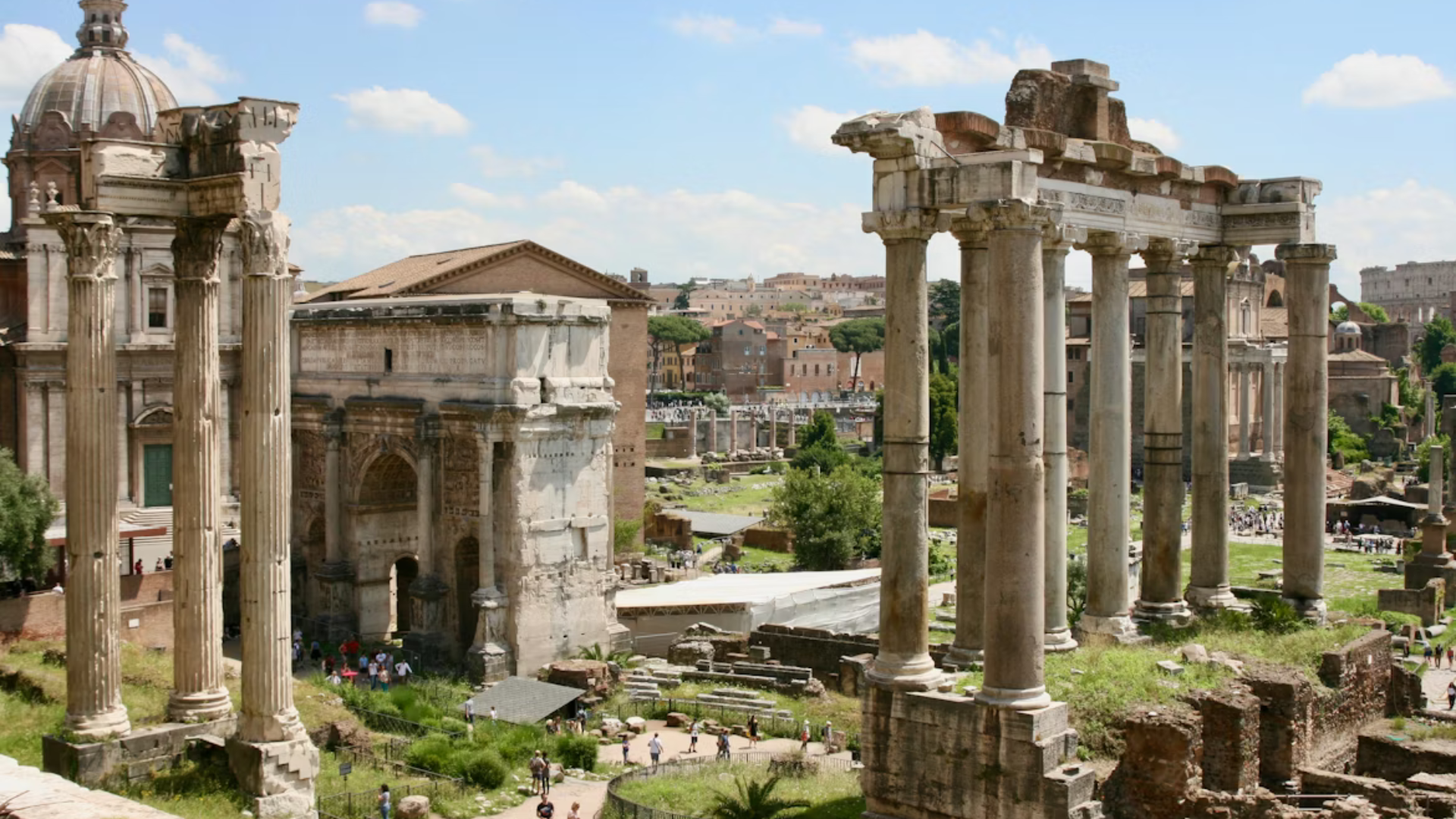
9. Roman Forum
© Unsplash / Chad Greiter

9. Roman Forum

The Roman Forum was the center of public life in ancient Rome. It hosted political debates, markets, and ceremonies. Today, its ruins provide a deeper understanding of Roman governance and society, complementing a visit to the Colosseum.

Best Season to Visit: Spring and autumn

Ideal Visiting Hours: Morning

Traveler Tip: Combine with Colosseum tickets

Must-Know: Guided tours enhance the experience

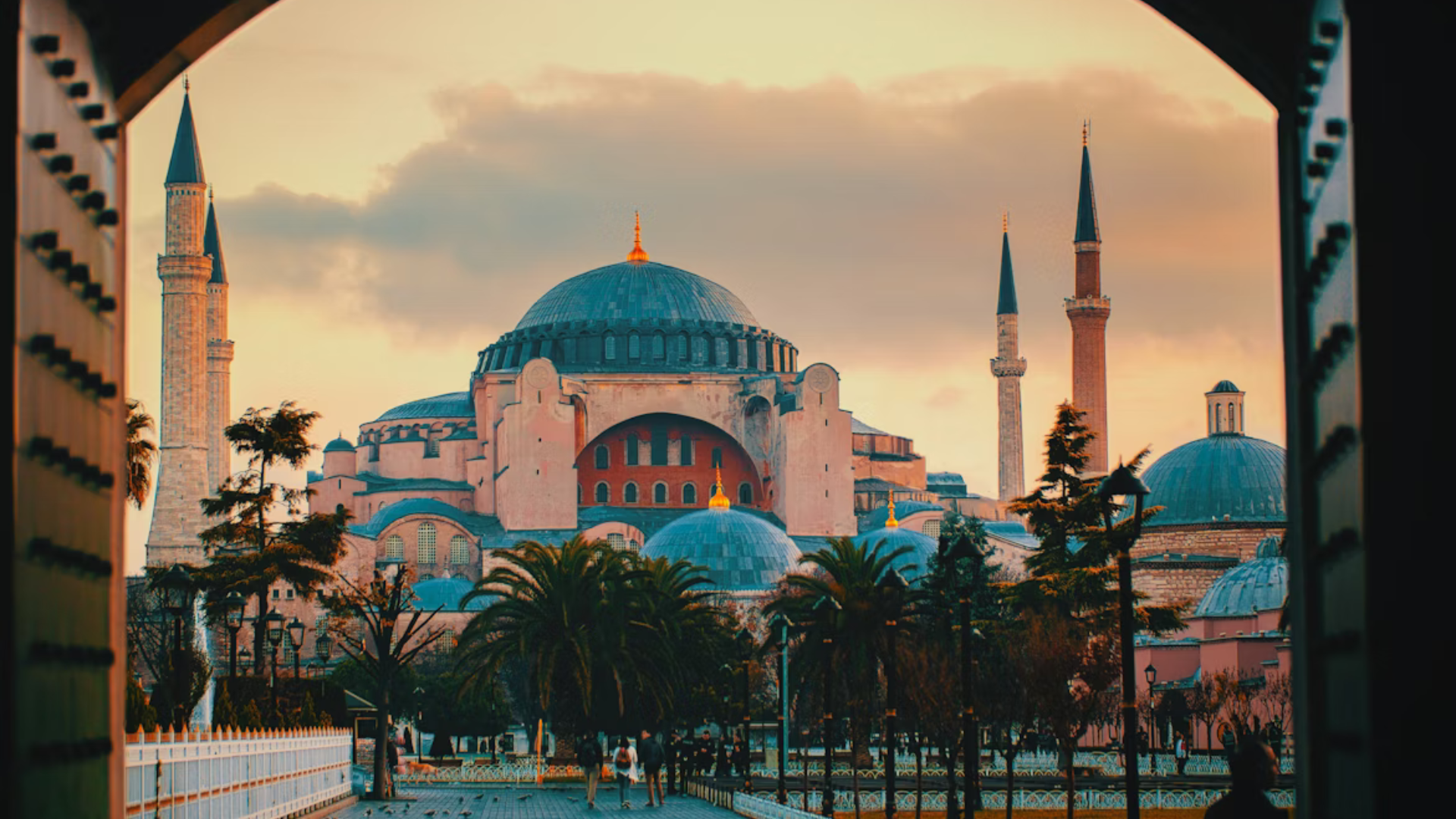
10. Hagia Sophia
© Unsplash / Ibrahim Uzun

10. Hagia Sophia

Hagia Sophia reflects centuries of cultural and religious transformation. Originally built as a Byzantine cathedral, it later became a mosque and now functions as a mosque again. Its architecture and history represent the intersection of different empires and faiths.

Best Season to Visit: April to June, September

Ideal Visiting Hours: Early morning

Traveler Tip: Dress modestly when visiting

Must-Know: Entry rules may vary depending on use

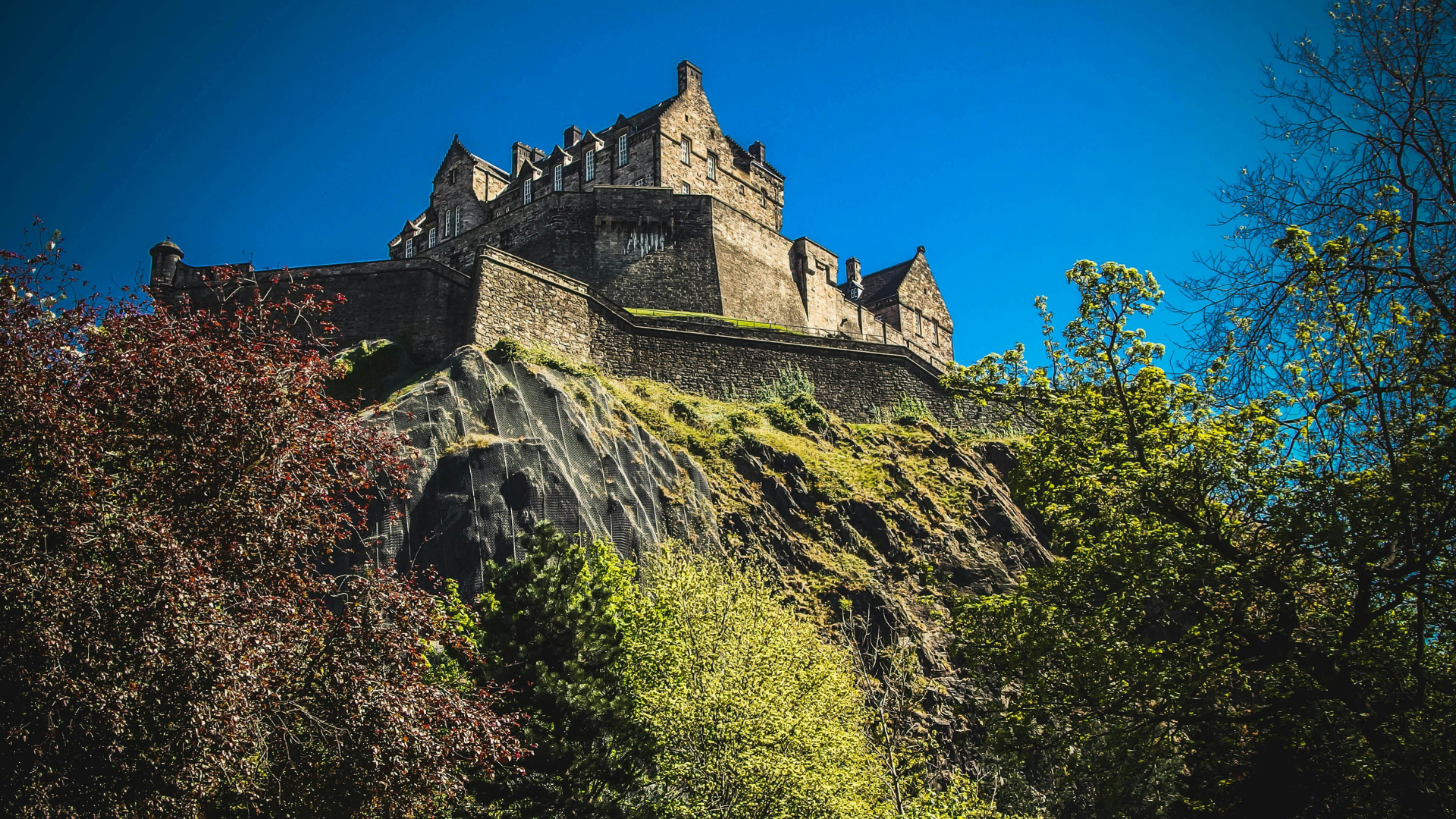
11. Edinburgh Castle
© Unsplash / Agnieszka Palmowska

11. Edinburgh Castle

Perched on a volcanic rock, Edinburgh Castle has played a central role in Scottish history. It has served as a royal residence, military stronghold, and symbol of national identity. The views over the city add to its appeal.

Best Season to Visit: May to September

Ideal Visiting Hours: Morning

Traveler Tip: Visit early to avoid crowds

Must-Know: Tickets are required for entry

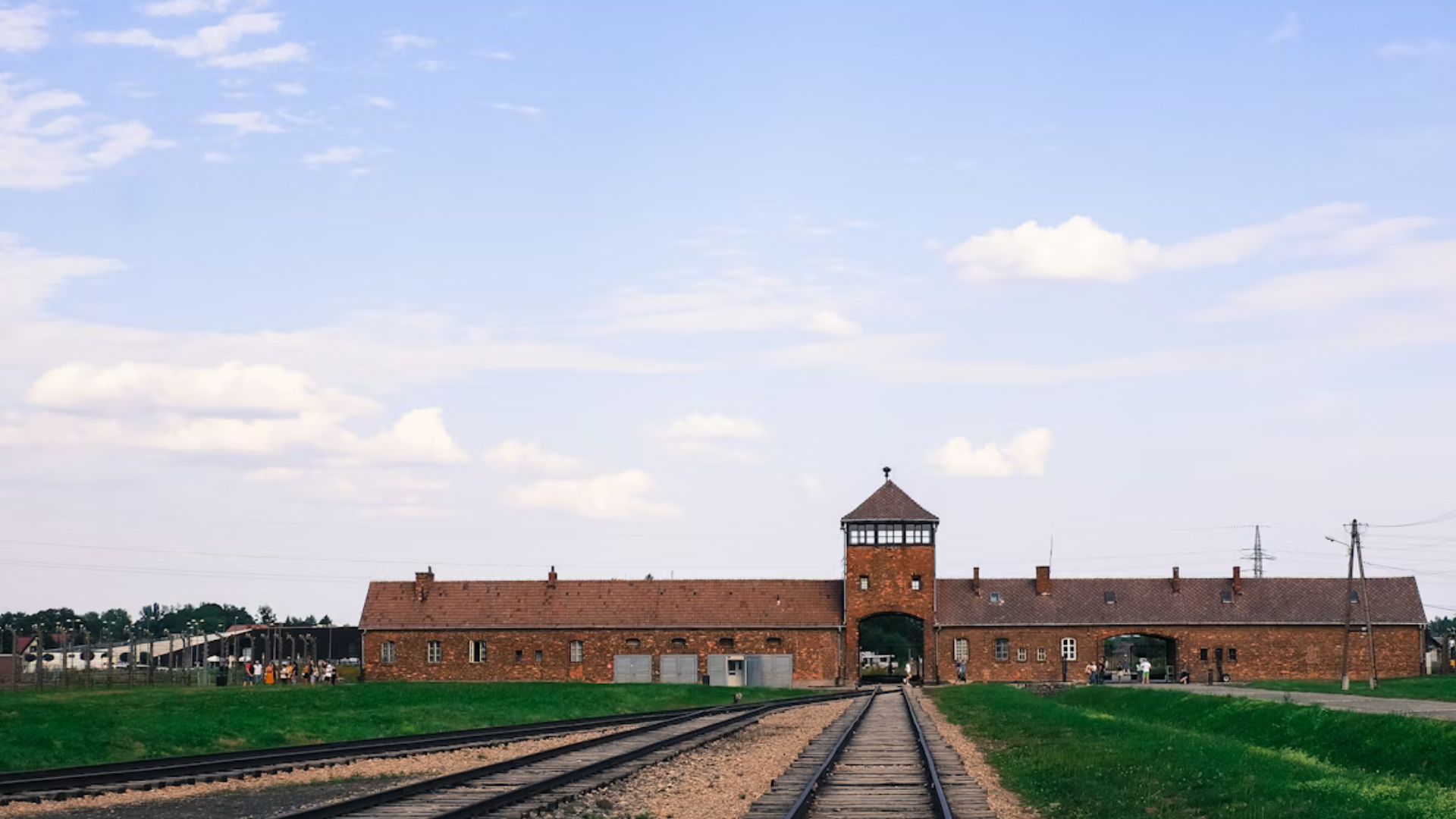
12. Auschwitz-Birkenau
© Unsplash / Lidia Stawinska

12. Auschwitz-Birkenau

Auschwitz-Birkenau stands as a solemn reminder of World War II and the Holocaust. Visiting the site offers an important historical perspective and a chance to reflect on one of the darkest periods in modern history.

Best Season to Visit: Year-round

Ideal Visiting Hours: Morning

Traveler Tip: Take a guided tour for context

Must-Know: Photography restrictions apply in some areas

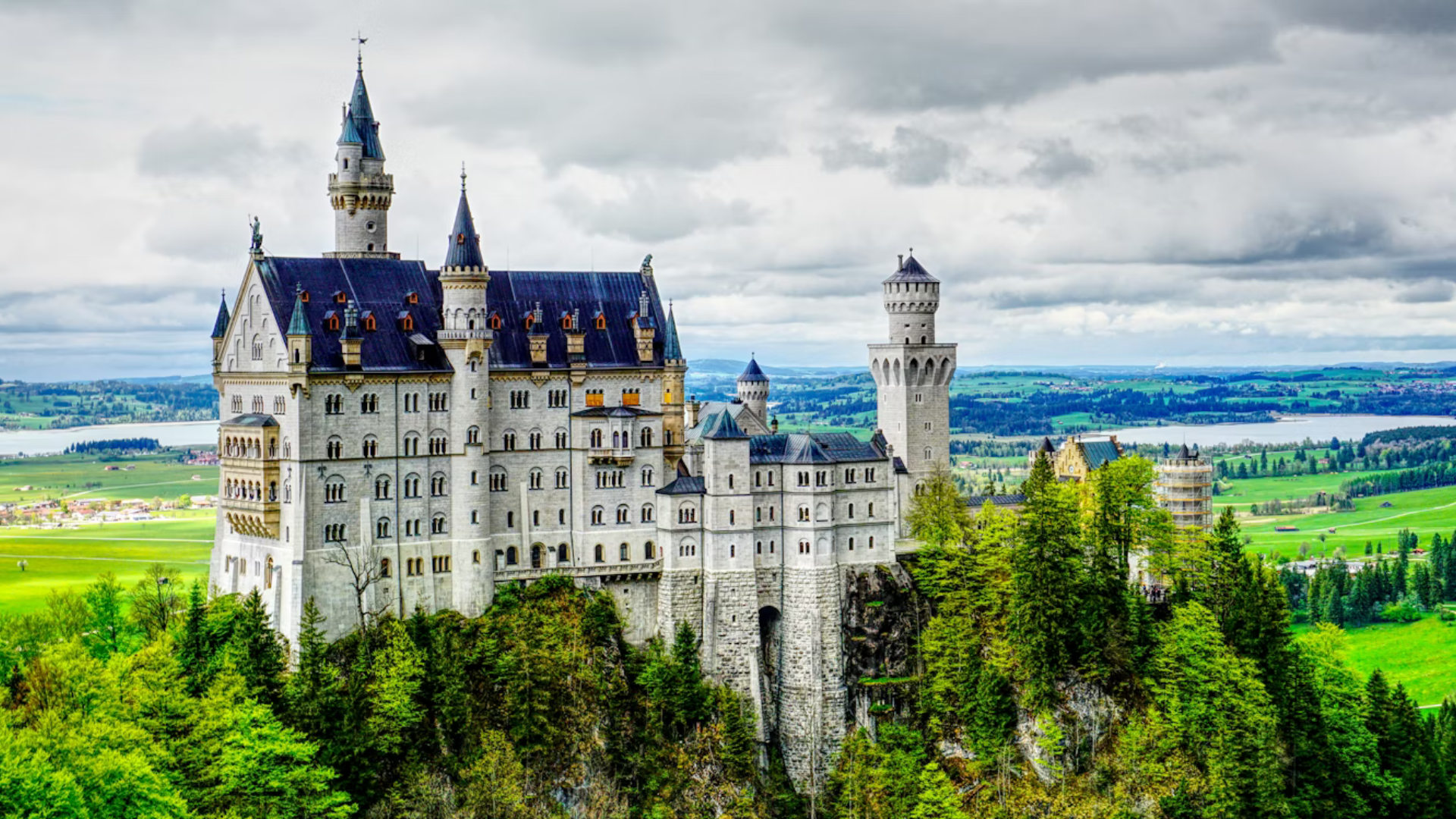
13. Neuschwanstein Castle
© Unsplash / Felix

13. Neuschwanstein Castle

Neuschwanstein Castle looks like a fairy-tale structure but has historical roots in 19th-century Bavaria. Commissioned by King Ludwig II, it reflects romantic architecture and cultural imagination. It remains one of the most photographed castles in Europe.

Best Season to Visit: May to October

Ideal Visiting Hours: Morning

Traveler Tip: Book tickets in advance

Must-Know: Access involves a short uphill walk

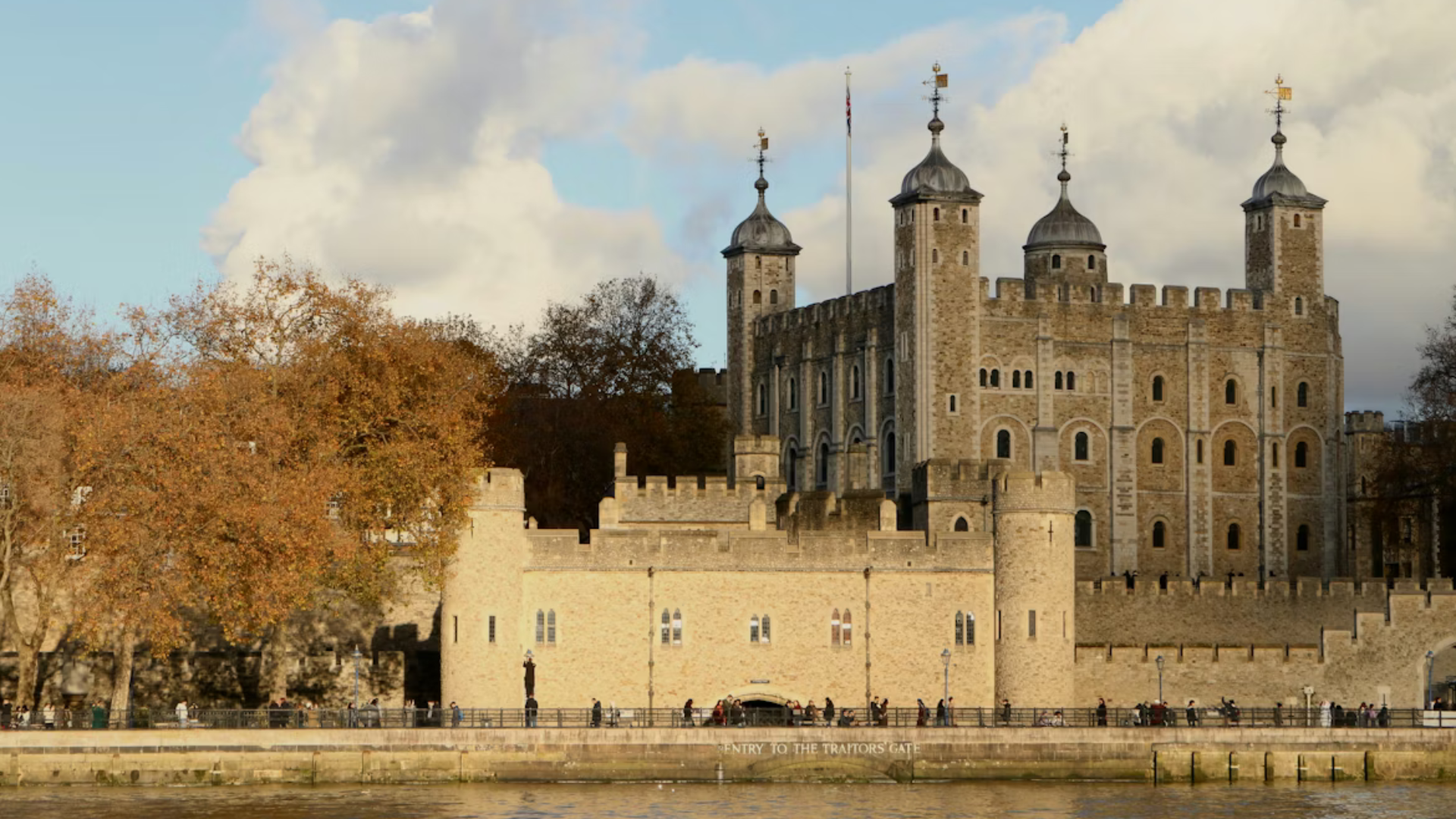
14. Tower of London
© Unsplash / Juhi Sewchurran

14. Tower of London

The Tower of London has served as a royal palace, prison, and treasury. Its long history includes political intrigue, executions, and the safeguarding of the Crown Jewels. It offers insight into England’s monarchy and medieval history.

Best Season to Visit: Spring and autumn

Ideal Visiting Hours: Morning

Traveler Tip: Join a guided tour for stories and context

Must-Know: Entry tickets can be booked online

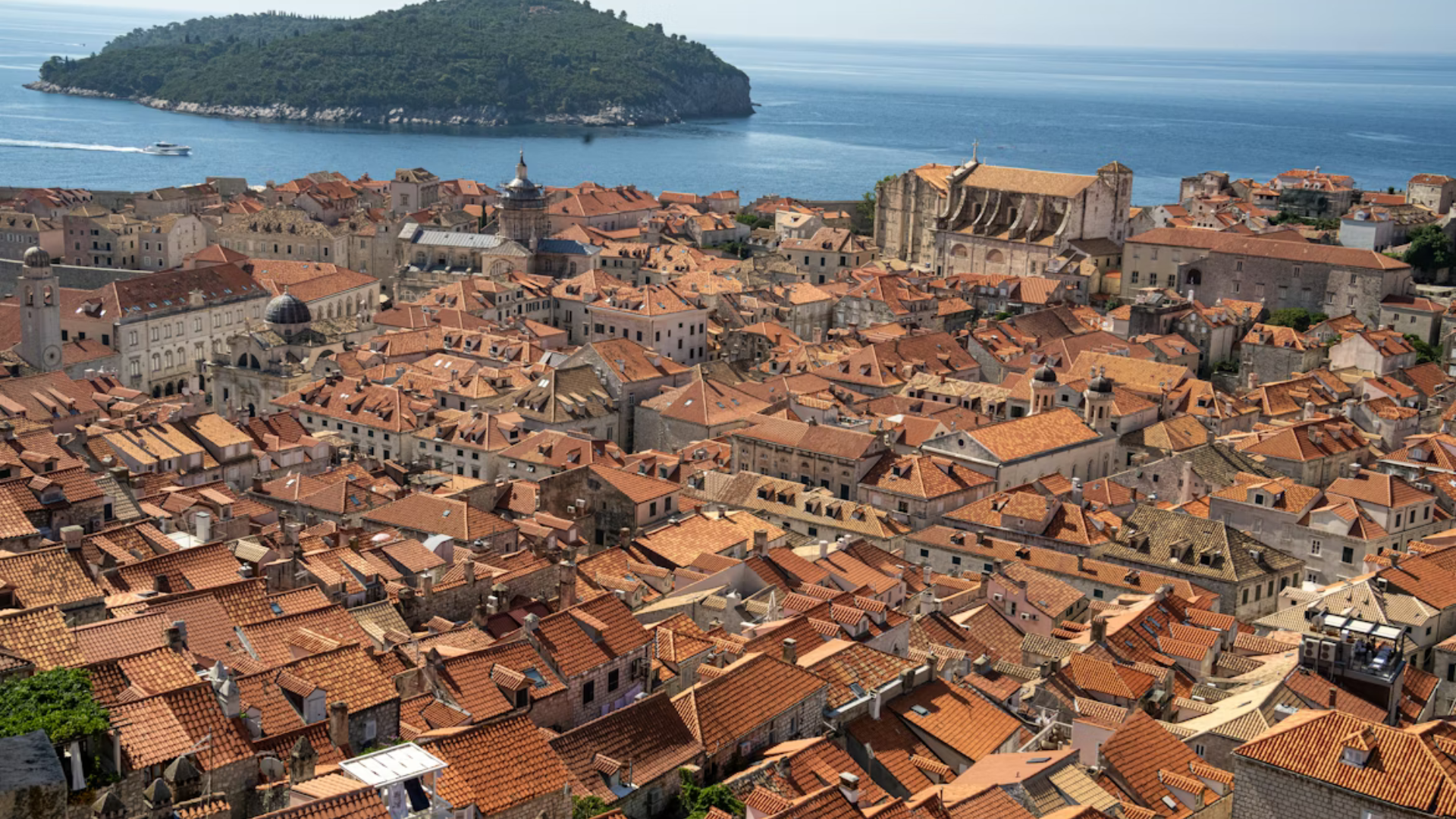
15. Dubrovnik Old Town
© Unsplash / mana5280

15. Dubrovnik Old Town

Dubrovnik’s Old Town is a well-preserved medieval city surrounded by stone walls. Walking along the walls provides views of the Adriatic Sea and historic streets. The city reflects centuries of trade, defense, and cultural exchange.

Best Season to Visit: May to June, September

Ideal Visiting Hours: Early morning or evening

Traveler Tip: Walk the city walls for full experience

Must-Know: Entry to walls requires a fee


Comments (0)

Leave a Reply

No comments yet. Be the first to share your thoughts!