Travel Disney Hacks

15 etiquette rules to keep in mind when visiting Tokyo Disneyland

Julian Cross
4.6
May 01, 2026

Tokyo Disneyland is widely regarded as one of the most polite and orderly theme parks in the world. While the park features familiar characters and attractions, the guest experience is deeply rooted in Japanese social norms and cultural values. For international travelers, visiting the Tokyo Disney Resort is not just about the rides; it is an immersion into a culture that prioritizes harmony, cleanliness, and mutual respect.

In Japan, the concept of omotenashi (wholehearted hospitality) is matched by the guests' own commitment to manners (etiquette). Behavior that might be common in other Disney parks such as sitting on curbs or eating while walking is often viewed differently here. To ensure a seamless and respectful visit, it is essential for first-time visitors to understand the local expectations. This guide outlines 15 essential etiquette rules to help you navigate the park like a local, ensuring a positive experience for yourself and those around you.
1. Master the Art of Polite Queuing
© Unsplash / Roshan lanova

1. Master the Art of Polite Queuing

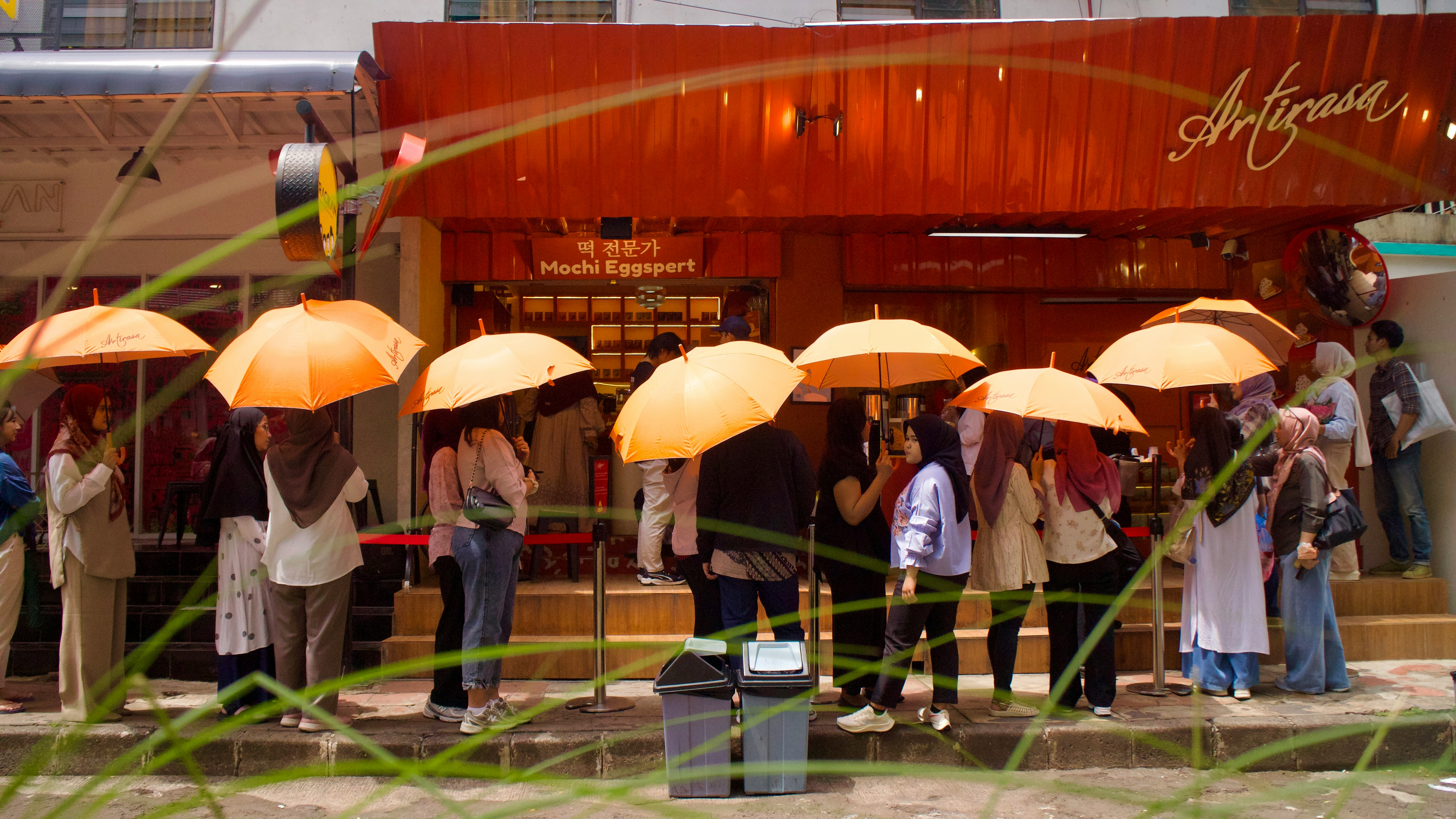
In Japan, queuing is a disciplined and respected practice. Cutting in line is considered highly offensive, but even "holding a spot" for a friend who is finishing a snack or using the restroom is generally frowned upon. It is worth following this rule strictly because Japanese guests value fairness and order above all else. Maintaining a small physical distance between yourself and the party in front of you is also a sign of respect for personal space in a crowded environment.

Location: All attraction entrances and food stalls.

Must-See Feature: The organized "switchback" queues that remain remarkably quiet despite the crowds.

Traveler Tip: Ensure your entire party is together before entering a line to avoid any misunderstandings with staff or other guests.

2. Practice Quiet Conversation
© Unsplash / Hiu Yan Chelsia Choi

2. Practice Quiet Conversation

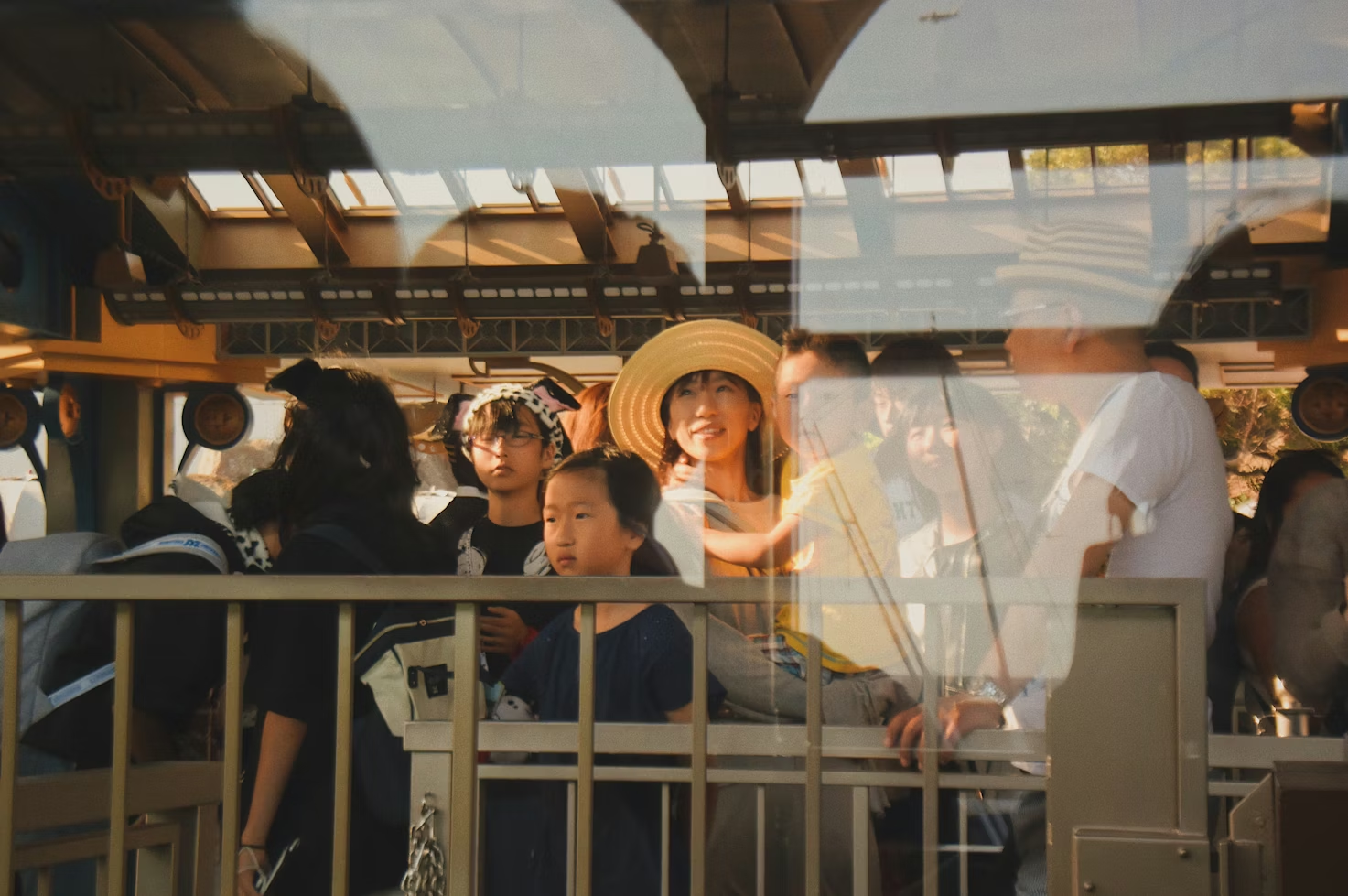
Tokyo Disneyland is notably quieter than its counterparts in the U.S. or Europe. Loud shouting, boisterous singing on rides, or playing music on phone speakers is considered disruptive to the "dream world" atmosphere. Respecting the soundscape allows everyone to hear the park’s meticulously designed background music and character voices. This rule reflects the broader Japanese cultural value of not inconveniencing others with your presence.

Location: Throughout the park, especially in indoor queues and transit vehicles.

Must-See Feature: The Enchanted Tiki Room, where the audience remains pin-drop quiet to appreciate the performance.

Traveler Tip: When on the Disney Resort Line monorail, keep your voice at a "library level" as many locals use it for their daily commute.

3. Sit Fully for Parades and Shows
© Unsplash /dm8ryphotos

3. Sit Fully for Parades and Shows

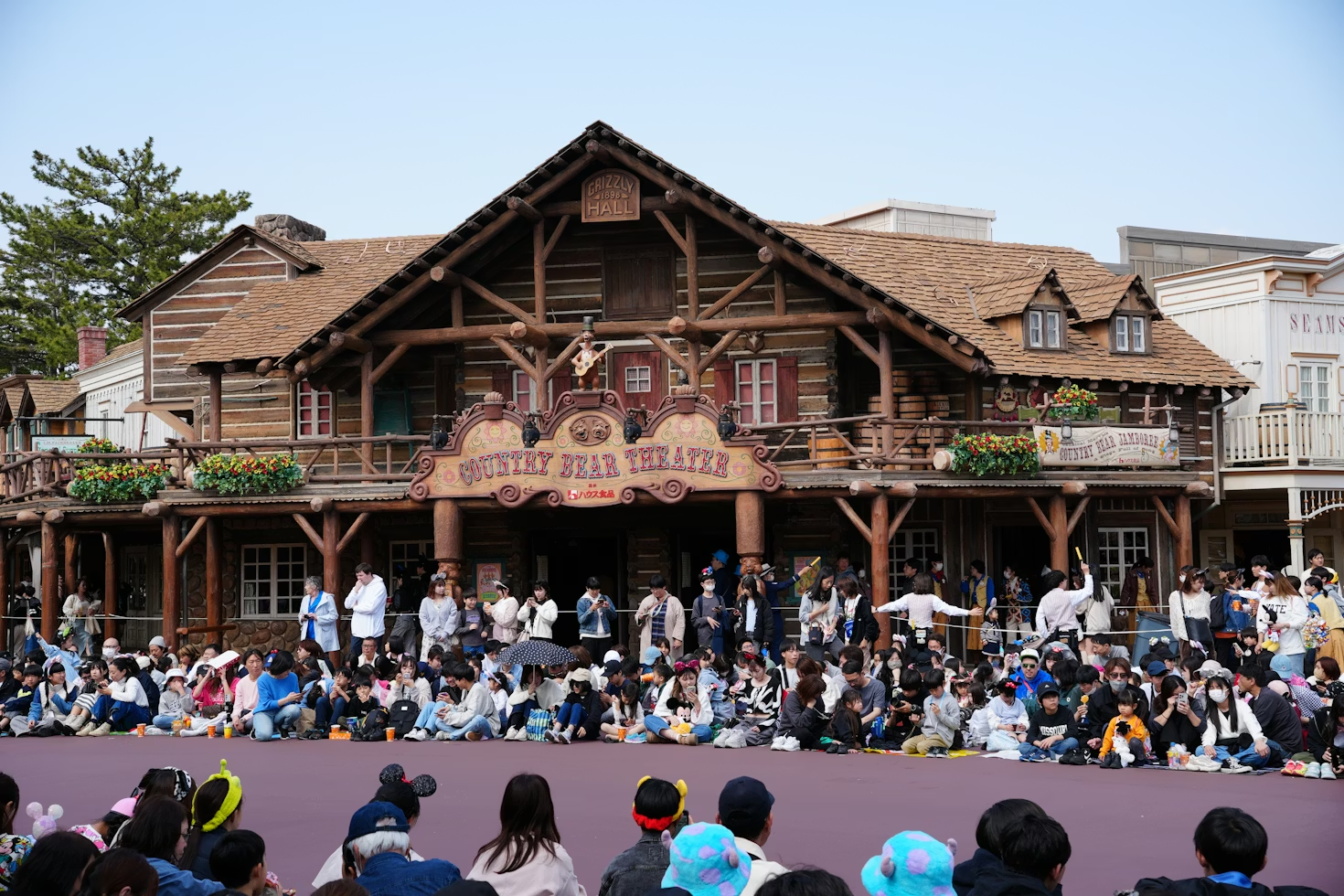
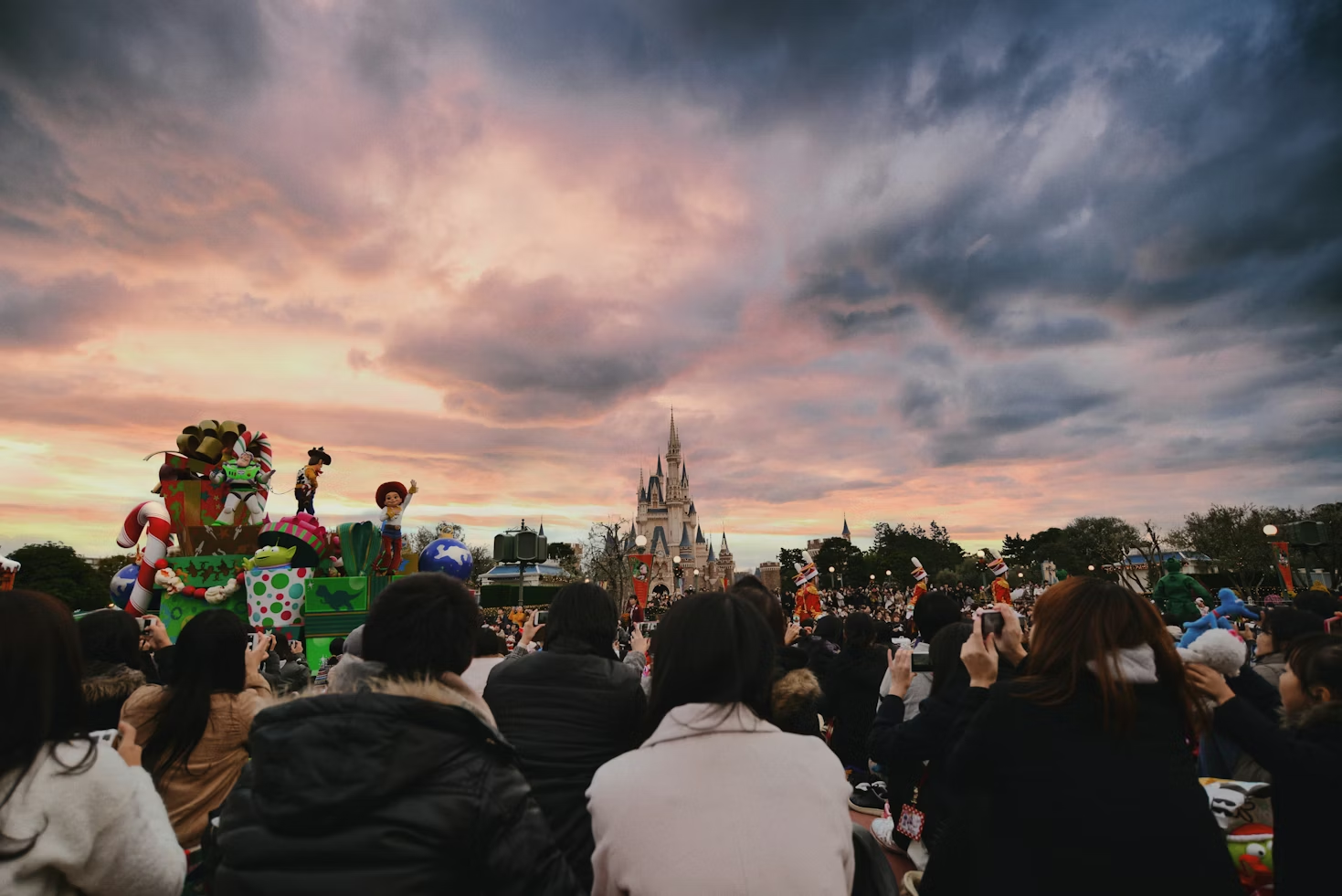
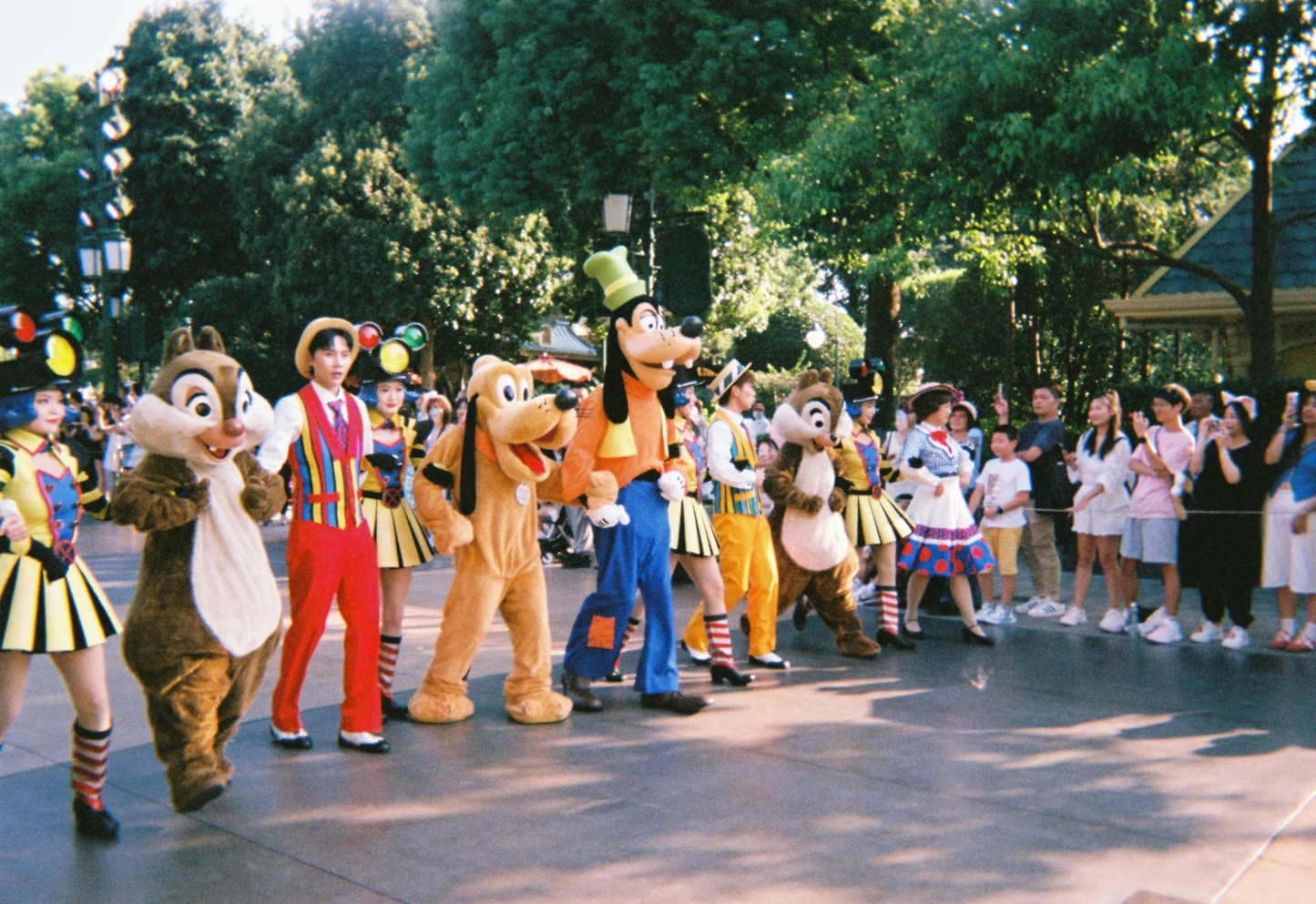
One of the most specific rules at Tokyo Disneyland involves parade viewing. To ensure that everyone behind you has a clear view, guests are expected to sit directly on the ground. Standing during a parade—or even crouching—is generally not allowed if there are people behind you. This practice demonstrates the cultural emphasis on collective enjoyment rather than individual vantage points.

Location: Parade routes in World Bazaar and near Cinderella Castle.

Must-See Feature: The "Disney Harmony in Color" parade, where the seated crowd creates a perfect sightline for all.

Traveler Tip: Do not stand up until the final float has completely passed your section to avoid blocking the view of those behind you.

4. Use "Leisure Sheets" Properly
© Unsplash / Muhammad Faiz Zulkeflee

4. Use "Leisure Sheets" Properly

Because guests are expected to sit for parades, almost everyone carries a "leisure sheet" (a small, foldable plastic mat). However, etiquette dictates that you should only spread your mat shortly before the show starts. Leaving a mat unattended to "save" a spot for hours is prohibited. This rule ensures that walkways remain clear and that the limited space is distributed fairly among those currently present.

Location: Designated viewing areas along the parade route.

Must-See Feature: The variety of character-themed mats sold in the park shops, which are a cultural staple.

Traveler Tip: Ensure your mat does not exceed the size of your actual group; taking up excess space is considered rude.

5. Remove Large Hats and Headbands
© Shutterstock / SritanaN

5. Remove Large Hats and Headbands

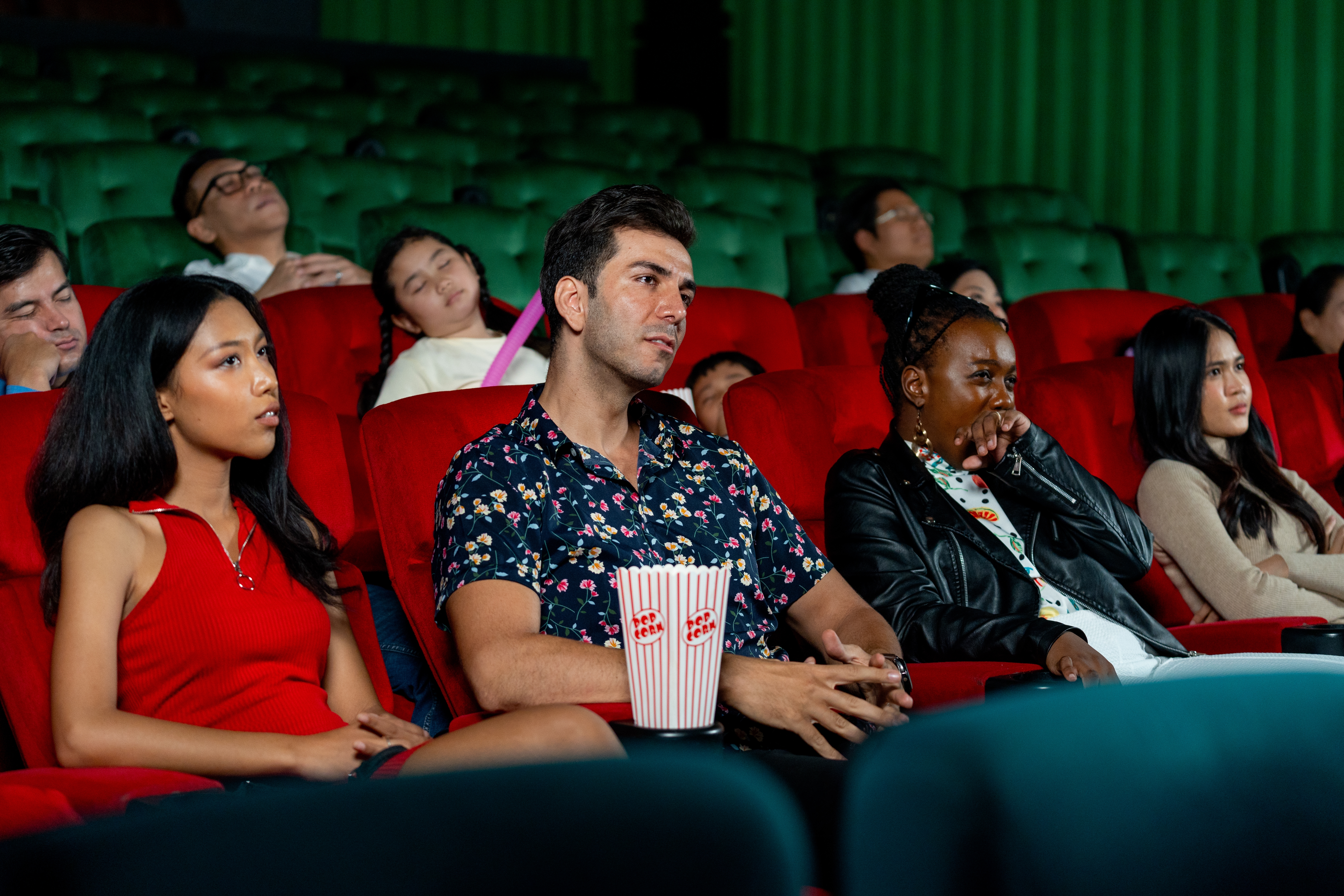
While Disney-themed headbands and "Ouch" hats are incredibly popular in Tokyo, it is customary to remove them the moment you enter a theater or board a ride. This is a practical act of courtesy to ensure you aren't blocking the view of the person sitting behind you. It highlights the Japanese focus on situational awareness and consideration for others' experiences.

Location: Indoor theaters like Mickey’s PhilharMagic and ride vehicles.

Must-See Feature: The vast array of seasonal "ears" available at the Emporium.

Traveler Tip: Check the height of your headwear before sitting down; if it extends more than a few inches above your head, take it off.

6. Avoid Eating While Walking
© Unsplash / domsson

6. Avoid Eating While Walking

In Japanese culture, tabearuki (eating while walking) is generally avoided as it is seen as messy and disrespectful to the food. At Tokyo Disneyland, you will notice that even when people buy a quick snack like popcorn or a churro, they will often step to the side or find a bench to finish it. This helps keep the park clean and prevents accidental collisions or spills in crowded areas.

Location: Near snack wagons and popcorn carts.

Must-See Feature: The beautifully themed seating areas in Westernland and Adventureland.

Traveler Tip: If you buy the famous Soy Sauce & Butter popcorn, find a nearby railing or bench to enjoy it rather than snacking in the moving queue.

7. Manage Trash with Precision
© Shutterstock / Pedal

7. Manage Trash with Precision

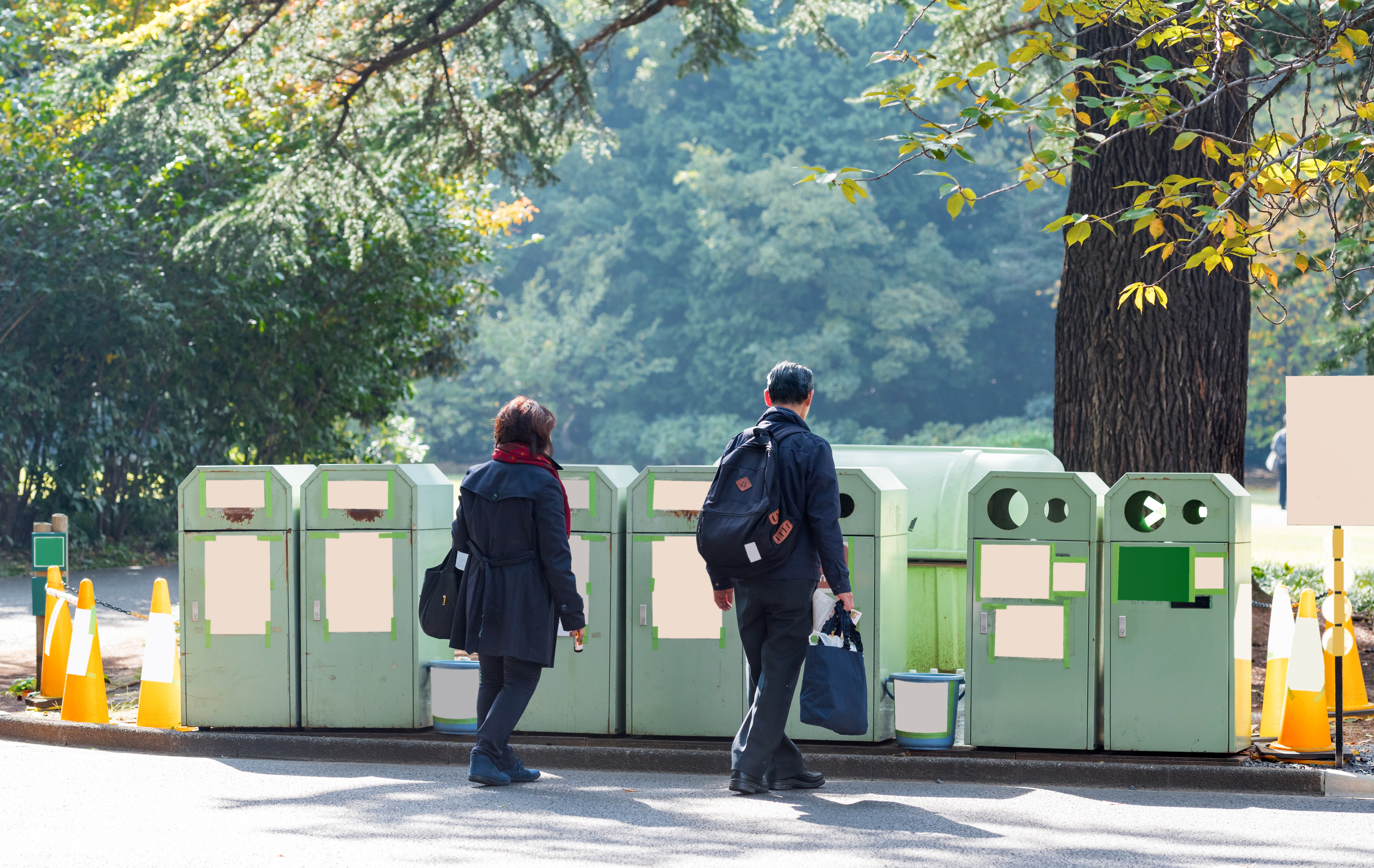
Tokyo Disneyland is famously spotless, yet trash cans are not as frequent as in other parks. Guests are expected to carry their trash until they find a bin and, more importantly, to follow the sorting instructions (combustibles, plastics, bottles/cans). This discipline is a point of national pride in Japan and contributes to the pristine "magical" environment of the resort.

Location: Trash stations located near restrooms and food outlets.

Must-See Feature: The recycling bins that are often themed to match the specific "land" they are in.

Traveler Tip: Carry a small plastic bag in your park bag to store your wrappers and tissues until you find the correct disposal bin.

8. Be Mindful of "Disney Bounds" vs. Costumes
© Unsplash / siconggao

8. Be Mindful of "Disney Bounds" vs. Costumes

In Tokyo, adults are generally prohibited from wearing full costumes except during designated Halloween events. However, "Disney Bounding"—wearing everyday clothes inspired by a character’s color palette—is highly encouraged. Following this rule is important for park security and brand integrity, ensuring that children do not confuse guests with actual cast members.

Location: Throughout the resort.

Must-See Feature: The creative and stylish outfits of local "Disney fans" who master the art of color-coordination.

Traveler Tip: Check the official Tokyo Disney Resort website for the specific "Costume Days" calendar if you plan to visit during the autumn.

9. Respect Photo Etiquette and Privacy
© Unsplash / Juls P

9. Respect Photo Etiquette and Privacy

Japan has strict social norms regarding privacy in public spaces. When taking photos or videos, try to avoid capturing the faces of other guests clearly. Using selfie sticks or large tripods is largely restricted to ensure safety and clear paths. Being mindful of your camera placement shows respect for the personal privacy of the thousands of other families sharing the park with you.

Location: Popular photo spots like the Partners Statue or Cinderella Castle.

Must-See Feature: The "Photo Spots" marked on the map that offer the best angles without blocking traffic.

Traveler Tip: Handheld gimbals are usually allowed if they don't extend, but always check with a cast member if you are unsure.

10. Handle Merchandise with Care
© Unsplash / Caroline Roose

10. Handle Merchandise with Care

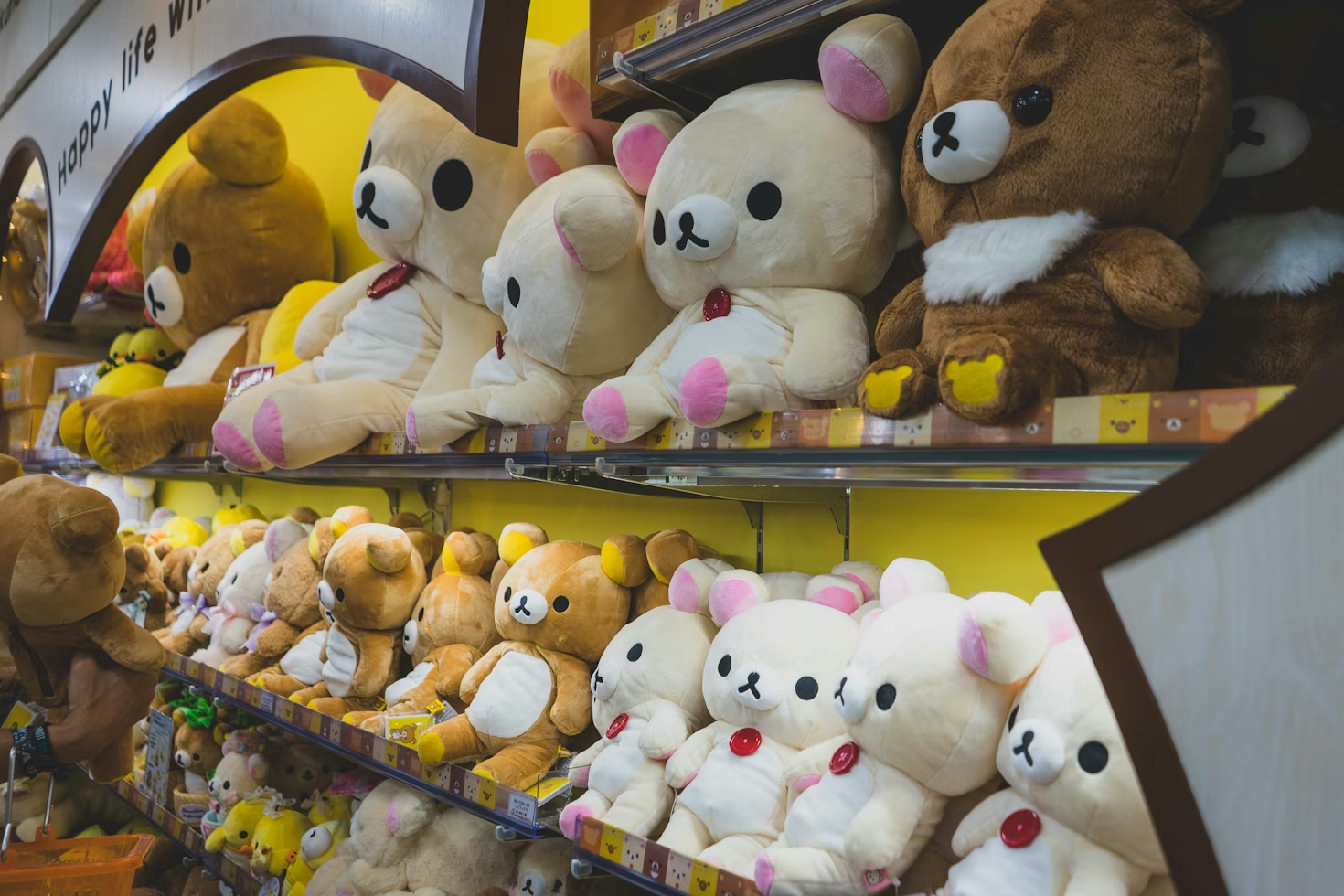
In the shops of World Bazaar, the items are often displayed with meticulous care. It is expected that guests handle the merchandise gently and return items exactly where they found them. Tossing plush toys or leaving unfolded shirts in a pile is contrary to the high standards of Japanese retail etiquette. This ensures that the shopping experience remains pleasant and "picture-perfect" for every guest.

Location: World Bazaar shops like Grand Emporium and World Bazaar Confectionery.

Must-See Feature: The stunning window displays that change seasonally.

Traveler Tip: If you decide not to buy an item while at the register, hand it to the cast member rather than leaving it on a random shelf.

11. Learn Basic Japanese Politeness
© Unsplash / Buddy AN

11. Learn Basic Japanese Politeness

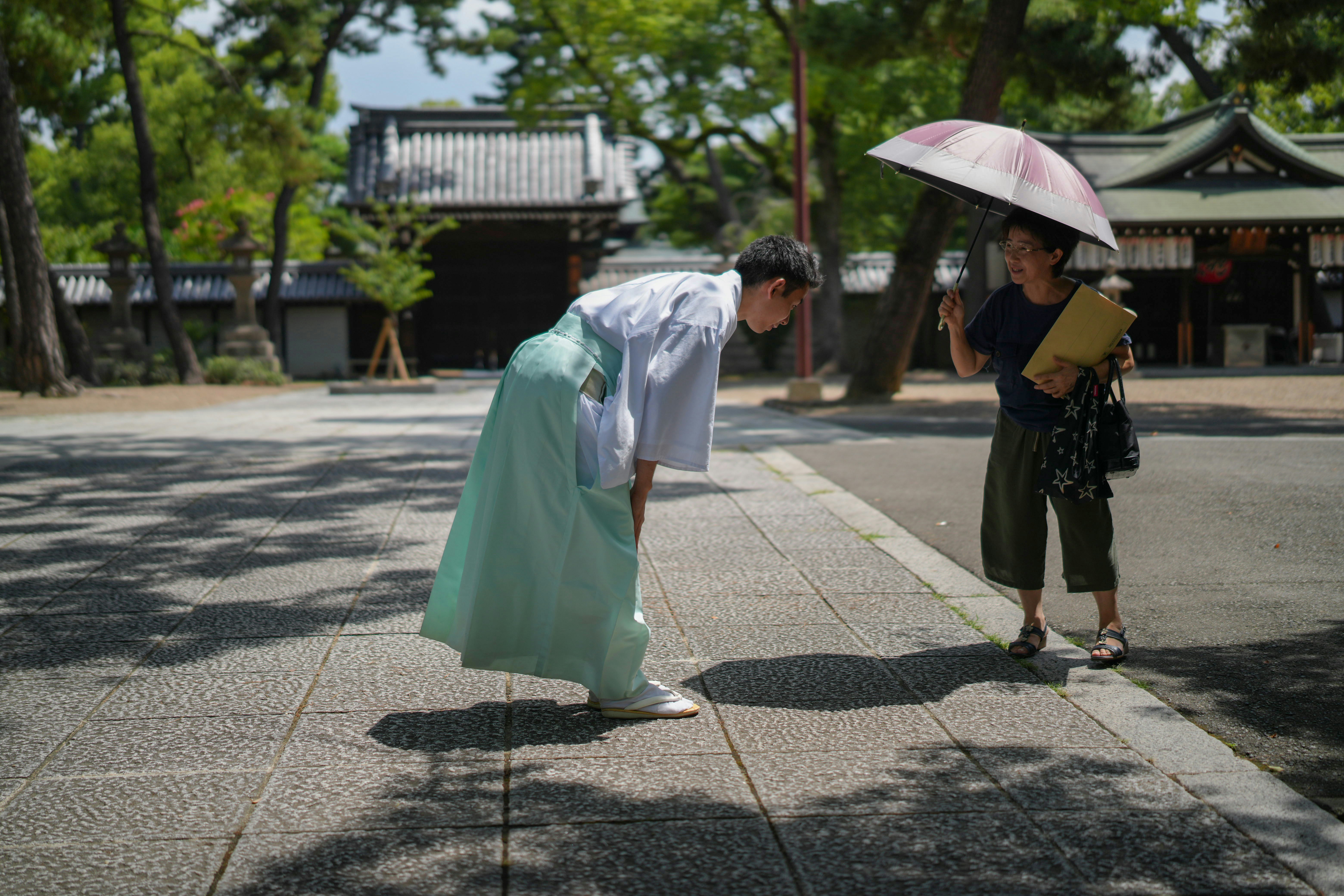
While many cast members speak basic English, using simple Japanese phrases goes a long way in showing respect for the local culture. Phrases like Arigato gozaimasu (Thank you very much) or Sumimasen (Excuse me) are appreciated. This small effort acknowledges that you are a guest in their country and fosters a warmer interaction with the staff who work hard to maintain the park’s magic.

Location: Interactions with all cast members and restaurant staff.

Must-See Feature: The incredibly polite bowing and waving from cast members as you enter and exit attractions.

Traveler Tip: A small bow of the head when receiving change or a food tray is a common and appreciated gesture.

12. Follow Smoking Restrictions Strictly
© Unsplash / lilypadbunny

12. Follow Smoking Restrictions Strictly

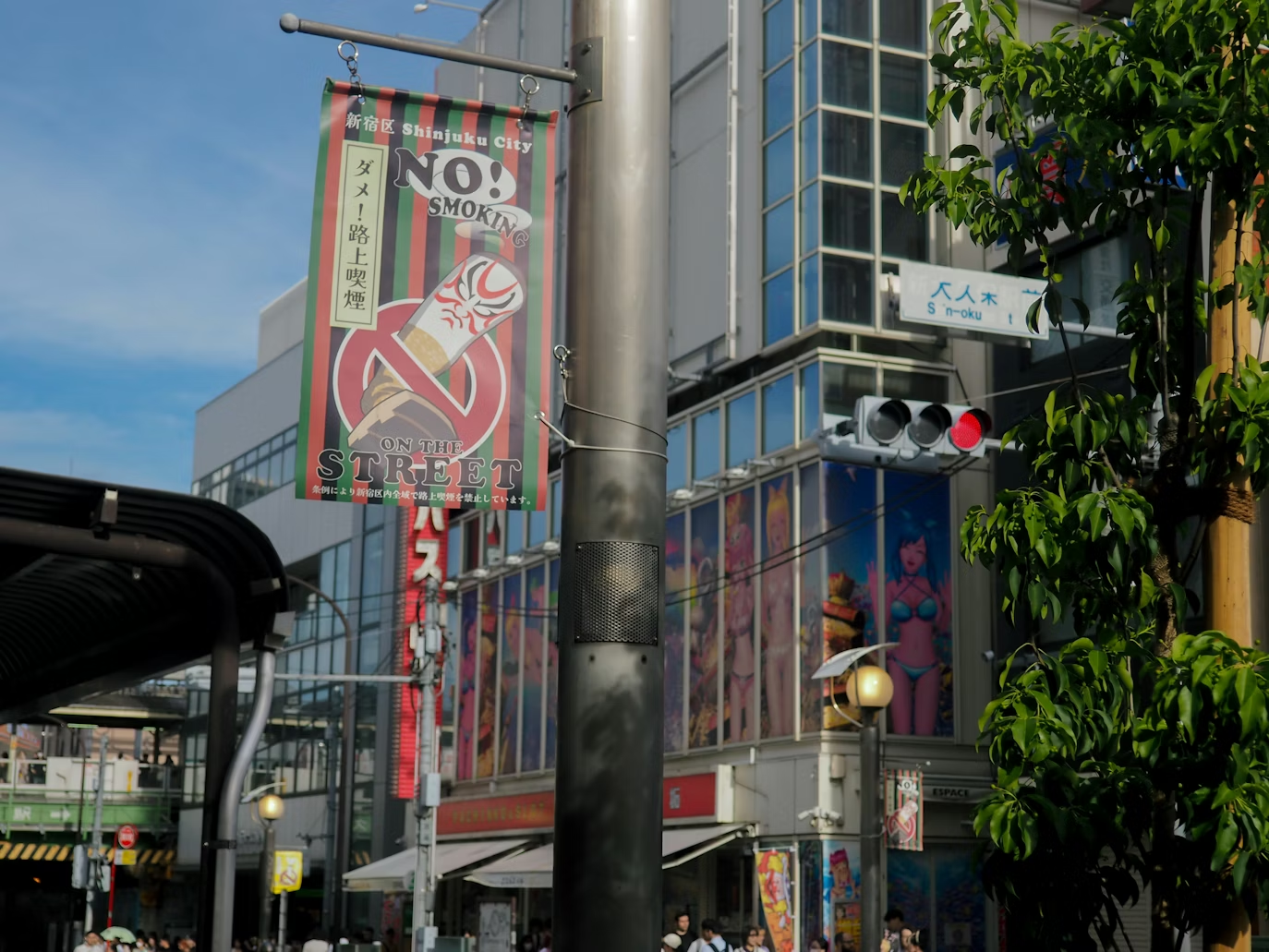
Japan has moved toward very strict smoking regulations, and Tokyo Disneyland is no exception. Smoking (including vaping and e-cigarettes) is strictly prohibited everywhere except in very specific, designated indoor smoking rooms. These areas are often hidden from view to maintain the family-friendly atmosphere. Following this rule is essential for health reasons and to avoid significant fines.

Location: Hidden smoking lounges (check the official app for locations).

Must-See Feature: The sleek, ventilated design of the indoor smoking rooms.

Traveler Tip: Don't assume an outdoor corner is okay; if you don't see a sign and an ashtray, smoking is not permitted.

13. Observe Gift-Giving and Souvenir Culture
© Unsplash / jeison

13. Observe Gift-Giving and Souvenir Culture

In Japan, it is common for guests to buy omiyage (souvenirs/gifts) for coworkers and friends back home. This means the shops can get incredibly crowded in the two hours before the park closes. Respectful visitors try to do their shopping earlier in the day to avoid the "souvenir rush." Understanding this cultural obligation explains why you will see guests buying multiple boxes of identical cookies.

Location: World Bazaar Confectionery.

Must-See Feature: The elaborate packaging of the cookie tins, which are designed to be given as formal gifts.

Traveler Tip: Use the park’s locker facilities near the entrance to store your early-morning purchases so you don't have to carry them all day.

14. Tipping Is Not Expected — And Often Refused
© Unsplash / Immo Wegmann

14. Tipping Is Not Expected — And Often Refused

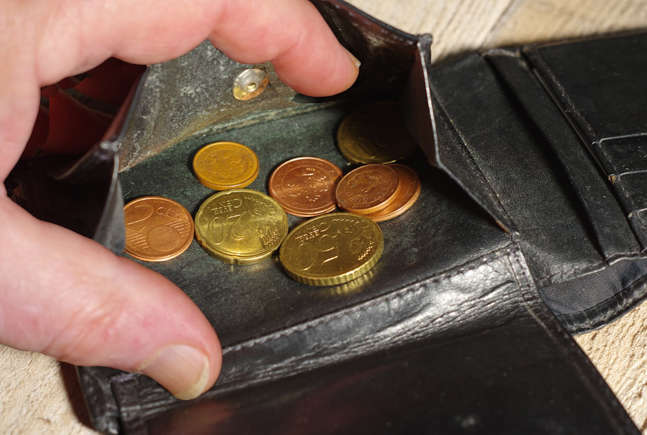
In Japan, tipping is not part of the culture and can sometimes cause confusion or even come across as disrespectful. At Tokyo Disneyland, cast members are trained to deliver outstanding service as a standard part of their role, and they are not permitted to accept cash tips.

When making payments, you should also follow local etiquette, place your money in the provided tray at the register rather than handing it directly to the cashier. This small gesture reflects Japanese customs around respectful and orderly transactions.

If you would like to express appreciation for exceptional service, a polite “thank you” or a kind word goes a long way. You can also leave positive feedback with Guest Relations, which is the most appropriate and appreciated way to recognize staff efforts.

Where This Applies: Restaurants, hotels, and Guest Relations areas throughout the park.

Must-See Feature: The Guest Relations office in World Bazaar, where guests can leave formal compliments for cast members.

Traveler Tip: Instead of offering money, you may bring small thank-you cards or stickers from your home country but keep in mind that even these may be politely declined.

15. Selfie Sticks Are Not Allowed
© Unsplash/ stvgale

15. Selfie Sticks Are Not Allowed

At Tokyo Disneyland, selfie sticks are prohibited for safety and crowd management reasons. With large crowds, parades, and narrow walkways, extending a stick can easily disrupt other guests or even cause accidents. The park places a strong emphasis on maintaining a safe and comfortable environment for everyone.

If you want great photos, you can still take handheld selfies or ask a cast member to help, many are happy to assist and will often take multiple shots to make sure you get the perfect picture.

Where This Applies: All areas of the park, including attractions, queues, and parade viewing spots.

Must-See Feature: Designated photo spots around iconic locations like Cinderella Castle, where cast members are often available to help take pictures.

Traveler Tip: Bring a lightweight tripod or simply use your phone’s timer mode for group shots instead of relying on a selfie stick.


Comments (0)

Leave a Reply

No comments yet. Be the first to share your thoughts!