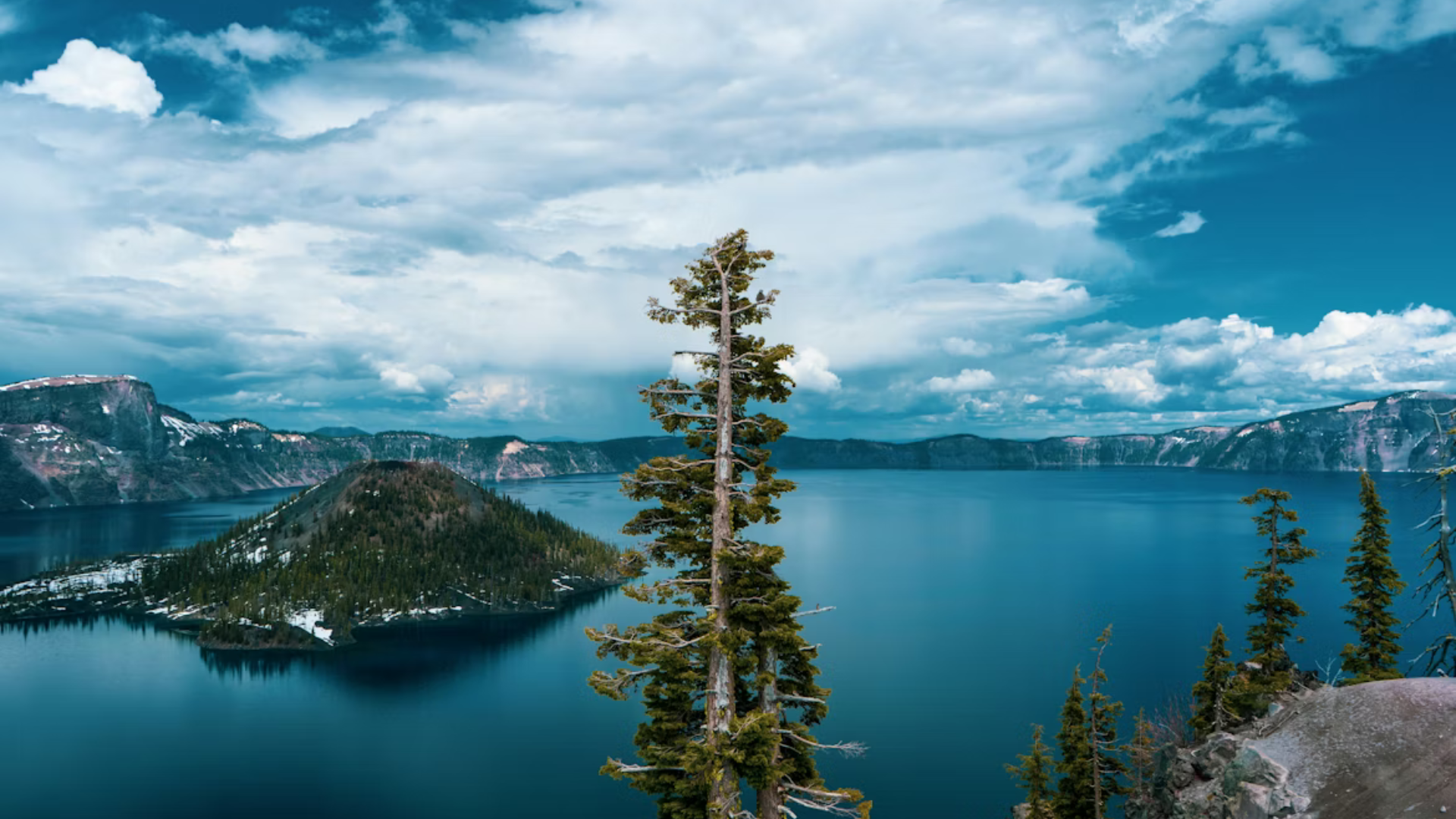
Travel Destination

15 American landscapes that draw travelers for their natural character

Stacy Mercer
3.7
April 20, 2026

The United States is one of the most geographically diverse countries in the world, offering landscapes that range from icy mountains and deep canyons to tropical coastlines and vast deserts. What makes it especially appealing for travelers is how quickly the scenery changes from one region to another. Within a single trip, you can experience completely different ecosystems, climates, and natural formations.

Many of these landscapes are protected within national parks and public lands, which help preserve their raw, natural character. These areas are not just visually impressive, they also tell the geological story of millions of years of change. From volcanic activity and glacial carving to erosion and shifting climates, the scenery reflects powerful natural forces still shaping the land today.

If you are looking for top places to visit in the United States for natural beauty, this guide highlights 15 landscapes known for their unique character, scenic value, and travel appeal. These destinations are also among the best tourist attractions in the USA for outdoor exploration and photography.
1. Grand Canyon
© Pexels / Igor Passchier

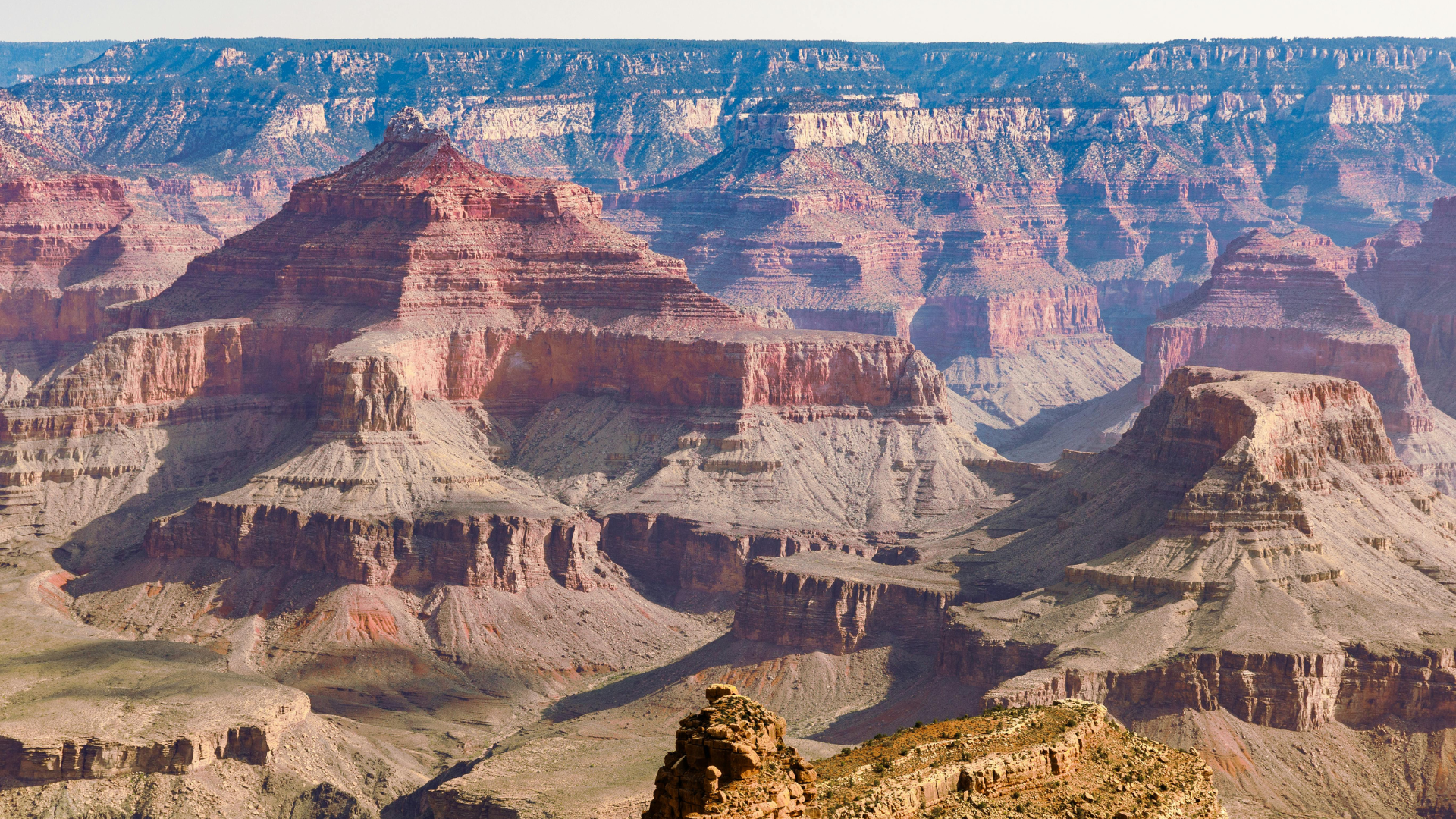
1. Grand Canyon

The Grand Canyon is one of the most famous natural landscapes in the world. Carved by the Colorado River over millions of years, it stretches for more than 270 miles and reveals layered rock formations in shades of red, orange, and gold. Its scale alone makes it one of the most dramatic examples of erosion on Earth.

Visitors can explore viewpoints along the South Rim or venture into hiking trails that descend into the canyon. Helicopter tours and rafting trips offer different perspectives of this massive natural wonder.

• Best Season to Visit: March to May and September to November

• Ideal Visiting Hours: Early morning or sunset

• Traveler Tip: Visit multiple viewpoints for different perspectives

• Must-Know: Weather varies greatly between rim and canyon floor

2. Yellowstone National Park
© Unsplash / James Lee

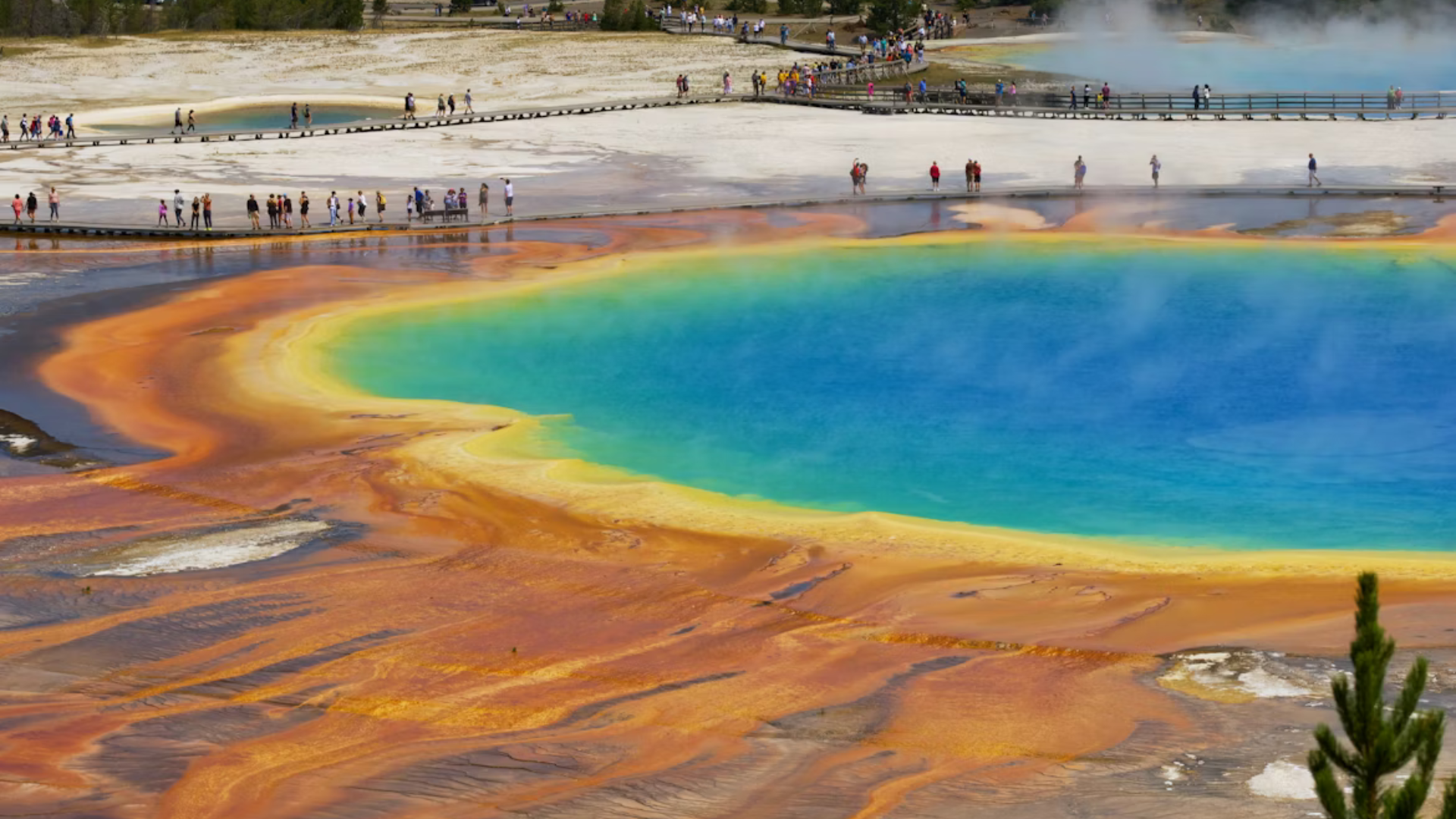
2. Yellowstone National Park

Yellowstone is known for its geothermal features and diverse wildlife. It sits on a massive volcanic system and contains geysers, hot springs, and mud pots. The most famous geyser, Old Faithful, erupts regularly and attracts large crowds.

Beyond geothermal activity, Yellowstone offers forests, rivers, and open valleys where bison, elk, and bears roam freely. It is one of the most complete natural ecosystems in North America.

• Best Season to Visit: May to September

• Ideal Visiting Hours: Morning for wildlife viewing

• Traveler Tip: Plan multiple days to cover different zones

• Must-Know: Some roads close in winter

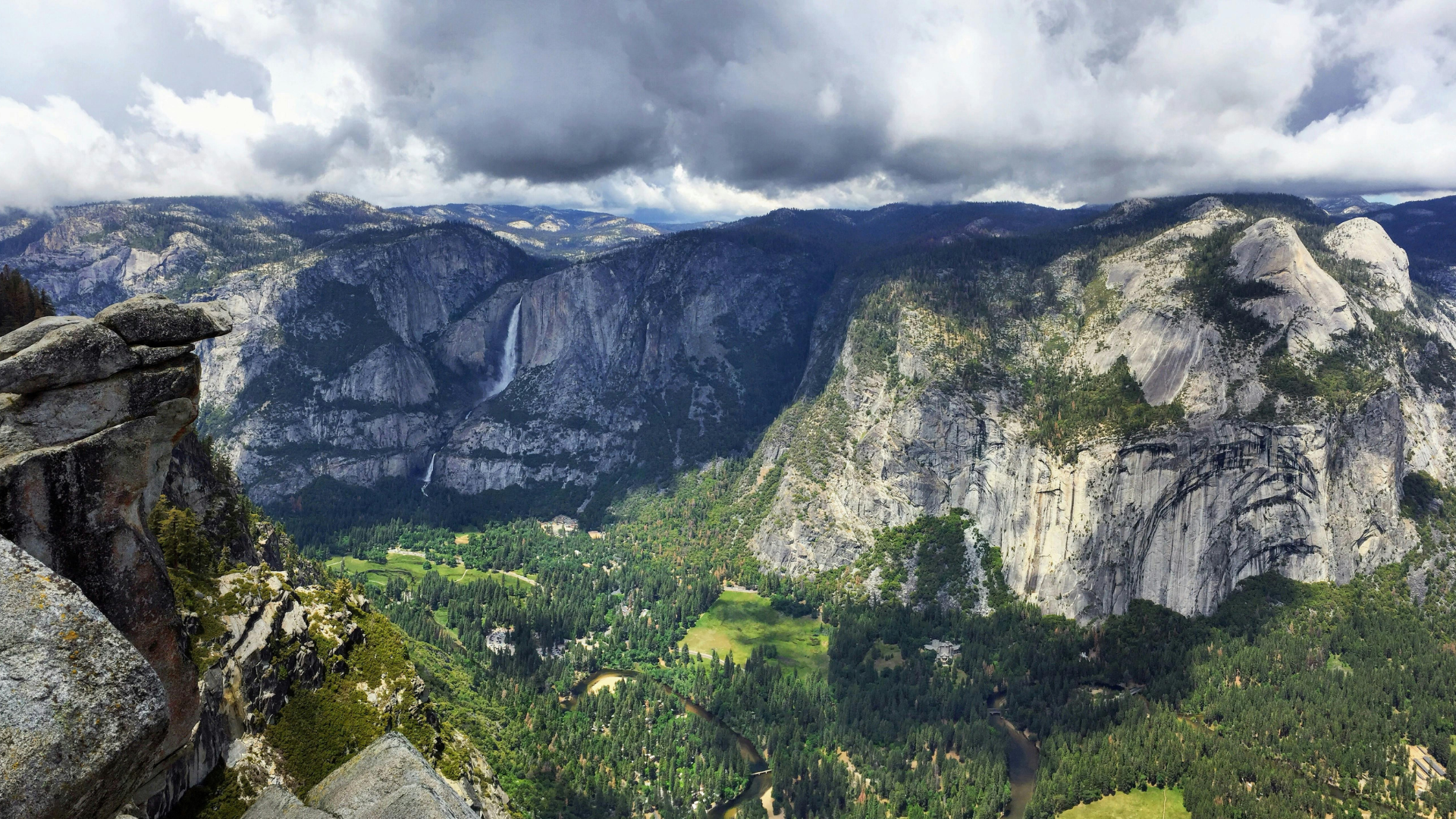
3. Yosemite National Park
© Pexels / gali

3. Yosemite National Park

Yosemite is famous for its granite cliffs, waterfalls, and ancient giant sequoias. Landmarks like El Capitan and Half Dome dominate the landscape, making it a favorite for climbers and photographers.

The valley floor offers easy access to trails, rivers, and scenic viewpoints. Seasonal waterfalls create some of the most striking views in the park.

• Best Season to Visit: May to June (peak waterfalls)

• Ideal Visiting Hours: Early morning

• Traveler Tip: Book accommodation early during peak season

• Must-Know: Traffic congestion is common in summer

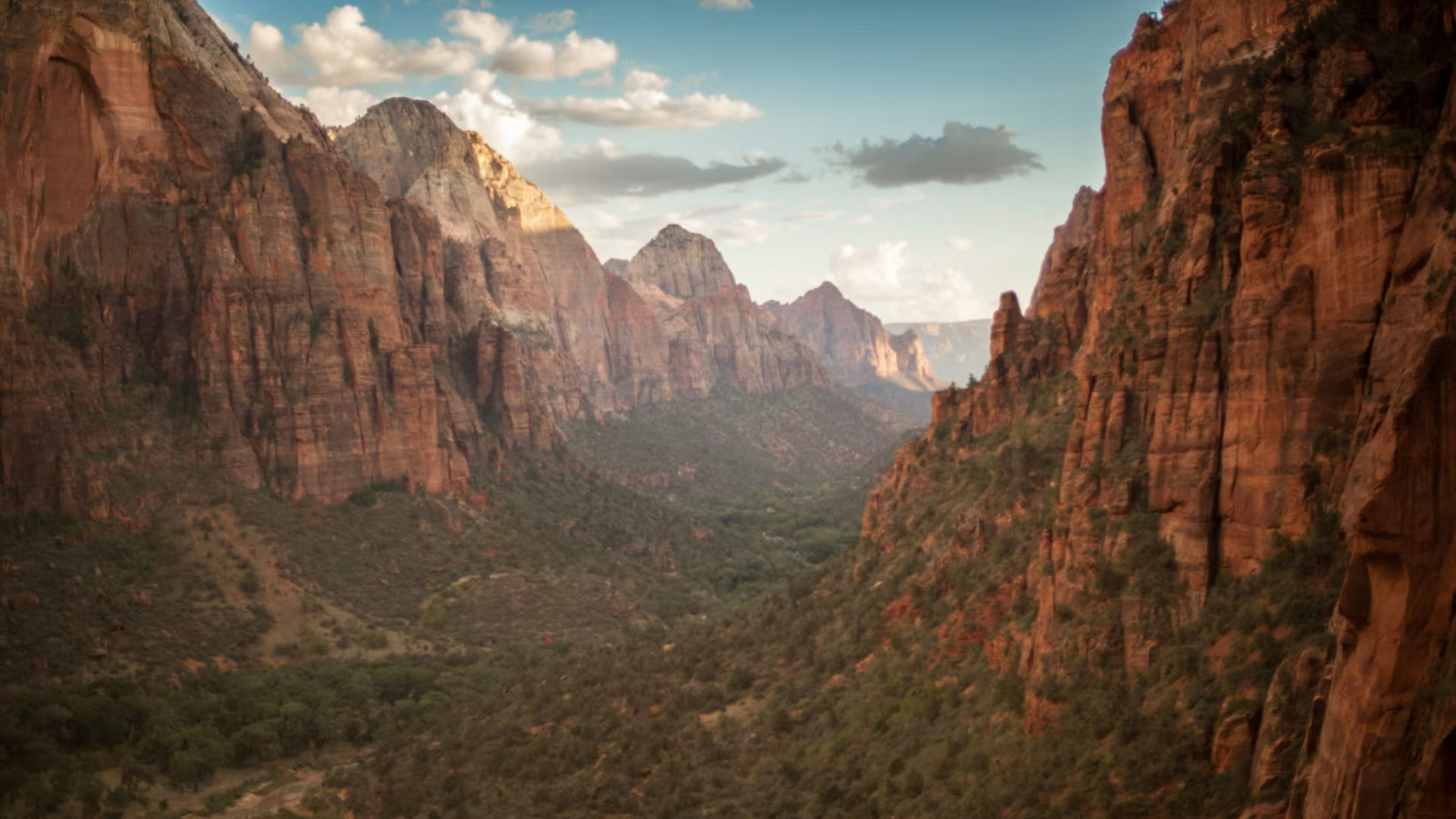
4. Zion National Park
© Unsplash / Jamie Hagan

4. Zion National Park

Zion features deep sandstone canyons carved by the Virgin River. The cliffs rise dramatically above narrow valleys, creating a striking contrast of color and shape.

Popular hikes like Angels Landing and The Narrows offer immersive ways to experience the canyon’s scale. Zion is especially known for its unique slot canyon formations.

• Best Season to Visit: March to May and September to November

• Ideal Visiting Hours: Early morning

• Traveler Tip: Shuttle system is required in peak season

• Must-Know: Some hikes require permits

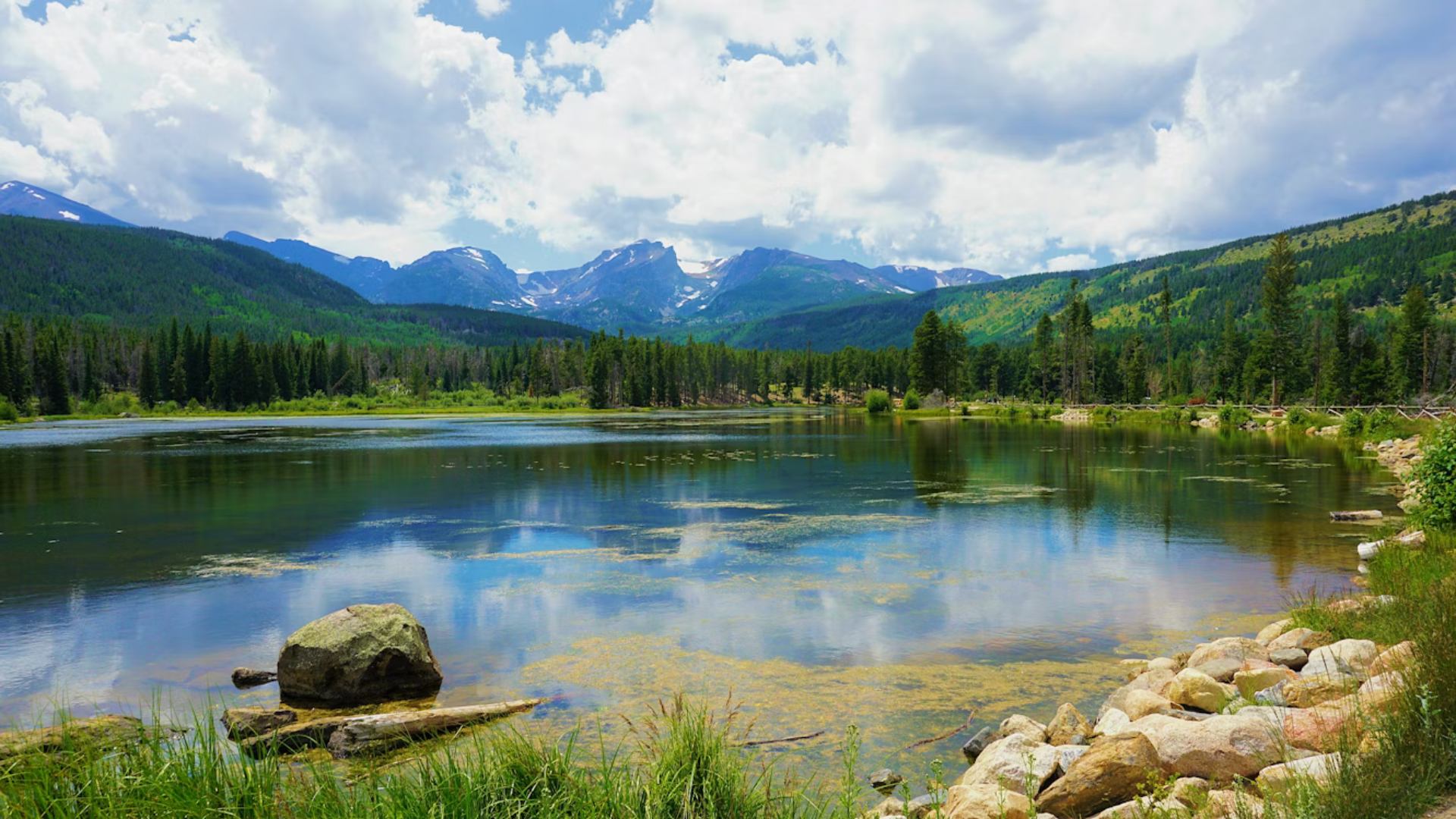
5. Rocky Mountain National Park
© Unsplash / Lauren Lopes

5. Rocky Mountain National Park

The Rocky Mountains showcase high-altitude scenery with alpine lakes, snow-capped peaks, and wide valleys. Trail Ridge Road offers one of the highest paved roads in North America.

Wildlife such as elk and bighorn sheep are commonly seen throughout the park. The landscape changes dramatically with elevation.

• Best Season to Visit: June to September

• Ideal Visiting Hours: Morning to midday

• Traveler Tip: Watch for altitude effects

• Must-Know: Winter access is limited

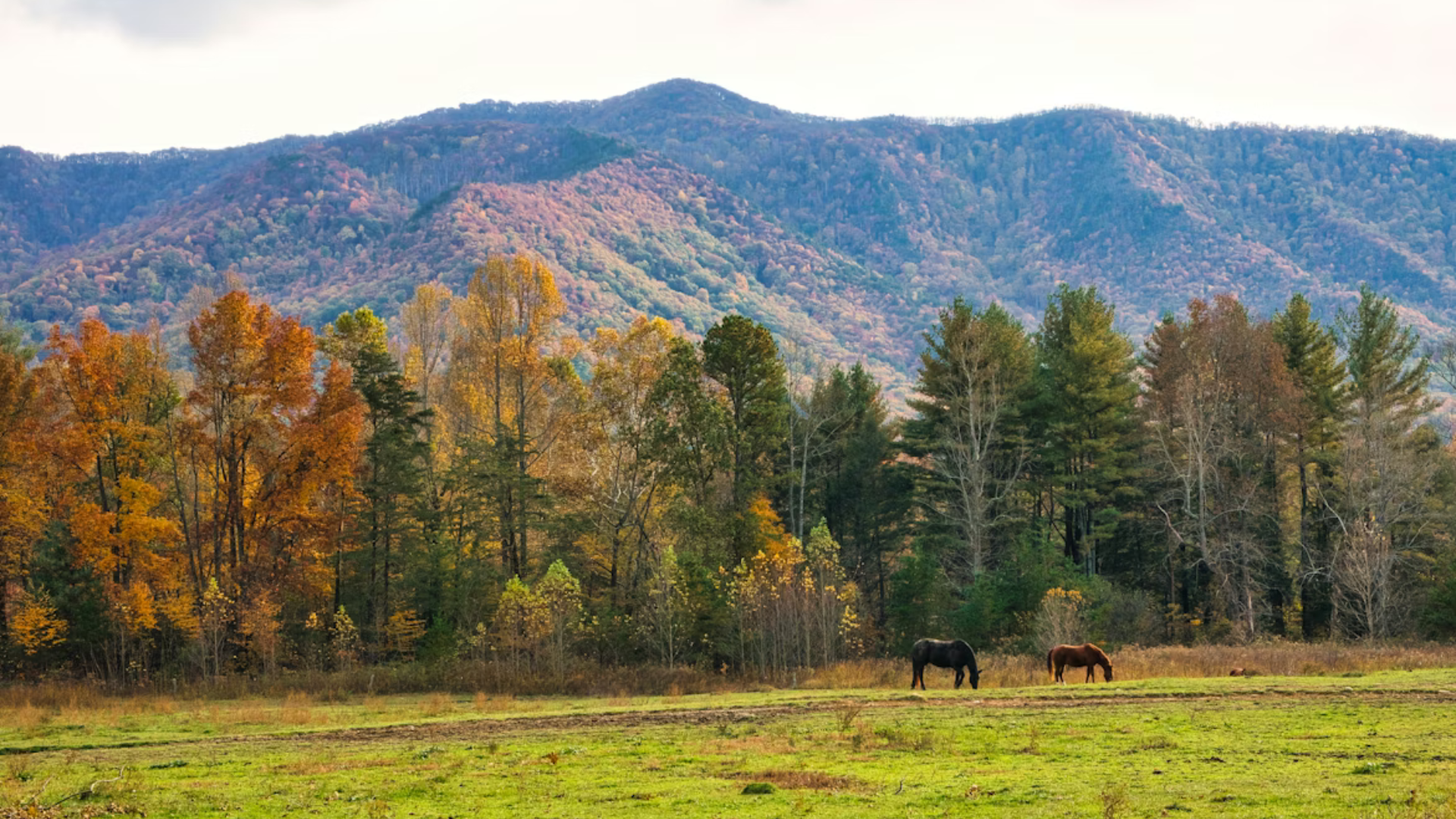
6. Great Smoky Mountains National Park
© Unsplash David Hertle

6. Great Smoky Mountains National Park

The Great Smoky Mountains are known for their mist-covered peaks and dense forests. The region is one of the most biodiverse in the United States.

Scenic drives, hiking trails, and historic cabins provide a mix of natural and cultural experiences. The shifting fog gives the mountains their signature appearance.

• Best Season to Visit: April to October

• Ideal Visiting Hours: Early morning

• Traveler Tip: Fall foliage is especially popular

• Must-Know: Entry is free year-round

7. Glacier National Park
© Unsplash / Hendrik Cornelissen

7. Glacier National Park

Glacier National Park is defined by rugged mountains, clear lakes, and active glaciers. It is home to one of the most scenic drives in the USA, Going-to-the-Sun Road.

The park’s remote setting enhances its natural beauty and makes it ideal for hiking and wildlife viewing.

• Best Season to Visit: July to September

• Ideal Visiting Hours: Daytime

• Traveler Tip: Roads may close due to snow

• Must-Know: Wildlife encounters are common

8. Death Valley National Park
© Unsplash / Carter Baran

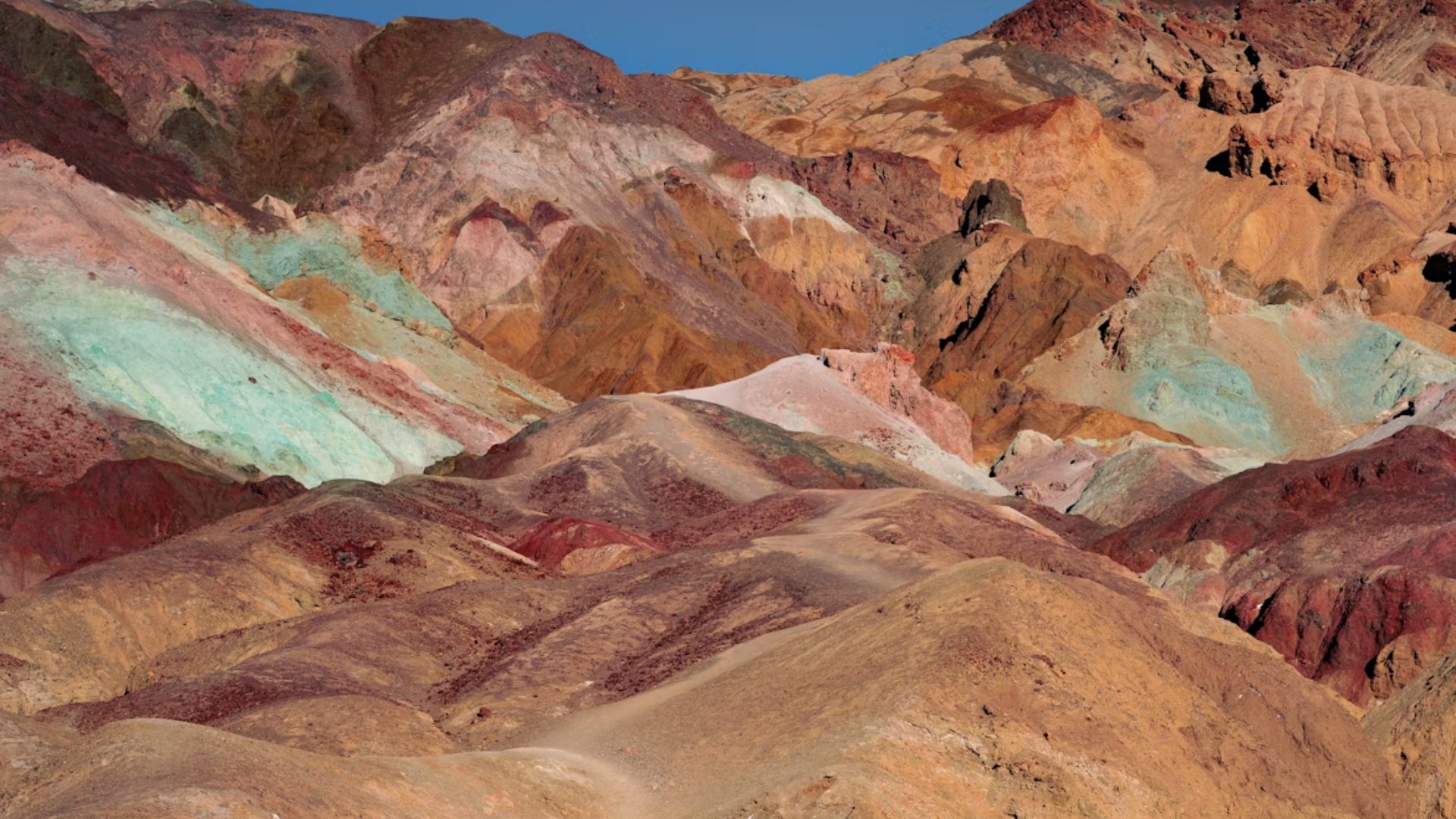
8. Death Valley National Park

Death Valley is one of the hottest and driest places on Earth. Despite its harsh conditions, it features salt flats, sand dunes, and colorful rock formations.

The landscape changes dramatically with light and temperature, creating surreal desert scenery.

• Best Season to Visit: November to March

• Ideal Visiting Hours: Sunrise or sunset

• Traveler Tip: Carry extra water at all times

• Must-Know: Summer temperatures can be extreme

9. Antelope Canyon
© Unsplash / Leon JL

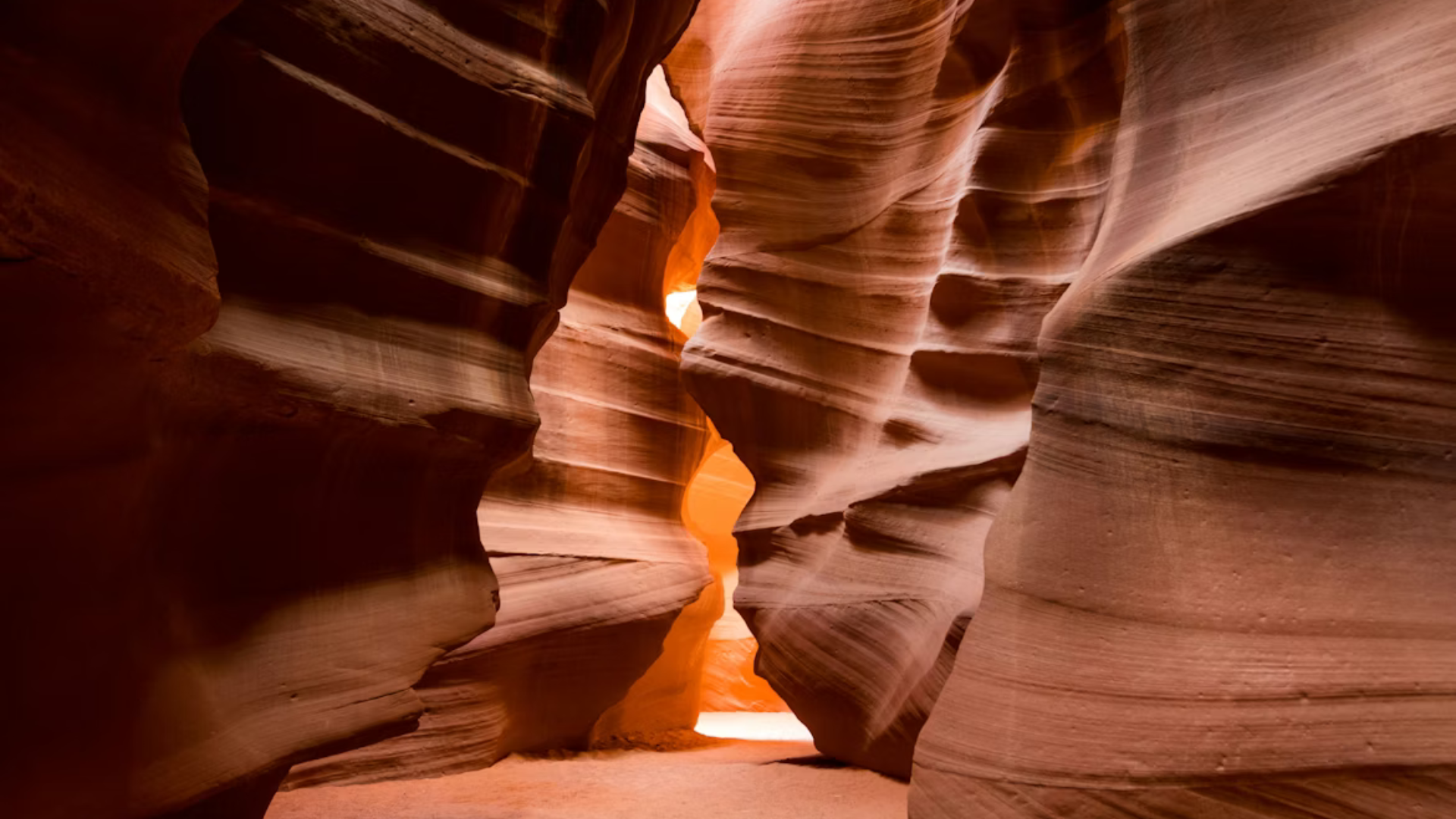
9. Antelope Canyon

Antelope Canyon is known for its smooth sandstone walls shaped by water and wind. Light beams entering the narrow canyon create striking visual effects.

It is one of the most photographed natural sites in the United States.

• Best Season to Visit: March to October

• Ideal Visiting Hours: Midday for light beams

• Traveler Tip: Guided tours are required

• Must-Know: Entry is restricted and timed

10. Bryce Canyon National Park
© Unsplash / Oleg Chursin

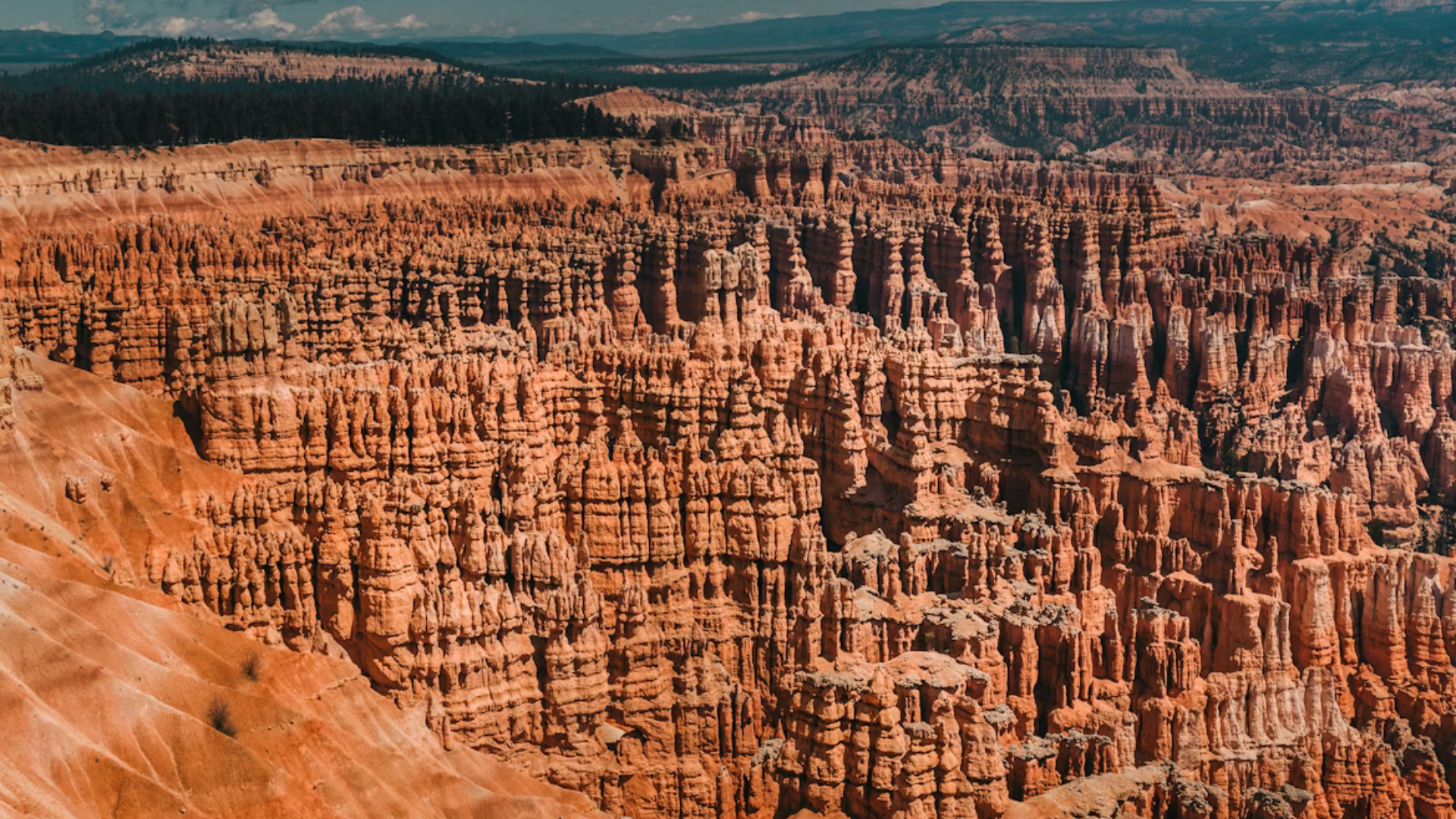
10. Bryce Canyon National Park

Bryce Canyon is famous for its hoodoos, tall and thin rock formations shaped by erosion. The landscape looks almost like a natural sculpture garden.

Sunrise and sunset provide the best lighting conditions for viewing the formations.

• Best Season to Visit: May to September

• Ideal Visiting Hours: Sunrise or sunset

• Traveler Tip: Dress warmly even in summer

• Must-Know: Elevation makes temperatures cooler

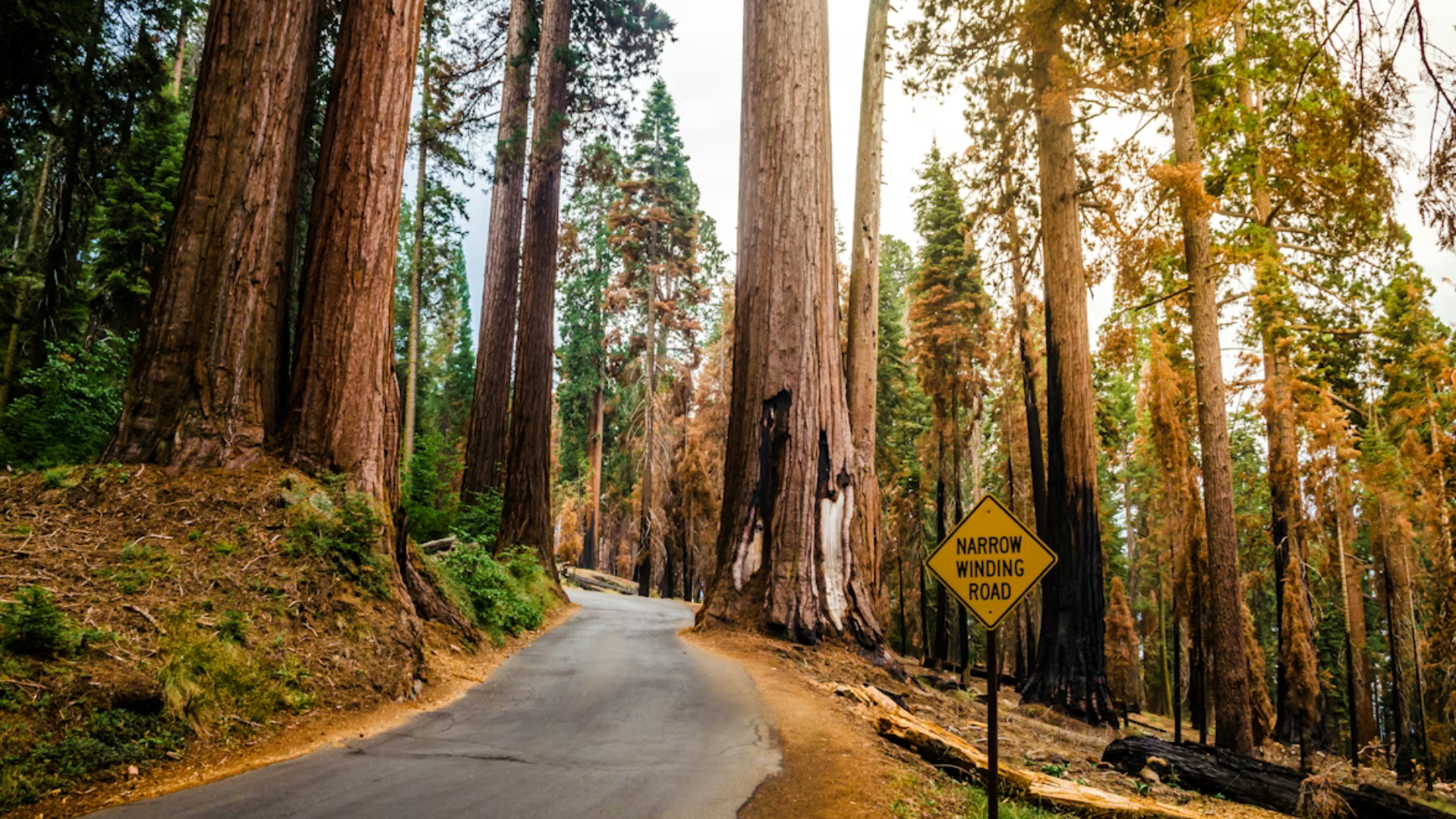
11. Sequoia National Park
© Unsplash / Venki Allu

11. Sequoia National Park

Sequoia National Park is home to some of the largest trees on Earth, including the General Sherman Tree. The giant sequoias create a forest environment unlike any other.

Walking among these ancient trees gives a sense of scale and time rarely experienced elsewhere.

• Best Season to Visit: June to September

• Ideal Visiting Hours: Morning

• Traveler Tip: Roads may be narrow and steep

• Must-Know: Some areas close in winter

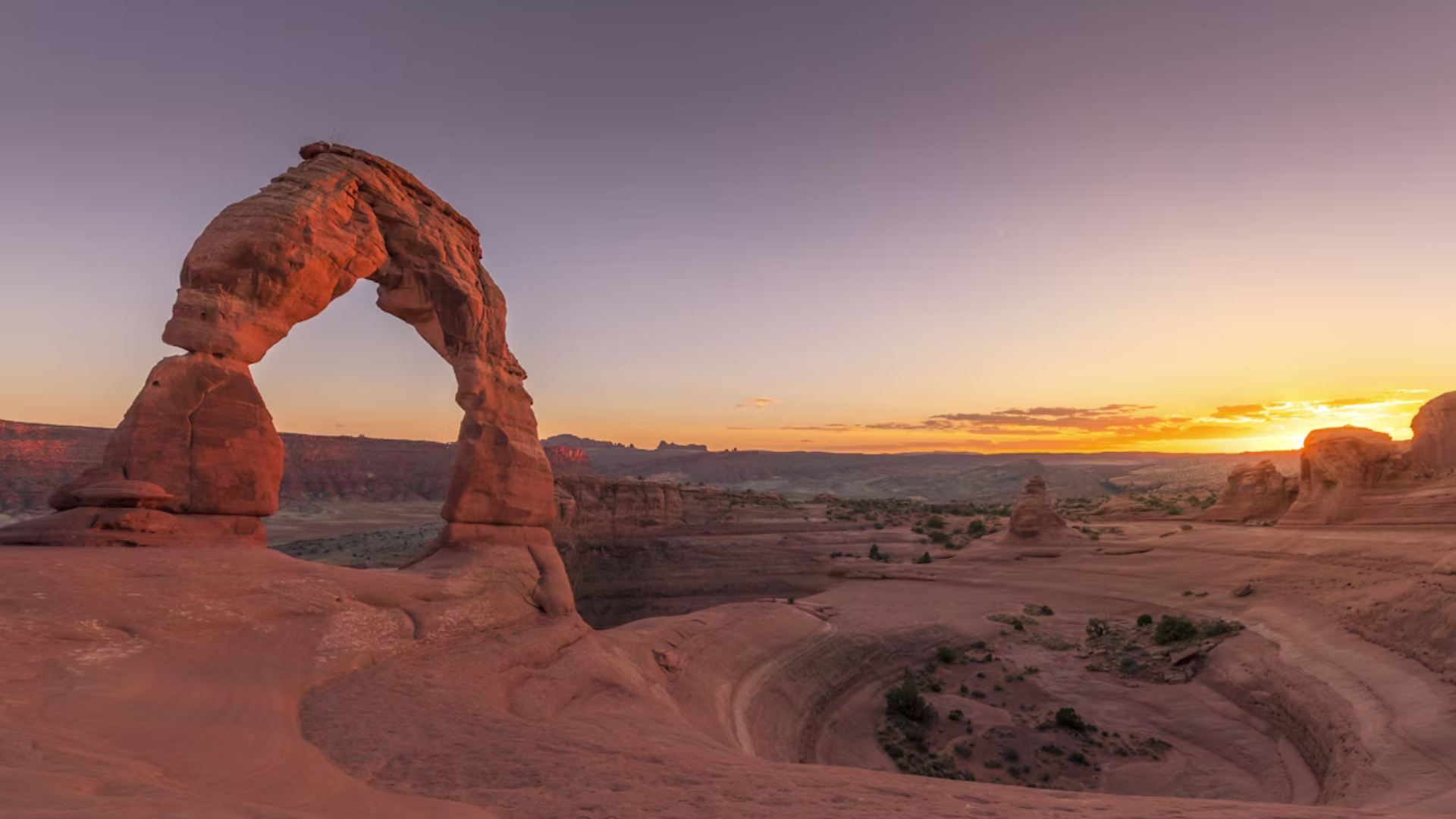
12. Arches National Park
© Unsplash / Ken Cheung

12. Arches National Park

Arches National Park contains more than 2,000 natural sandstone arches. These formations are the result of millions of years of erosion.

The park offers short hikes and scenic drives through desert landscapes filled with unique rock structures.

• Best Season to Visit: March to May and September to October

• Ideal Visiting Hours: Early morning

• Traveler Tip: Bring sun protection

• Must-Know: Trails have limited shade

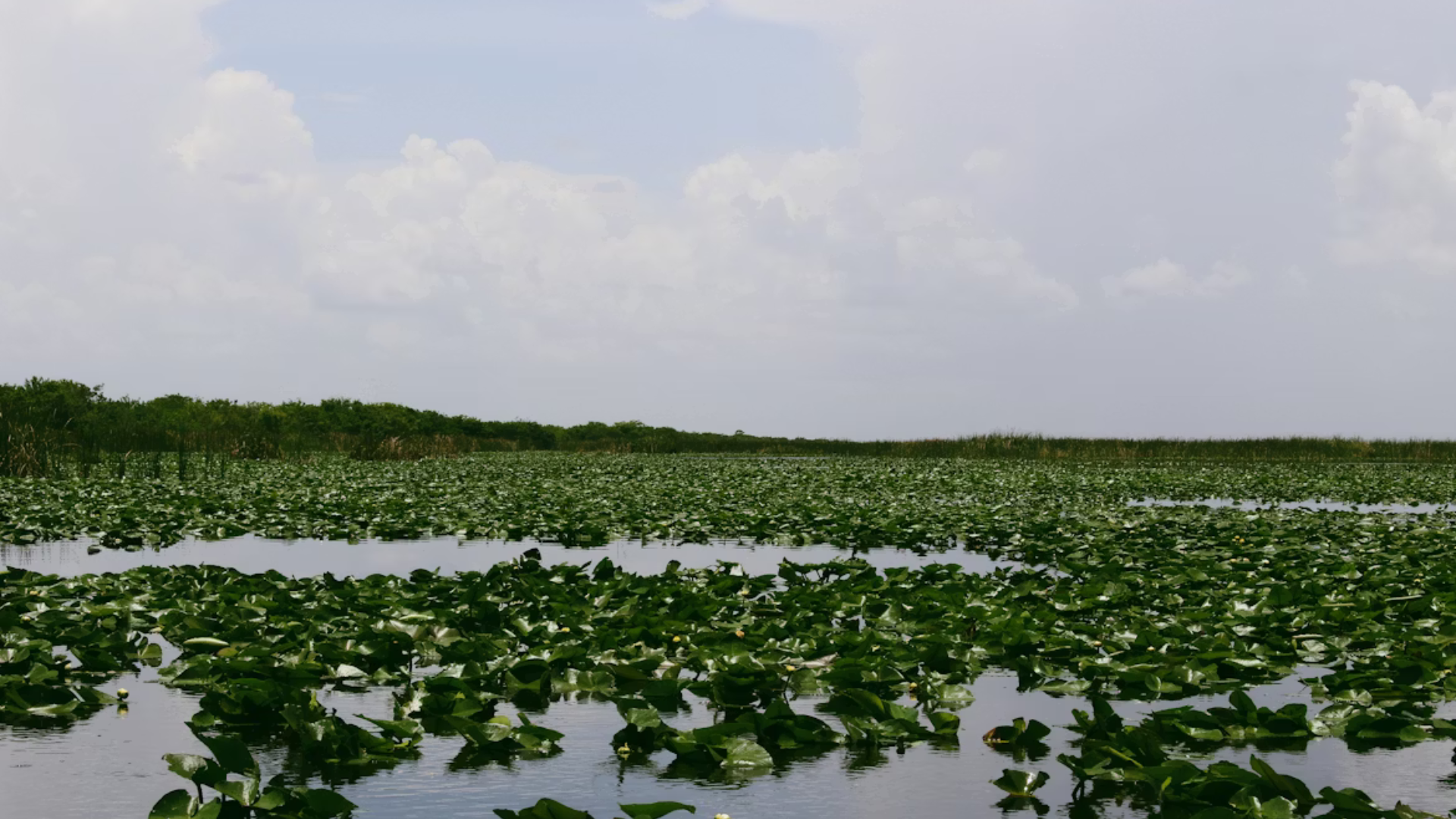
13. Everglades National Park
© Unsplash / Jametlene Reskp

13. Everglades National Park

The Everglades is a vast wetland ecosystem in Florida known for its slow-moving water and diverse wildlife. It is home to alligators, birds, and mangrove forests.

Airboat tours are a popular way to explore the region.

• Best Season to Visit: December to April

• Ideal Visiting Hours: Morning

• Traveler Tip: Wear insect protection

• Must-Know: Water levels change seasonally

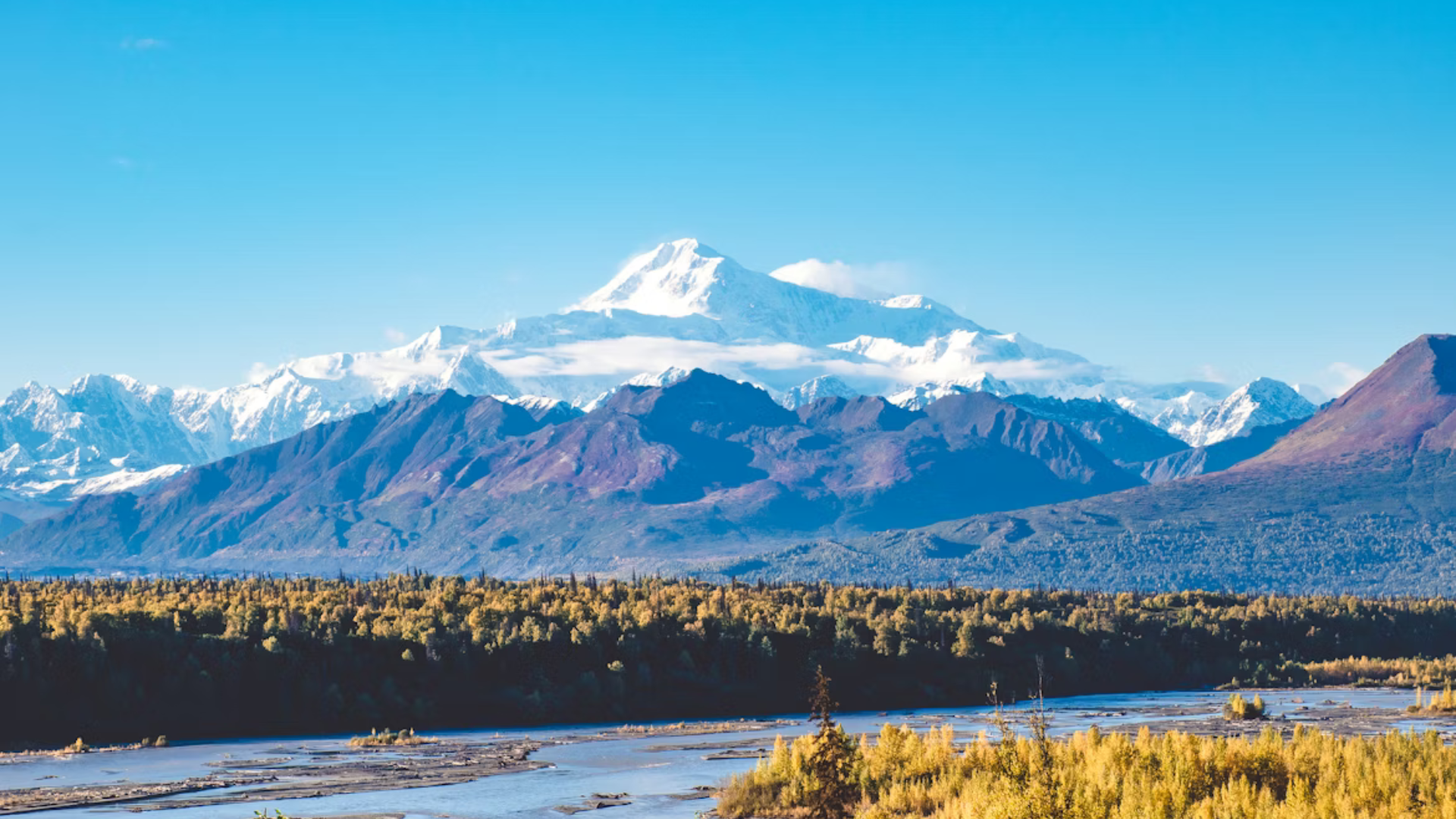
14. Denali National Park
© Unsplash / Jacob Vizek

14. Denali National Park

Denali National Park features North America’s highest peak, Mount Denali. The landscape includes tundra, glaciers, and vast wilderness.

Wildlife such as bears, moose, and caribou roam freely across the park.

• Best Season to Visit: June to September

• Ideal Visiting Hours: Clear mornings

• Traveler Tip: Weather changes quickly

• Must-Know: Limited road access inside the park

15. Crater Lake National Park
© Unsplash / Dan Meyers

15. Crater Lake National Park

Crater Lake is the deepest lake in the United States, formed inside a collapsed volcano. Its deep blue water is known for its clarity and intensity.

The surrounding cliffs and island-like Wizard Island create a dramatic natural setting.

• Best Season to Visit: July to September

• Ideal Visiting Hours: Midday for clear views

• Traveler Tip: Snow may block roads in winter

• Must-Know: Swimming access is limited


Comments (0)

Leave a Reply

No comments yet. Be the first to share your thoughts!