Travel Destination

14 European destinations for travelers who have covered the main highlights

Elena Whitaker
4.6
April 23, 2026

Europe is often associated with iconic destinations like Paris, Rome, and London, but beyond these well-trodden paths lies a quieter, more distinctive side of the continent. Across smaller cities, remote islands, and lesser-known regions, travelers can experience a different pace of life, deeper cultural connections, and landscapes that feel far removed from crowded landmarks. These offbeat European getaways offer a refreshing alternative for those seeking authenticity rather than familiarity.

From medieval towns tucked into mountains to coastal villages shaped by centuries of maritime history, these destinations highlight the diversity of Europe’s geography and heritage. They may not always appear in typical “top places to visit in Europe” lists, but they provide equally meaningful and often more relaxed travel experiences. Whether you are interested in architecture, nature, or local traditions, these locations expand the idea of what the best tourist attractions in Europe can look like.

This guide brings together 14 unique destinations that stand apart from standard itineraries, offering practical insights and realistic expectations to help you plan your trip effectively.
1. Kotor
© Shutterstock / DaLiu

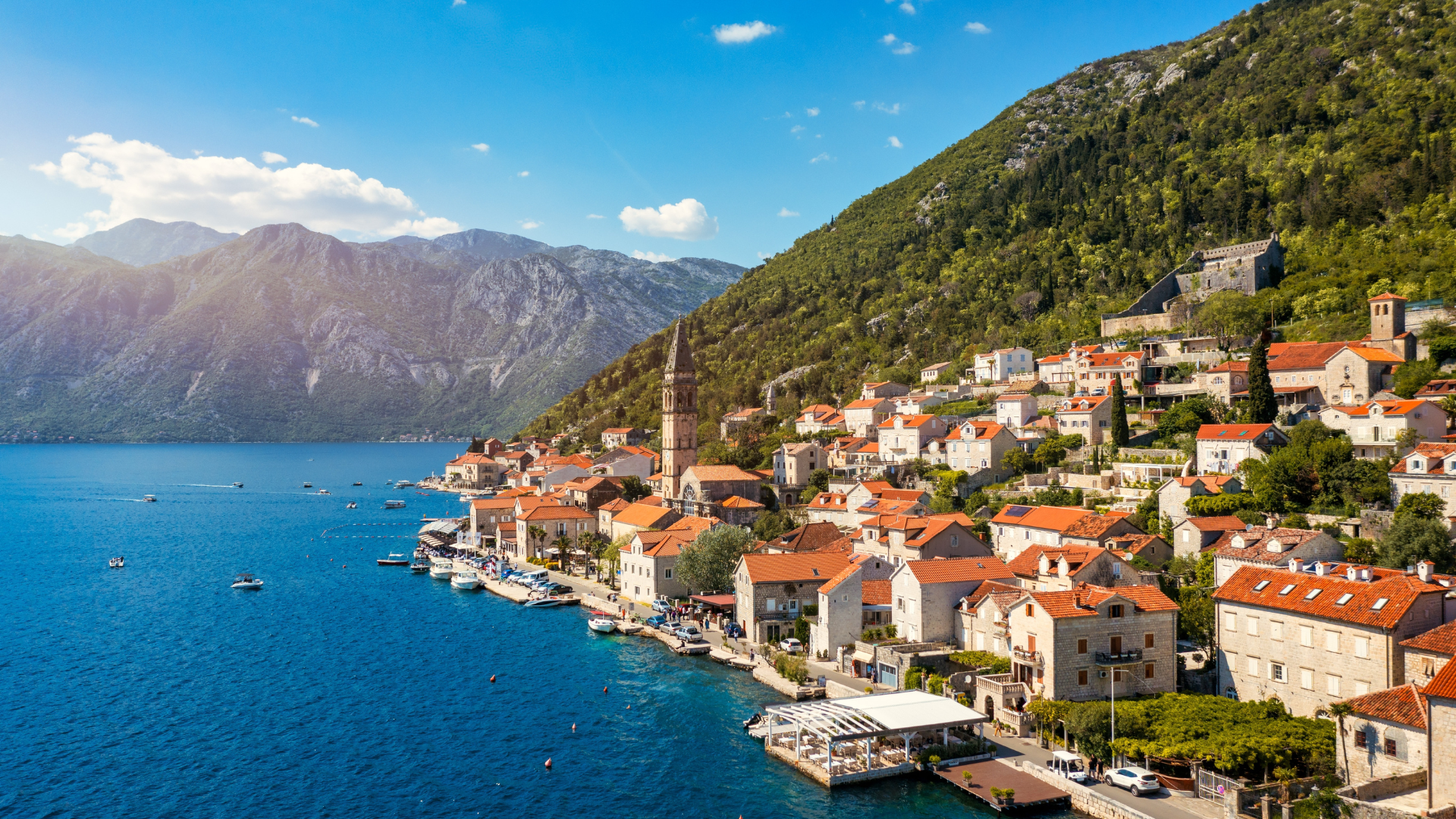
1. Kotor

Nestled between steep mountains and a calm bay, Kotor offers a blend of medieval architecture and dramatic scenery. Its Old Town is a UNESCO-listed site, filled with narrow alleys, stone churches, and small squares that feel largely untouched by modern development. Climbing the fortress walls above the city provides expansive views of the Bay of Kotor, making it one of the most rewarding things to do in Montenegro. Compared to larger Adriatic destinations, Kotor feels quieter and more compact, allowing visitors to explore at a slower pace.

Best Season to Visit: May to June, September to October

Ideal Visiting Hours: Early morning or late afternoon

Traveler Tip: Wear comfortable shoes for the uphill fortress climb

Must-Know: Cruise ship crowds can arrive midday—plan around them

2. Colmar
© Shutterstock / Sina Ettmer Photography

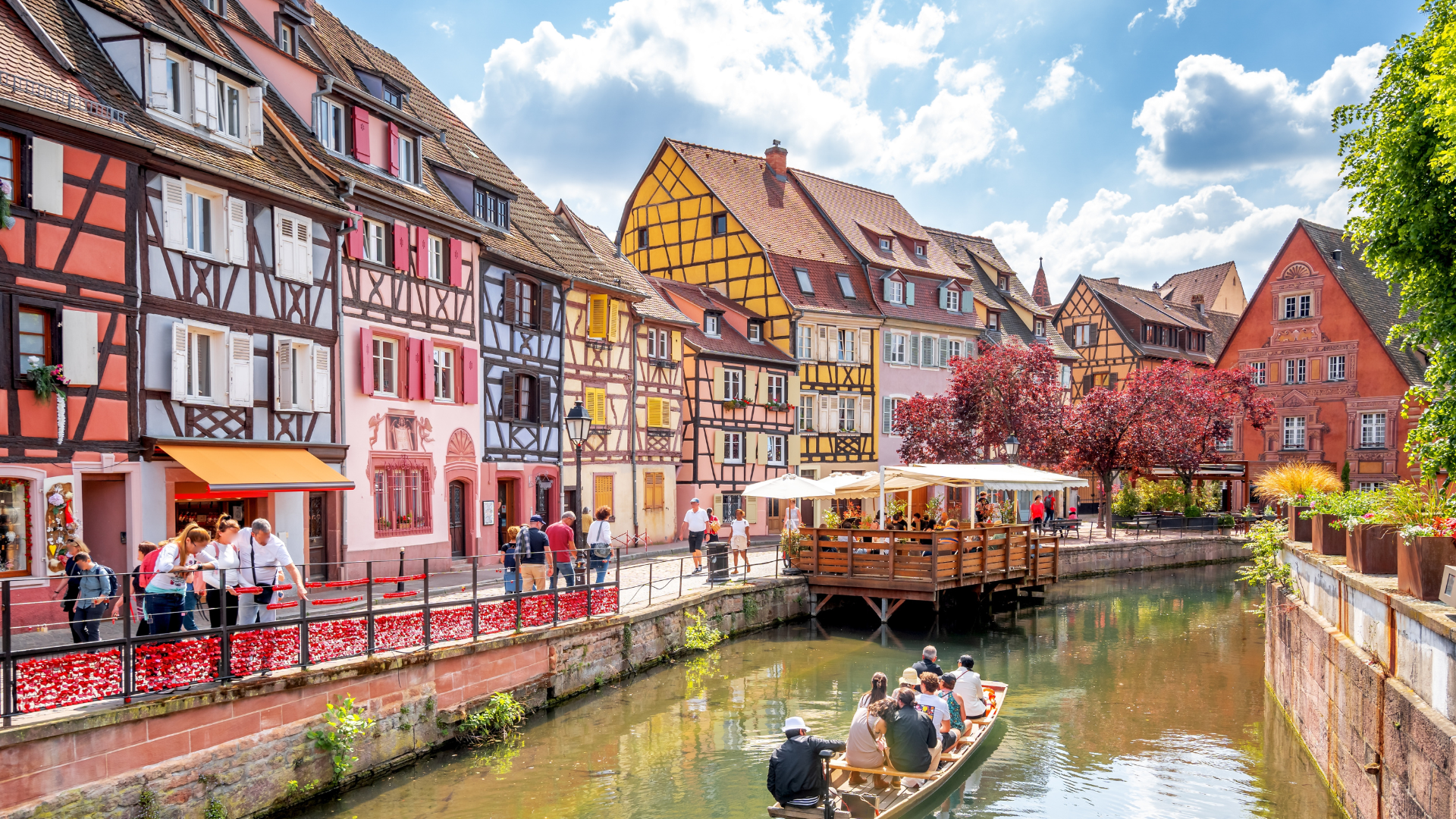
2. Colmar

Located in the Alsace region, Colmar is known for its half-timbered houses, canals, and colorful streets. Often described as a storybook town, it offers a quieter alternative to larger French cities while still delivering rich cultural experiences. The historic center, especially the “Little Venice” area, is one of the best tourist attractions in eastern France. Local markets, regional wines, and traditional Alsatian cuisine add depth to the visit.

Best Season to Visit: April to June, December (for Christmas markets)

Ideal Visiting Hours: Morning for photography and fewer crowds

Traveler Tip: Try local wines like Riesling in nearby vineyards

Must-Know: Many shops close early, especially outside peak season

3. Hallstatt
© Shutterstock / saiko3p

3. Hallstatt

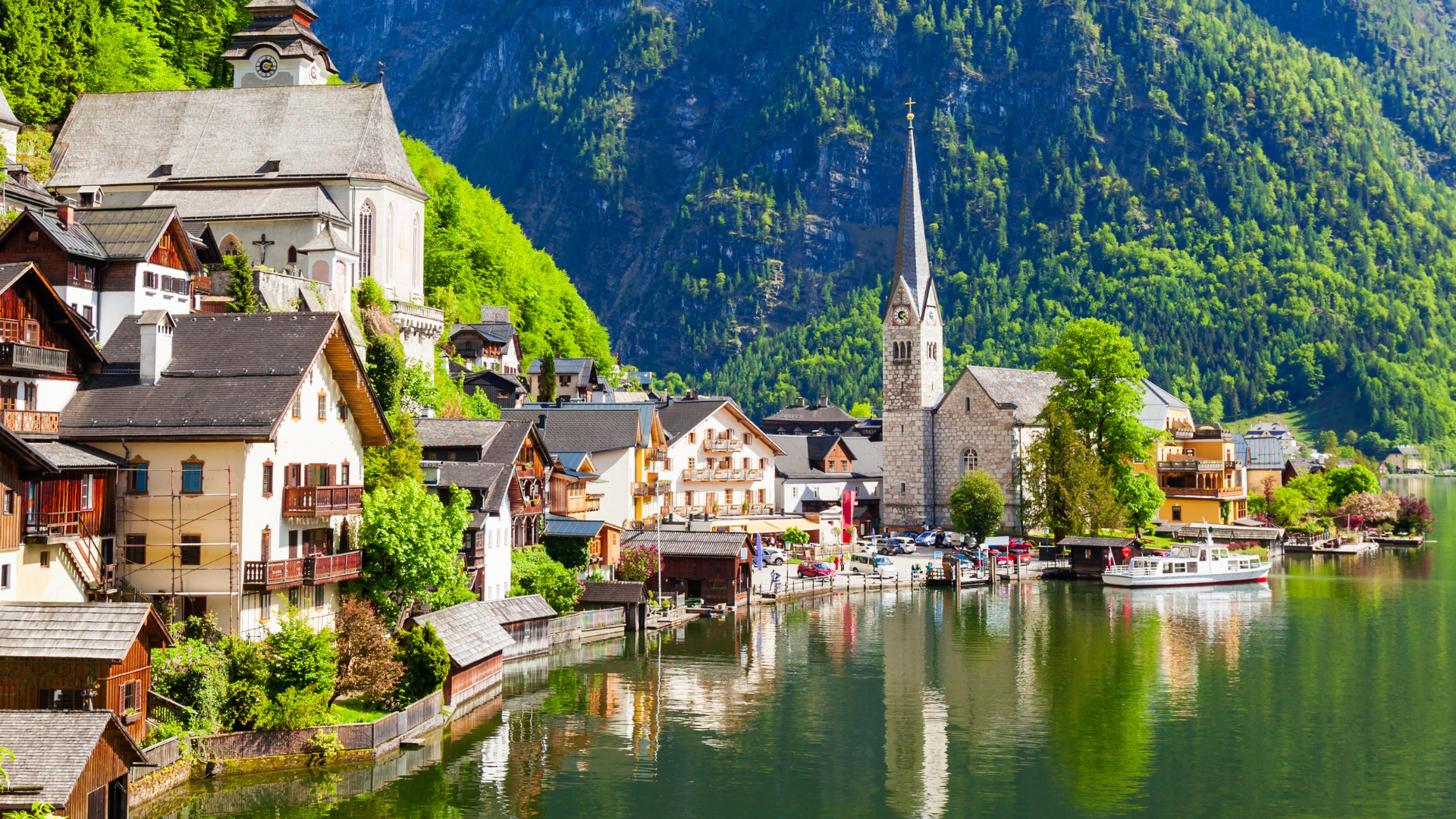
Hallstatt sits along a serene lake, surrounded by alpine peaks. While it has gained popularity in recent years, visiting early or during shoulder seasons reveals its quieter charm. The village is known for its salt mining history and traditional wooden houses. A walk along the lakeside or a visit to the salt mine offers insight into its cultural and historical significance.

Best Season to Visit: May to June, September

Ideal Visiting Hours: Early morning

Traveler Tip: Stay overnight to avoid day-trip crowds

Must-Know: Parking is outside the village; walking is required

4. Giethoorn
© Shutterstock / Neirfy

4. Giethoorn

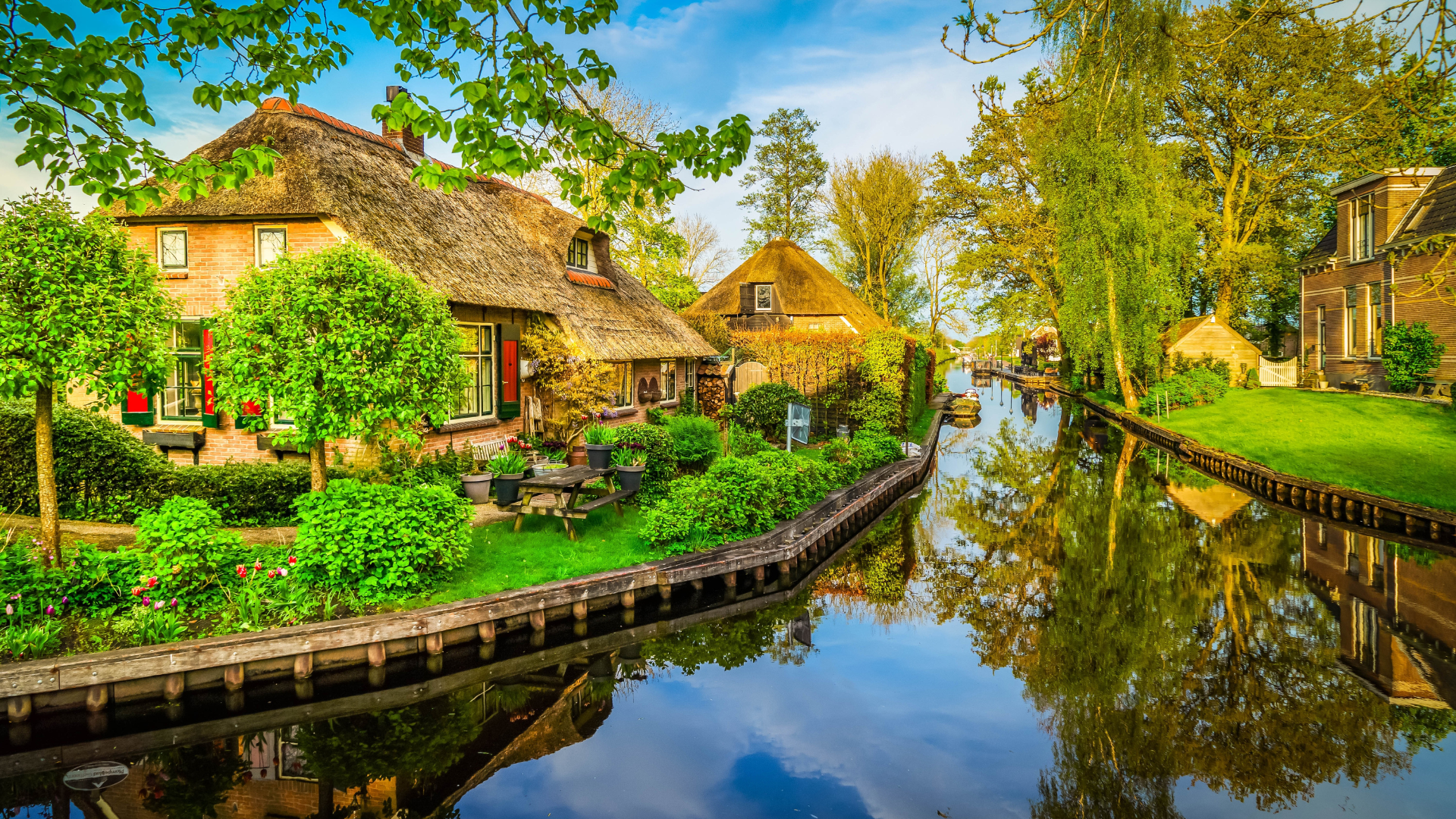
Giethoorn is often referred to as the “village without roads,” where canals replace streets and boats serve as the primary mode of transport. This peaceful setting provides a different perspective on Dutch life beyond cities like Amsterdam. Renting a small boat and exploring the waterways is one of the most popular things to do here.

Best Season to Visit: April to October

Ideal Visiting Hours: Early morning or sunset

Traveler Tip: Choose quieter canal routes away from main areas

Must-Know: Boats can be rented without a license

5. Ronda
© Shutterstock / Sean Pavone

5. Ronda

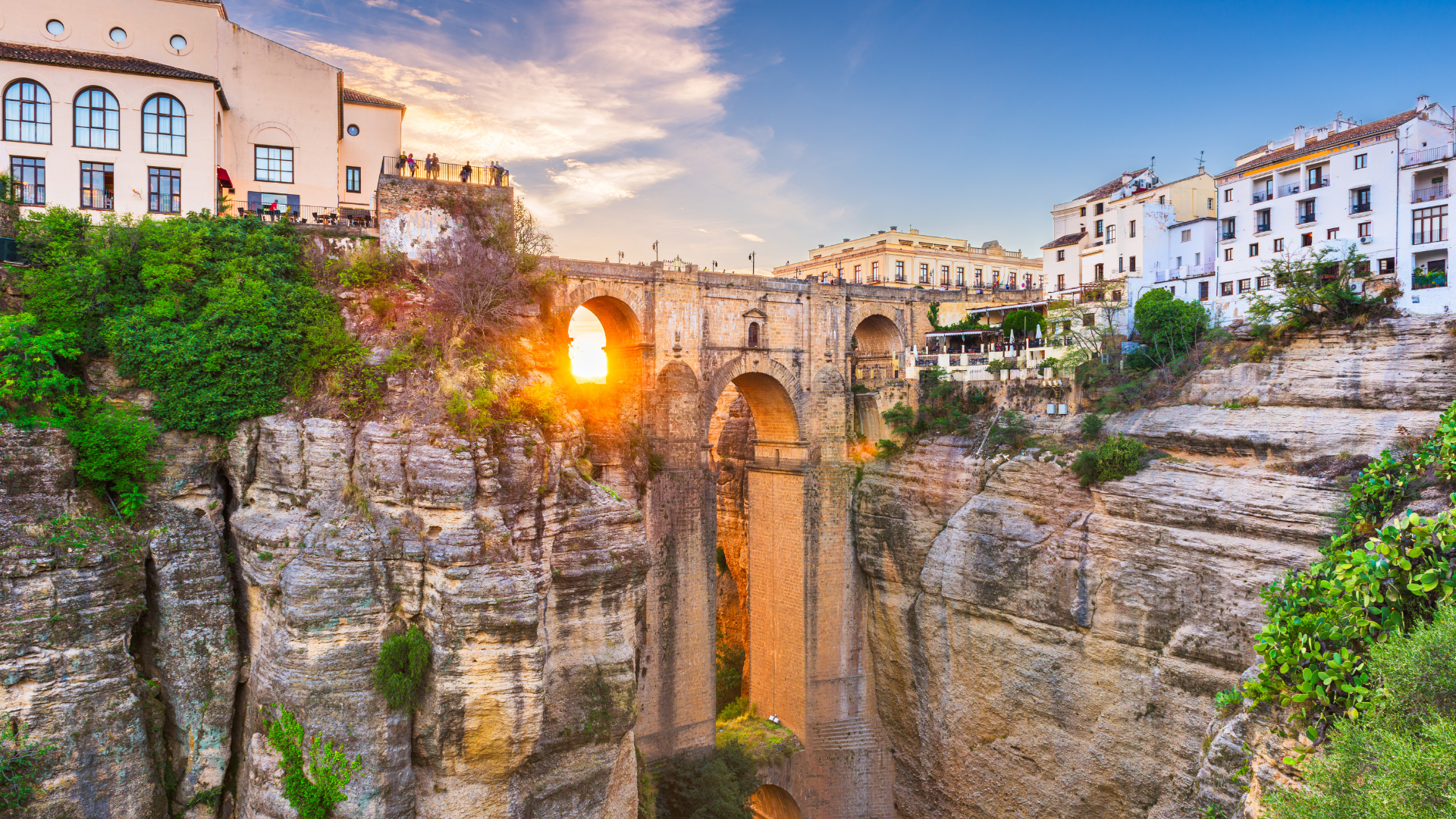
Perched above a deep gorge, Ronda offers dramatic views and a rich history. The Puente Nuevo bridge is the city’s most recognizable landmark, connecting two parts of the town. Ronda also has a strong connection to Spanish bullfighting history, with one of the country’s oldest arenas.

Best Season to Visit: March to May, September

Ideal Visiting Hours: Late afternoon for lighting over the gorge

Traveler Tip: Walk both sides of the bridge for different views

Must-Know: Summers can be very hot and crowded

6. Bruges
© Shutterstock / Sean Pavone

6. Bruges

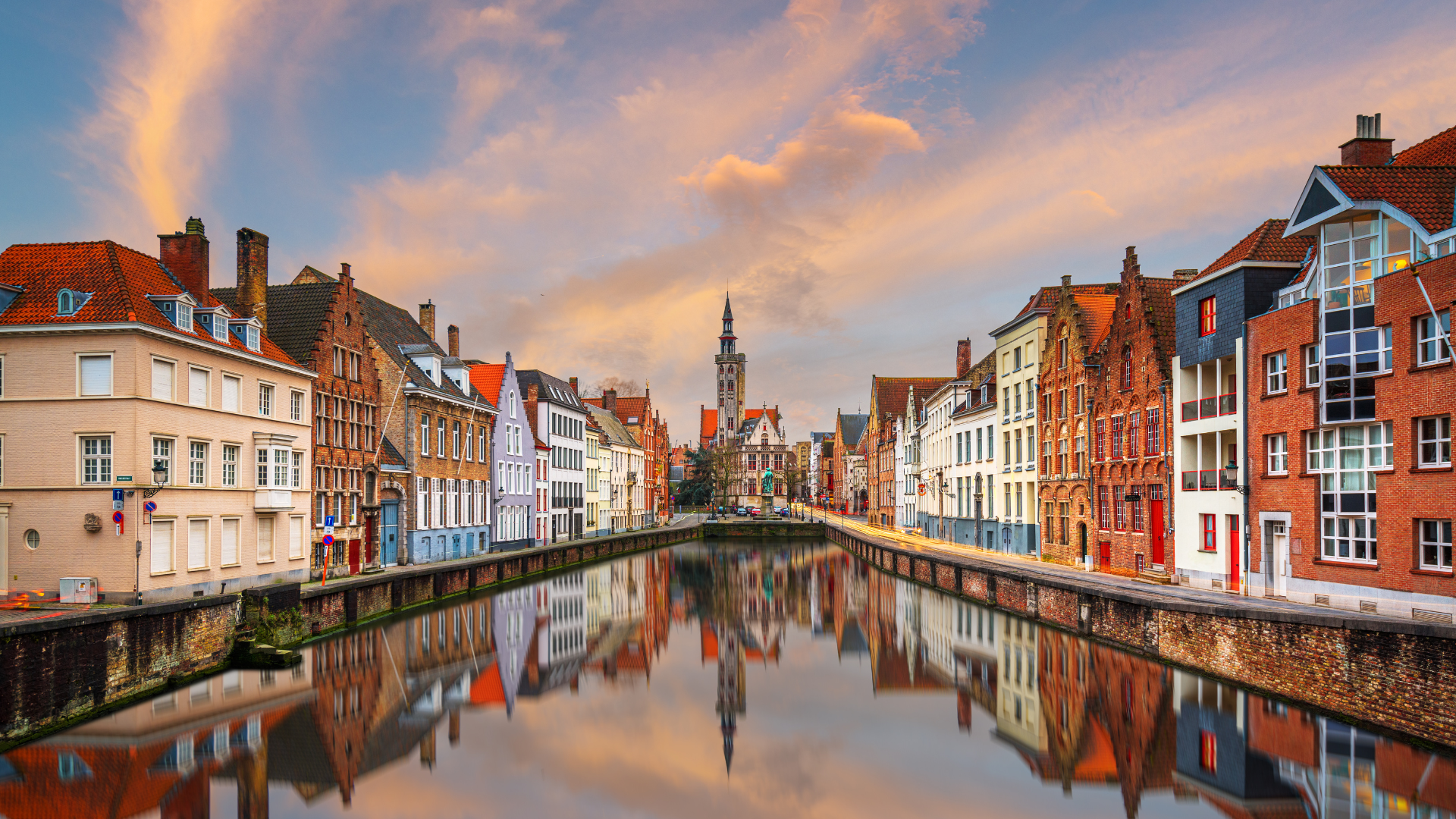
While Bruges is not entirely unknown, it still feels quieter compared to major European capitals. Its canals, cobbled streets, and medieval buildings create a cohesive historic atmosphere. Museums, local chocolate shops, and boat tours offer a variety of experiences within a compact area.

Best Season to Visit: April to June, September

Ideal Visiting Hours: Early morning or evening

Traveler Tip: Explore beyond the main square for fewer crowds

Must-Know: Many attractions are within walking distance

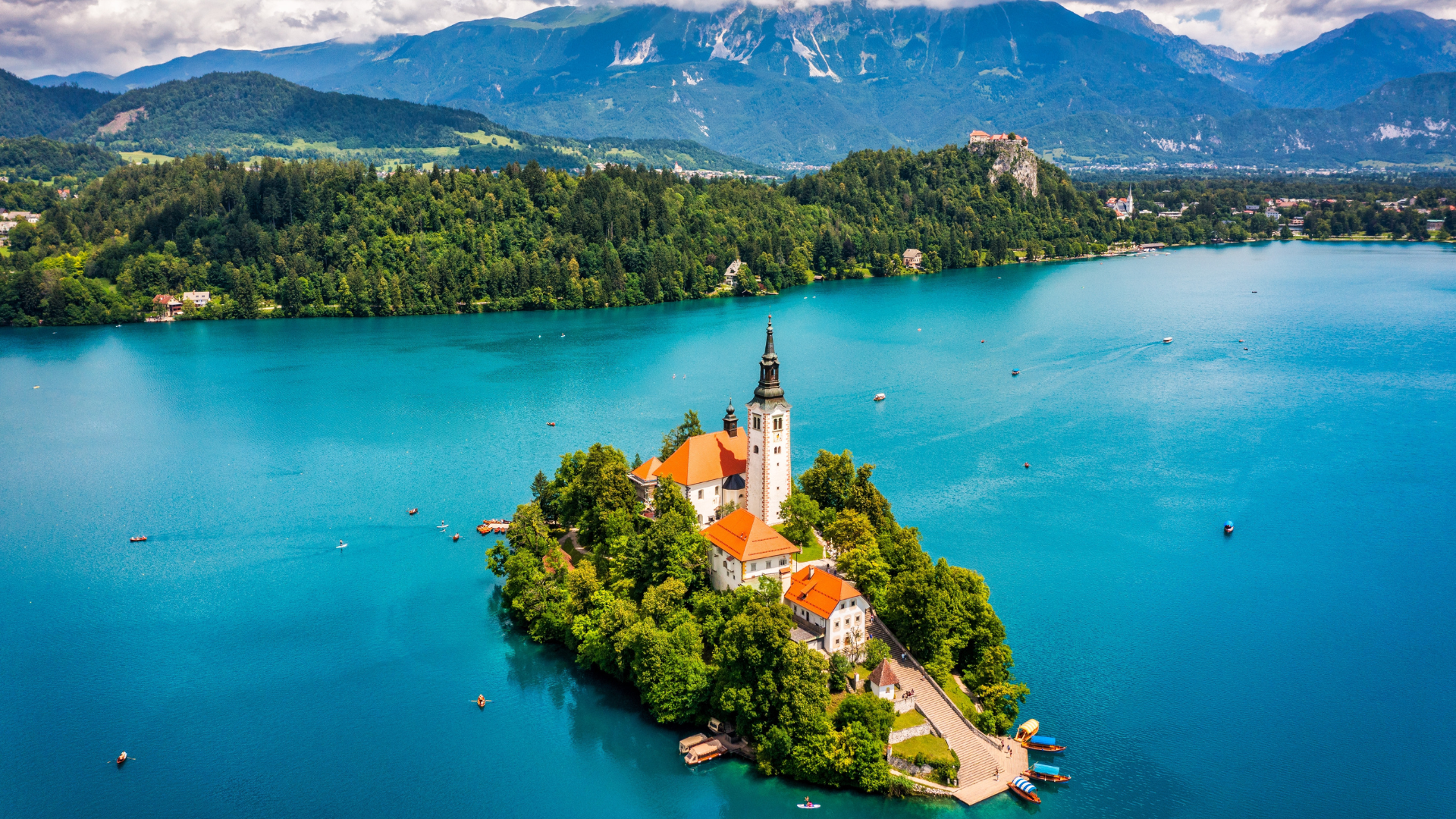
7. Bled
© Shutterstock / DaLiu

7. Bled

Lake Bled is one of Slovenia’s most scenic locations, featuring a small island with a church and a hilltop castle overlooking the water. Visitors can take traditional wooden boats to the island or hike nearby trails for panoramic views. It offers a balance between nature and cultural heritage.

Best Season to Visit: May to September

Ideal Visiting Hours: Morning for calm lake conditions

Traveler Tip: Try the local cream cake (Bled cake)

Must-Know: Rowing to the island requires a small fee

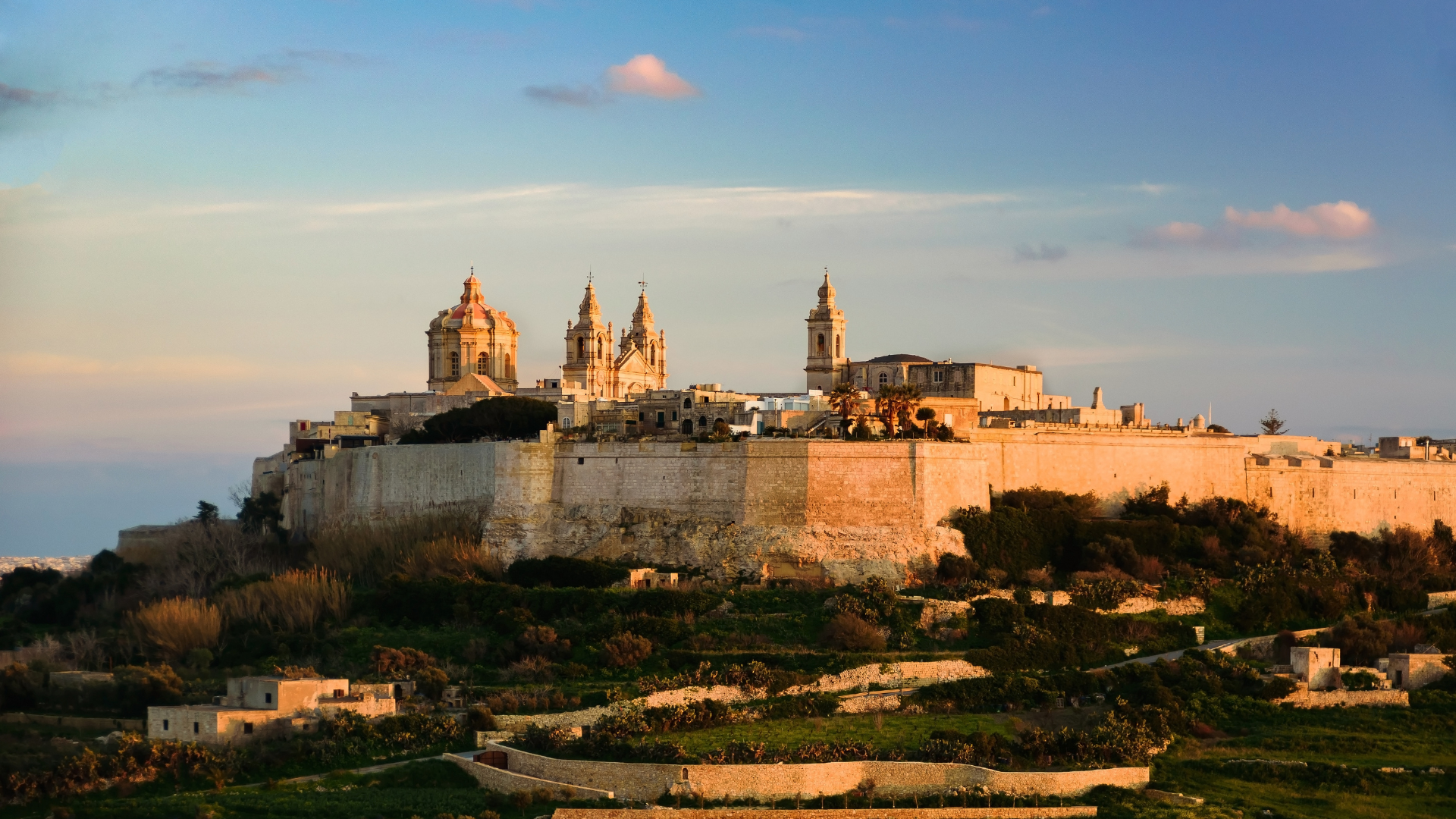
8. Mdina
© Shutterstock / Molenira

8. Mdina

Known as the “Silent City,” Mdina offers a calm and historic environment within fortified walls. With no cars allowed in most areas, it provides a peaceful contrast to Malta’s busier coastal towns. Its narrow streets, baroque architecture, and panoramic viewpoints make it a unique stop.

Best Season to Visit: March to May, October

Ideal Visiting Hours: Evening for fewer tourists

Traveler Tip: Combine with a visit to nearby Rabat

Must-Know: Entry is free, but museums charge fees

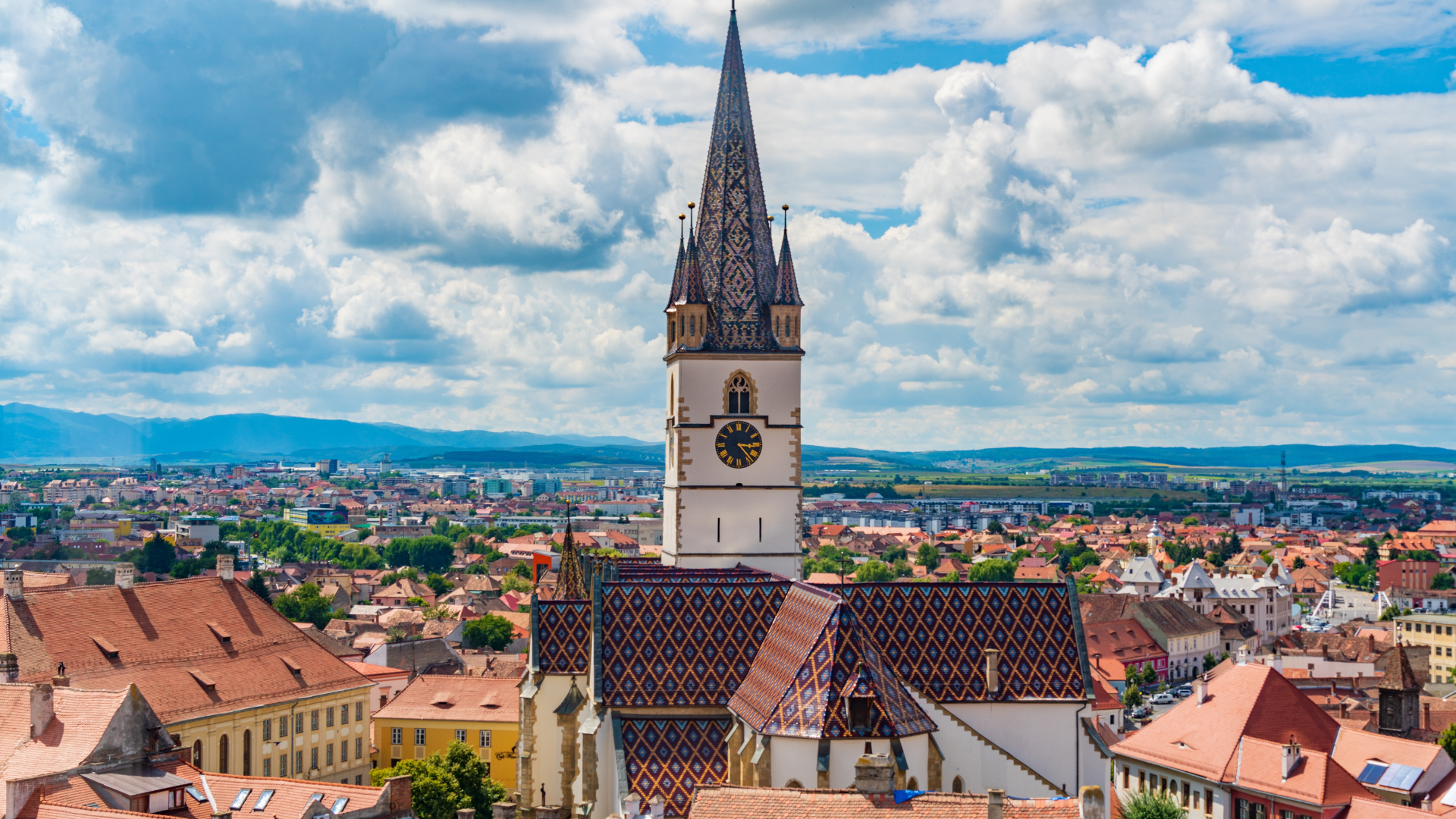
9. Sibiu
© Shutterstock / Mo Wu

9. Sibiu

Sibiu stands out for its well-preserved medieval center and distinctive “eye-shaped” rooftops. Located in Transylvania, it offers a mix of history, architecture, and cultural festivals. It is often overlooked compared to other Romanian destinations but remains one of the top places to visit in the region.

Best Season to Visit: May to September

Ideal Visiting Hours: Afternoon and evening

Traveler Tip: Visit during local festivals for added atmosphere

Must-Know: English is commonly spoken in tourist areas

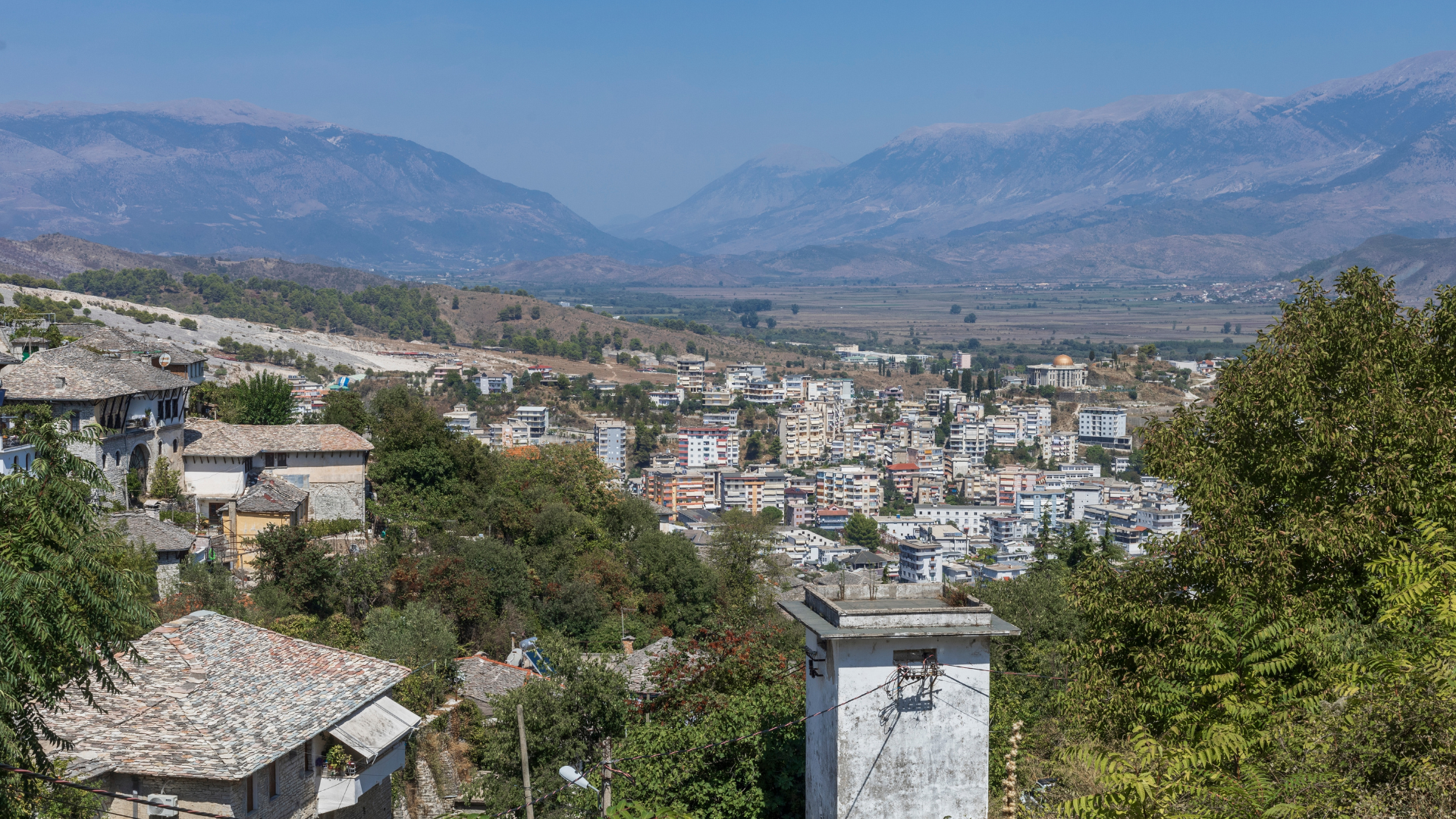
10. Gjirokastër
© Shutterstock / Alekk Pires

10. Gjirokastër

Gjirokastër is known for its stone houses, hillside setting, and Ottoman-era architecture. The city’s castle overlooks the valley and provides historical context through its museum. It offers insight into Albania’s cultural heritage in a setting that feels relatively untouched.

Best Season to Visit: April to June, September

Ideal Visiting Hours: Morning or late afternoon

Traveler Tip: Wear sturdy shoes for steep streets

Must-Know: Cash is preferred in many places

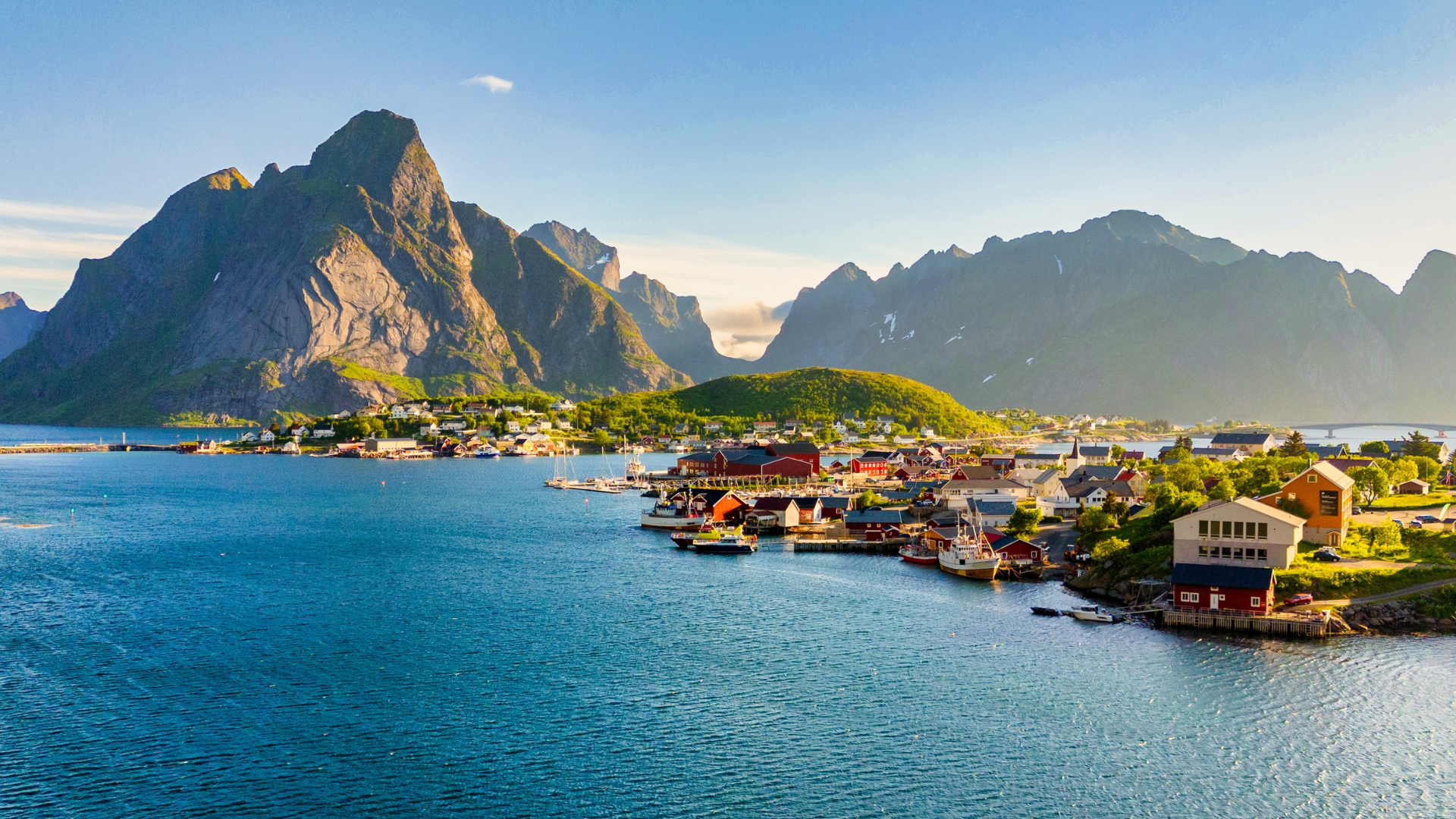
11. Lofoten Islands
© Shutterstock / fokke baarssen

11. Lofoten Islands

The Lofoten Islands are known for dramatic landscapes, including sharp peaks, fishing villages, and open seas. Activities such as hiking, kayaking, and viewing the Northern Lights make it one of the most distinctive places in northern Europe. It offers a very different experience compared to urban travel.

Best Season to Visit: June to August (midnight sun), February to March (Northern Lights)

Ideal Visiting Hours: Varies by season

Traveler Tip: Rent a car to explore remote areas

Must-Know: Weather can change quickly

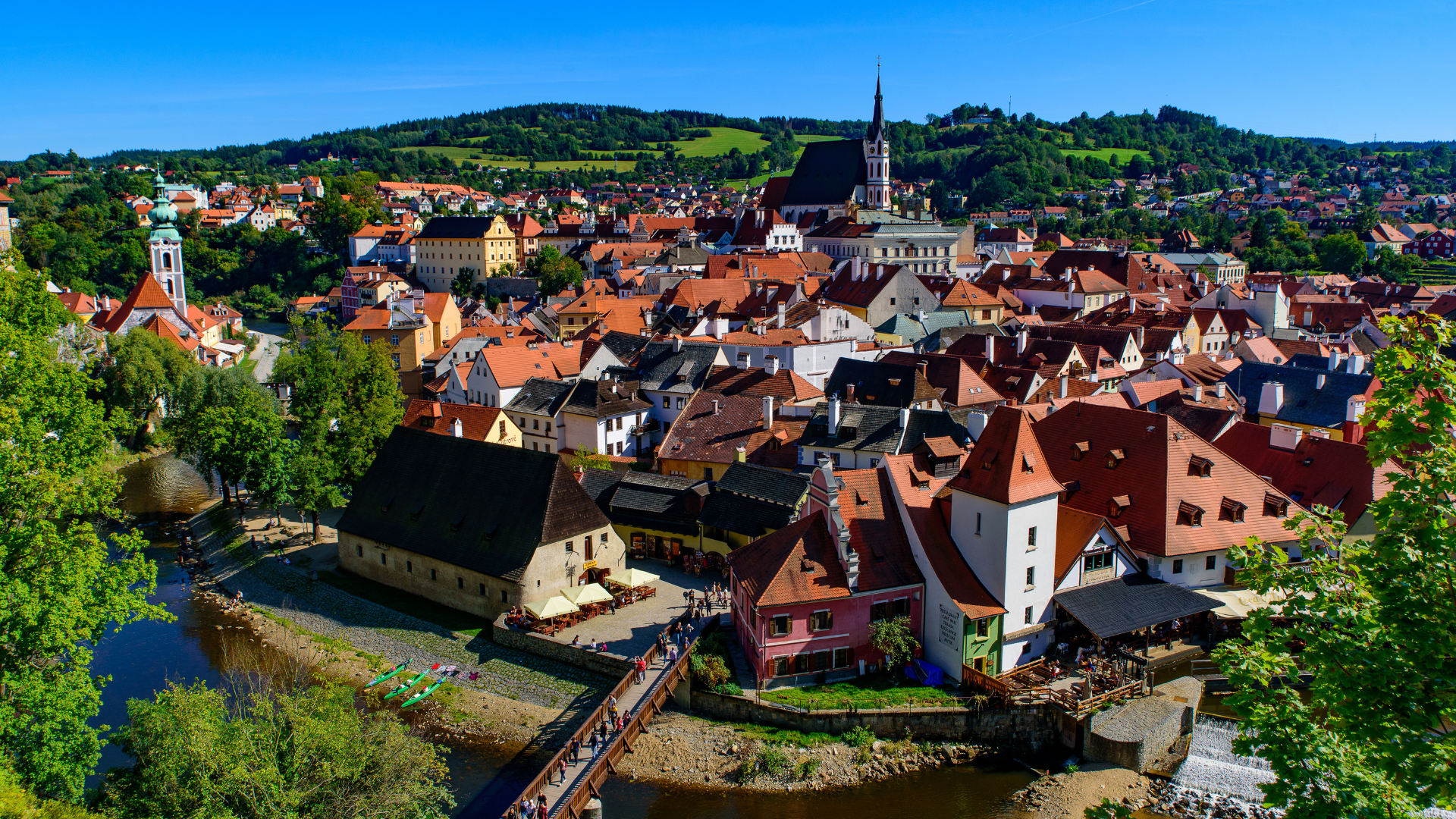
12. Český Krumlov
© Shutterstock / Mo Wu

12. Český Krumlov

This small town features a castle complex, winding river, and historic streets that create a cohesive medieval setting. It is less crowded than Prague but offers similar architectural charm. Walking through the Old Town provides a clear sense of its historical layout.

Best Season to Visit: May to September

Ideal Visiting Hours: Morning or evening

Traveler Tip: Stay overnight for a quieter experience

Must-Know: The castle interiors require a guided tour

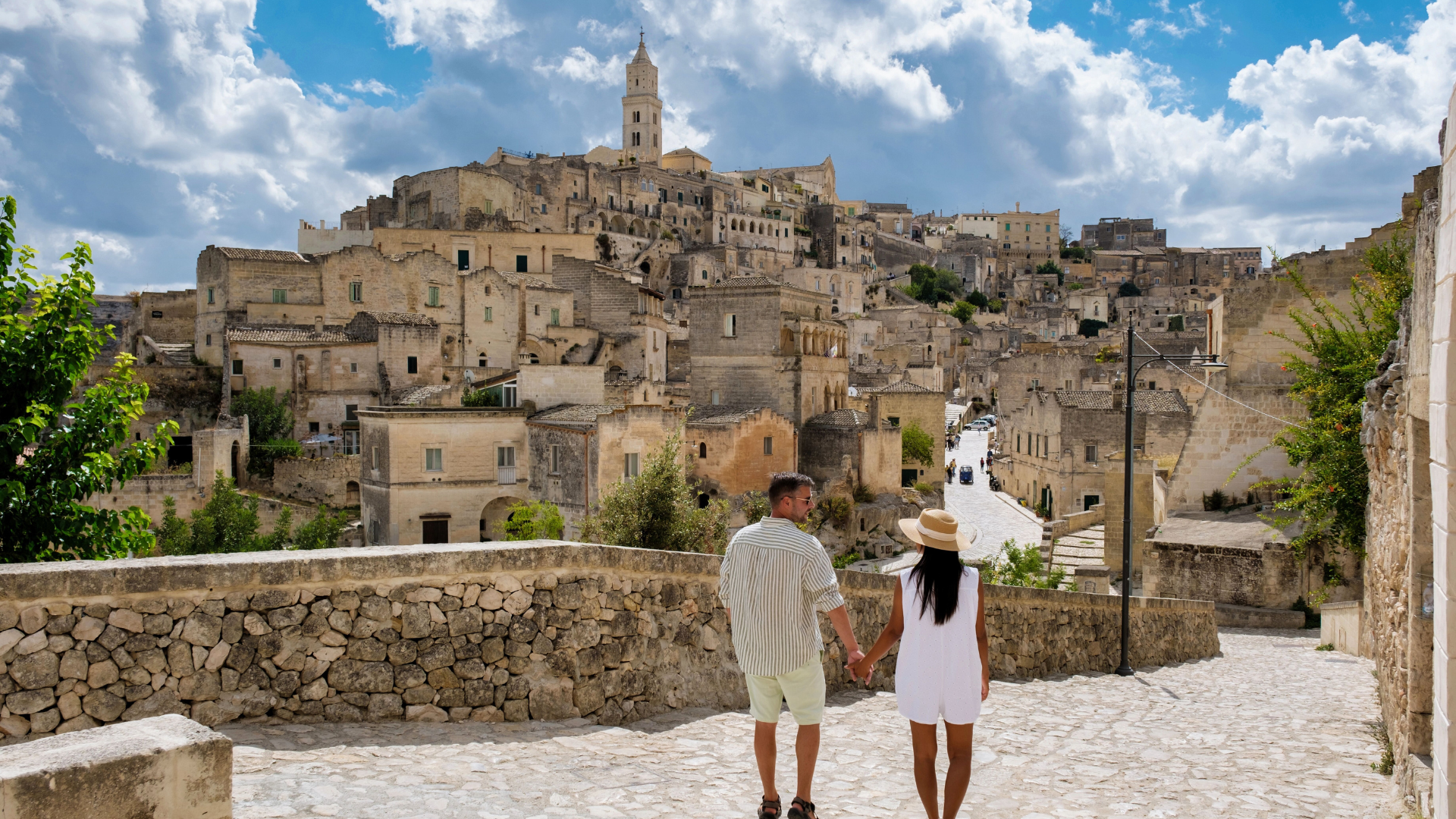
13. Matera
© Shutterstock / fokke baarssen

13. Matera

Matera is known for its ancient cave dwellings, known as “Sassi,” which have been transformed into homes, hotels, and museums. It offers a unique perspective on early human settlements and adaptation. The landscape and architecture make it one of the most unusual things to see in Italy.

Best Season to Visit: April to June, September

Ideal Visiting Hours: Sunset for atmospheric views

Traveler Tip: Book accommodations in cave hotels for experience

Must-Know: Walking involves uneven terrain

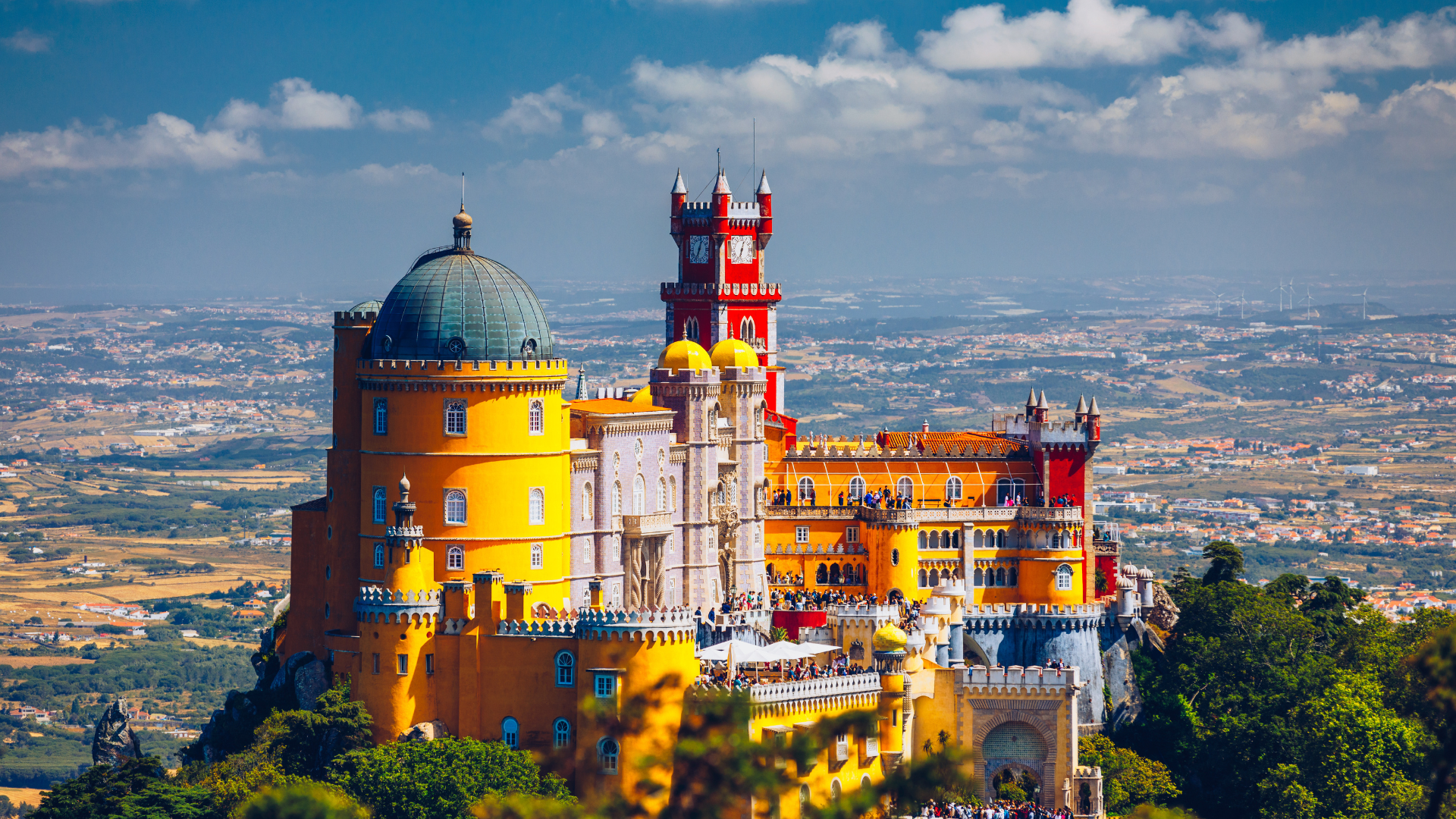
14. Sintra
© Shutterstock / DaLiu

14. Sintra

Located near Lisbon, Sintra is known for its palaces, gardens, and forested hills. Sites like Pena Palace and Quinta da Regaleira offer a mix of architectural styles and natural beauty. It is one of the best tourist attractions in Portugal for those interested in history and landscapes combined.

Best Season to Visit: March to May, September

Ideal Visiting Hours: Early morning

Traveler Tip: Use public transport to navigate hills

Must-Know: Entry tickets vary by attraction


Comments (0)

Leave a Reply

No comments yet. Be the first to share your thoughts!