Travel Destination

11 Countries Where American Expats Relocate Most Often, Ranked

Julian Cross
3.5
April 18, 2026

Around 5.5 million Americans currently live outside the United States, and that number continues to grow. Some leave for the lower cost of living. Others move for better healthcare, warmer weather, a slower pace of life, or simply the desire for something different. Whatever the reason, making the decision to relocate abroad is significant and knowing where others have gone and what they actually found when they got there makes the research considerably easier.

This guide covers 11 countries that American expats consistently recommend for long-term relocation, based on real experiences shared by people who have made the move. Each country is assessed for livability, visa accessibility, cost of living, and what daily life actually looks like for Americans on the ground.

1. Spain
© Shutterstock / Mazur Travel

1. Spain

Spain consistently ranks among the top destinations for American expats, and the reasons are easy to understand. The combination of a relaxed pace of life, walkable cities, excellent public healthcare, affordable private health insurance, and easy access to the rest of Europe makes it a compelling long-term base. The cultural shift from American work culture to Spain's more measured approach to daily life is one of the most frequently cited positives among expats who have made the move.

American expats living in Spain describe lower stress levels, better work-life balance, and a sense of community that many feel has diminished in the United States. The food culture, the café life, and the ability to walk to most daily necessities without a car are regularly cited as practical quality-of-life improvements.

Traveler Tip: Spain offers several visa options for Americans including a digital nomad visa for remote workers, a non-lucrative visa for those with sufficient passive income, and a golden visa for investors. The non-lucrative visa is the most common starting point for retirees and remote workers.

Must-Know: Spain practices siesta culture in many regions, with businesses closing between approximately 1 PM and 3 PM. This takes adjustment for Americans accustomed to continuous business hours but is one of the lifestyle rhythms most expats come to appreciate over time.

2. Costa Rica
© Shutterstock / Antonio Gravante

2. Costa Rica

Costa Rica draws a large and well-established American expat community, with immigrants making up around 9 percent of the country's total population — the highest proportion in Latin America. The appeal is a combination of natural beauty, a relatively stable political environment, a lower cost of living than the United States, and a genuinely welcoming local culture.

Expats consistently describe Costa Rica as a place where community connections form quickly, particularly in the established expat hubs of the Central Valley, the Pacific coast, and the Caribbean side. The country's biodiversity, outdoor lifestyle, and access to beaches and rainforest are regularly cited as lifestyle upgrades that would not be financially accessible in comparable US locations.

Traveler Tip: Costa Rica offers a pensionado visa for retirees with a monthly retirement income of at least $1,000, a rentista visa for those with a stable passive income, and a digital nomad visa valid for one year with the option to extend. The retiree and passive income visas are the most popular entry points for American expats.

Must-Know: Crime exists in Costa Rica and varies significantly by location. Expats who research specific neighborhoods carefully and follow standard urban safety practices report very positive experiences. Areas with established expat communities tend to have the most developed local support networks for new arrivals.

3. Canada
© Shutterstock / Mumemories

3. Canada

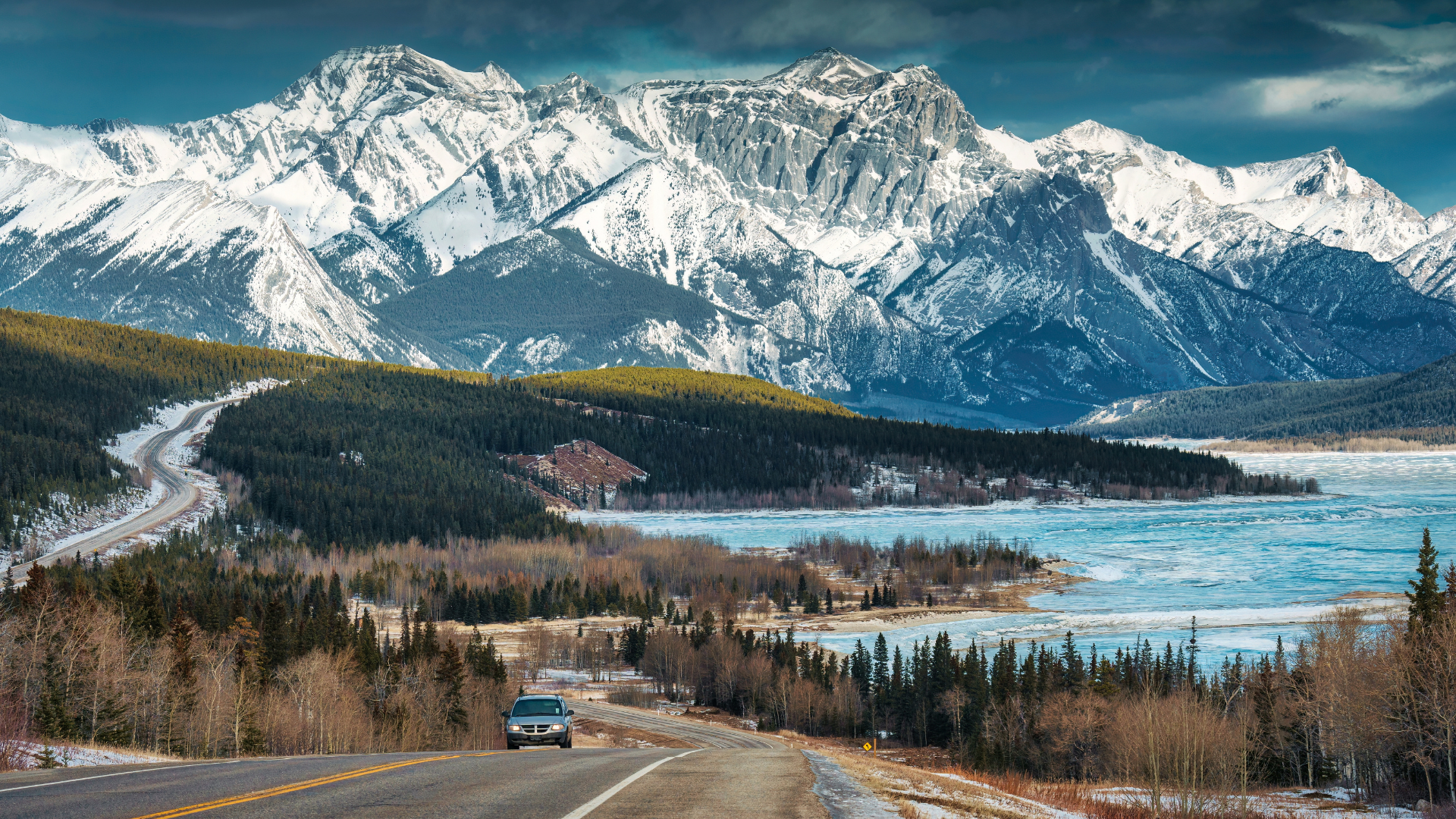
For Americans who want to leave the United States without leaving behind everything familiar, Canada is the most natural starting point. The shared language, cultural similarities, and geographic proximity mean the adjustment period is significantly shorter than most international relocations. The quality of life improvements that Americans most frequently cite after moving to Canada center on the healthcare system — universal coverage that removes the financial anxiety of medical costs — and a general sense of civic stability.

Canada is one of the more straightforward countries for Americans to gain residency in, with pathways through employment, self-employment, business investment, and skilled worker programs. The cold winters in most of the country are the most significant lifestyle adjustment for Americans coming from warmer states.

Traveler Tip: The Express Entry system is Canada's primary pathway for skilled workers seeking permanent residency. Provincial Nominee Programs offer additional routes for Americans with skills in specific demand in particular provinces. Working with a registered Canadian immigration consultant simplifies the process considerably.

Must-Know: Canada's healthcare system covers doctor visits, hospital stays, and emergency treatment at no point-of-care cost to residents. Wait times for non-urgent specialist appointments can be longer than Americans are accustomed to, which is worth factoring into healthcare planning for those with ongoing medical needs.

4. Mexico
© Shutterstock / Richie Chan

4. Mexico

Mexico is the most popular destination for American expats by total numbers, and the reasons are straightforward — geographic proximity, a familiar culture with genuine differences, year-round warm weather in most regions, and a cost of living that allows Americans to live comfortably on a budget that would not stretch nearly as far at home. Americans can visit for up to six months without a visa, which makes it possible to experience daily life in a specific location before committing to a permanent move.

Expats describe Mexico as a country that offers the warmth of community that many Americans feel has declined at home. The food culture, the social fabric of local neighborhoods, and the general ease of daily life in established expat cities like Mérida, Oaxaca, San Miguel de Allende, and Puerto Vallarta are consistently highlighted as lifestyle advantages.

Traveler Tip: Learning Spanish before moving to Mexico makes a significant practical difference to daily life quality, particularly outside the major tourist and expat centers. Spanish fluency opens up a much wider range of social connections and practical interactions than English alone provides.

Must-Know: Mexico is a large country with significant regional variation in safety, cost, climate, and culture. Researching your specific intended destination carefully rather than making a general assessment of the country as a whole is essential for making an informed relocation decision.

5. Portugal
© Shutterstock / Leonid Sorokin

5. Portugal

Portugal has emerged as one of the most popular European destinations for American expats over the past decade, driven by a combination of low cost of living relative to Western Europe, a pleasant climate particularly in the south, beautiful coastline, and a welcoming attitude toward foreign residents. Lisbon and Porto are the most established expat hubs, but the Algarve coast and smaller inland towns attract Americans looking for a quieter lifestyle.

Expats consistently describe Portugal as a country where quality of life measurements — healthcare access, personal safety, walkability, food quality, and social connection — compare favorably to the United States at a meaningfully lower cost. The country's position within the European Union also provides freedom of movement across the Schengen Area.

Traveler Tip: Portugal offers a digital nomad visa for remote workers, a job seeker visa valid for up to 180 days, and a passive income visa for those living on investments, pensions, or rental income. Americans can stay for up to 90 days without a visa as a starting point for exploring specific locations before committing to a longer-term move.

Must-Know: Portugal's popularity with international expats has driven up property prices and rental costs in Lisbon and Porto significantly over the past several years. Americans planning to relocate should research current rental markets carefully and consider smaller cities or rural areas where the cost advantages remain more pronounced.

6. New Zealand
© Shutterstock / Summit Art Creations

6. New Zealand

New Zealand attracts American expats who value outdoor access, political stability, personal safety, and a high quality of life in an English-speaking country. The country ranks among the safest in the world and has an education system rated among the top ten globally, which makes it particularly appealing to families with children. The natural environment — mountains, coastline, forests, and geothermal landscapes — is a consistent draw for Americans who prioritize outdoor lifestyle.

The primary practical consideration is distance — New Zealand is over 16 hours by air from the continental United States, which makes maintaining close contact with family and friends at home more logistically demanding than relocating to Europe or Latin America.

Traveler Tip: New Zealand's Skilled Migrant Category visa is the primary pathway for working-age Americans with in-demand professional qualifications. Healthcare professionals, engineers, and technology workers tend to have the most straightforward path to residency. Retirees, investors, and entrepreneurs also have dedicated visa pathways.

Must-Know: New Zealand's cost of living is higher than many Americans expect, particularly in Auckland. Housing costs, groceries, and consumer goods are all priced above what comparable quality costs in the United States, which means the financial case for relocating there is more about lifestyle than cost savings.

7. Indonesia
© Shutterstock / kitzcorner

7. Indonesia

Indonesia — and Bali in particular — has developed one of the largest digital nomad and expat communities in the world, driven primarily by an exceptionally low cost of living that allows Americans to live well on budgets that would not sustain a comparable lifestyle at home. A one-bedroom apartment in Jakarta can cost as little as $200 per month. Even in the more developed tourist areas of Bali, the cost advantages relative to American cities remain significant.

Beyond the financial appeal, expats describe Indonesia as a country with extraordinary natural diversity — volcanic landscapes, rice terraces, tropical coastlines — and a food culture that rewards exploration. The spiritual environment of Bali, the co-working infrastructure across the island, and a large established expat community make the transition to Indonesian life more manageable than the geographic distance might suggest.

Traveler Tip: Bali offers a dedicated digital nomad visa that allows remote workers to live in Indonesia tax-free for the first five years, which is one of the most financially favorable arrangements available to American remote workers anywhere in the world. Standard tourist visas can be extended for up to 60 days while longer-term options are arranged.

Must-Know: Indonesia is a Muslim-majority country with cultural and religious customs that differ significantly from what most Americans are familiar with. Dress codes, behavioral expectations in religious sites and conservative communities, and social norms around alcohol and public behavior are all worth researching before relocating, particularly outside the internationally oriented expat hubs.

8. France
© Shutterstock / Mazur Travel

8. France

France attracts Americans who value world-class food, a rich cultural environment, excellent public transport, accessible home ownership compared to major US cities, and strong employee protections for those who work locally. Paris is the most obvious destination but the country's regional diversity — from Provence and the Loire Valley to Brittany and Bordeaux — gives expats a wide range of lifestyle environments to choose from.

Expats who have settled in France describe the quality of daily life as a genuine upgrade — walkable neighborhoods, reliable regional rail, manageable inflation compared to the US, and generous paid leave provisions that change the relationship between work and personal time in ways that most Americans find significant.

Traveler Tip: Americans can stay in France for up to 90 days without a visa as part of the Schengen Area agreement. Long-term visa options include a work visa, an entrepreneur visa, a student visa, and a talent visa for professionals in qualifying fields. France's visa processes can be bureaucratically complex — working with an immigration specialist reduces the risk of procedural delays.

Must-Know: France requires a demonstrated commitment to learning French for long-term residency. While many French people in urban areas speak English, daily life beyond the tourist and expat context — administrative processes, healthcare appointments, local social integration — is considerably easier with functional French language ability.

9. Italy
© Shutterstock / givaga

9. Italy

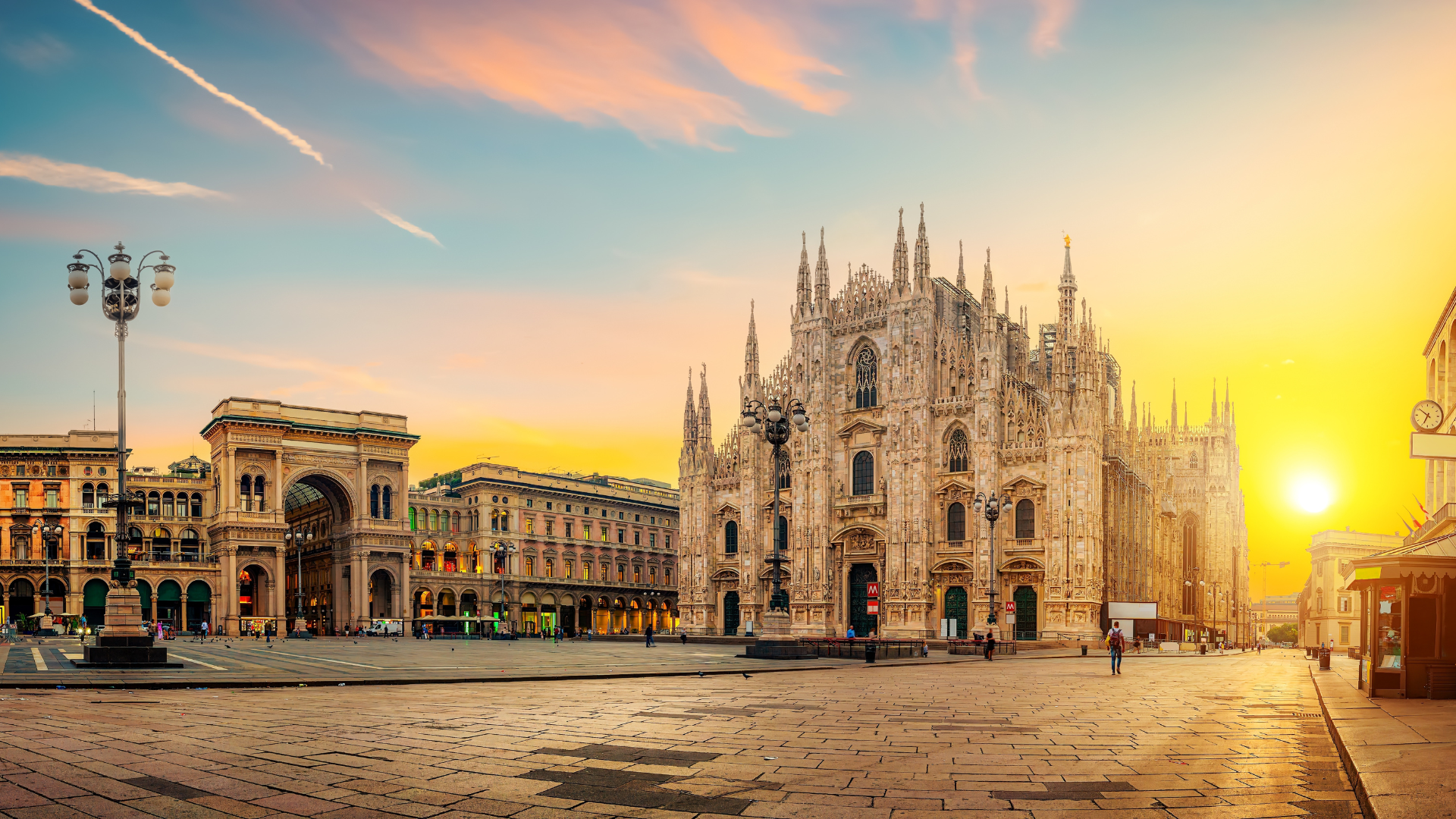
Italy has approximately 15,000 American residents and a growing expat community drawn by the country's combination of beauty, food culture, walkable cities, high-speed rail access across Europe, and a cost of living that is generally lower than comparable quality of life in major US cities. The country also offers a relatively accessible path to citizenship for Americans with Italian ancestry — grandparents or great-grandparents who emigrated from Italy may qualify their American descendants for Italian citizenship by descent.

Expats describe Italy as a country where the visual and sensory quality of daily life is consistently high — architecture, food markets, café culture, and access to art and history in everyday settings rather than exclusively in museums.

Traveler Tip: Italy offers visa options for investors, entrepreneurs, researchers, students, and self-employed workers. The elective residency visa suits Americans with sufficient passive income who do not intend to work locally. The citizenship by descent pathway, while paperwork-intensive, is worth exploring for Americans with Italian family heritage.

Must-Know: Italian bureaucratic processes are widely noted by expats as slow and occasionally frustrating. Administrative tasks that would take days in the United States can take weeks or months in Italy. Building patience and realistic timelines into any relocation plan is important — this is one of the most consistent adjustment points that American expats in Italy describe.

10. Thailand
© Shutterstock / Guitar photographer

10. Thailand

Thailand is one of the most financially accessible long-term destinations for Americans, with a cost of living that allows a comfortable single-person lifestyle for under $600 per month in most cities — over 48 percent lower than the average cost of living in the United States. The combination of affordability, warm year-round climate, excellent food, a large and well-established expat community, and easy regional travel access to the rest of Southeast Asia makes it a popular choice across a wide range of American expat profiles.

Expats describe Thailand as a country with a genuine warmth in its social fabric, a high standard of living relative to cost, and access to diverse experiences — from island life and outdoor adventure to urban energy and cultural depth — that make long-term life there consistently engaging.

Traveler Tip: Thailand offers a retirement visa for Americans over 50 with a Thai bank deposit of approximately $25,000 or a monthly income of around $2,000. A digital nomad visa and various long-stay tourist visa extensions are available for younger Americans. The Thailand Elite Visa program provides a long-term residency option for a one-time fee.

Must-Know: Thailand's summers bring intense heat and humidity that many Americans find demanding, particularly those moving from cooler US climates. The country is also geographically distant from the United States, which makes maintaining regular in-person contact with family and friends more expensive and time-consuming than relocation to Latin America or Europe.

11. Switzerland
© Shutterstock / Sean Pavone

11. Switzerland

Switzerland offers a quality of life that consistently ranks among the highest in the world across measures of healthcare, education, personal safety, environmental quality, and civic infrastructure. For Americans who thrive in cool mountain environments and value efficiency, cleanliness, and institutional reliability, Switzerland provides a lifestyle experience that is difficult to match elsewhere in Europe. The country ranked among the happiest in the world in the 2024 World Happiness Report.

English is widely spoken in Swiss cities, which eases the initial transition, though German, French, Italian, and Romansh are the four official languages and functional local language skills become increasingly important for deeper integration into Swiss society.

Traveler Tip: Switzerland's visa pathways for Americans are more restricted than in many other European countries and typically require either employment with a Swiss company, enrollment in a Swiss educational institution, or sufficient financial means to sustain residency without working locally. Job seekers should focus on industries where Switzerland has consistent international demand, including finance, pharmaceuticals, technology, and hospitality.

Must-Know: Switzerland has one of the highest costs of living in the world. Groceries, housing, dining, and everyday expenses are substantially more expensive than in the United States. The financial case for relocating to Switzerland rests on the quality of life and institutional environment rather than cost savings, which means it suits Americans with established financial security more than those seeking affordability.



Comments (0)

Leave a Reply

No comments yet. Be the first to share your thoughts!