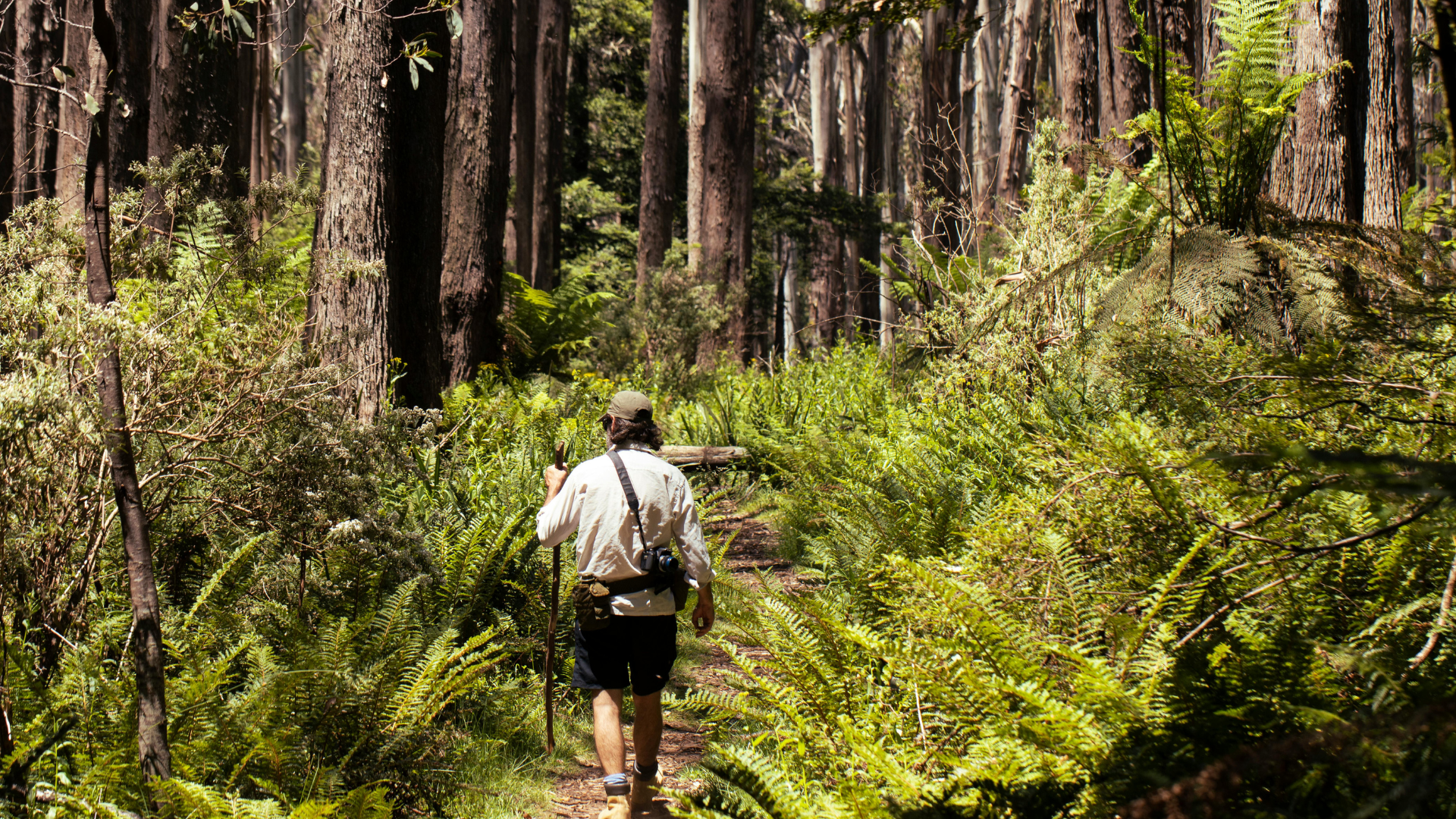
Travel Destination

11 countries that attract wildlife travelers from around the world

Julian Cross
4.5
May 06, 2026

Some trips are about cities, history, or food. Wildlife travel is different. It is about being in the right place at the right time, watching a predator hunt at dawn, swimming alongside a whale shark, or standing in a forest so dense and alive that the experience stays with you for years.

The world has a handful of destinations where wildlife is so accessible, so varied, and so genuinely wild that they draw dedicated nature travelers back repeatedly. These are not zoo experiences or managed encounters, they are countries where the natural world operates on its own terms and visitors are fortunate enough to witness it.

This guide covers 11 countries that consistently deliver on that promise, with practical details to help you plan a visit.

1. Kenya
© Shutterstock / Emily Marie Wilson

1. Kenya

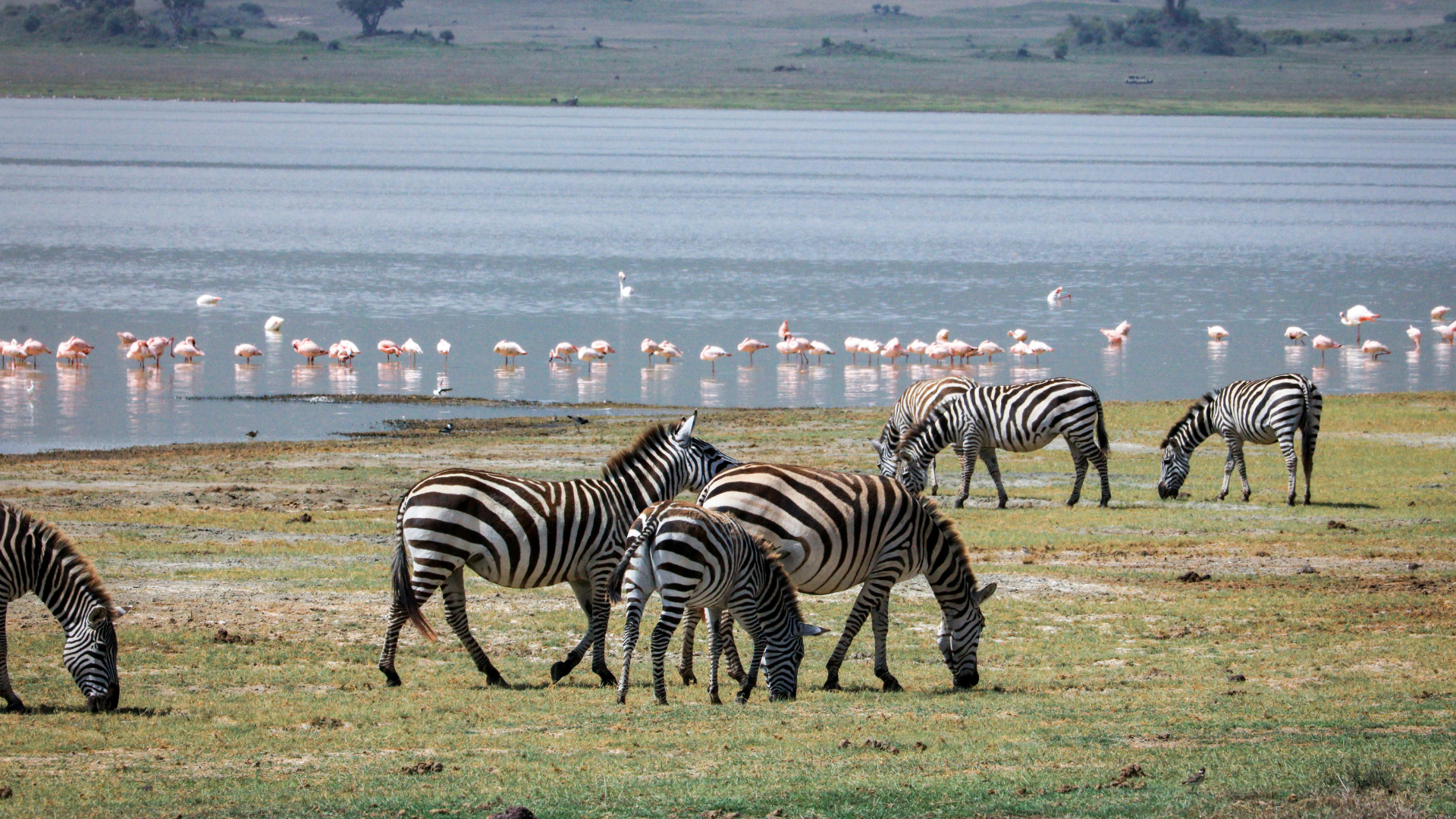
Kenya is where safari travel began, and it remains one of the most reliable wildlife destinations on Earth. The Masai Mara National Reserve is the centrepiece, a vast savanna ecosystem that supports lion, leopard, cheetah, elephant, buffalo, and rhinoceros alongside hundreds of bird species. Between July and October, the Great Migration brings over 1.5 million wildebeest and zebras crossing the Mara River from Tanzania in one of the most dramatic wildlife spectacles on the planet.

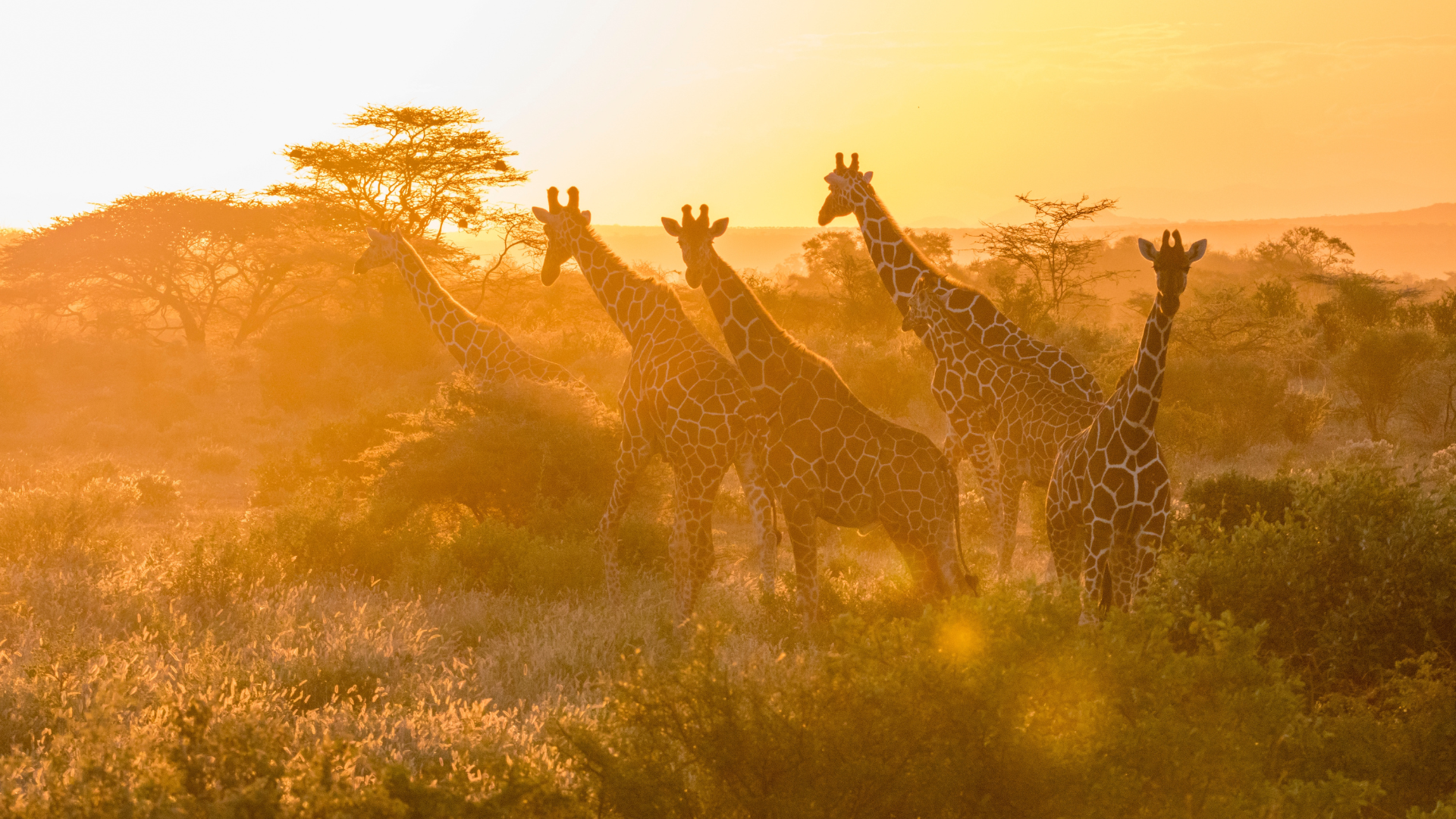
Beyond the Mara, Amboseli National Park offers elephant herds set against the backdrop of Mount Kilimanjaro, and Samburu in the north has species found nowhere else in Kenya including the reticulated giraffe and Grevy's zebra.

Traveler Tip: The river crossing during the Great Migration is weather-dependent and unpredictable , spending at least four to five days in the Mara during July through October significantly improves the chances of witnessing one.

Must-Know: Kenya requires a visa on arrival or an eVisa purchased in advance. The peak safari season runs from late June through October when dry conditions concentrate wildlife around water sources and game viewing is at its most productive.

2. Tanzania
© Pexels / Kilinge Adventures

2. Tanzania

Tanzania shares the Serengeti ecosystem with Kenya and adds experiences that are uniquely its own. The Serengeti National Park covers nearly 15,000 square kilometres of open grassland and woodland, supporting one of the densest concentrations of large mammals anywhere in Africa. Ngorongoro Crater, a collapsed volcanic caldera containing around 25,000 animals in a self-contained ecosystem — is one of the most accessible big five wildlife destinations in the world.

For travelers willing to go further off the main circuit, Selous Game Reserve and Ruaha National Park in the south offer genuine wilderness with far fewer visitors than the northern parks. Zanzibar's coral reefs add marine wildlife to a Tanzania itinerary for those combining land and ocean experiences.

Traveler Tip: The southern circuit parks — Ruaha and Selous — are worth the additional logistics for travelers who have already done the northern circuit. They offer a fundamentally different and more remote experience with significantly smaller crowds.

Must-Know: Tanzania operates walking safaris in several of its reserves, which offer a ground-level wildlife experience that vehicle-based safaris cannot replicate. These require advance booking and a fit and experienced guide.

3. Costa Rica
© Pexels / Koen Swiers

3. Costa Rica

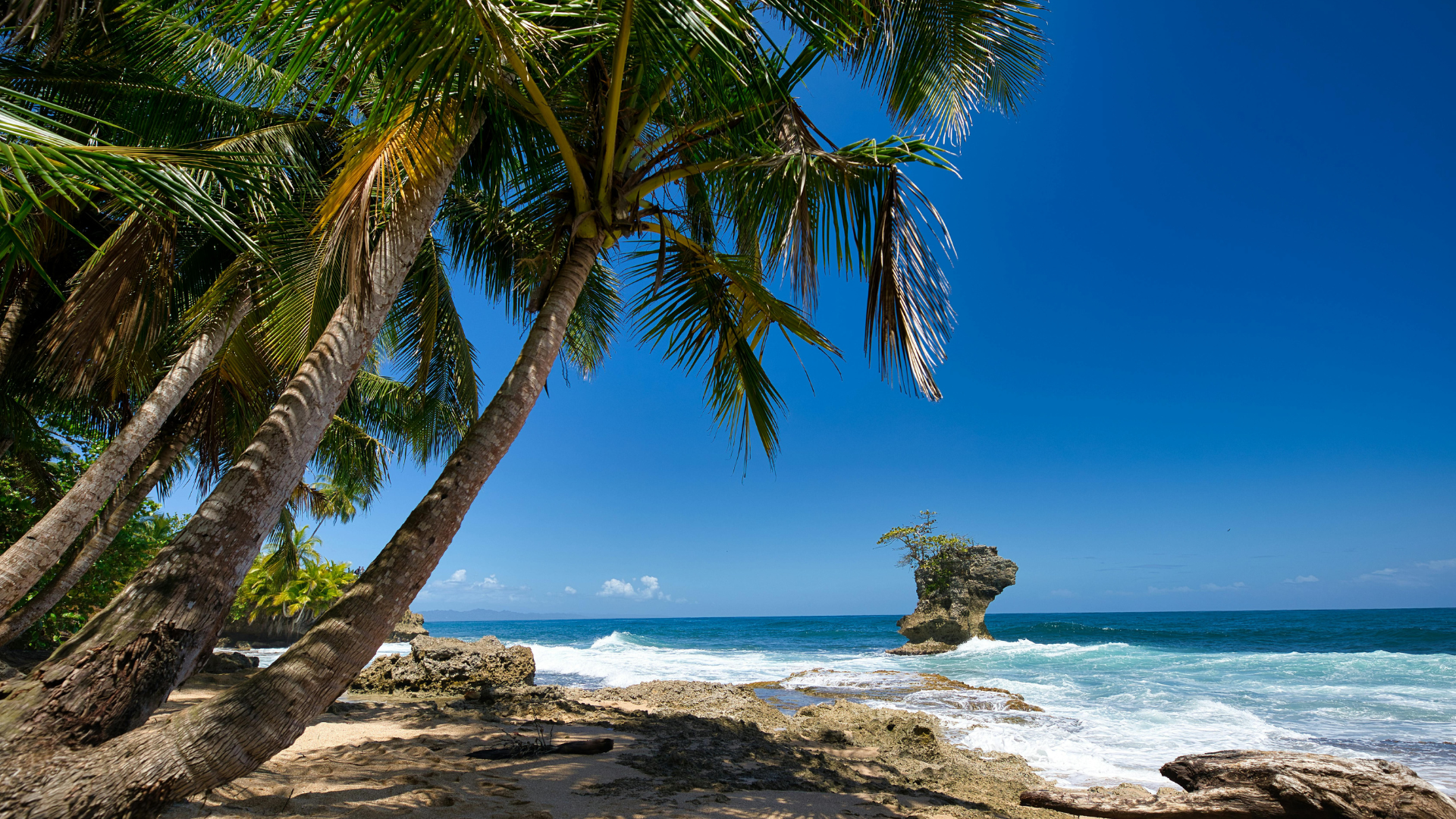
Costa Rica punches well above its weight for wildlife. A country roughly the size of West Virginia contains around 5 percent of the world's total biodiversity, packed into rainforests, cloud forests, mangroves, and coastlines that are accessible within short distances of each other. Jaguars, tapirs, sloths, four species of monkey, poison dart frogs, and over 900 bird species including the resplendent quetzal all live within the country's protected areas.

The combination of accessibility, well-developed eco-tourism infrastructure, and the sheer density of wildlife makes Costa Rica one of the most rewarding wildlife destinations for travelers who do not want to deal with the logistics of more remote regions.

Traveler Tip: Corcovado National Park on the Osa Peninsula is the most biologically intense wildlife destination in the country and one of the best in the Americas. It requires a guided entry and advance booking but delivers sightings that more accessible parks simply cannot match.

Must-Know: Costa Rica is a year-round destination but wildlife activity varies by season. Sea turtle nesting on the Caribbean coast peaks between July and October. Dry season (December to April) makes forest trails more accessible but reduces amphibian activity. Wet season brings lush vegetation and active wildlife but heavier rain in the afternoons.

4. Ecuador and the Galapagos Islands
© Shutterstock / Robert Harding Video

4. Ecuador and the Galapagos Islands

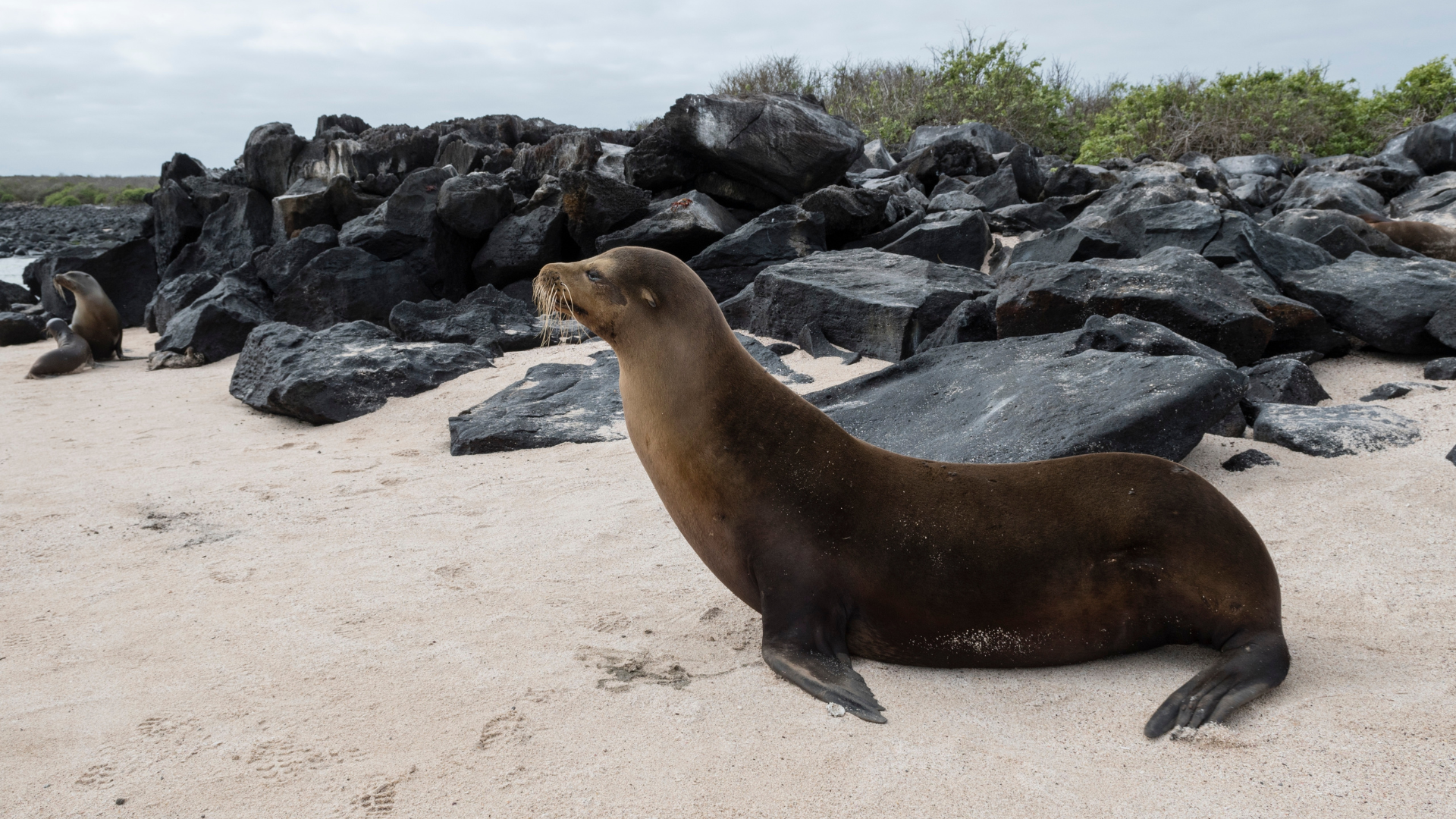
The Galapagos Islands sit 1,000 kilometres off the coast of Ecuador in the Pacific Ocean and contain wildlife that exists nowhere else on Earth. Giant tortoises, marine iguanas, blue-footed boobies, flightless cormorants, and Galapagos penguins — the only penguin species found north of the equator — all inhabit an archipelago where animals have evolved with so little exposure to predators that they show almost no fear of humans. Walking within metres of a nesting albatross or swimming alongside sea lions in the wild is a routine part of a Galapagos visit.

Ecuador's mainland adds cloud forest birding in Mindo and Amazon basin wildlife in the Yasuni National Park to create one of the most varied wildlife itineraries available in a single country.

Traveler Tip: Liveaboard cruises are the most efficient way to see the outer islands of the Galapagos where wildlife diversity is highest. Land-based stays in Puerto Ayora on Santa Cruz are more affordable and still provide excellent wildlife access but cover a smaller geographic range.

Must-Know: A Galapagos National Park entrance fee applies on arrival and visitor numbers are controlled. All visits to the islands must be accompanied by a certified naturalist guide, and independent exploration outside designated visitor sites is not permitted.

5. Botswana
© Unsplash / wynand_uys

5. Botswana

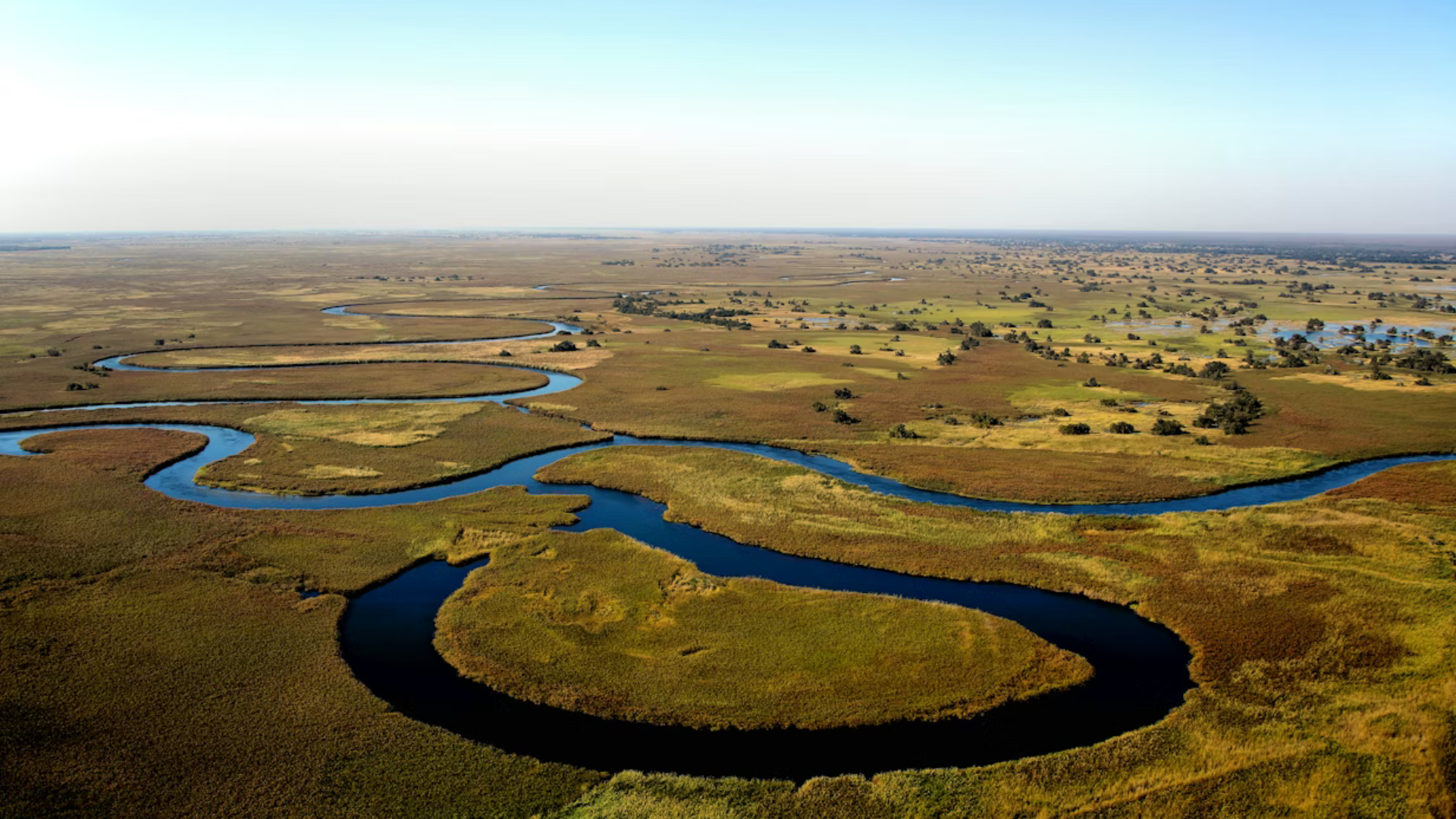
Botswana has made a deliberate choice to develop high-value, low-volume tourism, and the result is one of the most exclusive and genuinely wild safari experiences in Africa. The Okavango Delta — the world's largest inland delta and a UNESCO World Heritage Site — floods seasonally to create a water wilderness that attracts extraordinary concentrations of wildlife including elephant herds of several hundred animals, lion prides, wild dog packs, and hippo pods in numbers rarely seen elsewhere.

The Chobe National Park in the north has one of the largest elephant populations in Africa, with herds of several thousand animals gathering at the Chobe River during the dry season in a spectacle that few wildlife destinations on Earth can match.

Traveler Tip: The Okavango Delta is best experienced by mokoro — a traditional dugout canoe poled through the shallow channels by a local guide. This silent, ground-level mode of travel provides wildlife encounters that motor vehicles and powerboats cannot deliver.

Must-Know: Botswana's high-value tourism policy means accommodation costs are significantly higher than in neighboring countries. Budget planning for a Botswana safari should account for premium camp rates, but the quality and exclusivity of the experience generally reflects the cost.

6. Brazil
© Shutterstock / Arkadij Schell

6. Brazil

Brazil contains the Amazon rainforest — the largest tropical rainforest on Earth — along with the Pantanal, the world's largest tropical wetland and the single best place in the world to see wild jaguars. The combination of these two ecosystems alone makes Brazil one of the most compelling wildlife destinations on the planet.

The Amazon basin supports an estimated 10 percent of all species on Earth, including over 1,300 bird species, pink river dolphins, giant otters, anacondas, and more primate species than any other country. The Pantanal, while less famous than the Amazon, delivers more reliable and higher-quality wildlife sightings due to its open terrain and extraordinary animal density.

Traveler Tip: The Pantanal is the better starting point for first-time Brazil wildlife travelers. Jaguar sightings along the Cuiabá River are remarkably reliable by wild animal standards, and the open wetland landscape makes spotting and photographing wildlife considerably easier than in dense Amazon forest.

Must-Know: The Amazon is best experienced from a liveaboard river boat or a well-established jungle lodge rather than from a city base. Iquitos in Peru and Manaus in Brazil are the main gateways, each providing access to different sections of the river system with distinct wildlife profiles.

7. Rwanda
© Shutterstock / MagicBones

7. Rwanda

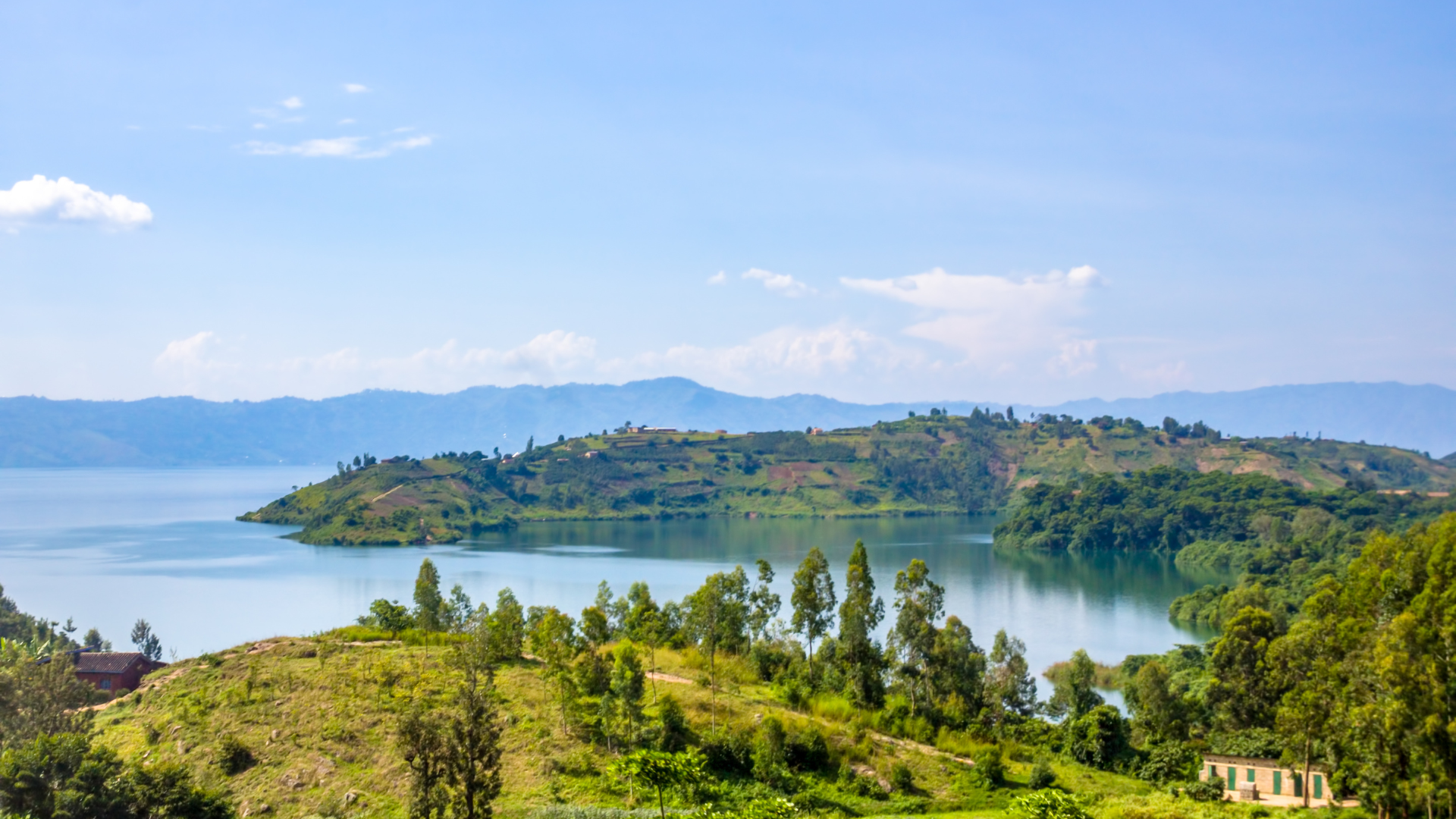
Rwanda is the best place in the world to trek to see mountain gorillas in their natural habitat — a wildlife experience that is genuinely unlike anything else available to travelers. Volcanoes National Park in the Virunga Mountains is home to several habituated gorilla families that can be visited on foot with a licensed guide, spending one hour in the presence of a wild gorilla family at close range.

The experience is physically demanding — treks can last several hours through steep, muddy forest — but it is consistently described by those who have done it as one of the most profound wildlife encounters available anywhere. Rwanda has also restored populations of golden monkeys, buffalo, and other savanna species to the national parks as part of a broader conservation program.

Traveler Tip: Gorilla trekking permits must be purchased well in advance — demand significantly exceeds supply for the most accessible families. The Rwanda Development Board's official website is the authoritative source for permit availability and pricing.

Must-Know: Gorilla trekking permits in Rwanda are priced at $1,500 per person per trek. While expensive, the cost directly funds conservation and community programs that have been central to Rwanda's gorilla population recovery, which has grown from under 300 individuals in the 1980s to over 1,000 today.

8. India
© Shutterstock / Dmitry Rukhlenko

8. India

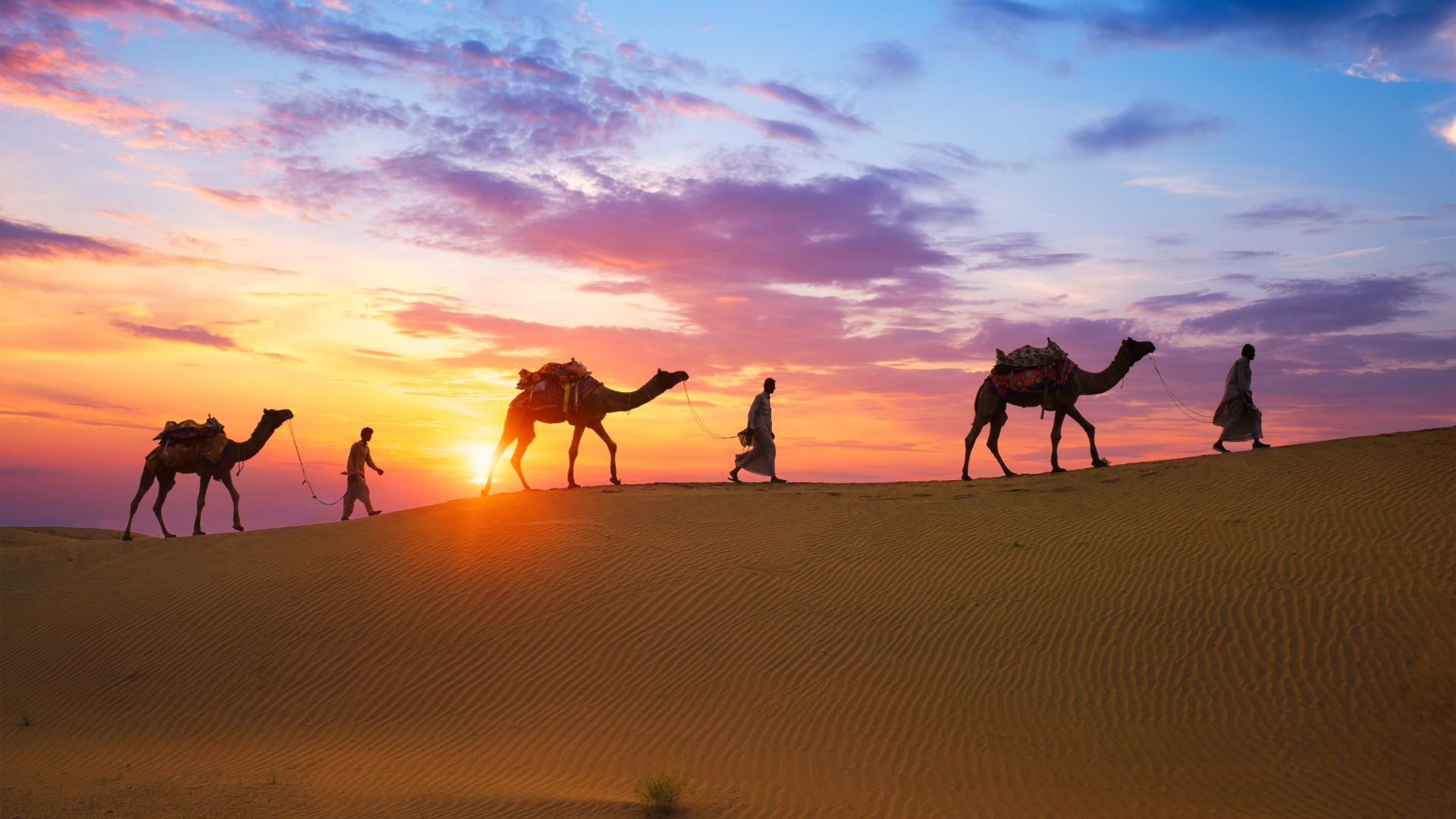
India offers a wildlife experience that is distinct from Africa and the Americas in ways that make it worth visiting for any serious wildlife traveler. The Bengal tiger is the headline species — and India has more wild tigers than any other country, with over 3,000 individuals across a network of tiger reserves. Ranthambore, Bandhavgarh, Kanha, and Kaziranga are the most productive reserves for tiger sightings, with Kaziranga in Assam also home to the world's largest population of one-horned rhinoceroses.

Beyond tigers and rhinos, India supports Asian elephants, leopards, sloth bears, snow leopards in the Himalayan regions, and one of the most varied bird populations of any country in the world with over 1,300 species recorded.

Traveler Tip: Morning game drives produce the most reliable tiger sightings across Indian reserves. Booking a full lodge stay of three or more nights in a single reserve rather than moving between multiple parks gives the best odds of multiple sightings and a deeper understanding of the ecosystem.

Must-Know: India's tiger reserves operate a zone-based permit system that limits daily visitor numbers in core areas. Permits for the most productive zones in popular reserves like Ranthambore and Bandhavgarh sell out months in advance during peak season from October through March.

9. Indonesia
© Shutterstock / Efired

9. Indonesia

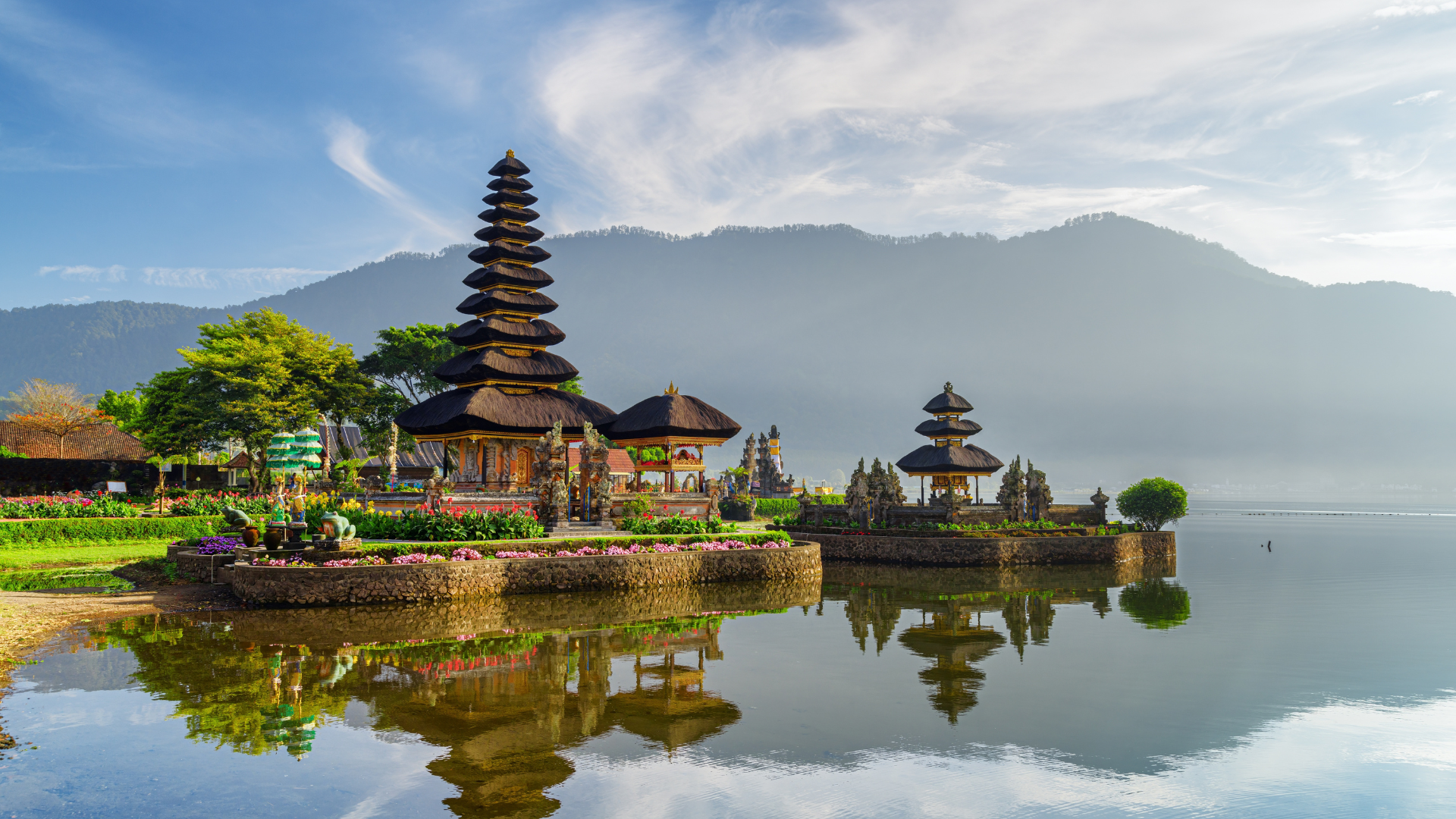
Indonesia's extraordinary biodiversity is spread across an archipelago of over 17,000 islands, each with its own distinct ecosystems and endemic species. Borneo — shared between Indonesia, Malaysia, and Brunei — is the primary wildlife destination, offering encounters with wild orangutans, proboscis monkeys, pygmy elephants, sun bears, and clouded leopards in lowland rainforest that is among the most biodiverse on Earth.

Komodo National Park on the islands of Komodo and Rinca is home to the Komodo dragon — the world's largest living lizard — in a landscape of volcanic hills and dry savanna that gives the experience a prehistoric quality unlike any other wildlife encounter. Raja Ampat in West Papua adds some of the richest marine biodiversity on Earth for underwater travelers.

Traveler Tip: Tanjung Puting National Park in Kalimantan (Indonesian Borneo) is the most accessible location for wild orangutan encounters, reached by traditional river boat up the Sekonyer River. Camp Leakey within the park has a research history stretching back over 50 years and offers the most substantive orangutan observation available in Indonesia.

Must-Know: Komodo National Park recently implemented a significant entry fee increase and a limit on visitor numbers to reduce impact on the dragon population and the fragile dry forest ecosystem. Booking through an authorised operator in advance is required for access to the most productive wildlife areas within the park.

10. Norway
© Shutterstock / dibrova

10. Norway

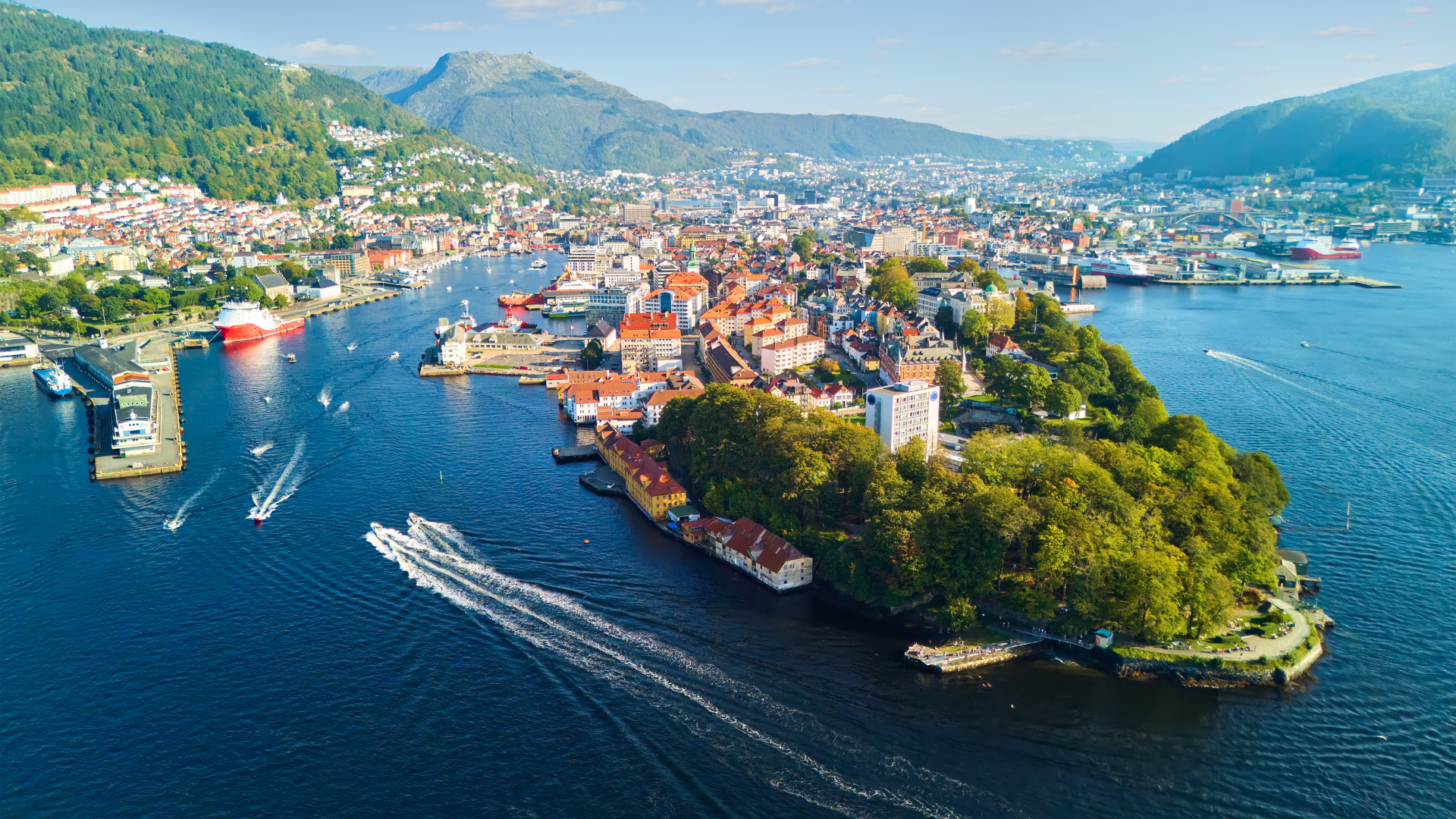
Norway is the best country in the world for seeing Arctic wildlife in a dramatic natural setting, and it draws a specific and devoted category of wildlife traveler for whom the polar environment is itself the draw. Svalbard, the Norwegian archipelago in the High Arctic, supports the highest density of polar bears of any land area accessible to visitors, alongside Arctic foxes, walrus colonies, reindeer, and millions of seabirds nesting on cliff faces during the summer season.

The Norwegian mainland adds humpback whale feeding aggregations in the Vesterålen and Tromsø fjords during winter — among the most accessible whale watching experiences in the world — and reindeer herds managed by Sami communities across the subarctic landscapes of Finnmark.

Traveler Tip: Svalbard wildlife expeditions are best undertaken between April and August when polar bears are active and accessible and the long Arctic days provide extended wildlife viewing windows. November through January in the Tromsø area combines Northern Lights viewing with humpback whale watching in the fjords.

Must-Know: Polar bear encounters in Svalbard are managed strictly for safety — guided expeditions with armed and experienced leaders are required outside of the main settlement of Longyearbyen. Independent wildlife exploration in the backcountry is not permitted without specific permits and safety equipment.

11. Australia
© Pexels / Eclipse Chasers

11. Australia

Australia is in a category of its own for wildlife — an island continent that evolved in isolation for millions of years, producing animals found nowhere else on Earth. Kangaroos, wallabies, koalas, wombats, platypuses, echidnas, quolls, and Tasmanian devils are all endemic to Australia, and the variety of ecosystems across the continent — from tropical rainforest to desert to temperate ocean — supports an equally varied range of marine and bird species.

The Great Barrier Reef off the Queensland coast is the world's largest coral reef system and one of the most productive marine wildlife environments accessible to snorkelers and divers without specialist equipment. Kakadu National Park in the Northern Territory delivers saltwater crocodiles, freshwater crocodiles, and extraordinary bird life in a wetland and escarpment landscape of significant Indigenous cultural importance.

Traveler Tip: Kangaroo Island off the South Australian coast is the most wildlife-dense accessible location in mainland Australia, with sea lions, Australian fur seals, little penguins, koalas, and kangaroos all visible within a manageable area. It is consistently cited by wildlife photographers as one of the most productive single locations in the country.

Must-Know: Australia's wildlife is spread across a continent roughly the size of the contiguous United States. Planning a focused itinerary around specific ecosystems and species — rather than attempting to cover the whole country, produces a more rewarding and manageable wildlife travel experience.

Comments (0)

Leave a Reply

No comments yet. Be the first to share your thoughts!