Travel Destination

10 US destinations that suit travelers looking to disconnect from screens

Julian Cross
4.2
April 28, 2026

There is a growing number of travelers who are not just looking for a change of scenery, they are looking for a change of pace. Somewhere without the pull of notifications, the pressure of connectivity, and the background noise of being constantly available. The good news is that the United States has no shortage of places that naturally encourage this kind of reset.

These are not remote survival experiences or digital detox retreats with strict rules. They are simply destinations where the environment, the pace, and the lack of reliable signal make it easy and often genuinely pleasurable to put the phone away and be present in a way that daily life rarely allows.

Here are 10 US destinations that naturally suit travelers who want to step back from screens for a few days.
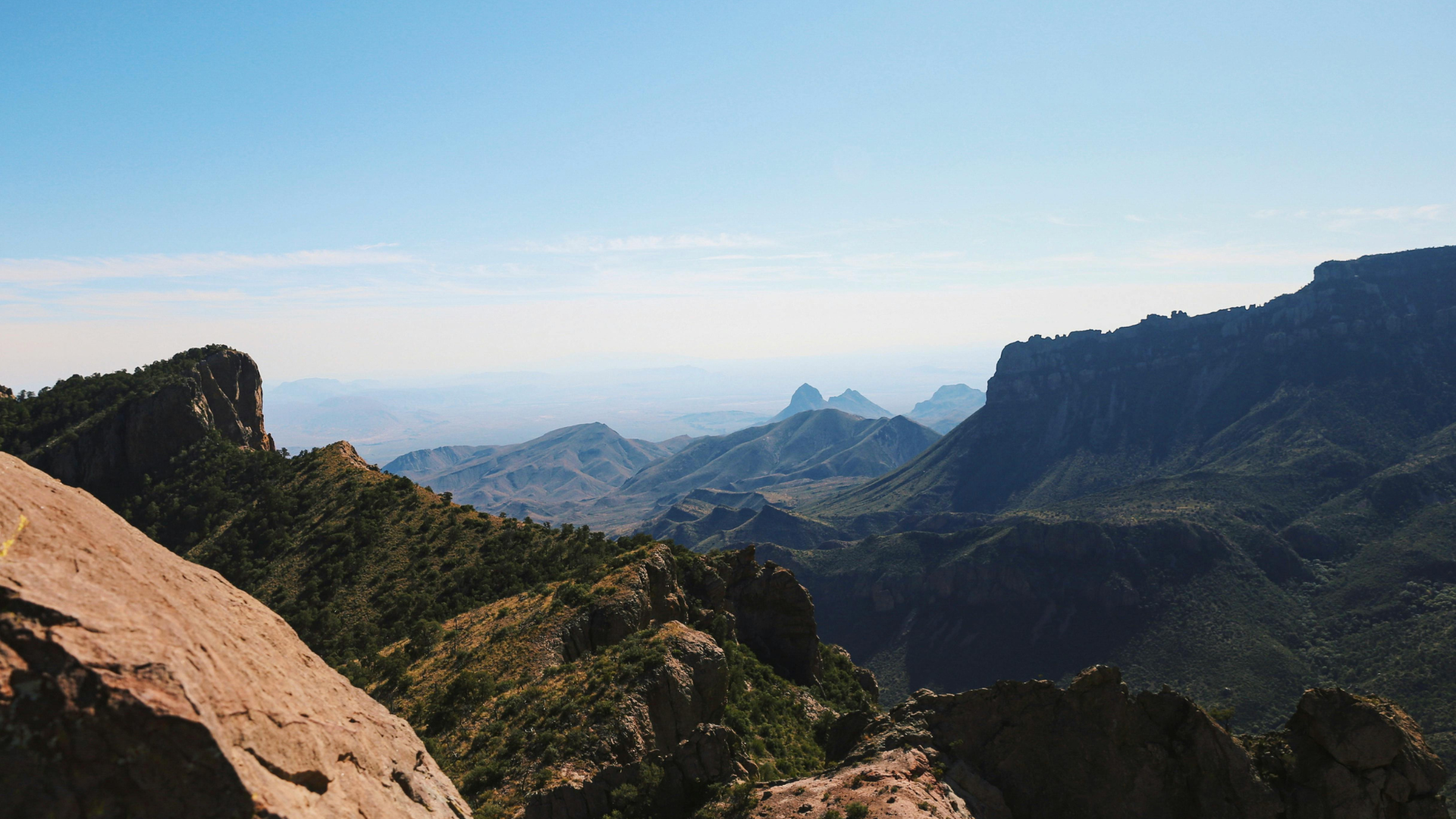
1. Big Bend National Park, Texas
© Pexels / Daniel Erlandson

1. Big Bend National Park, Texas

One of the most remote national parks in the country, Big Bend sits on the Rio Grande in far west Texas with virtually no cell service and the nearest town over 100 miles away. What fills the silence is extraordinary — desert canyons, the Chisos Mountains, and some of the darkest night skies in North America. The remoteness is the point.

Traveler Tip: Download offline maps and park information before you arrive. The Chisos Mountains Lodge is the only accommodation inside the park and books up months in advance.

Must-Know: Summer temperatures regularly exceed 100°F at lower elevations. Carry far more water than you think you need and plan hikes for early morning.

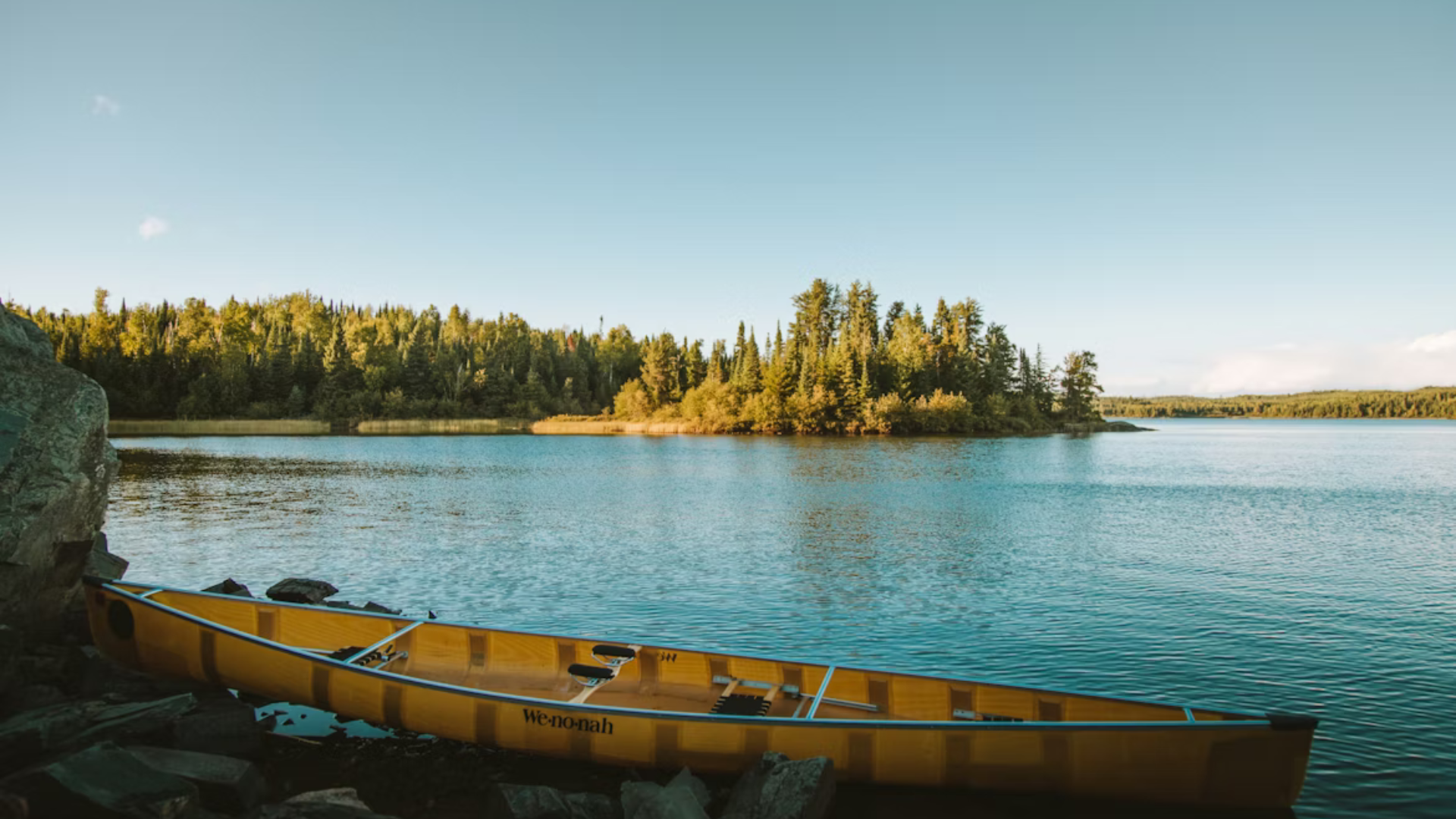
2. Boundary Waters Canoe Area Wilderness, Minnesota
© Unsplash / Josh Hild

2. Boundary Waters Canoe Area Wilderness, Minnesota

Over one million acres of boreal forest and more than 1,000 lakes in northeastern Minnesota, with no motorized vehicles permitted in most of the wilderness. Once you paddle away from the entry point the silence is immediate and complete. A Boundary Waters trip is one of the most effective screen disconnects in the country because there is genuinely no alternative, you are paddling, portaging, cooking over a fire, and watching the water. That is the entire agenda.

Traveler Tip: First-time visitors benefit significantly from outfitter support. Canoe outfitters in Ely provide equipment, route planning, food packs, and shuttle services that make the wilderness accessible without prior experience.

Must-Know: Entry requires a permit through Recreation.gov. Popular entry points during summer sell out quickly — plan well ahead.

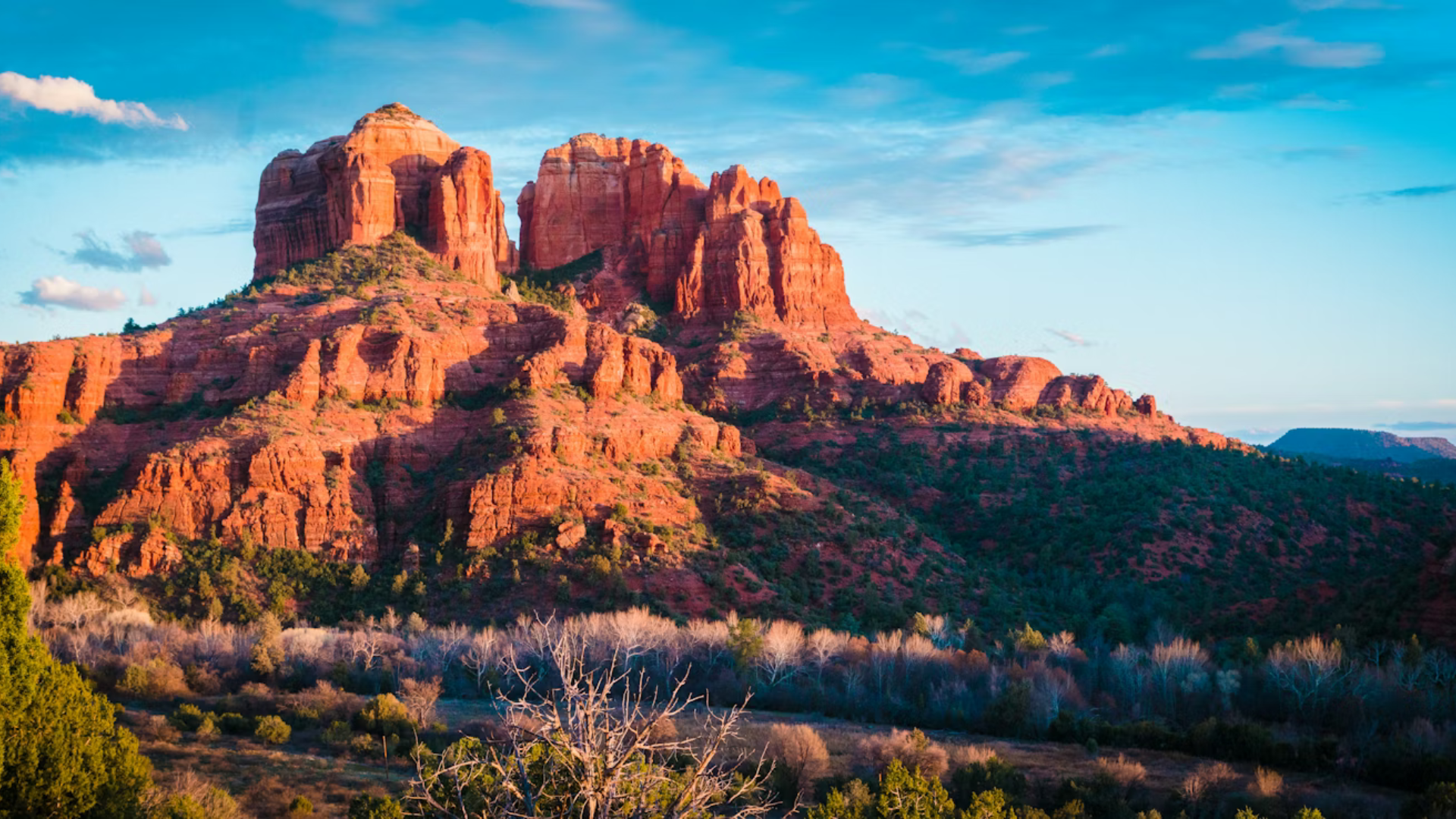
3. Sedona, Arizona
© Unsplash / ofthenobleorder

3. Sedona, Arizona

Red rock country at 4,500 feet in northern Arizona, surrounded by sandstone formations that glow orange and red in the morning and evening light. Sedona has a strong wellness tourism infrastructure, but the real draw is simpler, the landscape is visually absorbing in a way that makes staring at a screen feel actively counterproductive. The hiking trail network does the rest.

Traveler Tip: The most photographed trails — Cathedral Rock and Devil's Bridge — are crowded. Trails in the West Sedona and Dry Creek areas offer comparable scenery with far fewer people.

Must-Know: Most trailhead parking requires a Red Rock Pass. The America the Beautiful pass is not accepted here as the land is managed by Coconino National Forest.

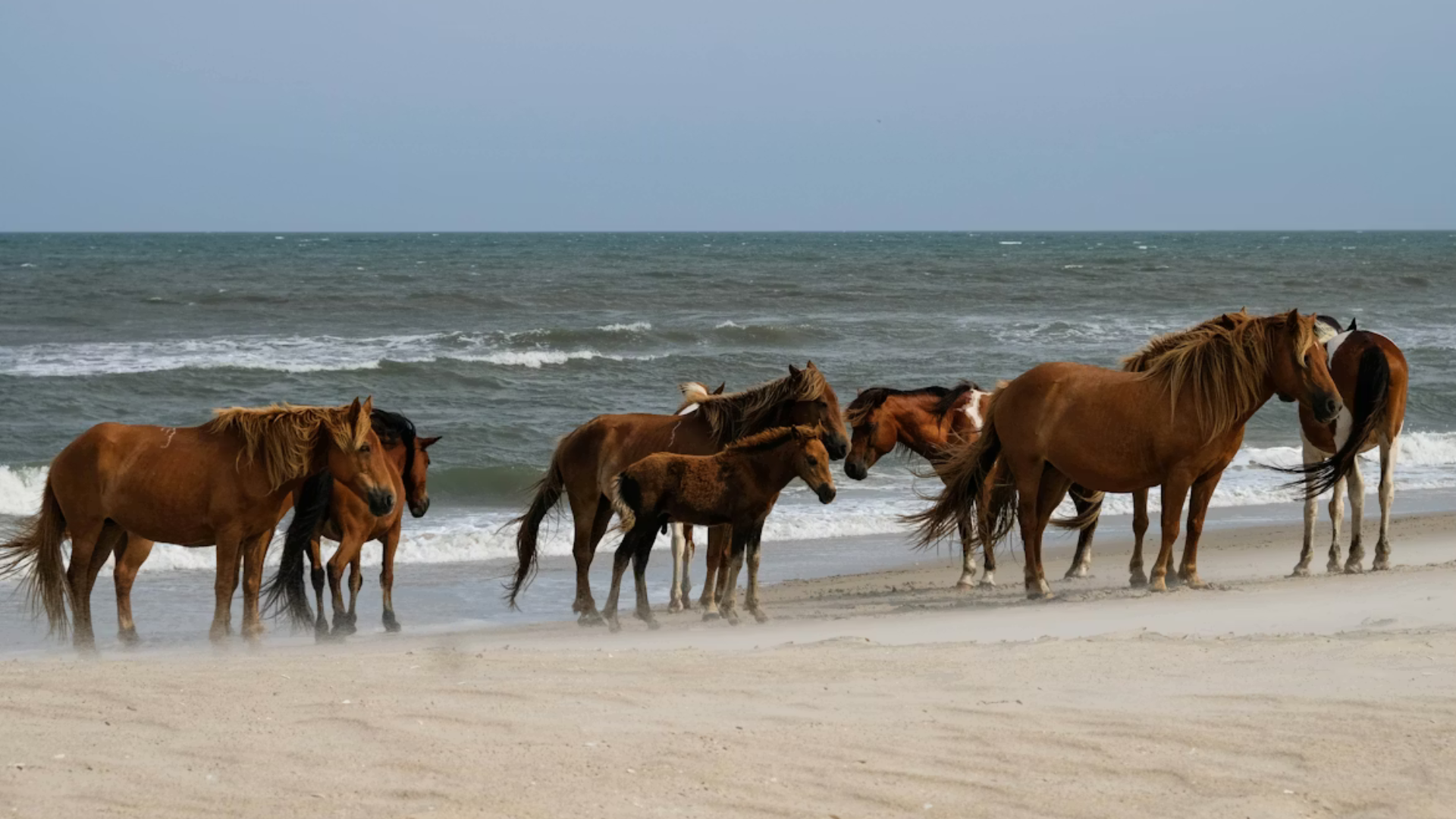
4. Assateague Island, Maryland and Virginia
© Unsplash / Sara Cottle

4. Assateague Island, Maryland and Virginia

A 37-mile barrier island off the Maryland and Virginia coast with no hotels, no restaurants, and no shops. Just the beach, marsh, wild ponies, and open sky. Camping is the primary way to experience Assateague and the combination of falling asleep to the Atlantic, waking to ponies grazing near the tent, and spending days between swimming and walking an undeveloped shoreline delivers a reset that more developed beach destinations cannot match.

Traveler Tip: The bayside campgrounds offer calmer water for kayaking and tend to have fewer insects than the oceanside sites. Bring insect repellent regardless — the mosquitoes and biting flies are serious in summer.

Must-Know: Do not feed or approach the wild ponies. They are genuinely wild, they kick and bite, and the National Park Service enforces a 10-foot distance rule with fines for violations.

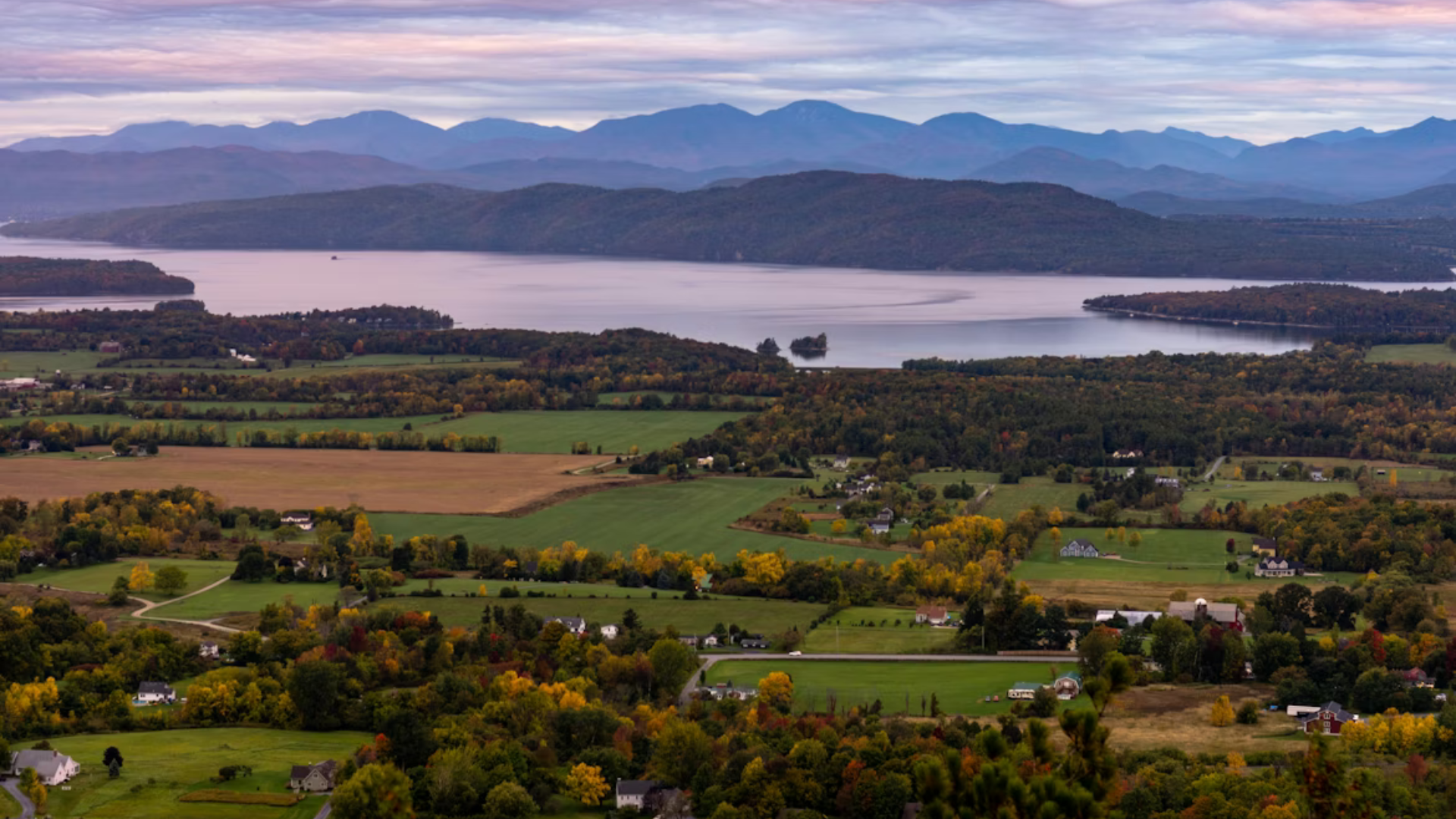
5. Vermont's Northeast Kingdom
© Unsplash / KADM Creations

5. Vermont's Northeast Kingdom

The three counties of the far northeastern corner of Vermont make up one of the least developed and most genuinely rural regions in the northeastern United States. Small farms, covered bridges, maple sugar operations, and minimal cell coverage combine with a pace of life that has changed little in decades to create one of the most natural screen-free environments on the East Coast. No forced detox required — the place simply operates at a different frequency.

Traveler Tip: The Kingdom Trails network near East Burke is one of the best mountain biking systems in the country and provides a structured outdoor activity that fills days without any need for screens.

Must-Know: Services are limited and spread out. Plan meals and accommodation in advance rather than assuming you will find options on arrival.

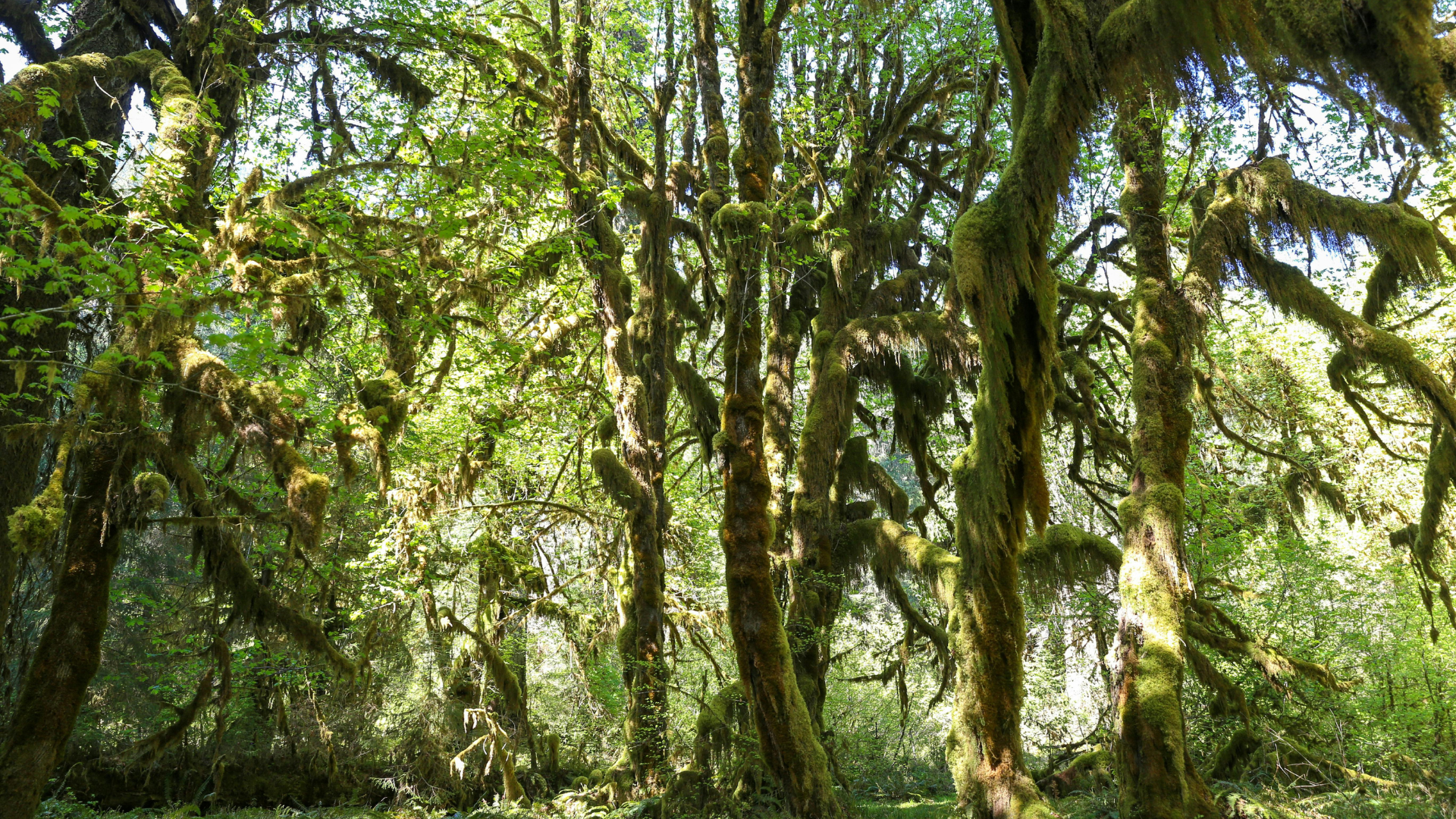
6. Olympic Peninsula, Washington
© Pexels / Daniel Erlandson

6. Olympic Peninsula, Washington

Three distinct ecosystems within Olympic National Park — temperate rainforest, alpine terrain, and wild Pacific coastline — on a peninsula isolated enough to feel genuinely removed from connected life. The Hoh Rain Forest, receiving up to 14 feet of rainfall per year, is among the most visually otherworldly environments in the continental United States. The park's coastal strip — the longest undeveloped coastline in the lower 48 — has no cell coverage and operates on tidal schedules rather than digital ones.

Traveler Tip: The Hall of Mosses trail at the Hoh Rain Forest Visitor Center is just over a mile and fully captures the character of the ecosystem. It is the most rewarding short walk in the park.

Must-Know: Coastal wilderness permits for overnight trips require tide tables as essential reading — some sections are completely impassable at high tide.

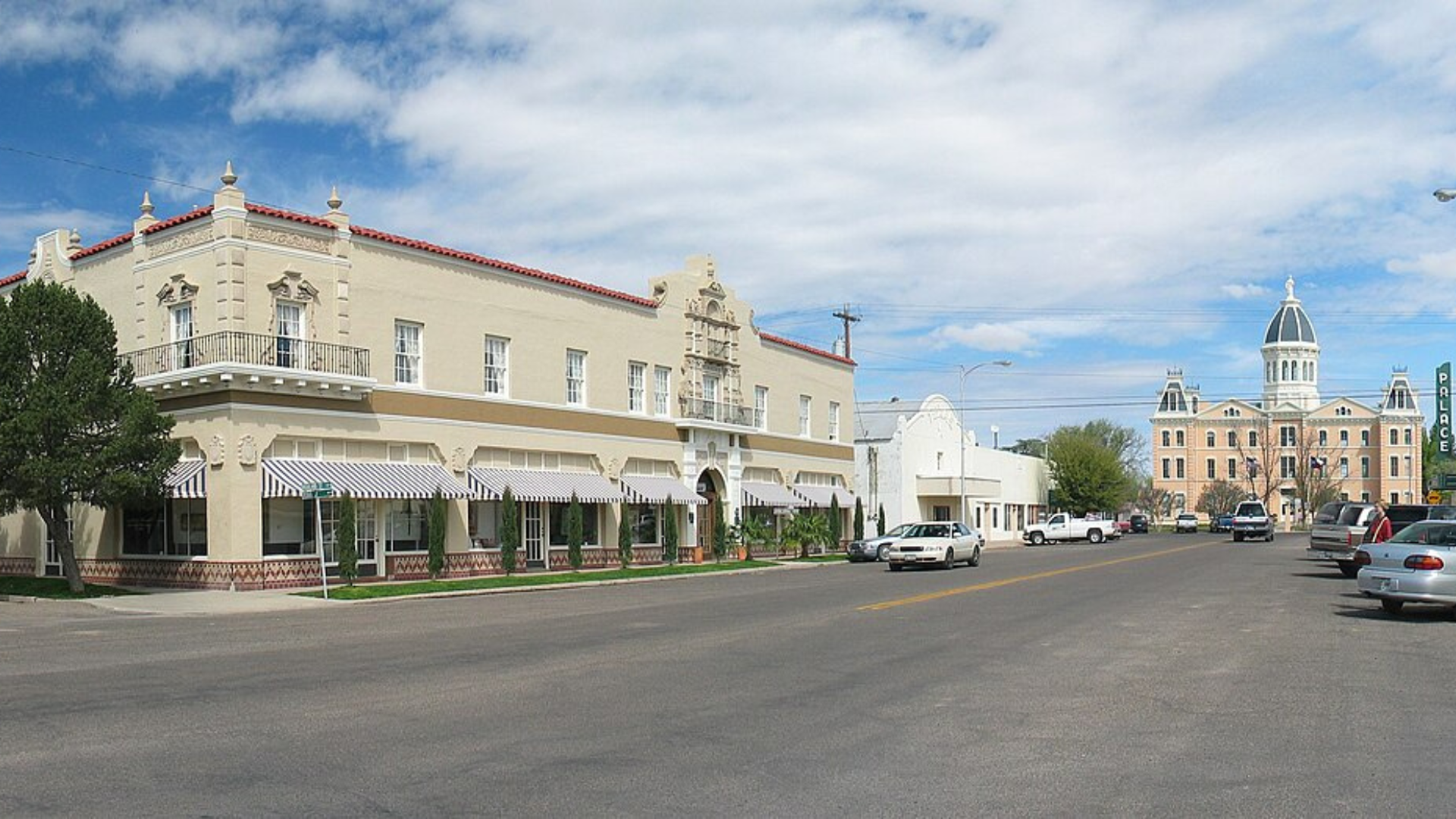
7. Marfa, Texas
© Jack and Sophia Torr

7. Marfa, Texas

A high-desert art town of 1,700 people in far west Texas with wide open landscape, extraordinary night skies, and a pace of life that moves entirely on its own terms. The Chinati Foundation — a world-class contemporary art museum in a converted military fort — requires a form of slow, undistracted attention that is fundamentally incompatible with phone habits. Spending a day with Donald Judd's large-scale installations in the changing desert light is one of the quieter and more absorbing experiences available anywhere in the United States.

Traveler Tip: Chinati Foundation tours must be booked in advance through their website. Walk-in access to the full collection is not available.

Must-Know: Accommodation fills up quickly on weekends. Book well ahead, particularly between September and November when the weather is most favorable.

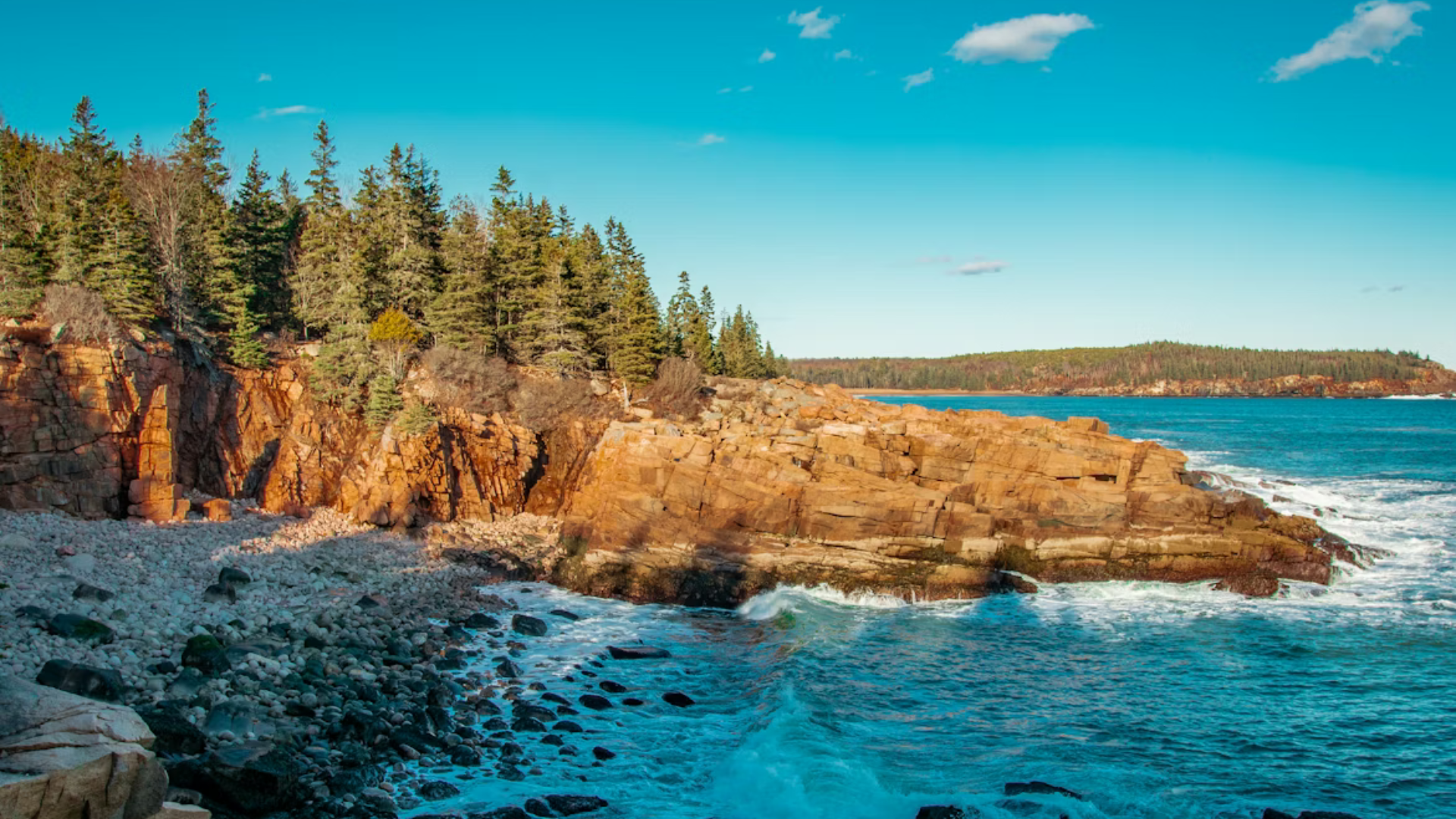
8. Acadia National Park, Maine
© Unsplash / Trevor Hayes

8. Acadia National Park, Maine

Dramatic Atlantic coastline, forested interior, and 45 miles of motor-free carriage roads built by John D. Rockefeller Jr. that provide a ready-made framework for days of cycling and walking entirely removed from traffic and screens. The rocky coastal landscape rewards sustained attention rather than quick glances, and Bar Harbor's independent restaurants and bookshops fill evenings without any need for a device.

Traveler Tip: Rent a bicycle in Bar Harbor and use the carriage road network as your primary way of exploring the park. It is a more rewarding experience than driving and covers terrain the roads do not reach.

Must-Know: Vehicle reservations are required for the Cadillac Summit Road during peak season through Recreation.gov. The park charges an entrance fee covering all access points on Mount Desert Island.

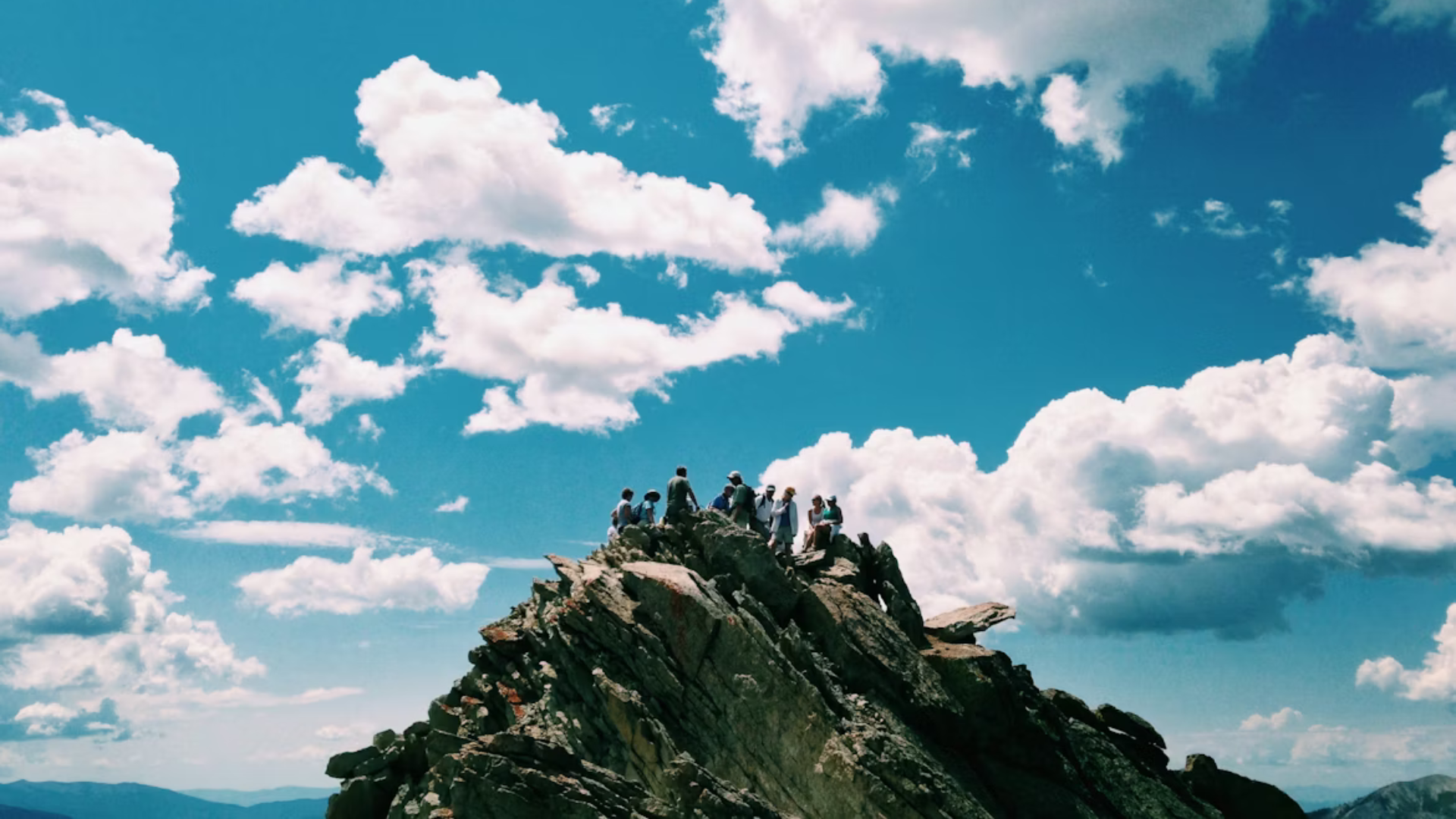
9. Crested Butte, Colorado
© Unsplash / Nicholas Swanson nicholasswanson

9. Crested Butte, Colorado

A former coal mining town at 8,885 feet in the Elk Mountains of western Colorado, authentic enough to have escaped the over-development that affects many comparable mountain towns. The summer wildflower season between late June and early August is among the most vivid in any mountain community in the country — meadows of columbine, Indian paintbrush, and sunflowers covering the hillsides in a density that makes the place feel quietly extraordinary. The town's small size and walkable layout naturally reduce screen dependency.

Traveler Tip: July is the peak wildflower month. The Judd Falls and Rustler Gulch trails are the most rewarding wildflower hikes accessible without a high-clearance vehicle.

Must-Know: Cell coverage in the surrounding backcountry is limited. Most of what you need in Crested Butte is within a short walk — the town's layout does the disconnection work for you.

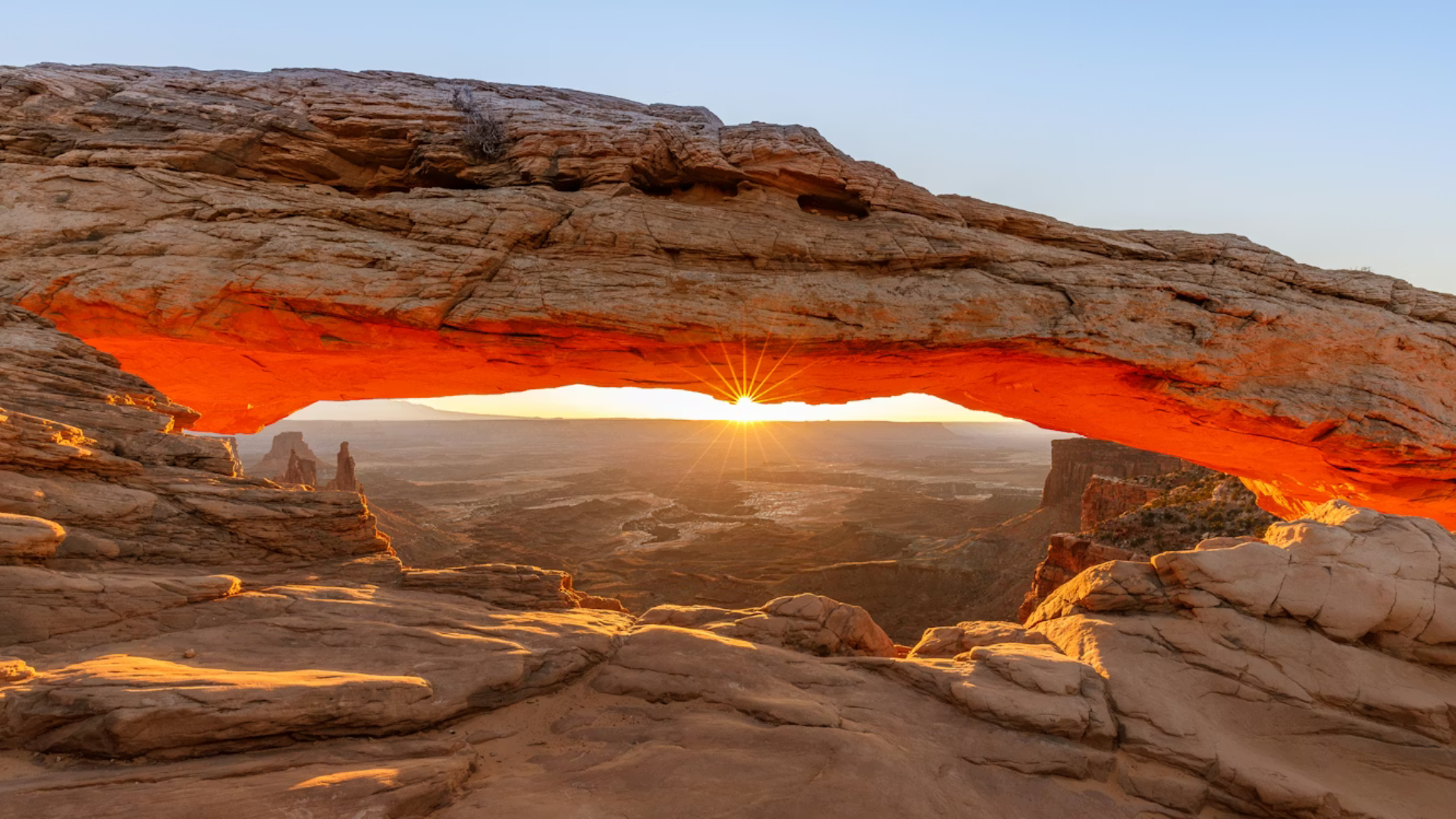
10. Moab, Utah
© Unsplash / Andrey Grinkevich

10. Moab, Utah

Gateway to both Arches and Canyonlands national parks in the red rock desert of southeastern Utah. The scale of the canyon country — sheer rock walls, open desert sky, silence broken only by wind — has a way of making the contents of a phone feel genuinely trivial by comparison. Hiking, mountain biking, river rafting on the Colorado, and some of the clearest night skies in the lower 48 keep days full in a way that requires no screen to organize or sustain.

Traveler Tip: Dead Horse Point State Park overlook at sunset is one of the most striking landscape experiences in the American Southwest and costs nothing beyond the state park entry fee.

Must-Know: Arches National Park requires a timed entry reservation during peak season through Recreation.gov. Summer temperatures regularly exceed 100°F — hike early and carry significantly more water than you think you need.


Comments (0)

Leave a Reply

No comments yet. Be the first to share your thoughts!