Travel Destination

10 small Icelandic towns and villages worth exploring beyond Reykjavik

Julian Cross
4.1
May 14, 2026

Iceland is a land of dramatic contrasts, where glaciers, volcanoes, fjords, and black sand beaches create landscapes unlike anywhere else on Earth. While Reykjavík often takes center stage, the true magic of Iceland lies in its smaller towns scattered across the country. These destinations offer a deeper look into Icelandic culture, untouched nature, and unique local experiences. From colorful fishing villages to remote fjord communities, each town has its own story to tell. If you’re planning a trip, venturing beyond the capital will reward you with unforgettable sights and authentic charm.

1. Siglufjörður
© Shutterstock / Wlad74

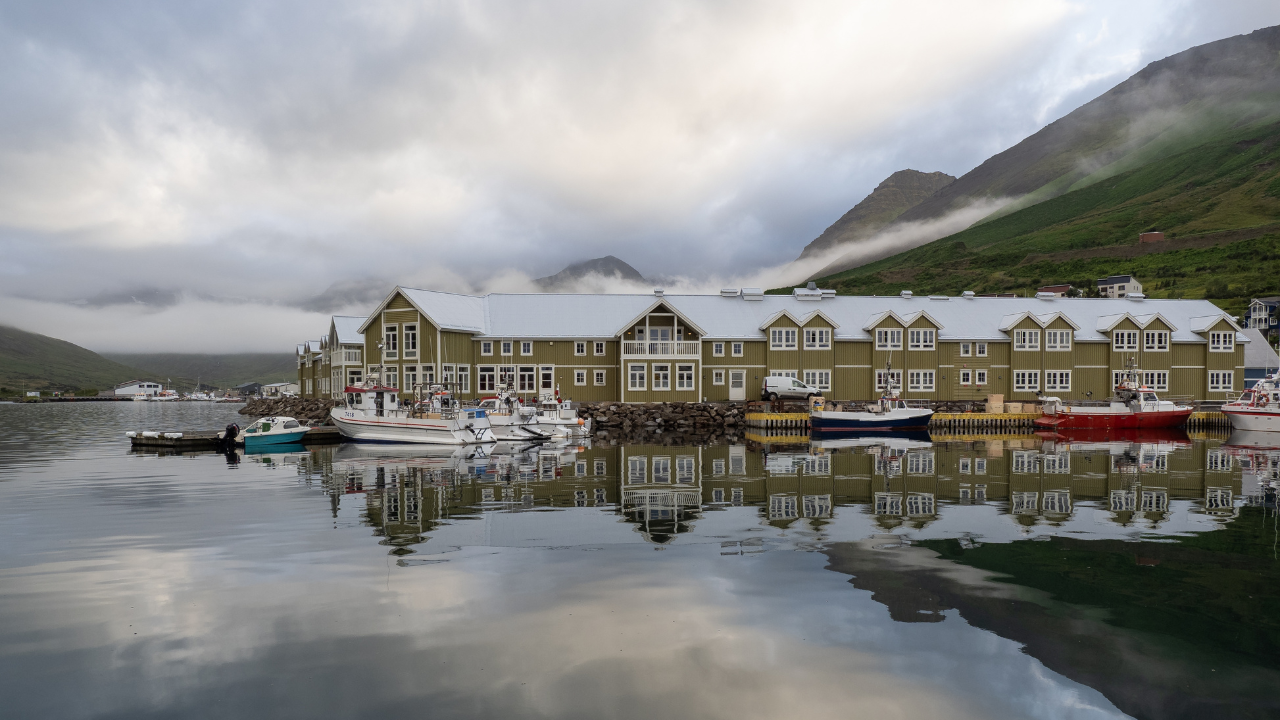
1. Siglufjörður

Siglufjörður is a picturesque town tucked deep within a narrow fjord, surrounded by towering mountains that create a truly dramatic setting. Once the herring capital of Iceland, it now preserves its rich fishing heritage through beautifully restored museums and waterfront buildings. The peaceful atmosphere and scenic beauty make it a perfect escape from busier tourist areas. Visitors can enjoy skiing in winter or experience the magical midnight sun in summer. It’s a destination that blends history, nature, and tranquility.

Best Season to Visit: June to August for midnight sun, December to February for Northern Lights

Ideal Visiting Hours: Daytime for exploration, late night for Northern Lights

Traveler Tip: Visit the Herring Era Museum for local history.

Must-Know: Weather can change quickly due to mountain surroundings.

2. Heimaey
© Shutterstock / guentermanaus

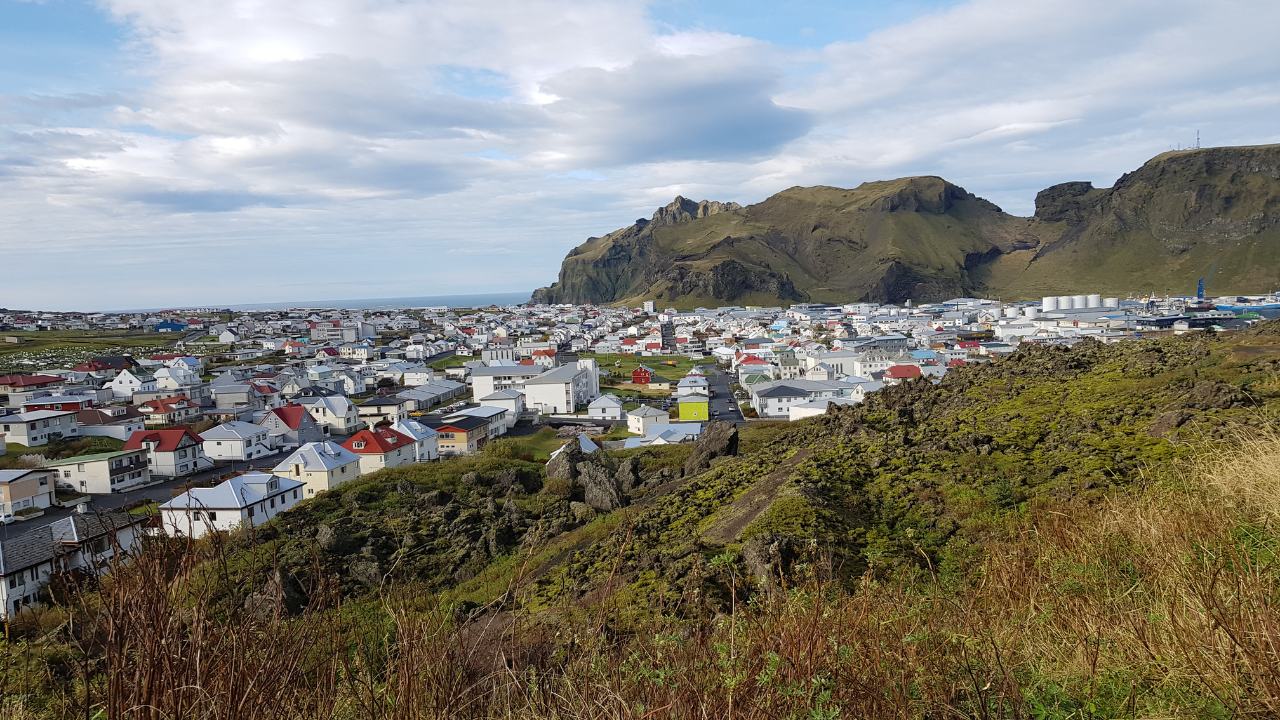
2. Heimaey

Heimaey, part of the Vestmannaeyjar archipelago, is known for its remarkable resilience after a volcanic eruption reshaped the island. Today, it’s a vibrant destination with museums that tell its powerful story of survival. The island is also famous for its puffin colonies, especially during the nesting season. Boat tours around the cliffs offer breathtaking coastal views and wildlife sightings. Heimaey combines dramatic history with stunning natural beauty.

Best Season to Visit: May to August for puffins

Ideal Visiting Hours: Morning to afternoon

Traveler Tip: Take a boat tour to explore sea caves and cliffs.

Must-Know: Ferry access depends on weather conditions.

3. Borgarnes
© Shutterstock / Creative Travel Projects

3. Borgarnes

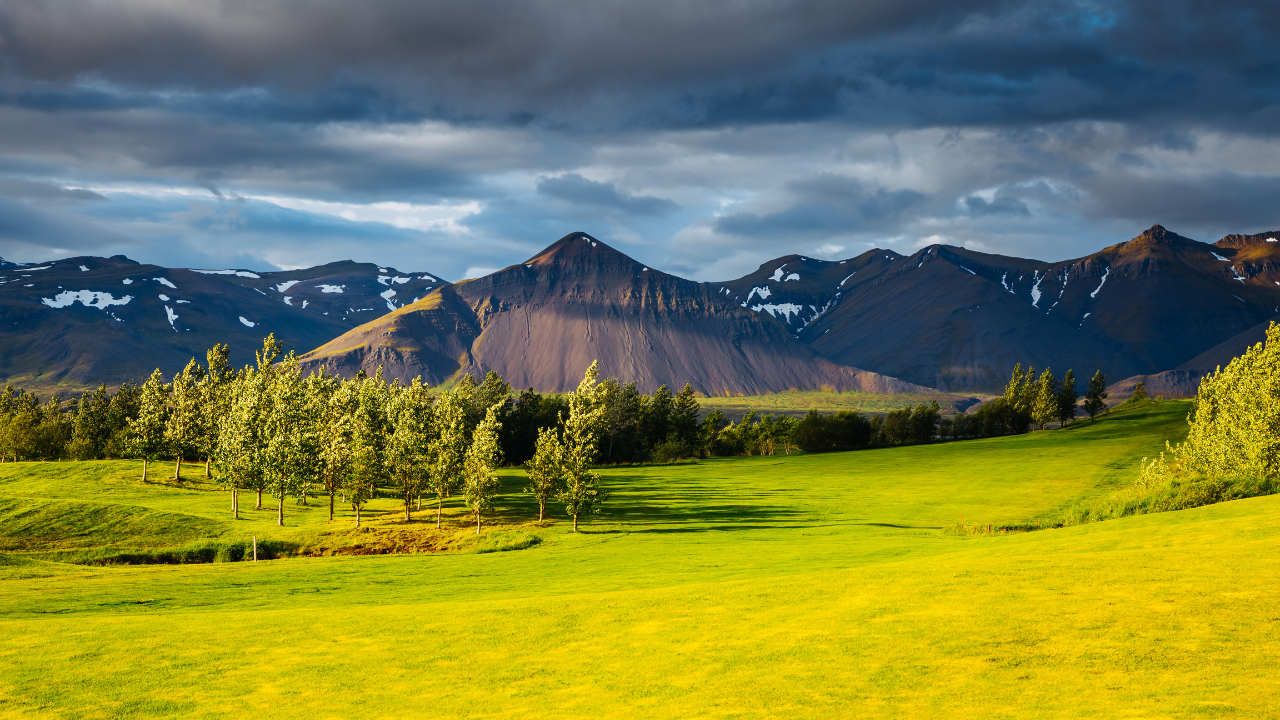
Borgarnes is a charming town located along Iceland’s famous Ring Road, making it a convenient and scenic stop for travelers. Surrounded by mountains and coastal views, it offers a peaceful introduction to Icelandic landscapes. The Settlement Center museum provides fascinating insights into the country’s early history and Viking roots. The town is also known for its traditional bakeries and local cuisine. Borgarnes blends culture, history, and scenic beauty effortlessly.

Best Season to Visit: May to September

Ideal Visiting Hours: Late morning to afternoon

Traveler Tip: Stop for fresh pastries at local bakeries.

Must-Know: Ideal base for exploring western Iceland.

4. Patreksfjörður
© Jack and Sophia Torr

4. Patreksfjörður

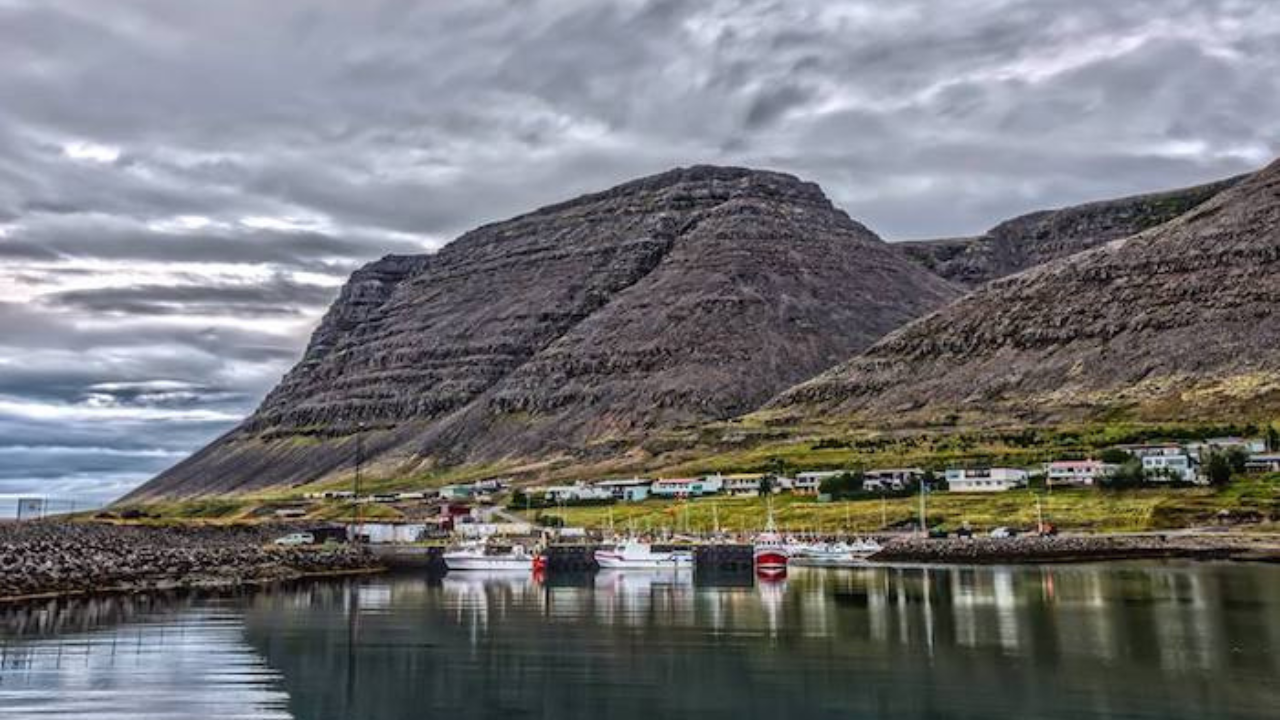
Patreksfjörður is a classic Icelandic fishing village set against a backdrop of rugged mountains and dramatic fjords. It perfectly captures the quiet, untouched beauty many travelers seek in Iceland. The village offers a peaceful atmosphere and easy access to nearby natural wonders. It’s an ideal spot for those wanting to experience authentic Icelandic life. The scenery here feels raw, remote, and incredibly photogenic.

Best Season to Visit: June to August

Ideal Visiting Hours: Daytime

Traveler Tip: Combine with a visit to the Westfjords region.

Must-Know: Limited services due to its remote location.

5. Vík
© Jack and Sophia Torr

5. Vík

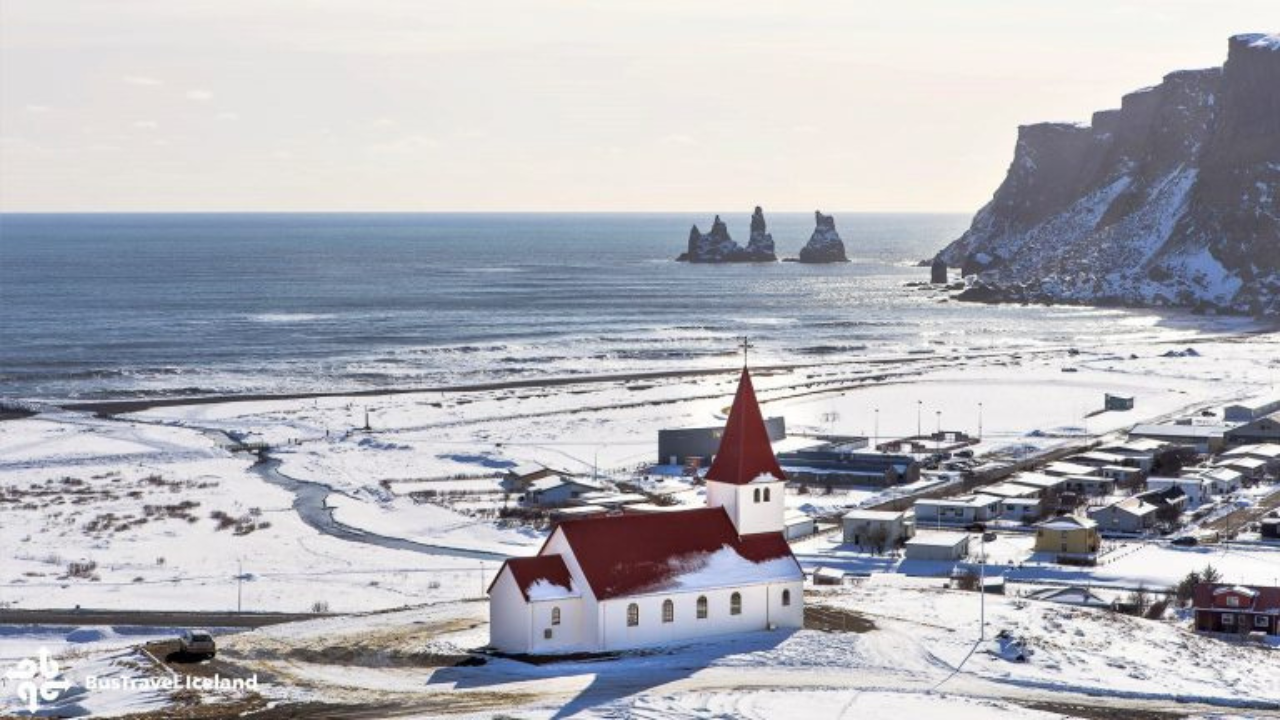
Vík may be small, but it’s one of Iceland’s most iconic coastal towns, known for its dramatic black sand beaches and powerful Atlantic waves. The contrast between the dark shoreline and the white church perched above the village creates a striking visual scene. Formed by volcanic activity and glacial floods, the landscape feels wild and untamed. Visitors can explore nearby rock formations and coastal cliffs. Vík is a must-visit for photography and nature lovers.

Best Season to Visit: Year-round

Ideal Visiting Hours: Early morning or sunset

Traveler Tip: Visit Reynisfjara Beach for stunning views.

Must-Know: Strong waves can be dangerous—keep a safe distance.

6. Egilsstaðir
© Jack and Sophia Torr

6. Egilsstaðir

Egilsstaðir is the main hub of eastern Iceland and stands out for its greener, forested surroundings. Unlike much of Iceland’s barren terrain, this region offers lush landscapes and outdoor activities. The town serves as a gateway to nearby wilderness areas, perfect for hiking and exploration. Visitors can also enjoy unique local cuisine and cultural experiences. Egilsstaðir provides a different, more tranquil side of Iceland.

Best Season to Visit: June to September

Ideal Visiting Hours: Daytime

Traveler Tip: Explore nearby hiking trails and nature reserves.

Must-Know: It’s one of the few forested areas in Iceland.

7. Akureyri
© Jack and Sophia Torr

7. Akureyri

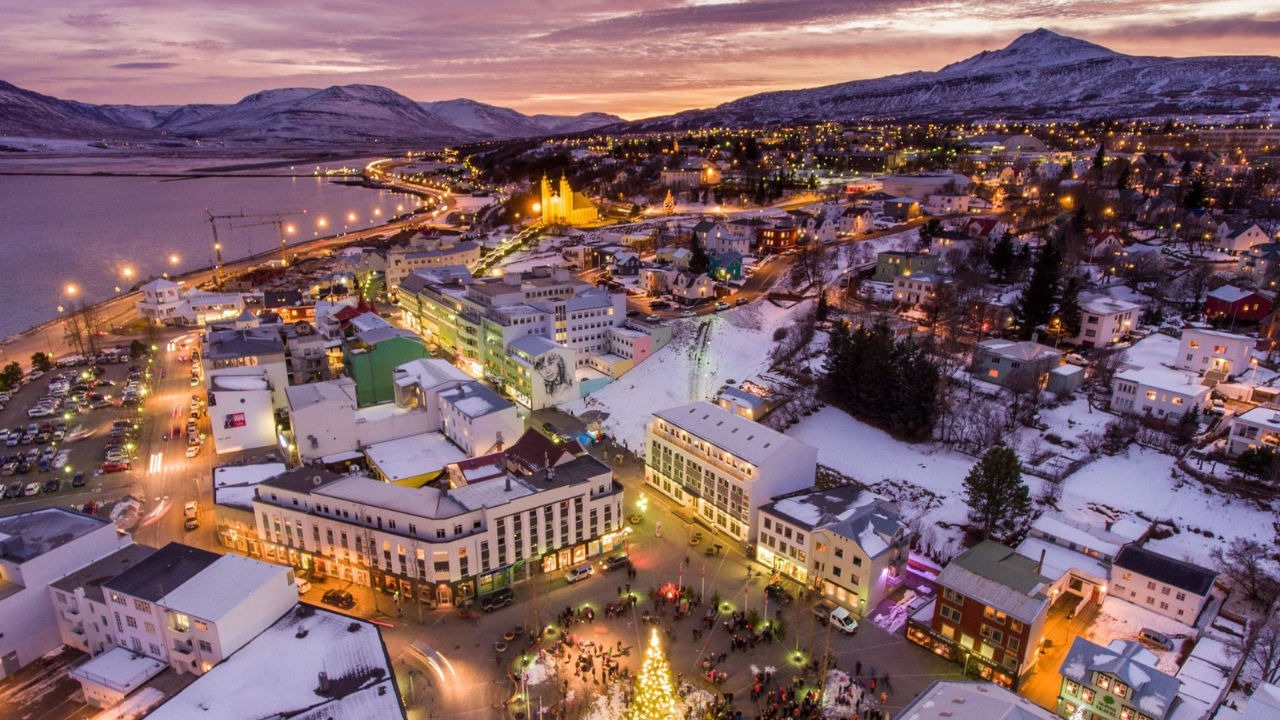
Akureyri is often called the “Capital of the North” and offers a blend of small-town charm and urban sophistication. Located at the end of a long fjord, it boasts stunning mountain views and a lively cultural scene. Visitors can explore botanical gardens, museums, and cozy cafés. Despite its size, it feels relaxed and welcoming. Akureyri is a perfect base for exploring northern Iceland.

Best Season to Visit: June to August

Ideal Visiting Hours: Morning to evening

Traveler Tip: Visit the botanical gardens for a relaxing walk.

Must-Know: Second-largest urban area in Iceland.

8. Seyðisfjörður
© Jack and Sophia Torr

8. Seyðisfjörður

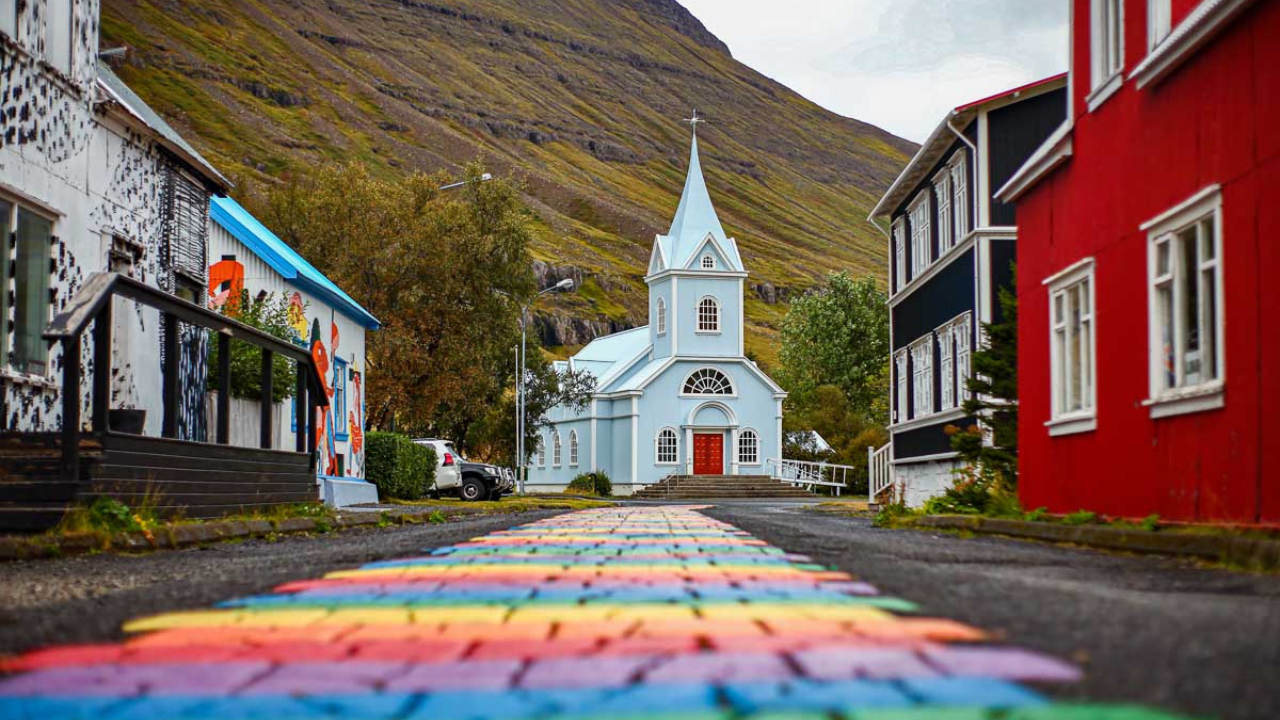
Seyðisfjörður is one of Iceland’s most artistic and colorful towns, known for its vibrant buildings and creative community. Surrounded by waterfalls and mountains, it offers a magical and scenic setting. The town has a strong arts scene, with galleries, workshops, and cultural events. Its Norwegian-style architecture adds a unique European feel. Seyðisfjörður is a haven for artists and photographers.

Best Season to Visit: May to September

Ideal Visiting Hours: Daytime

Traveler Tip: Walk through the rainbow street for photos.

Must-Know: Popular stop for ferry arrivals from Europe.

9. Ísafjörður
© Jack and Sophia Torr

9. Ísafjörður

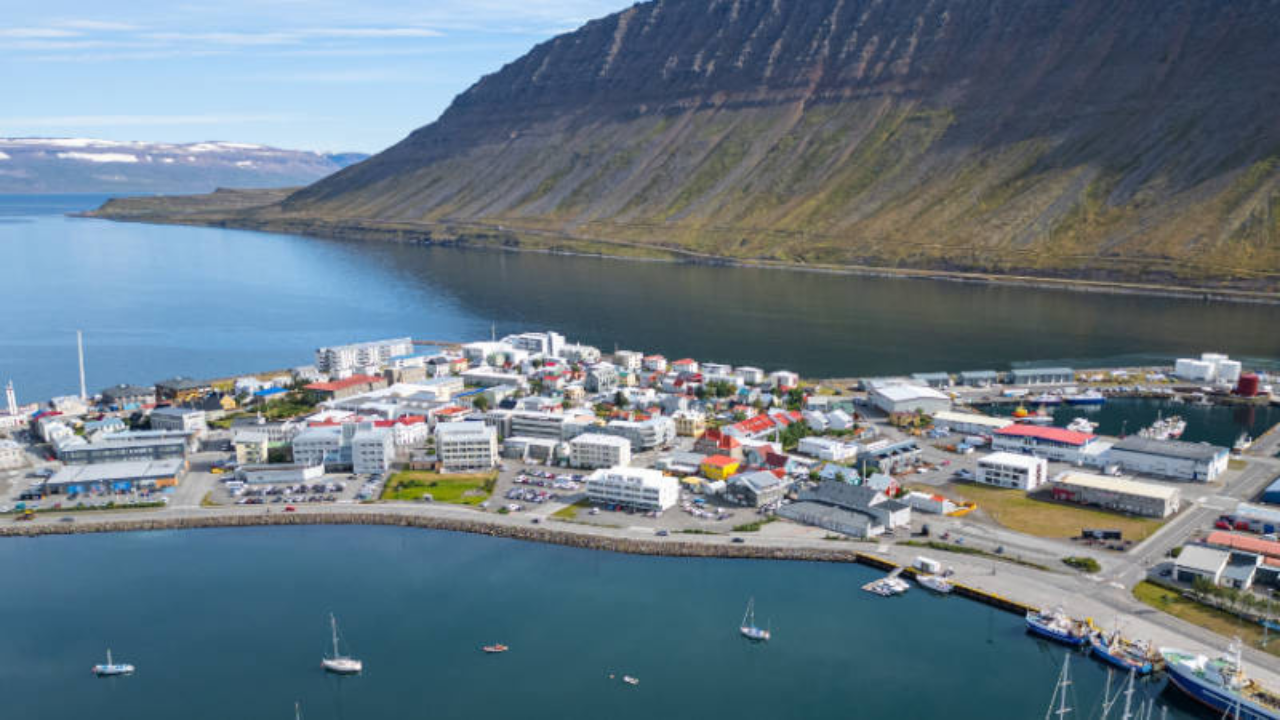
Ísafjörður is the largest town in the remote Westfjords region, known for its isolation and rugged beauty. Surrounded by steep mountains and deep fjords, it feels like a hidden world. Despite its remote location, the town has a vibrant cultural and culinary scene. Visitors can enjoy hiking, kayaking, and exploring untouched nature. Ísafjörður offers one of the most authentic Icelandic experiences.

Best Season to Visit: June to August

Ideal Visiting Hours: Daytime

Traveler Tip: Check road conditions before traveling.

Must-Know: Weather can disrupt access to the region.

10. Höfn
© Jack and Sophia Torr

10. Höfn

Höfn is a coastal town best known as the gateway to Europe’s largest glacier, Vatnajökull. It offers stunning views of glaciers, lagoons, and dramatic landscapes. The town is also famous for its fresh seafood, especially lobster dishes served locally. Visitors come here for both culinary experiences and natural wonders. Höfn perfectly combines scenic beauty with unique local flavors.

Best Season to Visit: May to September

Ideal Visiting Hours: Afternoon to evening

Traveler Tip: Try local seafood restaurants for fresh dishes.

Must-Know: Close to famous glacier lagoons like Jökulsárlón.


Comments (0)

Leave a Reply

No comments yet. Be the first to share your thoughts!