Travel Destination

10 Challenging US Hiking Trails for Experienced Trekkers

Stacy Mercer
4.2
April 21, 2026

The United States offers some of the most grueling terrain in the world, ranging from razor-thin granite ridges to high-altitude deserts. For the experienced hiker, these trails represent the "triple threat" of trekking: extreme physical demand, technical navigation, and high-stakes environmental exposure.

The following routes are not traditional walks in the park; they require meticulous planning, specialized gear, and a deep respect for the volatility of nature. Here are 10 of the most challenging trails in the US suited to those with the skills to handle them.
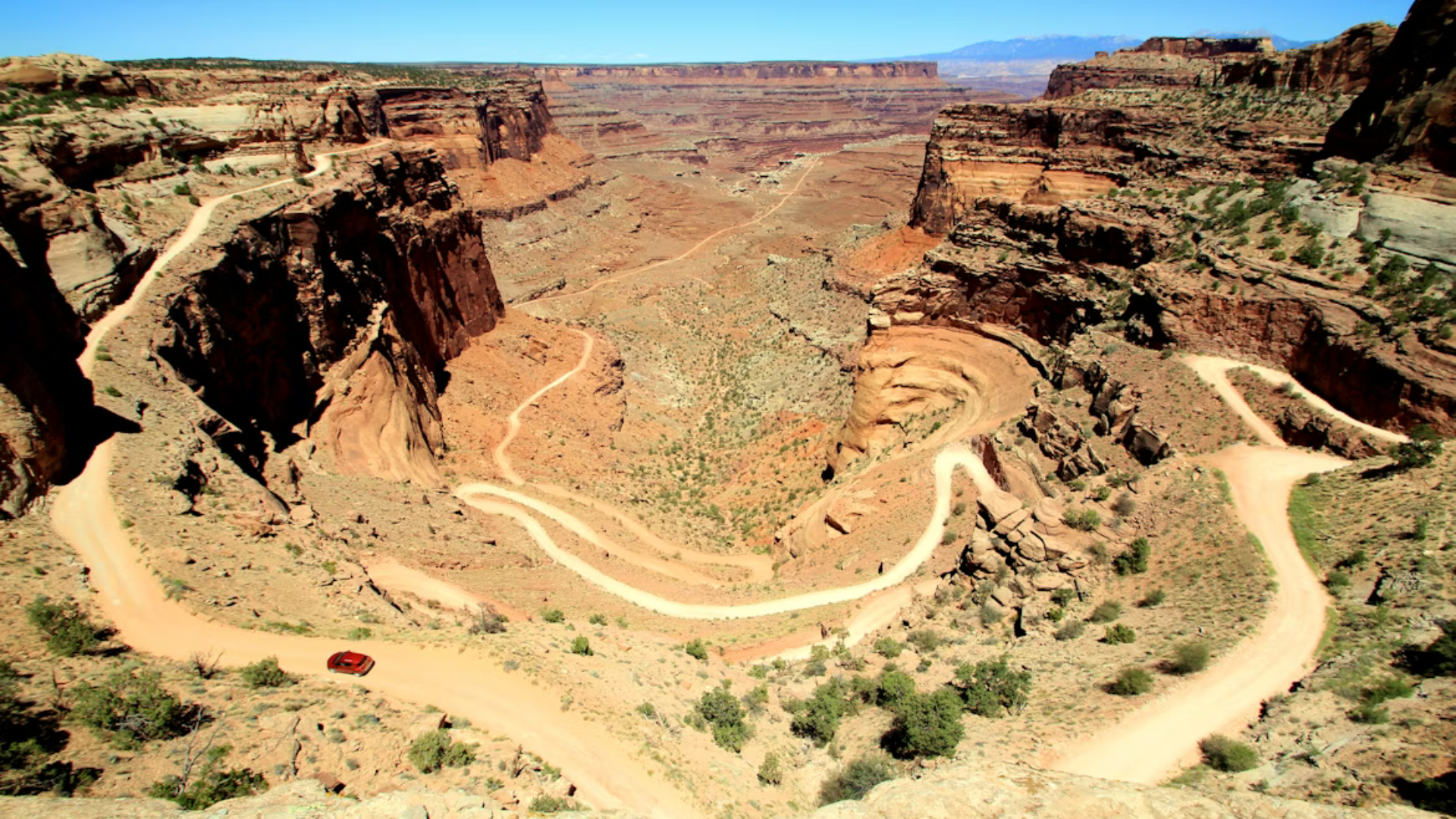
1. The Maze, Canyonlands National Park (Utah)
© Unsplash / Mattia Bericchia

1. The Maze, Canyonlands National Park (Utah)

Widely considered the most remote and challenging section of the American Southwest, The Maze is a labyrinth of deep sandstone canyons and towering fins. It requires advanced navigation skills, as the complex geography often renders GPS unreliable, and maps can be difficult to interpret among the vertical walls.

Best Season to Visit: Spring (March–May) or Autumn (September–October) to avoid triple-digit summer heat.

Ideal Visiting Hours: Early morning starts are essential for water management and navigation in shifting shadows.

Traveler Tip: This is a "self-rescue" area; carry a satellite messenger and at least one gallon of water per person, per day.

Must-Know: Reaching the trailhead requires a high-clearance 4WD vehicle and a multi-hour drive on rugged dirt roads.

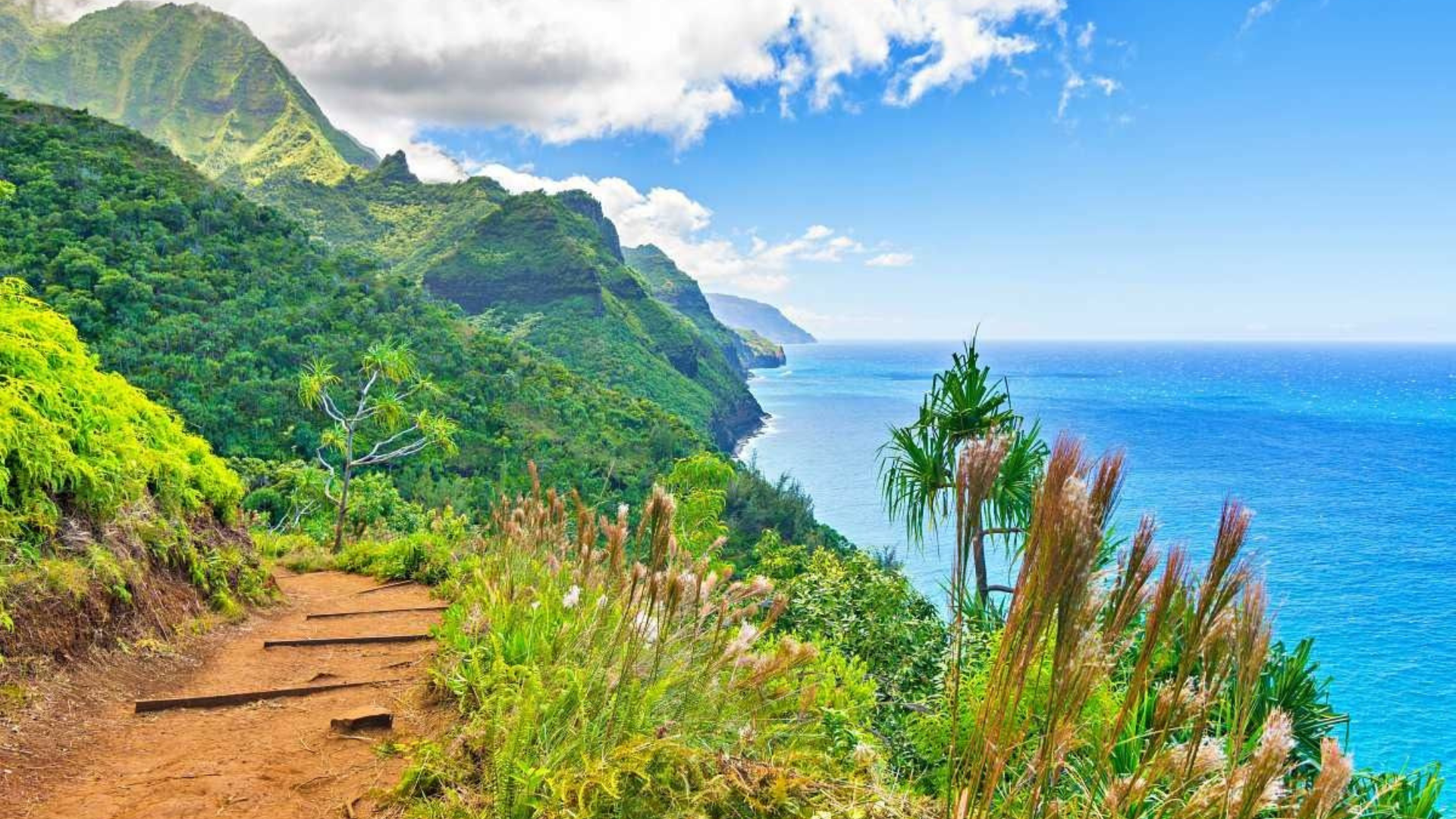
2. Kalalau Trail, Kauai (Hawaii)
© Pinterest / Travel Hawaii With Us

2. Kalalau Trail, Kauai (Hawaii)

This 22-mile round-trip journey along the Na Pali Coast is as dangerous as it is beautiful. The trail is famous for "Crawler's Ledge," a narrow, rock-strewn path with a sheer drop into the Pacific Ocean. Frequent tropical rains turn the red clay into a literal slip-and-slide, making the technical footwork even more precarious.

Best Season to Visit: Late spring through summer (the region's driest window).

Ideal Visiting Hours: Start at daybreak to ensure you clear the most technical ledges before potential afternoon rain showers.

Traveler Tip: Use trekking poles to stabilize yourself on the muddy inclines and reduce strain on your knees during the 5,000 feet of total elevation change.

Must-Know: A highly sought-after permit is mandatory for any hiker traveling beyond Hanakapiai Valley.

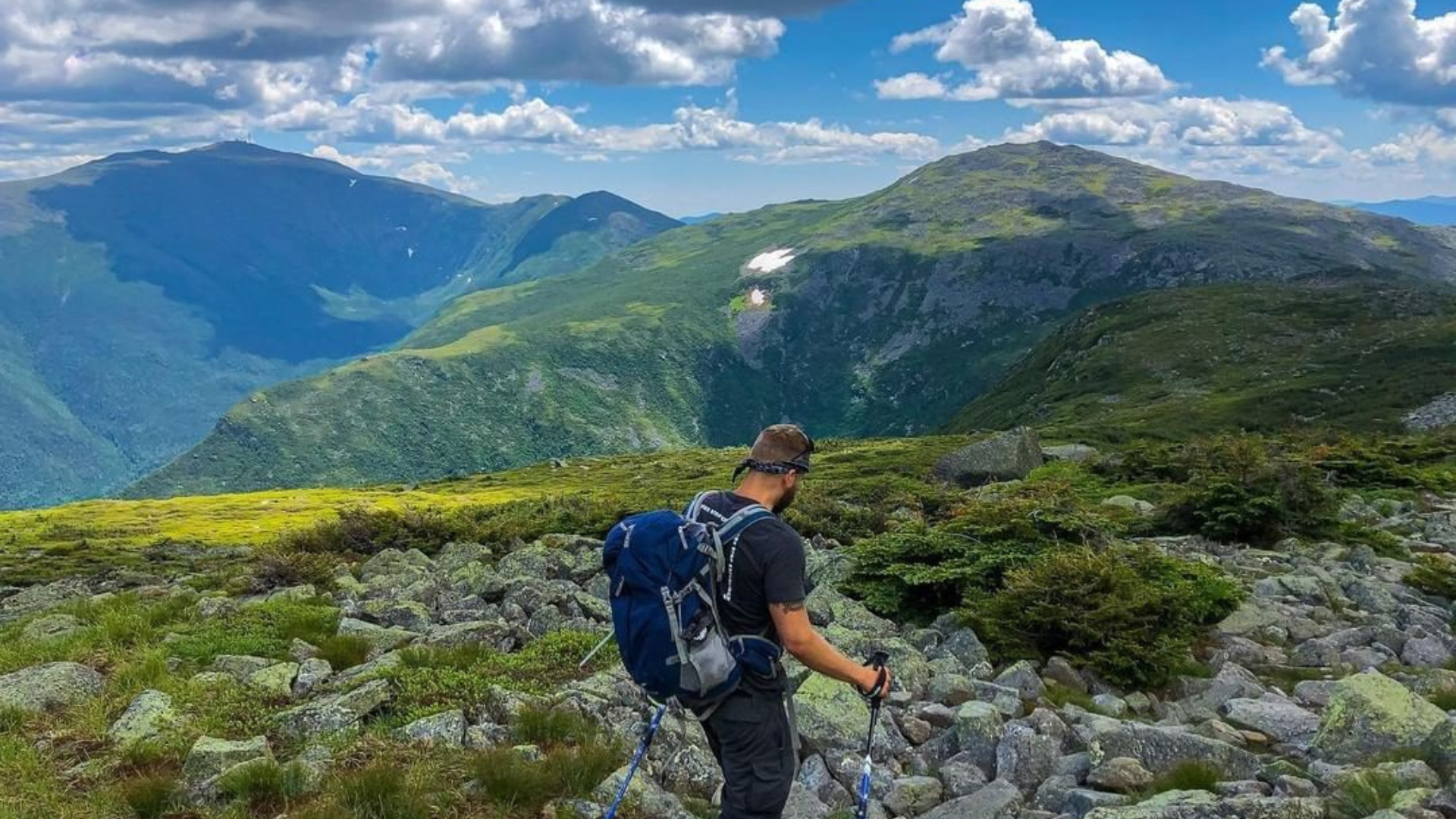
3. The Presidential Traverse (New Hampshire)
© Pinterest / John J-5

3. The Presidential Traverse (New Hampshire)

This trek covers nearly 20 miles across the highest peaks of the White Mountains. It is notorious for having some of the most unpredictable and violent weather on the planet. Even in mid-summer, hikers can encounter hurricane-force winds and sudden whiteouts, requiring a high level of preparedness for alpine survival.

Best Season to Visit: July and August provide the most stable weather, though "stable" is relative in this range.

Ideal Visiting Hours: 4:00 AM starts are standard for those attempting the traverse in a single day.

Traveler Tip: Check the Mount Washington Observatory "Higher Summits Forecast" religiously before setting out.

Must-Know: Most of the trail is above the treeline; if the weather turns, there is very little cover from the elements.

4. Knife Edge Trail, Mount Katahdin (Maine)
© Pinterest / Carrotcakemuffin

4. Knife Edge Trail, Mount Katahdin (Maine)

The Knife Edge is a narrow granite spine that connects Pamola Peak to Baxter Peak. In some sections, the trail is only two to three feet wide with 2,000-foot drops on both sides. It requires a steady head for heights and occasional hand-over-hand scrambling.

Best Season to Visit: July through September when the rock is dry.

Ideal Visiting Hours: Start at dawn; Baxter State Park has strictly enforced parking limits and gate times.

Traveler Tip: Do not attempt this trail if high winds or moisture are in the forecast; the granite becomes incredibly slick.

Must-Know: Mount Katahdin is the northern terminus of the Appalachian Trail and is considered its most difficult mile.

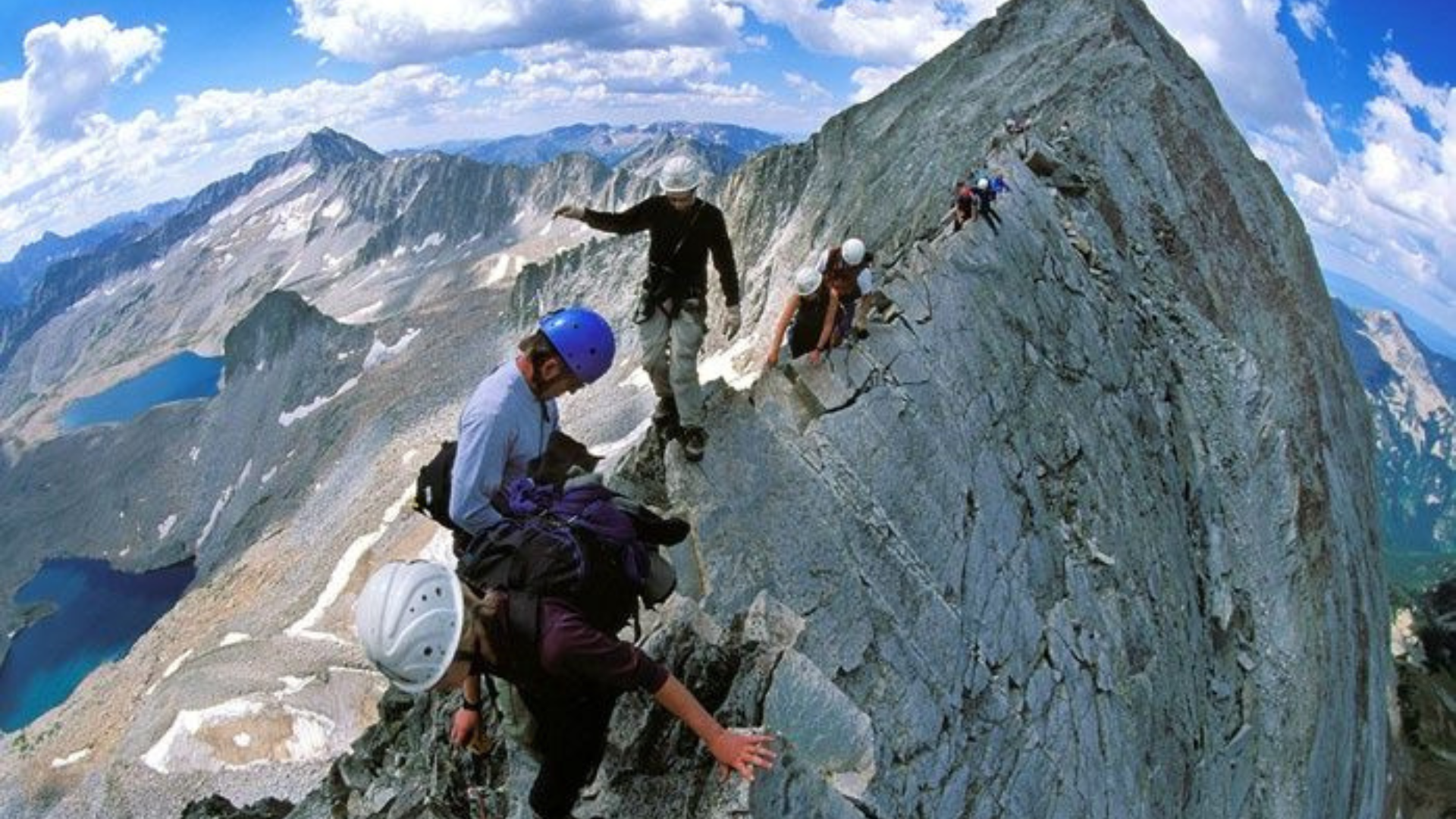
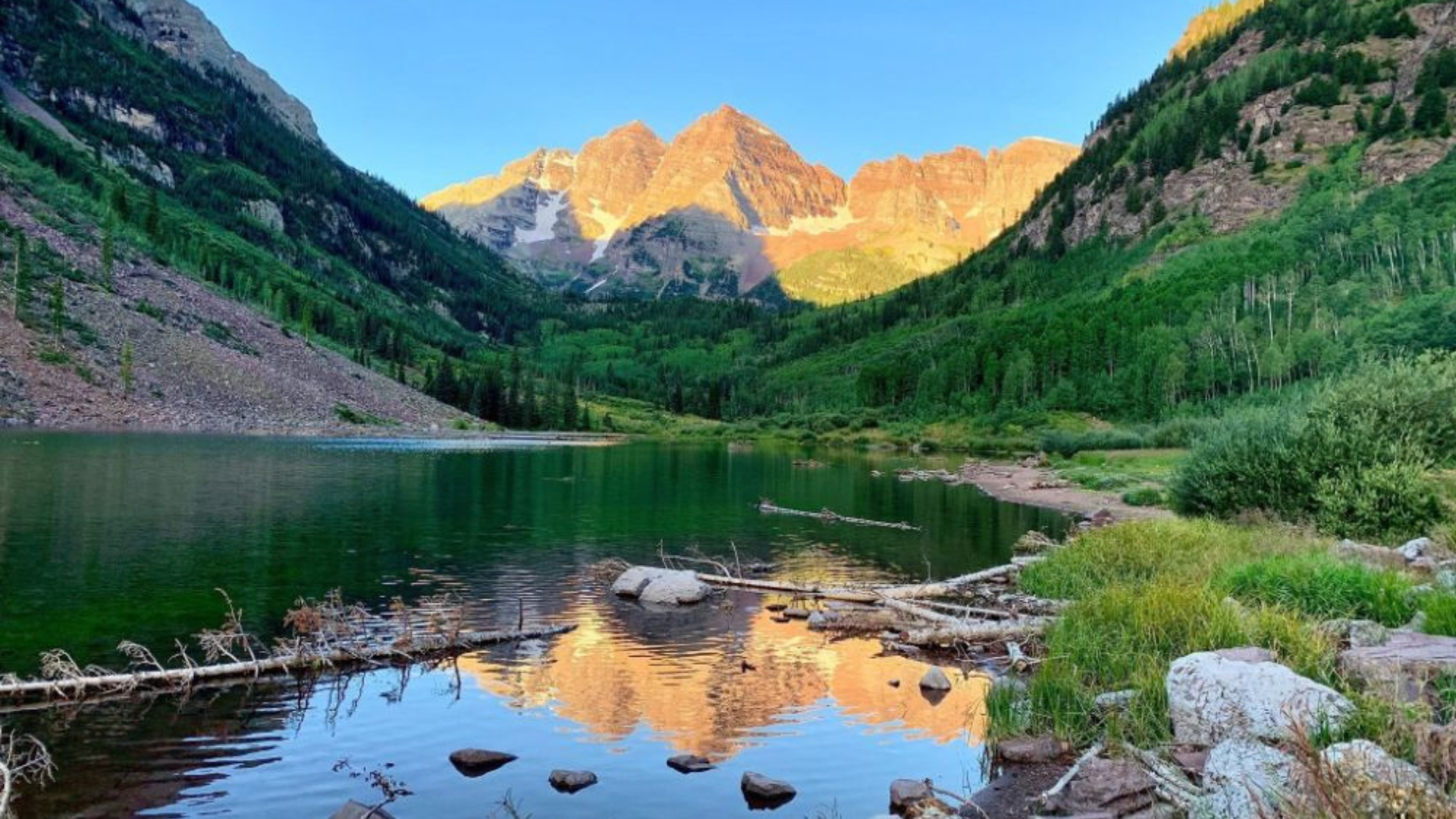
5. Maroon Bells Quest (Colorado)
© Pinterest / AllTrails

5. Maroon Bells Quest (Colorado)

Linking Maroon Peak and North Maroon Peak involves a technical traverse on "rotten" rock—unstable, crumbling mudstone and sandstone. This is Class 4 scrambling where a single loose handhold can be fatal. It is a high-altitude test of both physical strength and mental focus.

Best Season to Visit: August and September, after the winter snowpack has fully retreated.

Ideal Visiting Hours: You must be off the high ridges by noon to avoid the daily risk of afternoon lightning.

Traveler Tip: A climbing helmet is non-negotiable here due to the high risk of rockfall from hikers above.

Must-Know: This is a technical mountaineering route, not a standard hiking trail; previous scrambling experience is vital.

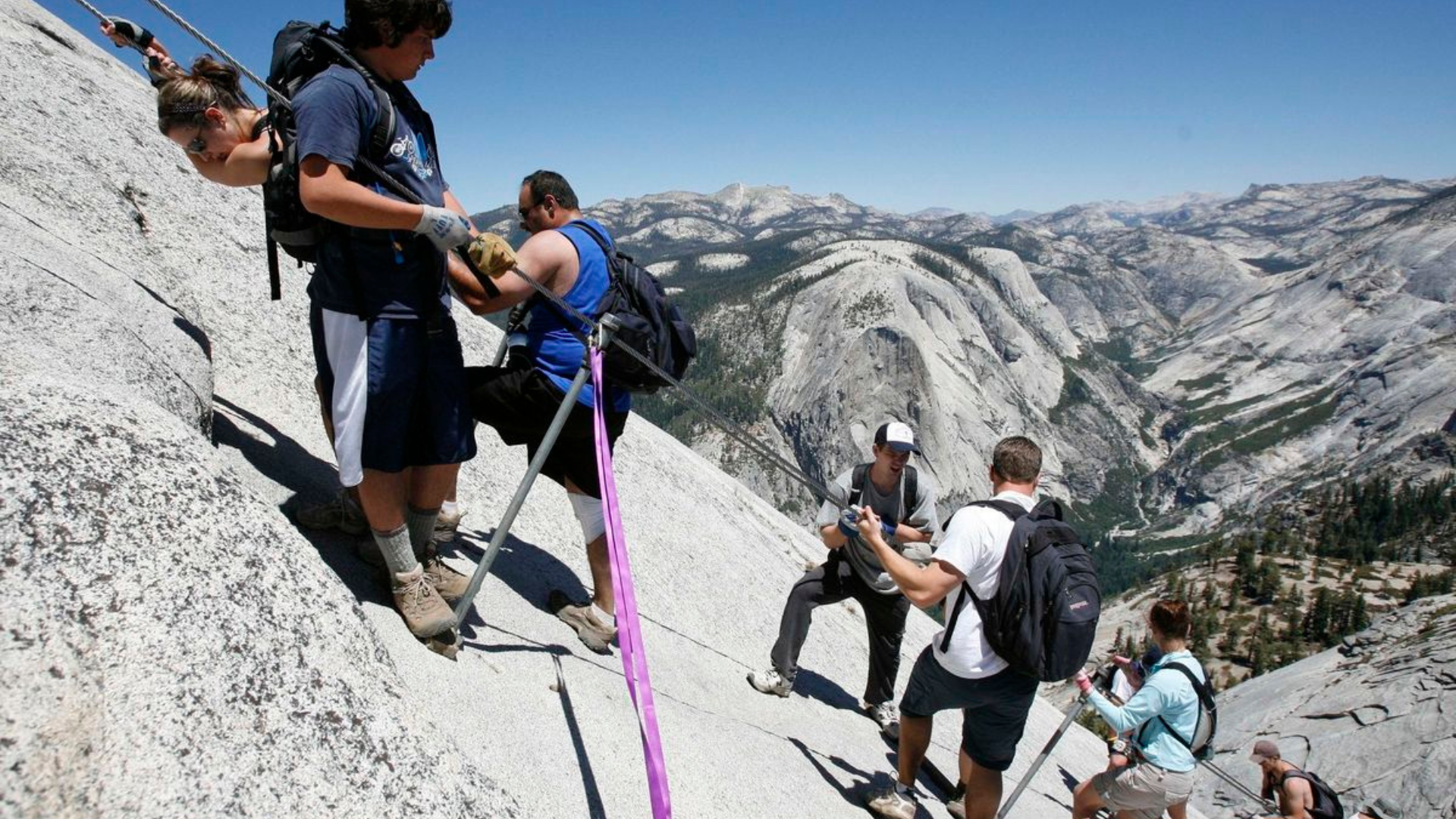
6. Half Dome Cables, Yosemite (California)
© Pinterest

6. Half Dome Cables, Yosemite (California)

While the hike through the valley is beautiful, the final 400 feet involve climbing a steep granite face using only metal cables and wooden slats. It requires significant upper-body strength and nerves of steel, especially when passing other hikers on the narrow route.

Best Season to Visit: Late May to early October (specifically when the cables are "up" for the season).

Ideal Visiting Hours: Leave the valley floor by 4:00 AM to reach the cables before the midday heat and "traffic jams."

Traveler Tip: Bring high-traction rubber gloves to help you grip the steel cables during the ascent.

Must-Know: Access to the cables is restricted by a lottery-based permit system that is strictly enforced.

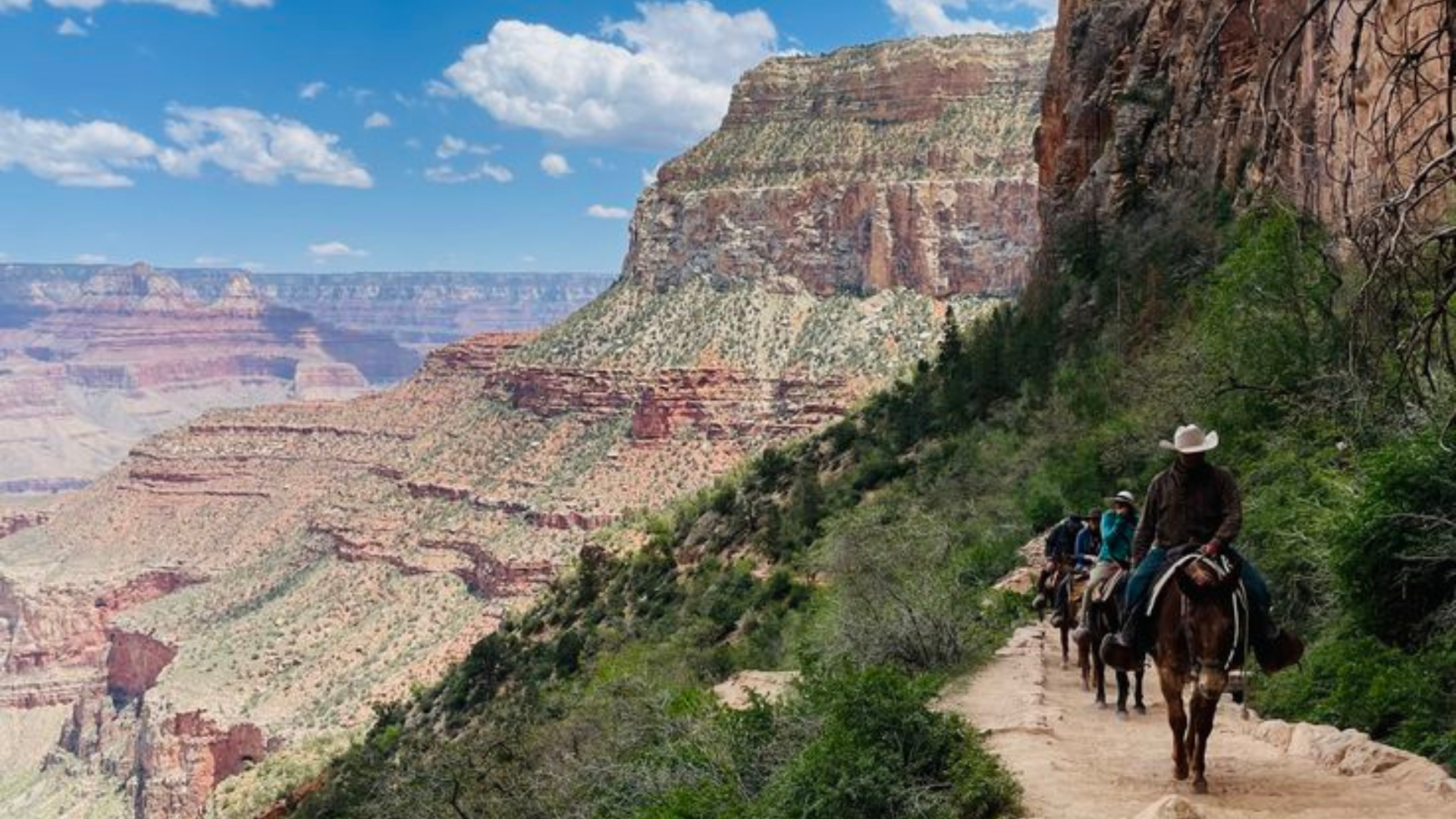
7. Bright Angel Trail, Grand Canyon (Arizona)
© Pinterest / lauren

7. Bright Angel Trail, Grand Canyon (Arizona)

The challenge here isn't technicality, but "the reverse mountain" effect. Unlike most hikes where you climb first, here you descend into extreme heat and must climb out when you are at your most exhausted. In summer, temperatures at the bottom can exceed 48°C (120°F).

Best Season to Visit: Late autumn (October/November) or early spring (March/April).

Ideal Visiting Hours: Start the ascent before the sun hits the inner canyon walls to avoid the "oven" effect.

Traveler Tip: Eat salty snacks and drink electrolyte-enhanced water; plain water alone can lead to hyponatremia in this heat.

Must-Know: Rangers strongly advise against attempting to hike to the river and back in a single day during summer months.

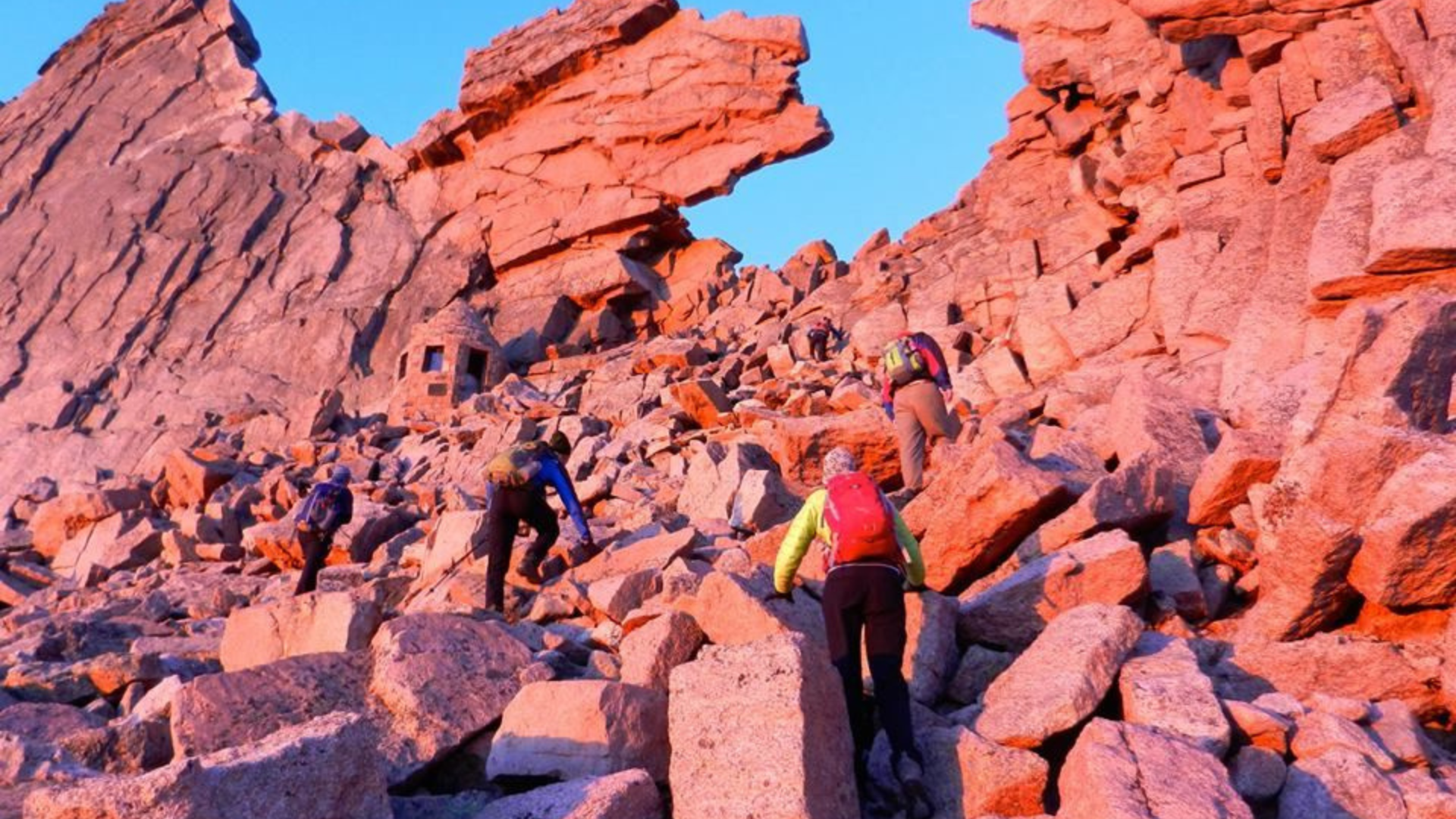
8. Longs Peak, Keyhole Route (Colorado)
© Pinterest / Leo Arellano DDS PC

8. Longs Peak, Keyhole Route (Colorado)

As the only "fourteener" in Rocky Mountain National Park, Longs Peak is a classic challenge. The Keyhole Route transitions from a steep hike into a technical scramble across narrow ledges (The Narrows) and a polished granite slope known as the Homestretch.

Best Season to Visit: Mid-July to early September.

Ideal Visiting Hours: The "alpine start" (leaving the trailhead between 1:00 AM and 3:00 AM) is necessary to beat the storms.

Traveler Tip: Focus on the "bullseye" markers painted on the rocks to ensure you don't stray into much more dangerous Class 5 terrain.

Must-Know: Altitude sickness is a major factor; if you feel dizzy or nauseous, the only cure is to descend immediately.

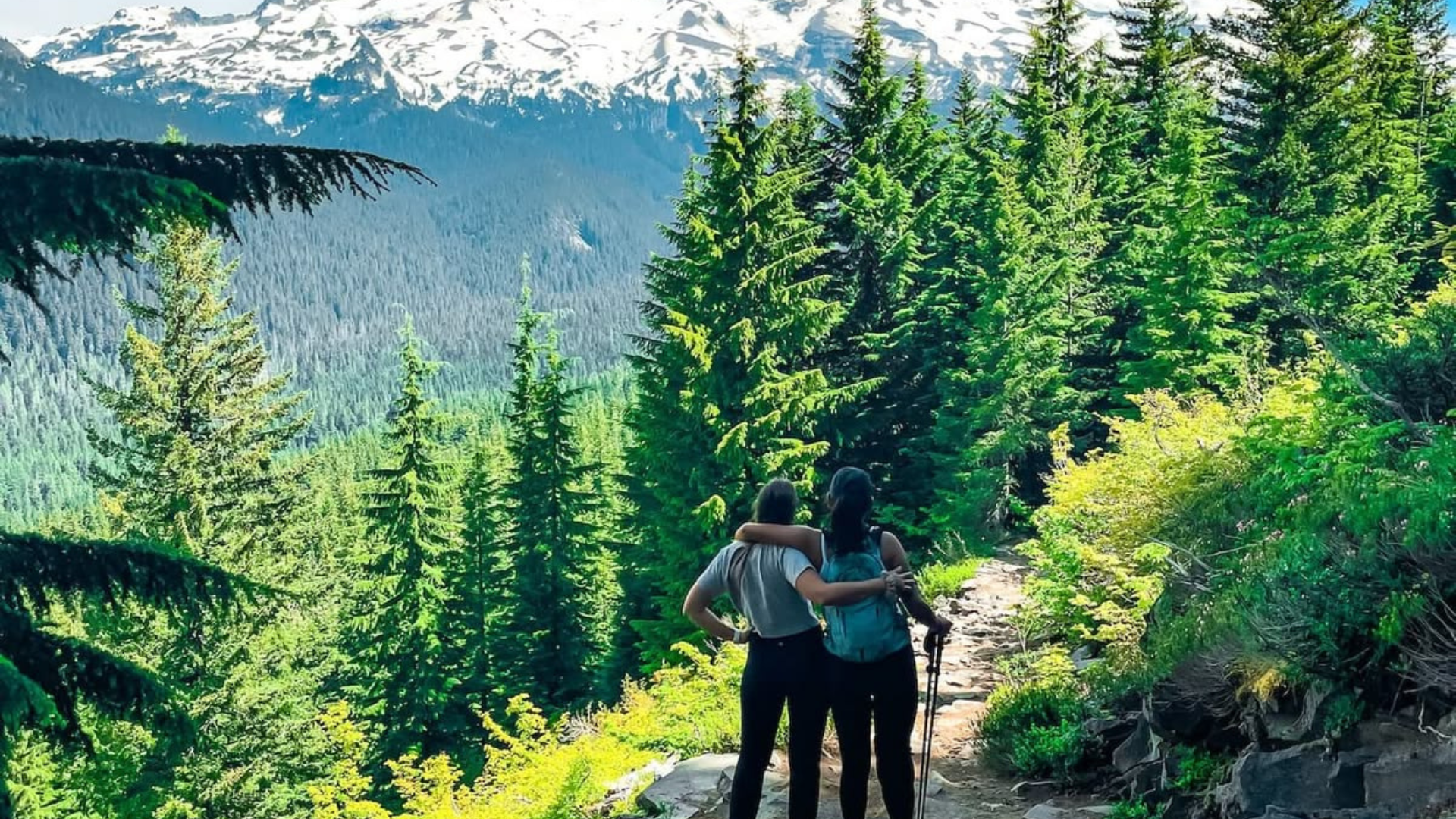
9. Mount Rainier’s Wonderland Trail (Washington)
© Pinterest / Shannon Fairlie

9. Mount Rainier’s Wonderland Trail (Washington)

This 93-mile loop encircles the most glaciated peak in the lower 48 states. While the scenery is world-class, the trail involves a cumulative elevation gain of roughly 22,000 feet—nearly the height of Mount Everest from sea level. It is a grueling test of long-distance endurance.

Best Season to Visit: August, when the subalpine wildflowers are in bloom and the snow has cleared from the high passes.

Ideal Visiting Hours: Daylight hours only; navigation can become difficult in the dense forests or on high ridges after dark.

Traveler Tip: Lighten your pack by caching food at ranger stations along the route in advance.

Must-Know: Backcountry permits for this loop are extremely limited and are distributed via a competitive lottery.

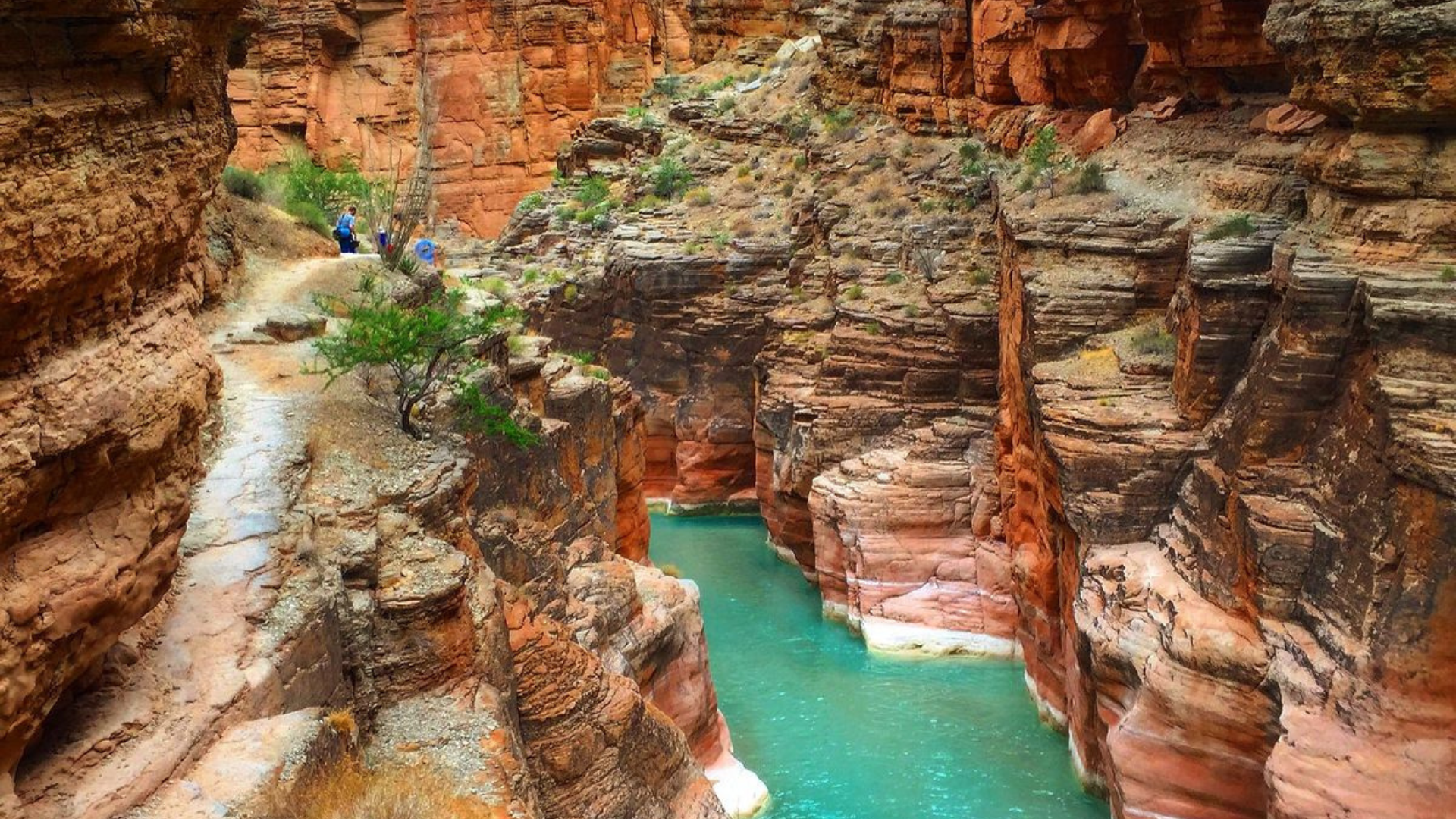
10. Havasu Falls Trail (Arizona)
© Pinterest / Natural Atlas

10. Havasu Falls Trail (Arizona)

While famous for its turquoise water, the 20-mile round trip is a desert endurance test. You must hike 10 miles down through deep sand and sun-exposed switchbacks with all your gear, then repeat the process in reverse—often in intense heat—to exit.

Best Season to Visit: May or September, when the water is warm but the canyon temperatures are still manageable.

Ideal Visiting Hours: Start your hike out of the canyon at 3:00 AM to be at the rim before the sun reaches its peak.

Traveler Tip: Every ounce matters in the desert; be ruthless when packing your gear to keep your bag as light as possible.

Must-Know: You must have a pre-paid, 3-night reservation from the Havasupai Tribe to enter the canyon.


Comments (0)

Leave a Reply

No comments yet. Be the first to share your thoughts!