Travel Destination

10 American cities known for their architectural character and design

Julian Cross
4.9
April 30, 2026

Architecture is one of the most honest records a city keeps. The buildings that survive, the ones demolished, and the ones built in their place all tell a story about what a city valued and how it changed over time.

Some American cities wear their architectural identity more visibly than others , places where a walk down the right street delivers a concentrated lesson in design history and where the built environment shapes the experience of being there in ways that go well beyond the visual.

Here are 10 American cities that stand out for their architecture and what makes each one worth visiting for the buildings alone.
1. Chicago, Illinois
© Unsplash / Ricky Beron

1. Chicago, Illinois

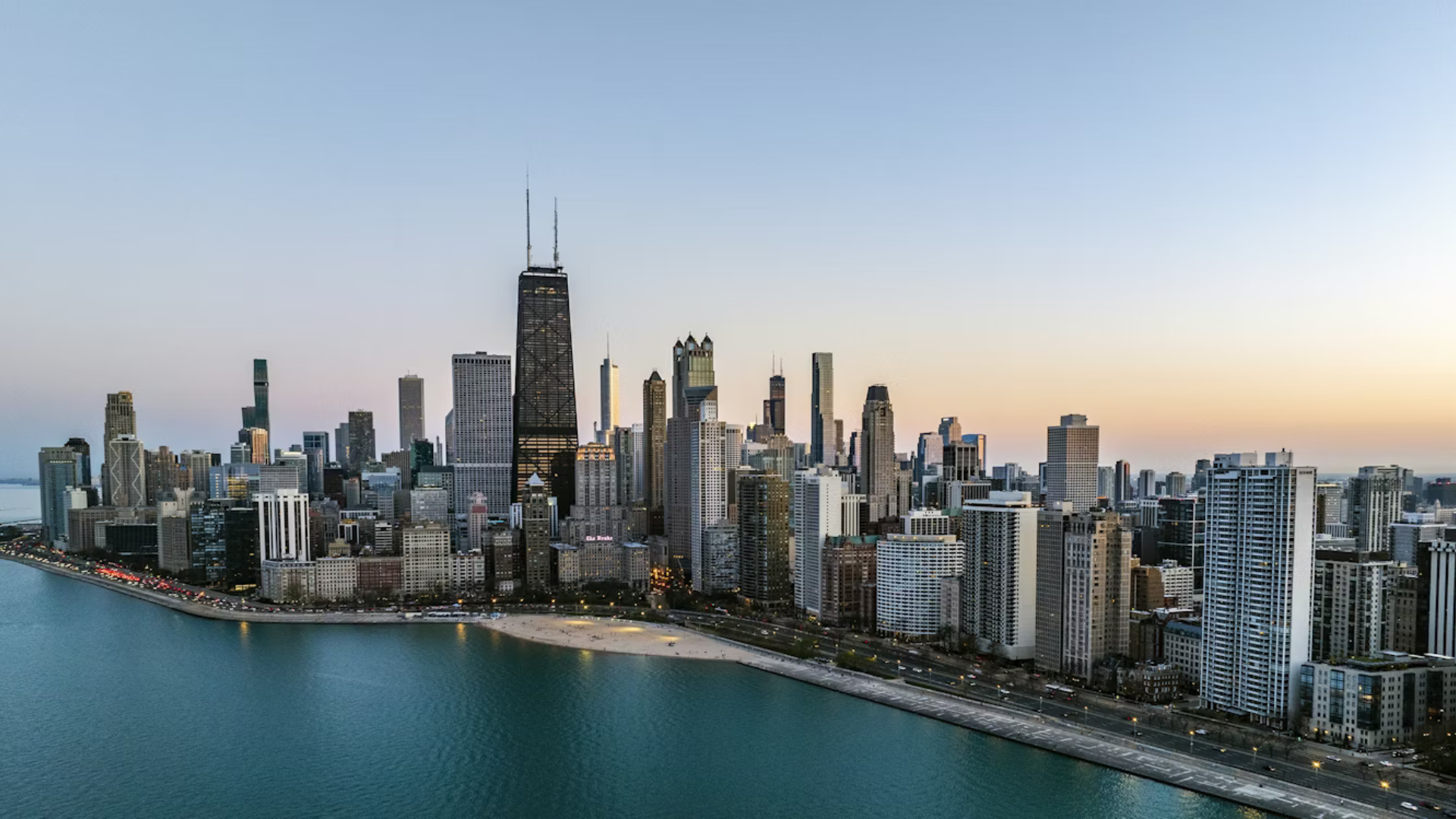
Chicago is where the modern skyscraper was born. After the Great Fire of 1871 cleared much of the city, the most ambitious architects of the era arrived to rebuild it — and what they produced changed architecture worldwide. The steel-frame commercial buildings of the Loop, the riverside towers visible from the Chicago Architecture Foundation boat tour, and major works by Frank Lloyd Wright, Ludwig Mies van der Rohe, and more recent names like Jeanne Gang make Chicago the most architecturally literate city in the United States.

Traveler Tip: The Chicago Architecture Foundation River Cruise is one of the best architectural experiences in the country. The 90-minute boat tour covers over 50 buildings with expert commentary. Book in advance, it sells out regularly during summer.

Must-Know: The Chicago Architecture Center on the Riverwalk also offers walking tours by neighborhood and period, making it easy to structure a self-guided architectural itinerary around your specific interests.

2. New York City, New York
© Pexels / Renan Tagliaferro

2. New York City, New York

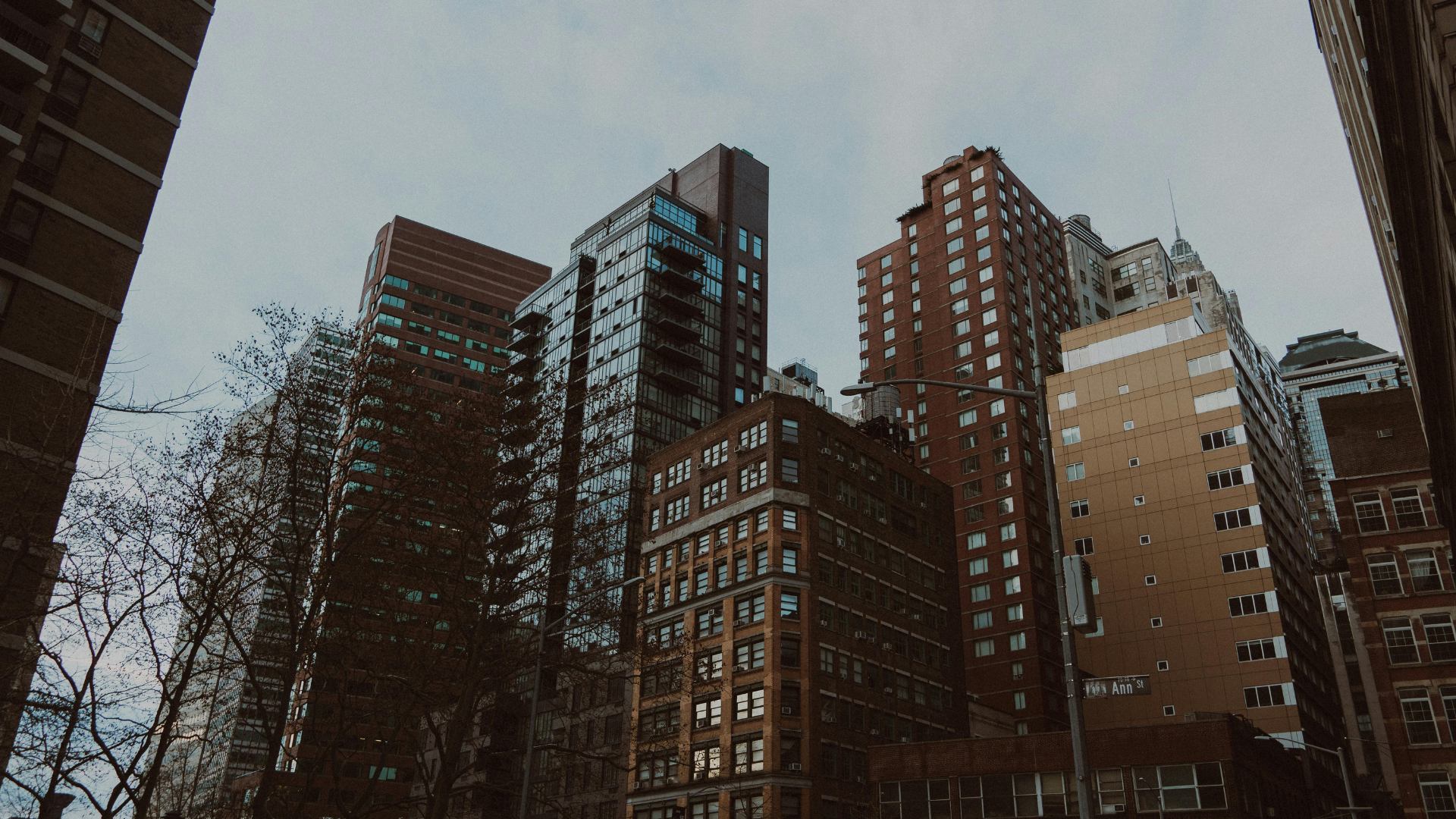
No American city packs more architectural significance into a walkable area than Manhattan. The Chrysler Building, Rockefeller Center, the Seagram Building, Grand Central Terminal, and the Guggenheim Museum sit within blocks of each other, representing a century of competing architectural visions in a single borough. SoHo's cast-iron facades, the High Line's contemporary interventions, and Brooklyn's brownstone neighborhoods add further layers to a city that rewards looking up at almost every corner.

Traveler Tip: The AIA New York Center for Architecture in Greenwich Village offers self-guided walking tour maps for different neighborhoods and periods — a practical and free resource for exploring the city's built environment with context.

Must-Know: New York's Landmarks Preservation Commission has designated over 37,000 individual properties across the five boroughs. This protection is why so much architectural history survives in a city with enormous development pressure.

3. Washington, DC
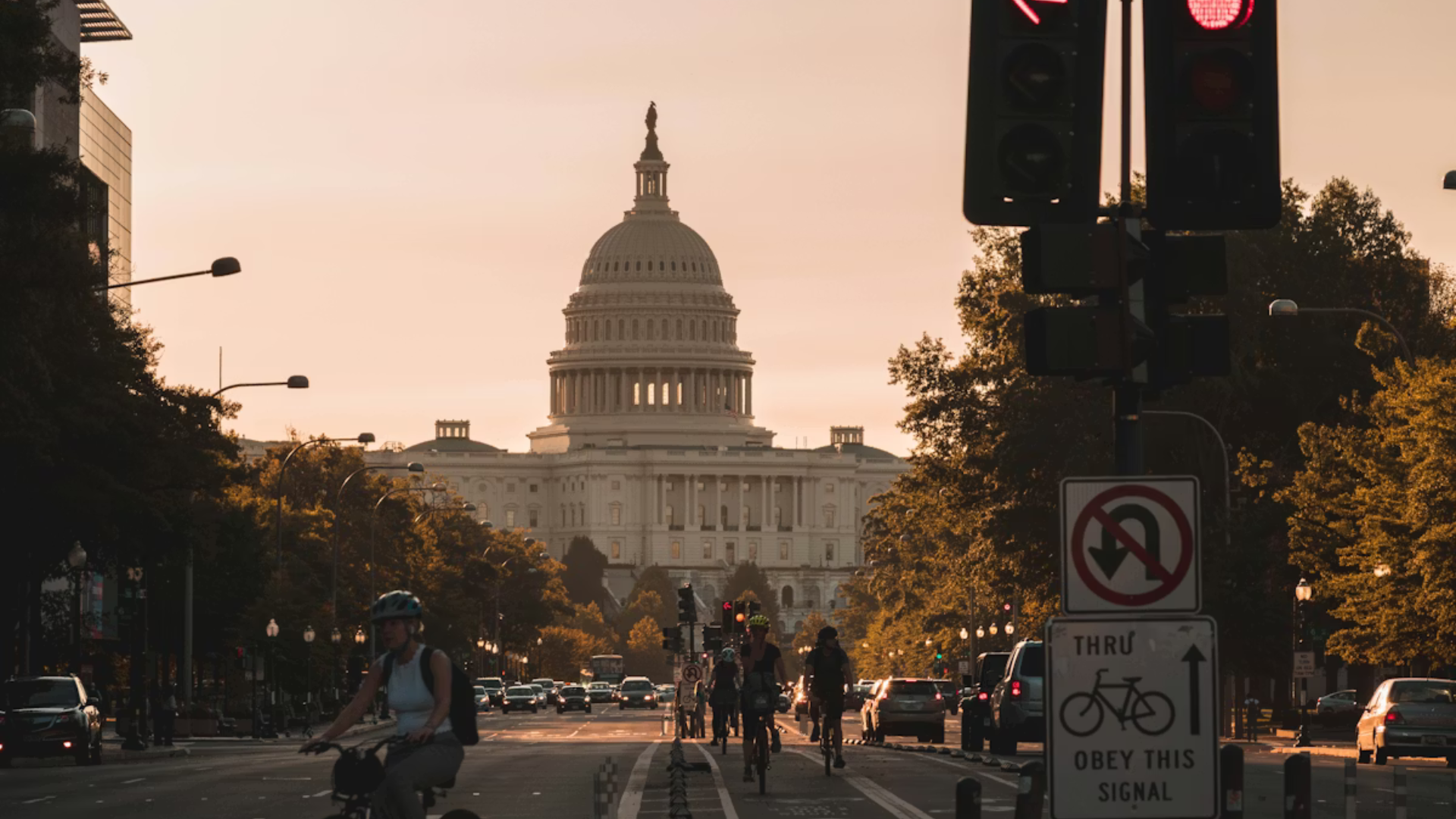
© Unsplash / Andy Feliciotti

3. Washington, DC

Washington DC was designed from the ground up as a capital city, and that intentionality is visible everywhere. L'Enfant's 1791 plan of diagonal avenues and civic nodes remains largely intact, and the National Mall is the most formally composed public space in the country. Beyond the monuments, the city layers Georgetown's Federal townhouses, Capitol Hill's Victorian rowhouses, and Beaux-Arts embassy buildings with more recent commissions like David Adjaye's National Museum of African American History and Culture.

Traveler Tip: Most major museums and monuments on the National Mall are free to enter, making DC one of the most accessible architectural cities in the country for any budget.

Must-Know: Timed entry passes for the most popular Smithsonian museums fill up quickly. Reserve them in advance through the Smithsonian website before your visit.

4. New Orleans, Louisiana
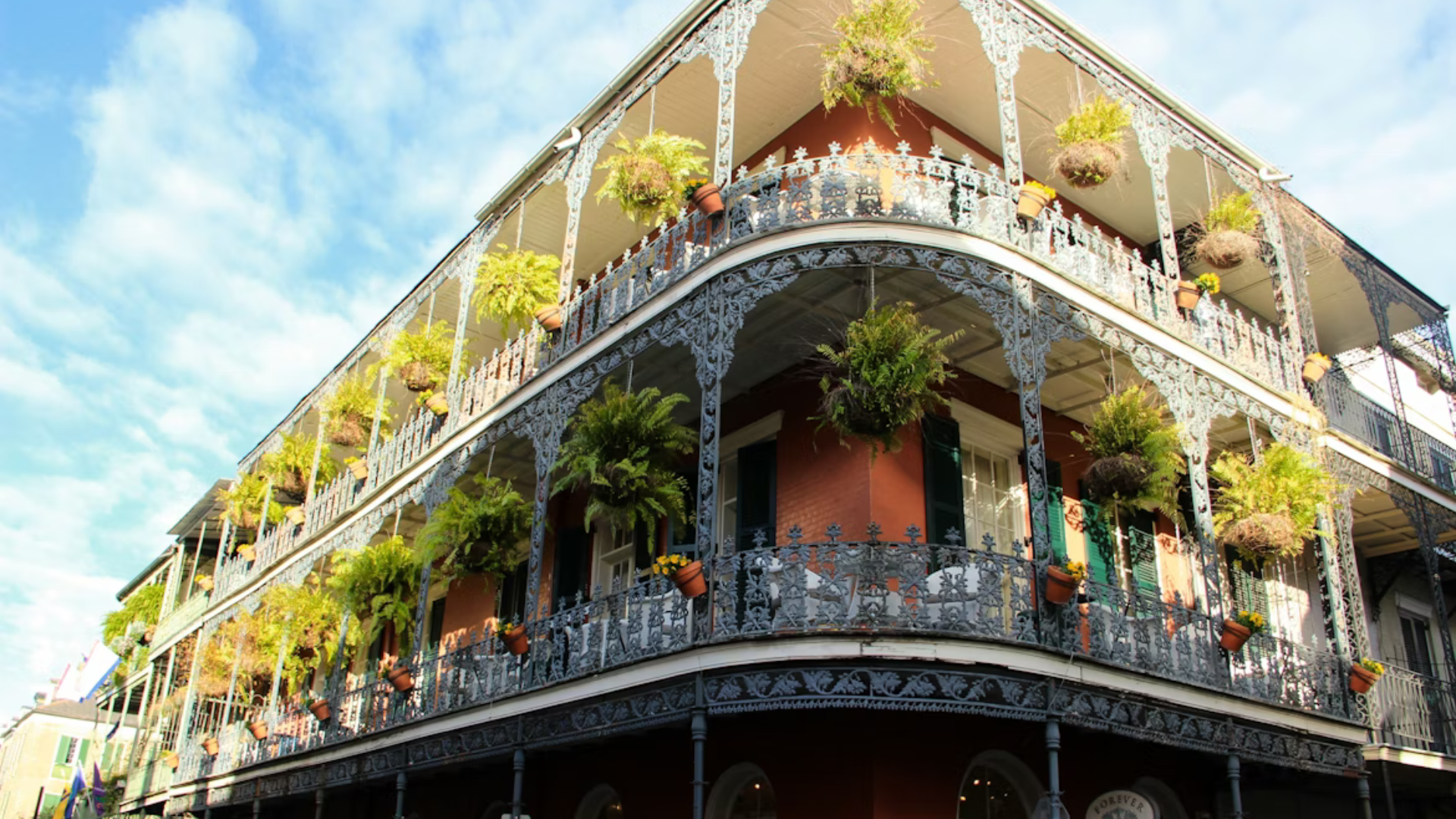
© Unsplash/ Aya Salman

4. New Orleans, Louisiana

New Orleans has an architectural identity unlike any other American city. The French Quarter's Creole townhouses, Spanish colonial buildings, and cast-iron balconies create a streetscape with no equivalent in the country. The Garden District adds Greek Revival and Italianate mansions that reflect the city's 19th-century American merchant wealth. Together these two districts — separated by Canal Street and shaped by completely different cultural traditions — tell the story of New Orleans more clearly than almost any other place in the city.

Traveler Tip: Walking both the French Quarter and the Garden District in a single day gives the most complete picture of New Orleans' architectural range. The contrast between the two districts is striking and best appreciated when experienced in sequence.

Must-Know: New Orleans' historic architecture faces ongoing threats from flooding and deferred maintenance. Many of the most significant buildings are in active need of preservation investment, which gives a visit a relevance beyond pure sightseeing.

5. San Francisco, California
© Unsplash / Andrew Whitmore

5. San Francisco, California

San Francisco's 43 hills create building conditions that demanded creative architectural responses across every era of the city's development. The Victorian and Edwardian wooden houses of Alamo Square, Pacific Heights, and the Castro represent the most intact collection of late 19th-century residential architecture on the West Coast. The Golden Gate Bridge, the Transamerica Pyramid, and more recent additions like Renzo Piano's California Academy of Sciences and Herzog and de Meuron's de Young Museum round out a city with genuine architectural range across styles and centuries.

Traveler Tip: Walking San Francisco's neighborhoods rather than taking transit produces a fundamentally different understanding of how the architecture relates to the topography. The hills are the context that makes the buildings make sense.

Must-Know: The Painted Ladies at Alamo Square are best visited early morning before the tour groups arrive. The view of the Victorian row houses against the downtown skyline is one of the most photographed architectural compositions in the country.

6. Philadelphia, Pennsylvania
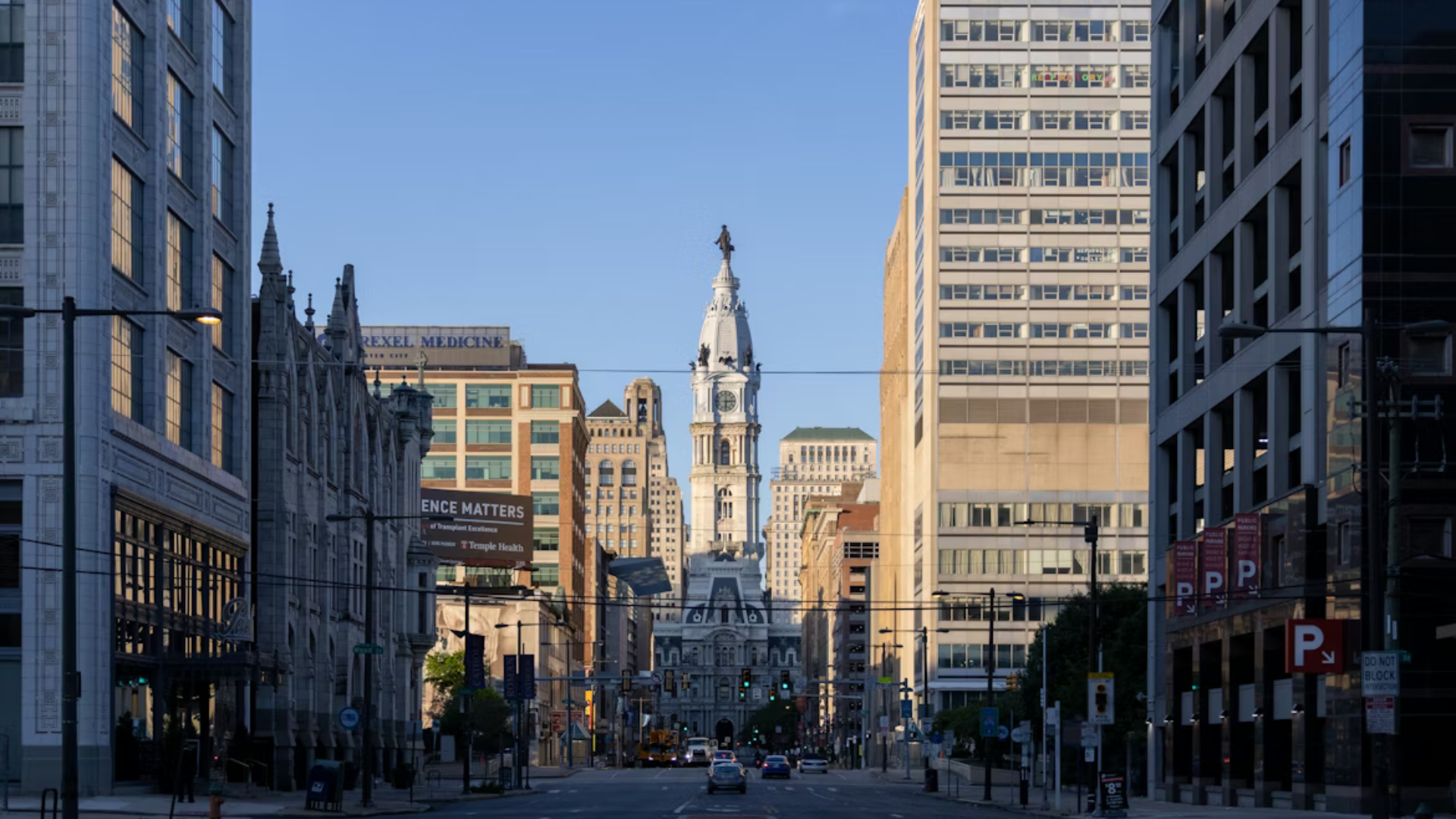
© Unsplash / Mick Kirchman

6. Philadelphia, Pennsylvania

Philadelphia's architectural story spans more of American history than almost any other city. Independence Hall anchors a colonial and federal district of genuine depth, while the surrounding Society Hill neighborhood preserves 18th and early 19th-century townhouses at a scale that feels remarkably intimate. Frank Furness's Victorian buildings — particularly the Pennsylvania Academy of Fine Arts — Louis Kahn's Richards Medical Research Laboratories at Penn, and the Beaux-Arts civic buildings along the Benjamin Franklin Parkway all add significant chapters to a city that serious architecture travelers consistently underestimate.

Traveler Tip: The Eastern State Penitentiary on Fairmount Avenue is one of the most architecturally dramatic buildings in the city — a Gothic Revival prison that operated from 1829 to 1971 and now offers public tours combining architectural history with the story of American penal reform.

Must-Know: Philadelphia's public mural arts program has placed over 4,000 murals across the city. The murals interact with the built environment in ways that are worth paying attention to as part of the city's overall visual character, particularly in North Philadelphia.

7. Miami, Florida
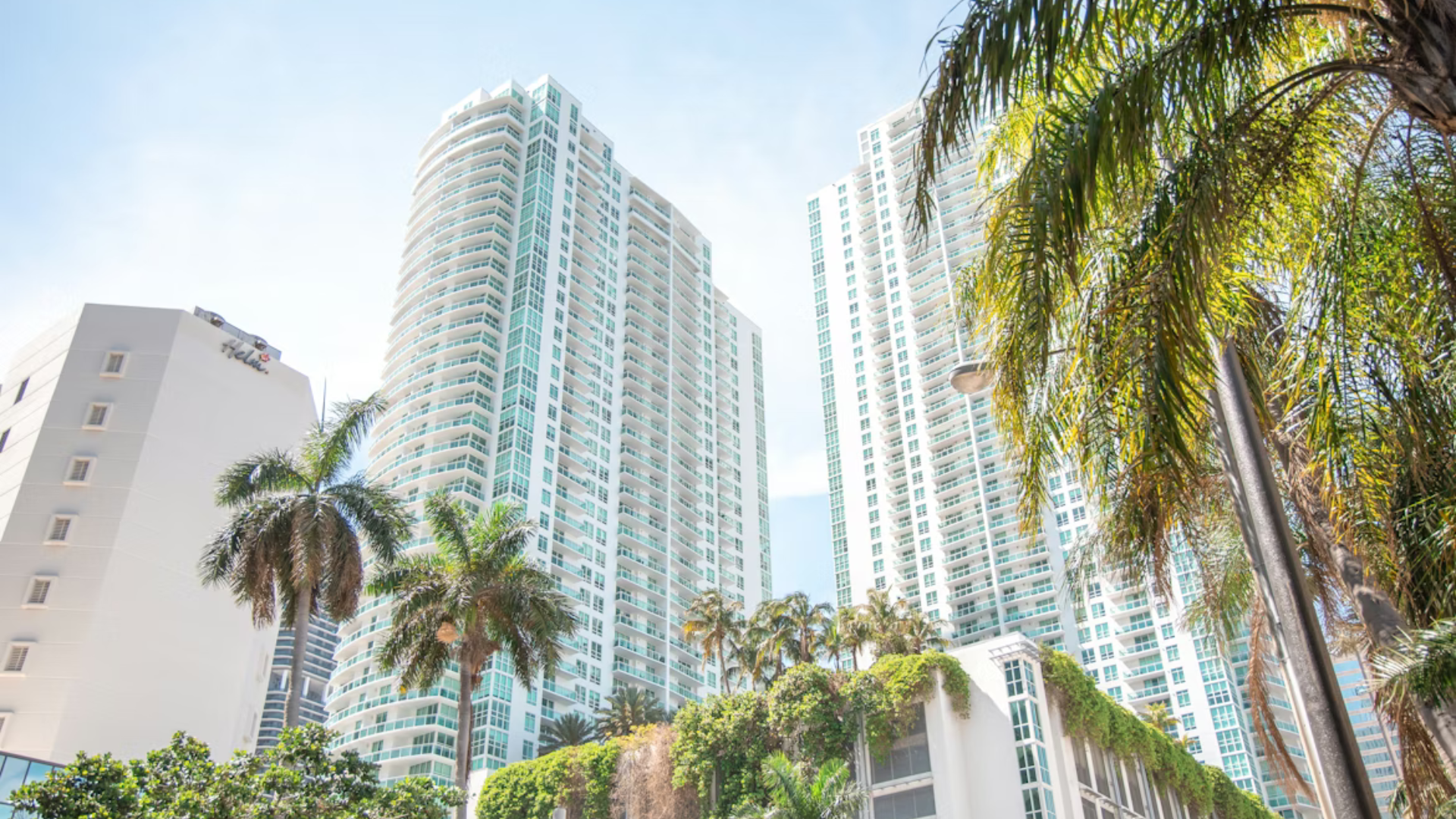
© Unsplash / Mimi Di Cianni

7. Miami, Florida

Miami's architectural identity rests on two distinct foundations. The Art Deco Historic District of South Beach contains the largest collection of Art Deco architecture in the world — over 800 buildings from the 1920s through the 1940s with pastel facades, streamlined details, and neon signage that create one of the most visually distinctive streetscapes in the United States. Contemporary Miami has added a second chapter with the Pérez Art Museum, the Frost Science Museum on the waterfront, and Zaha Hadid's One Thousand Museum residential tower, making it one of the few American cities with two genuinely distinct architectural identities operating simultaneously.

Traveler Tip: The Miami Design Preservation League offers guided walking tours of the Art Deco district on weekends. The tours provide considerably more depth than self-guided exploration and are the most efficient introduction to the district's history and design details.

Must-Know: The Art Deco buildings are best experienced at dusk when the neon signage illuminates the facades as originally intended. Midday visits during peak tourist season make the crowd activity the dominant experience rather than the architecture.

8. St. Louis, Missouri
© Pexels / Jose Cruz

8. St. Louis, Missouri

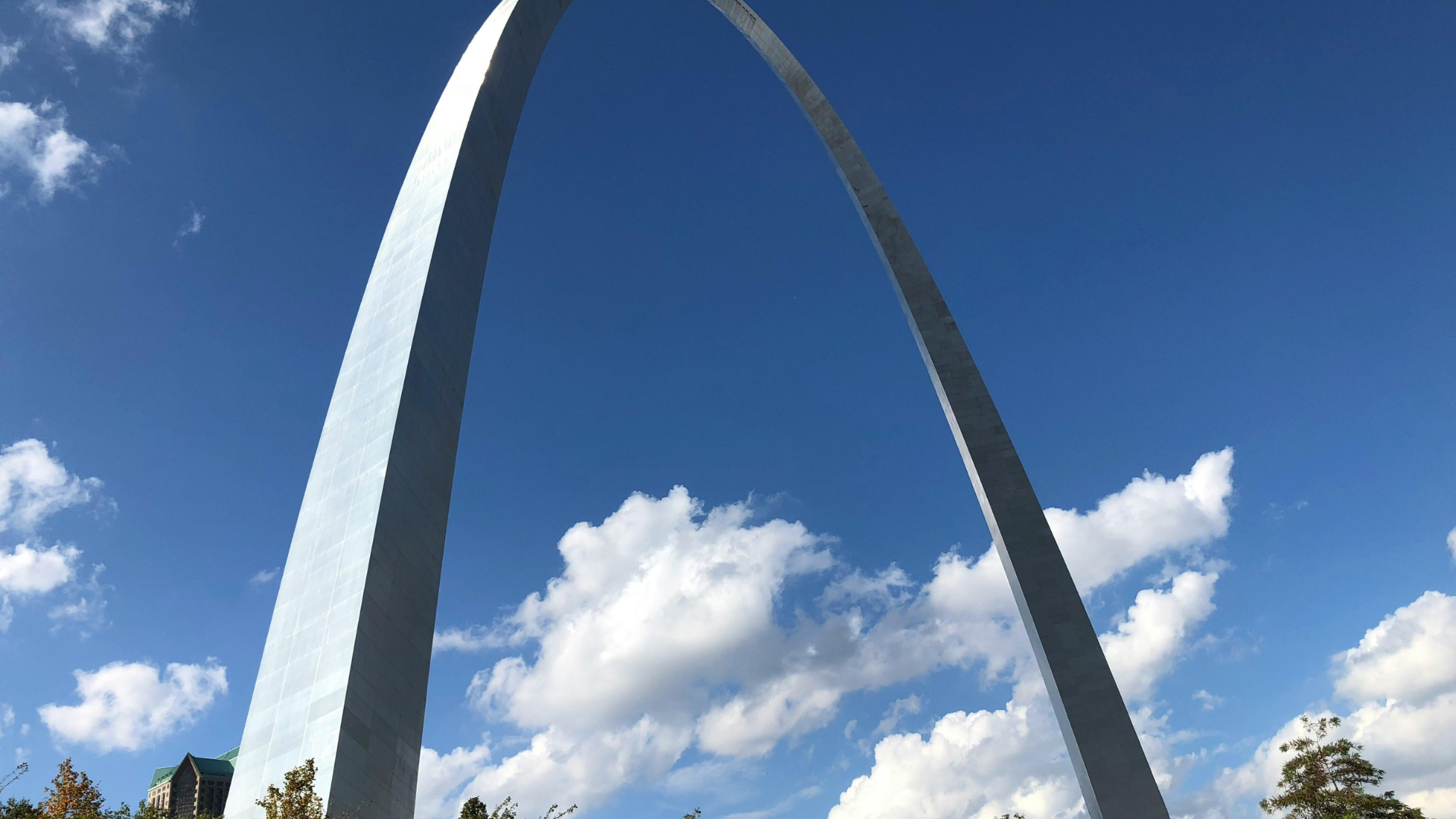
St. Louis consistently surprises visitors who arrive without knowing what the city offers architecturally. The Gateway Arch — Eero Saarinen's 630-foot stainless steel parabolic arch on the Mississippi waterfront — is one of the most geometrically precise structures in American architecture. Downtown St. Louis also contains some of the finest examples of Louis Sullivan's commercial architecture outside Chicago, including the Wainwright Building of 1891 — one of the most important early skyscrapers in the United States and a building that directly influenced the development of 20th-century commercial architecture worldwide.

Traveler Tip: The Wainwright Building on Chestnut Street is freely visible from the street and worth seeking out specifically. It is one of the most historically significant buildings in American architecture and one of the least visited given its importance.

Must-Know: Forest Park — larger than Central Park — contains the art museum, history museum, and several other cultural institutions in a landscape designed for the 1904 World's Fair. The park's architectural legacy is still visible in the civic buildings that line its edges.

9. Savannah, Georgia
© Unsplash / Diane Picchiottino

9. Savannah, Georgia

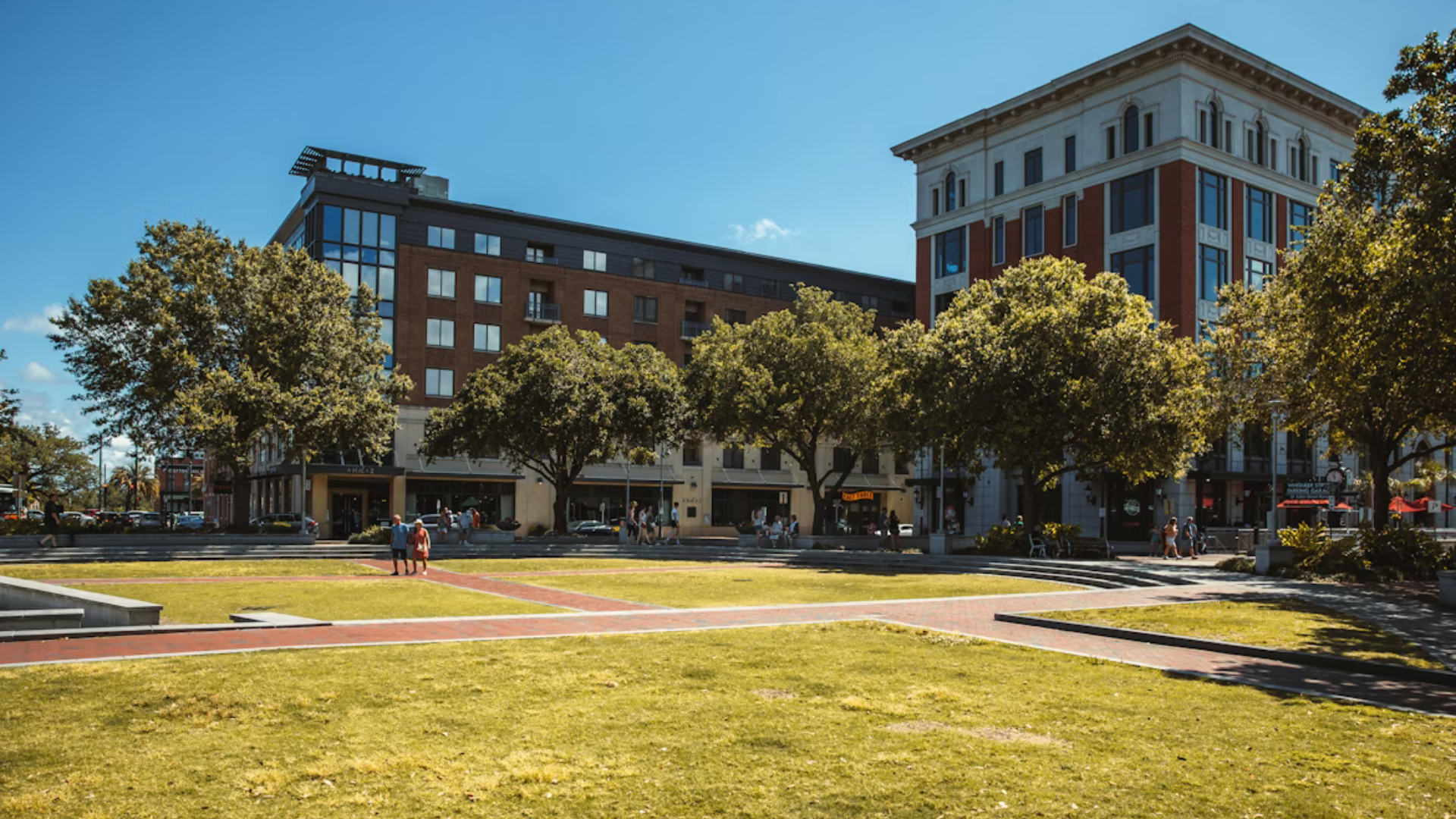
Savannah is the most elegantly planned historic city in the United States. General Oglethorpe's 1733 ward system — each neighborhood organized around a central square — survives largely intact across 22 of the original 24 squares, giving the city a spatial clarity and walkability that planned American cities rarely achieve. The Federal, Greek Revival, and Italianate architecture surrounding the squares, combined with the live oak canopy draped in Spanish moss, creates a streetscape that is genuinely unlike anything else in the country and one that rewards slow exploration on foot above all other modes of travel.

Traveler Tip: The Savannah College of Art and Design has restored dozens of historic buildings across the city for use as academic and gallery spaces. The SCAD Museum of Art on Martin Luther King Jr. Boulevard occupies a beautifully restored antebellum railroad depot and is worth visiting for the building as much as the collection inside.

Must-Know: Savannah's square system is designed for pedestrians. A full day of walking the historic district covers the architectural core without any need for transport — and the experience of moving between squares on foot is the most rewarding way to understand how the city's design actually works.

10. Scottsdale and Greater Phoenix, Arizona
© Unsplash / Folco Masi

10. Scottsdale and Greater Phoenix, Arizona

The greater Phoenix area contains the most significant concentration of Frank Lloyd Wright's accessible work anywhere in the United States. Taliesin West — Wright's winter home and studio in the Sonoran Desert — is a National Historic Landmark and UNESCO World Heritage Site that remains an active architecture school. The buildings respond to the desert landscape with a material intelligence that makes it one of the most important architectural sites in the country. Paolo Soleri's Cosanti Foundation in Paradise Valley and the ongoing experimental town of Arcosanti north of Phoenix add further layers to a region that takes its relationship with the landscape seriously.

Traveler Tip: Taliesin West offers tours ranging from one hour to three hours. The longer tours are worth the additional time for visitors with a genuine interest in Wright's work and the principles behind the desert compound's design.

Must-Know: Arcosanti — Soleri's experimental town under construction since 1970 in the high desert north of Phoenix — is one of the most genuinely unusual architectural environments in the United States. Guided tours and overnight stays are available and the ongoing construction means the settlement looks different with each visit.


Comments (0)

Leave a Reply

No comments yet. Be the first to share your thoughts!